
Best Lap Steel Guitars for Beginner 2026
So, you're thinking about sliding into the lap steel world? Awesome. It's a different beast than a standard guitar, and picking your first one can be a little overwhelming. We're going to break down some good options for beginners, focusing on what actually matters - playability and a manageable learning curve, without breaking the bank.
Last updated: October 8, 2026

Harley Benton Slider II Vintage Series
- • Poplar body delivers a surprisingly warm, resonant tone.
- • Single coil pickup provides a classic, glassy bluegrass sound.
- • Composite fretboard is surprisingly smooth and playable for the price.
- • Includes tone bar and gig bag – a complete, ready-to-play package.
- • Composite fretboard can feel slightly plasticky compared to rosewood or ebony.
- • Poplar body, while warm, lacks the sustain of mahogany or maple.
- • Limited pickup options restrict tonal versatility beyond bluegrass/country.

Harley Benton Slider II Vintage Serie Bundle
- • Poplar body provides a surprisingly warm and resonant tone for the price.
- • Included Pyramid strings offer a genuine vintage lap steel vibe and sustain.
- • The composite fretboard is surprisingly smooth and playable, minimizing friction.
- • Complete bundle offers immediate playability with cable, picks, and strings.
- • Poplar body can be a bit plain aesthetically, lacking the visual appeal of mahogany.
- • Single coil pickup offers limited tonal versatility compared to humbuckers.
- • Composite fretboard, while playable, won't offer the same feel as a rosewood or ebony board.

Harley Benton Slider II Lap Steel w/Stand
- • Solid poplar body provides a surprisingly resonant and warm tone.
- • Composite fingerboard is smooth and playable, minimizing stickiness in warmer climates.
- • The single-coil pickup delivers a classic, glassy lap steel voice – great for country and Hawaiian sounds.
- • Included stand is sturdy and adjustable, a real convenience for practice and performance.
- • Composite fingerboard lacks the warmth and character of a traditional wood fretboard.
- • Single pickup limits tonal versatility; a second pickup would be a significant upgrade.
- • Poplar body, while resonant, isn’t as tonally complex as mahogany or maple.
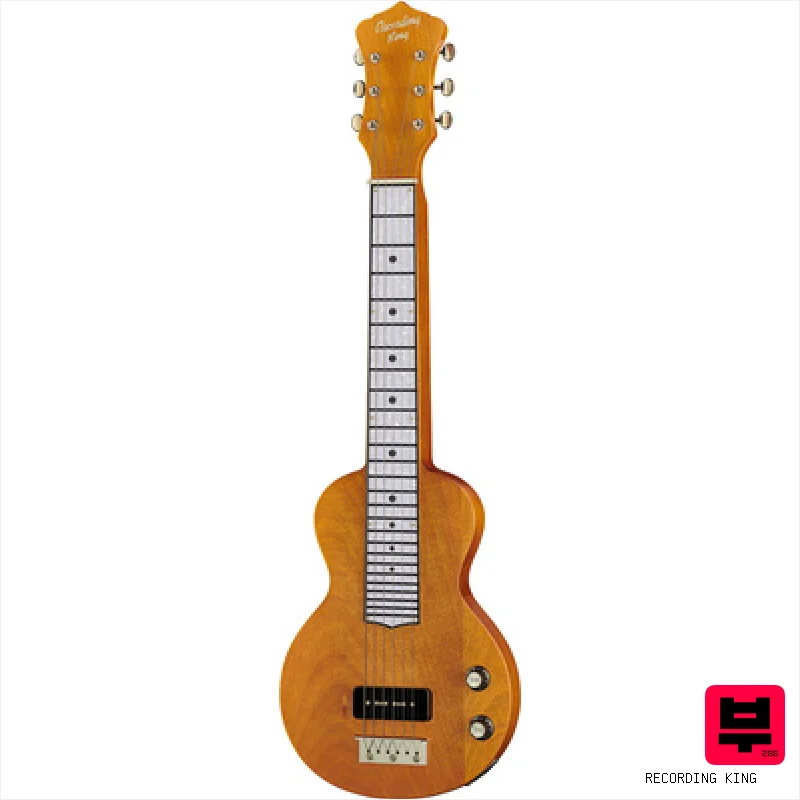
Recording King RG-31-NA Lap Steel
- • Solid mahogany body provides a warm, resonant foundation
- • EMG designed P-90 pickups deliver a punchy, vintage tone
- • String-thru body construction ensures stability and tuning accuracy
- • Natural finish gives a classic, timeless look to the instrument
- • No gig bag included in the base package
- • Lack of detailed weight specifications in the listing
- • Tone control range and specific EQ characteristics are unclear

Gretsch G5700 Elmtc. Lap Steel VWH
- • Mahogany body delivers a warm, resonant foundation for lap steel tones.
- • Single-coil pickup provides a distinctive, glassy, and articulate voice.
- • Aluminium nut contributes to a smoother feel and improved sustain.
- • Chrome bar bridge enhances resonance and provides a classic aesthetic.
- • Plastic fingerboard may feel less premium than traditional wood options.
- • 572 mm scale length demands adaptation for players accustomed to shorter scales.
- • Limited tonal versatility; excels at specific genres, less adaptable for others.
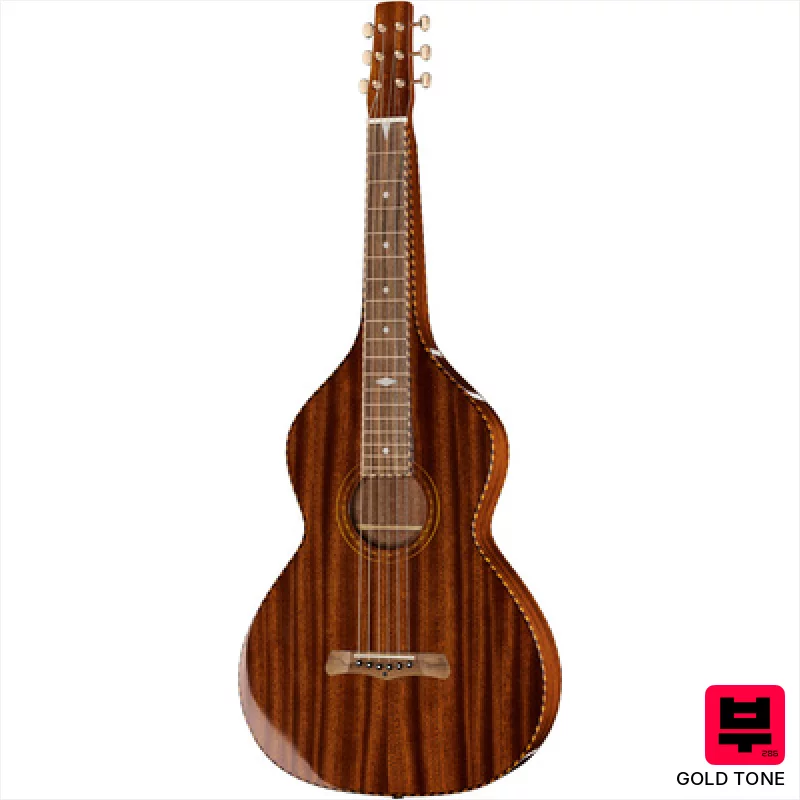
Gold Tone SM+ Weissenborn
- • Solid mahogany body delivers warm, resonant Hawaiian tones
- • Kluson tuners offer smooth, reliable tuning stability
- • Blackwood fretboard provides a comfortable, articulate playing experience
- • Mahogany/maple binding adds visual appeal and structural integrity
- • Limited tonal versatility compared to a standard guitar
- • Relatively lightweight construction might feel 'floaty' for some players
- • High-gloss finish can be prone to fingerprints and smudging

Gold Tone GT-WB Weissenborn
- • Sapele top offers a warm, resonant tone with surprising projection.
- • Walnut fingerboard provides a comfortable playing experience and good note definition.
- • Open-gear tuners, while basic, hold tuning surprisingly well for the price point.
- • The Nature Matte finish looks classy and provides a nice tactile feel.
- • Sapele back and sides limit the overall tonal complexity compared to mahogany or koa.
- • The included gig bag is functional but offers minimal protection from bumps and scrapes.
- • Fixed D-A-D-F#-A-D tuning restricts versatility for players wanting alternate tunings.
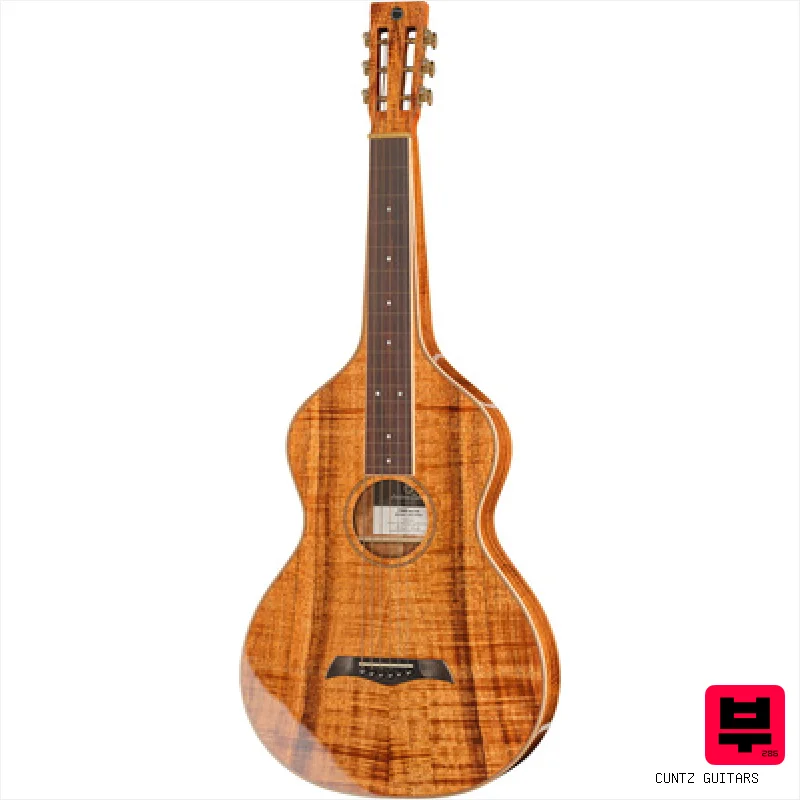
Cuntz Guitars CWB Weissenborn Koa HG
- • Solid koa top and back provide a warm, resonant tone.
- • Hollow neck design adds natural acoustic volume and projection.
- • Weissenborn replica shape is iconic for bluegrass slide playing.
- • East Indian rosewood fingerboard offers smooth playability.
- • Lack of pickups limits use with standard amplifiers.
- • No weight listed makes handling unknown for players.
- • Hollow body construction may be sensitive to humidity.
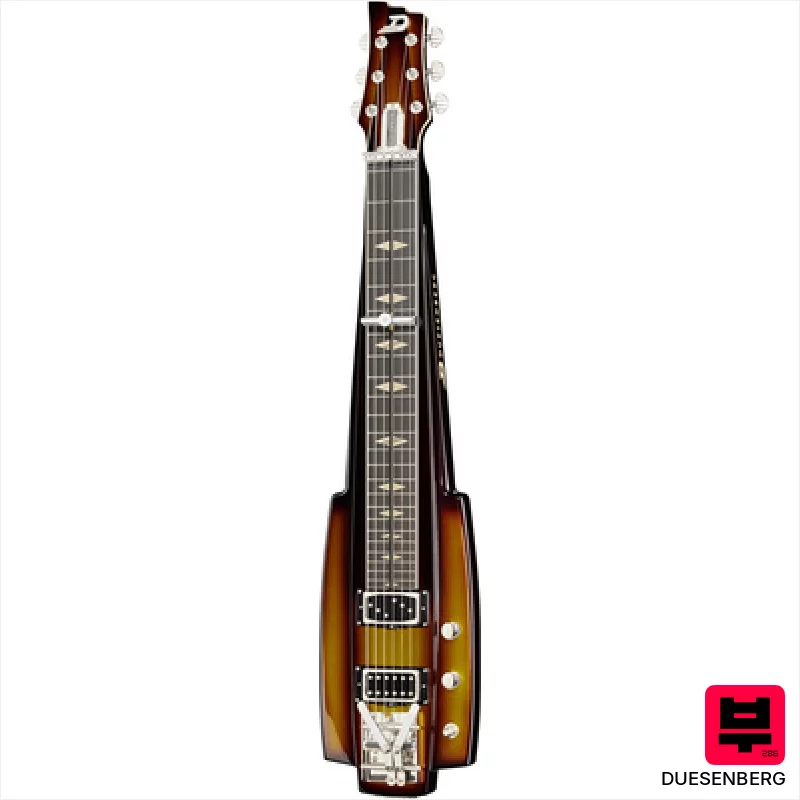
Duesenberg Fairytale Lapsteel Goldburst
- • Mahogany body delivers warm, resonant tones ideal for country and blues.
- • Black aluminum fretboard offers smooth, fast playing feel and unique aesthetic.
- • PH90/Humbucker combo provides versatile tonal options, from twang to thick sustain.
- • Duesenberg’s Easy-Shiftin’ capo simplifies quick key changes for lap steel work.
- • The shorter scale length limits low-end extension compared to standard guitars.
- • Mahogany construction makes it susceptible to humidity changes; requires care.
- • Premium-priced, representing a significant investment for many players.
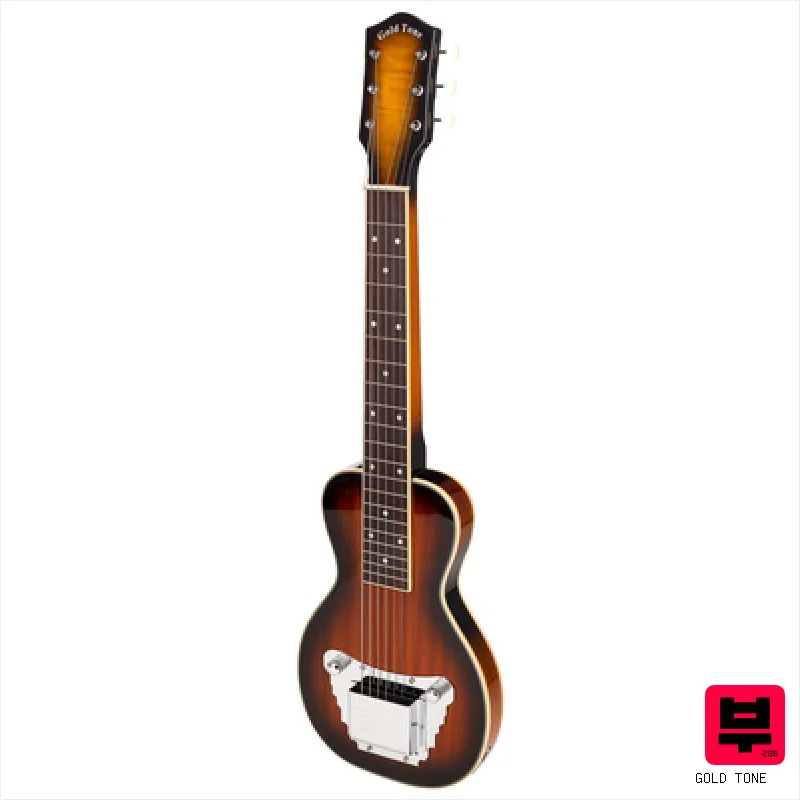
Gold Tone LS-6
- • Solid mahogany body provides warm resonance
- • Soapbar pickups deliver classic lap steel tone
- • D-A-D-F#-A-D tuning suits bluegrass style
- • Included gig bag for easy transport
- • Strings specifications are not listed
- • Weight of instrument is not stated
- • No electronics jack or amplifier included

Gretsch G5700 Lap Steel
- • Mahogany body delivers a warm, resonant, and woody tone.
- • Electromatic series construction provides a surprisingly solid build for the price.
- • Single-coil pickup offers a classic, bright, and cutting lap steel voice.
- • Plastic fingerboard resists fret wear and makes for fast playing.
- • Plastic fingerboard can feel less premium than rosewood or ebony.
- • Scale length limits versatility; primarily suited for lap steel playing.
- • Chrome hardware, while aesthetically pleasing, can be prone to tarnishing.
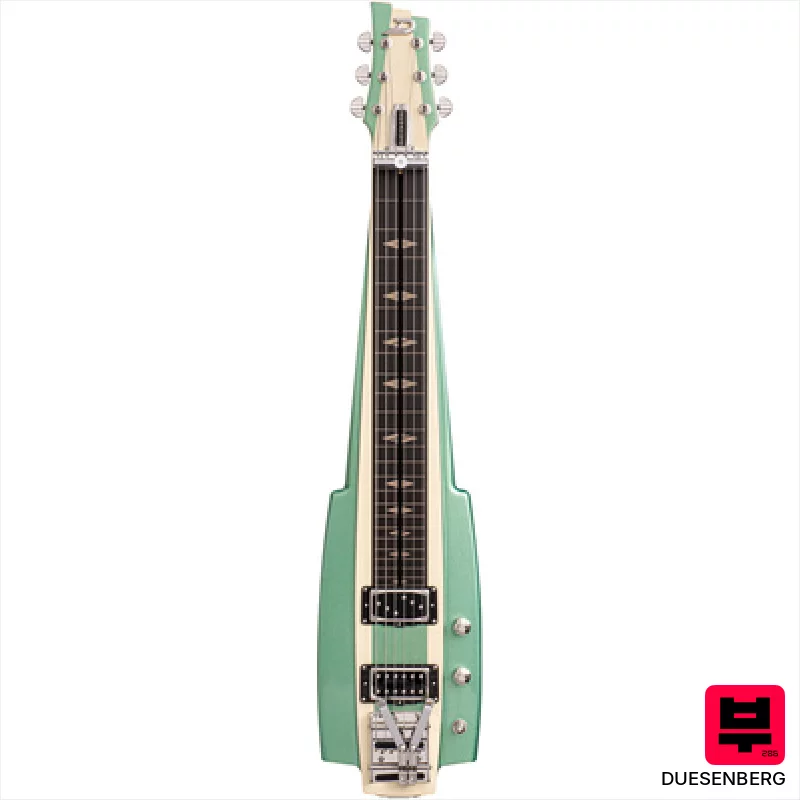
Duesenberg Fairytale Lapsteel HG & W
- • Mahogany body delivers a warm, resonant foundation ideal for lap steel tones.
- • Black aluminum fingerboard offers unique feel and exceptionally smooth sliding.
- • DP90/Grand Vintage combo provides versatile tonal options, from chime to grit.
- • Duesenberg’s Easy-Shiftin’ capo and Multibender enhance expressive possibilities.
- • Mahogany body contributes to a notably heavier instrument; may fatigue players.
- • Scale length limits tuning flexibility compared to standard guitars.
- • Premium-priced, making it a significant investment for many players.
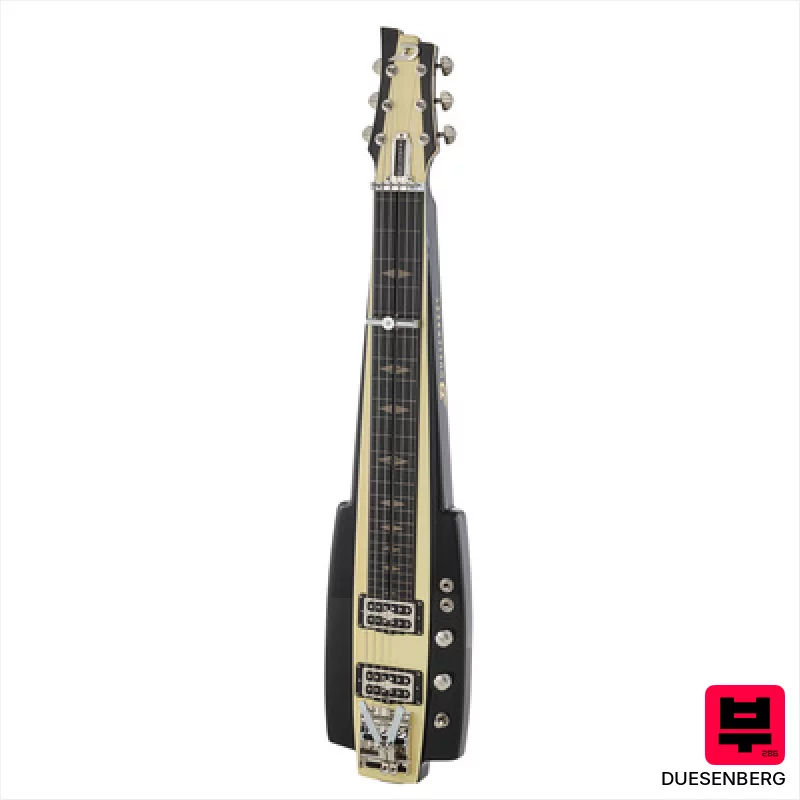
Duesenberg Fairytale Split/King Lapsteel
- • Mahogany body delivers warm, resonant tones ideal for bluegrass and country.
- • Black aluminum fingerboard offers exceptionally smooth, fast playing feel.
- • Duesenberg SplitKing humbuckers provide a thick, articulate, and versatile sound.
- • Brass roller saddle ensures effortless string bending and intonation accuracy.
- • The mahogany body makes it noticeably heavier than lighter lap steels.
- • The aluminum fingerboard might feel unusual for players accustomed to wood.
- • Limited versatility; primarily suited for slide playing, not conventional fretted styles.
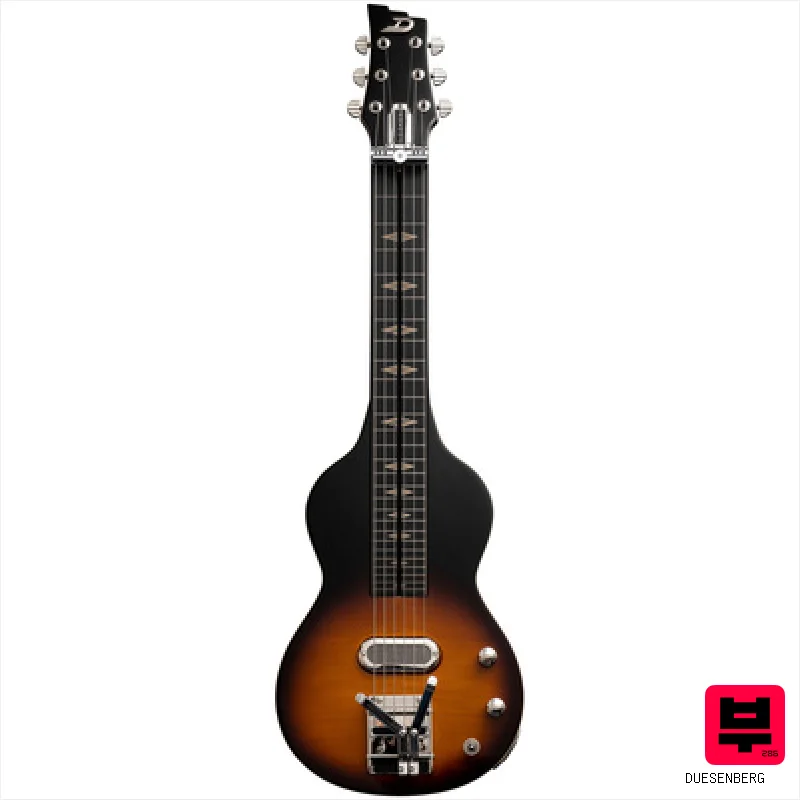
Duesenberg Kalico Lapsteel Tobacco Burst
- • Korina body and neck provide a bright, balanced tone for bluegrass.
- • Black aluminium fingerboard stays cool and stable in humid conditions.
- • Duesenberg SplitKing Humbucker delivers thick, powerful output.
- • Easy-Shift capo allows quick key changes without changing strings.
- • Brass roller saddle may feel heavier than standard saddles.
- • No external pickups or onboard effects are listed.
- • Weight is not specified, which is crucial for lap steel playability.
Lap Steel Guitars by the numbers
Measured across all 14 models in this category, so «wide», «short» or «expensive» mean something you can check.
How to Choose the Best Lap Steel Guitars
Scale Length
Longer scale lengths (typically 28-32 inches) give you more space to move between notes, which is helpful when you're first getting used to sliding. Shorter scales can feel cramped, especially with larger hands.
Action & Neck Profile
Lower action (string height) is crucial for a beginner - it reduces fatigue and makes sliding easier. A comfortable, rounded neck profile, like a C shape, will also make the learning process more enjoyable. A sharp, thin neck can be a real pain.
Pickup Voicing
A warmer, more rounded pickup voicing is generally better for beginners. Harsh, ice-picky high frequencies will make everything sound brittle and unpleasant. You want something that can sit well in a bluegrass mix without needing constant EQ adjustments.
Tuning Stability
Cheap guitars, lap steel or otherwise, are notorious for tuning instability. Look for models with decent quality tuners - even a small improvement here will save you frustration during practice and gigs.
Body Material & Construction
Solid wood bodies (like mahogany or spruce) will generally offer better resonance and sustain than laminate construction, but they come at a higher price. For a beginner, a well-built laminate body is often a perfectly acceptable compromise.
Buying Guide
Don't chase tone right away - focus on playability. A lap steel with a manageable action and a comfortable neck will do more for your progress than a guitar with 'amazing' pickups that's a pain to play. Watch out for overly cheap models; they'll often cut corners on hardware and construction, leading to tuning problems and a frustrating experience. Spending a little more for decent tuners and a solid build is almost always worth it.
How This List Is Built
We don't play these instruments — we're a catalog, not a review desk, and we'd rather say so than pretend otherwise. This page covers 14 lap steel guitars from the Thomann catalogue, which is the largest single source of specification data in this category: 14 in detail, the rest listed with their specifications.
Position is computed, not curated. We parse the manufacturer's own description into actual values — nut width, scale, fret count, fingerboard radius, size, alloy — and rank on them: how many specifications a model has published, how many of them are measurable numbers, and how precisely it meets this page's criterion. A product image adds a little. Price is not a ranking signal: it tells you nothing about whether a neck fits your hand. The same inputs always produce the same order, so nothing here is shuffled to look fresh.
What this list is good for: narrowing a category down to a shortlist by spec and budget. What it isn't: a substitute for hearing an instrument. Before you buy, read hands-on reviews and, where you can, play it. Full methodology.

