
Best Interface Modules Under $800 2026
Alright, so you're diving into the modular world but don't want to mortgage the house? Smart move. Interface modules are the crucial link between your Eurorack system and the outside world - audio in/out, MIDI, USB - and you don't need to spend a fortune to get a functional and decent-sounding setup. Let's break down some solid options under $800 that'll get your modular workflow humming.
Last updated: September 4, 2026
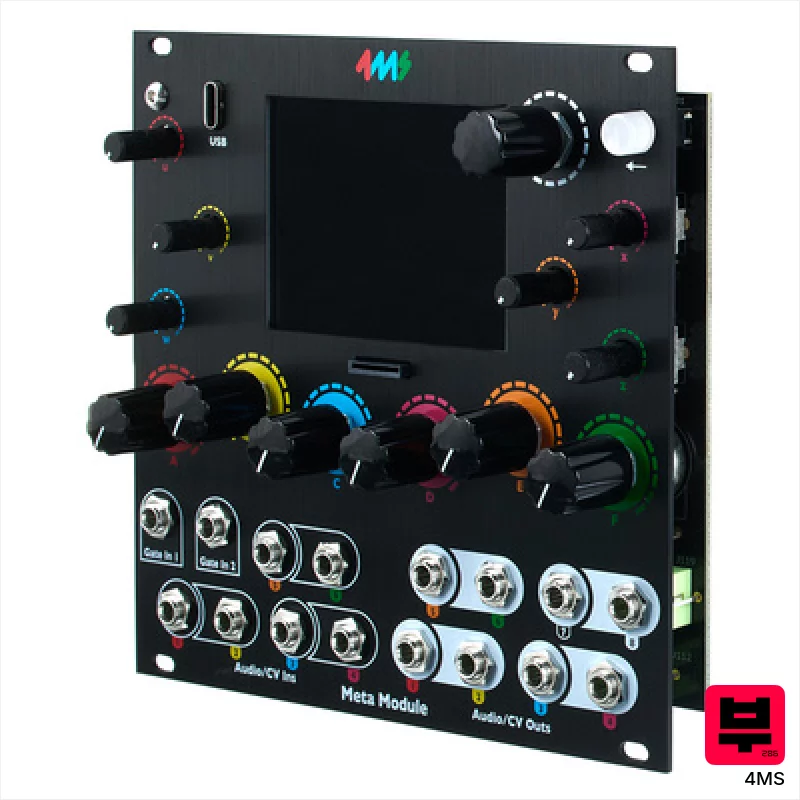
4ms Meta Module
- • Seamless VCV Rack integration expands sonic possibilities significantly.
- • Rotary controls offer surprisingly nuanced parameter tweaking.
- • Pre-installed module library provides immediate creative exploration.
- • Compact 26HP footprint maximizes valuable rack space.
- • Reliance on software means no purely analog standalone operation.
- • Limited RAM might restrict very large, complex patch deployments.
- • Steep learning curve for those unfamiliar with VCV Rack workflow.
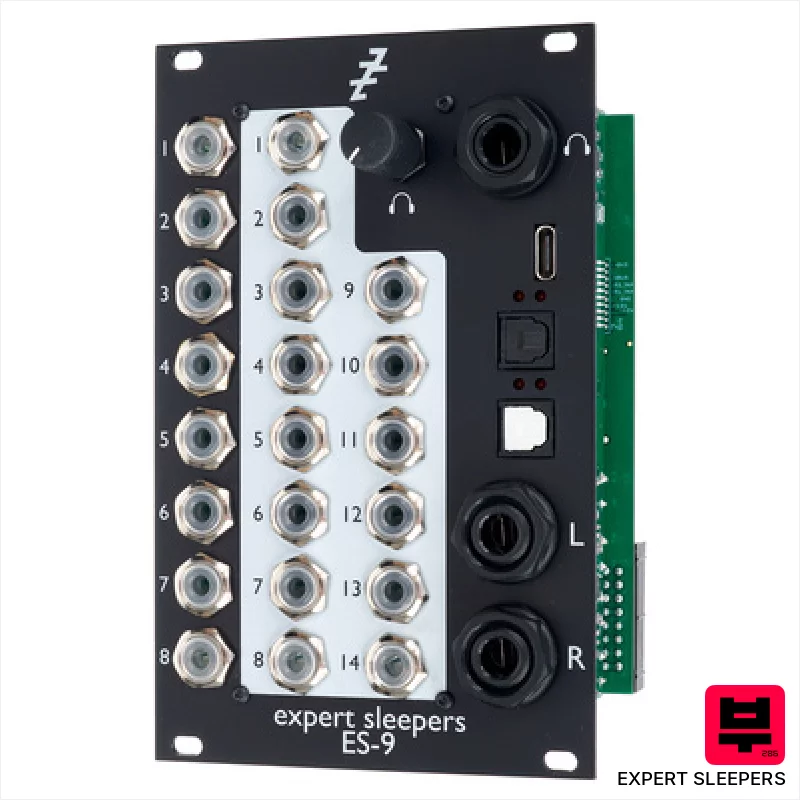
Expert Sleepers ES-9
- • Rock-solid USB performance, crucial for live modular patching.
- • DC-coupled audio/CV signals unlock advanced modulation possibilities.
- • Flexible I/O configuration handles complex routing scenarios.
- • Compact 16TE width maximizes space in crowded modular racks.
- • Requires optional MIDI breakout for full MIDI functionality.
- • Limited operating system support might exclude some users.
- • Price point places it in the premium-priced modular interface category.

Expert Sleepers ES-8
- • DC-coupled I/O allows for true CV control and manipulation.
- • ADAT input/output expands routing and recording possibilities significantly.
- • Class-compliant operation simplifies setup and eliminates driver headaches.
- • Robust build quality and compact form factor enhance modular integration.
- • Power draw is relatively high, demanding a capable PSU.
- • 3.5mm mini-jack connections can feel a bit flimsy over time.
- • Limited number of inputs might be restrictive for complex setups.

ADDAC 220 Dual Envelope Follower+
- • Analog input stage provides warmth and musicality to the followed signal.
- • Flexible response curve (log to exp) offers nuanced envelope shaping.
- • Dual channel operation allows for complex stereo processing and creative routing.
- • Average output provides a useful, predictable control signal for modulation.
- • 10HP footprint can be restrictive in smaller modular systems.
- • Limited input headroom; may clip with very hot signals without careful gain staging.
- • Digital processing, while flexible, introduces a slight latency compared to purely analog followers.
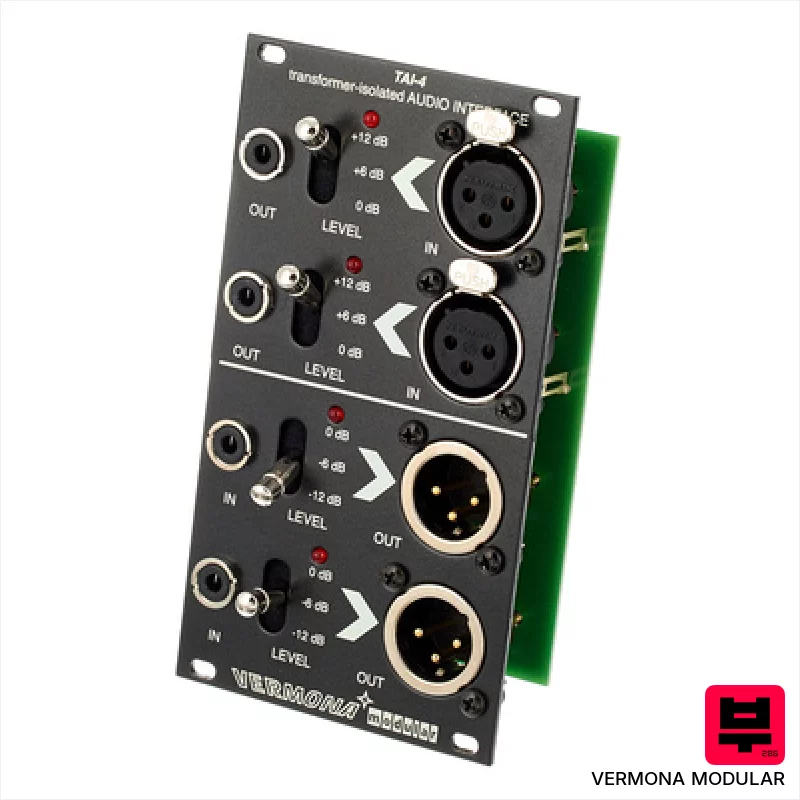
Vermona Modular TAI-4
- • Galvanic isolation protects against ground loops and noise
- • Transformer provides a subtle warmth to the signal
- • Multiple attenuation options offer precise gain staging
- • Robust Vermona build quality ensures long-term reliability
- • 14HP footprint can be restrictive in smaller modular systems
- • Limited to two channels; lacks expandability for complex setups
- • XLR inputs/outputs may be overkill for some users
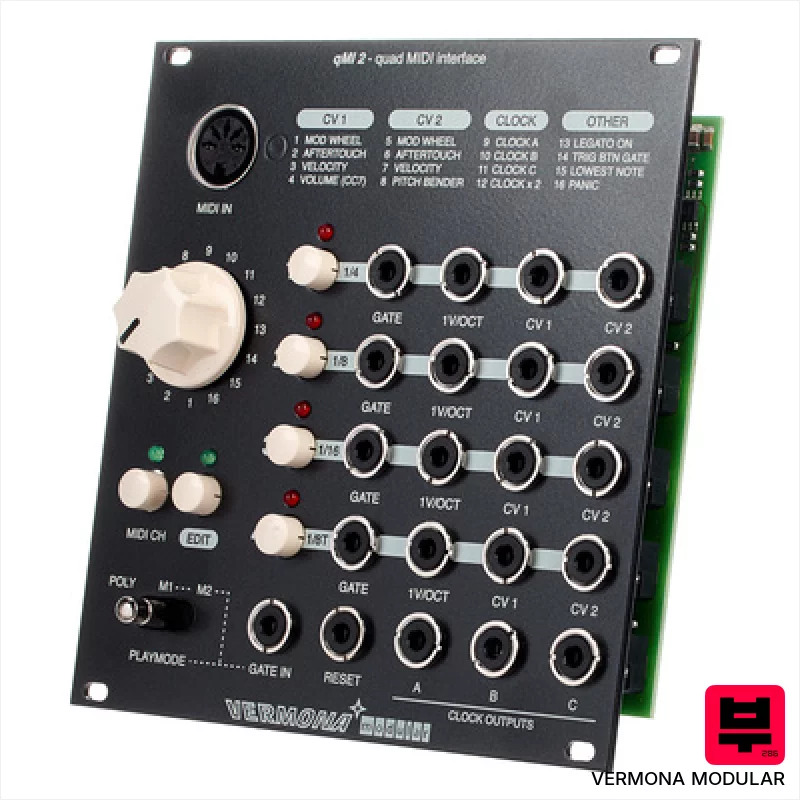
Vermona Modular qMI2 - quad Midi interface
- • Robust Vermona build quality; feels solid and reliable.
- • Four fully independent CV/Gate channels offer excellent routing flexibility.
- • Clock division provides intricate rhythmic possibilities within your modular system.
- • Compact 24HP footprint maximizes space in crowded Eurorack racks.
- • MIDI channel selection lacks individual per-channel assignment.
- • Limited modulation options beyond basic CV/Gate signals.
- • Power consumption could be a factor for systems with limited power.

Expert Sleepers ES-10
- • Exceptional AKM 'Velvet Sound' converters deliver pristine audio fidelity.
- • Compact 12HP footprint maximizes valuable modular space.
- • Flexible input/output configuration caters to diverse signal types.
- • Expandable design with ES-3 mk4 unlocks even greater I/O capacity.
- • Mini-jack connections can be fragile with heavy patching.
- • Power draw requires a robust PSU, especially when expanded.
- • Limited to 8 channels; larger setups may need multiple units.

Befaco VCMC
- • Eight faders offer precise, nuanced control over multiple parameters
- • Button assignments provide tactile, immediate modulation options
- • Excellent recall functionality preserves complex performance setups
- • Class-compliant USB simplifies integration with DAWs and computers
- • 20HP width can be restrictive in smaller Eurorack cases
- • Limited display makes parameter tweaking somewhat less intuitive
- • Initial configuration can be a bit daunting for absolute beginners
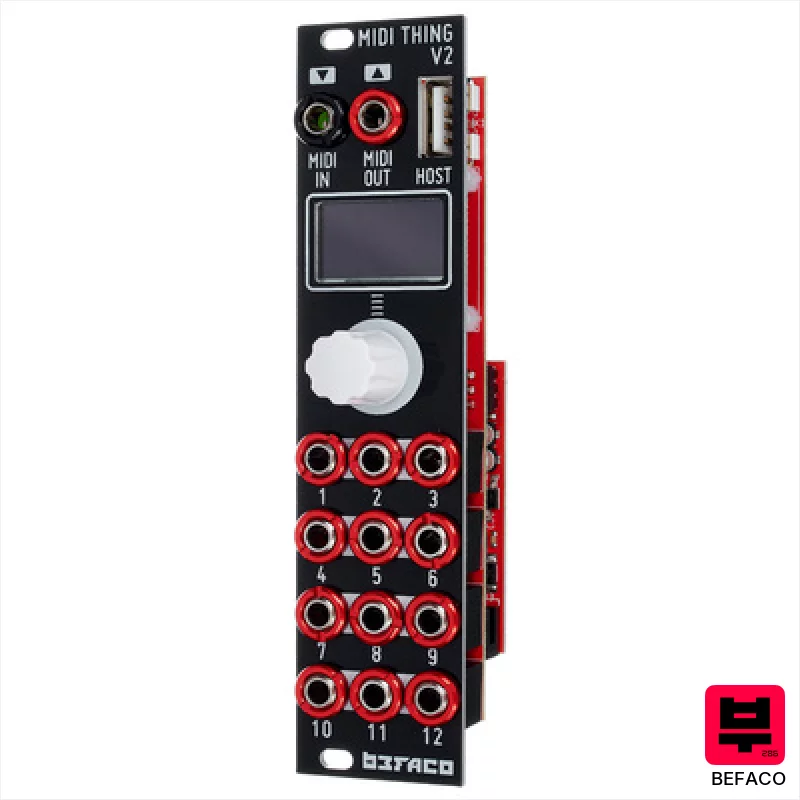
Befaco MIDI Thing V2
- • 12 outputs offer unparalleled routing flexibility for complex modular setups.
- • Web editor simplifies configuration, eliminating frustrating menu diving.
- • Robust OLED display provides clear, at-a-glance parameter information.
- • USB-A host eliminates the need for additional interface hardware.
- • The included expander cable feels a bit flimsy for frequent use.
- • Configuration can be overwhelming for beginners without modular experience.
- • Power consumption, while not excessive, is noticeable in smaller systems.
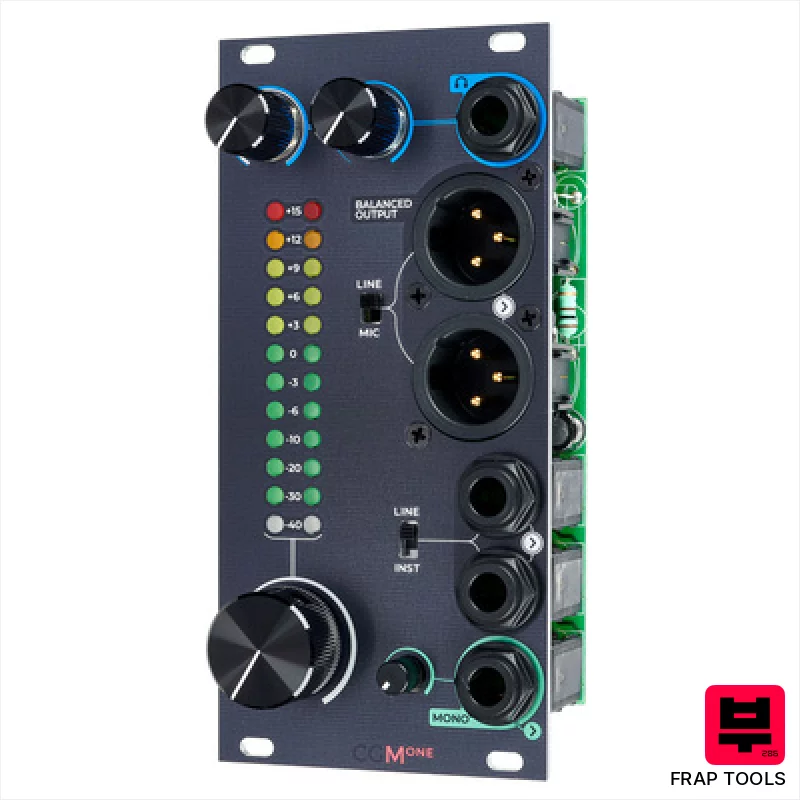
Frap Tools CGM Masterone
- • Robust XLR outputs offer pristine, balanced signal transmission.
- • Excellent headphone amp delivers clean, powerful monitoring.
- • Compact 12TE width maximizes space in dense modular racks.
- • Mastering capabilities streamline complex CGM mixer workflows.
- • Requires the CGM Creative Mixer system; not standalone functionality.
- • Power draw, while moderate, can add up in large systems.
- • Limited input flexibility; reliant on CGM group signals only.
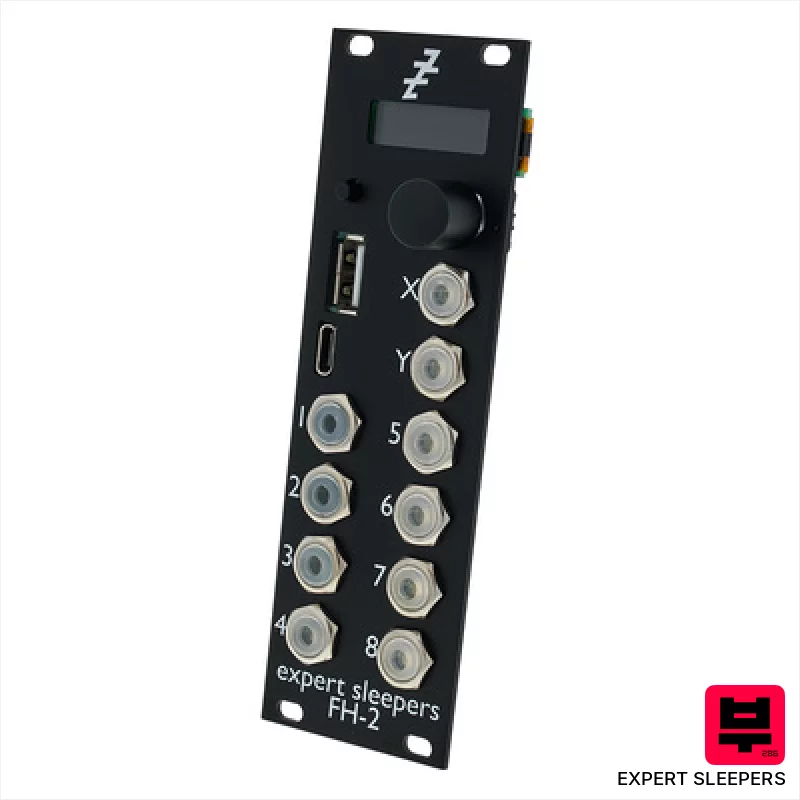
Expert Sleepers FH-2
- • Remarkably clean D/A conversion for Eurorack applications
- • Versatile USB host functionality expands modular possibilities
- • Intuitive OLED display simplifies complex parameter adjustments
- • Compact 8HP footprint maximizes space in tight modular setups
- • Software configuration can be initially daunting for beginners
- • Limited CV input count restricts complex modulation routing
- • Power draw is a consideration for power-constrained systems
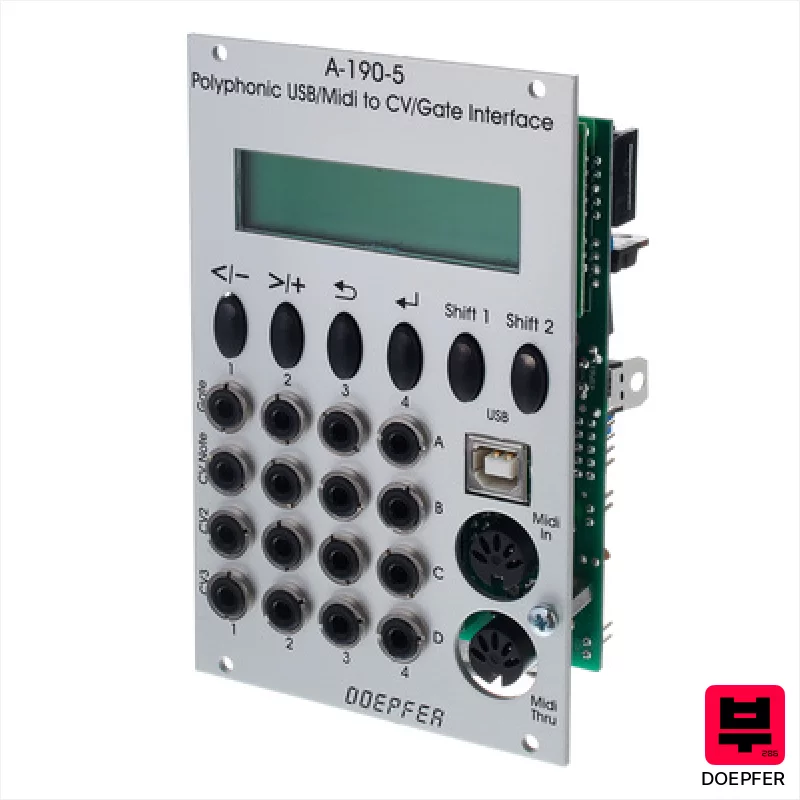
Doepfer A-190-5
- • Robust German engineering ensures long-term reliability and stability
- • Flexible voice addressing allows for nuanced polyphonic sequencing
- • Assignable CV outputs expand modulation possibilities beyond basic pitch/gate
- • Comprehensive MIDI implementation simplifies integration with existing setups
- • Limited polyphony compared to dedicated poly synths restricts complexity
- • Menu navigation can feel a little clunky without dedicated encoders
- • Requires a fair amount of Eurorack space for its functionality
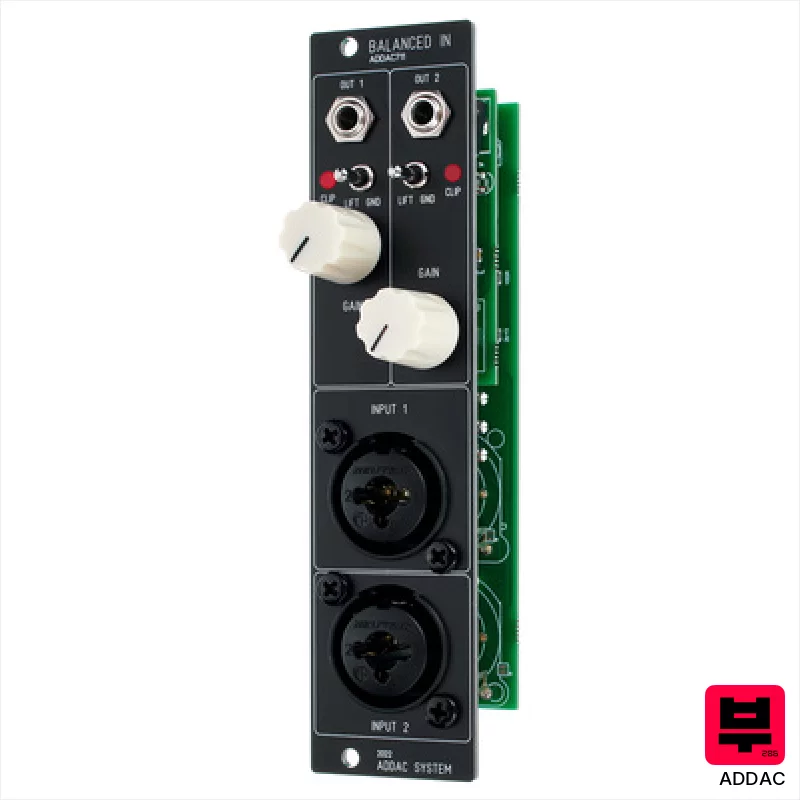
ADDAC 711 Balanced Inputs
- • Transformer-based input rejects noise and ground loops exceptionally well, critical for Eurorack.
- • The 3-way ground lift switch offers unmatched flexibility in dealing with problematic environments.
- • Compact 6HP footprint maximizes valuable space within a modular system.
- • Robust metal enclosure feels solid and well-built, a hallmark of ADDAC quality.
- • The gain control range could be wider for extremely quiet or hot signals.
- • 40mA current draw, while not excessive, can add up in power-hungry racks.
- • Limited to line-level input; unsuitable for microphone signals without a preamp.

Intellijel Designs Audio I/O (2023)
- • Excellent build quality with Intellijel's signature robust construction.
- • Precise LED metering offers accurate level monitoring for critical mixing.
- • Adjustable gain (+20dB) provides flexibility for weak or hot signals.
- • Compact 10HP footprint maximizes space in dense modular setups.
- • Limited to stereo line-level I/O; no microphone preamps included.
- • The gain adjustment, while useful, lacks finer resolution control.
- • Power draw, while manageable, can be a consideration in power-constrained racks.
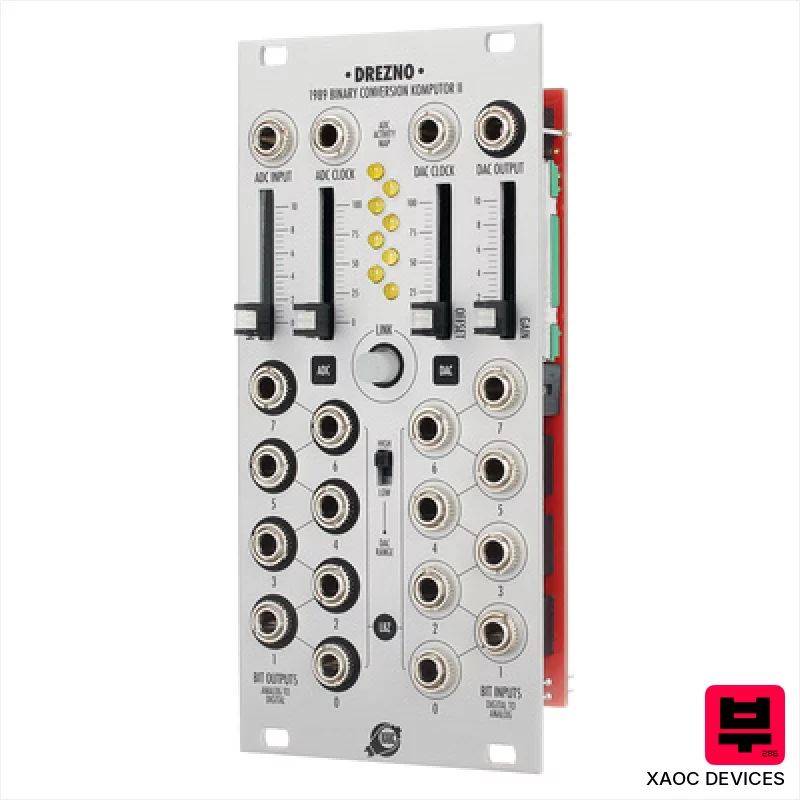
XAOC Devices Drezno II
- • Excellent 8-bit character for gritty textures and rhythmic patterns.
- • Flexible offset and gain controls offer nuanced signal shaping.
- • Compact 12HP footprint maximizes space in dense modular racks.
- • Robust build quality; XAOC's reputation for durable modules holds true.
- • Limited resolution; 8-bit processing isn't ideal for pristine audio.
- • Steep learning curve; requires understanding of binary signal processing.
- • Power draw, while manageable, can be a factor in smaller systems.
Every interface modules that matches
67 models match this page. The 15 above are covered in detail; the rest are listed here with their published specifications.
Interface Modules by the numbers
Measured across all 67 models in this category, so «wide», «short» or «expensive» mean something you can check.
How to Choose the Best Interface Modules
Latency
Low latency is absolutely critical, especially when syncing with other instruments or using effects. Anything above 10ms noticeable and starts to feel sluggish, especially for live performance. Budget modules sometimes compromise here.
Connectivity
Beyond just the number of I/O, consider the types - are you getting balanced TRS, unbalanced TS, MIDI DIN, USB? Balanced connections are vital for cleaner signals and less noise, especially in a shared studio or live rig.
Audio Quality
Don't expect pristine studio-grade converters at this price point. However, you should expect a relatively transparent signal path without introducing unwanted noise or distortion. Listen for a neutral frequency response - avoid modules that color the sound too much unless that's what you're after.
MIDI Implementation
MIDI is a huge part of modular. Check if the module supports MIDI CC control, program change messages, and clock sync. A module that only does basic note on/off isn't very useful in a modern modular environment.
Build Quality
Plastic enclosures are common at this price, but look for robust construction and reliable knobs and jacks. A module that feels flimsy is more likely to fail when you need it most.
Buying Guide
Realistically, at this price point, you're making trade-offs. Don't expect a fully balanced, rock-solid, zero-latency monster. Often, you'll be choosing between more connectivity and higher audio fidelity, or robust MIDI implementation versus a more compact footprint. Read reviews carefully, watch videos, and consider what features are essential for your workflow - a few well-chosen modules are better than a pile of cheap compromises.
How This List Is Built
We don't play these instruments — we're a catalog, not a review desk, and we'd rather say so than pretend otherwise. This page covers 67 interface modules from the Thomann catalogue, which is the largest single source of specification data in this category: 15 in detail, the rest listed with their specifications.
Position is computed, not curated. We parse the manufacturer's own description into actual values — nut width, scale, fret count, fingerboard radius, size, alloy — and rank on them: how many specifications a model has published, how many of them are measurable numbers, and how precisely it meets this page's criterion. A product image adds a little. Price is not a ranking signal: it tells you nothing about whether a neck fits your hand. The same inputs always produce the same order, so nothing here is shuffled to look fresh.
What this list is good for: narrowing a category down to a shortlist by spec and budget. What it isn't: a substitute for hearing an instrument. Before you buy, read hands-on reviews and, where you can, play it. Full methodology.

