
Best Interface Modules for External Connections 2026
So, you've got a Eurorack system and you're hungry to bring in some external gear - drum machines, vintage synths, your guitar amp... fantastic. But just slapping an oscillator into your modular isn't gonna cut it. You need a solid interface module to handle those connections gracefully and without muddying your sound. Let's talk about what makes a good interface module for external connections, because the details really matter.
Last updated: July 22, 2026 • Next update: July 29, 2026
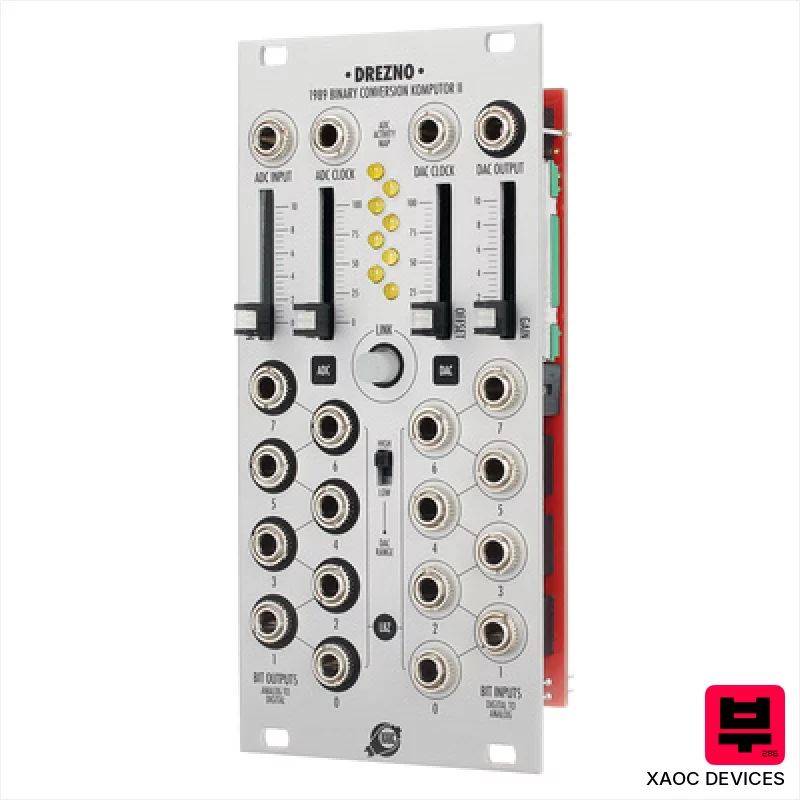
XAOC Devices Drezno II
- • Excellent 8-bit character for gritty textures and rhythmic patterns.
- • Flexible offset and gain controls offer nuanced signal shaping.
- • Compact 12HP footprint maximizes space in dense modular racks.
- • Robust build quality; XAOC's reputation for durable modules holds true.
- • Limited resolution; 8-bit processing isn't ideal for pristine audio.
- • Steep learning curve; requires understanding of binary signal processing.
- • Power draw, while manageable, can be a factor in smaller systems.
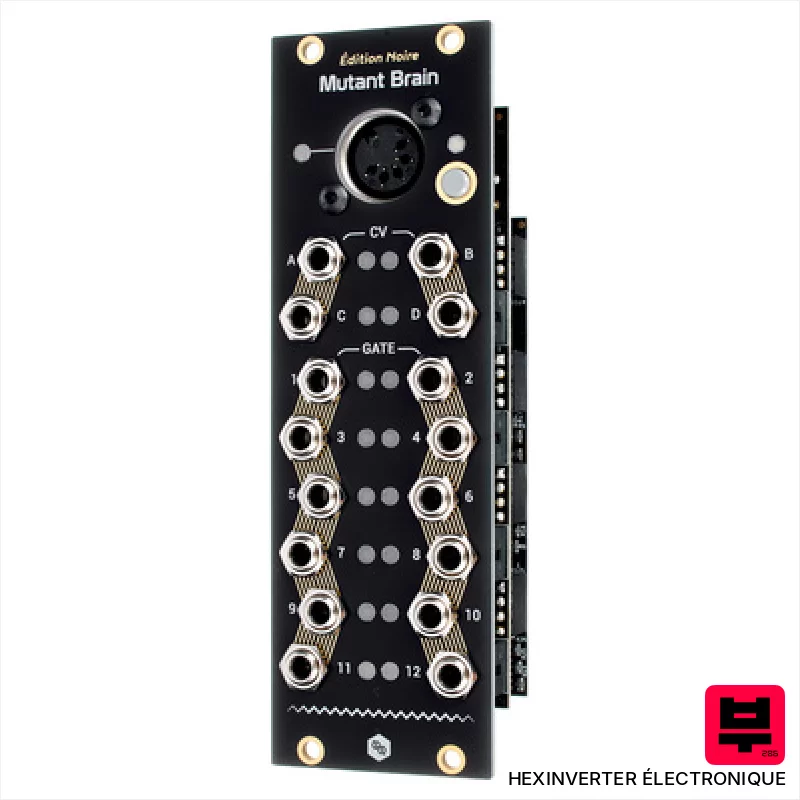
Hexinverter Électronique Mutant Brain
- • Exceptional SysEx programmability offers deep, granular control.
- • 12 Gate outputs unlock complex rhythmic possibilities.
- • Web editor simplifies parameter adjustments and patch management.
- • Robust build quality; Hexinverter modules are known for durability.
- • Steep learning curve; SysEx programming requires dedication.
- • Limited input options; only a standard 5-pin DIN MIDI.
- • Size (8HP) can be restrictive in smaller Eurorack cases.

ADDAC 220 Dual Envelope Follower+
- • Analog input stage provides warmth and musicality to the followed signal.
- • Flexible response curve (log to exp) offers nuanced envelope shaping.
- • Dual channel operation allows for complex stereo processing and creative routing.
- • Average output provides a useful, predictable control signal for modulation.
- • 10HP footprint can be restrictive in smaller modular systems.
- • Limited input headroom; may clip with very hot signals without careful gain staging.
- • Digital processing, while flexible, introduces a slight latency compared to purely analog followers.

Expert Sleepers Disting NT
- • Incredible algorithm depth provides limitless sound design possibilities.
- • DC-coupled CV connections enable complex modulation routing and experimentation.
- • MicroSD card playback offers a unique, self-contained performance tool.
- • Robust OLED display ensures excellent visibility even in low-light conditions.
- • Steep learning curve; requires significant time investment to master functionality.
- • 22HP footprint can be restrictive in smaller modular systems.
- • USB-C port lacks dedicated audio interface capabilities.
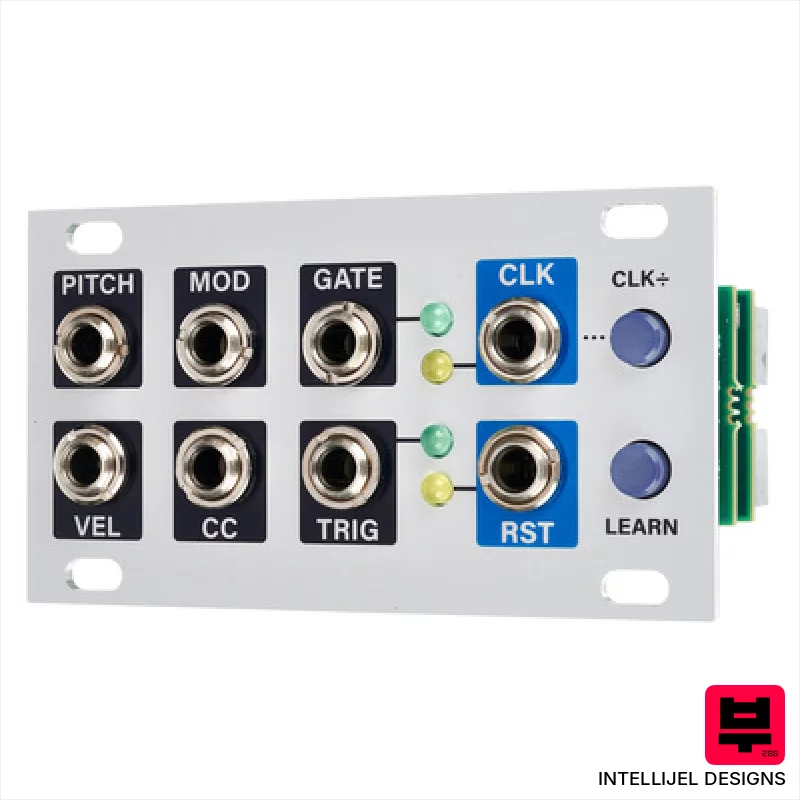
Intellijel Designs MIDI 1U
- • Seamless Intellijel case integration via direct USB connection
- • Intuitive Learn mode simplifies MIDI channel and CC assignment
- • Compact 1U form factor maximizes valuable rack space
- • Programmable via app offers extensive customization options
- • Limited expandability without the separate MIDI Expander module
- • Analogue outputs lack the precision of dedicated digital converters
- • Relatively high power draw compared to some competing modules

Expert Sleepers ES-10
- • Exceptional AKM 'Velvet Sound' converters deliver pristine audio fidelity.
- • Compact 12HP footprint maximizes valuable modular space.
- • Flexible input/output configuration caters to diverse signal types.
- • Expandable design with ES-3 mk4 unlocks even greater I/O capacity.
- • Mini-jack connections can be fragile with heavy patching.
- • Power draw requires a robust PSU, especially when expanded.
- • Limited to 8 channels; larger setups may need multiple units.
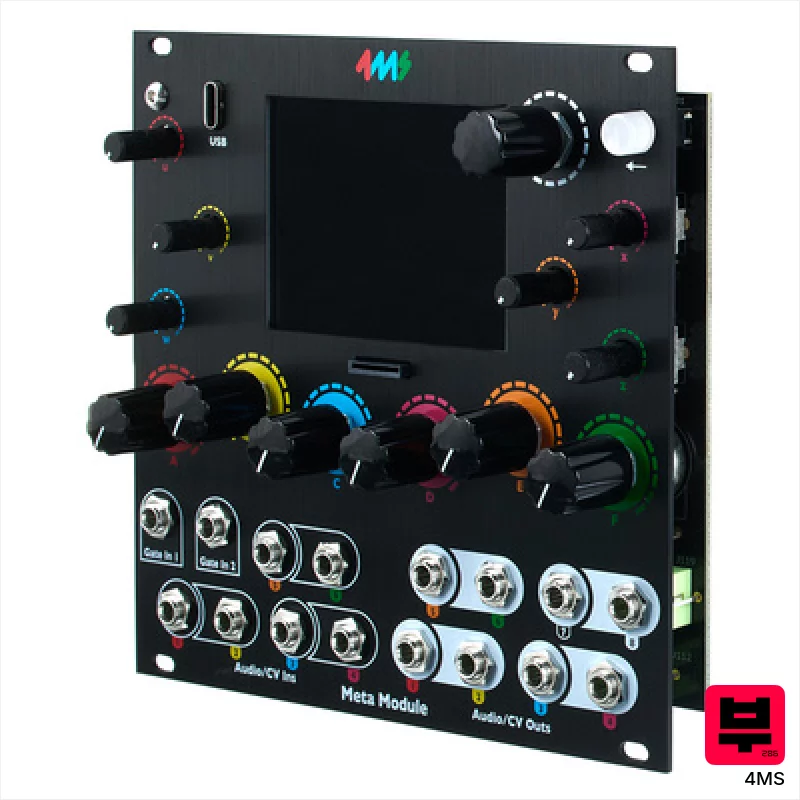
4ms Meta Module
- • Seamless VCV Rack integration expands sonic possibilities significantly.
- • Rotary controls offer surprisingly nuanced parameter tweaking.
- • Pre-installed module library provides immediate creative exploration.
- • Compact 26HP footprint maximizes valuable rack space.
- • Reliance on software means no purely analog standalone operation.
- • Limited RAM might restrict very large, complex patch deployments.
- • Steep learning curve for those unfamiliar with VCV Rack workflow.

Intellijel Designs Audio I/O (2023)
- • Excellent build quality with Intellijel's signature robust construction.
- • Precise LED metering offers accurate level monitoring for critical mixing.
- • Adjustable gain (+20dB) provides flexibility for weak or hot signals.
- • Compact 10HP footprint maximizes space in dense modular setups.
- • Limited to stereo line-level I/O; no microphone preamps included.
- • The gain adjustment, while useful, lacks finer resolution control.
- • Power draw, while manageable, can be a consideration in power-constrained racks.
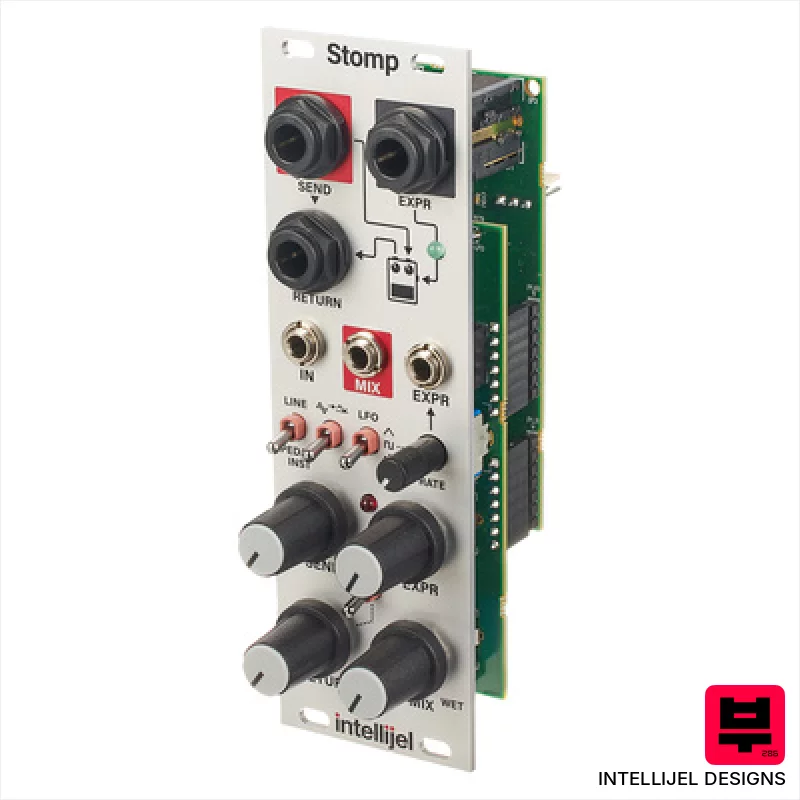
Intellijel Designs Stomp
- • Excellent send/return loop for integrating external effects seamlessly.
- • Flexible LFO with useful waveforms adds dynamic modulation options.
- • Expression output accurately converts CV into pedal-friendly voltage ranges.
- • Compact 8HP footprint maximizes space within a modular system.
- • The random LFO waveform can be a bit unpredictable for precise control.
- • Send/Return level control range could benefit from a wider adjustment.
- • Phase reversal switch isn't ideal; a more robust phase alignment system would be preferable.

Erica Synths Pico EF
- • Excellent preamp for dynamic mics, adding warmth and grit.
- • Envelope follower accurately tracks subtle and aggressive signals.
- • Compact 3TE format saves valuable rack space.
- • Adjustable threshold provides versatile dynamic shaping capabilities.
- • Limited gain range compared to dedicated preamp modules.
- • Envelope attack times are somewhat coarse, lacking fine control.
- • 3TE width can be restrictive in smaller Eurorack cases.
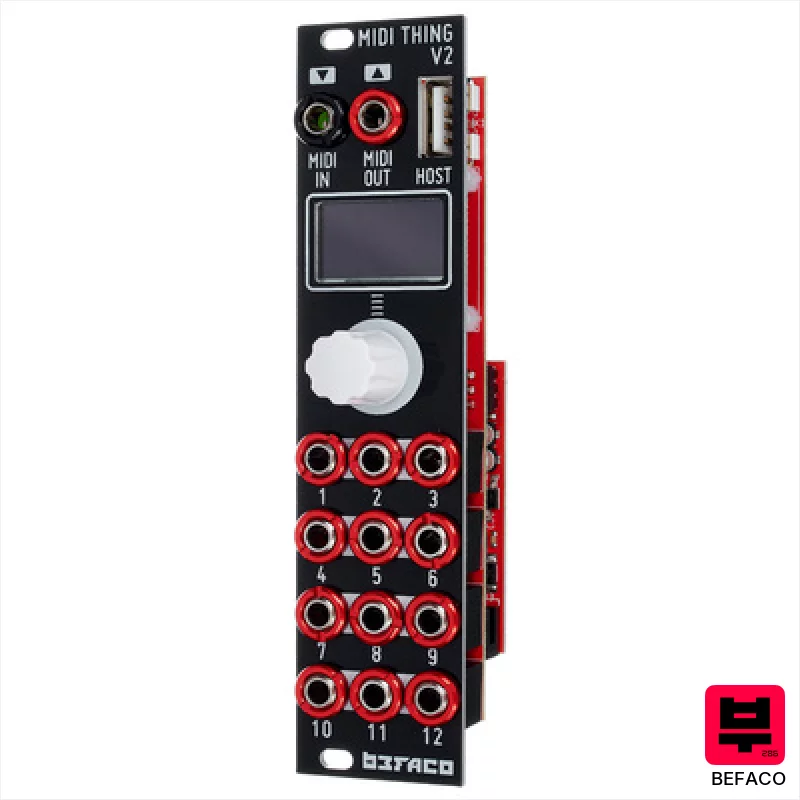
Befaco MIDI Thing V2
- • 12 outputs offer unparalleled routing flexibility for complex modular setups.
- • Web editor simplifies configuration, eliminating frustrating menu diving.
- • Robust OLED display provides clear, at-a-glance parameter information.
- • USB-A host eliminates the need for additional interface hardware.
- • The included expander cable feels a bit flimsy for frequent use.
- • Configuration can be overwhelming for beginners without modular experience.
- • Power consumption, while not excessive, is noticeable in smaller systems.
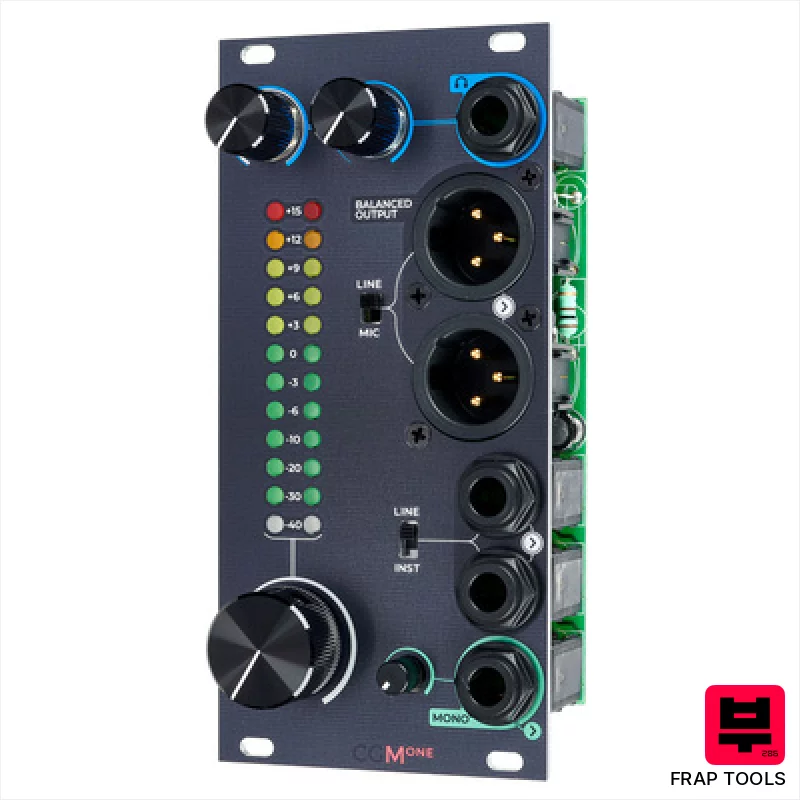
Frap Tools CGM Masterone
- • Robust XLR outputs offer pristine, balanced signal transmission.
- • Excellent headphone amp delivers clean, powerful monitoring.
- • Compact 12TE width maximizes space in dense modular racks.
- • Mastering capabilities streamline complex CGM mixer workflows.
- • Requires the CGM Creative Mixer system; not standalone functionality.
- • Power draw, while moderate, can add up in large systems.
- • Limited input flexibility; reliant on CGM group signals only.
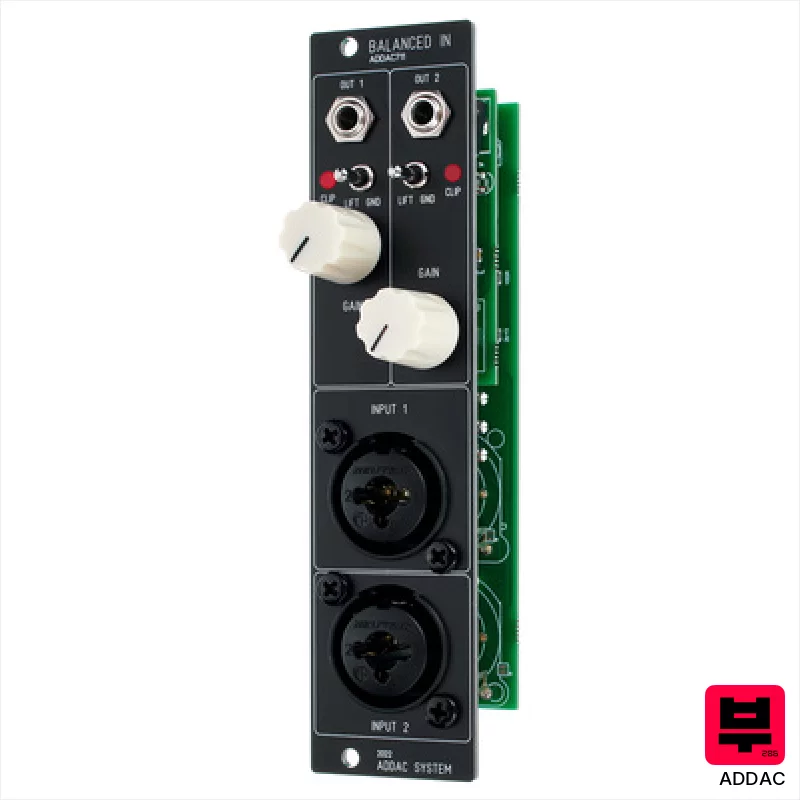
ADDAC 711 Balanced Inputs
- • Transformer-based input rejects noise and ground loops exceptionally well, critical for Eurorack.
- • The 3-way ground lift switch offers unmatched flexibility in dealing with problematic environments.
- • Compact 6HP footprint maximizes valuable space within a modular system.
- • Robust metal enclosure feels solid and well-built, a hallmark of ADDAC quality.
- • The gain control range could be wider for extremely quiet or hot signals.
- • 40mA current draw, while not excessive, can add up in power-hungry racks.
- • Limited to line-level input; unsuitable for microphone signals without a preamp.
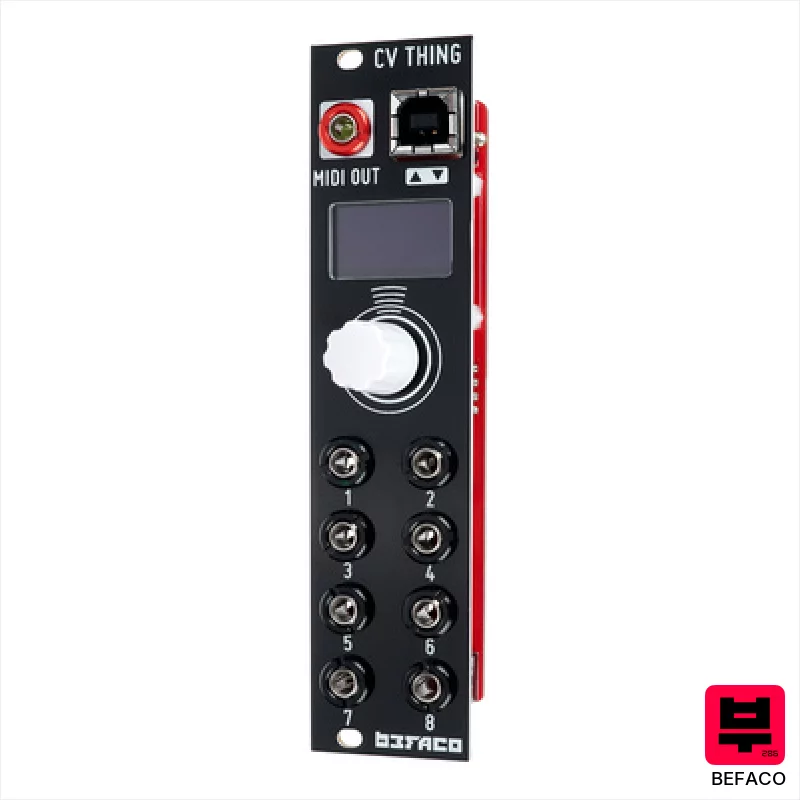
Befaco CV Thing
- • Excellent MIDI mapping flexibility for complex modulation
- • Robust build quality; Befaco's known for durable enclosures
- • Class-compliant USB simplifies connection and avoids driver hassles
- • Compact 6HP footprint maximizes rack space efficiency
- • Limited number of CV inputs might restrict larger setups
- • Programming interface can feel slightly cumbersome initially
- • No dedicated pitch bend/mod wheel assignment per note

Bastl Instruments 1983
- • Excellent polyphonic MIDI conversion for complex sequenced patterns.
- • Bastl's robust build quality ensures reliable performance over time.
- • Flexible channel routing enables diverse configurations for varied setups.
- • Micro-tuning capability unlocks unique sonic textures and experimental possibilities.
- • Limited MIDI channel selection restricts advanced multi-instrument setups.
- • The 7HP width can be a constraint in densely populated racks.
- • Manual programming of scales can be tedious for intricate melodic ideas.
How to Choose the Best Interface Modules
Gain Staging
It's not just about level. A module with flexible gain controls lets you coax the best signal from a weak Eurorack source or tame a hot line level signal from a drum machine, avoiding clipping and preserving dynamics. That subtle compression you get from a slightly-overdriven signal can be the difference between a sterile patch and something with real character.
Impedance Matching
This is HUGE. Many older synths and effects have specific impedance requirements. Mismatching impedance can lead to weak signals, frequency response anomalies (that muddy low-end thump you can't quite get rid of), and generally unpleasant sonic artifacts. Look for modules that explicitly mention impedance settings or offer trimpots for adjustment.
Isolation/Grounding
Dealing with ground loops is a fact of life when integrating external gear. A module with proper isolation can save you from hum and noise that will ruin a recording or make a gig unbearable. Nothing's worse than a 60Hz hum cutting through your lead synth line.
Routing Flexibility
Beyond simple input/output, look for modules that offer advanced routing options - multiple inputs, buffered outputs, attenuators, inverters, or even mixers. This allows for creative signal manipulation and integration with your modular system.
Noise Floor
External connections are inherently more prone to noise. A module with a low noise floor is crucial for maintaining a clean signal path. You'll hear the difference, especially when layering multiple signals or using sensitive filters.
Buying Guide
Don't fall for the 'more features' trap. A basic, well-designed module with solid gain staging and impedance matching will outperform a feature-packed mess. Cheaper modules often cut corners on component quality, leading to a higher noise floor and less accurate impedance. Spending a bit more on a reputable brand is almost always worth it - especially if you're planning on recording.
Our Methodology
We're not chasing spec sheets here. We've spent countless hours patching external gear into various modular systems - everything from drum machines and Eurorack sequencers to vintage polysynths and guitar rigs. Our evaluations are based on how these modules actually sound in real-world scenarios, A/B comparisons against other options, and how they hold up to the demands of gigging and recording.

