
Best Installation Matrix Mixers Under $5,000 2026
So, you're looking to build out a permanent rig - a bar, a small venue, a rehearsal space - and you need a matrix mixer. Forget about chasing top-tier flagship models; we're talking serious functionality without breaking the bank. Under $5000 for a matrix mixer gets you into capable territory, but you've gotta know what to prioritize to avoid buying a headache.
Last updated: April 11, 2026
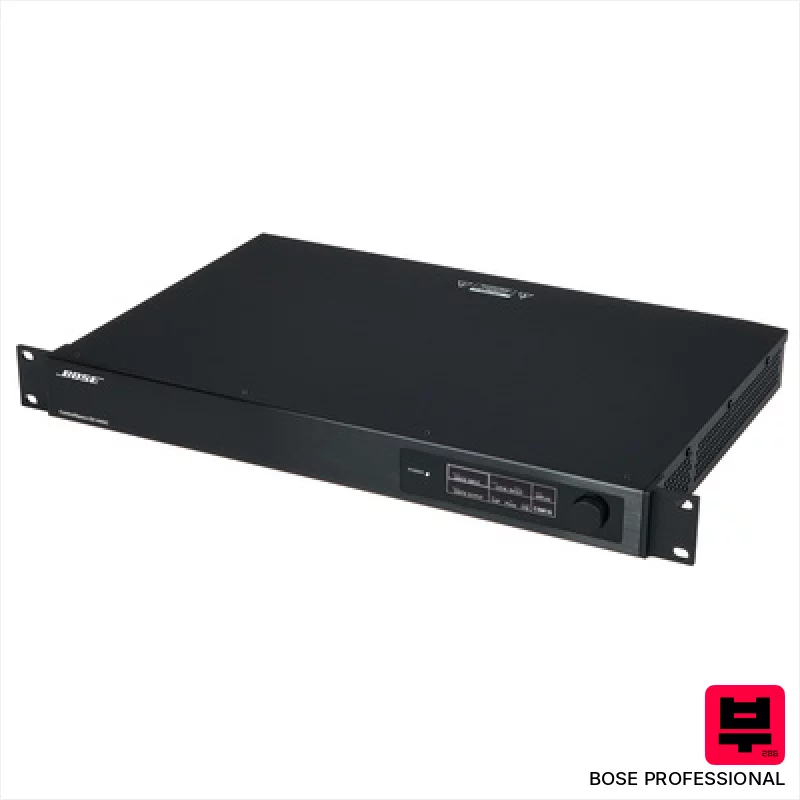
Bose Professional Control Space EX-440C
- • Exceptional AEC performance minimizes feedback and echo effectively.
- • Dante connectivity offers flexible, scalable audio routing options.
- • AmpLink integration simplifies amplifier pairing and system management.
- • Robust 32-bit DSP ensures clean, low-latency audio processing.
- • Premium-priced, a significant investment for smaller installations.
- • Limited physical analog outputs compared to some competitors.
- • VoIP functionality, while present, lacks advanced codec customization.
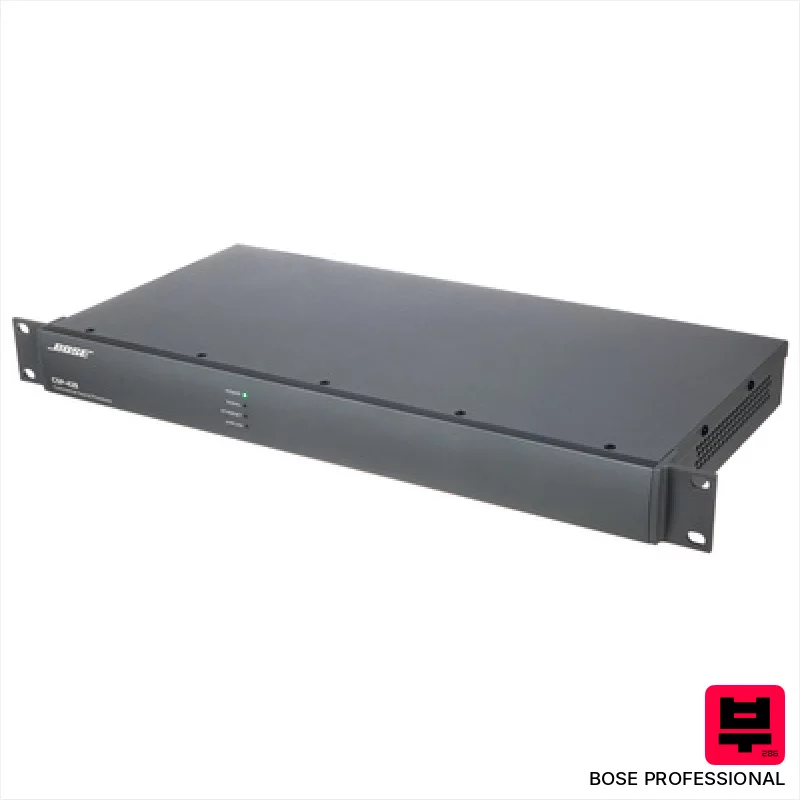
Bose Professional CSP-428
- • Intuitive browser interface dramatically speeds up complex installations
- • AmpLink provides flexible, scalable digital audio distribution
- • Compact 1U form factor simplifies rack integration in tight spaces
- • Robust 32-bit processor handles demanding processing tasks with ease
- • Limited analog input options may require external preamps
- • Euroblock connectors demand specific cabling knowledge
- • Lacks granular EQ control compared to some higher-end processors
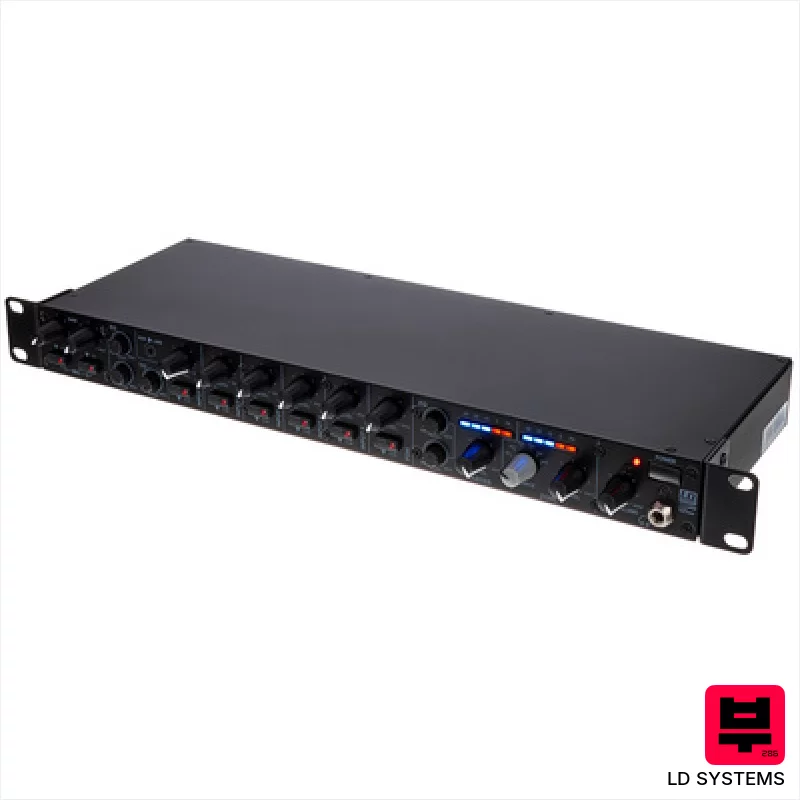
LD Systems Zone 622
- • Compact 1U rackmount saves valuable space in installations
- • Flexible zone routing simplifies background music distribution
- • Solid build quality for reliable performance in commercial settings
- • Balanced outputs ensure clean signal transmission over longer distances
- • EQ is basic 2-band, limiting detailed tonal shaping
- • Limited microphone preamps won't suit complex live vocal setups
- • RCA connections feel a bit dated compared to modern digital options
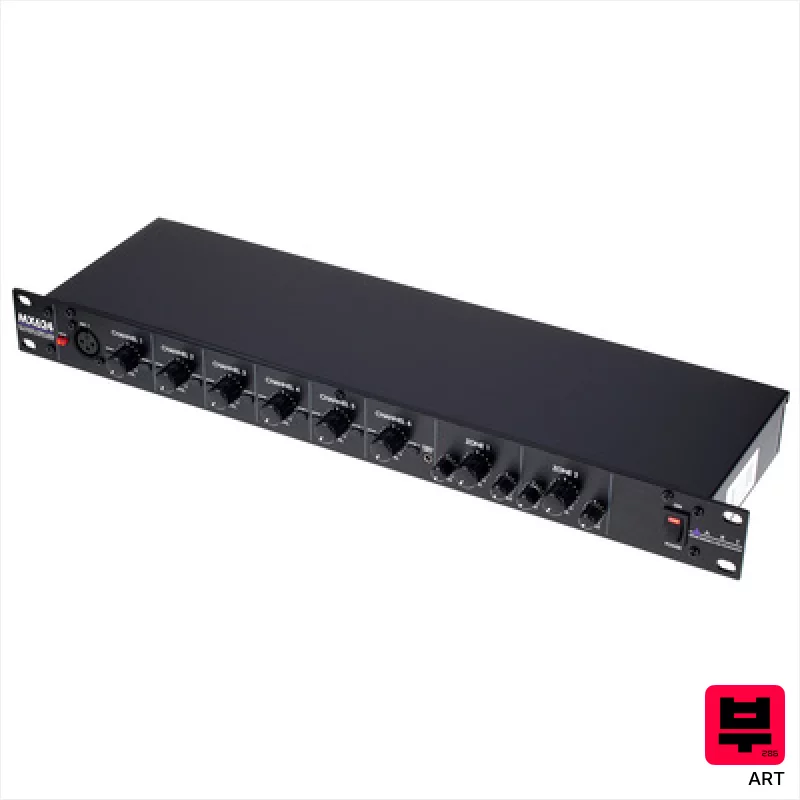
ART MX 624
- • Routable channels offer flexible zone control for varied applications
- • Compact 1U rackmount design saves valuable space in installations
- • Ducking function simplifies background music level management
- • Multiple input options cater to diverse audio sources and setups
- • ART's build quality is generally utilitarian, not premium
- • Limited EQ per channel restricts detailed sound shaping
- • RCA connections feel dated compared to more modern connectors
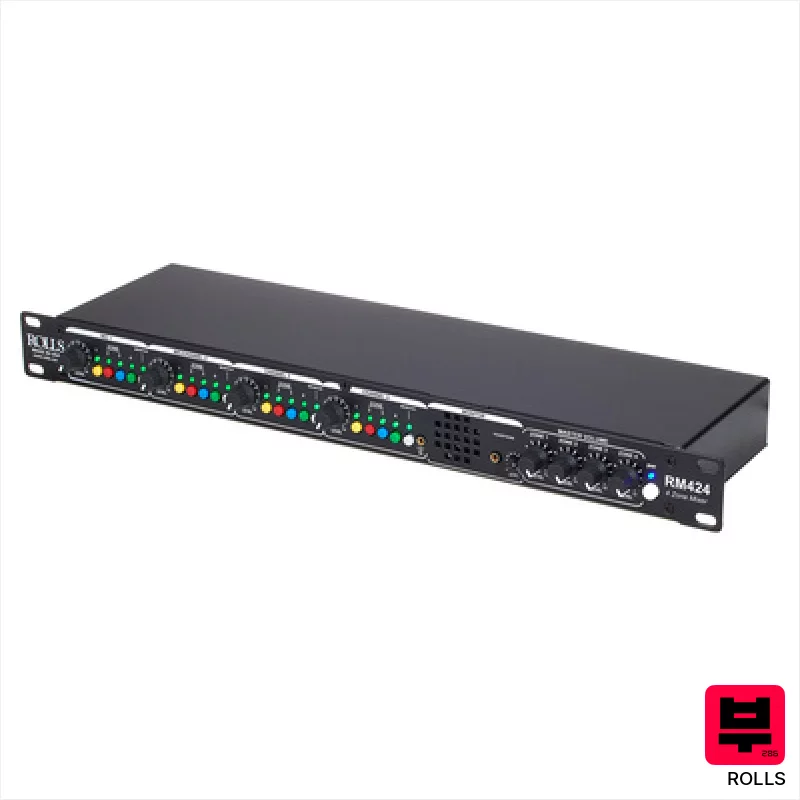
Rolls RM 424
- • Balanced XLR inputs offer clean, professional-grade signal capture
- • Individual zone level control provides precise audio distribution
- • Ducking functionality simplifies announcements and paging sequences
- • Compact 1U rackmount format suits installation and mobile setups
- • Limited channel count restricts complex mixing scenarios
- • Lack of onboard DSP limits sonic shaping capabilities
- • RCA inputs feel a bit dated compared to modern digital options
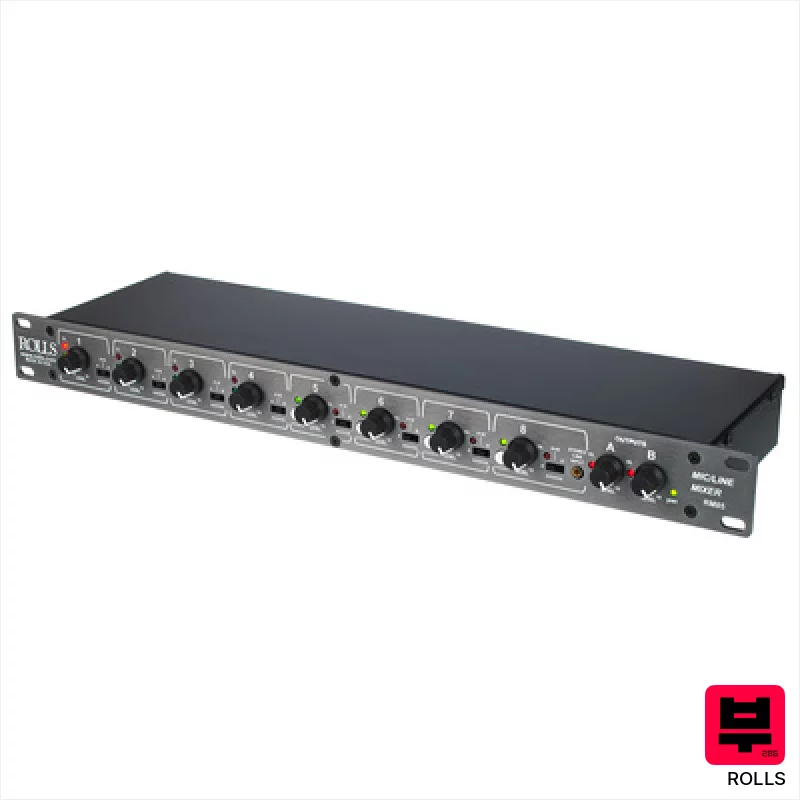
Rolls RM85
- • Compact 1U rack design saves valuable space in installations
- • Solid build quality with robust metal chassis for reliable use
- • Versatile routing options (A/B/A+B) suit diverse applications
- • Phantom power supports condenser mics for professional recordings
- • Limited EQ capabilities restrict fine-tuning audio characteristics
- • Lack of digital connectivity limits integration with modern workflows
- • Basic feature set lacks advanced processing found in higher-end mixers

Sonifex Redbox RB-PMX4
- • Robust 1U rackmount chassis ensures reliable installation.
- • DIP switch routing offers flexible zone control without software.
- • Sonifex build quality delivers professional-grade durability.
- • 10 XLR inputs handle a wide range of microphone and line signals.
- • Limited DSP capabilities compared to more modern matrix mixers.
- • DIP switch configuration can be tedious for complex routing changes.
- • The small form factor can feel cramped for extensive patching.
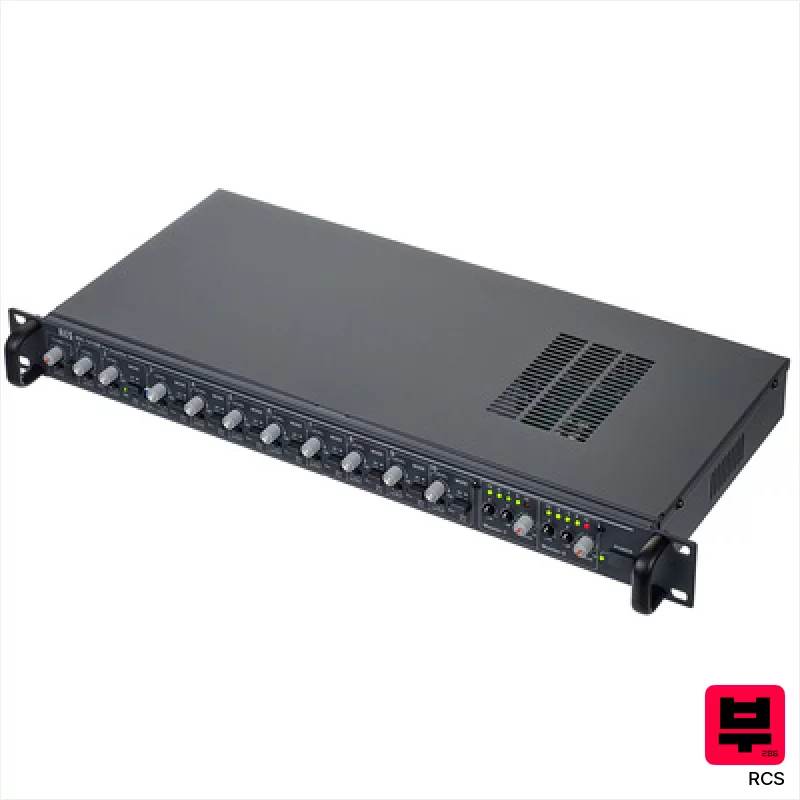
RCS MA-1410 B Mixer Preamp
- • Robust construction suggests durable stage or install use
- • Dual output routing offers flexible signal management
- • MIC-LINE selector provides versatility for varied signal sources
- • 24V DC operation is a significant advantage for emergency power
- • Limited DSP functionality compared to modern, pricier mixers
- • 10 channels might be restrictive for larger, complex setups
- • Lack of individual channel EQ is a notable omission

ART MX225
- • Solid build quality for the price range, feels robust.
- • Flexible zone routing provides excellent signal distribution.
- • XLR connectivity offers professional-grade signal handling.
- • Compact 1U rackmount saves valuable space in installations.
- • Limited EQ options restrict detailed sound shaping.
- • ART's preamps are serviceable, but lack high-end clarity.
- • No digital connectivity restricts integration with modern workflows.
How to Choose the Best Installation Matrix Mixers
Routing Flexibility
Matrix mixers live or die by their routing options. You need enough aux sends/returns, direct outputs, and the ability to easily route signals where they need to go for monitors, recording, or external effects. Limited routing is a deal-breaker.
EQ and Dynamics
Don't expect pristine, surgically precise EQ like you'd find on a console costing ten times more. However, serviceable 3-band EQ per channel and some form of gate/compressor (even basic) are essential for taming unruly sources and shaping the overall sound.
Headroom and Noise Floor
This is where budget mixers can really fall short. Push them too hard, and you'll get muddy breakup and a noticeable hiss. A low noise floor is critical, especially in quieter environments. Watch out for that gritty, compressed sound when the levels get up.
Build Quality and Reliability
Cheap plastic knobs and flimsy faders won't last a gigging schedule. Solid construction and dependable components are crucial for long-term use. Things like XLR connector stability and overall chassis heft matter.
User Interface and Workflow
A confusing layout and overly complex menu system will slow you down. A logical, intuitive interface is essential for quick adjustments on the fly, especially when dealing with multiple sources and complex routing scenarios.
Buying Guide
At this price point, you're making trade-offs. Don't expect the pristine preamps of a $10,000 mixer. Focus on getting a model with flexible routing - that's the core function. Look closely at the EQ; a basic 3-band EQ is fine, but if it's just high/mid/low without any control over the midrange frequency, it's limiting. Build quality is key - feel the knobs, check the fader action, and read reviews about reliability.
How This List Is Built
We don't play these instruments — we're a catalog, not a review desk, and we'd rather say so than pretend otherwise. This page ranks 9 installation matrix mixers from the Thomann catalogue, which is the largest single source of specification data in this category.
Position is computed, not curated. Four signals, in order of weight: how completely the manufacturer documents the instrument (number of published specifications), where it sits in the price range, how specific the model designation is — which filters out generic accessories — and whether a product image exists. The same inputs always produce the same order, so nothing here is shuffled to look fresh.
What this list is good for: narrowing a category down to a shortlist by spec and budget. What it isn't: a substitute for hearing an instrument. Before you buy, read hands-on reviews and, where you can, play it. Full methodology.

