
Best Installation Amps for Retail 2026
So, you're setting up a sound system for a retail space - clothing store, electronics shop, whatever. It's not about headbanging volume; it's about creating an atmosphere, reinforcing announcements, and generally making the space feel inviting without being an aural assault. You need power, reliability, and a clean sound that doesn't fatigue shoppers or make your staff want to hide. Let's break down what to look for in installation amps that'll actually work for your retail environment.
Last updated: July 8, 2026 • Next update: July 15, 2026
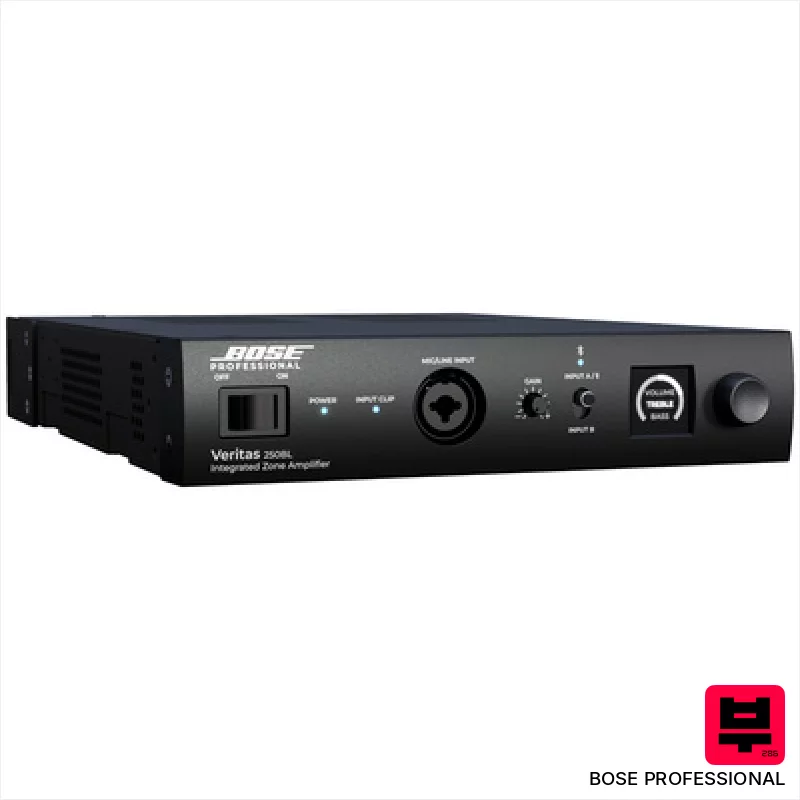
Bose Professional Veritas 250BL
- • Compact size belies surprising power and headroom for smaller installs
- • Bluetooth 5.0 offers reliable wireless connectivity for background music
- • Euroblock connectors ensure secure, robust speaker connections
- • Contact closure mute is a genuinely useful feature for automated systems
- • Limited power output restricts use to smaller venues or zones
- • RCA inputs feel somewhat dated for a professional installation amp
- • Lacks Dante or other advanced network connectivity options
- • Aux output provides limited flexibility for monitoring or external processing

Bose Professional PowerSpace P21000A
- • Rock-solid build quality; feels like it’ll withstand years of heavy use.
- • AMPLINK offers serious flexibility for complex, networked audio systems.
- • Impressive dynamic range minimizes noise even at high power levels.
- • Excellent channel separation minimizes unwanted artifacts in multi-zone setups.
- • Limited analog input options for a modern install; only two channels.
- • Form factor is fairly deep, requiring significant rack space.
- • Premium-priced; a significant investment for smaller installations.
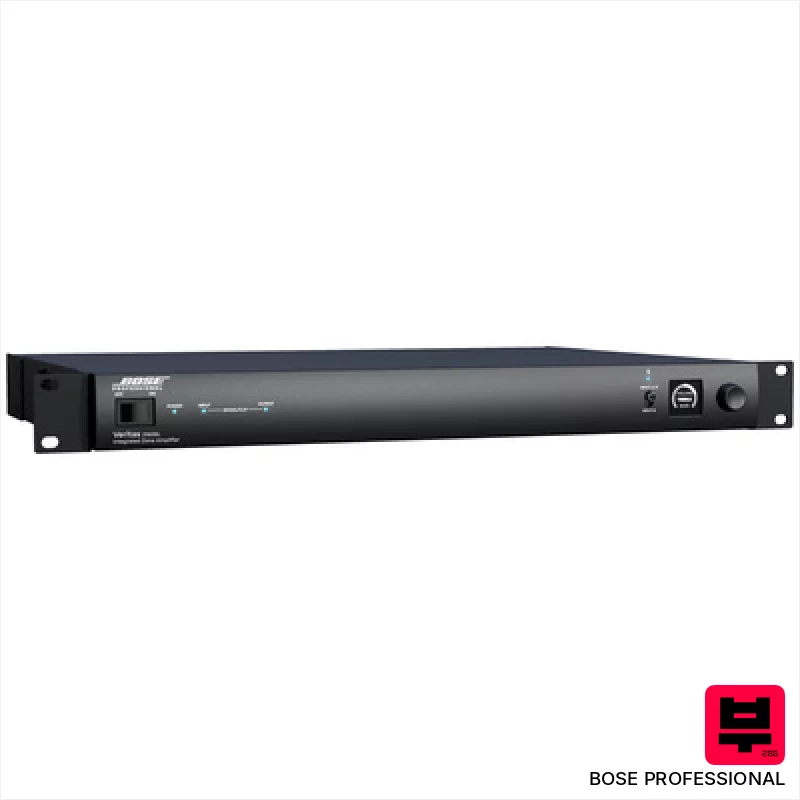
Bose Professional Veritas 2160BL
- • Robust build quality; feels incredibly solid for its weight.
- • Flexible input options cater to diverse installation scenarios.
- • Bluetooth 5.0 offers reliable, low-latency wireless connectivity.
- • Mute trigger connection simplifies integration with control systems.
- • Limited frequency response lacks deep bass extension for some applications.
- • Euroblock connectors can be less familiar to some users.
- • Relatively compact size might restrict headroom in demanding situations.
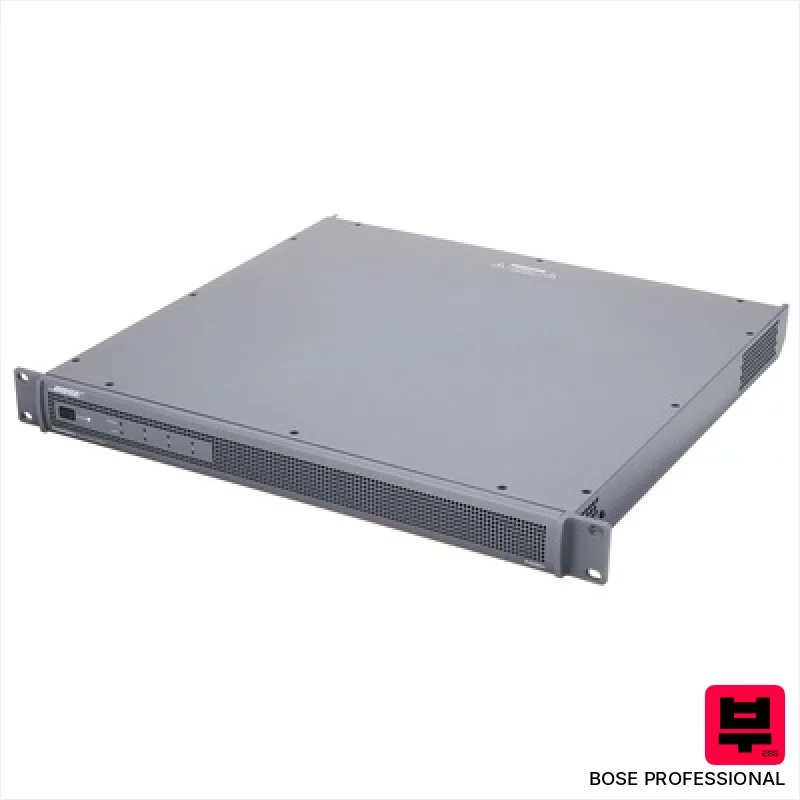
Bose Professional PowerSpace P4300+
- • Exceptional clarity and headroom thanks to SmartBass technology
- • Flexible routing and EQ options for precise system tuning
- • Robust, 1U rackmount design ideal for space-constrained installations
- • Low latency (<1ms) ensures pristine audio signal integrity
- • Premium-priced compared to competing amplifiers in its class
- • Limited input options for a broader range of audio sources
- • Bose ControlCenter is an optional extra, adding to overall system cost

LAB Gruppen CPA2401
- • Robust Class D design delivers clean, efficient power.
- • Flexible input options accommodate diverse audio sources.
- • Integrated Bluetooth and USB media player simplifies operation.
- • Auto-ramp circuit minimizes startup/shutdown power surges.
- • Limited to a single channel, restricting complex routing needs.
- • Euroblock connections might require adapters for some users.
- • LCD navigation, while functional, could feel less intuitive.

Axxent AX 1400TS
- • Fanless operation truly eliminates distracting hum and noise
- • Removable gain knob is a smart security and safety feature
- • Euroblock/binding post combo provides versatile output options
- • Solid 19in rackmount chassis ensures secure installation and portability
- • Single-channel design limits flexibility for complex sound systems
- • Weight (8.95 kg) can be a factor for smaller installations or transport
- • Lacks advanced DSP or EQ features found in higher-end amps
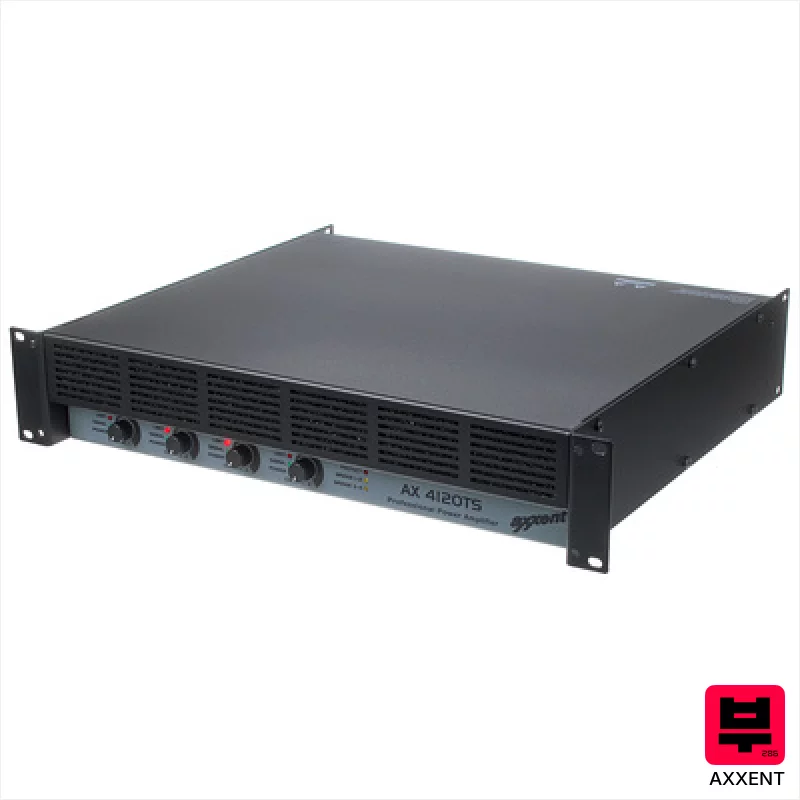
Axxent AX 4120TS
- • Excellent build quality; feels rock-solid and durable.
- • Quiet, temperature-controlled fan is genuinely impressive.
- • Flexible connectivity with XLR, Euroblock, and binding posts.
- • Detachable gain knobs offer clean aesthetics and security.
- • Size (483 x 88 x 387 mm) makes it less suitable for tight spaces.
- • Limited channel gain adjustment compared to some competitors.
- • While versatile, it’s primarily an installation amp, less ideal for live sound.
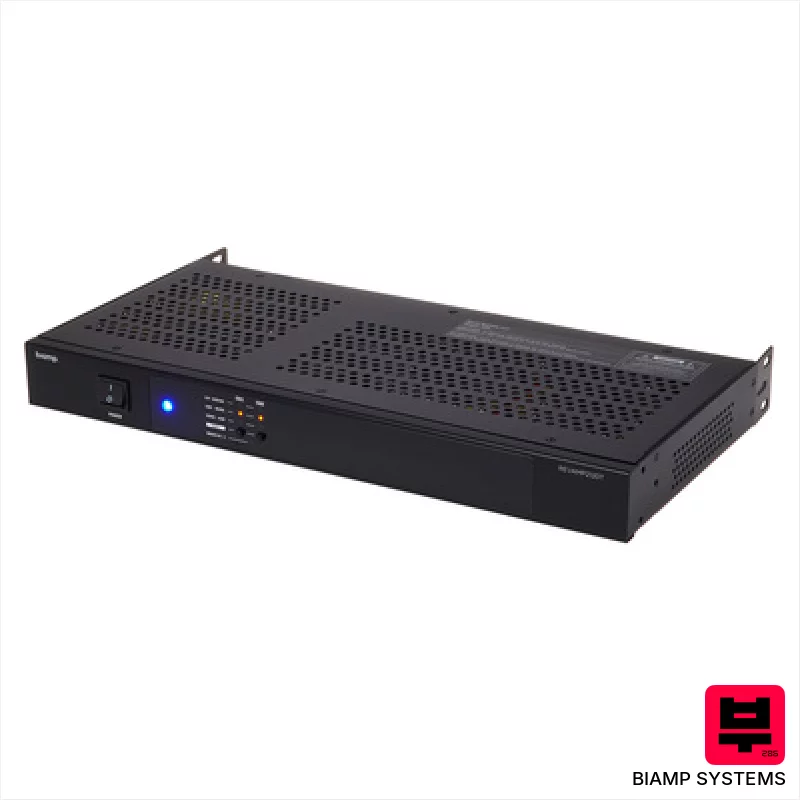
Biamp Systems REVAMP2120T
- • Fanless operation eliminates noise, ideal for quiet installations.
- • Biamp's DSP integration ensures clean, reliable amplification.
- • Euroblock inputs offer robust, secure connectivity for pro audio.
- • Bridged mode provides substantial power for demanding subwoofers.
- • Limited channel flexibility compared to multi-channel amps.
- • The compact 1U height restricts rack space in crowded setups.
- • Lack of onboard DSP might necessitate external processing.

Bose Professional Veritas 2160BH
- • Solid build quality with a compact, rack-mountable form factor
- • Bluetooth 5.0 provides reliable wireless connectivity for background music
- • Flexible 70V/100V operation suits distributed audio installations
- • Mute trigger contact closure simplifies integration with control systems
- • Limited low-frequency response below 200Hz restricts its use for bass-heavy applications
- • RCA inputs might be a bottleneck for high-end audio sources
- • Lacks Dante or other digital audio networking capabilities for advanced setups

LAB Gruppen FA2402
- • Direct Drive tech delivers exceptional transient response and clarity.
- • Fanless design ensures silent operation – crucial for sensitive installations.
- • Compact size and lightweight build simplify rack mounting and transport.
- • Switchable 70/100V operation expands versatility for distributed audio systems.
- • Limited channel count restricts scalability for larger systems.
- • Euroblock connectors might require adapters for some users.
- • Class D amps, while efficient, can occasionally exhibit subtle harmonic distortion at extreme volume.

Bose Professional PowerShareX PSX1204D
- • PowerShareX intelligently distributes power, minimizing amp stress.
- • Dante integration simplifies network audio routing and control.
- • Integrated DSP offers precise EQ and processing flexibility.
- • Compact 1U design maximizes rack space efficiency.
- • Premium-priced, a significant investment for smaller installations.
- • Euroblock connectors can be less familiar than standard XLR.
- • Limited headroom at very high output levels for demanding applications.
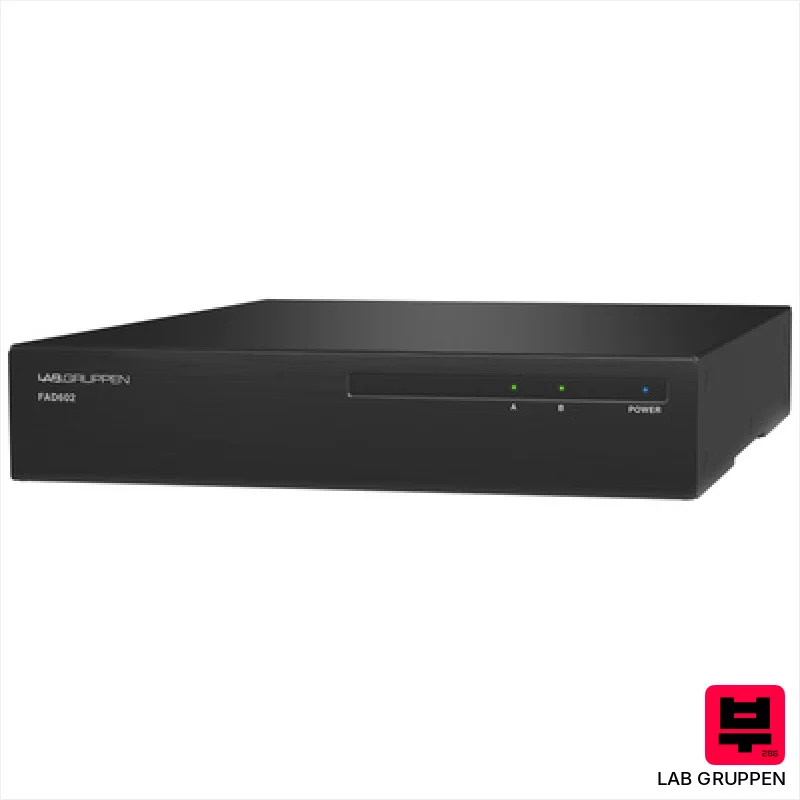
LAB Gruppen FAD602
- • Direct Drive tech delivers impressively clean power for its size.
- • Compact form factor simplifies installation in tight spaces.
- • Dante networking provides flexible, scalable audio routing.
- • Robust Euroblock connectors ensure reliable, secure output connections.
- • Limited power output restricts use to smaller systems or distributed audio.
- • Lack of active cooling may limit sustained output in high-temperature environments.
- • High-Z operation, while present, isn't as feature-rich as dedicated matrix amps.

Sirus I-Amp 4.500
- • Class-D efficiency minimizes heat and power consumption for extended operation.
- • Euroblock connectors offer robust, secure connections for professional installations.
- • Bridgeable design expands output options for mono or custom configurations.
- • Front-panel gain controls simplify level adjustments during system setup and troubleshooting.
- • Limited channel flexibility compared to more complex matrix amplifiers.
- • 1U rack height may present space constraints in densely packed racks.
- • While robust, the metal chassis feels a bit thin for truly demanding touring applications.

Sirus I-Amp 1.300T
- • Compact 1U rack design maximizes space efficiency in installations.
- • Class D efficiency minimizes heat and power consumption for reliable operation.
- • Euroblock connectors offer secure, professional-grade connectivity.
- • Front panel controls simplify volume adjustment and power management on-site.
- • Limited to a single channel restricts flexibility for complex audio routing.
- • Frequency response leans towards the mid-range, lacking extreme low-end extension.
- • Lacks Dante or other network connectivity for modern integration.
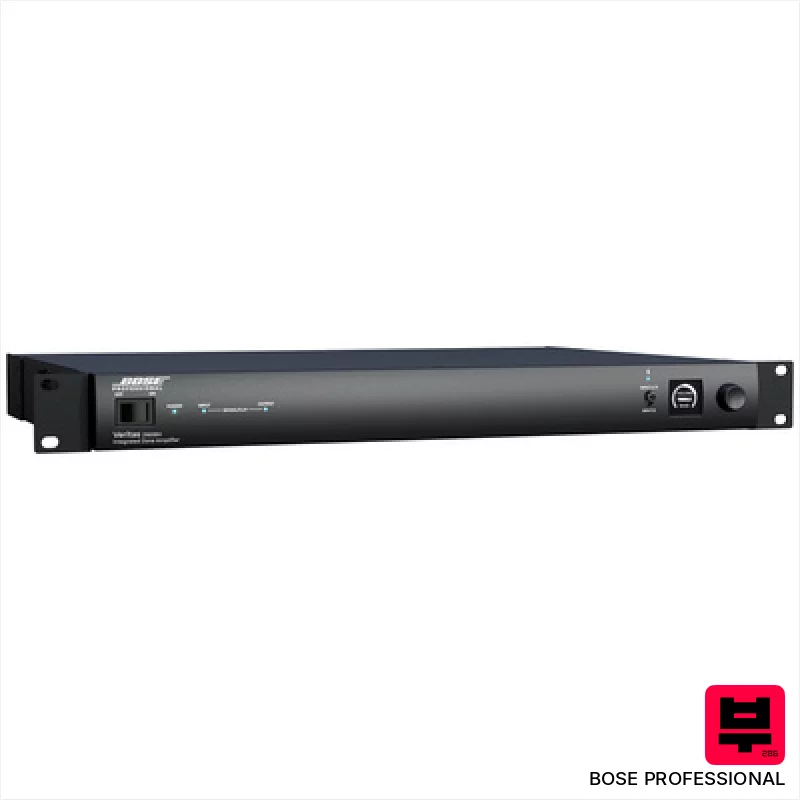
Bose Professional Veritas 1100BH
- • Compact size belies robust power, ideal for space-constrained installs
- • Bluetooth 5.0 provides reliable wireless connectivity for background music
- • Euroblock connectors offer secure, professional loudspeaker connections
- • Mute trigger contact closure simplifies integration with control systems
- • Limited input options compared to more versatile commercial amps
- • RCA inputs might be a bottleneck for high-end, balanced audio sources
- • While efficient, it lacks advanced DSP features for complex sound shaping
How to Choose the Best Installation Amps
Power Output & Headroom
Retail spaces rarely need earth-shattering volume, but you need enough headroom to handle announcements or a sudden spike in background music. 200-400 watts per channel is often plenty, but consider the size of the space and the number of speakers you're using. Clipping is your enemy - it sounds awful and can damage your speakers.
Clean Signal Path
This is paramount. You don't want an amp that adds coloration or introduces noise. A clean signal path means your music sounds like your music, and announcements are clear and intelligible. Think about the difference between a bright, sparkly clean and an ice-picky harsh top end - you want the former.
Reliability & Cooling
Retail spaces often have challenging environments - fluctuating temperatures, limited ventilation. A robust amp with good cooling is essential for long-term reliability. Overheating leads to distortion and eventual failure. Look for amps with good heat sinks and fan designs.
Connectivity & Protection
Balanced inputs and outputs are a huge plus for reducing noise. Speaker protection circuits are non-negotiable - they'll prevent damage if something goes wrong. A good amp will have short-circuit, over-current, and thermal protection.
Size & Aesthetics
Let's be honest, you don't want a giant rack unit dominating your retail space. Compact, rack-mountable amps are ideal for maximizing space and maintaining a clean look. Black is generally a safe bet, but consider the overall aesthetic of the store.
Buying Guide
Don't get caught up in wattage numbers alone. A smaller, well-designed amp will often outperform a larger, cheaper one. Pay attention to the signal-to-noise ratio - anything below 90dB is a red flag. And remember, cheap amps often cut corners on component quality, leading to premature failure. It's better to invest in a reliable amp that will last for years than to constantly replace a budget model.
Our Methodology
We're not just looking at spec sheets here. We've spent years running gear in all sorts of situations - from dingy clubs to sprawling studios - and we're judging these amps based on how they feel and how they sound in real-world scenarios. That means A/B comparisons with similar models, testing for headroom under sustained use, and evaluating how they handle different speaker loads. We're listening for that muddy low-end, that harsh high-end, and the overall fatigue factor after a few hours of background music.

