
Best Headless Guitars Under $500 2026

Affordable headless guitars under $500 - great value without compromising quality

Last updated: September 28, 2026
⚡ The best headless guitars in 2026 are Mooer MHL50 Headless Black-White (top pick), Mooer MHL50 Headless Sky Blue for tighter budgets, and Hils HNS1M Summer Sand for pros — selected from 5 options across 2 brands, priced $329–$397, ranked by brand, price and popularity.
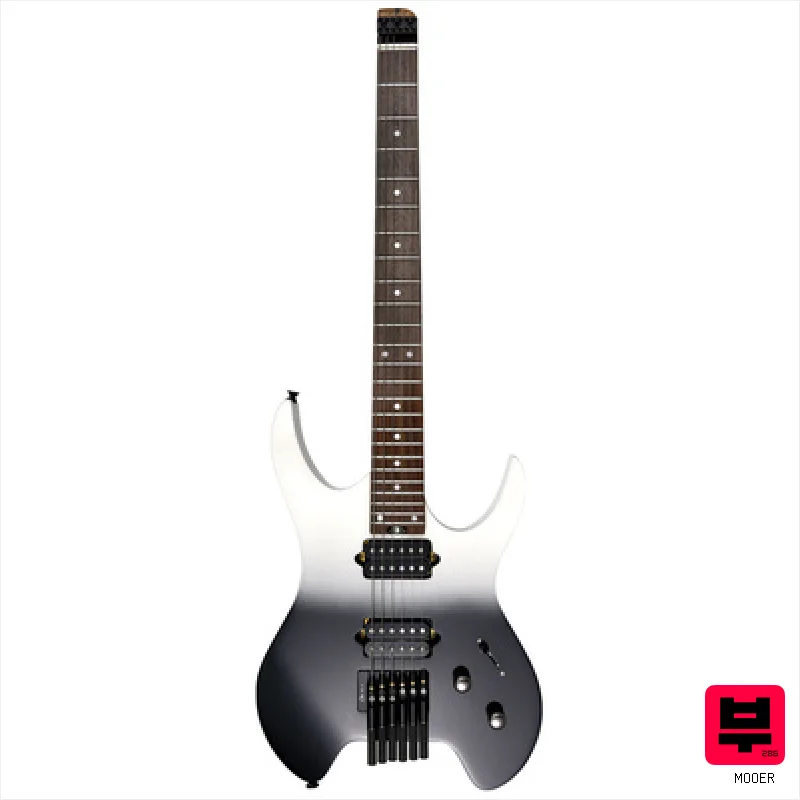
Mooer MHL50 Headless Black-White - Professional Music Instrument Photo
#1

Mooer MHL50 Headless Black-White

Nut width 42 mm (1.65") Scale 648 mm (25.51") Frets 24 frets Body Poplar body Fingerboard Rosewood fingerboard Weight 2.5 kg
Travel Experimental Ergonomic Playing
Key Feature:
This guitar feels great in your hands thanks to its light poplar body and comfortable C profile neck. The roasted maple neck helps keep the strings stable while playing. It comes with a nice bag included, which saves you money. Perfect for players who want a simple, solid instrument without the extra weight.
PROS
  • • Lightweight poplar body design for easy playability
  • • Roasted maple neck offers stable tuning stability
  • • 25.5 scale length provides classic string tension
  • • Included gig bag adds significant value
CONS
  • • No hardware finish options listed for customization
  • • Lacks visible wood grain in shell dot inlays
  • • Missing specific output jack type details
⭐ 5.0/5 AudioFu Score
Specs:
10/10
Detail:
10/10
Value:
9/10
Art. 639947
$330
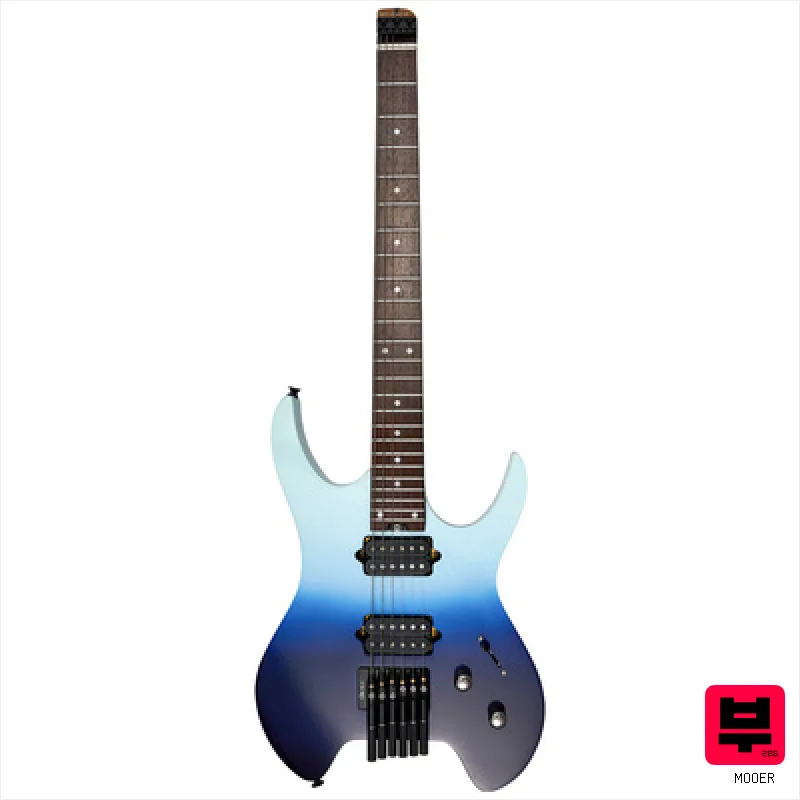
Mooer MHL50 Headless Sky Blue - Professional Music Instrument Photo
#2

Mooer MHL50 Headless Sky Blue

Nut width 42 mm (1.65") Scale 648 mm (25.51") Body Poplar body Fingerboard Rosewood fingerboard Weight 2.5 kg
Progressive Travel Experimental
Key Feature:
This guitar feels surprisingly light thanks to the poplar body and rosewood fingerboard. The roasted maple neck is modern but might feel different to those used to traditional wood. It comes with two humbuckers and a solid locking bridge, making it ready to play right out of the box. Perfect for players who want a clean, headless design without the heavy price tag.
PROS
  • • Poplar body offers a light, balanced resonance for easy playability.
CONS
  • • Roasted maple neck may lack the traditional feel of aged wood.
⭐ 5.0/5 AudioFu Score
Specs:
10/10
Detail:
10/10
Value:
9/10
Art. 639931
$330
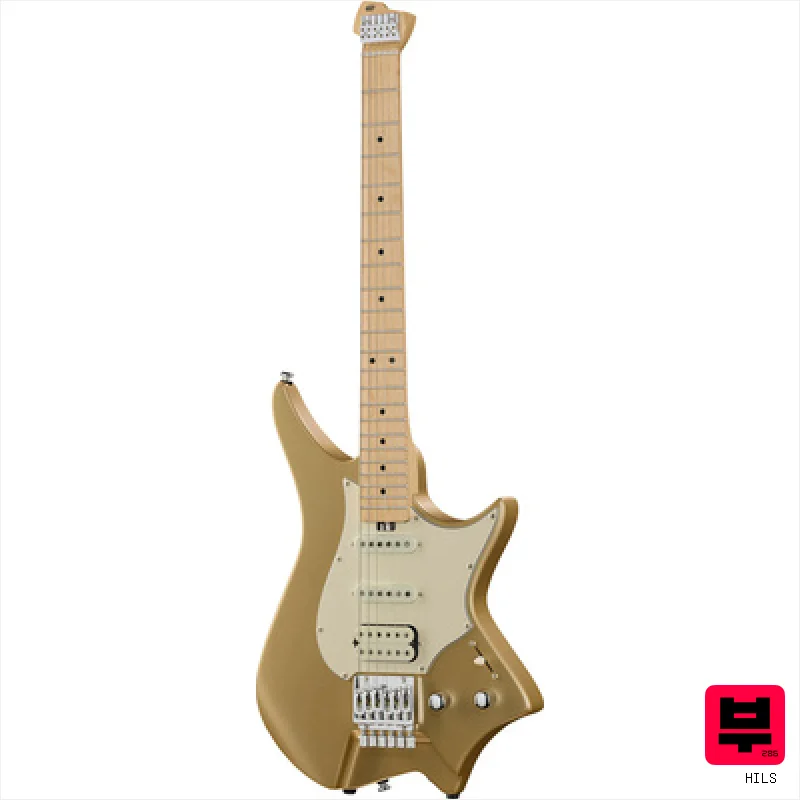
Hils HNS1M Summer Sand - Professional Music Instrument Photo
#3

Hils HNS1M Summer Sand

Nut width 42 mm (1.65") Scale 648 mm (25.51") Body Mahogany body Fingerboard Maple fingerboard
Progressive Space-Saving Experimental
Key Feature:
This guitar feels solid in hand with its mahogany body and easy-to-play neck. The headless design looks cool but you must learn to tune it by ear or feel. It shines when you want that warm, vintage tone from the Alnico pickups. Great for players who like clean sounds and simple controls.
PROS
  • • Mahogany body gives warm, resonant tone
  • • Slim C profile plays easily on fingers
  • • Stainless steel jumbo frets stay bright long
  • • Alnico 5 coils offer classic clean sound
CONS
  • • Headless design lacks traditional tuning pegs
  • • No weight listed means it could be heavy
  • • Only one volume knob limits control options
⭐ 4.9/5 AudioFu Score
Specs:
10/10
Detail:
9/10
Value:
9/10
Art. 632563
$398
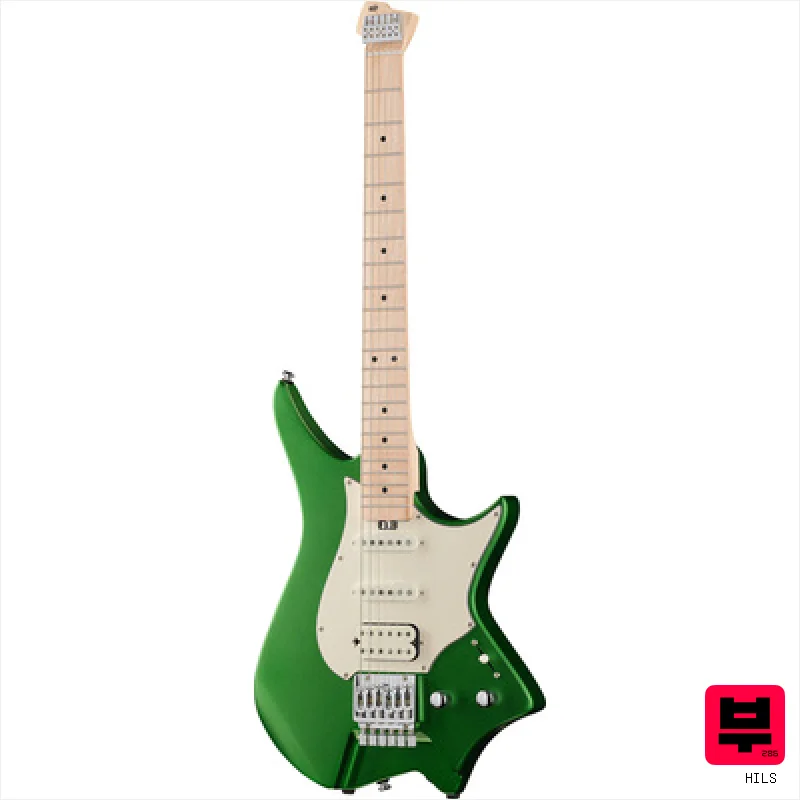
Hils HNS1M Metallic Emerald Green - Professional Music Instrument Photo
#4

Hils HNS1M Metallic Emerald Green

Nut width 42 mm (1.65") Scale 648 mm (25.51") Body Mahogany body Fingerboard Maple fingerboard
Progressive Travel Ergonomic Playing
Key Feature:
This guitar comes in a cool green finish with a solid mahogany body. The slim neck feels easy to play, and the mixed pickups give you both punch and clarity. It is a budget-friendly choice that suits players who want a modern look without breaking the bank.
PROS
  • • Satin Metallic Emerald Green looks striking and unique.
  • • Mahogany body paired with maple neck offers solid resonance.
  • • Ceramic and Alnico 5 pickups deliver distinct tonal variety.
  • • Slim C neck profile ensures comfortable playing for most.
CONS
  • • No weight spec listed makes carrying uncertainty.
  • • Compound radius adds complexity for some players.
  • • Headless design requires careful setup and tuning.
⭐ 5.0/5 AudioFu Score
Specs:
10/10
Detail:
10/10
Value:
9/10
Art. 632565
$380
Hils Next HN3 Black LH - Professional Music Instrument Photo
#5

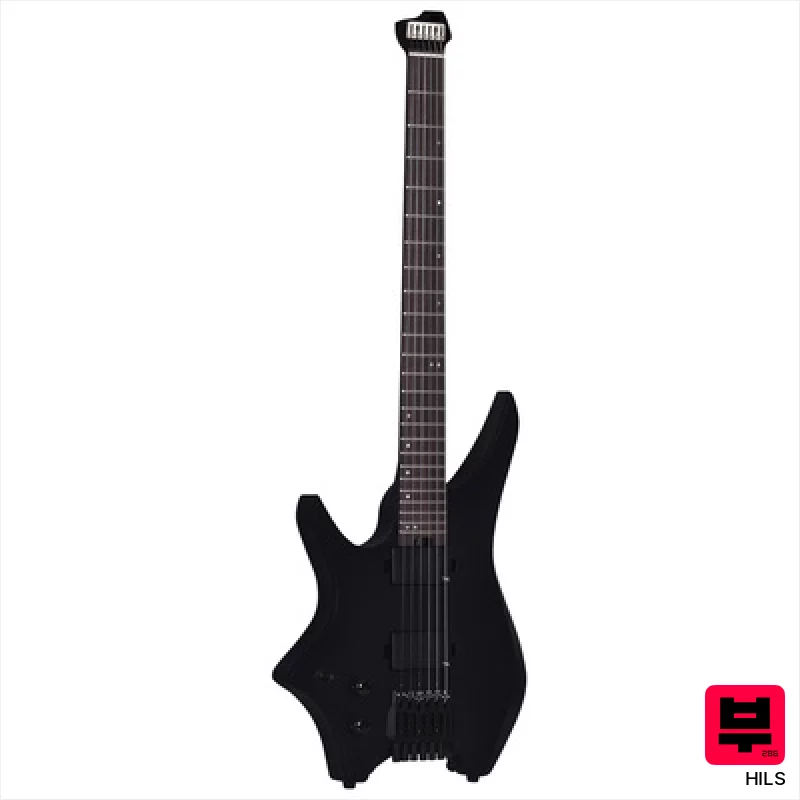
Hils Next HN3 Black LH

Nut width 42 mm (1.65") Scale 648 mm (25.51") Body Mahogany body Fingerboard Rosewood fingerboard
Space-Saving Experimental Ergonomic Playing
Key Feature:
The Hils Next HN3 is a solid entry into the headless guitar world, especially for left-handed players. It's surprisingly versatile thanks to the coil-split option, and the roasted maple neck makes it a joy to play. This is a great choice for players looking for a unique look and feel without a premium price tag.
PROS
  • • Roasted maple neck offers excellent stability and a smooth feel.
  • • Hils humbuckers deliver a surprisingly articulate and powerful tone.
  • • The compound radius fingerboard eases chording and facilitates fast playing.
  • • Titanium locking tuners ensure rock-solid tuning stability, even with heavy use.
CONS
  • • Mahogany body might lack some clarity for players seeking a truly bright sound.
  • • Limited pickup options restrict tonal versatility compared to more expensive models.
  • • Headless guitars require a learning curve for tuning and string changes.
⭐ 5.0/5 AudioFu Score
Specs:
10/10
Detail:
10/10
Value:
9/10
Art. 609345
$340

Headless Guitars by the numbers

Measured across all 5 models in this category, so «wide», «short» or «expensive» mean something you can check.

Price
median $340
from $330 to $380
Nut width
median 42 mm (1.65")
from 42 mm (1.65") to 42 mm (1.65") · 5 models
Scale
median 648 mm (25.51")
from 648 mm (25.51") to 648 mm (25.51") · 5 models
Body
mahogany, poplar
most common · 5 models
Fingerboard
rosewood, maple
most common · 5 models

How This List Is Built

We don't play these instruments — we're a catalog, not a review desk, and we'd rather say so than pretend otherwise. This page covers 5 headless guitars from the Thomann catalogue, which is the largest single source of specification data in this category: 5 in detail, the rest listed with their specifications.

Position is computed, not curated. We parse the manufacturer's own description into actual values — nut width, scale, fret count, fingerboard radius, size, alloy — and rank on them: how many specifications a model has published, how many of them are measurable numbers, and how precisely it meets this page's criterion. A product image adds a little. Price is not a ranking signal: it tells you nothing about whether a neck fits your hand. The same inputs always produce the same order, so nothing here is shuffled to look fresh.

What this list is good for: narrowing a category down to a shortlist by spec and budget. What it isn't: a substitute for hearing an instrument. Before you buy, read hands-on reviews and, where you can, play it. Full methodology.

How to Choose the Best Headless Guitars

Budget Planning

  • • Under $200: Entry-level
  • • $200-$500: Intermediate
  • • $500-$1000: Advanced
  • • $1000+: Professional

Quality Check

  • • Sound clarity & tone
  • • Build materials & finish
  • • Hardware durability
  • • Overall craftsmanship

Key Features

  • • Your musical style
  • • Skill level match
  • • Intended use case
  • • Brand reputation

Frequently Asked Questions

Key factors include build quality, sound characteristics, playability, brand reputation, warranty coverage, and value for money. Consider your musical style, skill level, and intended use to find the best match.
Budget depends on your needs and experience level. Beginners can find quality options for $200-500, intermediate players should consider $500-1500 range, while professionals often invest $1500+ for premium features.
Higher-priced headless guitars typically offer better materials, craftsmanship, and performance. They're worth it if you're serious about music, perform regularly, or need professional-grade features.
Top brands combine quality, innovation, and reliability. We evaluate brands based on build quality, sound performance, durability, and customer satisfaction to recommend the best options for different budgets.
Both have advantages. Online offers better prices and selection, while stores allow hands-on testing. We recommend researching online first, then testing in stores if possible. Many online retailers offer excellent return policies.

We use cookies to improve your experience. Learn more
