
Best Guitar/Bass Synthesizers for Sound Design 2026
Okay, so you're diving into the weird world of guitar/bass synth sound design. Forget the cheesy, preset-driven sounds you might associate with these things - we're talking about sculpting textures, creating evolving pads, basses that hit like tectonic plates, and all sorts of sonic mayhem. It's a rabbit hole, but a rewarding one if you're after truly unique sounds that cut through a dense mix. This isn't about replicating a Rhodes piano; it's about using synthesis to make something nobody's ever heard before.
Last updated: July 22, 2026 • Next update: July 29, 2026
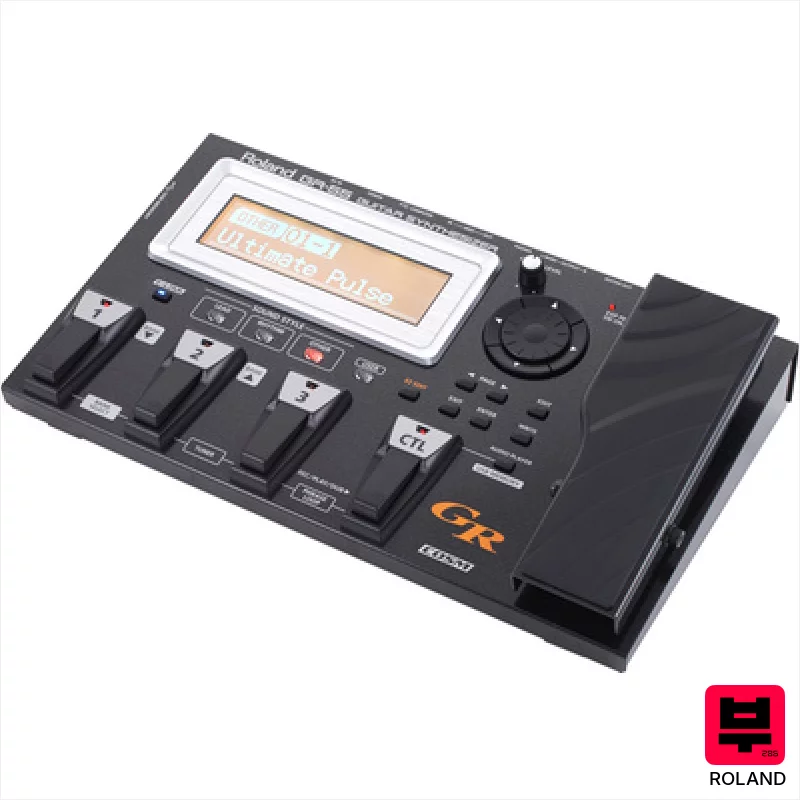
Roland GR-55S Black
- • Excellent COSM modeling engine delivers authentic amp and effects tones
- • Flexible dual-synth engine allows layering and creative sound design
- • Robust build quality with durable chassis and reliable controls
- • Comprehensive preset library provides immediate inspiration and usability
- • Tracking can occasionally be finicky with complex chord voicings
- • The size and weight can be cumbersome for gigging musicians
- • Learning curve exists to fully exploit the advanced features
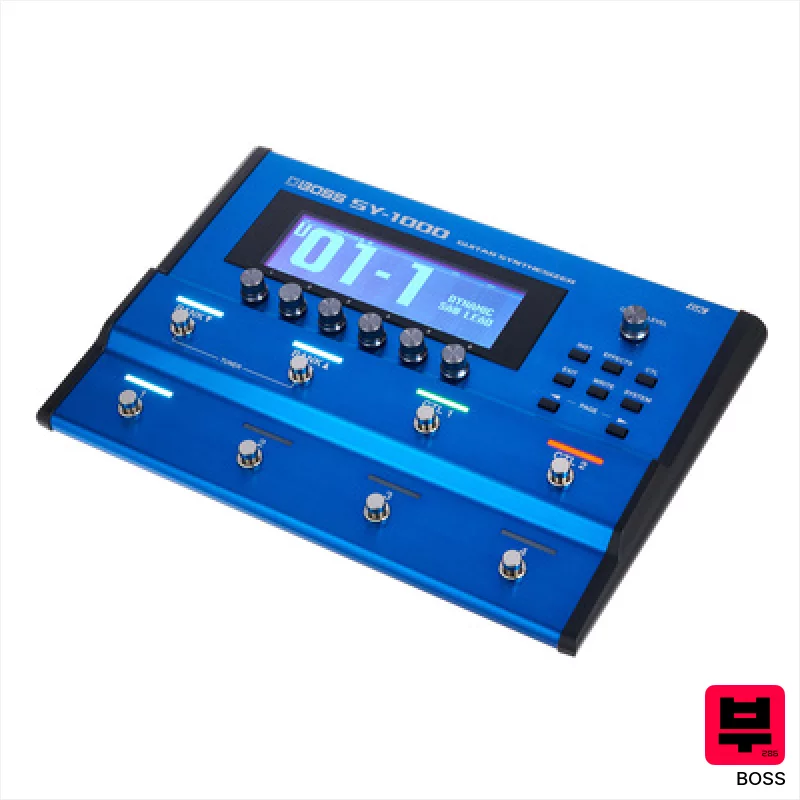
Boss SY-1000 Guitar Synthesizer
- • Exceptional tracking across a wide range of playing styles.
- • Impressive synthesis engine rivals dedicated hardware synthesizers.
- • Comprehensive effects suite pulls directly from the GT-1000’s arsenal.
- • Dual step sequencers unlock complex, evolving soundscapes.
- • Steep learning curve, requires significant time investment to master.
- • Size and weight make it less than ideal for gigging musicians.
- • Can be CPU-intensive, potentially impacting latency with complex patches.
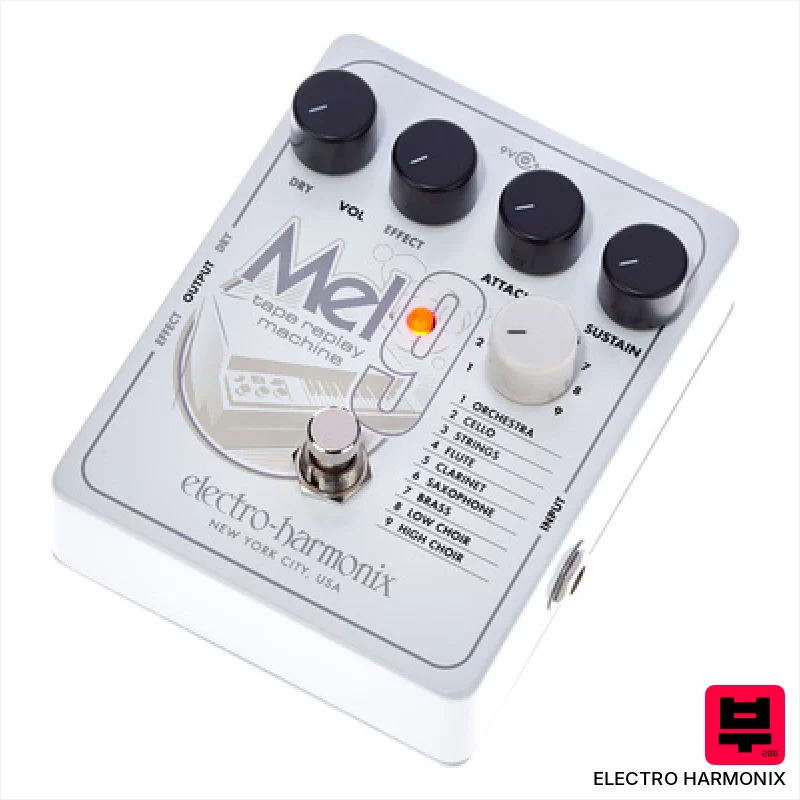
Electro Harmonix MEL9 Tape Replay Machine
- • Authentic Mellotron vibe without the massive footprint and cost
- • Fast tracking avoids pickup compatibility headaches – a huge win
- • Independent dry/effect controls allow for subtle blending or full emulation
- • 9 presets cover a surprisingly broad sonic palette for the price
- • The attack knob can be finicky, requiring precise adjustments
- • Sound quality, while convincing, isn't a true vintage Mellotron
- • Limited preset customization beyond the provided selection

Boss GM-800 Guitar Synthesizer
- • ZEN-Core engine delivers remarkably realistic and diverse synth sounds
- • Serial GK interface provides significantly improved tracking compared to older systems
- • Standalone synth module functionality expands versatility beyond guitar/bass
- • BOSS Tone Studio software offers intuitive sound editing and organization
- • The graphic LCD is a bit small and can be hard to read in bright light
- • The learning curve for the ZEN-Core engine can be steep for beginners
- • The size and weight make it less than ideal for gigging frequently
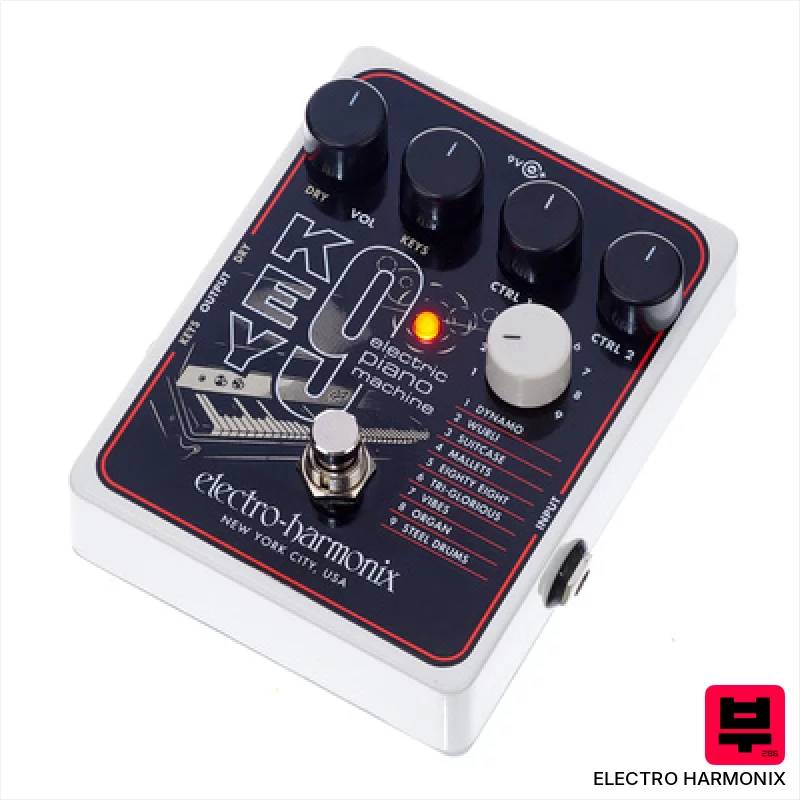
Electro Harmonix KEY9 Electric Piano Machine
- • Excellent emulation of classic electric pianos, surprisingly nuanced sounds
- • Fast tracking handles guitar input with impressive responsiveness
- • Compact size makes it pedalboard-friendly and travel-easy
- • Versatile blend of dry signal allows for creative sound design
- • Limited preset customization beyond the available sounds
- • Build quality feels somewhat plasticky, not as robust as some EHX pedals
- • Effected sounds can occasionally sound a bit thin without careful EQ
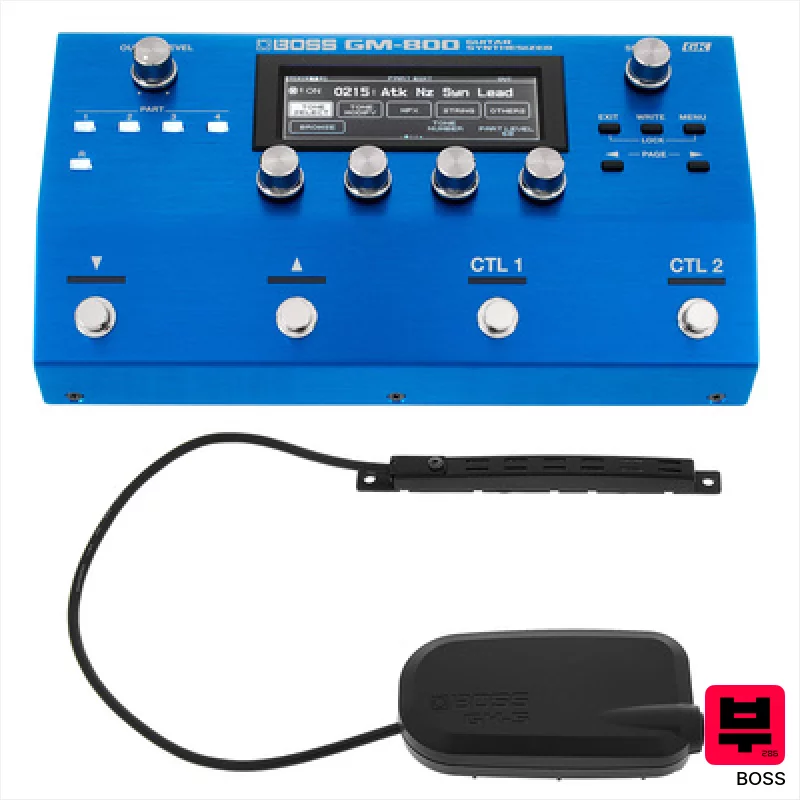
Boss GM-800 Guitar Synth. Bundle
- • ZEN-Core engine delivers incredible sonic versatility, far beyond previous Boss synths
- • Serial GK interface offers significantly improved tracking and natural feel compared to older systems
- • Standalone synth module expands utility for studio and live performance scenarios
- • BOSS Tone Studio software provides deep editing and organization capabilities for sounds
- • The learning curve for ZEN-Core can be steep for those unfamiliar with Roland's engine
- • The graphic LCD display, while functional, feels a bit dated compared to modern interfaces
- • The GK cable and interface adds complexity and potential points of failure to the signal chain
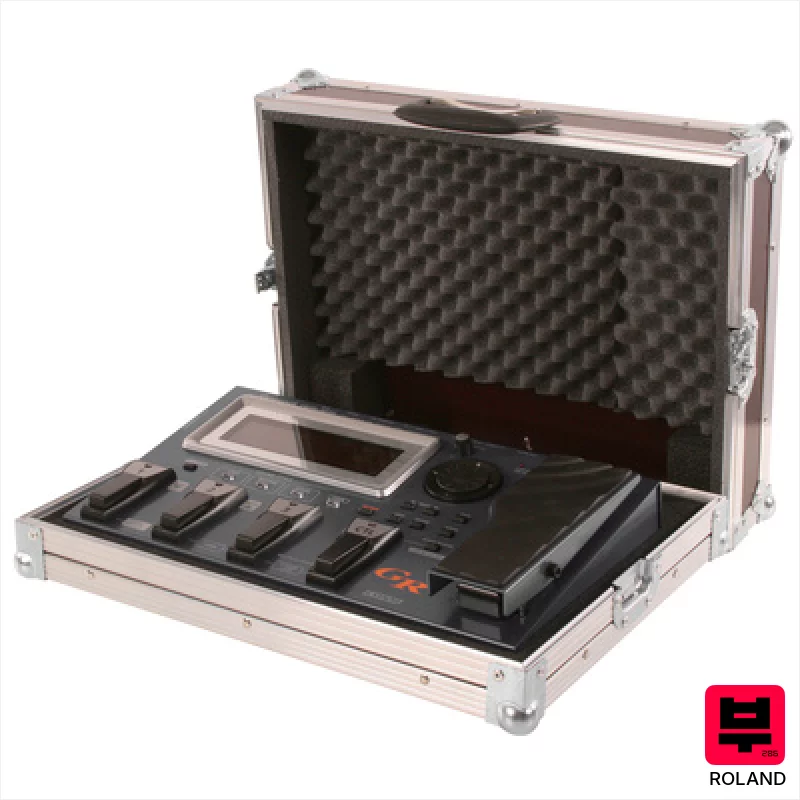
Roland GR-55S Black Bundle
- • Excellent tracking accuracy, especially for bass and lower guitar registers
- • VG-99 modelling chain provides a remarkably wide range of amp and effect tones
- • Intuitive interface and layout simplifies complex synth layering and editing
- • Bundled accessories like footswitch and expression pedal enhance performance flexibility
- • Can be a steep learning curve for those unfamiliar with guitar synthesis concepts
- • The physical footprint is relatively large, limiting portability for some
- • The bundled sounds, while extensive, might feel overwhelming initially
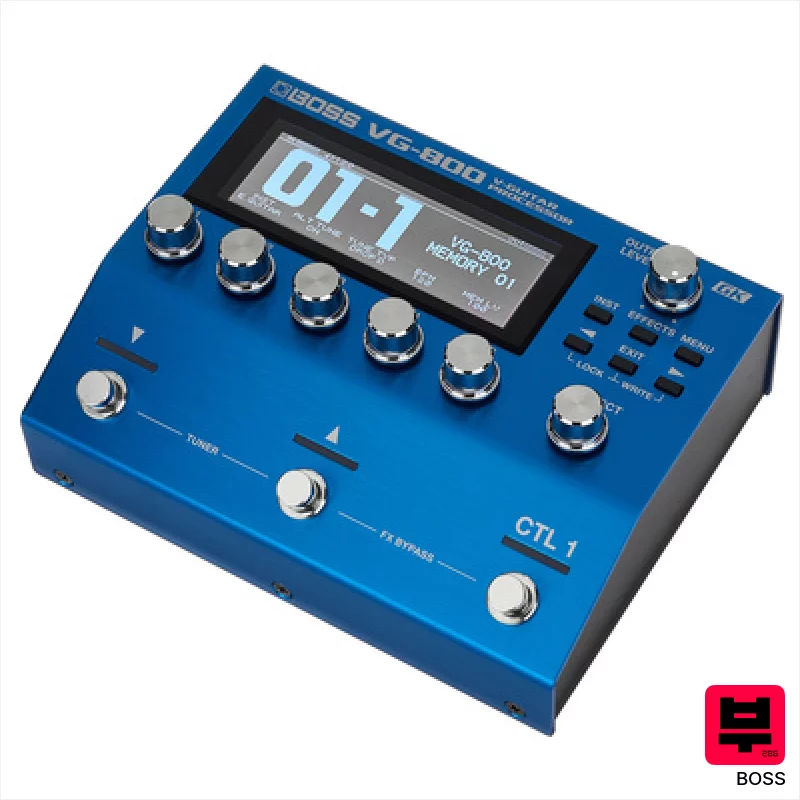
Boss VG-800 V-Guitar Processor
- • Advanced GK interface offers vastly improved tracking accuracy.
- • Dual guitar/bass function expands creative possibilities significantly.
- • BOSS Tone Studio software provides comprehensive sound editing and organization.
- • String bend function adds expressive realism to synthesized tones.
- • Requires a GK pickup (GK-5 or GK-5B), adding to the overall investment.
- • The unit's size and weight can be cumbersome for pedalboard setups.
- • Sound quality relies heavily on the quality of the connected guitar and pickup.

Fishman Triple Play
- • Hexaphonic pickup captures nuanced string articulation flawlessly.
- • Wireless transmitter offers reliable performance and freedom of movement.
- • Intuitive controls simplify DAW navigation and software parameter adjustments.
- • Relatively easy installation compared to other MIDI solutions.
- • The pickup's profile can slightly alter string feel and intonation.
- • Latency, though minimal, can be noticeable with certain virtual instruments.
- • Limited preset storage necessitates careful software configuration.
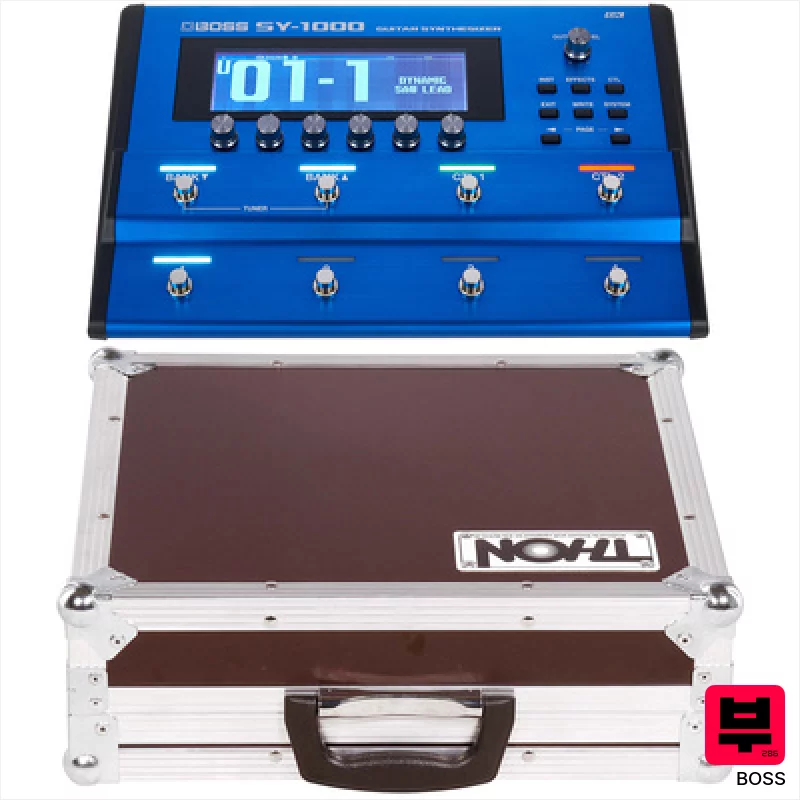
Boss SY-1000 Guitar Synth Bundle
- • Exceptional tracking across all string combinations, a significant leap forward.
- • Dynamic Synth accurately responds to playing dynamics, adds expressive control.
- • Comprehensive synth engine with familiar BOSS/Roland legacy sounds and new models.
- • Step sequencers offer powerful, evolving soundscapes beyond basic synth tones.
- • Complex interface demands considerable time investment to master fully.
- • Size and weight make it less than ideal for smaller pedalboards or gigging frequently.
- • While versatile, its focus leans towards synth sounds, limiting broader effects use.
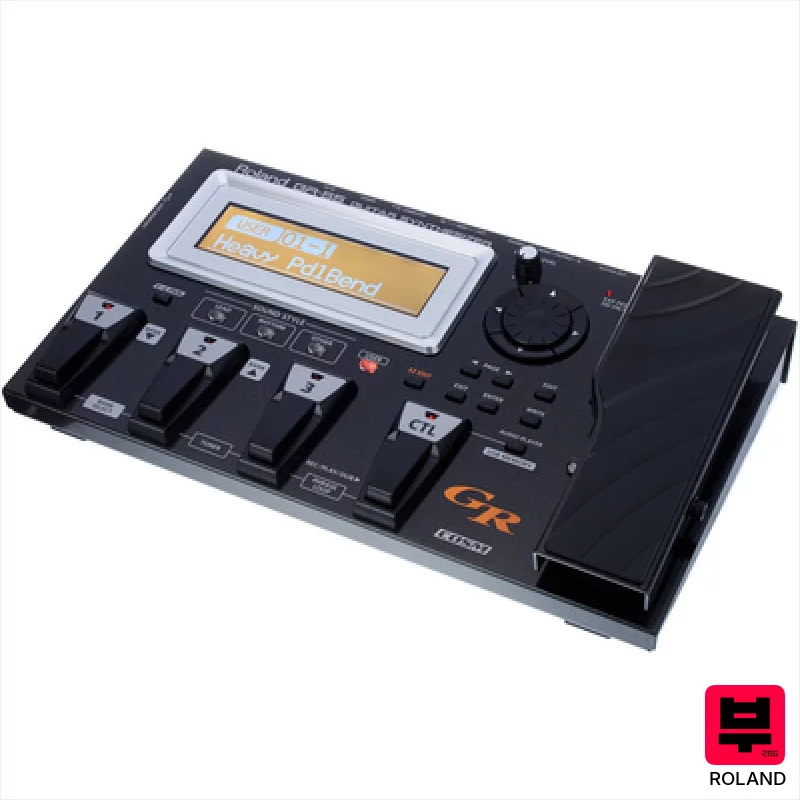
Roland GR-55GK Black
- • Excellent tracking accuracy, minimizing pitch shift artifacts during complex passages
- • Roland's COSM modeling convincingly recreates diverse amp and effect tones
- • The extensive sound library offers immediate creative inspiration across genres
- • Compact design makes it relatively portable for a multi-effects/synth unit
- • The interface, while functional, can feel a little convoluted for quick adjustments on the fly
- • The built-in speakers are adequate for practice but lack the power for stage performance
- • Requires careful pickup calibration for optimal tracking with certain guitars
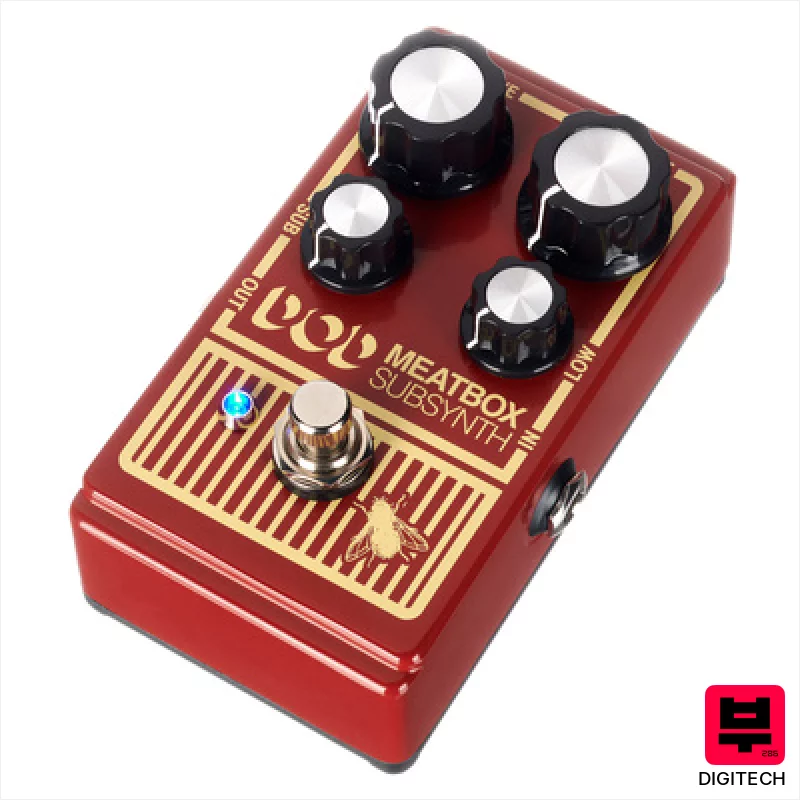
Digitech DOD Meatbox
- • Robust aluminum housing provides excellent durability for gigging.
- • Improved circuitry delivers a noticeably tighter, more defined subharmonic.
- • True bypass preserves your signal when the effect is disengaged.
- • Simple, intuitive controls allow for quick and easy sound shaping.
- • Limited control over subharmonic decay can lead to muddiness at higher settings.
- • The Meatbox's character is very specific; not a versatile all-rounder.
- • Stereo output requires a compatible amplifier or mixer for full functionality.
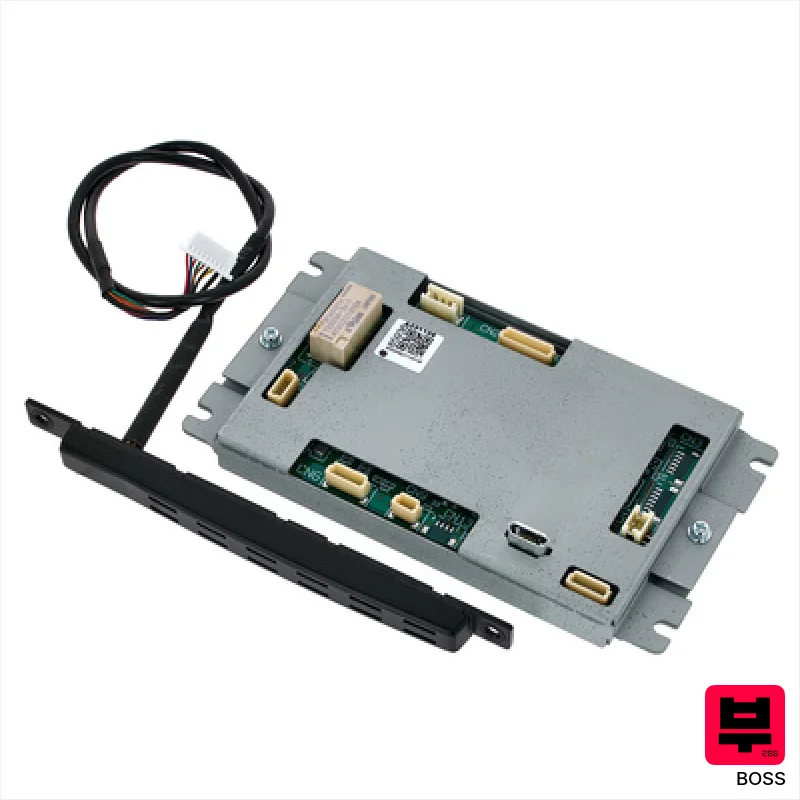
Boss GK-5 Guitar Synth Pickup Kit 6
- • Excellent tracking accuracy thanks to the GK serial interface.
- • G6 processor offers a vast palette of high-quality synth sounds.
- • Slim profile pickup integrates seamlessly with existing guitar electronics.
- • Provides a strong, clean digital signal for reliable MIDI transmission.
- • Installation can be complex, requiring soldering and setup adjustments.
- • System's cost represents a significant investment for most guitarists.
- • Sound quality is dependent on the synthesizer it's paired with.
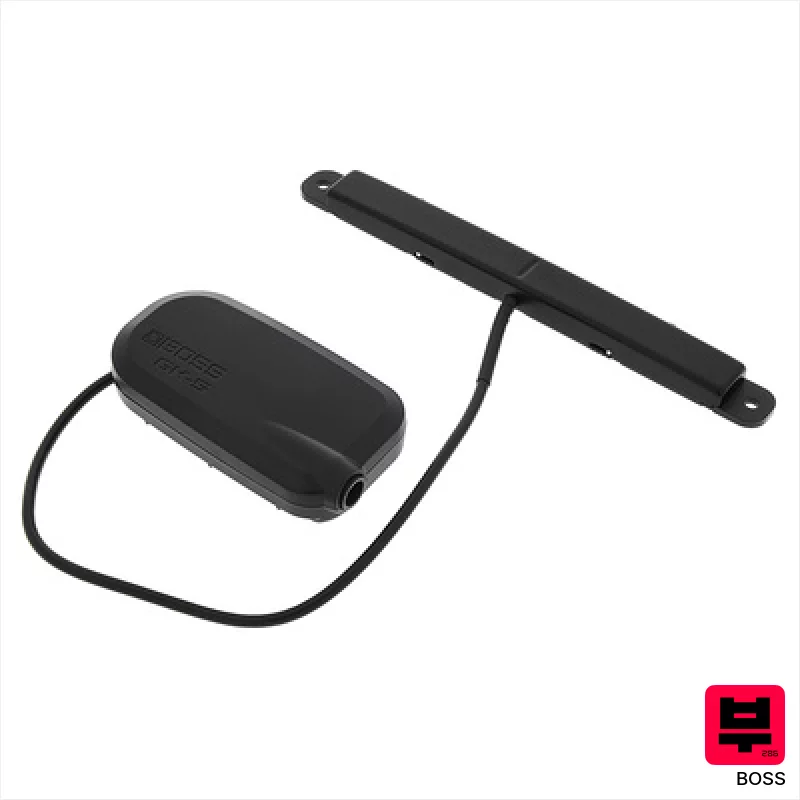
Boss GK-5B Bass Synth Pickup
- • Serial GK interface offers significantly improved tracking stability compared to older systems.
- • Slim profile minimizes impact on string spacing and bridge access on most basses.
- • Robust construction; feels solid and well-built for gigging reliability.
- • Adjustable sensor spacing accommodates a wide range of bridge types and string spacing.
- • Requires a dedicated Serial GK cable (BGK-15) for operation, adding to the initial investment.
- • Sound quality heavily reliant on the synthesizer unit it's paired with; pickup itself is just a transducer.
- • Can be tricky to dial in perfectly; requires patience and careful adjustment for optimal tracking.
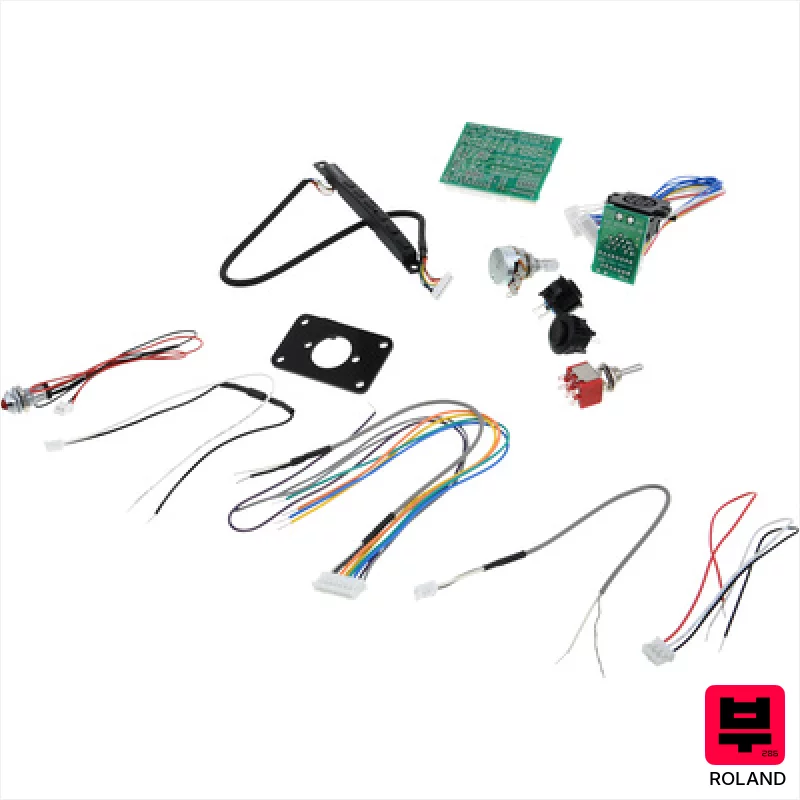
Roland GK-Kit-GT3
- • Divided pickup design minimizes string pull and resonance.
- • Significant price reduction compared to previous GK models.
- • Simple installation kit allows for DIY modification of existing guitars.
- • Improved tracking accuracy reduces unwanted synth artifacts and noise.
- • Requires modification of the guitar, potentially voiding warranty.
- • Sound quality heavily reliant on the connected synthesizer or module.
- • Limited tonal shaping capabilities within the pickup itself.
How to Choose the Best Guitar/Bass Synthesizers
Synthesis Engine
A flexible engine is paramount. We're looking for subtractive, FM, wavetable, and even granular synthesis options. The more modulation possibilities - LFOs, envelopes, step sequencers - the more sounds you can conjure. A simple oscillator setup will quickly feel limiting.
Modulation Matrix
This is where the magic happens. A deep modulation matrix lets you route virtually any parameter to any other, creating complex, evolving textures. Look for things like multiple modulation slots per destination, and the ability to modulate filter resonance, oscillator phase, and more.
Polyphony and Voice Architecture
For sound design, polyphony is your friend. Being able to layer multiple voices creates massive, evolving soundscapes. The voice architecture - unison, detuning, phase shifting - also plays a huge role in the thickness and character of your synthesized sounds.
Filter Section
A powerful filter is critical for shaping the tone. Beyond the standard low-pass, high-pass, and band-pass options, look for filters with unique characteristics - Moog-style ladder filters for that fat midrange honk, or state-variable filters for surgical precision. Resonance is your best friend here.
External Input/Sampling
The ability to process external audio signals is a massive bonus. Sampling or feeding in a guitar DI signal and manipulating it through the synth engine opens up a world of creative possibilities - think distorted, granular textures or evolving rhythmic pulses.
Buying Guide
Don't fall for the hype. A lot of guitar synths are compromises - they try to be everything to everyone and end up excelling at nothing. Cheaper units often skimp on the modulation matrix, limiting your creative potential. Spending a bit more usually gets you a more flexible engine and better filter options, which are crucial for sound design. Consider your workflow - a floor unit is great for live manipulation, while a rackmount or desktop unit offers more screen real estate for detailed editing.
Our Methodology
We're not relying on manufacturer specs here. We've spent countless hours playing these units - at home, in rehearsal rooms, even a few club gigs - to see how they perform in the real world. Our evaluations involve A/B comparisons against other synths, analyzing the tonal character, and, most importantly, assessing how well they integrate into a full band or studio mix. It's about feel, articulation, and how much control you actually have over the sound.

