
Best Guitar Amp Footswitches for Professional Setup 2026
Alright, so you're serious about your rig - gigging regularly, tracking in a decent studio, and tired of wrestling with a single channel and a prayer. Footswitches aren't just for changing presets; they're about shaping your sound on the fly, dialing in that perfect crunch for the bridge, or cleanly switching between rhythm and lead without a fumble. Let's break down the best options for a professional setup - no more flimsy plastic switches that fail mid-set.
Last updated: July 22, 2026 • Next update: July 29, 2026

Kemper Profiler Remote MK 2
- • Robust metal housing provides excellent protection during gigging.
- • Dedicated buttons streamline tuner, looper, and tap tempo workflows.
- • The large, illuminated display is easily readable on dark stages.
- • Extends Kemper control range with up to 100m cable length.
- • Price point places it at the higher end of footswitch controllers.
- • Limited customization beyond the preset button assignments.
- • The 18cm depth can be a constraint in smaller pedalboard setups.
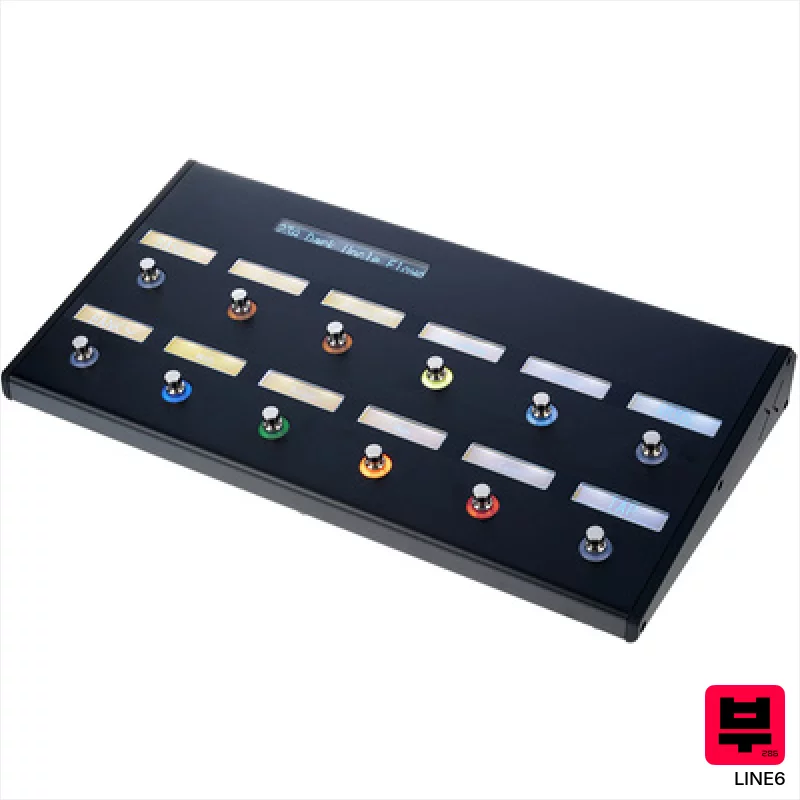
Line6 Helix Control
- • Robust metal chassis provides excellent road-worthiness and stability.
- • The touch-sensitive footswitch offers a surprisingly responsive and tactile feel.
- • Three expression pedal inputs dramatically expand performance possibilities and control.
- • Custom display provides clear visual feedback, crucial for complex setups.
- • The size and weight (3.26 kg) make it less ideal for very small or portable rigs.
- • Limited to Helix ecosystem – not as versatile for controlling other gear.
- • Price point puts it in a premium-priced category for a footswitch.
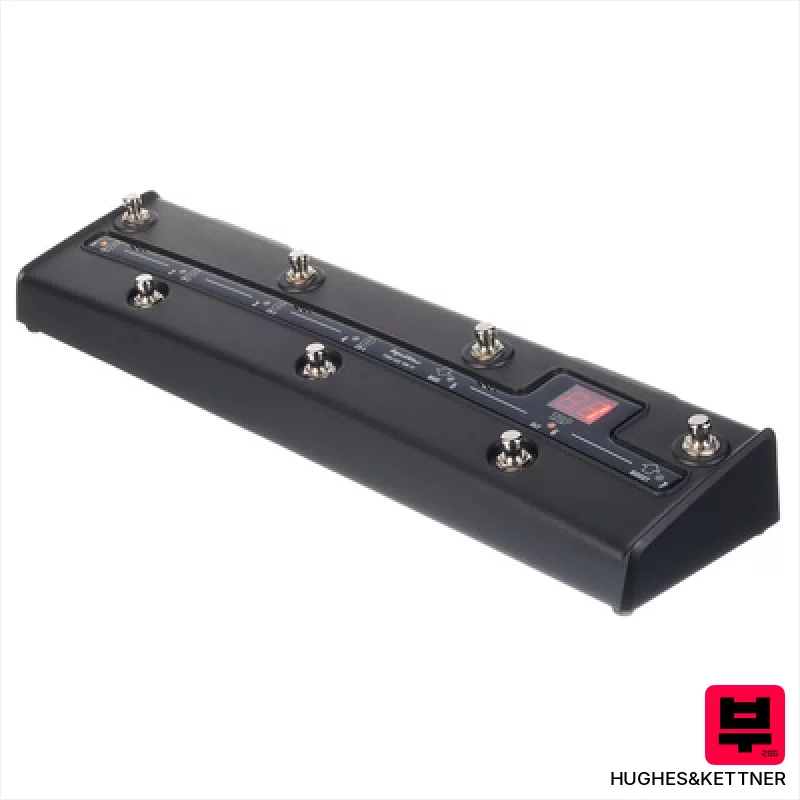
Hughes&Kettner FSM 432 MK IV
- • 128 memory locations offer extensive tonal customization options.
- • Direct 7 mode simplifies complex switching for live performance.
- • Slimmer design integrates seamlessly into most pedalboard setups.
- • Individual preset controller assignments add significant flexibility.
- • Price point might be a barrier for budget-conscious players.
- • H&K ecosystem lock-in limits compatibility with non-H&K amps.
- • Complex feature set demands a learning curve for new users.
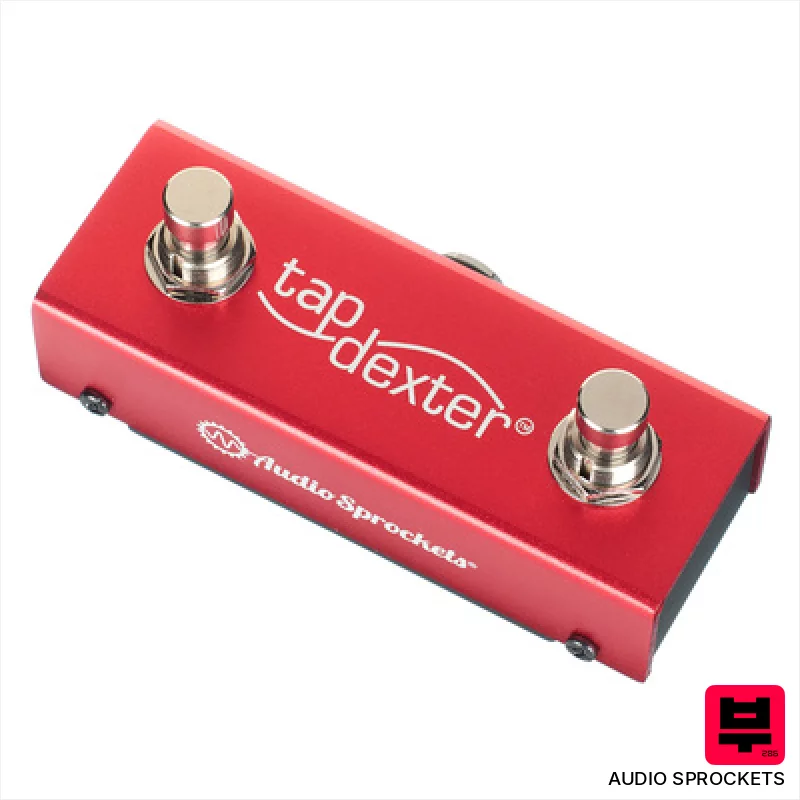
Audio Sprockets TapDexter Dual Footswitch
- • Optical switches offer exceptionally reliable, wear-free operation.
- • Compact size makes it ideal for cramped pedalboard setups.
- • Stereo jack eliminates need for batteries or external power.
- • Designed specifically for ToneDexter II, ensuring seamless integration.
- • Strictly limited compatibility; unusable with other devices.
- • The plastic housing feels a little less robust than metal alternatives.
- • Short cable length may require an extension for some setups.
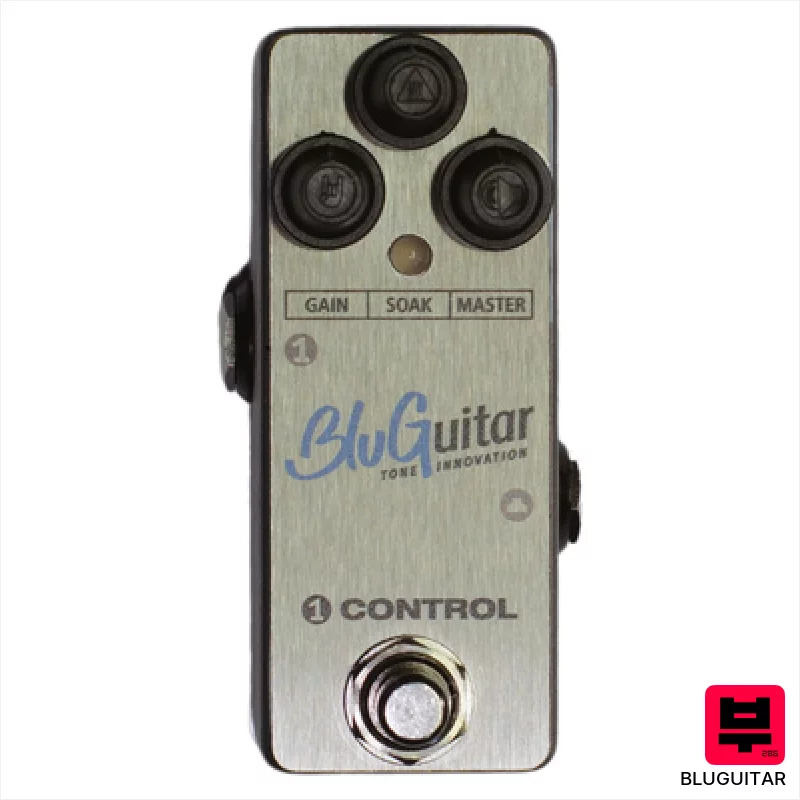
BluGuitar 1Control
- • Intuitive layout drastically simplifies Amp1 navigation and tweaking.
- • Powersoak adjustment offers incredible dynamic range and volume control.
- • Preset mode allows for quick, seamless transitions between tones.
- • Compact size keeps pedalboard real estate minimal and organized.
- • Limited to BluGuitar Amp1 Mercury and Iridium models; no universal compatibility.
- • Powersoak adjustment range, while wide, might be too granular for some users.
- • Preset recall speed could be slightly faster for live performance demands.
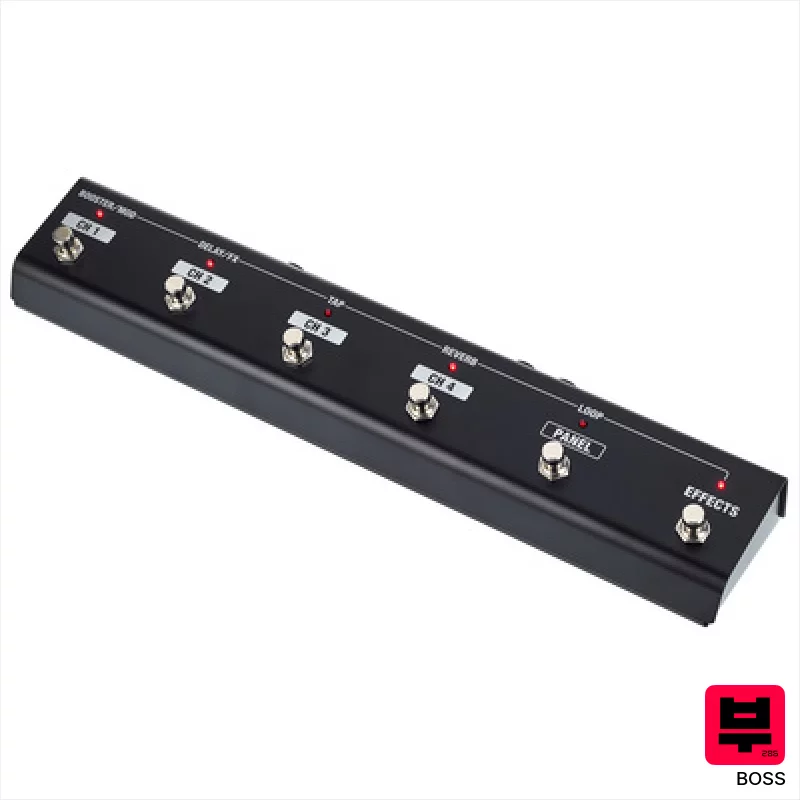
Boss GA-FC
- • Robust Boss build quality ensures long-term reliability.
- • Expression pedal inputs offer nuanced real-time control.
- • Compact size minimizes pedalboard footprint and clutter.
- • Versatile switching caters to various Boss amp models.
- • Limited compatibility outside of specified Boss amplifiers.
- • Plastic enclosure feels less premium than some competitors.
- • Expression pedal jacks lack individual level adjustment.

Boss GA-FC EX
- • Robust metal chassis provides excellent durability for gigging musicians.
- • Expression pedal jacks offer nuanced, real-time amp parameter control.
- • XPAND mode allows for complex multi-amp setups with ease.
- • Intuitive LED indicators clearly display channel and mode status.
- • Limited to controlling BOSS amplifiers or those with compatible MIDI implementation.
- • The single TRS cable connection can be restrictive for some setups.
- • Lack of MIDI connectivity limits integration with other external gear.
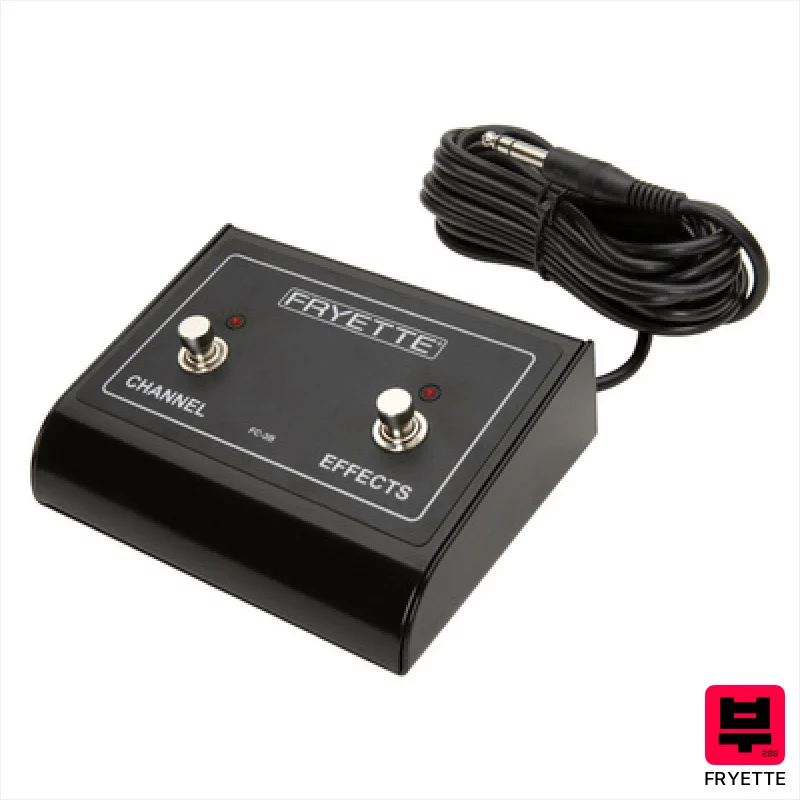
Fryette FC-3B Footsw for Power Station
- • Solid steel construction ensures robust stage-ready durability.
- • Reliable switching action minimizes dropouts and misfires.
- • Compact size saves valuable pedalboard real estate.
- • Dedicated channel and effects loop control simplifies complex setups.
- • Limited to Fryette Power Station amps; lacks universal compatibility.
- • Basic functionality; lacks advanced programming or presets.
- • Plastic casing on footswitches feels slightly less premium.
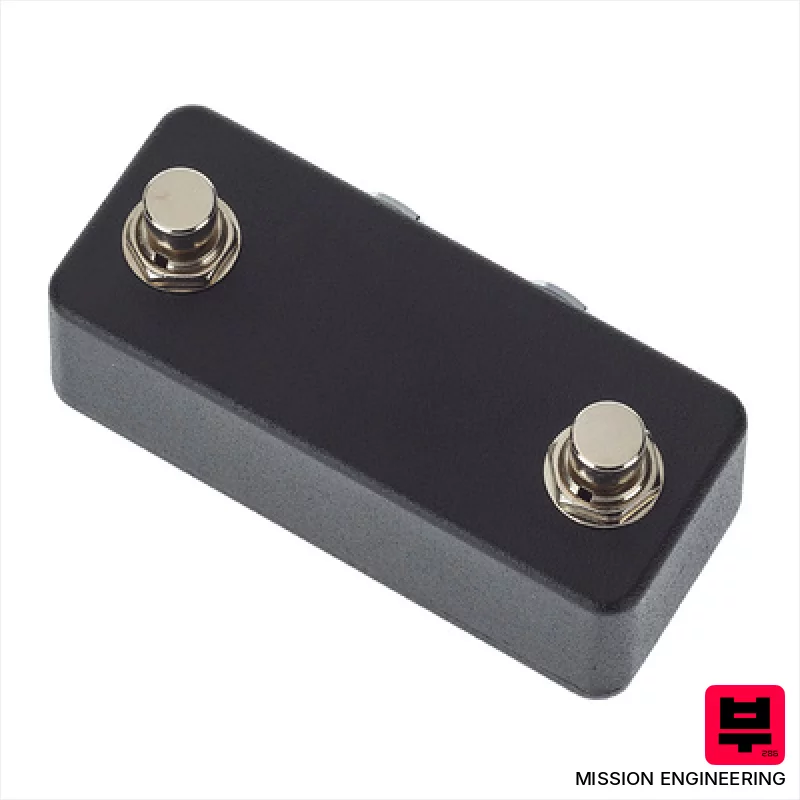
Mission Engineering TT-2 2-Button Footswitch
- • Robust metal housing provides excellent durability for stage use
- • TRS mode simplifies cabling, reducing clutter and adapter needs
- • Quiet click feedback offers positive tactile confirmation of switch activation
- • Compact size makes it suitable for pedalboards of all sizes
- • Limited to two footswitches; not ideal for complex switching needs
- • Metal housing, while durable, adds slightly to overall weight
- • TS mode requires two separate cables, which can be less tidy
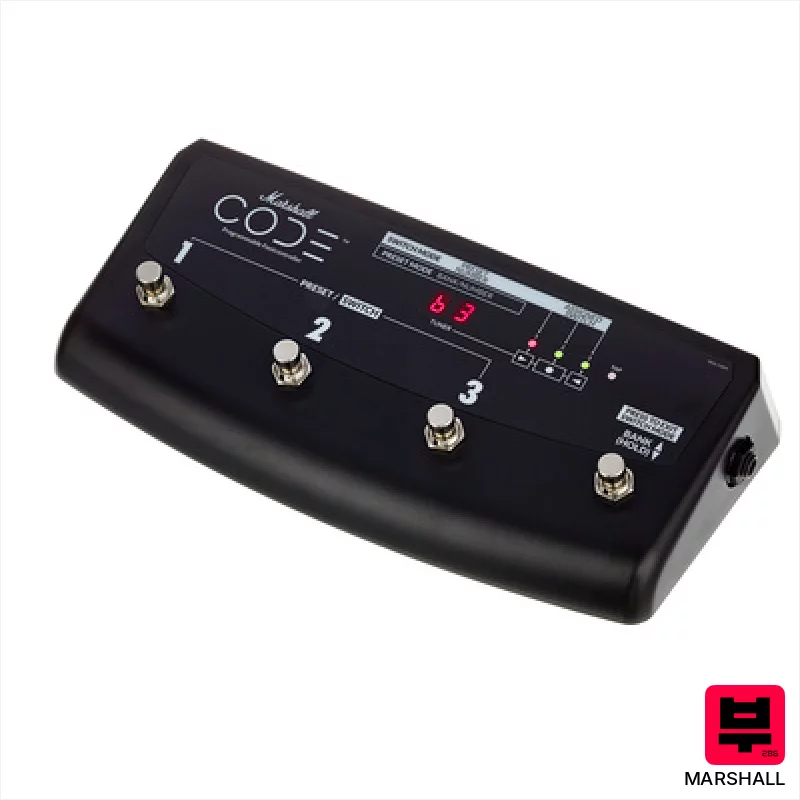
Marshall Footswitch Code Serie
- • Solid build quality with a robust, metal footswitch plate
- • LED illumination is clear and bright, easy to see onstage
- • Seamless integration with Marshall Code series amplifiers
- • Provides significant tonal flexibility for Code users
- • Limited functionality outside of the Marshall Code ecosystem
- • Cable length is a bit restrictive for larger pedalboards
- • Plastic enclosure feels a little less premium than some competitors
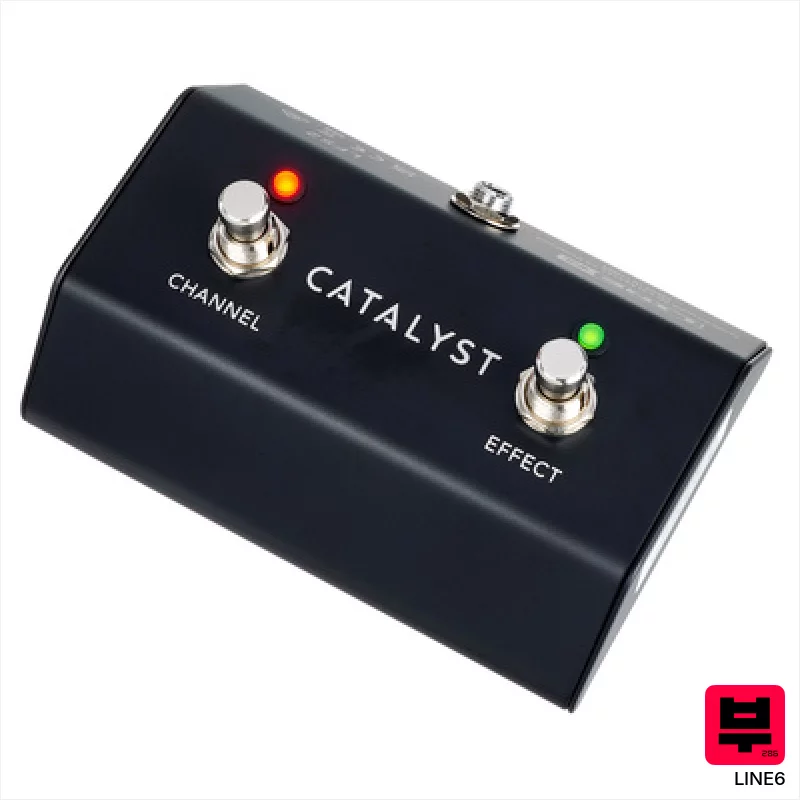
Line6 LFS2 Catalyst Footswitch
- • Solid build quality; feels robust despite its small size.
- • Simple, reliable switching action; no missed steps.
- • Reassignable effects switch offers decent customization.
- • TRS cable included – a nice, cost-saving touch.
- • Limited to Catalyst amps; no universal compatibility.
- • Plastic construction feels somewhat budget-oriented.
- • No backlighting on the footswitch itself.
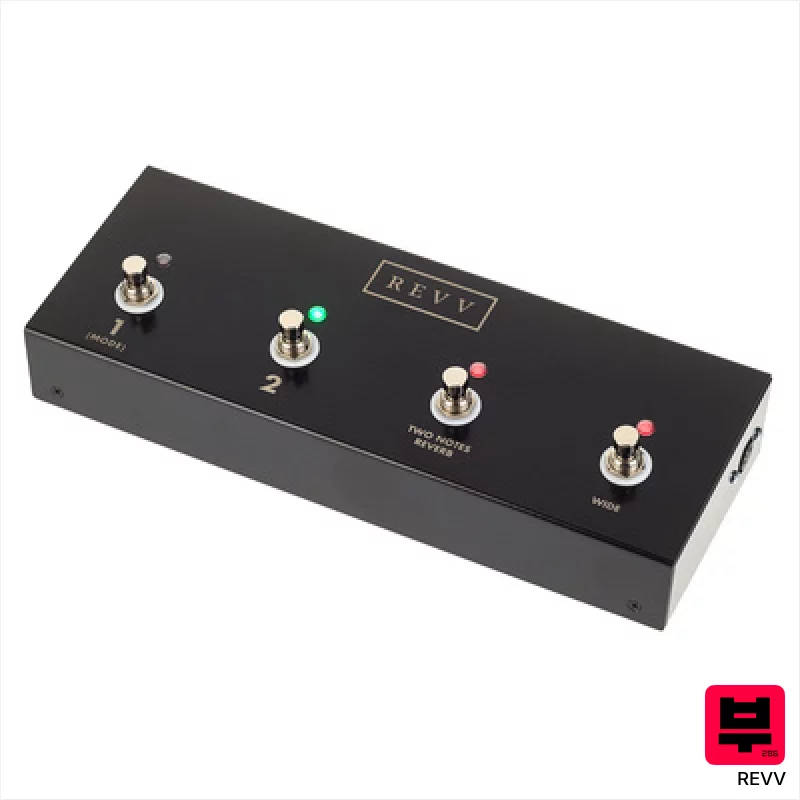
Revv G20 Footswitch
- • Robust construction feels like it’ll withstand years of gigging abuse
- • Solid, low-profile buttons offer reliable, tactile feedback
- • Dedicated Two Notes reverb on/off is a seriously useful addition
- • Long cable eliminates stage clutter and provides flexibility
- • Limited to Revv G20 functionality; not a universal footswitch
- • Button layout is fixed, lacks customizability for advanced users
- • Price point positions it as a premium accessory, a notable investment
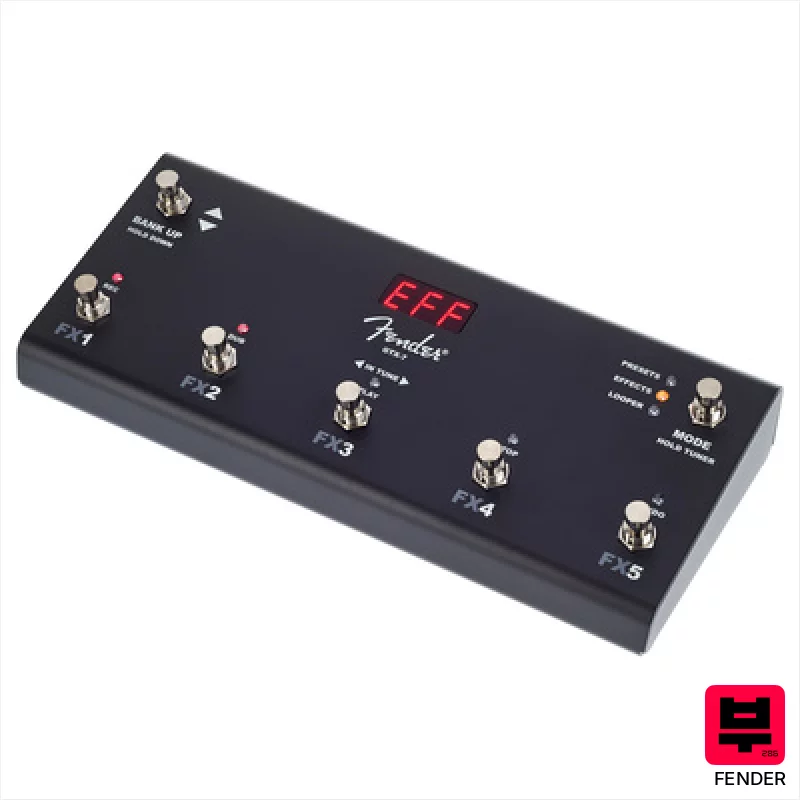
Fender GTX-7 Footswitch
- • Solid construction with robust, dependable footswitch action
- • Seamless integration with Fender GTX Mustang amp presets
- • Dedicated looper controls simplify performance workflows
- • Included cable is a nice touch, saving on immediate setup costs
- • Limited versatility with amps outside the Fender GTX ecosystem
- • Plastic enclosure feels a bit budget-oriented compared to premium alternatives
- • Cable length might be restrictive for some stage setups

Darkglass Intelligent Footswitch
- • Solid, weighty build inspires confidence during live performance
- • Intuitive design simplifies complex Darkglass amp functionality
- • Compact size minimizes stage footprint and cable clutter
- • Dedicated mute function is invaluable for silent tuning backstage
- • Limited to Darkglass Microtubes 500/900, lacks universal footswitch versatility
- • The plastic enclosure, while durable, feels slightly less premium than the amps
- • Short cable length may require extension for some stage setups

Orange MC-FS-1 Mini Footswitch
- • Compact size ideal for pedalboards with limited space
- • Robust Orange build quality; feels solid and dependable
- • Clear LED indicator provides immediate visual feedback
- • Universal 6.3mm jack compatibility simplifies integration
- • No included cable necessitates separate purchase, adding to overall cost
- • LED functionality limited with certain Crush amplifiers
- • Labeling stickers are a bit small and fiddly to apply
How to Choose the Best Guitar Amp Footswitches
Switch Reliability
This is paramount. Cheap switches feel mushy, double-tap, or outright fail. We're talking about switches that will survive a sweaty club gig and still work flawlessly. A flaky switch mid-song is career-limiting.
Connectivity & Compatibility
Does it work with your amp? Does it need custom wiring? Some units are plug-and-play, others require more tinkering. Pro setups demand flexibility - think multiple amp switching, loop activation, and MIDI control.
Foot Feel & Layout
A good footswitch should be responsive and have a distinct 'click' - you need to feel the change. Layout matters too; a crowded board is a recipe for mistakes. Ergonomics are key when you're under pressure.
Signal Integrity
Cheap footswitches can introduce noise or degrade your signal. We're looking for switches that maintain clean signal paths - preserving your amp's tone and headroom. That subtle low-end thump shouldn't disappear when you switch channels.
Durability & Build Quality
Gigging is rough. Footswitches take a beating. We're evaluating the materials, construction, and overall robustness - a solid metal chassis and robust switches are a must.
Buying Guide
Don't cheap out here. Seriously. That $20 plastic box from a big-box store will fail you when you need it most. Look for metal construction, reliable switch mechanisms (like Momentary or Latching - understand the difference!), and check compatibility with your amp before you buy. Paying a bit more for a reputable brand and solid build quality will save you headaches and potential embarrassment down the line - and remember, the wiring can be a pain, so factor in that time.
Our Methodology
We're not looking at spec sheets here. We've spent the last few years putting these footswitches through the wringer - live gigs, tracking sessions, countless rehearsals - A/B'ing them against each other and against the amps they're meant to control. It's about how they feel, how reliably they work under pressure, and how they impact your overall workflow - not just a list of features.

