
Best Graphic Equalizers for Monitor Eq 2026
So, your monitor mix sounds like you're swimming in mud or fighting through a pile of ice picks? A graphic EQ can be a lifesaver, but not all of 'em are created equal, especially when it comes to shaping what you hear onstage. This isn't about boosting the bass for a rave; it's about carving out space for your guitar to cut through the drums and vocals, or taming harsh frequencies that make your ears bleed. Let's look at some solid graphic EQs for monitor duty.
Last updated: July 15, 2026 • Next update: July 22, 2026

DBX 1231
- • Robust 19in rackmount build for reliable stage use
- • 45mm faders offer precise, tactile EQ adjustments
- • Balanced XLR I/O ensures clean signal transfer
- • Flexible +/-6dB/15dB range caters to varied applications
- • Limited versatility compared to parametric equalizers
- • Can introduce noise if gain staging isn't meticulous
- • 3U height might be restrictive in some racks

DBX DriveRack 260 Bundle
- • Integrated Auto-EQ simplifies speaker and room tuning significantly.
- • Subharmonic synthesis adds substantial low-end presence and perceived loudness.
- • Comprehensive feature set consolidates multiple processing units into one rack space.
- • DBX’s classic compression delivers transparent dynamic control and clarity.
- • The menu system can be initially complex, requiring a learning curve.
- • The physical build feels somewhat plasticky compared to higher-end DBX offerings.
- • Limited routing options compared to more flexible DSP platforms.
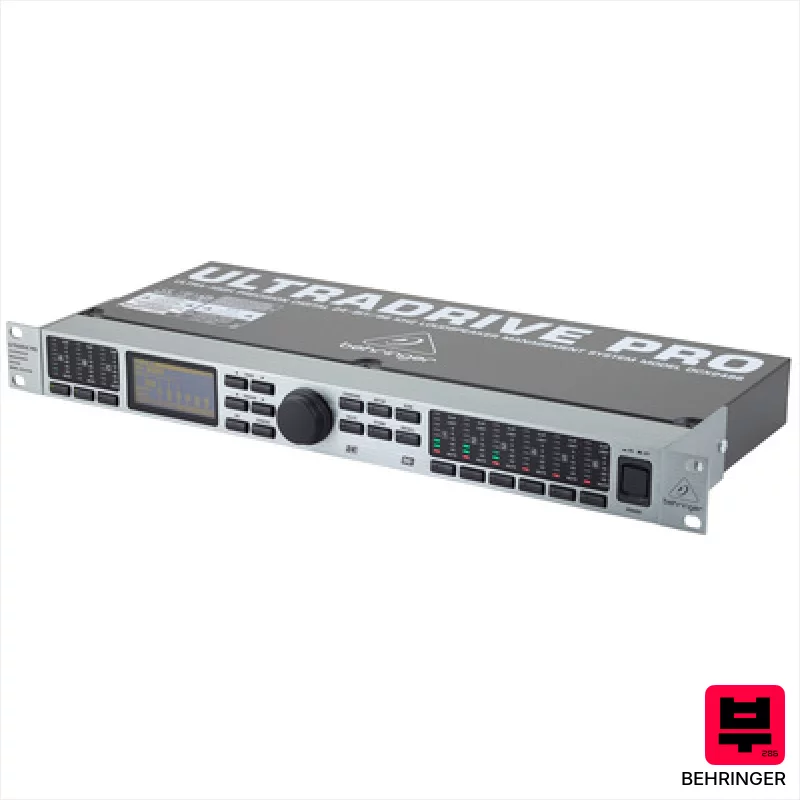
Behringer DCX2496 Ultradrive Pro
- • High-end AKM converters deliver clean, detailed audio processing.
- • Extremely flexible routing allows for complex multi-speaker setups.
- • Comprehensive EQ and delay options offer precise sound shaping.
- • Compact 1U rackmount format saves valuable rack space.
- • Steep learning curve; the interface can be overwhelming for beginners.
- • Build quality feels somewhat plasticky, lacking premium feel.
- • Requires separate interface for configuration, adding to the overall cost.
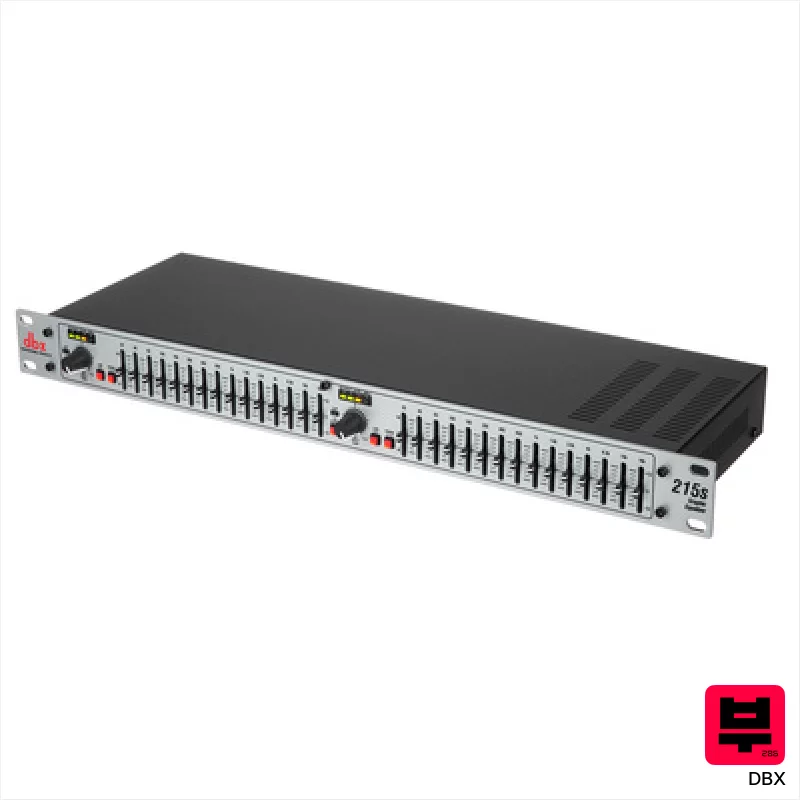
DBX 215s
- • Solid build quality; feels robust for its price point
- • Excellent dynamic range minimizes noise and distortion
- • Flexible ±6/12dB gain adjustment provides tonal shaping
- • Compact 1U rack height saves valuable rack space
- • Limited feature set compared to more modern, digital equalizers
- • Analog design lacks the recall capabilities of digital units
- • Jack inputs/outputs may feel dated for some users
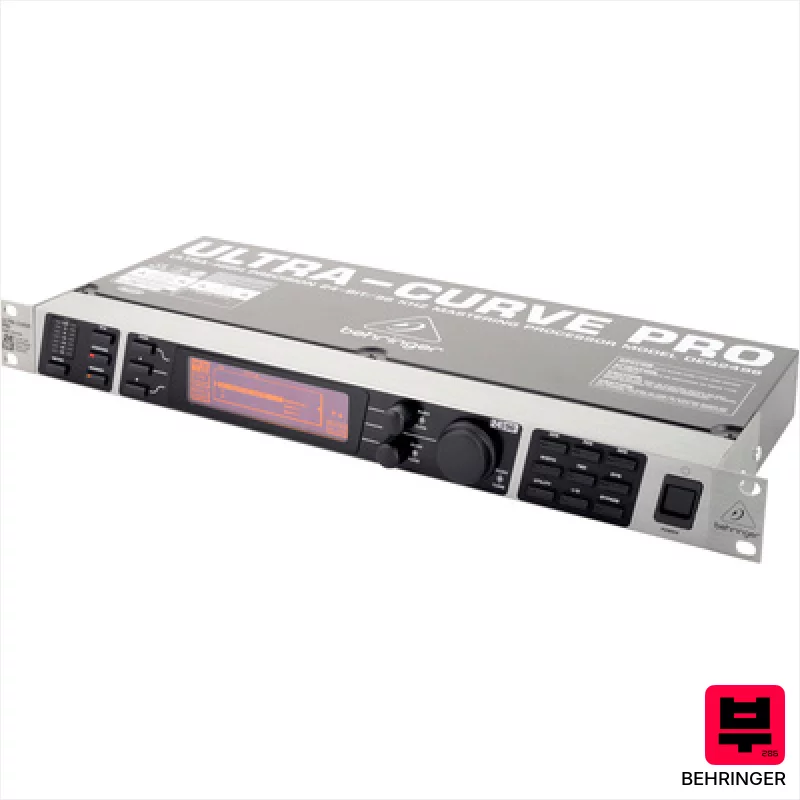
Behringer DEQ2496 Ultra-Curve Pro
- • Multiple EQ modules offer incredible flexibility for diverse applications
- • 61-band RTA provides detailed analysis for precise room correction
- • Dynamic EQs are surprisingly effective for subtle mastering tweaks
- • Feedback Destroyer module is a genuinely useful and powerful tool
- • Build quality feels plasticky; not as robust as higher-end units
- • User interface can be daunting for those unfamiliar with complex processing
- • Power supply is external, adding to cable clutter and potential noise
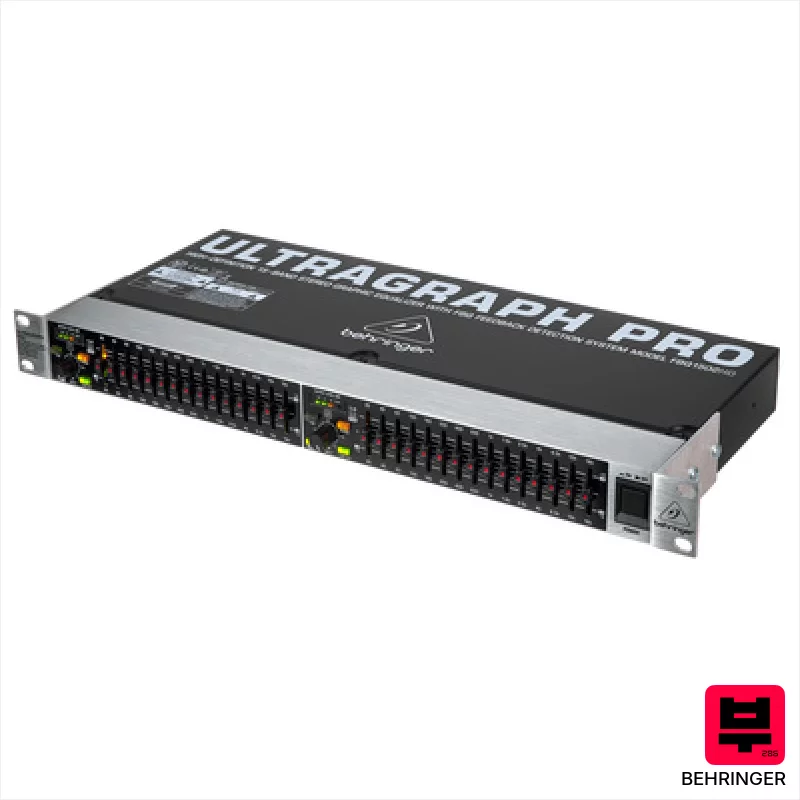
Behringer FBQ1502HD Ultragraph Pro
- • Illuminated faders offer excellent visibility onstage, even in low light.
- • FBQ feedback detection is surprisingly effective and accurate.
- • Servo-balanced inputs/outputs minimize noise and signal loss.
- • Sub-Out provides flexible low-frequency management for live sound.
- • Plastic construction feels noticeably less robust than higher-end units.
- • Limited EQ flexibility compared to parametric or digital options.
- • Fader travel feels a bit short, lacking a premium feel.
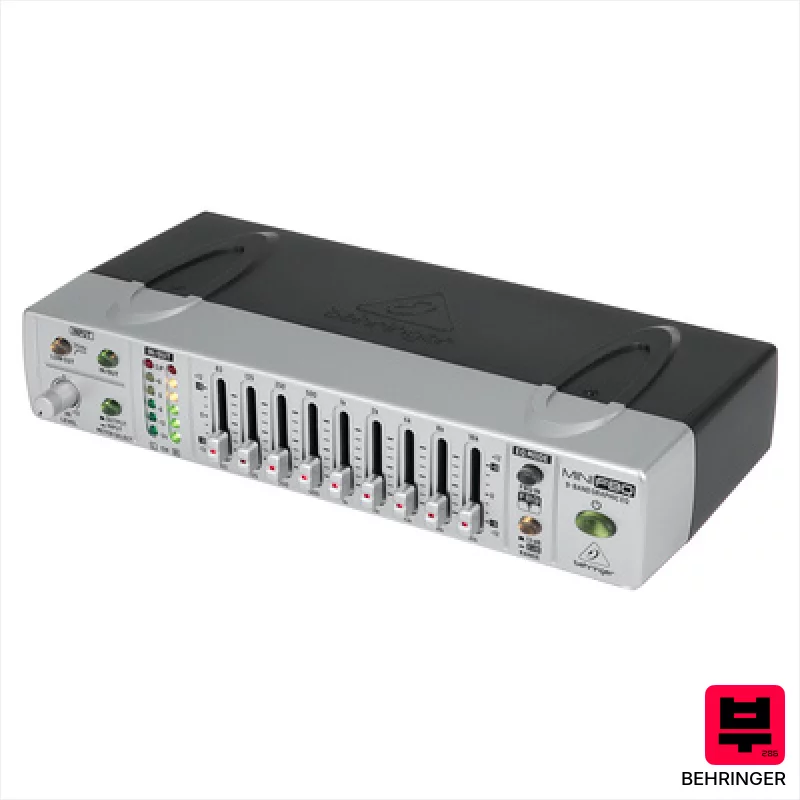
Behringer FBQ800 V2
- • FBQ feedback detection is genuinely useful for live sound reinforcement.
- • Illuminated faders and controls are a huge boon for dark stages.
- • Compact size makes it ideal for smaller rigs or travel.
- • Offers a surprisingly detailed audio analysis capability for the price.
- • Plastic construction feels a bit flimsy compared to higher-end units.
- • Limited frequency band control compared to more sophisticated equalizers.
- • Potentiometers can feel a bit 'scratchy' and inconsistent.
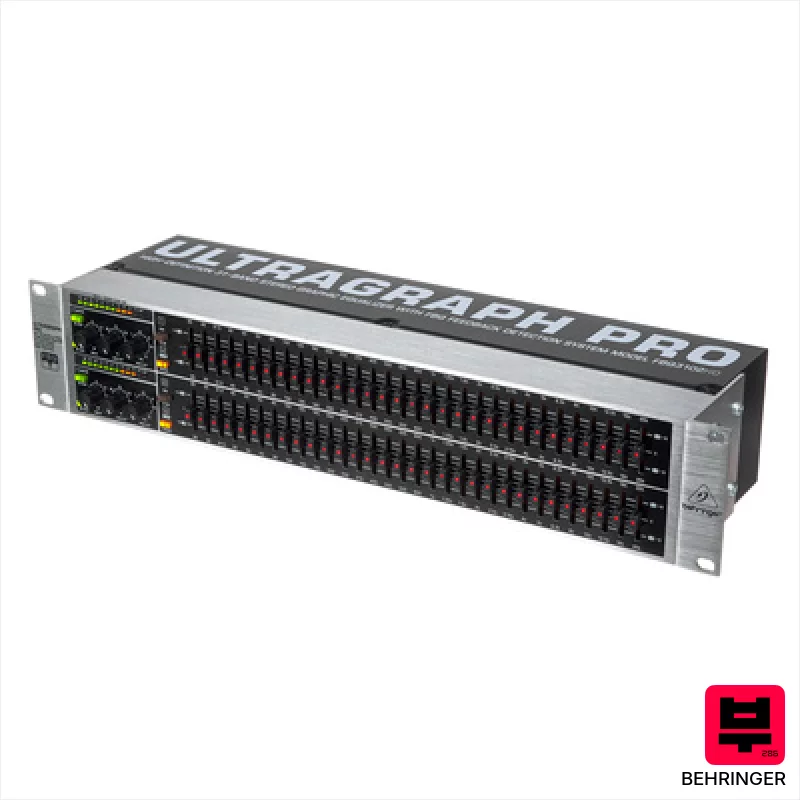
Behringer FBQ3102HD Ultragraph Pro
- • Excellent feedback suppression with the FBQ system
- • Servo-balanced inputs/outputs minimize noise and crosstalk
- • The Sub-Out with adjustable low-pass is genuinely useful
- • Illuminated faders offer clear visual feedback in low-light conditions
- • Plastic construction feels less robust than higher-end units
- • Limited routing options beyond basic EQ functionality
- • The LED display can be a bit dim in brighter environments

Behringer FBQ6200HD
- • Feedback detection is surprisingly effective, a genuine lifesaver.
- • Pink noise generator aids precise feedback hunting and analysis.
- • Robust metal chassis feels surprisingly sturdy for the price point.
- • Versatile routing options with sub-out and X-Over control.
- • Plastic knob action feels a bit cheap and imprecise.
- • Limited frequency shaping compared to more sophisticated analyzers.
- • The sheer number of controls can be overwhelming for beginners.

DBX 131s
- • Solid build quality; feels like a DBX, durable metal chassis
- • 31-band EQ offers precise tonal shaping capabilities
- • Clean, transparent equalization – doesn’t add unwanted coloration
- • Compact 1U rack format, ideal for space-constrained setups
- • Faders can feel a little 'plasticky' compared to higher-end units
- • Limited to mono operation; no stereo processing
- • Input gain adjustments are relatively coarse, less precise tweaking

DBX 231s
- • Solid build quality; feels like a DBX, built to last.
- • 2x31 bands offer precise tonal sculpting capabilities.
- • Constant Q filters provide consistent frequency response across bands.
- • Balanced XLR/jack connections ensure clean, professional signal flow.
- • Limited routing options compared to more modern processors.
- • The 2U rack height can be a constraint in smaller setups.
- • Faders feel a little plasticky, not as premium as some competitors.
How to Choose the Best Graphic Equalizers
Frequency Bandwidth
More isn't always better. Too many narrow bands can lead to a Swiss cheese effect and phase issues. 15 or 31 bands are generally sweet spots for monitor work, offering enough granularity without getting overly surgical.
EQ Curve Shape
Linear vs. logarithmic curves. Logarithmic is almost always preferred for monitor work. It's how we perceive frequency, so a logarithmic curve matches our hearing better, letting you make more even adjustments across the spectrum.
Filter Slope
Steeper slopes (12dB/octave or higher) give you more aggressive control, which can be crucial for tackling problem frequencies, but be careful - too aggressive can introduce unwanted artifacts. A good balance is key.
Build Quality & Noise Floor
A noisy EQ is a useless EQ. Cheap pots and op-amps will introduce hiss and hum that'll bury your signal. Solid construction and a low noise floor are non-negotiable, especially when you're trying to hear subtle details in your monitor mix.
Link/Global Functionality
The ability to link all bands or adjust them globally is a huge time-saver, especially in a live setting. It allows for quick overall tonal adjustments without having to tweak every single slider.
Buying Guide
Don't chase the biggest number of bands. A well-designed 15-band EQ will often outperform a cheap 31-band unit. Watch out for overly aggressive filter slopes - they can create phase anomalies that make your monitor sound worse. Spend a little more for quality pots; they'll last longer and sound cleaner. Ultimately, the best EQ is the one that lets you hear yourself clearly and comfortably onstage.
Our Methodology
We're not just looking at spec sheets here. We've put these EQs through the wringer: live band rehearsals, tracking sessions, and countless hours in the rehearsal room. We A/B'd them against each other and against more expensive studio EQs to see if the price difference truly translates to a better listening experience-and more importantly, if they can actually solve real-world monitor problems.

