
Best Graphic Equalizers for Pa Systems 2026
Look, you're running a PA system - whether it's for a wedding band, a local pub gig, or even just rehearsals - and you're probably fighting room acoustics or a less-than-ideal sound reinforcement setup. A graphic EQ isn't just a 'nice to have'; it's often the difference between a gig that sounds passable and one that actually sounds good. We're not talking about surgically precise mastering here; we're talking about taming low-mid muddiness, boosting clarity, and generally getting a more balanced and pleasing sound for your audience - and your sanity.
Last updated: July 15, 2026 • Next update: July 22, 2026

DBX 1231
- • Robust 19in rackmount build for reliable stage use
- • 45mm faders offer precise, tactile EQ adjustments
- • Balanced XLR I/O ensures clean signal transfer
- • Flexible +/-6dB/15dB range caters to varied applications
- • Limited versatility compared to parametric equalizers
- • Can introduce noise if gain staging isn't meticulous
- • 3U height might be restrictive in some racks

DBX DriveRack 260 Bundle
- • Integrated Auto-EQ simplifies speaker and room tuning significantly.
- • Subharmonic synthesis adds substantial low-end presence and perceived loudness.
- • Comprehensive feature set consolidates multiple processing units into one rack space.
- • DBX’s classic compression delivers transparent dynamic control and clarity.
- • The menu system can be initially complex, requiring a learning curve.
- • The physical build feels somewhat plasticky compared to higher-end DBX offerings.
- • Limited routing options compared to more flexible DSP platforms.
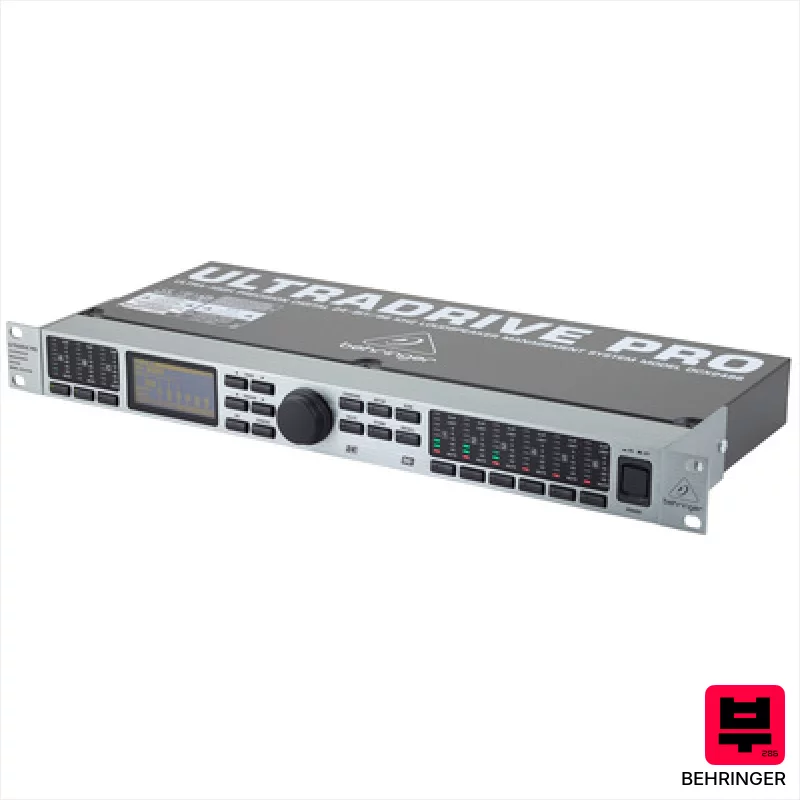
Behringer DCX2496 Ultradrive Pro
- • High-end AKM converters deliver clean, detailed audio processing.
- • Extremely flexible routing allows for complex multi-speaker setups.
- • Comprehensive EQ and delay options offer precise sound shaping.
- • Compact 1U rackmount format saves valuable rack space.
- • Steep learning curve; the interface can be overwhelming for beginners.
- • Build quality feels somewhat plasticky, lacking premium feel.
- • Requires separate interface for configuration, adding to the overall cost.

Behringer FBQ6200HD
- • Feedback detection is surprisingly effective, a genuine lifesaver.
- • Pink noise generator aids precise feedback hunting and analysis.
- • Robust metal chassis feels surprisingly sturdy for the price point.
- • Versatile routing options with sub-out and X-Over control.
- • Plastic knob action feels a bit cheap and imprecise.
- • Limited frequency shaping compared to more sophisticated analyzers.
- • The sheer number of controls can be overwhelming for beginners.
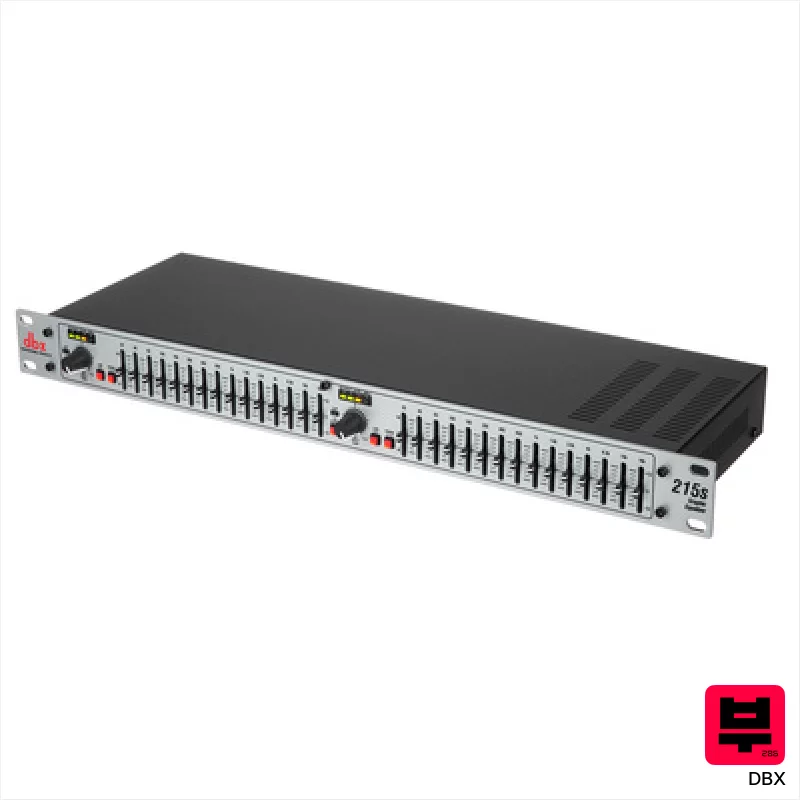
DBX 215s
- • Solid build quality; feels robust for its price point
- • Excellent dynamic range minimizes noise and distortion
- • Flexible ±6/12dB gain adjustment provides tonal shaping
- • Compact 1U rack height saves valuable rack space
- • Limited feature set compared to more modern, digital equalizers
- • Analog design lacks the recall capabilities of digital units
- • Jack inputs/outputs may feel dated for some users
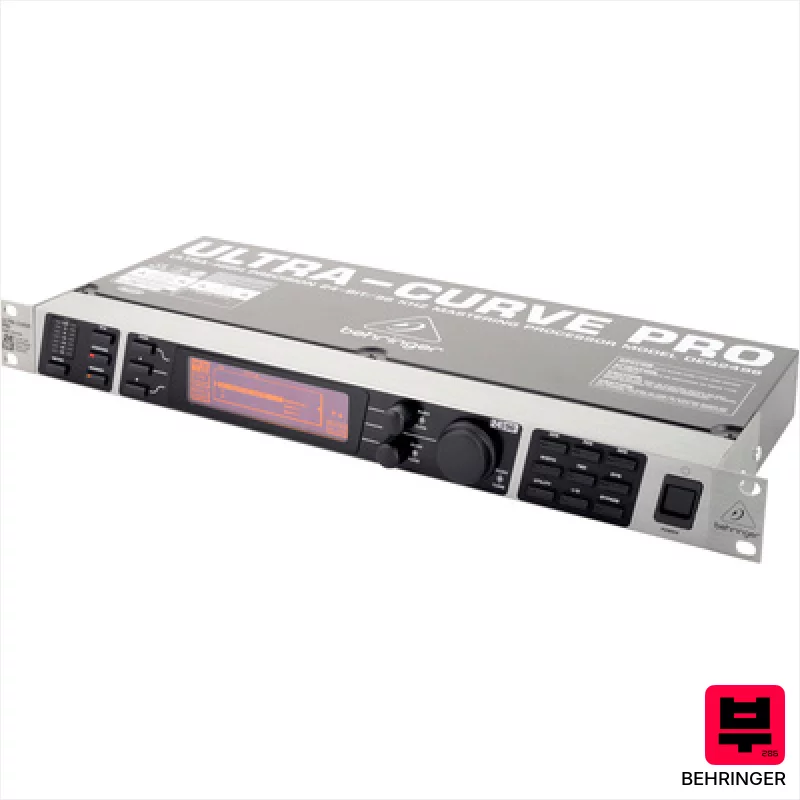
Behringer DEQ2496 Ultra-Curve Pro
- • Multiple EQ modules offer incredible flexibility for diverse applications
- • 61-band RTA provides detailed analysis for precise room correction
- • Dynamic EQs are surprisingly effective for subtle mastering tweaks
- • Feedback Destroyer module is a genuinely useful and powerful tool
- • Build quality feels plasticky; not as robust as higher-end units
- • User interface can be daunting for those unfamiliar with complex processing
- • Power supply is external, adding to cable clutter and potential noise

DBX 131s
- • Solid build quality; feels like a DBX, durable metal chassis
- • 31-band EQ offers precise tonal shaping capabilities
- • Clean, transparent equalization – doesn’t add unwanted coloration
- • Compact 1U rack format, ideal for space-constrained setups
- • Faders can feel a little 'plasticky' compared to higher-end units
- • Limited to mono operation; no stereo processing
- • Input gain adjustments are relatively coarse, less precise tweaking

DBX 231s
- • Solid build quality; feels like a DBX, built to last.
- • 2x31 bands offer precise tonal sculpting capabilities.
- • Constant Q filters provide consistent frequency response across bands.
- • Balanced XLR/jack connections ensure clean, professional signal flow.
- • Limited routing options compared to more modern processors.
- • The 2U rack height can be a constraint in smaller setups.
- • Faders feel a little plasticky, not as premium as some competitors.
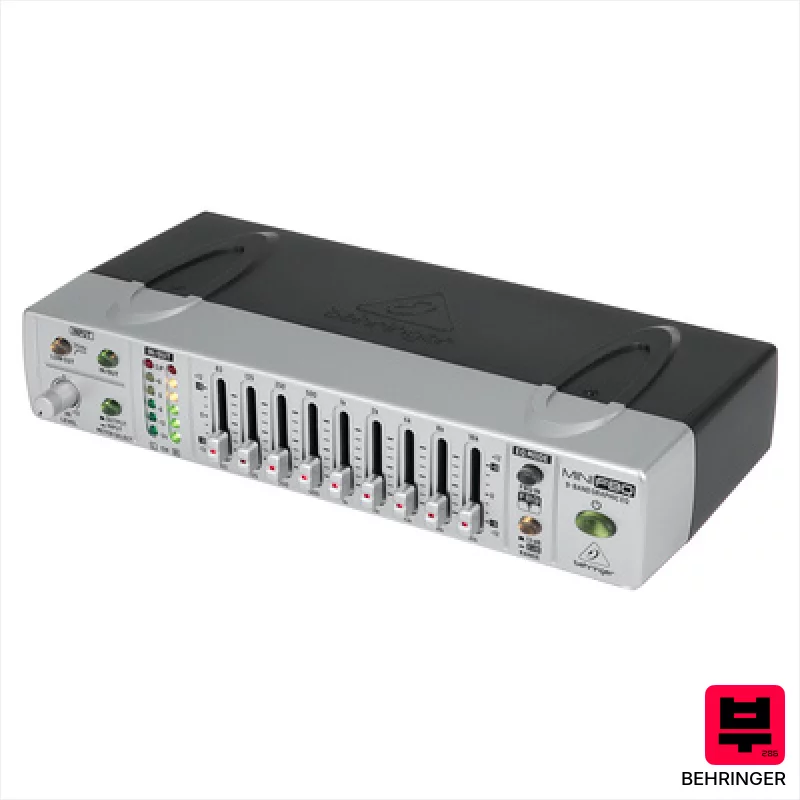
Behringer FBQ800 V2
- • FBQ feedback detection is genuinely useful for live sound reinforcement.
- • Illuminated faders and controls are a huge boon for dark stages.
- • Compact size makes it ideal for smaller rigs or travel.
- • Offers a surprisingly detailed audio analysis capability for the price.
- • Plastic construction feels a bit flimsy compared to higher-end units.
- • Limited frequency band control compared to more sophisticated equalizers.
- • Potentiometers can feel a bit 'scratchy' and inconsistent.
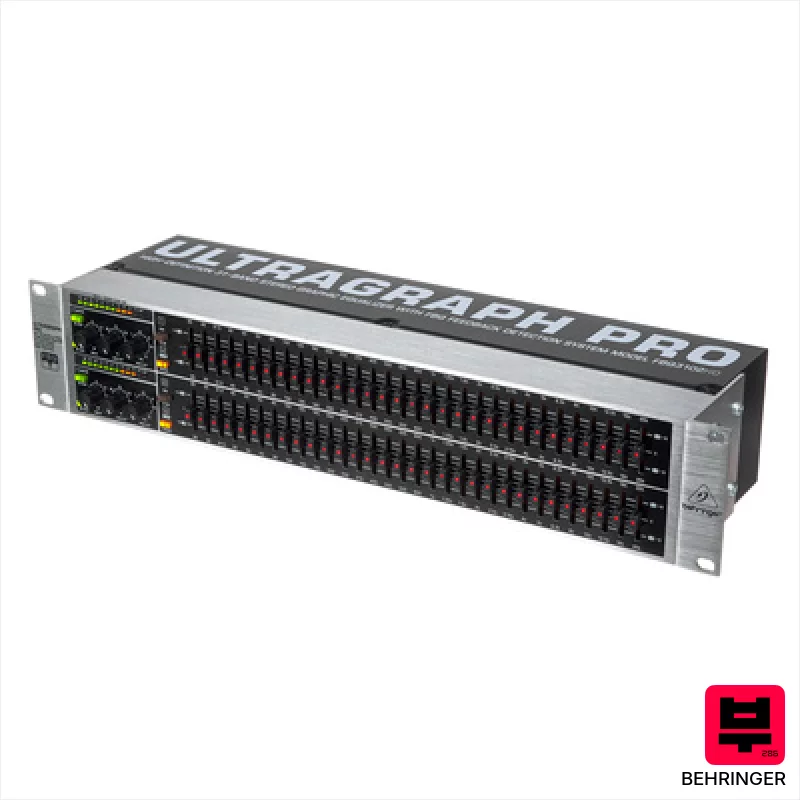
Behringer FBQ3102HD Ultragraph Pro
- • Excellent feedback suppression with the FBQ system
- • Servo-balanced inputs/outputs minimize noise and crosstalk
- • The Sub-Out with adjustable low-pass is genuinely useful
- • Illuminated faders offer clear visual feedback in low-light conditions
- • Plastic construction feels less robust than higher-end units
- • Limited routing options beyond basic EQ functionality
- • The LED display can be a bit dim in brighter environments
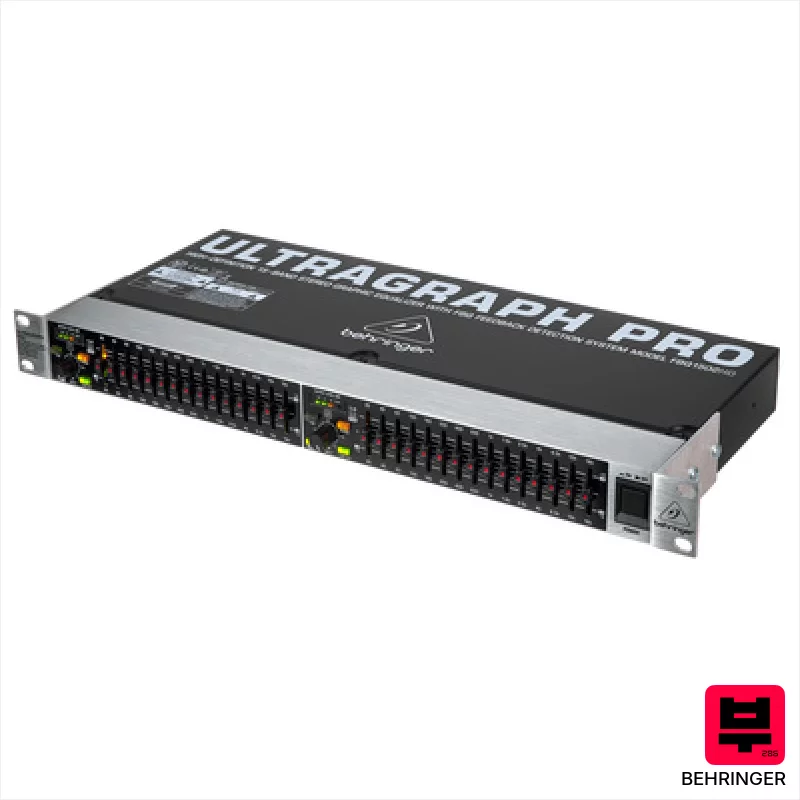
Behringer FBQ1502HD Ultragraph Pro
- • Illuminated faders offer excellent visibility onstage, even in low light.
- • FBQ feedback detection is surprisingly effective and accurate.
- • Servo-balanced inputs/outputs minimize noise and signal loss.
- • Sub-Out provides flexible low-frequency management for live sound.
- • Plastic construction feels noticeably less robust than higher-end units.
- • Limited EQ flexibility compared to parametric or digital options.
- • Fader travel feels a bit short, lacking a premium feel.
How to Choose the Best Graphic Equalizers
Frequency Bands
More bands (31-band vs. 15-band) offer finer control, crucial for dialing in specific problem frequencies, but also introduce more complexity. 15-band is often plenty for PA work, especially if you're not chasing perfection.
EQ Range & Q Factor
A wider frequency range (e.g., 20Hz - 20kHz) is nice, but the usable range is more important. The 'Q' (bandwidth) determines how wide or narrow a frequency boost or cut is. Narrow Qs are better for surgical cuts; wider Qs are good for broad shaping.
Build Quality & Durability
PA gigs are brutal. You need something that can handle being bumped, jostled, and potentially rained on. Solid construction and reliable components are non-negotiable.
Features
Things like a bypass switch (essential!), a user-friendly interface, and potentially presets can save you a ton of time and frustration, especially during quick changeovers.
Noise Floor
A quiet EQ is a happy EQ. A high noise floor will add hiss and muddiness to your signal, especially when boosting frequencies. Listen for this - it's a common compromise on cheaper units.
Buying Guide
Don't chase the highest channel count if you're not a seasoned sound engineer. A well-built 15-band EQ will often outperform a flimsy 31-band. Look for a bypass switch - seriously, it's a lifesaver. And remember, 'budget' often means compromises on build quality and noise performance, which translates to headaches later. Spend a bit more for something that'll last.
Our Methodology
We've spent countless hours throwing these EQs at real-world situations - live bands, acoustic sets, even just running test tones through them. It's not about looking at frequency response charts (though we did); it's about A/B comparisons with different microphones, monitors, and room environments. We're listening for how these EQs impact the overall tone, headroom, and how well instruments cut through the mix - the stuff that actually matters when you're standing in front of a crowd.

