
Best Grand Pianos for High End Studios 2026
Alright, so you're building a high-end studio - congrats. The piano is the heart of so much music, and slapping in a mediocre grand will drag down everything else. Forget the showroom gloss; we're talking about a piano that responds beautifully to subtle dynamics, delivers that warm, intimate tone for jazz, and can still cut through a rock mix when needed. Let's break down what makes a grand piano truly studio-worthy.
Last updated: July 15, 2026 • Next update: July 22, 2026
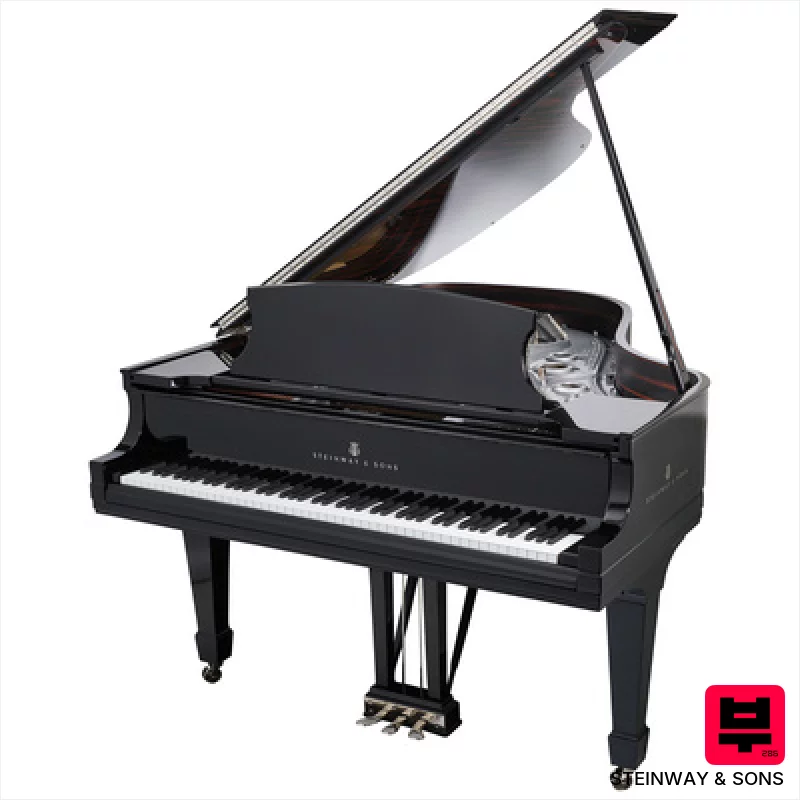
Steinway & Sons L Grand Piano
- • Exceptional tone, characteristic of early Steinway voicing.
- • Makassar veneer lid adds stunning visual elegance and refinement.
- • Complete overhaul ensures pristine mechanical functionality and longevity.
- • Andexinger bench provides comfortable, supportive playing experience.
- • Size limits suitability for smaller spaces; requires dedicated room.
- • Vintage instrument may require occasional maintenance by a Steinway technician.
- • High-end price point places it beyond the reach of many musicians.
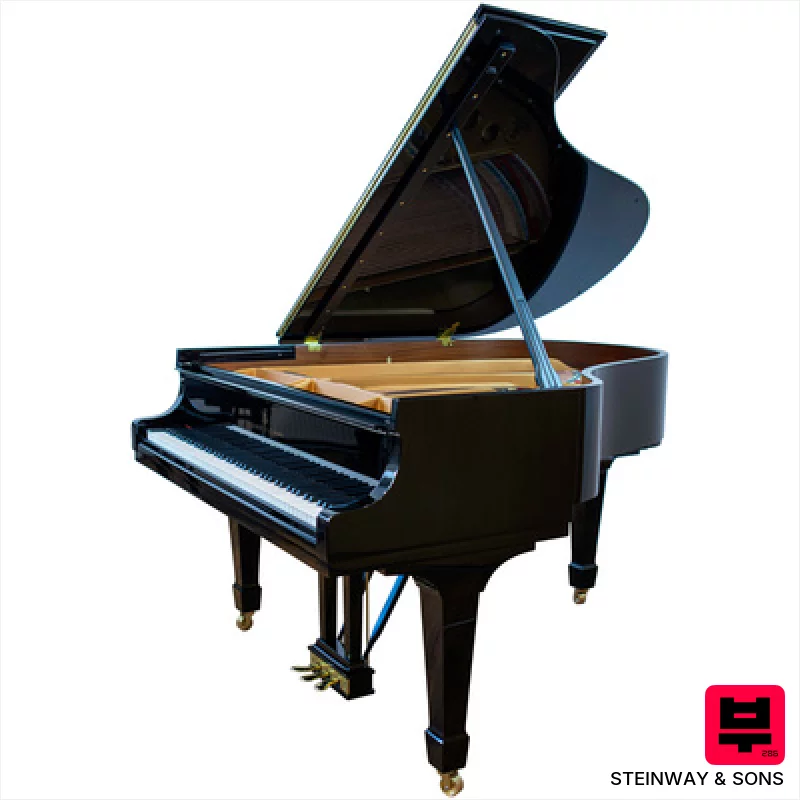
Steinway & Sons M-170
- • Solid spruce soundboard provides rich, complex overtones and projection.
- • Steinway action offers exceptional responsiveness and nuanced control.
- • Refurbishment by a Steinway specialist ensures peak performance and longevity.
- • Polished black finish exudes elegance and complements any performance space.
- • Size limits low-frequency extension compared to larger grand pianos.
- • Refurbished status means potential for subtle cosmetic imperfections.
- • Premium-priced, representing a significant investment for most musicians.
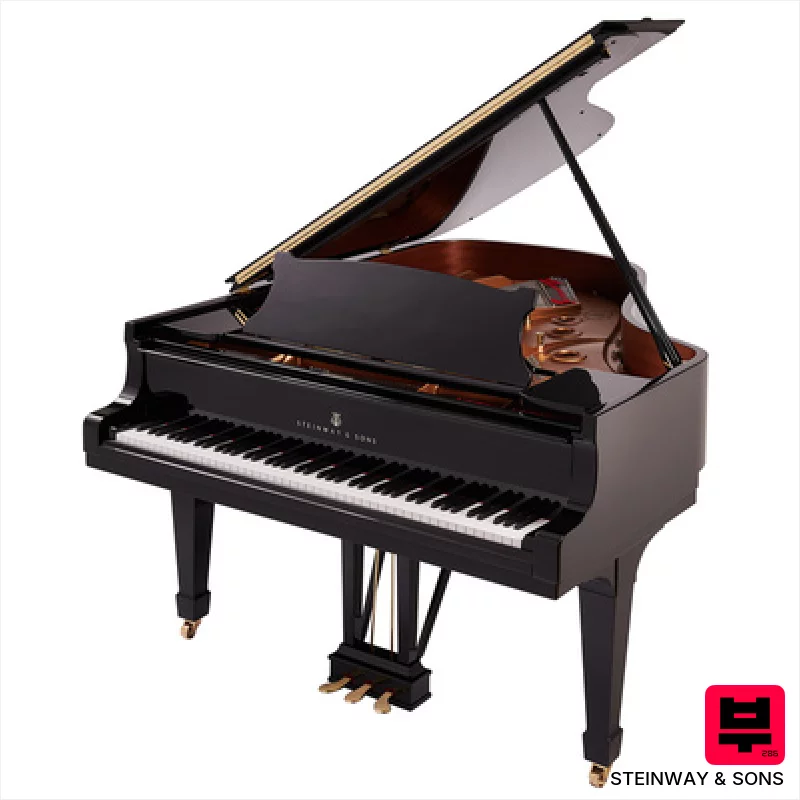
Steinway & Sons A-188
- • 1903 construction offers a uniquely broken-in, resonant tonal character.
- • Solid spruce soundboard provides exceptional clarity and sustain.
- • Refurbishment by a Steinway specialist guarantees top-tier mechanical integrity.
- • High-gloss black finish enhances the piano’s aesthetic appeal and durability.
- • The age means potential for future maintenance and regulation needs.
- • Limited dynamic range compared to modern Steinways due to vintage action.
- • Its substantial size and weight make moving and placement challenging.
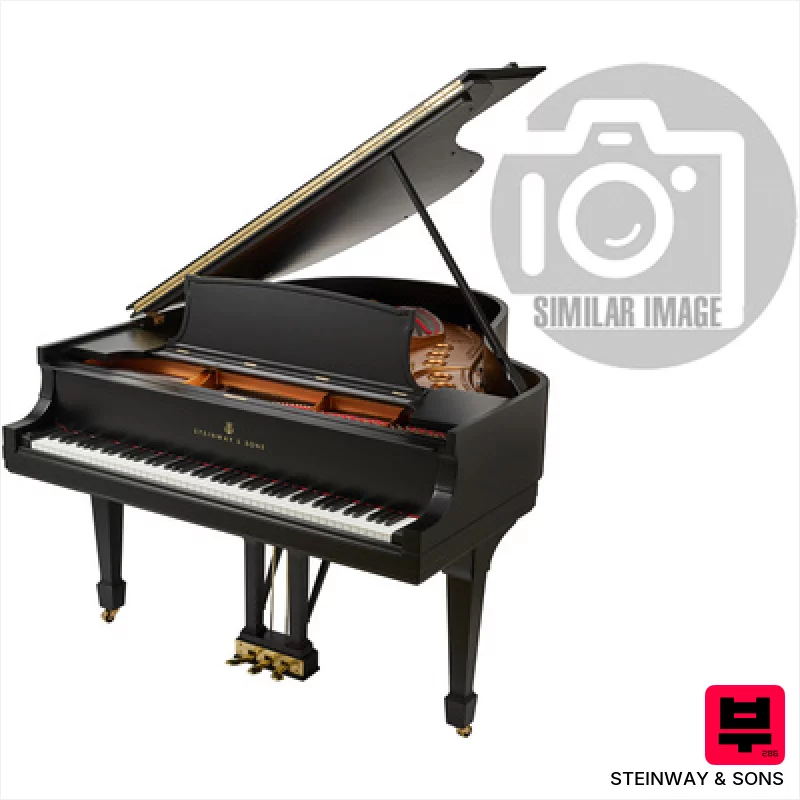
Steinway & Sons M-170 black mat
- • Exceptional tonal depth characteristic of 1920s Steinway craftsmanship.
- • Refurbishment by a Steinway specialist ensures peak performance and longevity.
- • The black matte finish offers a sophisticated, understated elegance.
- • Compact size (170cm) makes it suitable for smaller performance spaces.
- • Vintage instruments may require more frequent regulation than newer models.
- • The 1925 design's action might feel less responsive to some modern players.
- • Limited dynamic range compared to contemporary grand pianos.
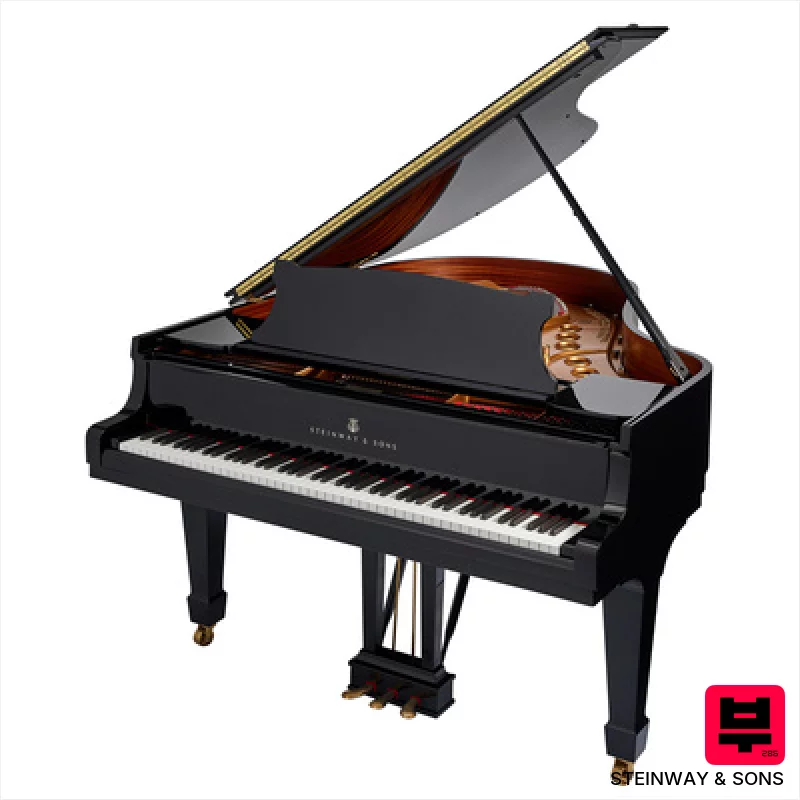
Steinway & Sons M-170
- • Solid spruce soundboard delivers rich, complex overtones.
- • 1925 construction offers a uniquely broken-in, warm tone.
- • Steinway's renowned action provides exceptional responsiveness and control.
- • Black polished finish enhances the piano's classic, elegant aesthetic.
- • Vintage pianos require more frequent tuning and maintenance.
- • Size limits placement options in smaller rooms or apartments.
- • The older action might not suit players seeking ultra-modern feel.
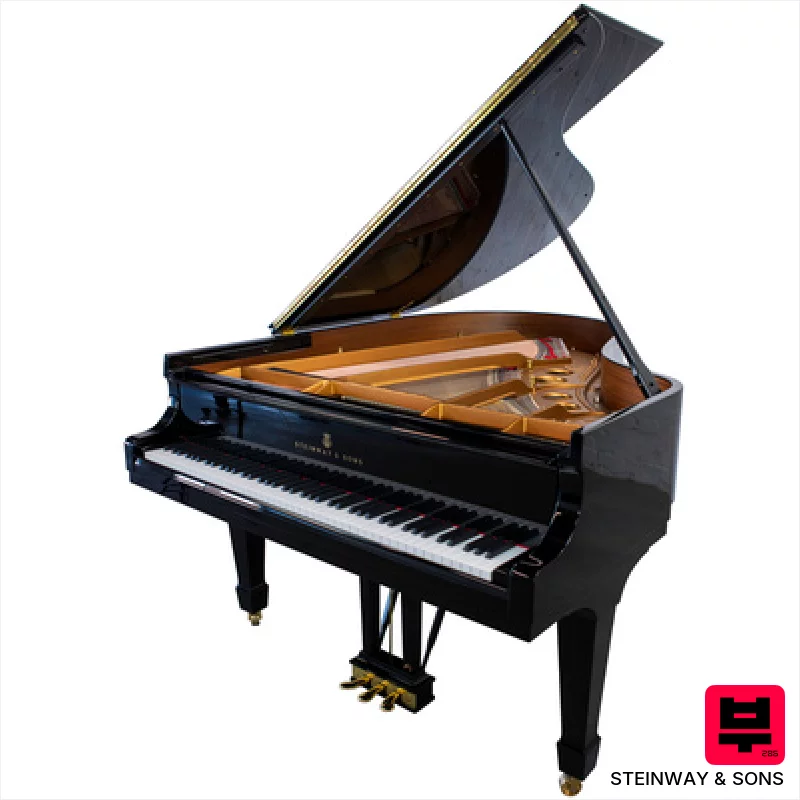
Steinway & Sons O-180
- • 1920s Steinway tone: rich, complex, and possessing a vintage warmth hard to replicate.
- • Refurbishment by Steinway specialist ensures optimal condition and longevity.
- • O-180's action delivers precise touch and responsive dynamic range for nuanced playing.
- • High-gloss black finish provides a stunning aesthetic, a hallmark of Steinway craftsmanship.
- • Size and weight (approx. 280kg) demand significant space and professional installation.
- • Vintage instrument: potential for minor quirks and requires consistent, skilled maintenance.
- • Premium-priced: represents a substantial investment requiring careful consideration.
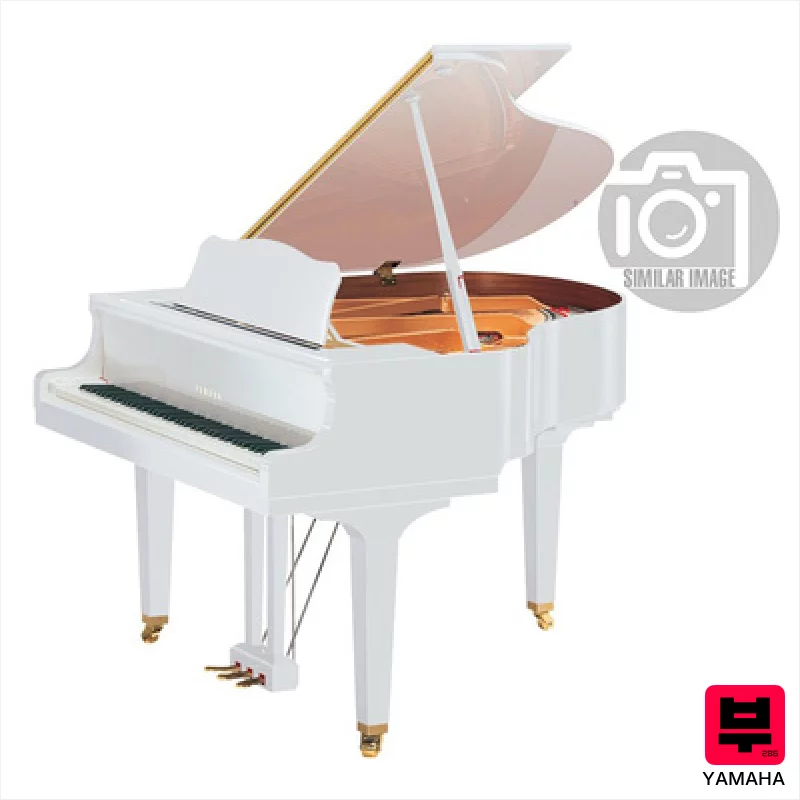
Yamaha GB1 K SC3 PWH Grand Piano
- • Silent System offers incredibly realistic practice with diverse sounds
- • Compact size (5’) makes it suitable for apartments or smaller studios
- • Yamaha’s renowned action provides responsive and predictable touch
- • Bluetooth MIDI/Audio allows for seamless integration with digital workflows
- • White polished finish demands meticulous care to avoid fingerprints and smudges
- • Silent System’s speaker quality is adequate, not truly high-fidelity
- • The single sustain pedal can feel limiting for advanced pianists
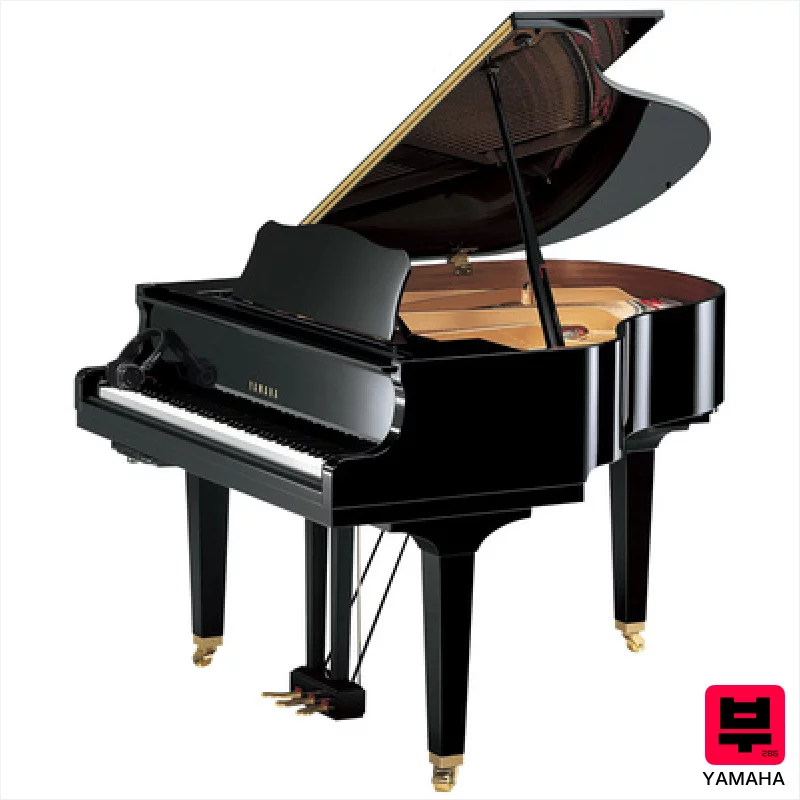
Yamaha GB1 K SC3 PE Grand Piano
- • SC3 Silent System provides incredibly realistic acoustic piano and diverse digital sounds.
- • Compact 5' size makes it suitable for apartments or smaller performance spaces.
- • Yamaha's renowned action delivers a responsive and consistent playing experience.
- • Polished black finish offers a classic, elegant aesthetic and durable protection.
- • Silent System’s speaker quality is adequate, but not a substitute for high-end external speakers.
- • The single sustain pedal functionality can feel limiting for advanced pianists.
- • While relatively affordable for a grand piano, it’s still a premium-priced investment.
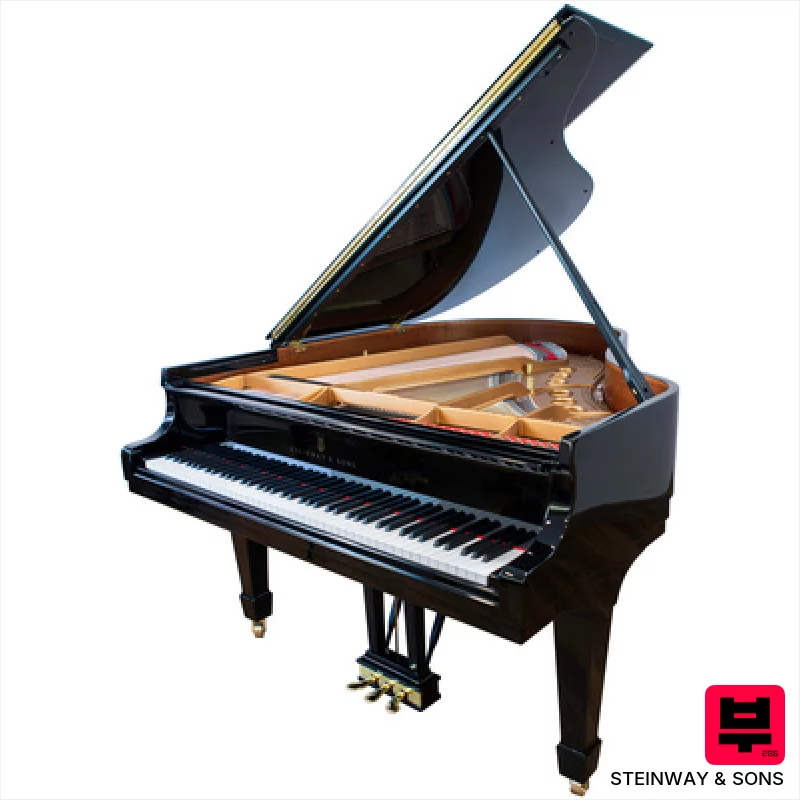
Steinway & Sons M-170
- • 1931 Steinway tone: rich, warm, and possessing a mature, complex character.
- • Solid spruce soundboard provides exceptional resonance and projection.
- • Steinway action delivers responsive touch and nuanced dynamic control.
- • Refurbishment by a Steinway specialist ensures structural integrity and optimal playability.
- • Being vintage, it might require occasional maintenance and regulation.
- • The polished black finish is prone to fingerprints and smudges.
- • Size and weight make relocation a complex and potentially expensive undertaking.
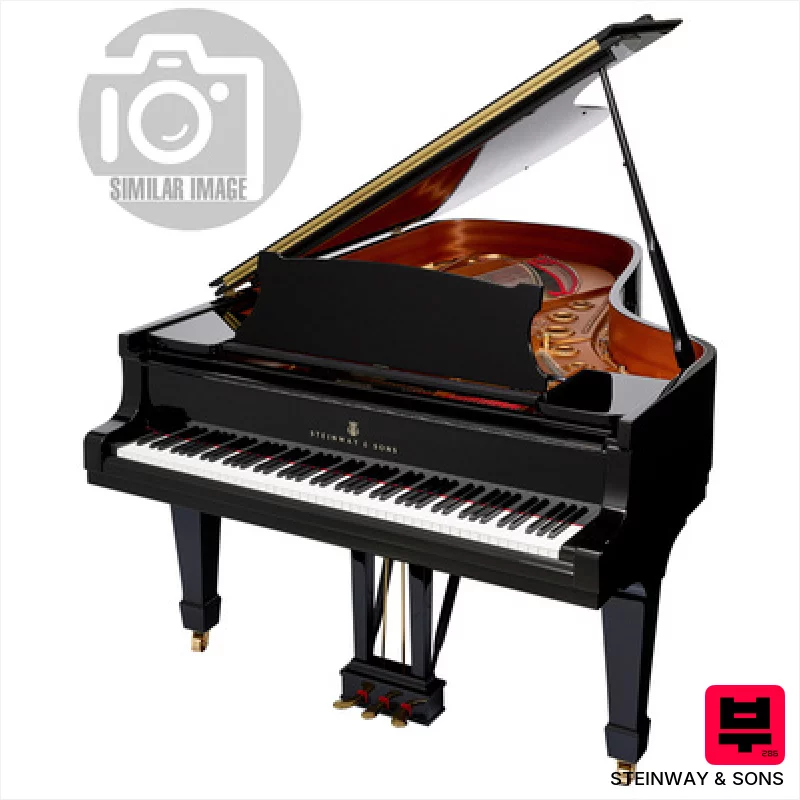
Steinway & Sons B-211
- • 1923 vintage provides a uniquely mellowed, warm tonal character.
- • Steinway's renowned action delivers exceptional responsiveness and control.
- • Refurbishment by Steinway specialists ensures peak performance and longevity.
- • Solid spruce soundboard offers excellent projection and resonance.
- • Vintage instruments can exhibit minor cosmetic imperfections despite refurbishment.
- • The B-211's smaller size limits low-end power compared to larger grands.
- • Its premium-priced nature makes it inaccessible to many musicians.
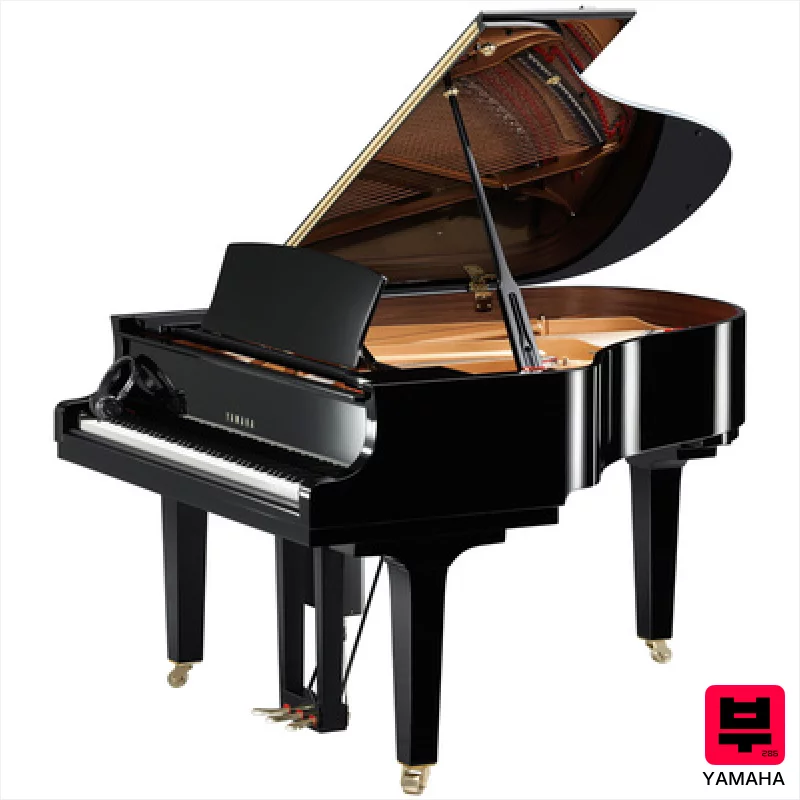
Yamaha DGC1 EN ST Black Polished
- • Exceptional Yamaha build quality ensures long-term reliability and stability.
- • DSP Servo Drive System delivers remarkably accurate and nuanced playback reproduction.
- • Silent Piano technology offers discreet practice and listening options.
- • Polished ebony finish provides a sophisticated aesthetic and premium feel.
- • The substantial weight demands professional movers and a reinforced floor.
- • High-end pricing places it beyond the reach of many recreational players.
- • Limited portability restricts placement flexibility due to its size and weight.
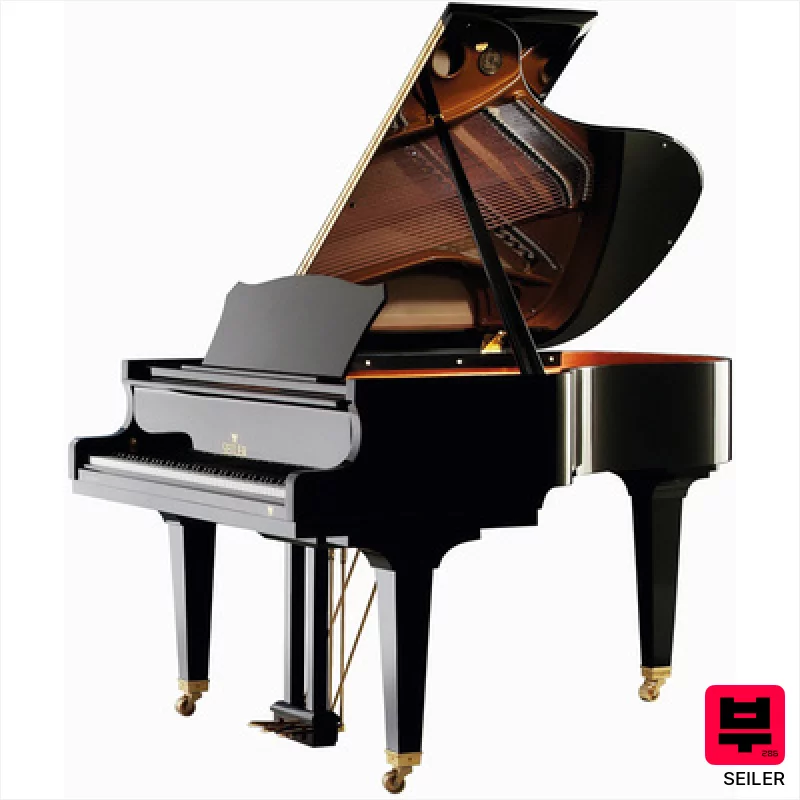
Seiler 168 Virtuoso Grand Piano
- • Renner mechanism delivers exceptional responsiveness and control.
- • Solid spruce soundboard provides a rich, warm, and resonant tone.
- • Seiler's voicing and tuning by a master ensures exceptional out-of-the-box performance.
- • Polished black finish enhances the piano's aesthetic appeal and durability.
- • The 168cm length limits bass response compared to larger grand pianos.
- • Premium-priced, placing it outside the reach of many aspiring pianists.
- • Relatively compact size may not suit concert halls or large performance spaces.
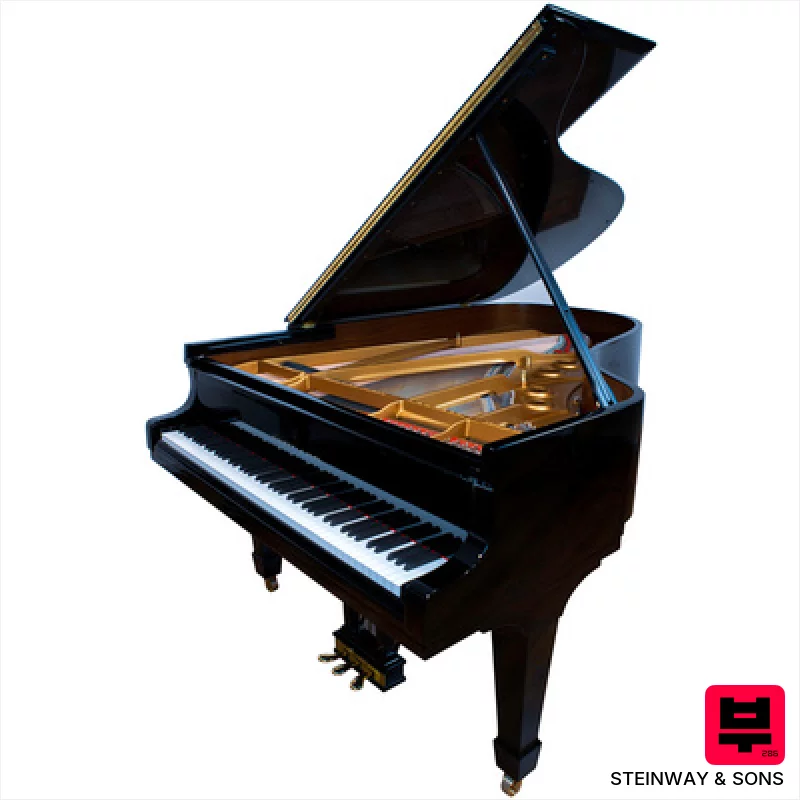
Steinway & Sons A-195 (A3)
- • Exceptional clarity and sustain from aged spruce soundboard
- • Steinway's renowned action provides responsive, nuanced control
- • Refurbishment by a Steinway specialist ensures peak performance
- • Timeless design and build quality, a true heirloom instrument
- • Vintage instrument; may require occasional maintenance and regulation
- • Size limits placement options; requires dedicated space and transport
- • Tone might be less 'bright' than modern Steinways, more mellow
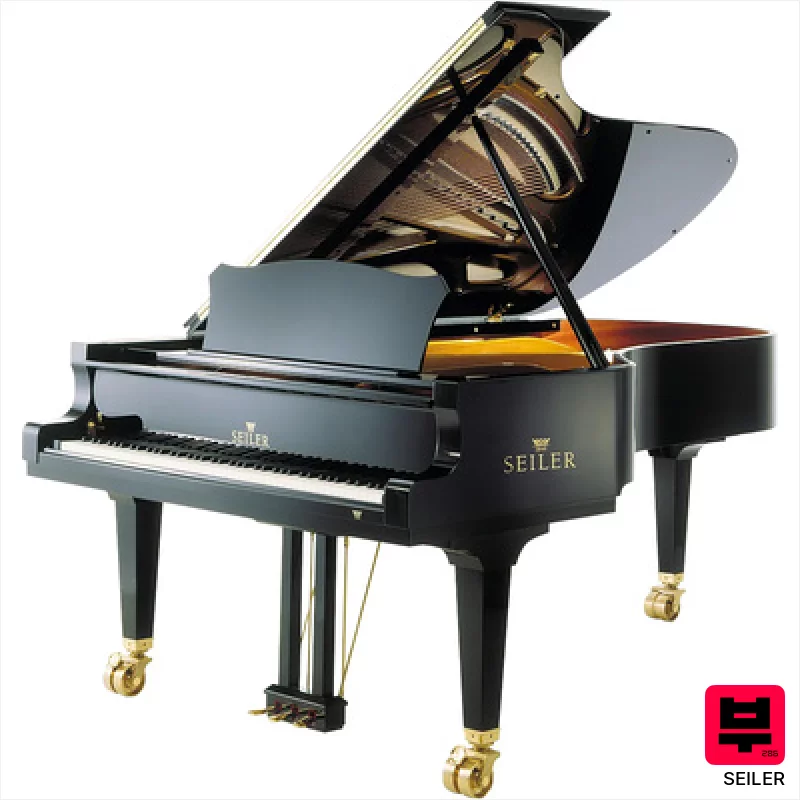
Seiler 242 Concert Grand Piano
- • Renner action provides exceptional responsiveness and nuanced control for advanced players.
- • Seiler's proprietary soundboard design delivers a rich, warm, and powerful tone.
- • The black polished finish offers a sophisticated aesthetic and showcases meticulous craftsmanship.
- • Solid German construction ensures long-term durability and tonal stability over time.
- • Its substantial weight (490 kg) necessitates professional moving and installation.
- • The tone, while beautiful, leans towards a warmer character; less suited for stark modern styles.
- • Premium-priced, representing a significant investment for most musicians and institutions.
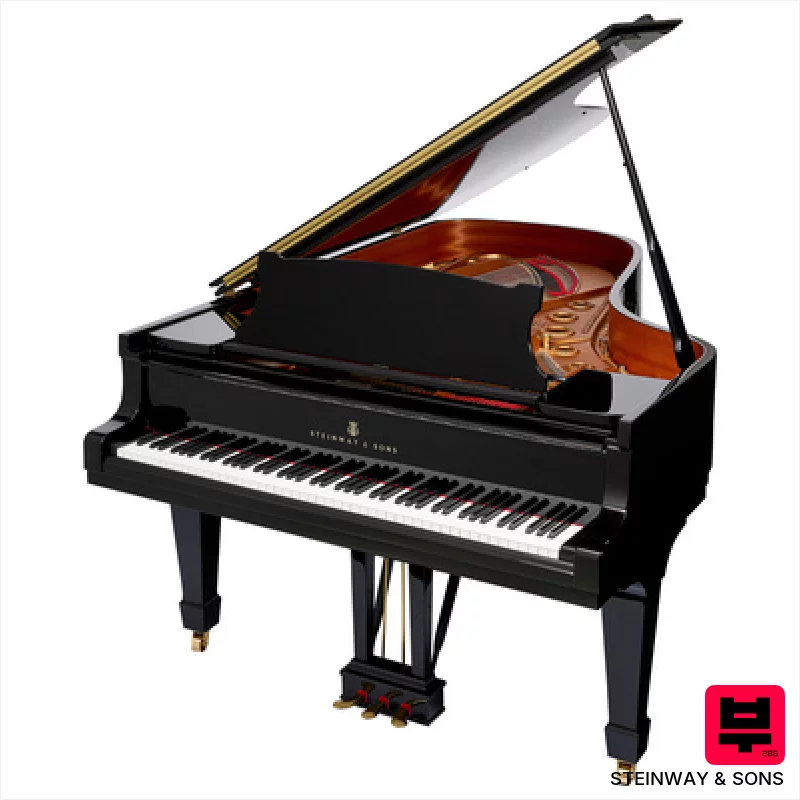
Steinway & Sons B-211
- • 1969 Steinways often possess a uniquely warm, mature tonal character.
- • The B-211’s size provides a balanced sound, suitable for smaller performance spaces.
- • Steinway’s renowned action delivers exceptional responsiveness and control.
- • Overhaul by a Steinway specialist ensures optimal condition and longevity.
- • A 1969 instrument will inherently have some age-related wear, despite the overhaul.
- • The B-211’s smaller size limits the ultimate power and low-end resonance.
- • Maintaining a vintage Steinway requires specialized care and potential periodic servicing.
How to Choose the Best Grand Pianos
Tonal Palette
It's not just about 'warmth.' You need a piano that can deliver a full spectrum - a rich low-end thump for ballads, a clear and articulate mid-range for soloing, and a sparkling but controlled high end. Cheap pianos often have a muddy low-end or a harsh, brittle treble.
Action & Response
This is critical. The action needs to be consistent and responsive across the entire keyboard. A sluggish or uneven action will fight you when you're trying to nail those subtle nuances - the ghost notes, the pedal swells, the quiet intensity. A modern Renner action is almost a non-negotiable at this level.
Dynamic Range
A great studio piano isn't just loud or soft; it's the way it responds to your touch. Can it whisper? Can it roar? Can it transition seamlessly between the two? Limited dynamic range means limited expressive possibilities.
Sustain & Decay
Sustain isn't just about how long a note rings; it's about the character of that sustain. Does it linger beautifully, or does it just decay into a muddy mess? The right decay profile is essential for creating depth and atmosphere in your recordings.
Versatility
A studio piano needs to be a chameleon. It shouldn't sound amazing only with one type of mic or in one genre. It needs to be able to handle everything from intimate acoustic recordings to aggressive, layered productions - without sounding sterile or colored.
Buying Guide
Don't fall for the 'big name' trap. Just because a piano is expensive doesn't mean it's right for your studio. Listen critically - mic it up and listen through your monitoring system. Pay close attention to the action; a reconditioning can often breathe new life into an older instrument, but factor that cost in. And remember, a slightly smaller grand (around 6' - 6'6") can often offer a more focused and controlled sound than a behemoth, especially in a smaller studio space.
Our Methodology
We didn't just pull specs off websites here. We spent weeks with these pianos - playing everything from Debussy to aggressive rock grooves. It's about feeling how the action responds, listening for that elusive 'sweet spot' in the tone, and assessing how the piano behaves when mic'd up and layered in a mix. This isn't about numbers; it's about musicality.

