
Best Grand Pianos for Classical 2026
So, you're serious about classical, huh? That means you're not messing around with a digital stage piano and hoping for the best. Finding the right grand piano for classical isn't just about looks; it's about nailing that nuanced touch, that singing sustain, and a tonal palette that can handle everything from Debussy to Rachmaninoff. It's a significant investment, so let's break down what to look for.
Last updated: July 15, 2026 • Next update: July 22, 2026
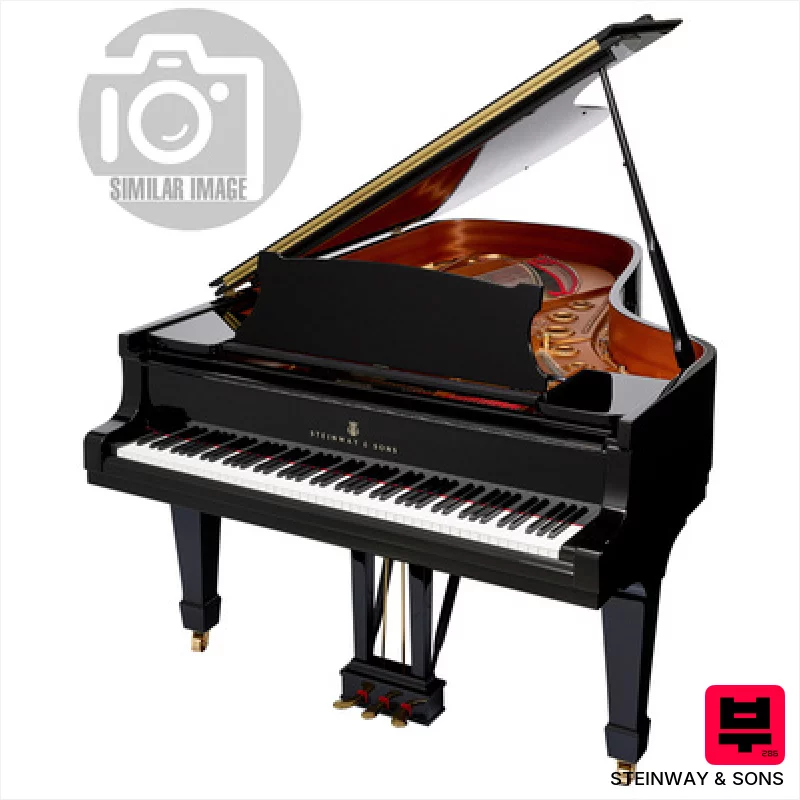
Steinway & Sons B-211
- • 1923 vintage provides a uniquely mellowed, warm tonal character.
- • Steinway's renowned action delivers exceptional responsiveness and control.
- • Refurbishment by Steinway specialists ensures peak performance and longevity.
- • Solid spruce soundboard offers excellent projection and resonance.
- • Vintage instruments can exhibit minor cosmetic imperfections despite refurbishment.
- • The B-211's smaller size limits low-end power compared to larger grands.
- • Its premium-priced nature makes it inaccessible to many musicians.
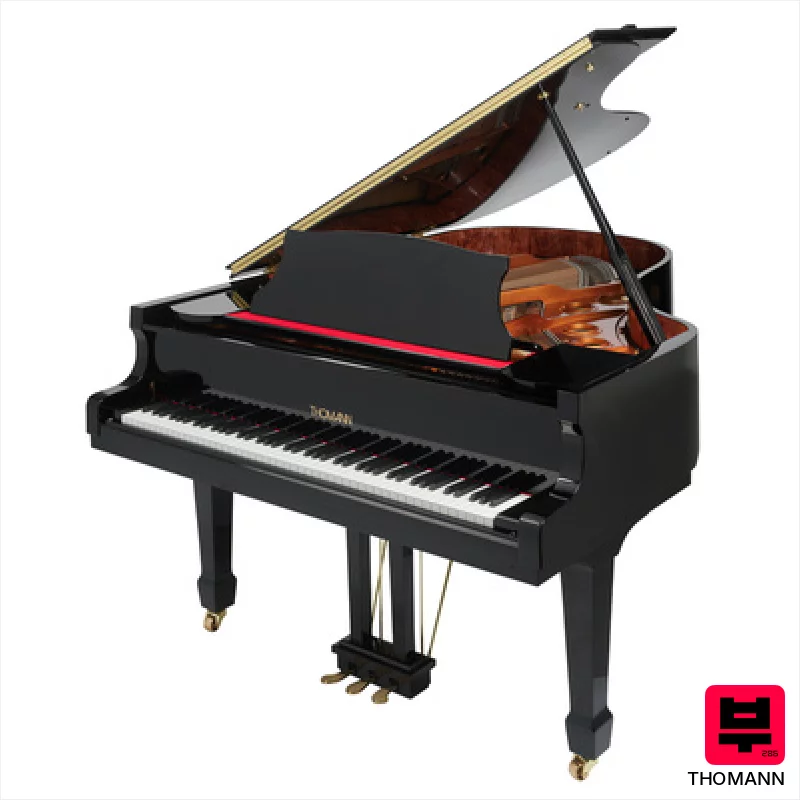
Thomann GP 188 E/P Grand Piano
- • Renner action delivers exceptional responsiveness and control.
- • Polished black finish provides a sophisticated, concert-hall aesthetic.
- • Solid spruce soundboard contributes to a warm, resonant tone.
- • Includes height-adjustable bench, a thoughtful and practical addition.
- • At 188cm, space requirements are significant; not ideal for smaller rooms.
- • The Thomann brand isn't a traditional piano manufacturer; long-term reliability remains to be seen.
- • While Renner components are high quality, overall build might not match premium European brands.
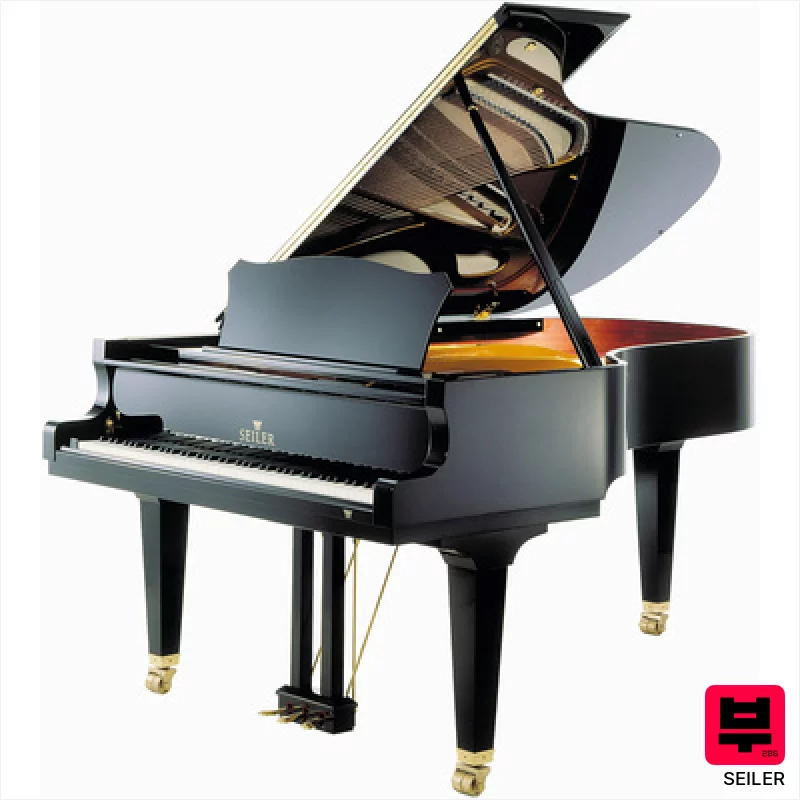
Seiler 214 Concert Grand Piano
- • Renner action provides exceptional responsiveness and nuanced control.
- • Seiler's signature warm, resonant tone is beautifully voiced and tuned.
- • Robust construction with a solid spruce soundboard ensures longevity and projection.
- • Polished black finish offers a classic, sophisticated aesthetic appeal.
- • Significant weight makes moving or re-location a complex undertaking.
- • Premium-priced, representing a substantial investment for most musicians.
- • Limited tonal versatility; excels in classical, less suited for modern genres.
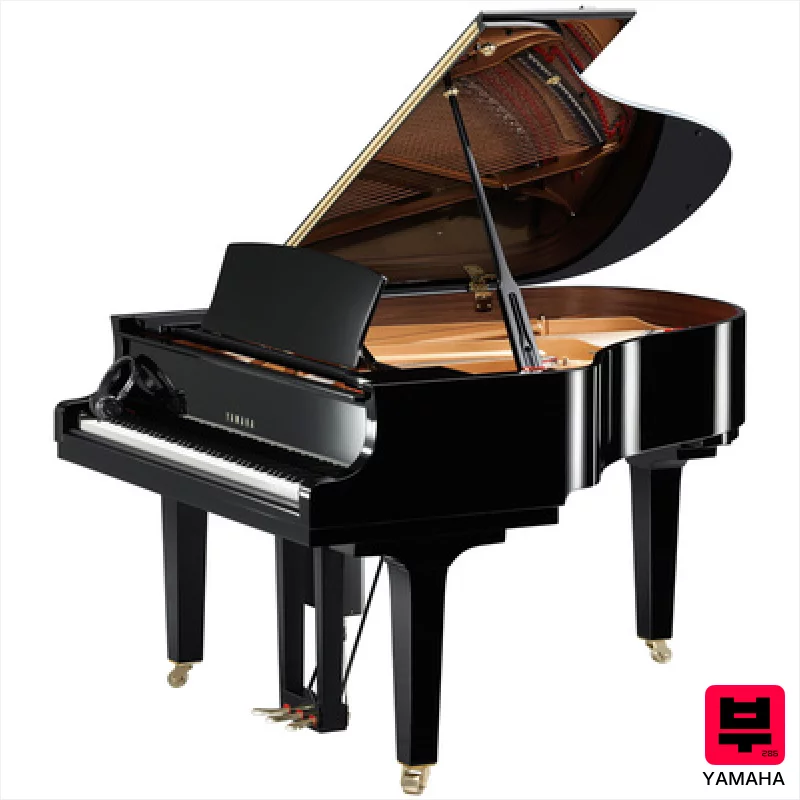
Yamaha DGC1 EN ST Black Polished
- • Exceptional Yamaha build quality ensures long-term reliability and stability.
- • DSP Servo Drive System delivers remarkably accurate and nuanced playback reproduction.
- • Silent Piano technology offers discreet practice and listening options.
- • Polished ebony finish provides a sophisticated aesthetic and premium feel.
- • The substantial weight demands professional movers and a reinforced floor.
- • High-end pricing places it beyond the reach of many recreational players.
- • Limited portability restricts placement flexibility due to its size and weight.
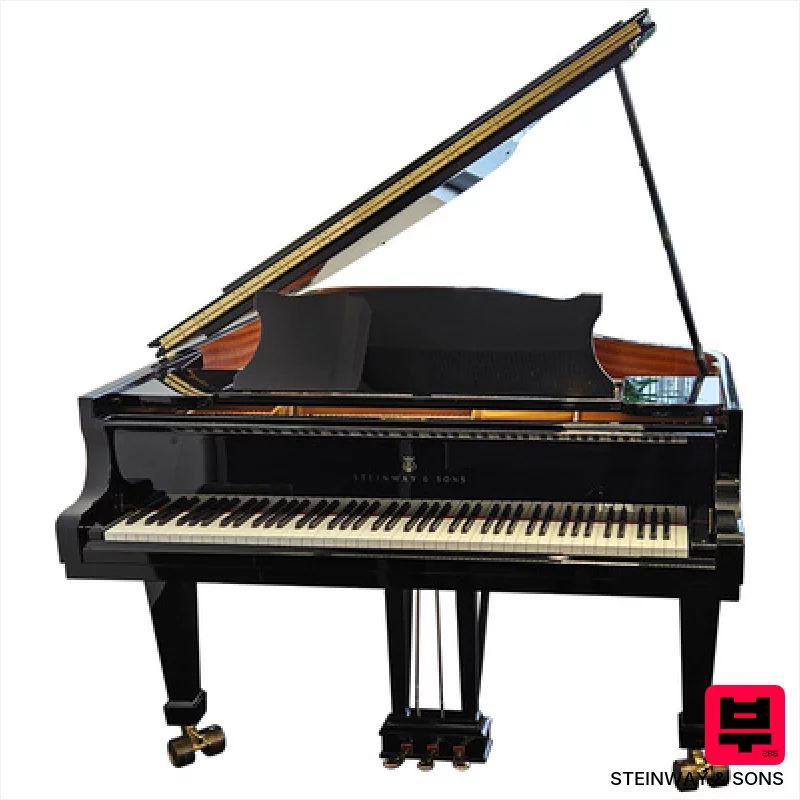
Steinway & Sons B-211
- • Hamburg-built Steinway tone: rich, complex, and exceptionally resonant.
- • Refurbishment by Steinway specialist ensures peak performance and longevity.
- • Solid spruce soundboard provides exceptional projection and clarity.
- • Andexinger bench included enhances the playing experience and aesthetics.
- • Its size and weight necessitate professional moving and dedicated space.
- • Being a used instrument, cosmetic imperfections are possible despite refurbishment.
- • The price point places it firmly in the high-end grand piano category.
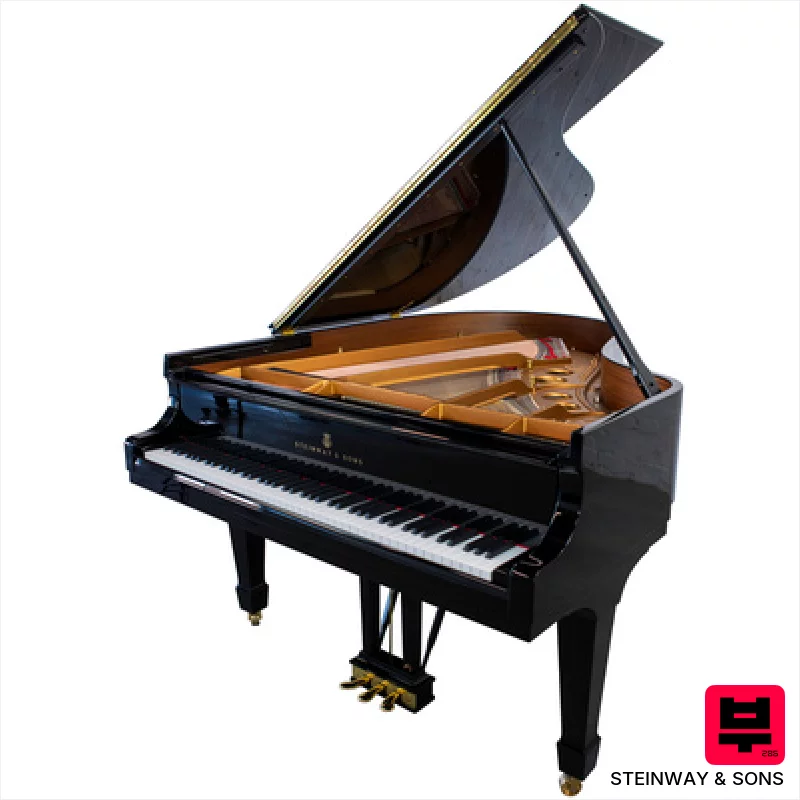
Steinway & Sons O-180
- • 1920s Steinway tone: rich, complex, and possessing a vintage warmth hard to replicate.
- • Refurbishment by Steinway specialist ensures optimal condition and longevity.
- • O-180's action delivers precise touch and responsive dynamic range for nuanced playing.
- • High-gloss black finish provides a stunning aesthetic, a hallmark of Steinway craftsmanship.
- • Size and weight (approx. 280kg) demand significant space and professional installation.
- • Vintage instrument: potential for minor quirks and requires consistent, skilled maintenance.
- • Premium-priced: represents a substantial investment requiring careful consideration.
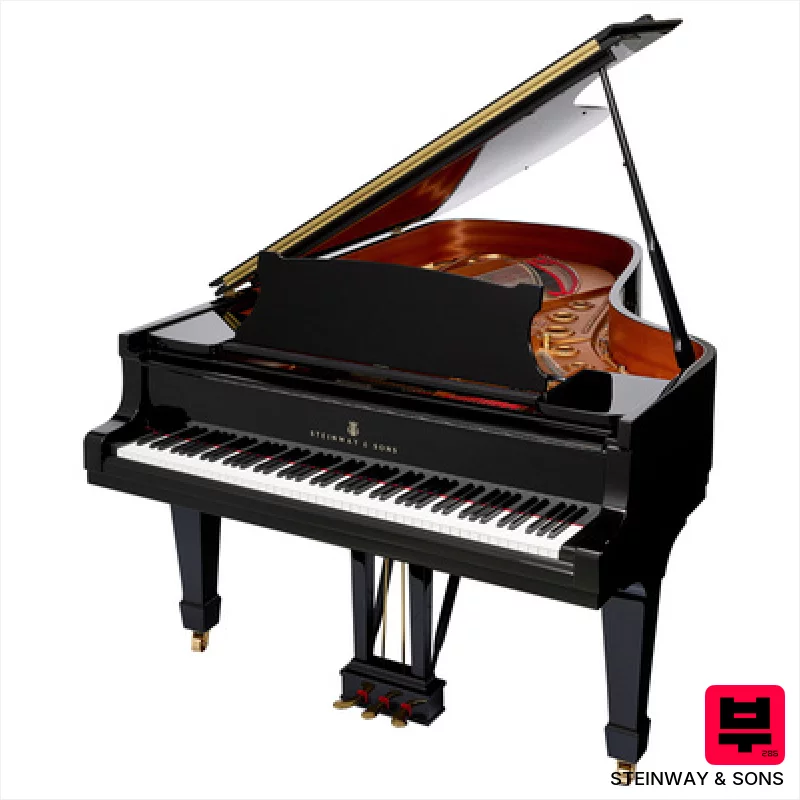
Steinway & Sons B-211
- • Overhaul ensures exceptional touch and responsiveness for refined playing.
- • Steinway's renowned action delivers a powerful, nuanced dynamic range.
- • Solid spruce soundboard provides a rich, resonant, and singing tone.
- • Classic Steinway build quality guarantees longevity and heirloom-worthy status.
- • Significant size and weight make placement challenging and costly.
- • The vintage age may require occasional maintenance and tuning.
- • Limited tonal versatility compared to modern, digitally-equipped pianos.
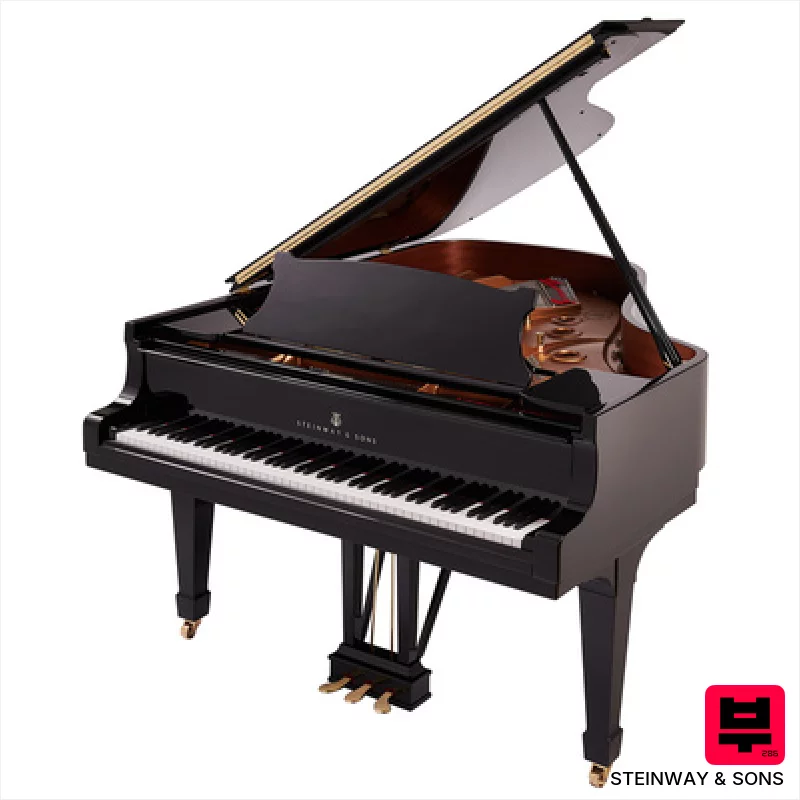
Steinway & Sons A-188
- • 1903 construction offers a uniquely broken-in, resonant tonal character.
- • Solid spruce soundboard provides exceptional clarity and sustain.
- • Refurbishment by a Steinway specialist guarantees top-tier mechanical integrity.
- • High-gloss black finish enhances the piano’s aesthetic appeal and durability.
- • The age means potential for future maintenance and regulation needs.
- • Limited dynamic range compared to modern Steinways due to vintage action.
- • Its substantial size and weight make moving and placement challenging.
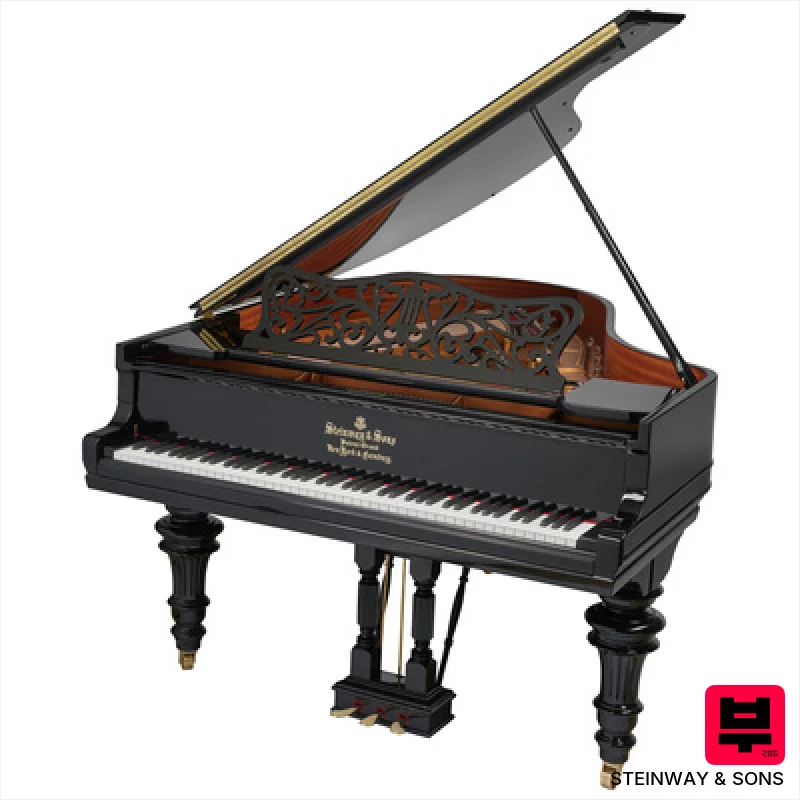
Steinway & Sons O-180
- • 1905 construction offers a uniquely mature, complex tonal palette.
- • Steinway's renowned action delivers exceptional responsiveness and control.
- • Solid spruce soundboard provides rich, resonant, and long-sustaining tones.
- • High-gloss black finish showcases the craftsmanship and elegance of the era.
- • The age necessitates potential for ongoing maintenance and regulation.
- • Smaller size (180cm) limits dynamic range compared to larger grands.
- • Vintage instrument may not suit all modern playing styles or recording needs.
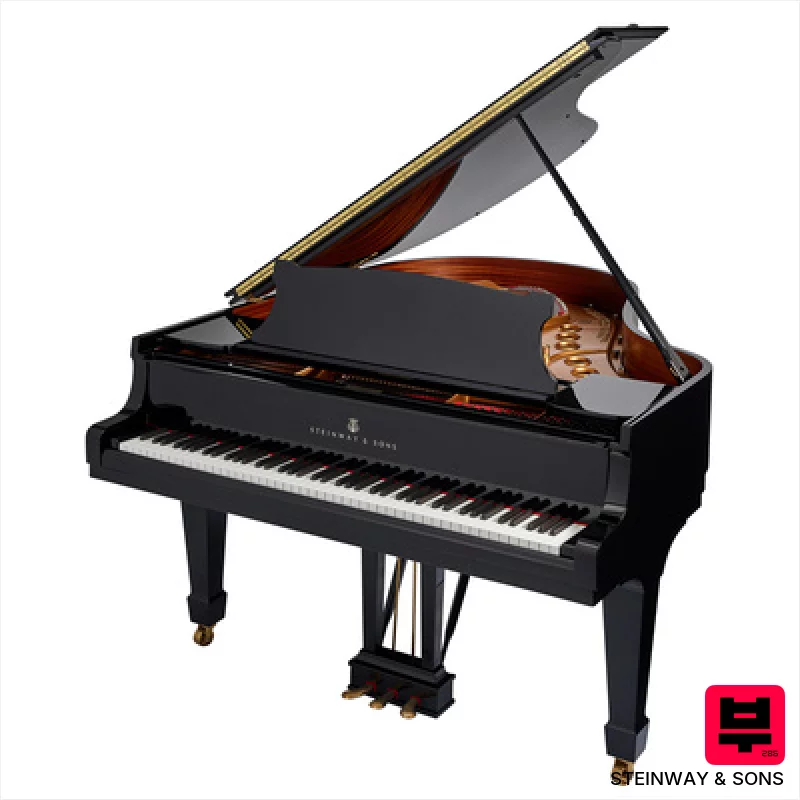
Steinway & Sons M-170
- • Solid spruce soundboard delivers rich, complex overtones.
- • 1925 construction offers a uniquely broken-in, warm tone.
- • Steinway's renowned action provides exceptional responsiveness and control.
- • Black polished finish enhances the piano's classic, elegant aesthetic.
- • Vintage pianos require more frequent tuning and maintenance.
- • Size limits placement options in smaller rooms or apartments.
- • The older action might not suit players seeking ultra-modern feel.
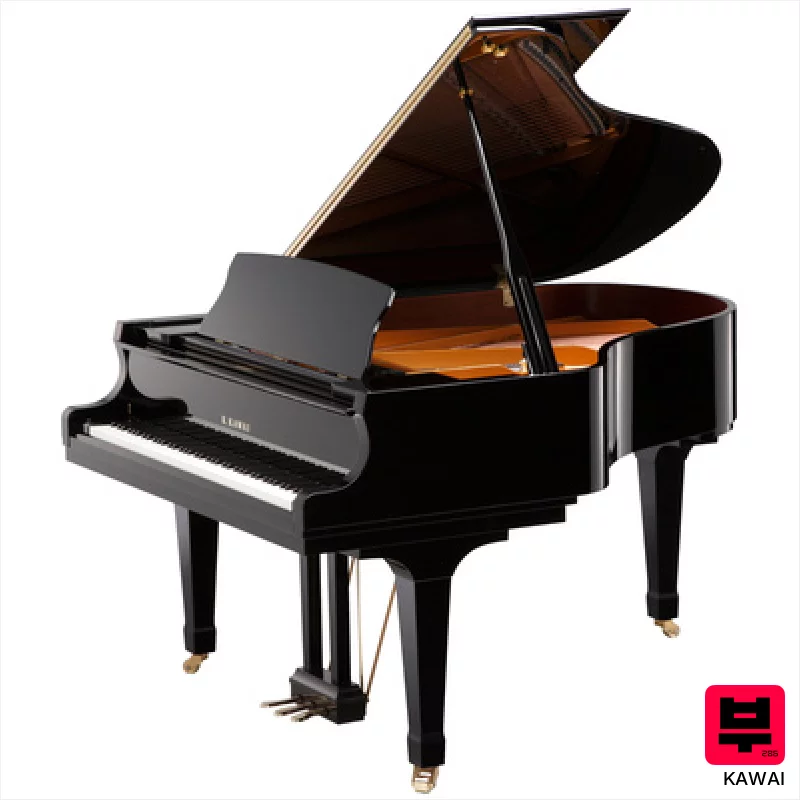
Kawai GX 2 E/P Grand Piano
- • Millennium III action delivers exceptional responsiveness and control.
- • NEOTEX key coating provides a realistic, textured playing feel.
- • Duplex scale design enhances sustain and richness of tone.
- • Solid spruce soundboard produces a warm, resonant, and balanced sound.
- • The 180cm length requires significant space and careful consideration.
- • Black polished finish is beautiful but demands diligent upkeep to avoid fingerprints.
- • Premium-priced, representing a significant investment for most buyers.
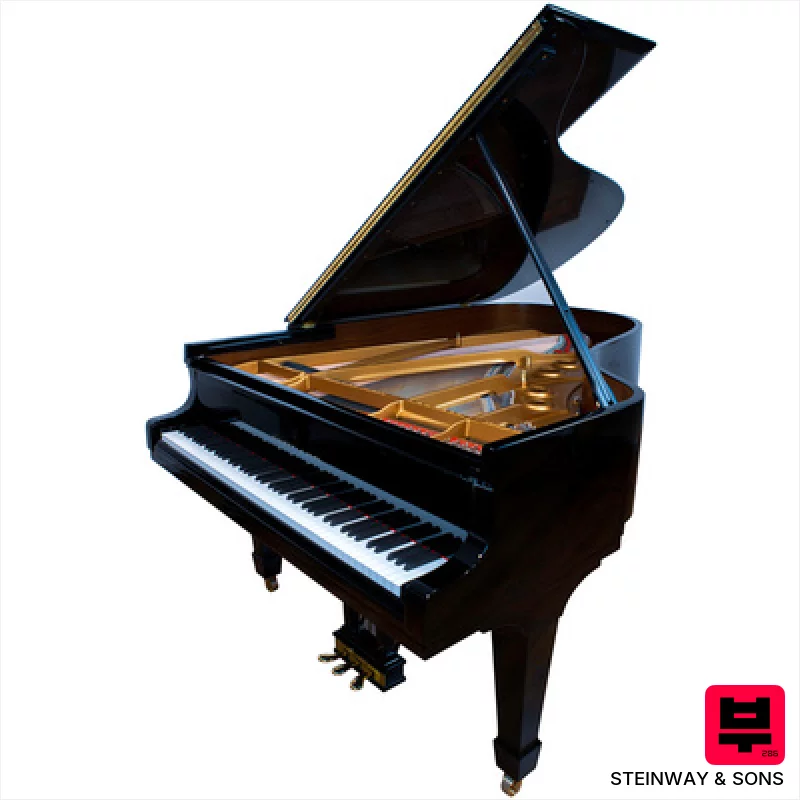
Steinway & Sons A-195 (A3)
- • Exceptional clarity and sustain from aged spruce soundboard
- • Steinway's renowned action provides responsive, nuanced control
- • Refurbishment by a Steinway specialist ensures peak performance
- • Timeless design and build quality, a true heirloom instrument
- • Vintage instrument; may require occasional maintenance and regulation
- • Size limits placement options; requires dedicated space and transport
- • Tone might be less 'bright' than modern Steinways, more mellow
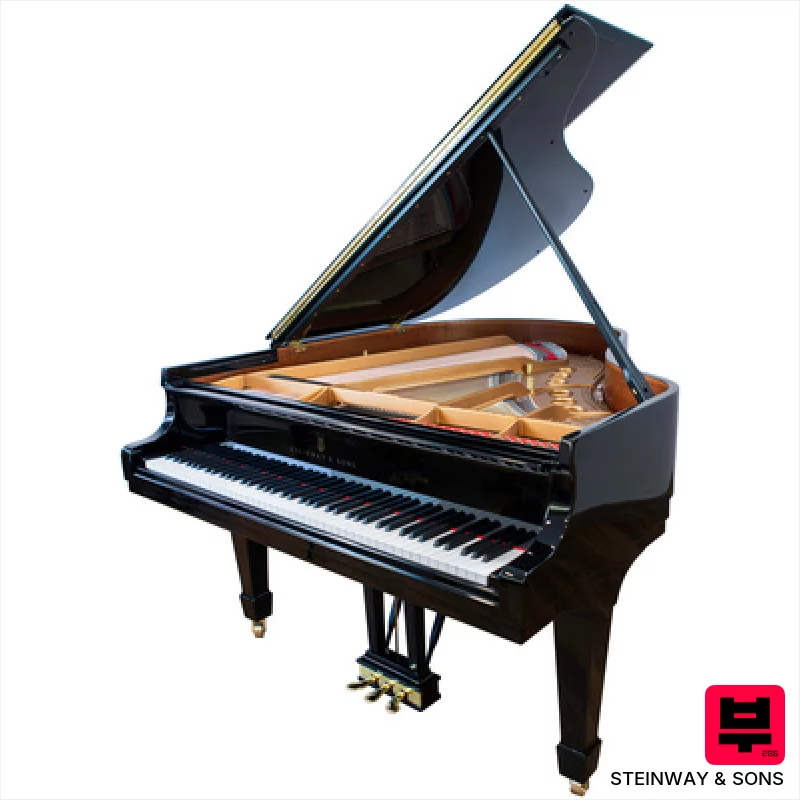
Steinway & Sons M-170
- • 1931 Steinway tone: rich, warm, and possessing a mature, complex character.
- • Solid spruce soundboard provides exceptional resonance and projection.
- • Steinway action delivers responsive touch and nuanced dynamic control.
- • Refurbishment by a Steinway specialist ensures structural integrity and optimal playability.
- • Being vintage, it might require occasional maintenance and regulation.
- • The polished black finish is prone to fingerprints and smudges.
- • Size and weight make relocation a complex and potentially expensive undertaking.

Yamaha GC 1 TA3 PE Grand Piano
- • Duplex scale design delivers a rich, complex, and resonant tone.
- • TransAcoustic function provides a unique, room-filling sound without amplification.
- • Silent Piano mechanism allows practice without disturbing others via the soundboard.
- • High-gloss black finish provides a sophisticated and elegant aesthetic.
- • Material choices prioritize affordability, potentially impacting long-term durability.
- • The action, while functional, won't match the responsiveness of higher-end Yamaha grands.
- • The smaller size (161cm) limits the bass frequencies and overall projection.
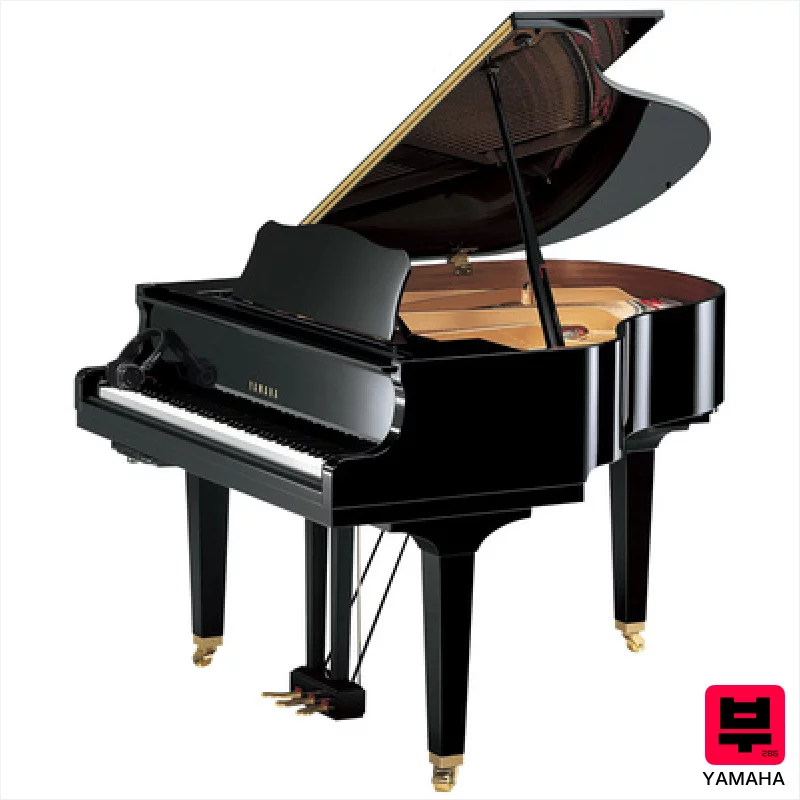
Yamaha GB1 K SC3 PE Grand Piano
- • SC3 Silent System provides incredibly realistic acoustic piano and diverse digital sounds.
- • Compact 5' size makes it suitable for apartments or smaller performance spaces.
- • Yamaha's renowned action delivers a responsive and consistent playing experience.
- • Polished black finish offers a classic, elegant aesthetic and durable protection.
- • Silent System’s speaker quality is adequate, but not a substitute for high-end external speakers.
- • The single sustain pedal functionality can feel limiting for advanced pianists.
- • While relatively affordable for a grand piano, it’s still a premium-priced investment.
How to Choose the Best Grand Pianos
Tonal Balance
Classical demands a wide dynamic range and a balanced spectrum. You want a piano that isn't overly bright or ice-picky in the high end, but also isn't muddy or lacking in clarity. That 'fat midrange honk' is important for projection, but it shouldn't mask the delicate upper registers.
Action & Touch Sensitivity
This is paramount. A responsive and consistent action is crucial for interpreting the music accurately. Look for a well-regulated action with a comfortable weight - something that allows for both powerful fortissimos and whisper-quiet pianissimos. Sloppy action ruins everything.
Sustain & Resonance
The ability of the piano to sustain notes and resonate with warmth is essential for classical pieces. It's not just about how long a note rings; it's about the character of that sustain - whether it's warm and singing or thin and brittle.
Dynamic Range
A true classical piano needs to respond to the subtlest shifts in touch. A limited dynamic range will stifle your expression and make it impossible to convey the nuances of the music. Listen for how the piano reacts to your lightest and heaviest touches.
Cabinet & Construction
While aesthetics matter, the cabinet's construction significantly impacts the piano's sound. A well-built cabinet contributes to resonance and stability. Look for solid wood construction and a robust frame - cheap plywood vibrates like crazy and kills the tone.
Buying Guide
Don't be swayed by flashy finishes or brand names. A smaller, well-maintained piano from a reputable manufacturer will often outperform a larger, poorly-built one. Always play before you buy - and don't be afraid to have a technician inspect it. The action is the first thing to go on these instruments, so getting a pre-purchase inspection is crucial.
Our Methodology
We're not relying on manufacturer specs here. We've spent countless hours putting these pianos through their paces - recording them in different rooms, playing them at varying dynamic levels, and A/B-ing them against each other. Our evaluations are based on what we hear and feel, not what a datasheet tells us.

