
Best Glockenspiels for Beginner 2026
So, you're thinking about getting into the glockenspiel game? Awesome! It's a deceptively simple instrument - those bright, shimmering tones are instantly recognizable. But finding one that's actually playable and won't drive you crazy trying to tune is more than just grabbing the cheapest thing on Amazon. Let's break down what a beginner needs in a glockenspiel and which ones are worth your time and money.
Last updated: September 28, 2026
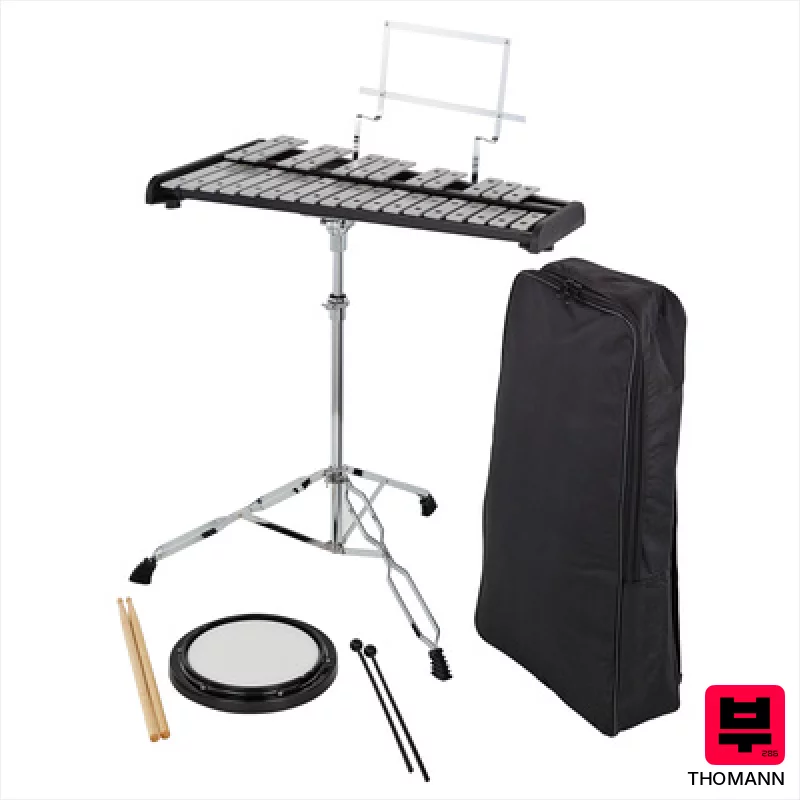
Thomann Glockenspiel THGS2.3
- • Solid steel bars offer bright, clear tones with good sustain.
- • Comprehensive package includes stand, bag, and practice pad – great value.
- • 2.3 octave range (G2-C5) provides ample melodic possibilities.
- • Lightweight aluminum alloy frame allows for easy transport and setup.
- • Steel bars, while bright, lack the warmer character of bronze or brass.
- • The included mallets are basic, upgrade recommended for nuanced playing.
- • Stand is functional but somewhat wobbly at higher volumes; stability could be improved.
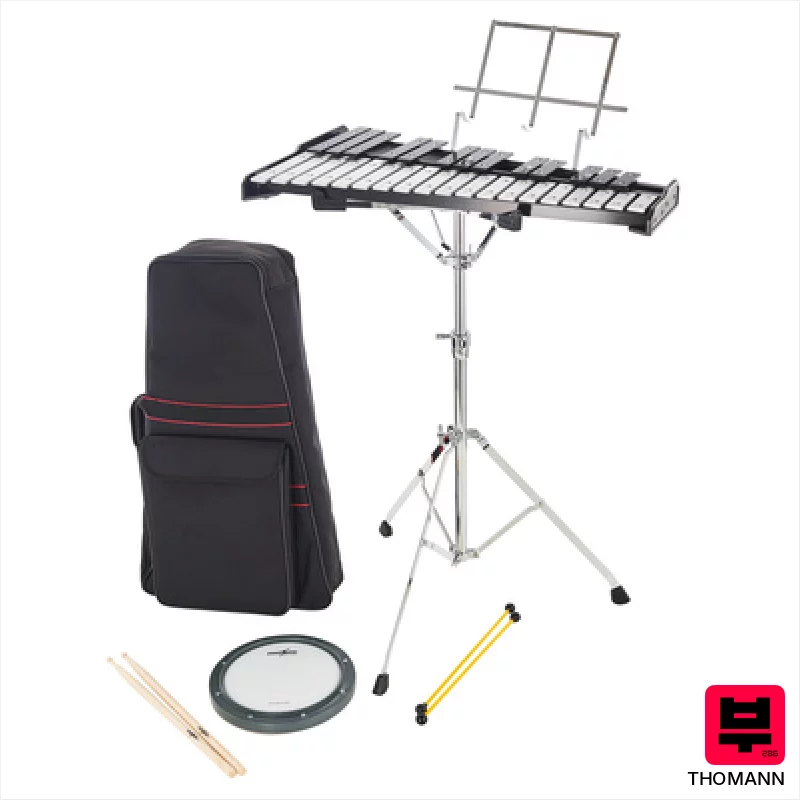
Thomann Glockenspiel THGS2.5
- • Solid steel bars provide a clear, bright, and resonant tone.
- • The included stand is surprisingly stable for an entry-level instrument.
- • The practice pad is a genuine bonus for quiet practice sessions.
- • Comprehensive accessory package offers immediate playability and convenience.
- • Steel bars, while bright, lack the warmth of some higher-end bronze or brass models.
- • The included mallets are basic and will likely need upgrading for nuanced playing.
- • The bag feels a little flimsy and offers minimal protection for transport.
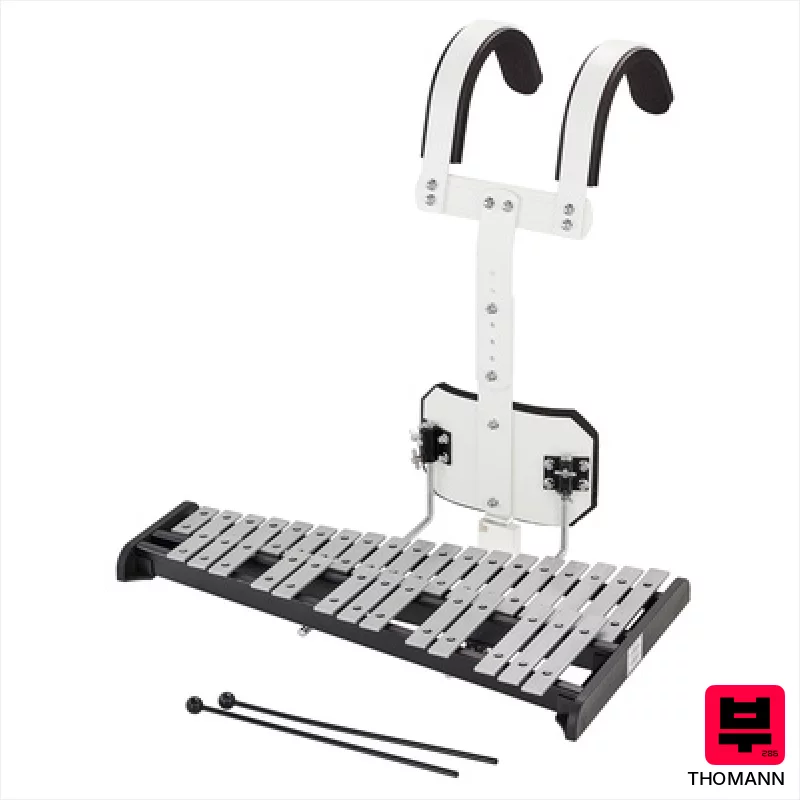
Thomann MG32 Marching Glockenspiel
- • Lightweight aluminum support makes it manageable for marching applications.
- • 2.6 octave range (F2-C5) offers good melodic flexibility.
- • Tuned to A=442Hz, standard for orchestral performance and tuning.
- • Included mallets are serviceable for basic marching band practice.
- • Aluminum bars may not offer the sustain or complexity of bronze bars.
- • The included mallets are basic and will likely need upgrading for nuanced playing.
- • Marching-specific design limits versatility for studio or orchestral use.

Thomann Glockenspiel THTG2.5
- • Solid aluminum bars deliver a clear, bright, and resonant tone.
- • The 30-bar range (G2-C5) offers considerable melodic flexibility.
- • Sturdy case provides excellent protection and portability for performances.
- • Included mallets are adequate for beginners, a decent starting point.
- • The included mallets are basic and might be upgraded for a richer sound.
- • The case, while sturdy, is somewhat bulky and may be challenging to transport long distances.
- • Aluminum bars, while bright, lack the subtle warmth of steel or brass.

Bergerault GS Glockenspiel A=442Hz
- • Excellent resonance thanks to the tuned steel bars
- • Solid construction provides reliable stability and durability
- • 442Hz tuning is ideal for orchestral and stage work
- • Well-spaced bars facilitate comfortable and precise playing
- • The size makes it less practical for smaller spaces or travel
- • The included mallets are basic and may need upgrading
- • The finish, while functional, lacks the premium aesthetic of higher-end models
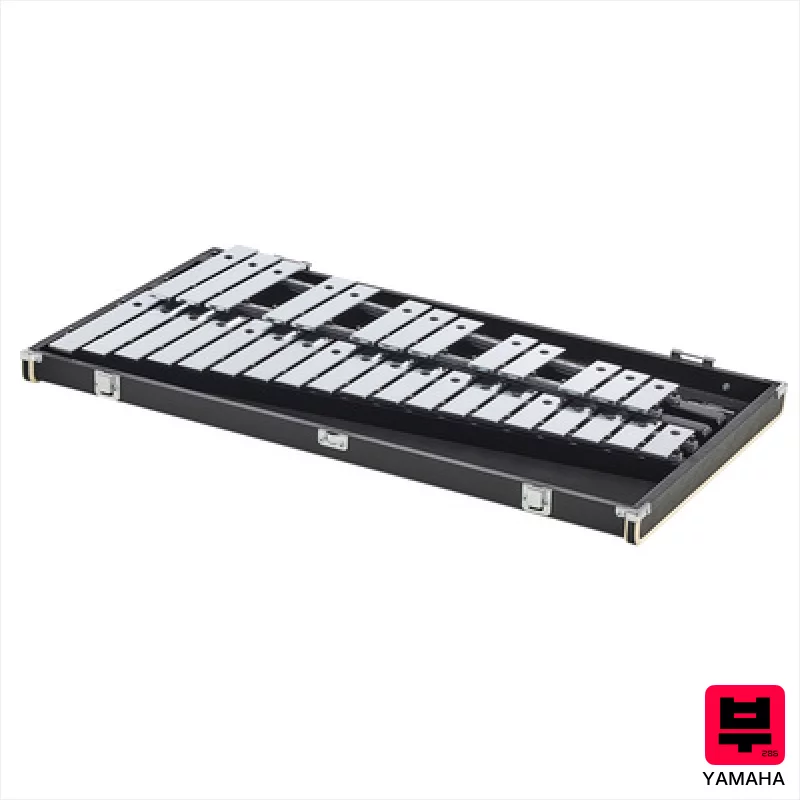
Yamaha YG-250 D Glockenspiel A=442
- • Carbon steel bars deliver a bright, clear, and focused tone.
- • Lightweight design (9.3 kg) enhances portability for rehearsals and performances.
- • The included case provides secure storage and transport protection.
- • A=442Hz tuning caters to professional orchestral requirements and modern tuning standards.
- • Stand is not included, adding to the overall expense and setup complexity.
- • The bright tone, while excellent for clarity, might lack warmth for some stylistic needs.
- • Carbon steel bars, while durable, can be sensitive to impacts and require careful handling.
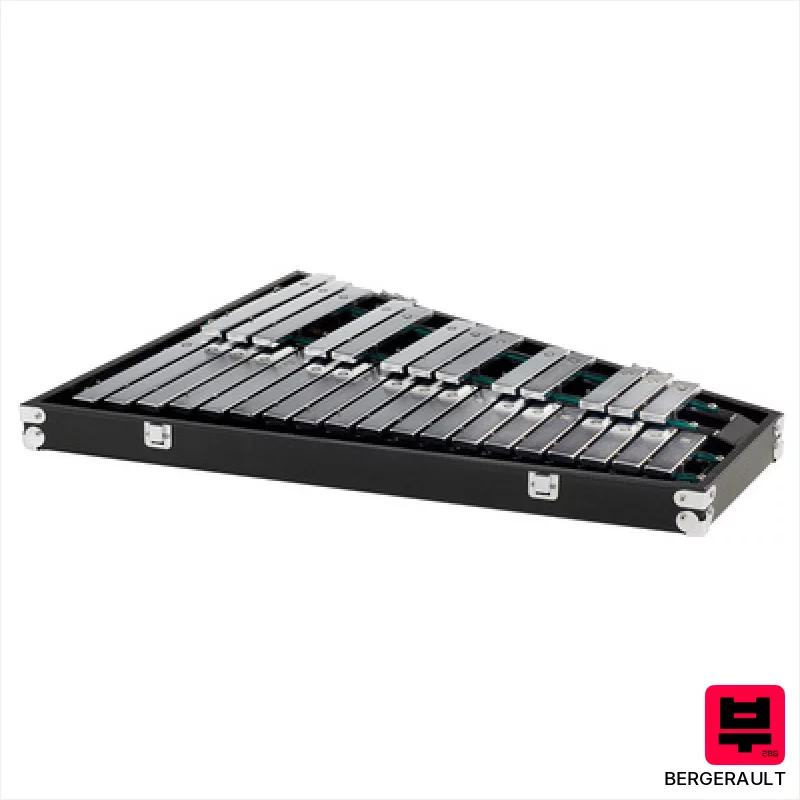
Bergerault GV Glockenspiel A=442Hz
- • Exceptional resonance thanks to carefully tuned steel bars
- • Solid construction ensures stability and durability for stage use
- • A=442Hz tuning is ideal for orchestral and film work
- • The included valise provides reliable protection and portability
- • The stand is a separate purchase, adding to the overall cost
- • Limited tonal palette compared to more complex percussion instruments
- • The size can be restrictive in smaller performance spaces
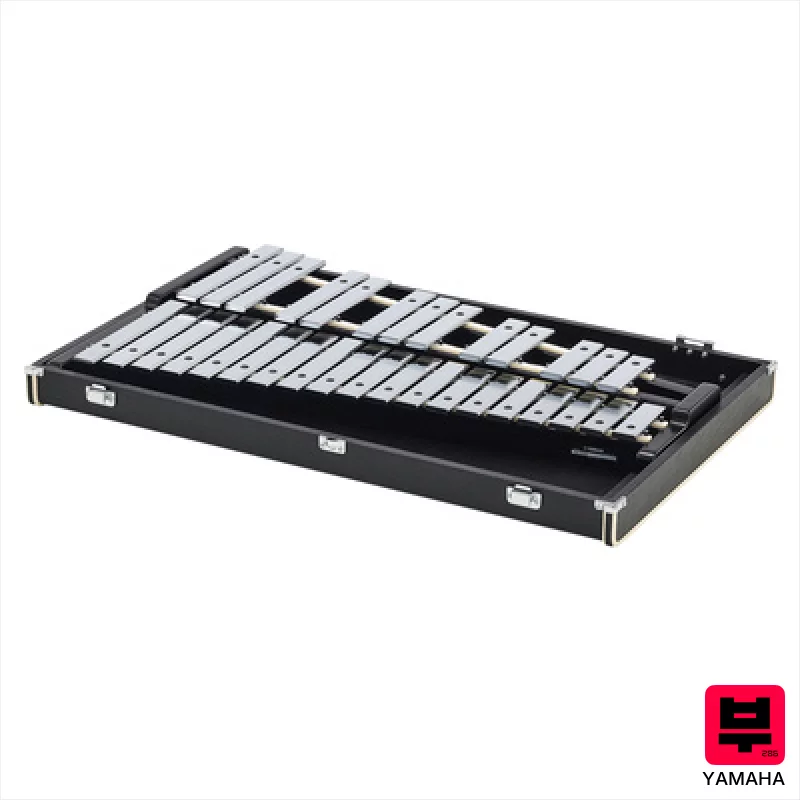
Yamaha YG-1210 Glockenspiel A=442
- • Carbon steel bars deliver a remarkably pure and resonant tone.
- • The heavy construction minimizes sympathetic vibrations, enhancing clarity.
- • Excellent intonation across the 2 1/2 octave range is consistent and reliable.
- • Robust case provides secure storage and transport, professional-grade durability.
- • The substantial weight (15.3 kg) makes it less portable for solo performers.
- • The included mallets are serviceable but a serious player will likely upgrade.
- • The fixed A=442 tuning limits adaptability for performances requiring alternate tunings.
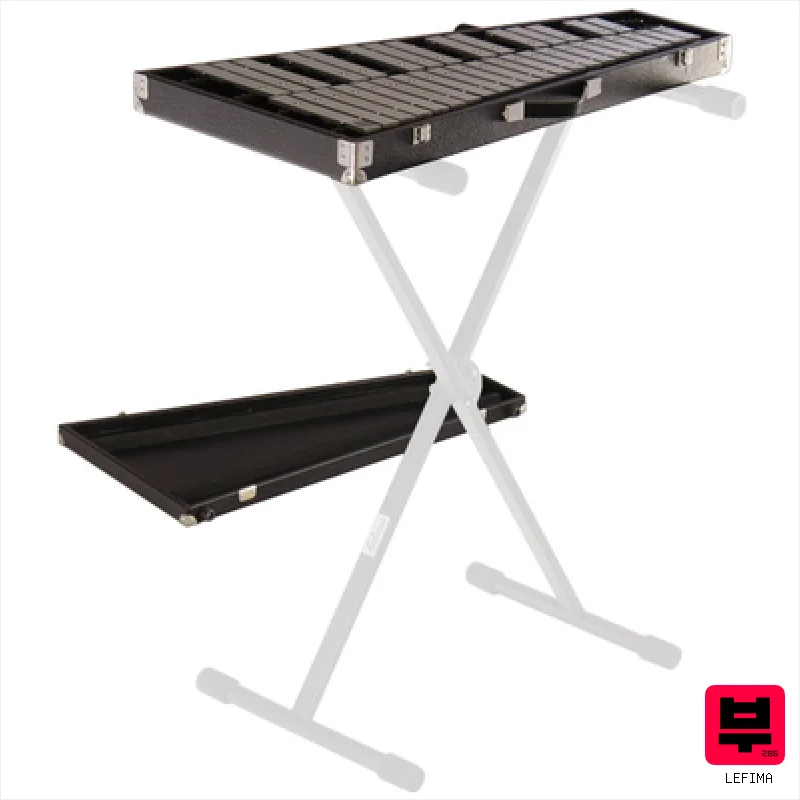
Lefima KM-ODG-F1F4-442Hz
- • Wide three-octave range covers F1 to F4 notes
- • Durable steel sound panels ensure long-lasting tone
- • Compact 76.5 cm length fits smaller performance spaces
- • Lightweight design at 19 cm width aids transport
- • No mallets included in the box
- • No carrying case provided for storage
- • Lacks electronic pickups or digital controls
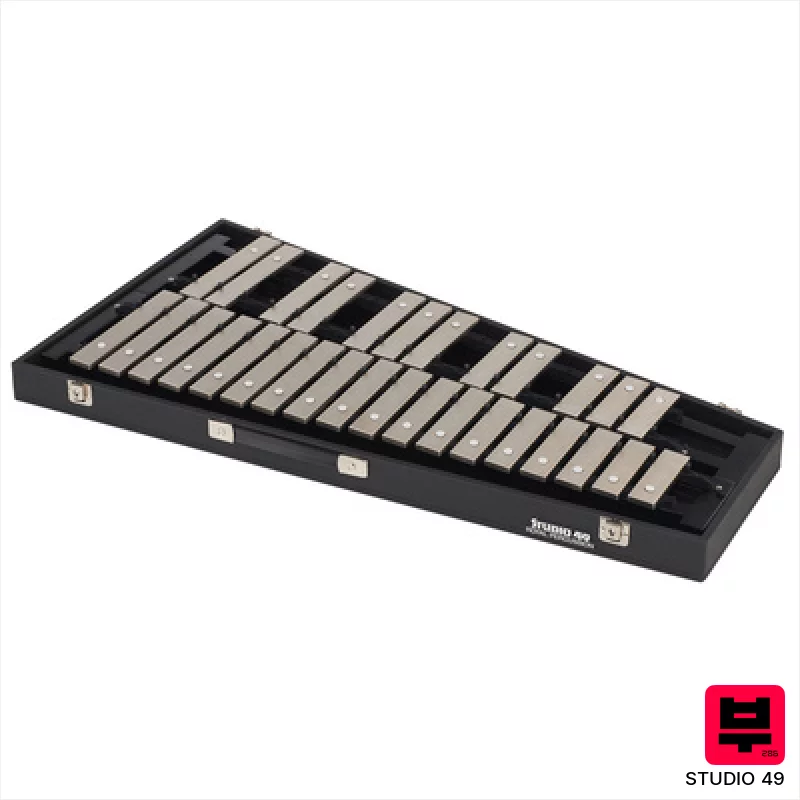
Studio 49 RGST/K/V Glockenspiel A=442Hz
- • Exceptional tuning stability thanks to high-quality sound steel bars.
- • Unique adjustable row allows for expressive, nuanced playing techniques.
- • Chrome plating provides a beautiful aesthetic and resists corrosion.
- • Solid construction ensures durability for frequent use and transport.
- • The 8cm height makes it less compact than some alternatives for transport.
- • Matte chrome finish can show fingerprints and require occasional cleaning.
- • Price point positions it as a premium investment for serious musicians.
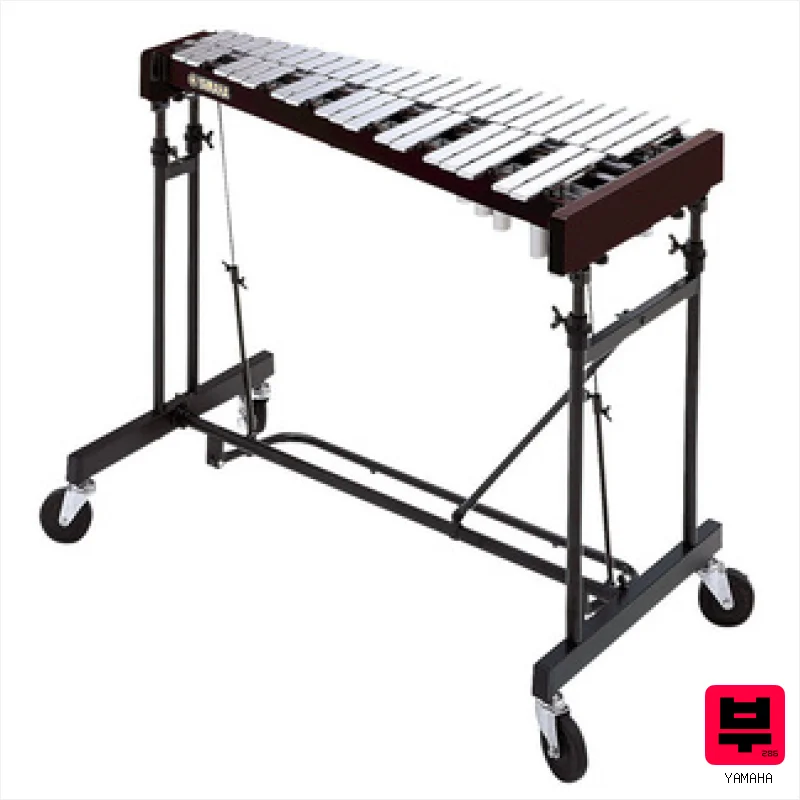
Yamaha YG-2500 Glockenspiel A=442
- • High-density carbon steel bars for strong tone
- • Professional model built for serious musicians
- • Wide 3.5 octave range from C2 to E5
- • Solid 36 kg weight ensures stable playing
- • No mention of included mallets in description
- • No case included according to provided text
- • A=442 Hz tuning may differ from standard A=440

Yamaha YG-2500 Glockenspiel A=443
- • Exceptional carbon steel bars deliver a remarkably pure, resonant tone
- • The A=443 tuning offers a unique, slightly higher pitch for specialized needs
- • Robust, high-density construction ensures incredible stability and projection
- • Precision manufacturing guarantees consistent intonation across the 3.5-octave range
- • The significant weight (36 kg) makes transportation and setup challenging
- • The premium price point places it beyond the reach of many students or hobbyists
- • Limited tonal color compared to more complex mallet percussion instruments
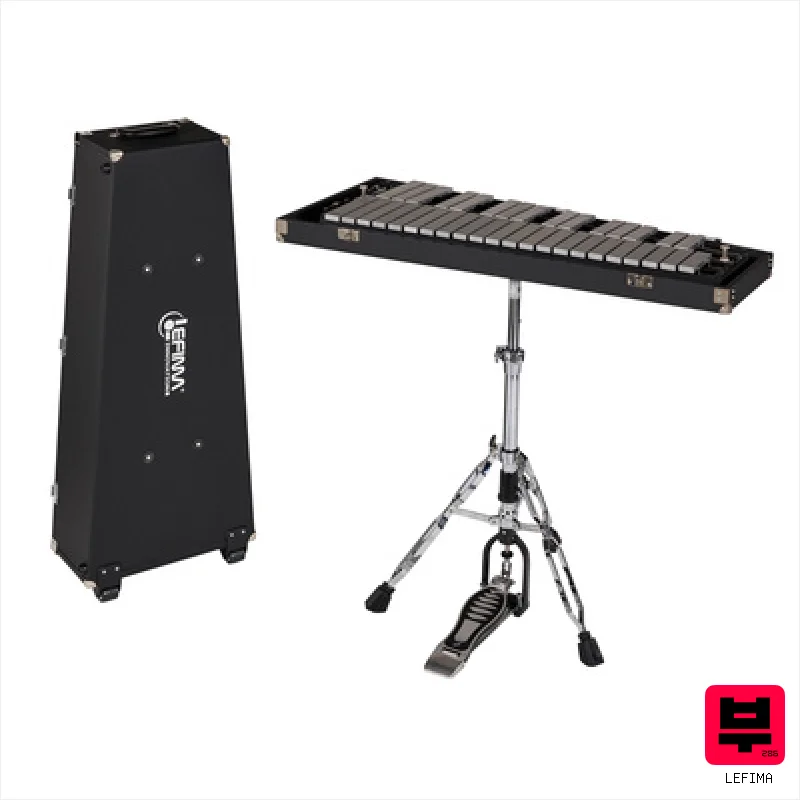
Lefima HPG 3.0 Chimes w Pedal 442Hz
- • Alloy sound bars offer bright, sustained tones.
- • Height adjustment lets players find perfect comfort.
- • Werckmeister III tuning provides unique warmth.
- • Built-in pedal adds dynamic control to sound.
- • 16.5 kg is heavy for small players to lift.
- • Mallets are not included in the package.
- • No pickup system mentioned for electronic use.

Lefima EPG Glockenspiel
- • Exceptional resonance thanks to the light metal alloy bars
- • Magnetic hi-hat stand mounting offers unparalleled portability and setup speed
- • Wide 3-octave range (f2-f5) provides significant melodic flexibility
- • Damping pedal allows for dynamic control over sustain and articulation
- • Premium-priced, representing a significant investment for most players
- • Light metal alloy bars, while resonant, may be more susceptible to dents than traditional steel
- • Limited tonal palette compared to other orchestral percussion instruments
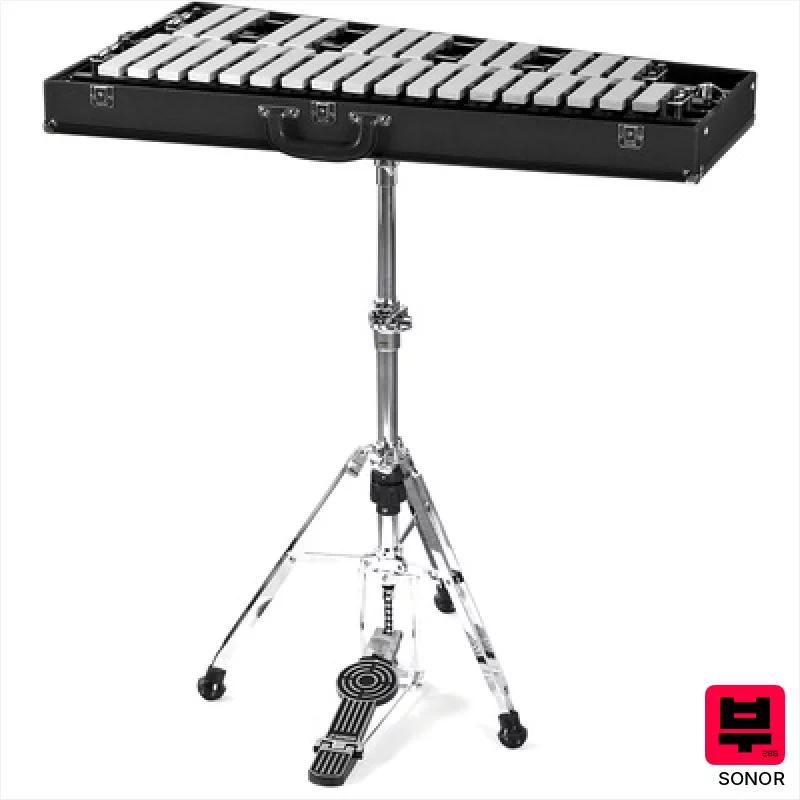
Sonor KGL100 Concert Glockenspiel
- • Hand-tuned alloy bars deliver a remarkably pure and balanced tone.
- • The pedal damper provides excellent dynamic control and quiet storage.
- • Sonor’s build quality ensures exceptional durability for years of use.
- • Lockable transport case protects the instrument and simplifies transport.
- • The aluminum bars, while bright, lack the warmth of some steel alternatives.
- • At nearly 23 kg, it's a substantial instrument to move regularly.
- • The included mallets are serviceable but a serious player will likely upgrade.
Every glockenspiels that matches
35 models match this page. The 15 above are covered in detail; the rest are listed here with their published specifications.
Glockenspiels by the numbers
Measured across all 35 models in this category, so «wide», «short» or «expensive» mean something you can check.
How to Choose the Best Glockenspiels
Tuning Stability
Cheap glockenspiels are notorious for going out of tune fast. The bar material (usually steel, sometimes aluminum) and the frame's rigidity are key. A stable instrument lets you focus on learning, not constant retuning.
Action & Bar Weight
The 'action' refers to how easily the bars vibrate. Heavier bars need more force to sound, which can be tiring for beginners. Lighter bars are easier to play but can feel 'floppy' if the action isn't set up well.
Resonance & Tone
Glockenspiels shouldn't sound tinny or harsh. You want a clear, bell-like tone with a good sustain - enough to hear the note ring without it decaying too quickly. A bit of warmth in the upper midrange is a plus, avoiding that ice-picky top end.
Frame Construction & Durability
A wobbly frame kills sustain and makes tuning a nightmare. Look for a solid, well-built frame that won't rattle or flex when you play. This matters if you're moving it between practice spaces or gigs.
Range & Key Selection
Most beginner glockspiels will be diatonic (like a C major scale). Consider if you need a chromatic glockenspiel for more versatility. A wider range opens up more possibilities for composing and playing different musical styles.
Buying Guide
Don't chase the absolute cheapest option. Those often use thin, brittle bars and flimsy frames that will frustrate you. Spending a bit more for a glockenspiel with a reputation for stability and decent tone is an investment in your learning. Pay attention to the bar material - steel is standard, but aluminum can be slightly warmer. And seriously, check reviews for comments on tuning stability - that's the biggest headache to avoid.
How This List Is Built
We don't play these instruments — we're a catalog, not a review desk, and we'd rather say so than pretend otherwise. This page covers 35 glockenspiels from the Thomann catalogue, which is the largest single source of specification data in this category: 15 in detail, the rest listed with their specifications.
Position is computed, not curated. We parse the manufacturer's own description into actual values — nut width, scale, fret count, fingerboard radius, size, alloy — and rank on them: how many specifications a model has published, how many of them are measurable numbers, and how precisely it meets this page's criterion. A product image adds a little. Price is not a ranking signal: it tells you nothing about whether a neck fits your hand. The same inputs always produce the same order, so nothing here is shuffled to look fresh.
What this list is good for: narrowing a category down to a shortlist by spec and budget. What it isn't: a substitute for hearing an instrument. Before you buy, read hands-on reviews and, where you can, play it. Full methodology.

