
Best Fielddrums Under $2,000 2026
Alright, so you're looking at field drums but don't want to drop serious coin? Smart move. Decent field drums that can actually cut through a brass section or handle a decent sized orchestral gig don't grow on trees, but you can get something genuinely usable under $2000. We're talking drums that won't embarrass you on stage, and that'll sound passable in a studio recording, without needing to sell a kidney to afford them.
Last updated: September 28, 2026
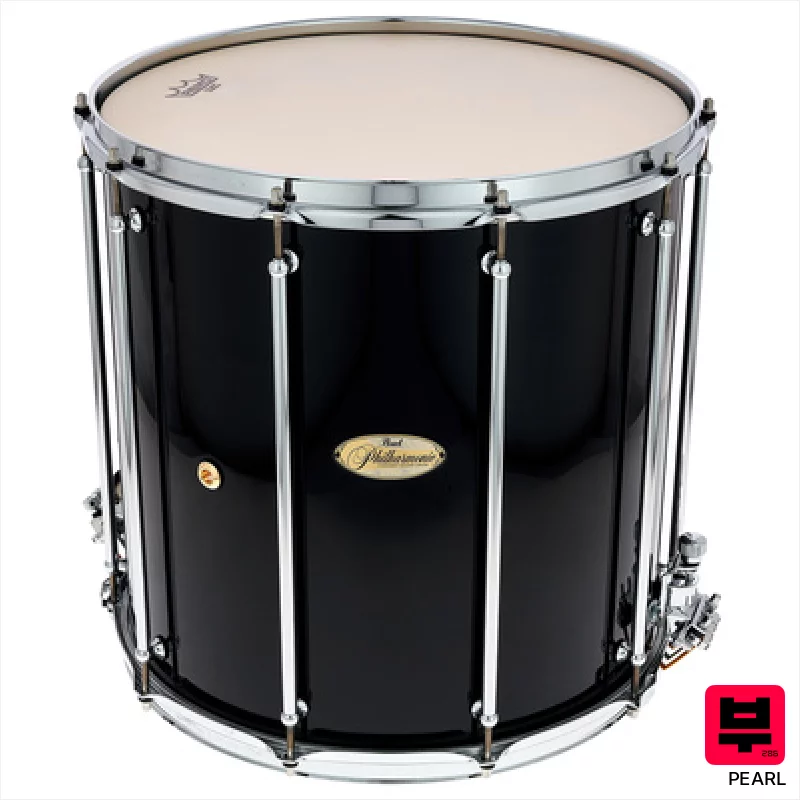
Pearl PHF-1616/C #103
- • Maple shell delivers warm, resonant tones with surprising projection
- • Vintage strainer offers a controlled, sensitive snare response
- • Special lugs contribute to a focused, vibrant shell resonance
- • Remo Renaissance head provides a vintage feel and controlled sustain
- • 16x16 size limits versatility for modern, mainstream drumming styles
- • Piano Black finish can be a fingerprint magnet and requires careful maintenance
- • Premium-priced, making it a significant investment for many drummers
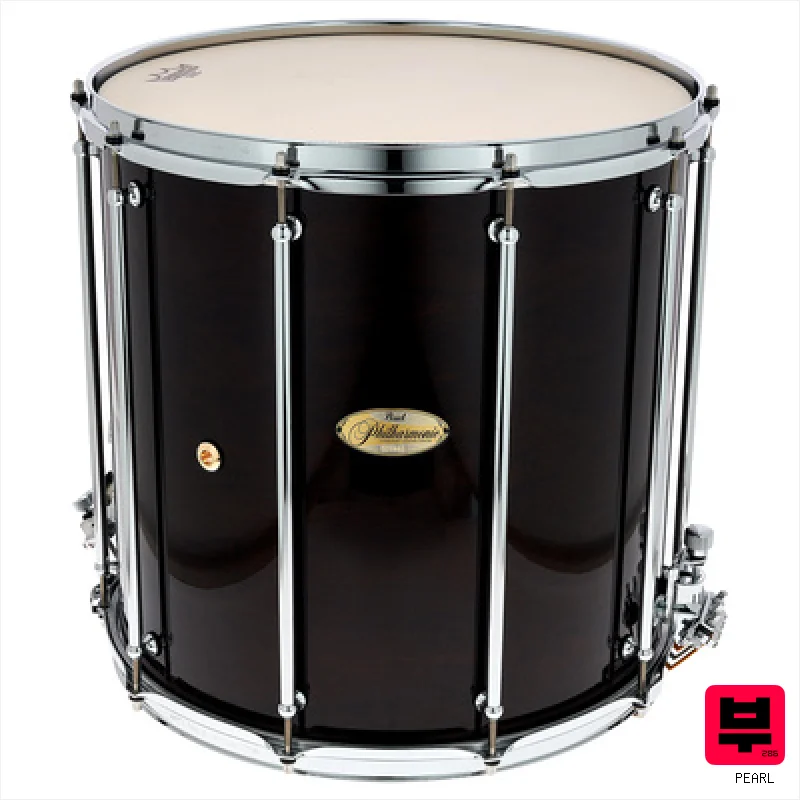
Pearl PHF-1616/C #101
- • Six-ply maple shell delivers strong, focused drum sound
- • Super Hoop II tension hoop keeps tuning stable
- • Vintage snare strainer offers precise wire control
- • Special lugs enhance overall shell resonance
- • Heavier 7.2 mm thickness adds portability weight
- • No specified net weight for field use
- • No stated warranty or return policy details
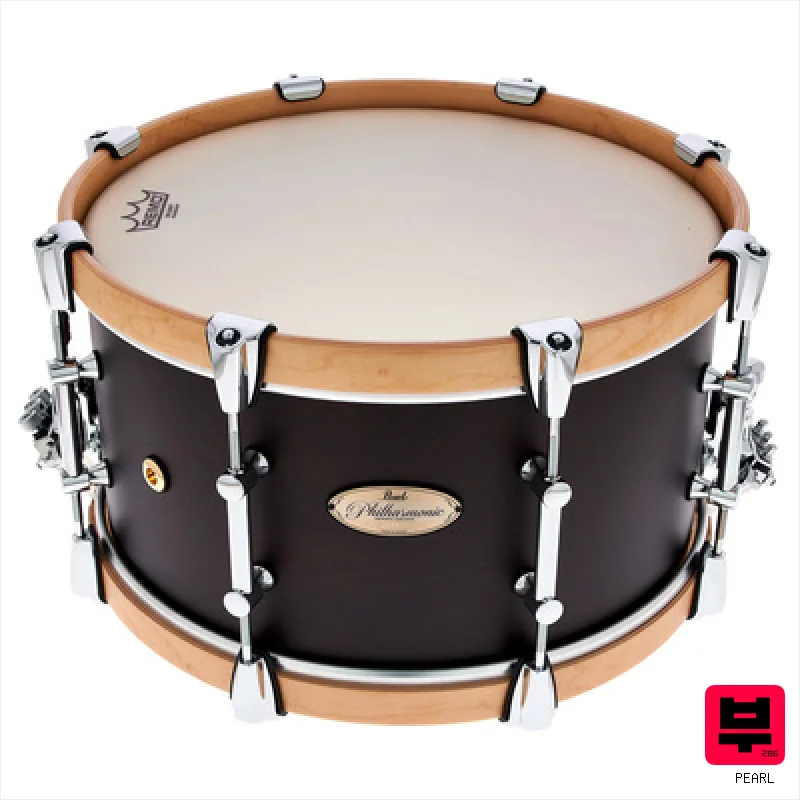
Pearl PHX-1580/C #210
- • African mahogany shell offers deep, resonant tone
- • Four-ply construction ensures solid structural integrity
- • Vintage strainer provides superior wire tension control
- • Synthetic strands reduce snare rattle and improve clarity
- • Heavy weight makes transport less convenient for touring
- • No internal dampening felt to soften the attack
- • Lacks modern electronic sensor compatibility
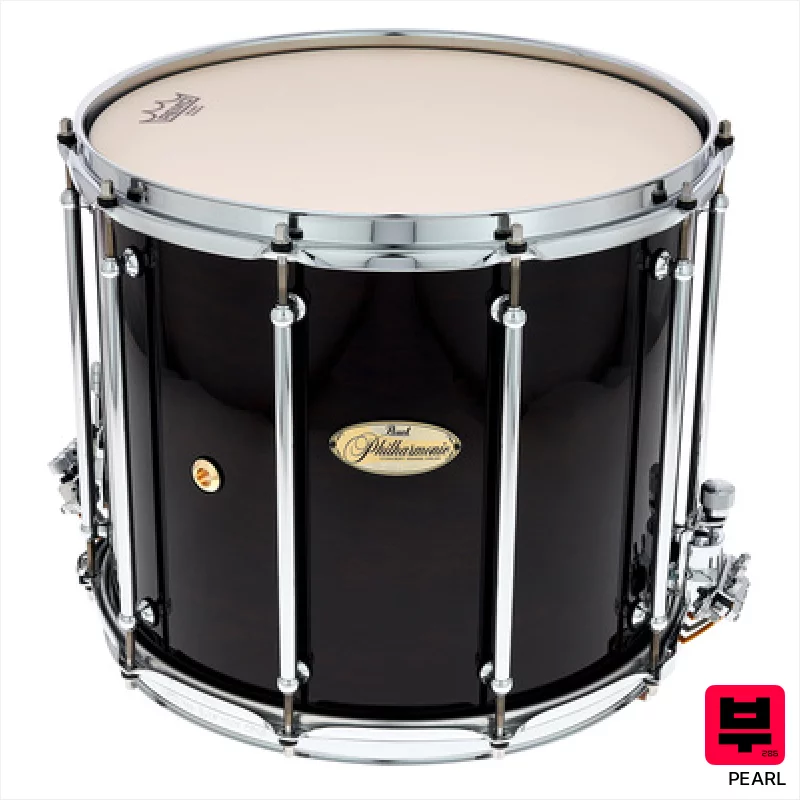
Pearl PHF-1412/C #101
- • Maple shell delivers warm, focused tone with excellent projection
- • Super Hoop II hoops enhance resonance and tuning stability
- • Vintage strainer provides a unique, controlled snare response
- • High-gloss walnut finish is stunning and durable, a real visual upgrade
- • The 7.2mm shell can feel a little thick for very nuanced, delicate playing
- • High-gloss finish requires careful handling to avoid scratches and fingerprints
- • The strainer, while cool, might not be preferred by all players – a more modern option could be more versatile
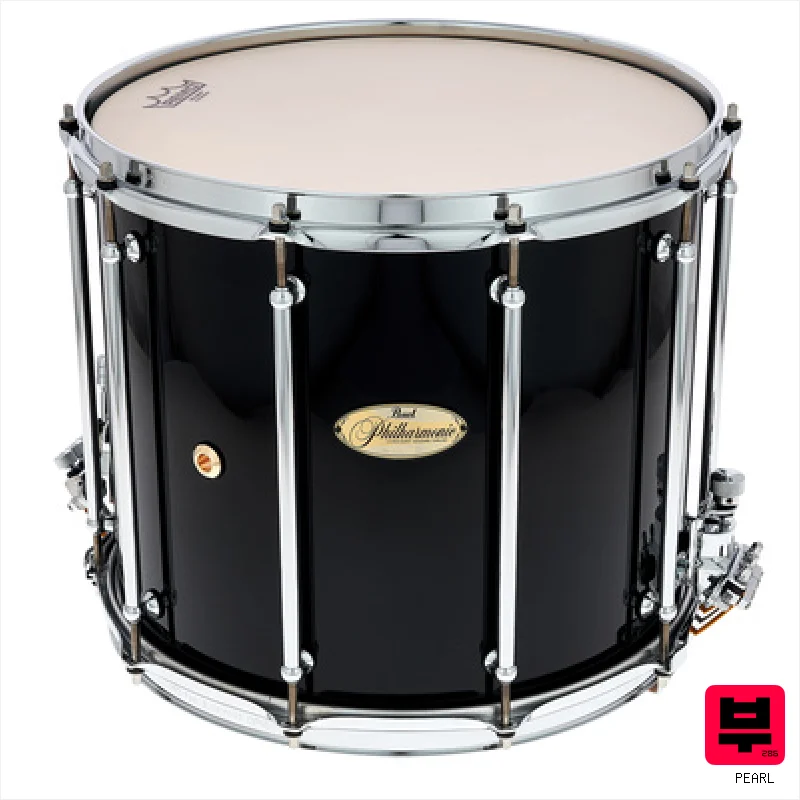
Pearl PHF-1412/C #103
- • 6-ply maple shell delivers deep, resonant sound.
- • Super Hoop II hoops provide superior wire support.
- • Vintage strainer offers classic feel and control.
- • Stainless steel brackets enhance structural integrity.
- • Heavy 14-inch size may be hard for small players.
- • No internal dampening pads listed for tone control.
- • Price point suggests premium cost for most budgets.
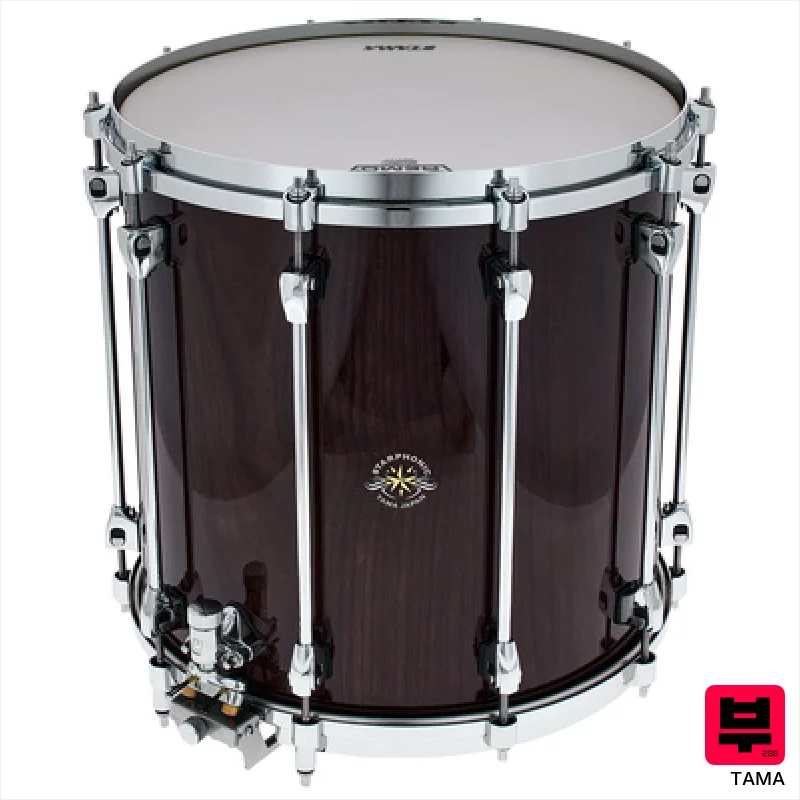
Tama CWN1414MF-GBW Starphonic
- • Walnut shell delivers a warm, resonant, and controlled tone.
- • Freedom lugs allow for optimal shell vibration and tuning stability.
- • Multiple snare wires offer a wide range of sonic possibilities.
- • Straight-sided hoops provide a crisp, articulate response and focused sound.
- • The 6mm shell can be somewhat heavy for extended playing sessions.
- • Premium-priced, potentially limiting accessibility for budget-conscious drummers.
- • Walnut's inherent brightness may require careful muffling for certain genres.

Pearl PHX-1412/C #210
- • Mahogany/Maple shell blend delivers warm, focused, and articulate tone.
- • Vintage strainer provides precise snare wire control and authentic feel.
- • Reinforcement rings prevent unwanted shell distortion and enhance projection.
- • Stainless steel brackets minimize resonance dampening for a vibrant sound.
- • Walnut matte finish can be prone to fingerprints and minor scratches.
- • 12 in depth limits its versatility for very low, rumbling sounds.
- • Premium-priced, potentially a barrier for budget-conscious players.
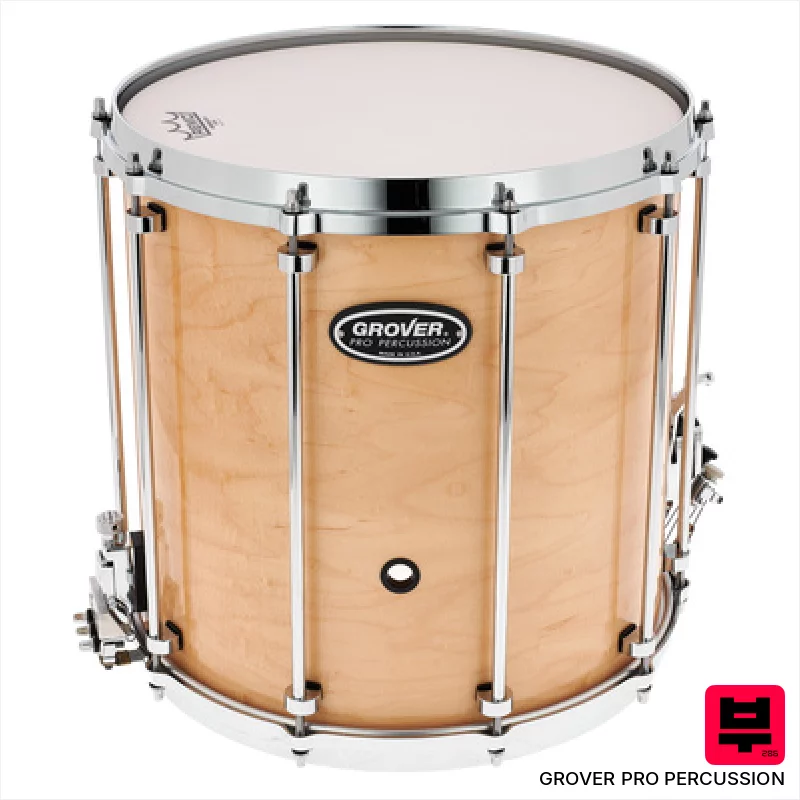
Grover Pro Percussion Field Drum G3T-N
- • 10-ply maple shell delivers warm, resonant, and controlled projection.
- • G3T triple-lift system offers exceptional sensitivity and tuning versatility.
- • Die-cast hoops provide robust response and consistent tone.
- • Grover’s index system simplifies snare tuning and recall across sets.
- • Maple shell construction makes it more susceptible to humidity changes.
- • Premium-priced, representing a significant investment for many percussionists.
- • Limited versatility; excels in orchestral and focused studio settings.
Fielddrums by the numbers
Measured across all 8 models in this category, so «wide», «short» or «expensive» mean something you can check.
How to Choose the Best Fielddrums
Shell Material & Thickness
Birch is your friend here. It delivers a warmer, more balanced tone than maple, which can be a bit too bright for field drums. Thicker shells generally provide more projection and sustain, but can also feel a bit stiffer. Finding that sweet spot is key.
Bearing Edge Profile
This is HUGE for tone. A rounded bearing edge tends to produce a warmer, more controlled sound, while a sharper edge can add more attack and sustain. Most budget field drums will lean towards a slightly rounded edge, which is generally a good thing.
Hardware Quality
Don't underestimate the importance of sturdy hardware. Cheap legs and poorly designed mounting systems will rattle and vibrate, muddying the overall sound. Look for double-braced legs and solid, well-built rims.
Finish & Lugs
While the finish isn't going to drastically affect the tone, it's a sign of overall build quality. Solid, well-machined lugs are essential for tuning stability. Cheap lugs will strip easily and won't hold a consistent tuning.
Head Selection
Stock heads are almost always a compromise. Budget field drum kits often come with basic heads that will sound...fine. But upgrading to a decent set of heads (like Evans Generators or Remo Ambassador Vintage) can make a massive difference in tone and projection. Factor this into your budget.
Buying Guide
At this price point, you're making compromises. Expect some trade-offs in hardware quality and potentially shell thickness. Don't chase the 'perfect' vintage field drum sound - that's a $5000+ endeavor. Focus on finding a kit with a decent shell, good hardware, and the potential for tonal improvement with head upgrades. Listen for a balanced tone with good projection - you want something that cuts through without being harsh or brittle.
How This List Is Built
We don't play these instruments — we're a catalog, not a review desk, and we'd rather say so than pretend otherwise. This page covers 8 fielddrums from the Thomann catalogue, which is the largest single source of specification data in this category: 8 in detail, the rest listed with their specifications.
Position is computed, not curated. We parse the manufacturer's own description into actual values — nut width, scale, fret count, fingerboard radius, size, alloy — and rank on them: how many specifications a model has published, how many of them are measurable numbers, and how precisely it meets this page's criterion. A product image adds a little. Price is not a ranking signal: it tells you nothing about whether a neck fits your hand. The same inputs always produce the same order, so nothing here is shuffled to look fresh.
What this list is good for: narrowing a category down to a shortlist by spec and budget. What it isn't: a substitute for hearing an instrument. Before you buy, read hands-on reviews and, where you can, play it. Full methodology.

