
Best Fielddrums 2026
So, you're looking at field drums? Good choice, they're a fantastic way to get a dry, focused snare sound that cuts through a mix - especially when you're battling a loud bass player or a wall of guitars. They're not your typical "thump and boom" snare, but that tight, articulate response is invaluable for everything from orchestral work to indie rock recordings. Let's break down what to look for if you're diving into the world of field drums.
Last updated: September 28, 2026

Schagerl Drums Orchestral Field Drum 14"x14"
- • The 0.8mm copper shell delivers a uniquely warm, resonant, and complex tone.
- • Schagerl’s modified strainer provides incredibly precise and responsive snare control.
- • Triple-flanged brass hoops offer exceptional durability and contribute to focused projection.
- • Solid brass bumpers ensure a clean, controlled rebound and prevent unwanted shell vibrations.
- • The raw copper finish requires diligent maintenance to prevent tarnishing and corrosion.
- • Its size and construction make it less suited for contemporary pop or electronic music.
- • The premium-priced nature limits accessibility for many percussionists.
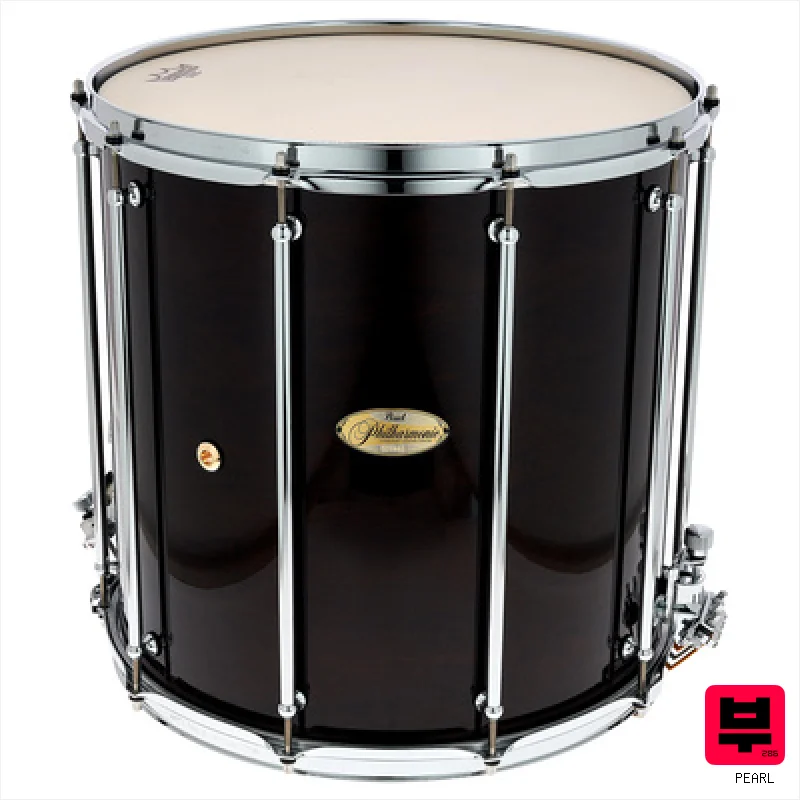
Pearl PHF-1616/C #101
- • Six-ply maple shell delivers strong, focused drum sound
- • Super Hoop II tension hoop keeps tuning stable
- • Vintage snare strainer offers precise wire control
- • Special lugs enhance overall shell resonance
- • Heavier 7.2 mm thickness adds portability weight
- • No specified net weight for field use
- • No stated warranty or return policy details
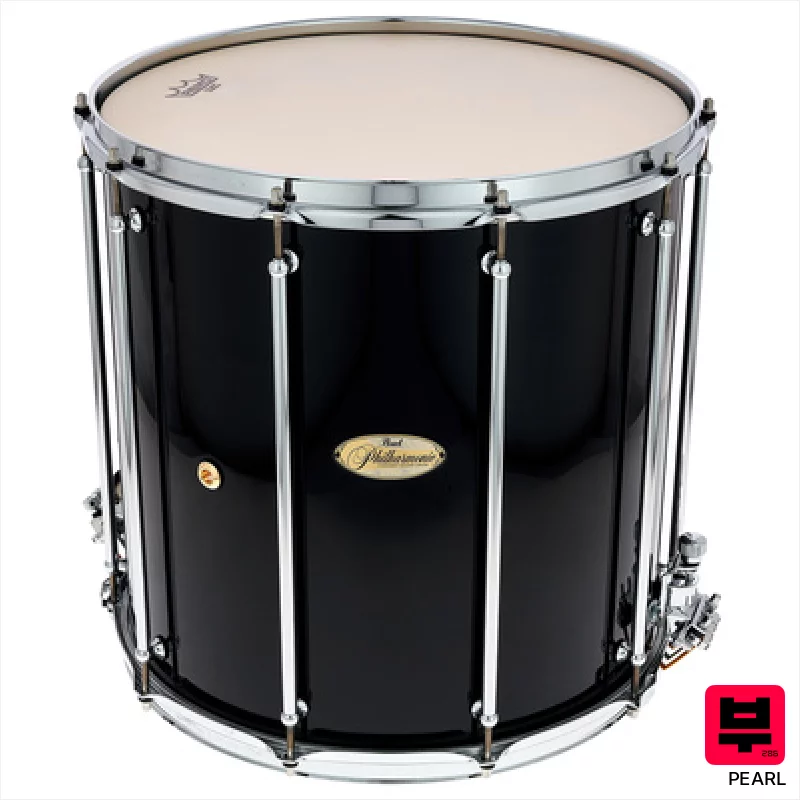
Pearl PHF-1616/C #103
- • Maple shell delivers warm, resonant tones with surprising projection
- • Vintage strainer offers a controlled, sensitive snare response
- • Special lugs contribute to a focused, vibrant shell resonance
- • Remo Renaissance head provides a vintage feel and controlled sustain
- • 16x16 size limits versatility for modern, mainstream drumming styles
- • Piano Black finish can be a fingerprint magnet and requires careful maintenance
- • Premium-priced, making it a significant investment for many drummers
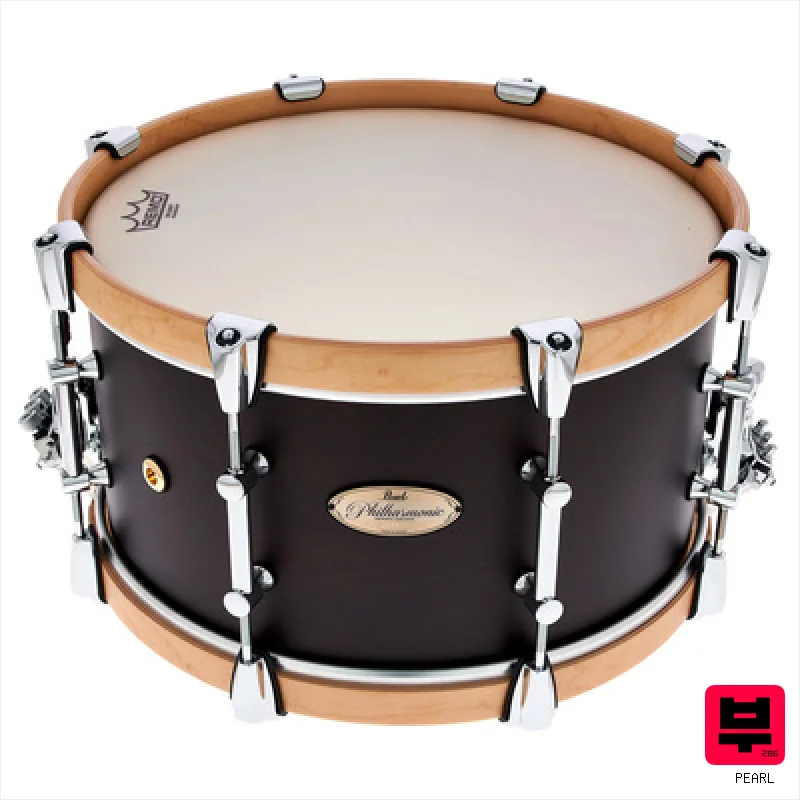
Pearl PHX-1580/C #210
- • African mahogany shell offers deep, resonant tone
- • Four-ply construction ensures solid structural integrity
- • Vintage strainer provides superior wire tension control
- • Synthetic strands reduce snare rattle and improve clarity
- • Heavy weight makes transport less convenient for touring
- • No internal dampening felt to soften the attack
- • Lacks modern electronic sensor compatibility
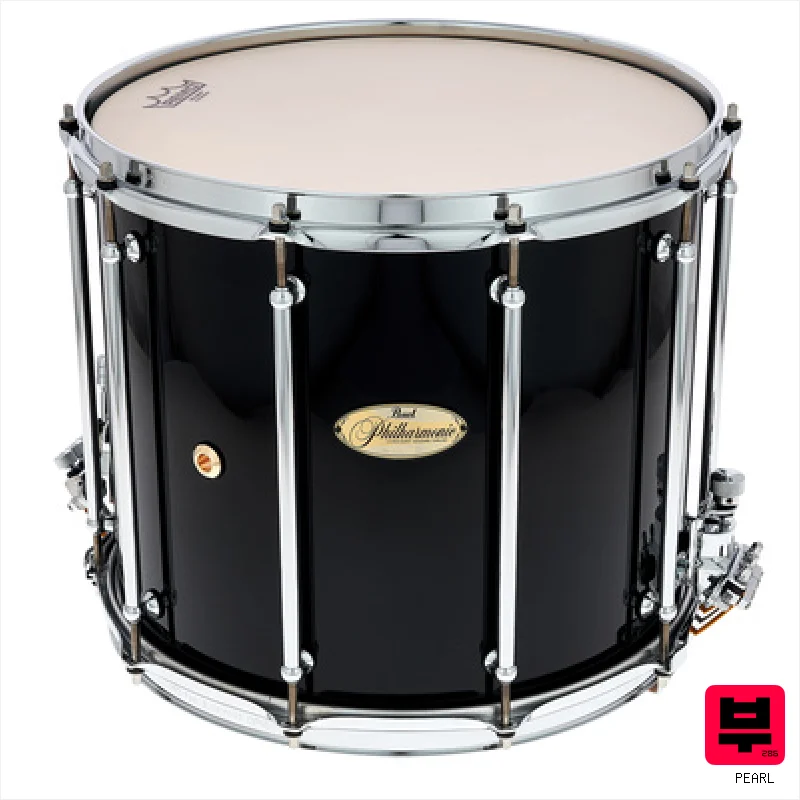
Pearl PHF-1412/C #103
- • 6-ply maple shell delivers deep, resonant sound.
- • Super Hoop II hoops provide superior wire support.
- • Vintage strainer offers classic feel and control.
- • Stainless steel brackets enhance structural integrity.
- • Heavy 14-inch size may be hard for small players.
- • No internal dampening pads listed for tone control.
- • Price point suggests premium cost for most budgets.
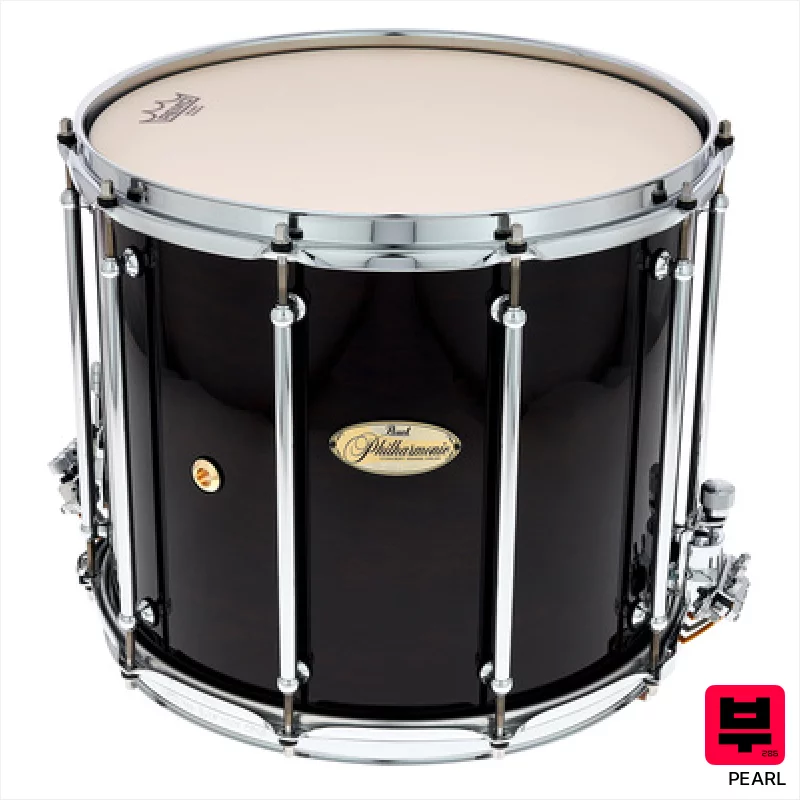
Pearl PHF-1412/C #101
- • Maple shell delivers warm, focused tone with excellent projection
- • Super Hoop II hoops enhance resonance and tuning stability
- • Vintage strainer provides a unique, controlled snare response
- • High-gloss walnut finish is stunning and durable, a real visual upgrade
- • The 7.2mm shell can feel a little thick for very nuanced, delicate playing
- • High-gloss finish requires careful handling to avoid scratches and fingerprints
- • The strainer, while cool, might not be preferred by all players – a more modern option could be more versatile
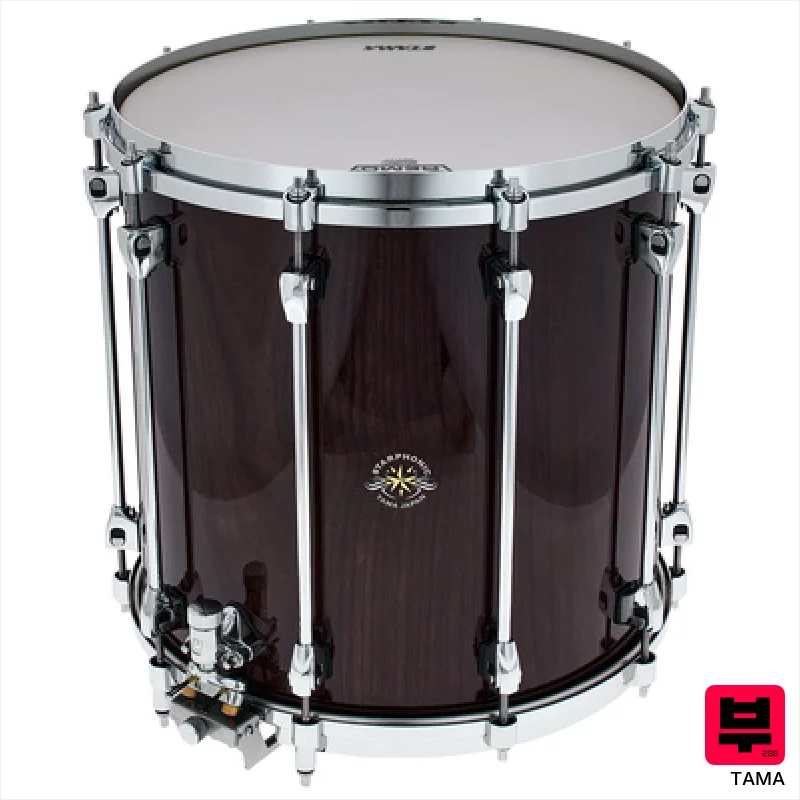
Tama CWN1414MF-GBW Starphonic
- • Walnut shell delivers a warm, resonant, and controlled tone.
- • Freedom lugs allow for optimal shell vibration and tuning stability.
- • Multiple snare wires offer a wide range of sonic possibilities.
- • Straight-sided hoops provide a crisp, articulate response and focused sound.
- • The 6mm shell can be somewhat heavy for extended playing sessions.
- • Premium-priced, potentially limiting accessibility for budget-conscious drummers.
- • Walnut's inherent brightness may require careful muffling for certain genres.

Pearl PHX-1412/C #210
- • Mahogany/Maple shell blend delivers warm, focused, and articulate tone.
- • Vintage strainer provides precise snare wire control and authentic feel.
- • Reinforcement rings prevent unwanted shell distortion and enhance projection.
- • Stainless steel brackets minimize resonance dampening for a vibrant sound.
- • Walnut matte finish can be prone to fingerprints and minor scratches.
- • 12 in depth limits its versatility for very low, rumbling sounds.
- • Premium-priced, potentially a barrier for budget-conscious players.
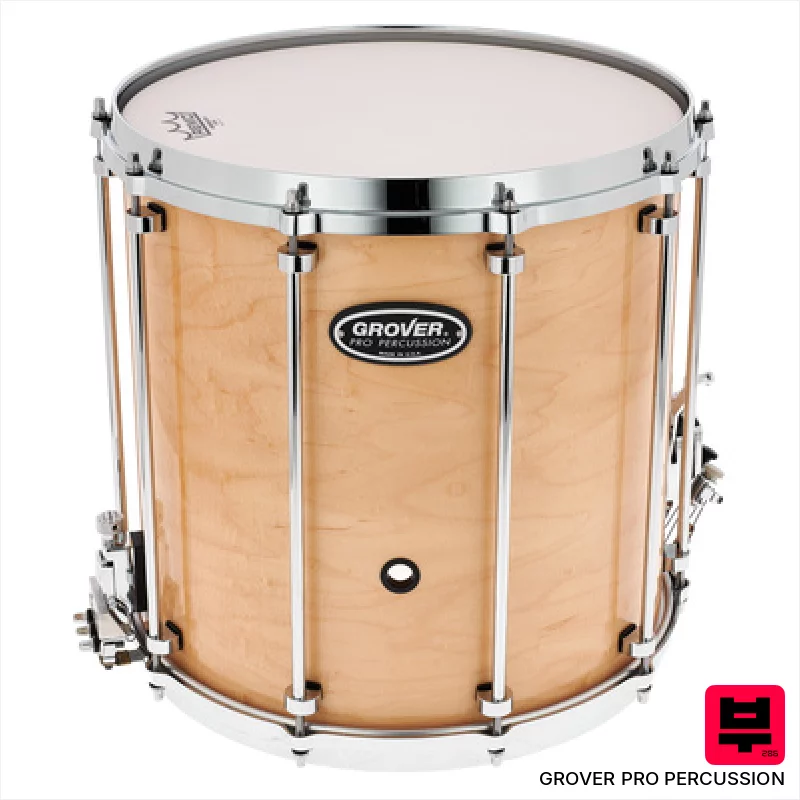
Grover Pro Percussion Field Drum G3T-N
- • 10-ply maple shell delivers warm, resonant, and controlled projection.
- • G3T triple-lift system offers exceptional sensitivity and tuning versatility.
- • Die-cast hoops provide robust response and consistent tone.
- • Grover’s index system simplifies snare tuning and recall across sets.
- • Maple shell construction makes it more susceptible to humidity changes.
- • Premium-priced, representing a significant investment for many percussionists.
- • Limited versatility; excels in orchestral and focused studio settings.
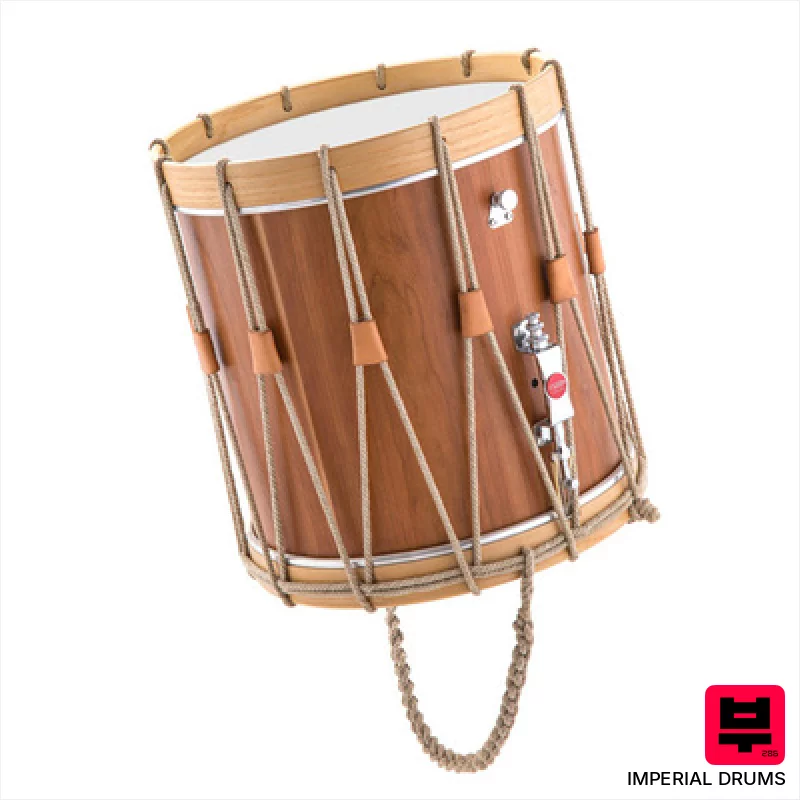
Imperial Drums Baslertrommel/Tenor Drum
- • Thin beech shell delivers a surprisingly warm, resonant tone.
- • Calfskin batter head offers excellent sensitivity and responsiveness.
- • The 3-fold string system allows for a wide range of tuning possibilities.
- • Traditional construction ensures exceptional durability and a vintage aesthetic.
- • The weight will be a factor for younger players or those needing portability.
- • Calfskin heads require more frequent maintenance and careful storage.
- • Limited versatility; primarily suited for historical performance or specific ensembles.
Fielddrums by the numbers
Measured across all 10 models in this category, so «wide», «short» or «expensive» mean something you can check.
How to Choose the Best Fielddrums
Shell Material
Maple, birch, and African mahogany are common. Maple offers warmth and sustain, birch is punchy and cuts well, and mahogany gives you a darker, more woody tone. It's a huge factor in the overall articulation and how the drum sits in a mix - maple is great for softer dynamics, birch for aggressive playing.
Bearing Edge
This is critical. A sharper, more defined bearing edge will bring out more attack and clarity. Rounded edges soften the sound, which can be good for certain styles but generally result in less projection. Pay attention to the consistency of the edge - unevenness will kill your tuning stability.
Rim Type
Chrome rims are standard, but you'll also find brass and even wood. Brass rims tend to brighten the sound, while wood rims add warmth and a more vintage vibe. The thickness of the rim also affects sustain and resonance - a thicker rim will dampen the drum slightly.
Depth
Field drums are generally shallower than standard snares (typically 5" to 6"). Deeper drums will have more low-end and resonance, while shallower drums will be tighter and more focused. Think about the sonic space you need to fill in your band.
Hardware Quality
Don't underestimate the importance of solid lugs, a responsive strainer, and a stable throw-off. Cheap hardware will rattle, corrode, and generally be a pain to deal with - especially on a drum that's going to see some travel.
Buying Guide
Field drums are often a trade-off: you're sacrificing some low-end thump for focused articulation. Cheaper models will often cut corners on the bearing edge and hardware, which can significantly impact the drum's performance. Spending a little more on a drum with a well-executed bearing edge and decent hardware is almost always worth it - it'll save you headaches down the road. Don't get caught up in flashy finishes; focus on the fundamentals.
How This List Is Built
We don't play these instruments — we're a catalog, not a review desk, and we'd rather say so than pretend otherwise. This page covers 10 fielddrums from the Thomann catalogue, which is the largest single source of specification data in this category: 10 in detail, the rest listed with their specifications.
Position is computed, not curated. We parse the manufacturer's own description into actual values — nut width, scale, fret count, fingerboard radius, size, alloy — and rank on them: how many specifications a model has published, how many of them are measurable numbers, and how precisely it meets this page's criterion. A product image adds a little. Price is not a ranking signal: it tells you nothing about whether a neck fits your hand. The same inputs always produce the same order, so nothing here is shuffled to look fresh.
What this list is good for: narrowing a category down to a shortlist by spec and budget. What it isn't: a substitute for hearing an instrument. Before you buy, read hands-on reviews and, where you can, play it. Full methodology.

