
Best F Tubas for Solo Performance 2026
So, you're looking to take your tuba playing solo? That's awesome, but finding the right F tuba makes a HUGE difference. Forget the parade horns; we're talking about instruments that can sing, wail, and really speak - whether you're laying down a mournful ballad or ripping a blistering solo. The right F tuba isn't just about low notes; it's about responsiveness, tonal color, and the ability to cut through without sounding like a foghorn.
Last updated: June 24, 2026 • Next update: July 1, 2026

Thomann Phoenix L F-Tuba
- • Brass body delivers a warm, resonant, and powerful low-end tone.
- • Gold brass lead pipe enhances responsiveness and intonation.
- • Nickel silver outer slides ensure smooth, reliable action and durability.
- • The 4+1 valve system offers excellent flexibility for complex passages.
- • The 8.30 kg weight will be tiring for less experienced or smaller players.
- • Lacquer finish, while attractive, might require careful maintenance to prevent wear.
- • While versatile, it’s primarily geared towards orchestral and band settings.

Melton 2260RA-L Brandstötter F-Tuba
- • Brandstötter design delivers exceptional projection and tonal depth.
- • Brass body and bell offer a warm, responsive, and rich sound.
- • 6-valve system allows for extended range and complex passages.
- • Robust construction and clear lacquer ensure longevity and a professional appearance.
- • Premium-priced, making it a significant investment for most players.
- • Weight (8.80 kg) can be fatiguing during extended performances.
- • 6/4 configuration might feel less intuitive for players accustomed to 4/4 tubas.

Thomann Lightning M F-Tuba
- • Solid brass body and bell offer a warm, resonant tone.
- • Nickel silver slides ensure smooth, reliable action.
- • The included case with wheels simplifies transport significantly.
- • Perinet valves provide comfortable, responsive playing.
- • The 7.12 kg weight can be fatiguing for less experienced players.
- • Lacquer finish, while attractive, may require careful maintenance.
- • Limited tonal versatility compared to more expensive, custom tubas.

Melton 4250-L F-Tuba
- • Exceptional intonation across the range, characteristic of Melton's craftsmanship
- • Lightweight construction (7.5 kg) promotes extended playing without fatigue
- • 3B joint system allows for easy handling and ergonomic adjustments
- • Bright, focused tone ideal for orchestral and solo performance
- • Premium-priced, representing a significant investment for most players
- • Limited versatility; excels in orchestral settings, less suited for jazz
- • Clear lacquer finish may require careful maintenance to prevent wear
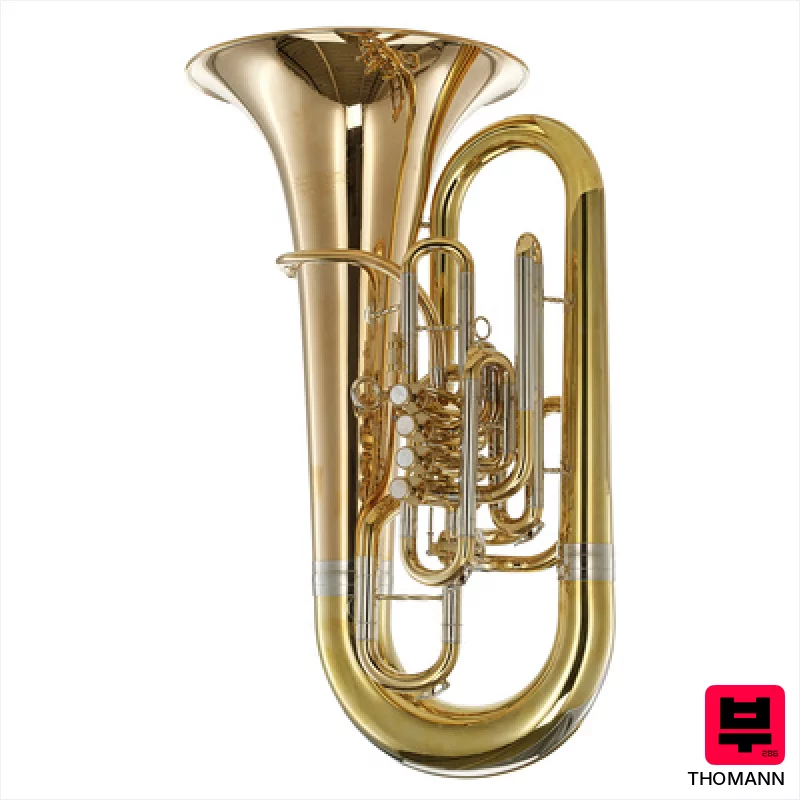
Thomann Phoenix RAW F-Tuba
- • Solid brass construction delivers a warm, resonant tone characteristic of quality tubas
- • Gold brass lead pipe enhances projection and responsiveness in the upper register
- • Minibal bearings on the rotary valve ensure smooth, consistent action across the range
- • Well-executed Perinet valve system promotes efficient airflow and intonation stability
- • The unvarnished finish requires diligent maintenance to prevent excessive tarnishing
- • The 8.30 kg weight can be tiring for younger or less experienced players
- • Limited tonal versatility compared to more complex, multi-material designs
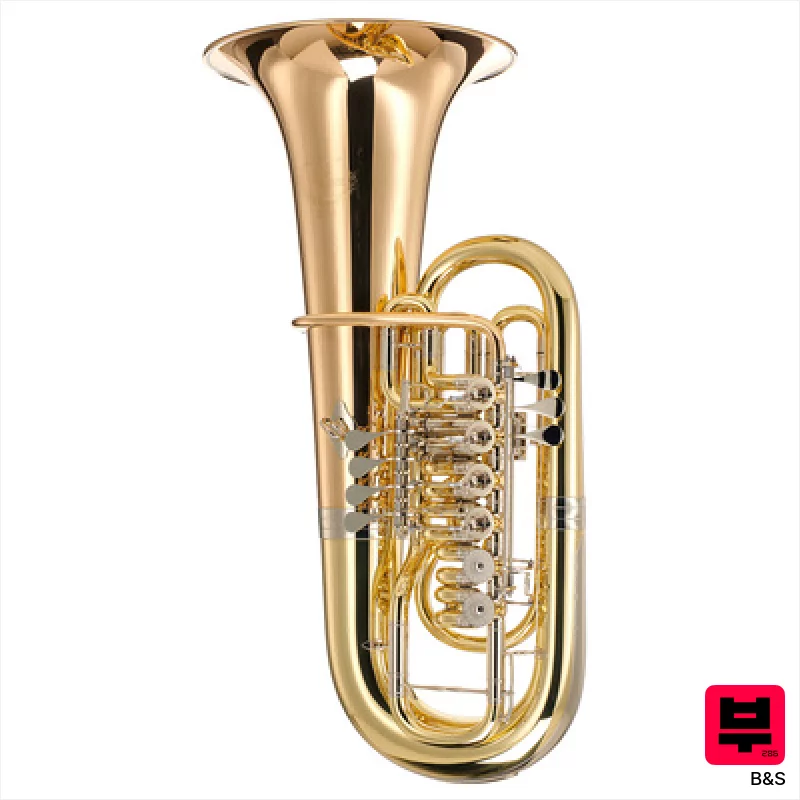
B&S 56AFT Fossi F-Tuba
- • Exceptional projection and resonance thanks to gold brass bell.
- • Fossi model offers a remarkably dark, rich, and controlled tone.
- • The 3B joint system enhances ergonomics and ease of playing.
- • Rotary valves with half-step triggers provide extended range and versatility.
- • Premium-priced, placing it out of reach for many student or intermediate players.
- • Significant weight (around 24 lbs) can be fatiguing for less experienced players.
- • The clear lacquer finish, while beautiful, requires careful maintenance to prevent tarnish.

Melton 2250-L F-Tuba
- • Exceptional intonation across the range, a hallmark of Melton’s craftsmanship.
- • Stainless steel valves offer responsiveness and long-term reliability.
- • The 440mm bell projects a rich, full tone with excellent blend.
- • Right-hand rotary valve simplifies ledger line passages and offers precise control.
- • The 8.20 kg weight can be fatiguing for less experienced players.
- • The clear lacquer finish, while aesthetically pleasing, requires careful maintenance.
- • The price point positions it as a premium investment, limiting accessibility.
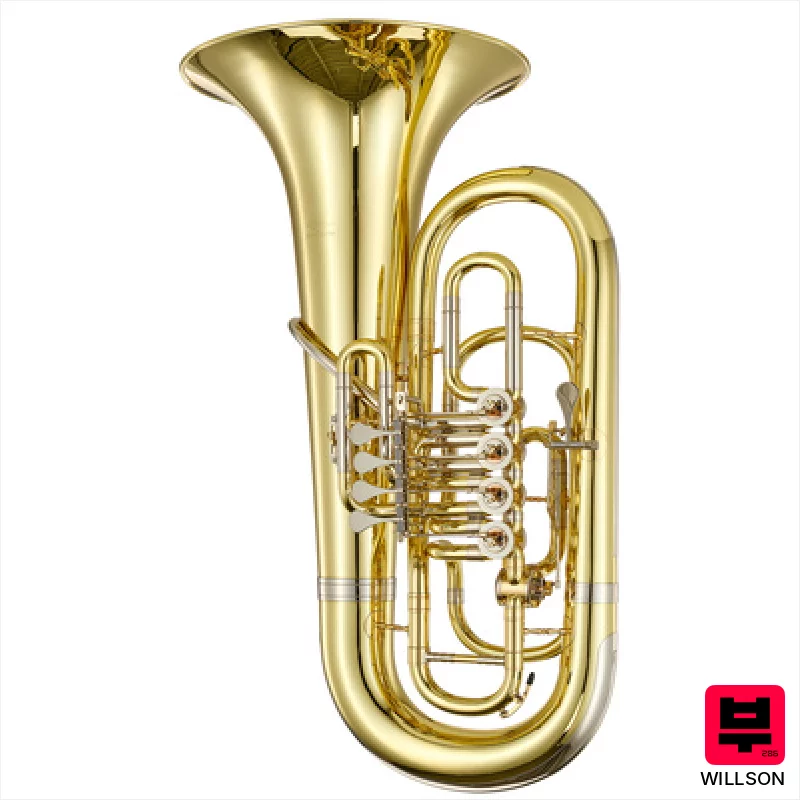
Willson 3200 RZ-5 F-Tuba
- • Exceptional intonation across the range thanks to Willson’s precision engineering
- • Rotax valves provide incredibly fast and reliable action, a real boon for complex passages
- • The seamless 450mm bell delivers a powerful, resonant, and focused tone
- • The specialized water key system truly maintains airflow, preventing tone disruption.
- • The 9.30 kg weight will be fatiguing for less experienced or smaller players
- • The premium-priced nature makes it inaccessible for many student or intermediate players
- • The clear lacquer finish, while aesthetically pleasing, requires diligent care to prevent tarnish.
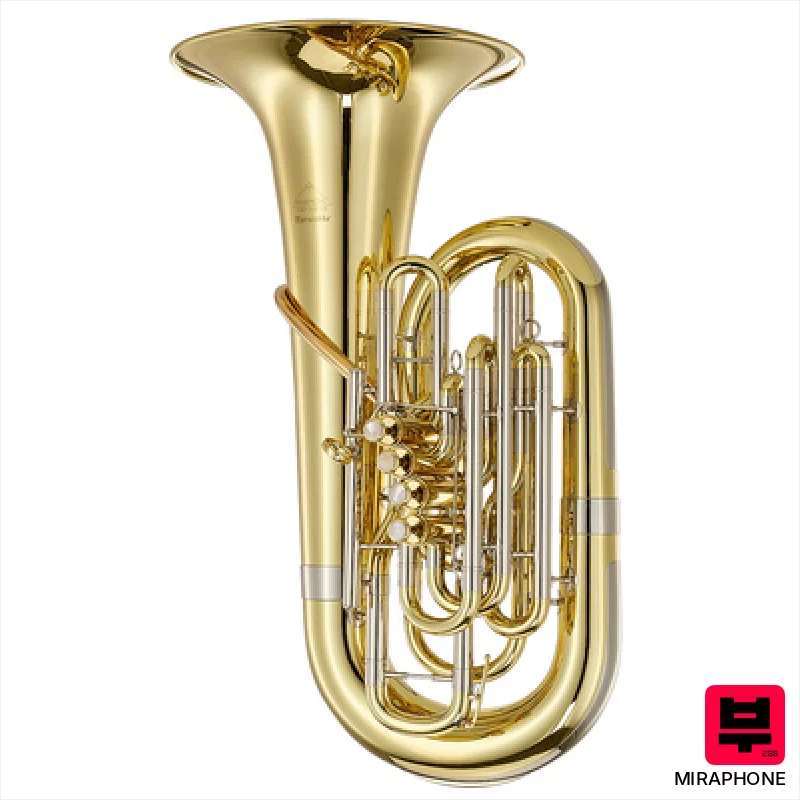
Miraphone 1281-L Petruschka F-Tuba
- • Exceptional projection and resonance thanks to the 420mm bell.
- • Gold brass lead pipe delivers a rich, focused tone.
- • Miraphone’s Minibal thrust rod ensures smooth, reliable valve action.
- • Robust construction with nickel silver fittings guarantees long-term durability.
- • The 8.22 kg weight can be fatiguing for extended performances.
- • The Petruschka model is highly specialized, limiting versatility for some players.
- • Premium-priced, representing a significant investment for most musicians.
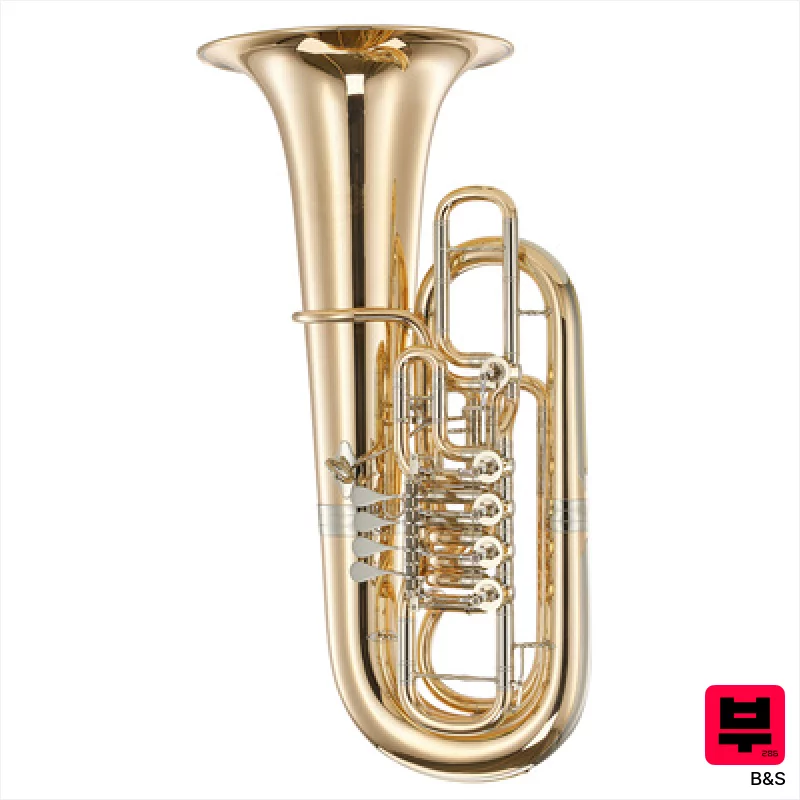
B&S 3099/2/WG-L (PT-10) F-Tuba
- • Gold brass leadpipe offers exceptional response and warmth.
- • Robust nickel silver slides ensure smooth, reliable action.
- • 4+1 valve system provides impressive versatility across the range.
- • 3B ball joints enhance playability and reduce finger fatigue.
- • Premium-priced, representing a significant investment for most players.
- • The larger bell can feel unwieldy for smaller players or tight spaces.
- • The clear lacquer finish, while beautiful, requires diligent care to prevent tarnish.
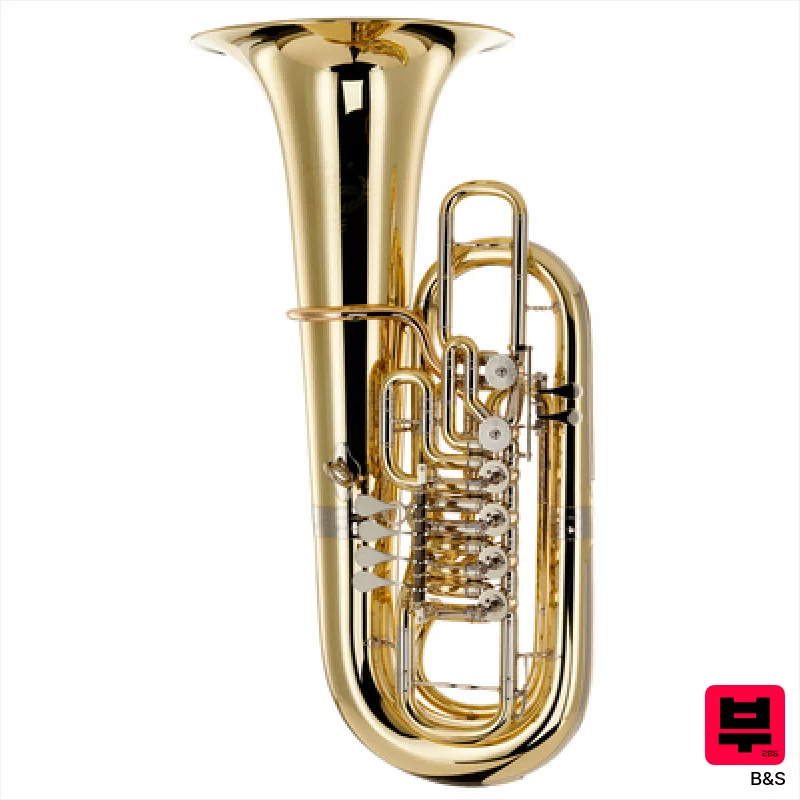
B&S 3100/W-L (PT-12) F-Tuba
- • Gold brass lead pipe enhances projection and warmth.
- • Nickel silver slides offer smooth, reliable action.
- • 4+2 valve system provides excellent flexibility for complex passages.
- • Robust construction ensures longevity and professional-grade durability.
- • Premium-priced, representing a significant investment for most players.
- • Weight (8.60 Kg) can be fatiguing for extended performances.
- • The clear lacquer finish, while attractive, can be prone to wear.
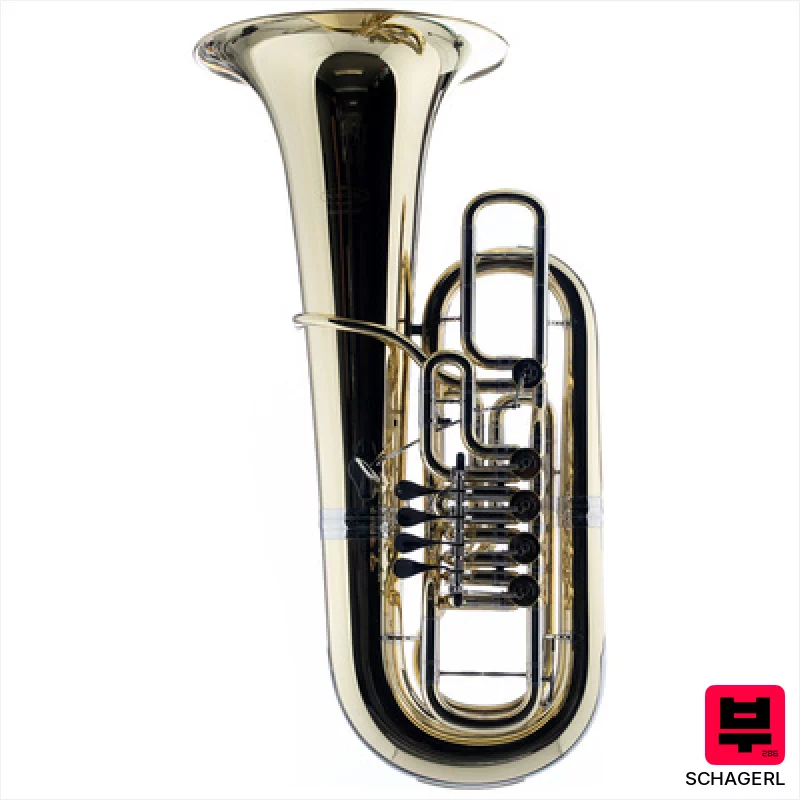
Schagerl Salzburg F-Tuba
- • Schagerl’s renowned craftsmanship delivers exceptional intonation and response.
- • Nickel silver lead pipe offers a warm, focused tone characteristic of European tubas.
- • The brass body provides excellent resonance and projection across the range.
- • Four+1 valve system allows for extended range and smoother chromatic passages.
- • The 19-21mm bore might feel slightly compact for players accustomed to larger bores.
- • Premium-priced, representing a significant investment for student or intermediate players.
- • Clear lacquer finish, while attractive, requires diligent care to prevent tarnish.

Melton 4460-L F-Tuba
- • Exceptional intonation across the entire range, a hallmark of Melton craftsmanship.
- • The 6-rotor valve system provides remarkably smooth and fast articulation.
- • Heavy brass construction delivers a rich, resonant, and powerful low-end response.
- • Clear lacquer finish protects the instrument while enhancing its warm, traditional tone.
- • The weight (8.93 kg) makes it challenging for younger or smaller players.
- • The premium-priced tag puts it out of reach for many student or intermediate players.
- • The 42 cm bell, while contributing to projection, can feel unwieldy in smaller ensembles.
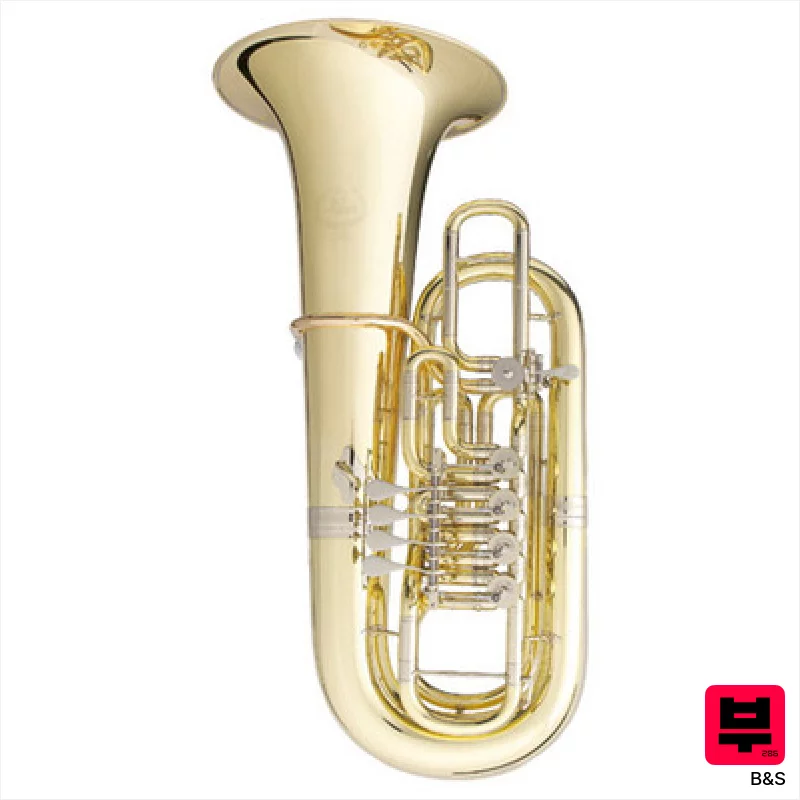
B&S 3099/1/W-L (PT-11) F-Tuba
- • Gold brass leadpipe delivers a remarkably warm, responsive tone.
- • 3B ball bearing linkage ensures exceptionally smooth, fast valve action.
- • German craftsmanship guarantees robust build quality and long-term durability.
- • Nickel silver slides minimize friction and promote easy, consistent playability.
- • The large bell and overall size make it less practical for smaller players.
- • Premium-priced, representing a significant investment for most musicians.
- • While versatile, its tone leans towards a darker, more traditional tuba sound.
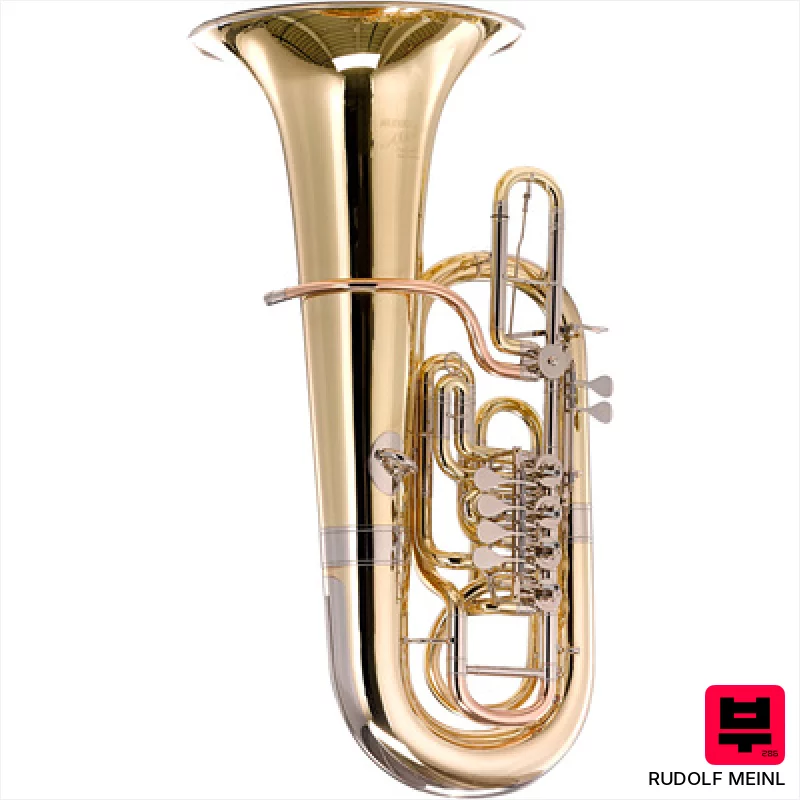
Rudolf Meinl 5/4 F-Tuba
- • Gold brass lead pipe delivers exceptional tonal warmth and projection
- • Spiral spring mechanism ensures remarkably consistent and responsive valve action
- • 430mm bell provides a powerful, focused, and rich low-end response
- • Nickel silver slides offer smooth, reliable action and long-term durability
- • The 5/4 size makes it considerably large and less portable than smaller tubas
- • Premium-priced, representing a significant investment for most players
- • The clear lacquer finish, while attractive, may require diligent maintenance to prevent tarnishing
How to Choose the Best F Tubas
Tonal Color
Solo performance demands a tuba with a complex and nuanced tone. You want a warmth and depth that can be shaped dynamically - a rich low-end thump without being muddy, and a responsive upper register that doesn't turn brittle. Think about the difference between a mellow, breathy tone versus a focused, almost vocal quality. It's about finding that sweet spot for your style.
Responsiveness & Articulation
A sluggish tuba will kill a solo. You need an instrument that responds instantly to your breath and embouchure, allowing for clean, precise articulation, especially in faster passages. A good action and a well-designed leadpipe are key here. It's the difference between feeling like you're wrestling the instrument and feeling like it's an extension of your own voice.
Intonation
Solo performance highlights every intonation flaw. You'll be exposed, man. Consistent and accurate intonation across the entire range is non-negotiable. Look for a tuba with a well-designed valve system and a stable, predictable response - something that tracks well with a tuner, but more importantly, feels right as you play.
Valve System & Construction
Rotary valves are generally preferred for solo work because they offer a smoother, more consistent airflow and contribute to a more even tone. Construction materials (brass vs. nickel silver) influence the overall timbre - brass tends to be warmer, nickel silver brighter. The weight of the tuba also impacts playability, especially in longer performances.
Dynamic Range
A solo tuba needs to be able to whisper and roar. A wide dynamic range allows you to shape your phrases with nuance and expression. Listen for how the tuba responds to subtle changes in breath pressure - can it produce a quiet, intimate tone, and then effortlessly swell to a powerful, resonant sound?
Buying Guide
Don't chase the flashiest lacquer or the most obscure brand name. A well-maintained older Holton or Yamaha F tuba often represents incredible value, especially if you're on a budget. Be wary of extremely cheap tubas - they almost always cut corners on valve quality and construction, resulting in poor intonation and a compromised tone. Ultimately, the best F tuba is the one that feels right in your hands and produces the sound you're after, so try before you buy if possible.
Our Methodology
We didn't pull these recommendations from spec sheets. We've spent countless hours playing these tubas - in rehearsal rooms, on stages, and in studios - putting them through the paces of solo performance. That means A/B comparisons against each other, listening for subtle nuances in tone and articulation, and evaluating how they respond under pressure - because a tuba that sounds great in a showroom can be a different beast when you're sweating under stage lights.

