
Best F Tubas for Orchestra 2026
So, you're looking for an F tuba for orchestra? It's a serious commitment, and getting the right one can make or break your playing experience. The F tuba's role in the orchestra isn't just about laying down the low end; it's about a warm, resonant foundation that blends beautifully with the rest of the ensemble - not a muddy, indistinct rumble. Let's cut through the noise and find you a horn that'll sing.
Last updated: June 24, 2026 • Next update: July 1, 2026
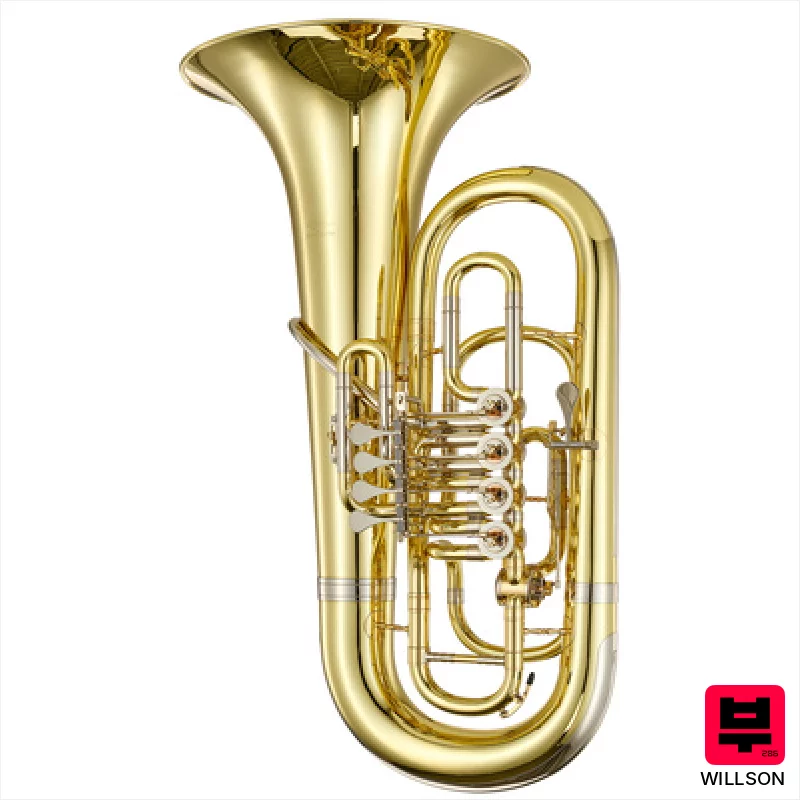
Willson 3200 RZ-5 F-Tuba
- • Exceptional intonation across the range thanks to Willson’s precision engineering
- • Rotax valves provide incredibly fast and reliable action, a real boon for complex passages
- • The seamless 450mm bell delivers a powerful, resonant, and focused tone
- • The specialized water key system truly maintains airflow, preventing tone disruption.
- • The 9.30 kg weight will be fatiguing for less experienced or smaller players
- • The premium-priced nature makes it inaccessible for many student or intermediate players
- • The clear lacquer finish, while aesthetically pleasing, requires diligent care to prevent tarnish.

Thomann Phoenix L F-Tuba
- • Brass body delivers a warm, resonant, and powerful low-end tone.
- • Gold brass lead pipe enhances responsiveness and intonation.
- • Nickel silver outer slides ensure smooth, reliable action and durability.
- • The 4+1 valve system offers excellent flexibility for complex passages.
- • The 8.30 kg weight will be tiring for less experienced or smaller players.
- • Lacquer finish, while attractive, might require careful maintenance to prevent wear.
- • While versatile, it’s primarily geared towards orchestral and band settings.

B&S 3100-L (PT-9) F-Tuba
- • Gold brass leadpipe delivers exceptional warmth and projection
- • 3B Ball bearing linkage ensures remarkably smooth and fast valve action
- • German craftsmanship guarantees exceptional build quality and longevity
- • 4+2 valve system offers extended range and tonal flexibility
- • Premium-priced, making it a significant investment for many players
- • Weight of 8.8 kg can be fatiguing for extended performances
- • The clear lacquer finish, while beautiful, is prone to fingerprints
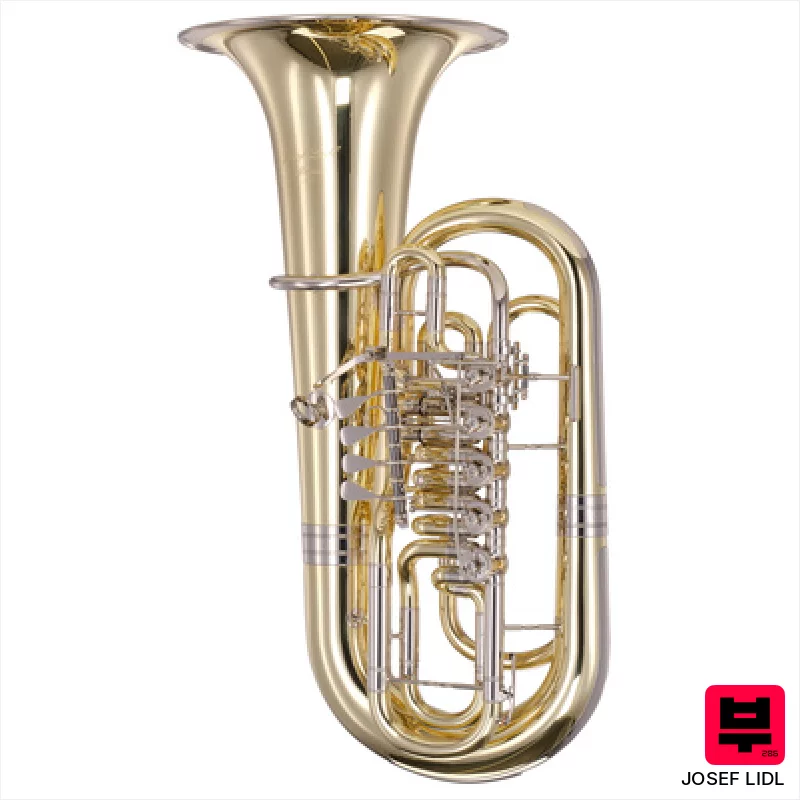
Josef Lidl Moldau LFB 654-5ILR F-Tuba
- • Exceptional intonation across the range, a hallmark of Lidl craftsmanship.
- • The nickel silver wreath enhances projection and tonal complexity.
- • Well-balanced action provides effortless playing and quick response.
- • Clear lacquer finish protects the instrument while preserving its natural resonance.
- • The 7.15kg weight can be tiring for younger or smaller players.
- • F tubas are less versatile than Bb/F options, limiting some repertoire.
- • Premium-priced, representing a significant investment for many players.
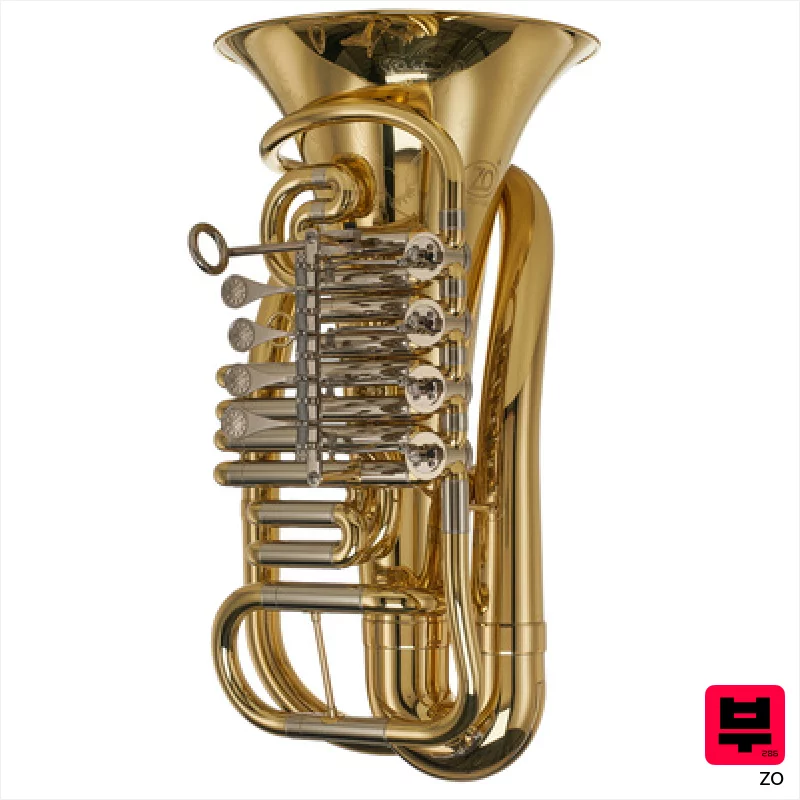
ZO ZTU-F800L F-Tuba
- • Compact design makes it truly travel-friendly and manageable.
- • Brass body provides a warm, resonant tone characteristic of higher-end tubas.
- • Rotary valves offer reliable, precise intonation across the range.
- • Clear lacquer finish protects the brass and enhances its visual appeal.
- • The smaller bell size limits its projection compared to full-size tubas.
- • At 6.75 kg, it’s still a heftier instrument for extended playing.
- • The 18C mouthpiece is a decent starting point, but serious players will likely upgrade.
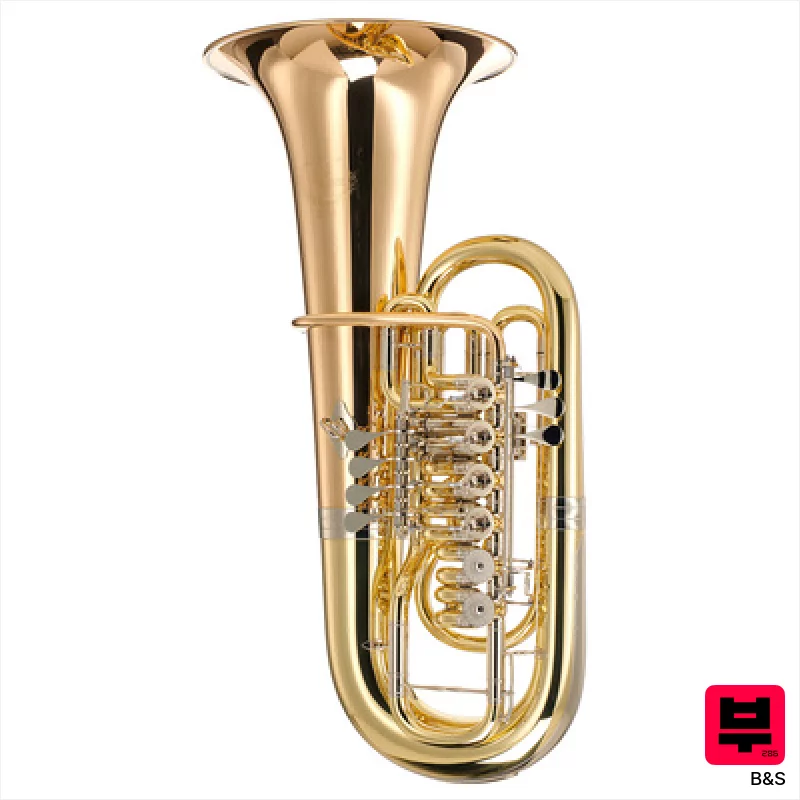
B&S 56AFT Fossi F-Tuba
- • Exceptional projection and resonance thanks to gold brass bell.
- • Fossi model offers a remarkably dark, rich, and controlled tone.
- • The 3B joint system enhances ergonomics and ease of playing.
- • Rotary valves with half-step triggers provide extended range and versatility.
- • Premium-priced, placing it out of reach for many student or intermediate players.
- • Significant weight (around 24 lbs) can be fatiguing for less experienced players.
- • The clear lacquer finish, while beautiful, requires careful maintenance to prevent tarnish.
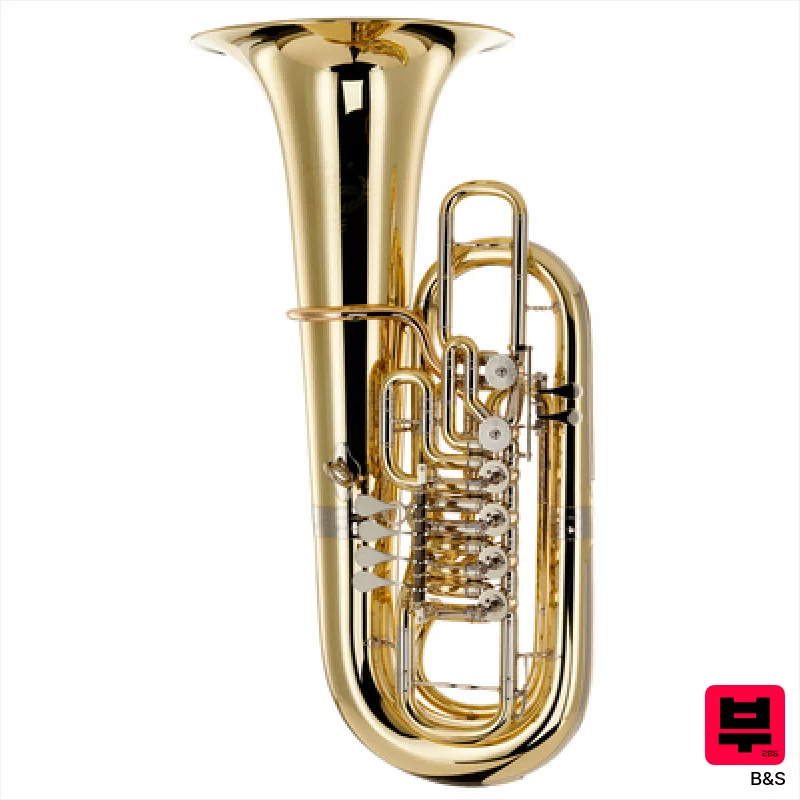
B&S 3100/W-L (PT-12) F-Tuba
- • Gold brass lead pipe enhances projection and warmth.
- • Nickel silver slides offer smooth, reliable action.
- • 4+2 valve system provides excellent flexibility for complex passages.
- • Robust construction ensures longevity and professional-grade durability.
- • Premium-priced, representing a significant investment for most players.
- • Weight (8.60 Kg) can be fatiguing for extended performances.
- • The clear lacquer finish, while attractive, can be prone to wear.
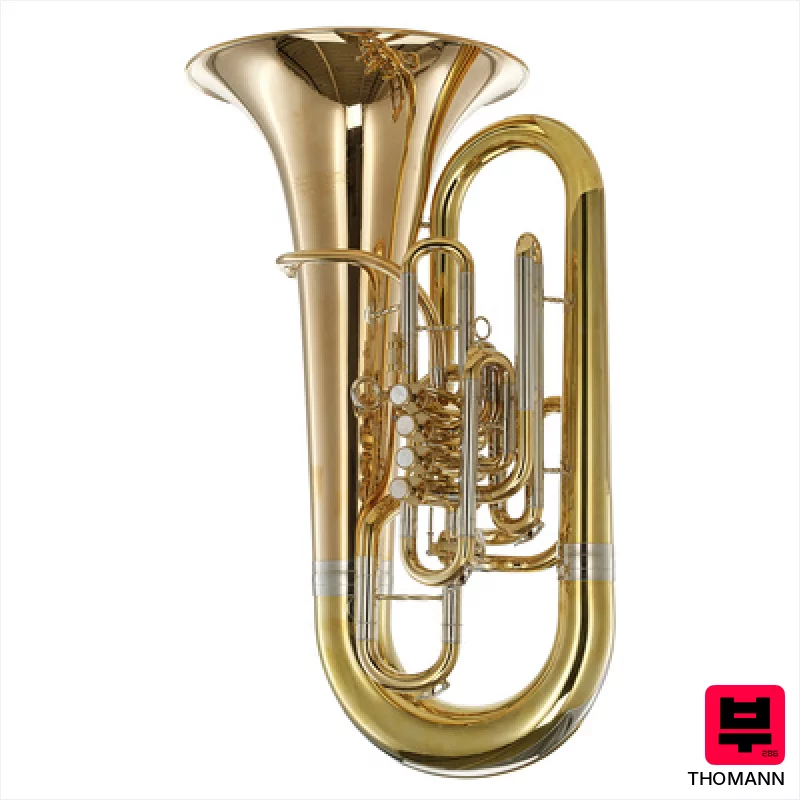
Thomann Phoenix RAW F-Tuba
- • Solid brass construction delivers a warm, resonant tone characteristic of quality tubas
- • Gold brass lead pipe enhances projection and responsiveness in the upper register
- • Minibal bearings on the rotary valve ensure smooth, consistent action across the range
- • Well-executed Perinet valve system promotes efficient airflow and intonation stability
- • The unvarnished finish requires diligent maintenance to prevent excessive tarnishing
- • The 8.30 kg weight can be tiring for younger or less experienced players
- • Limited tonal versatility compared to more complex, multi-material designs
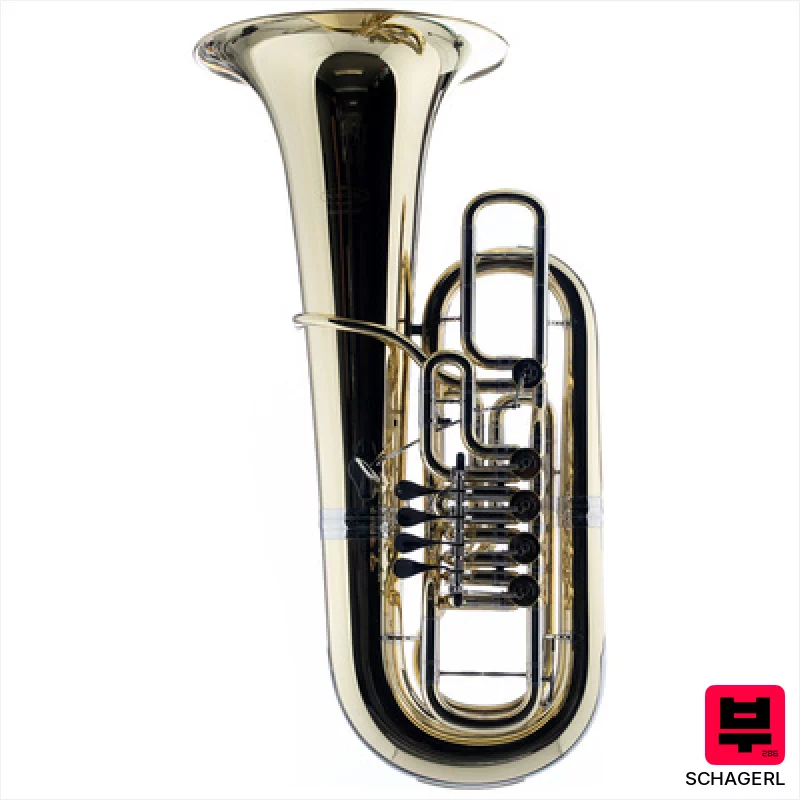
Schagerl Salzburg F-Tuba
- • Schagerl’s renowned craftsmanship delivers exceptional intonation and response.
- • Nickel silver lead pipe offers a warm, focused tone characteristic of European tubas.
- • The brass body provides excellent resonance and projection across the range.
- • Four+1 valve system allows for extended range and smoother chromatic passages.
- • The 19-21mm bore might feel slightly compact for players accustomed to larger bores.
- • Premium-priced, representing a significant investment for student or intermediate players.
- • Clear lacquer finish, while attractive, requires diligent care to prevent tarnish.
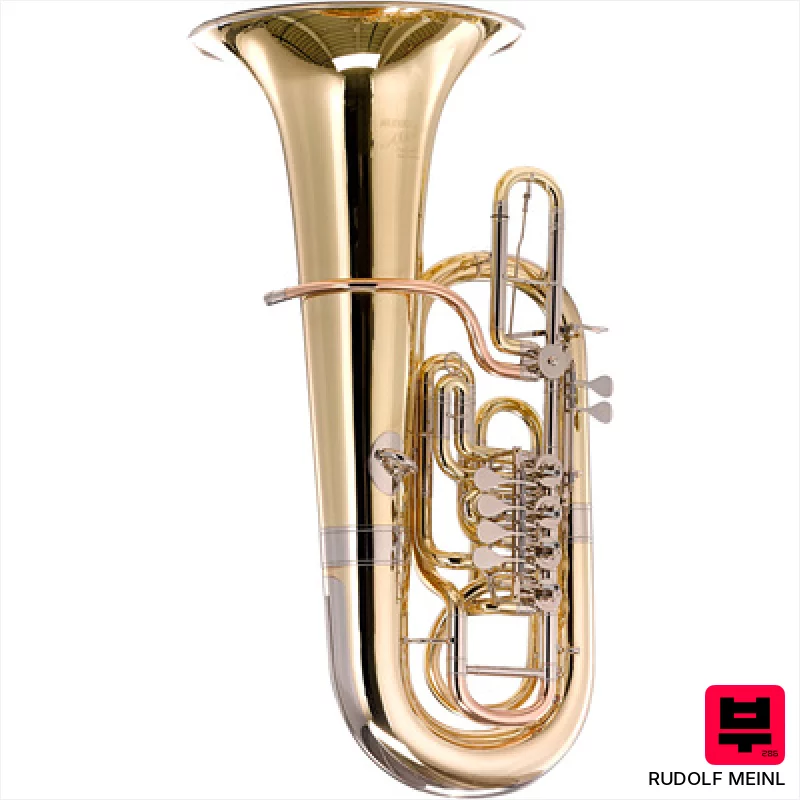
Rudolf Meinl 5/4 F-Tuba
- • Gold brass lead pipe delivers exceptional tonal warmth and projection
- • Spiral spring mechanism ensures remarkably consistent and responsive valve action
- • 430mm bell provides a powerful, focused, and rich low-end response
- • Nickel silver slides offer smooth, reliable action and long-term durability
- • The 5/4 size makes it considerably large and less portable than smaller tubas
- • Premium-priced, representing a significant investment for most players
- • The clear lacquer finish, while attractive, may require diligent maintenance to prevent tarnishing

Melton 2260RA-L Brandstötter F-Tuba
- • Brandstötter design delivers exceptional projection and tonal depth.
- • Brass body and bell offer a warm, responsive, and rich sound.
- • 6-valve system allows for extended range and complex passages.
- • Robust construction and clear lacquer ensure longevity and a professional appearance.
- • Premium-priced, making it a significant investment for most players.
- • Weight (8.80 kg) can be fatiguing during extended performances.
- • 6/4 configuration might feel less intuitive for players accustomed to 4/4 tubas.

Melton 4250-L F-Tuba
- • Exceptional intonation across the range, characteristic of Melton's craftsmanship
- • Lightweight construction (7.5 kg) promotes extended playing without fatigue
- • 3B joint system allows for easy handling and ergonomic adjustments
- • Bright, focused tone ideal for orchestral and solo performance
- • Premium-priced, representing a significant investment for most players
- • Limited versatility; excels in orchestral settings, less suited for jazz
- • Clear lacquer finish may require careful maintenance to prevent wear

Miraphone 481C Elektra F-Tuba
- • Exceptional projection and warmth from the brass body and bell.
- • Minibal linkage provides remarkably smooth, fast valve action.
- • Nickel silver leadpipe enhances responsiveness and tonal clarity.
- • 6-valve configuration offers extended range and versatility for complex passages.
- • Premium-priced, representing a significant investment for most players.
- • Weight (8.8kg) can be fatiguing for players with less strength or endurance.
- • F-tuba configuration limits some orchestral flexibility compared to BBb models.
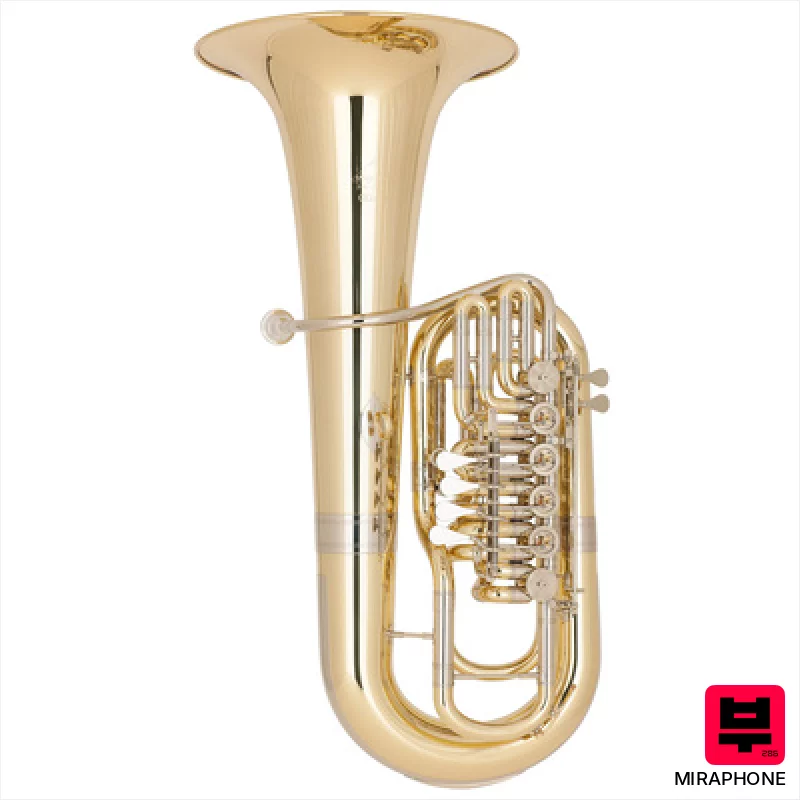
Miraphone 481C M Elektra F-Tuba
- • Exceptional brass tone with remarkable projection and warmth
- • Minibal linkage offers incredibly smooth, responsive valve action
- • Nickel silver leadpipe contributes to a quick, focused response
- • Robust, conical rotary valve design ensures reliable, quiet operation
- • Premium-priced, representing a significant investment for most players
- • Relatively heavy, demanding physical endurance for extended playing
- • 6-valve configuration might be overkill for some playing situations

ZO ZTU-F850L F-Tuba
- • Compact design allows for easier travel and storage compared to full-size tubas.
- • Brass body and bell offer a warm, resonant tone suitable for various genres.
- • 5 rotary valves provide a wider range of tonal possibilities and intonation control.
- • Clear lacquer finish protects the instrument and enhances its aesthetic appeal.
- • The smaller bell size may slightly limit projection compared to larger professional models.
- • At 6.75 kg, it's still relatively heavy for frequent travel, especially for younger players.
- • While well-built, the components might not match the longevity of higher-end European brands.
How to Choose the Best F Tubas
Tonal Quality
Orchestral F tubas need a dark, even tone across the range, avoiding any shrillness or overly bright upper registers. That 'fat midrange honk' is what you're after - it needs to cut through without being aggressive. A thin, bright tone will just get lost and sound harsh.
Valve Action
Smooth, consistent valve action is absolutely crucial for orchestral playing. You'll be playing fast passages and subtle dynamic shifts, and sticky valves will kill your articulation and make you sound sloppy. Light and responsive is the goal.
Bell Size & Material
Larger bells (24"+) generally produce more volume and a richer low-end, essential for projecting in a large ensemble. Brass bells offer a brighter, more focused tone, while copper or nickel-silver bells tend to be warmer and more mellow. The material impacts the overall resonance.
Intonation
Consistent intonation across all registers is non-negotiable. A tuba that's consistently sharp or flat will be a nightmare to tune and will throw off the entire section. Look for a horn with a reputation for stable intonation and be prepared to work with your tuner.
Comfort & Ergonomics
Let's be honest, tubas are heavy. A comfortable neck profile, balanced weight distribution, and a manageable valve reach will make a huge difference during long rehearsals and performances. You want something you can play for hours without feeling like you're wrestling a giant.
Buying Guide
Don't chase the flashiest name - often, you're paying for the logo. A well-maintained used horn from a reputable brand is often a better value than a new, budget model. Be wary of horns that are excessively cheap; corners almost always get cut somewhere, usually in valve quality or material thickness. Prioritize a good mouthpiece - it makes a bigger difference than the horn itself.
Our Methodology
We don't rely on manufacturer specs here at Audiofu. We've spent years playing these horns, both in the pit and in the practice room. Our evaluations come from A/B comparisons with other respected models, and we consider how each tuba performs across a range of dynamic levels - from whisper-quiet passages to the full orchestral blast. It's about real-world usability, not just paper numbers.

