
Best Equalizer Pedals Under $100 2026
So, you need an EQ pedal but your wallet's looking a little thin? Been there. EQ is crucial - it's the difference between your tone getting buried in the mix or cutting through like a laser. We've scoured the under-$100 landscape for the best bang-for-your-buck equalizer pedals, because a muddy, indistinct sound isn't an option, whether you're gigging a dive bar or tracking in your home studio.
Last updated: October 8, 2026
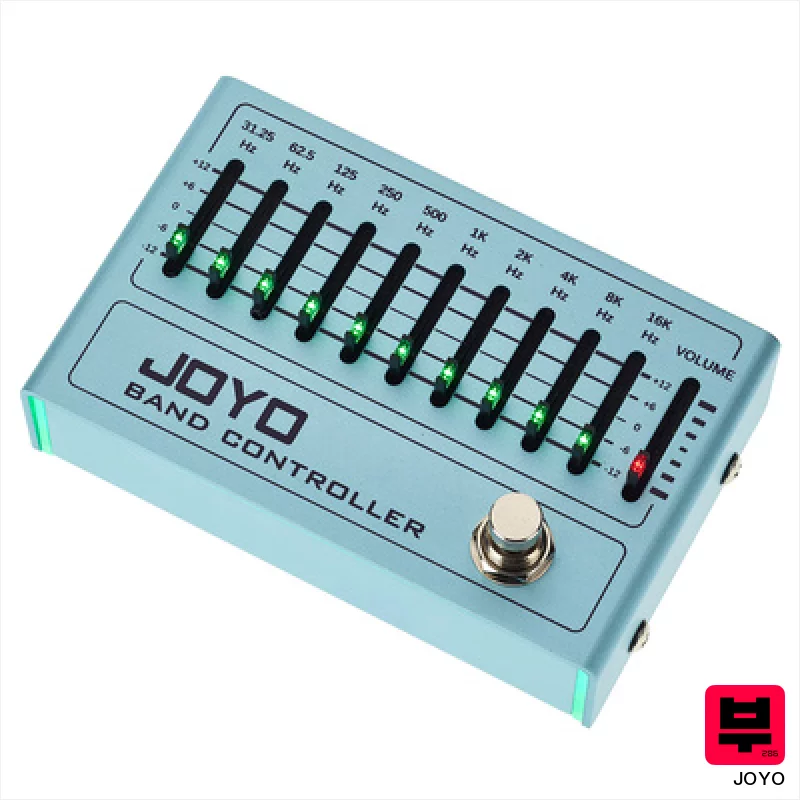
Joyo R-12 Band Controller EQ
- • Solid aluminum housing feels surprisingly robust for the price
- • 10-band EQ offers decent tonal shaping versatility
- • True bypass preserves your signal when the effect is off
- • Compact size makes it easy to fit on crowded pedalboards
- • Potentiometers feel a bit plasticky and may develop noise over time
- • Power supply not included is a common but frustrating omission
- • EQ bands are somewhat widely spaced, limiting fine adjustments
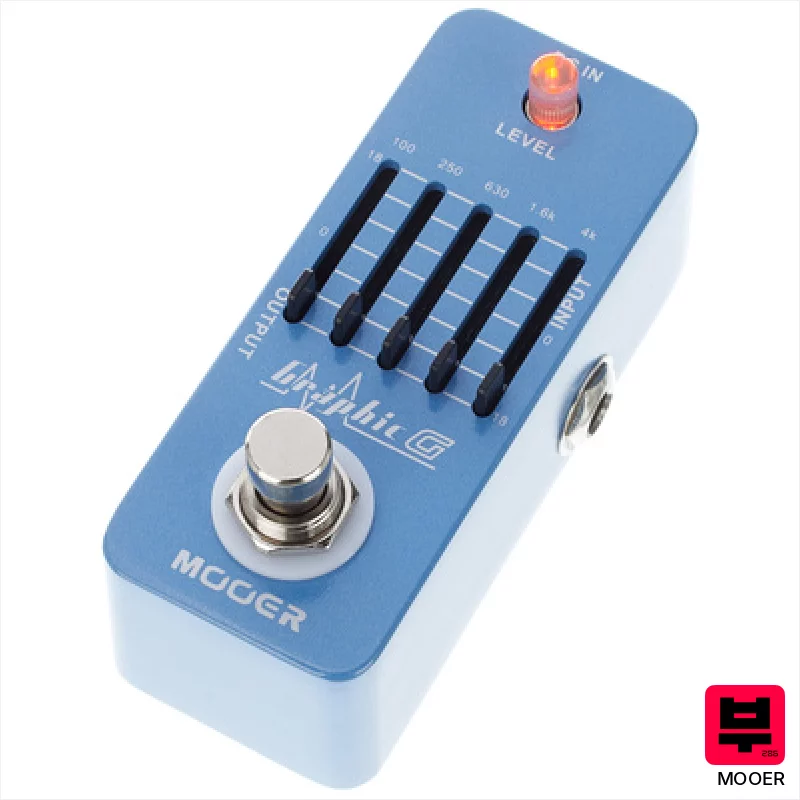
Mooer Graphic G
- • Provides surprisingly precise tonal shaping for the price.
- • Compact size makes it pedalboard-friendly, even in tight spaces.
- • True bypass preserves your signal when the effect is off.
- • Simple controls allow for quick adjustments on the fly.
- • Plastic enclosure feels somewhat cheap compared to metal alternatives.
- • Limited band count restricts complex EQ sculpting capabilities.
- • Requires a separate 9V power supply, adding to the overall cost.
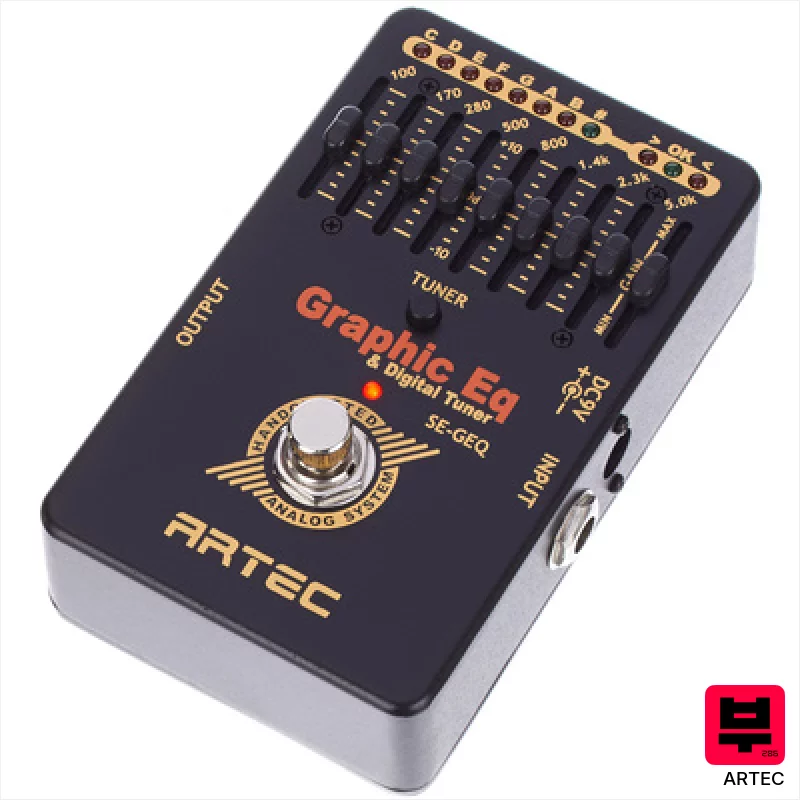
Artec Graphic EQ & Tuner
- • 8-band EQ offers a surprisingly wide range of tonal shaping.
- • Integrated tuner saves space and is genuinely usable on stage.
- • Well-chosen frequencies provide practical adjustments for various amps.
- • Artec's reputation for solid build quality at an affordable price point shines.
- • Plastic housing feels a bit budget, lacking premium robustness.
- • EQ bands might be too coarse for extremely subtle tonal tweaks.
- • Tuner LED display could be brighter for low-light performance.
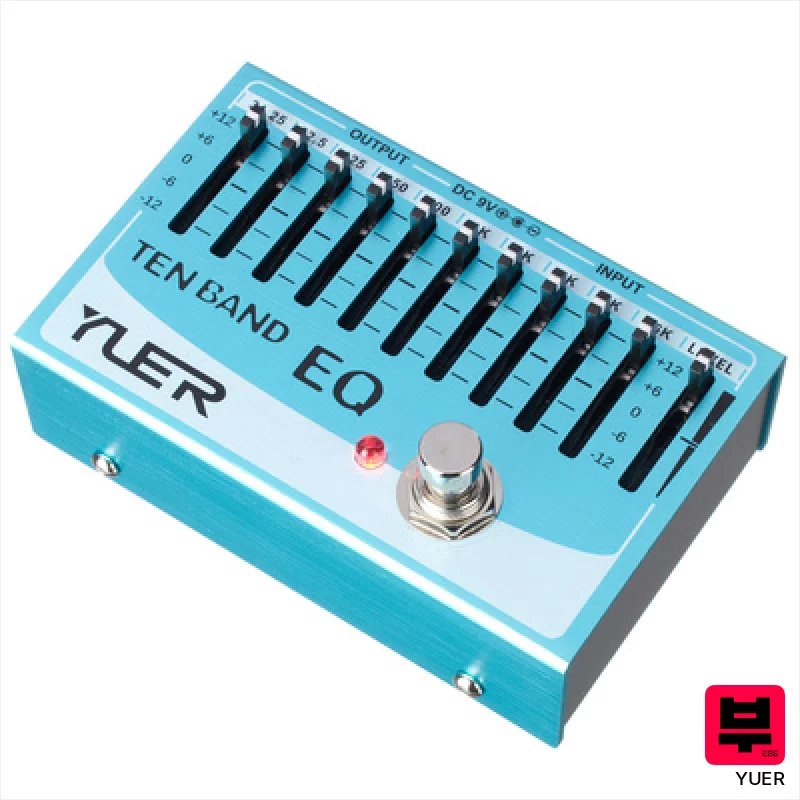
Yuer YF-40 Ten Band EQ
- • Illuminated faders offer excellent visual feedback for precise EQ adjustments.
- • Aluminum housing provides a surprisingly robust and professional feel for the price.
- • True bypass ensures your signal remains clean when the effect is disengaged.
- • The wide frequency range (31.25 Hz - 16 kHz) offers broad tonal shaping.
- • Lacks battery operation, requiring a separate power supply.
- • The 2.1mm barrel power connector is less common, potentially needing an adapter.
- • Construction, while decent, doesn’t match higher-end EQ pedals; plastic internal components are apparent.
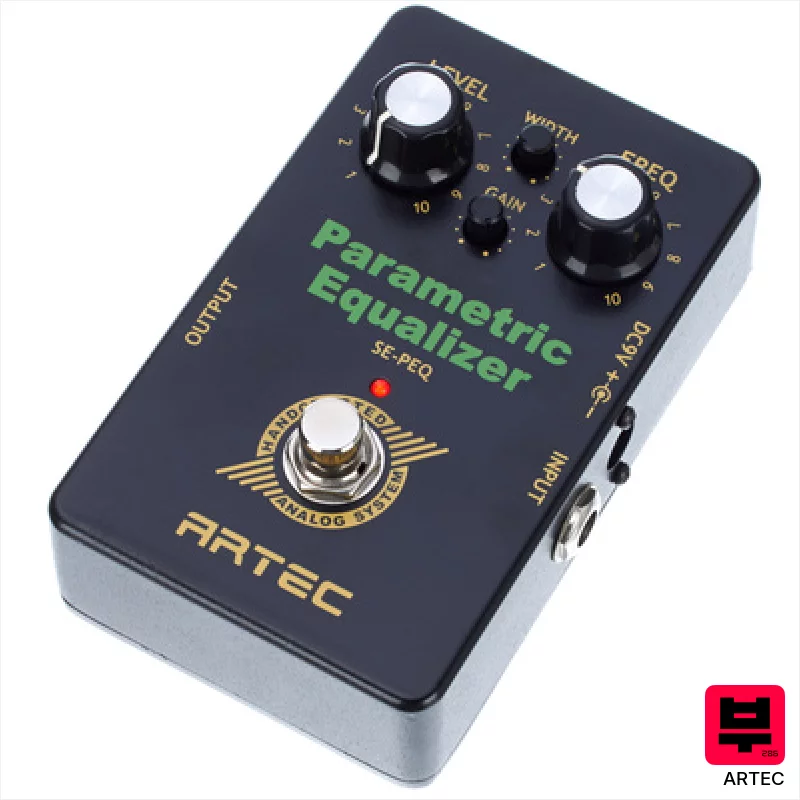
Artec Parametric EQ
- • Artec's Korean engineering delivers surprisingly clean, focused EQ sculpting.
- • Analog circuitry provides a warmth and responsiveness often missing in digital EQs.
- • Extremely affordable, making precise tone shaping accessible to all players.
- • Compact size makes it pedalboard-friendly without sacrificing functionality.
- • Limited band count restricts complex, nuanced EQ adjustments.
- • The user interface might initially feel intimidating for beginners.
- • Plastic enclosure feels less robust than higher-end metal alternatives.
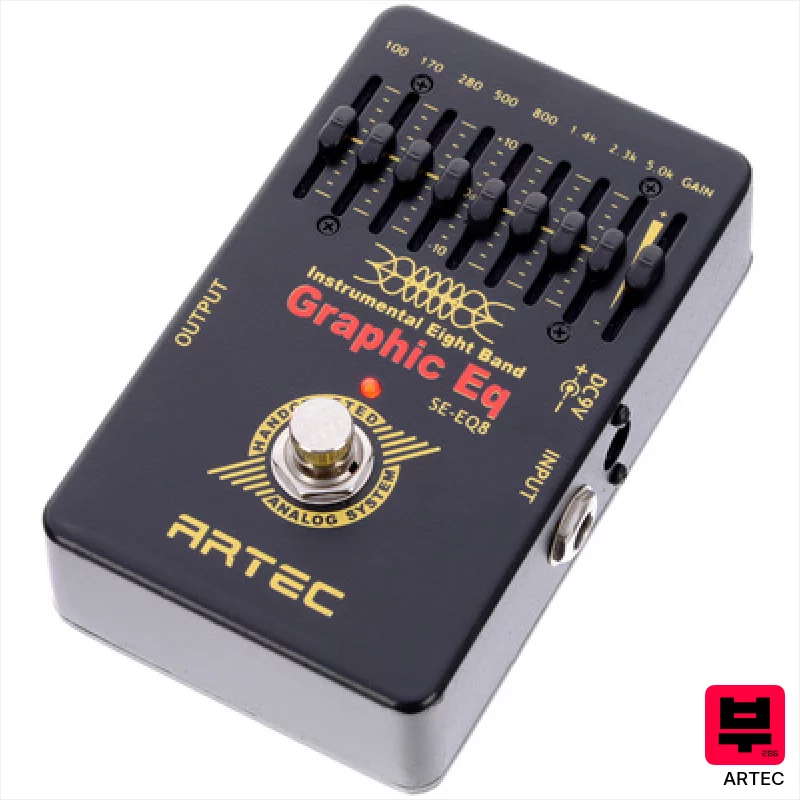
Artec SE-EQ8 Graphic EQ
- • Compact size ideal for tight pedalboards
- • Simple controls offer immediate tonal shaping
- • 8-band EQ provides focused frequency adjustments
- • Surprisingly robust enclosure for its price point
- • Limited tonal flexibility compared to parametric EQs
- • Plastic knobs feel a bit cheap and imprecise
- • Power supply not included, adding to overall cost
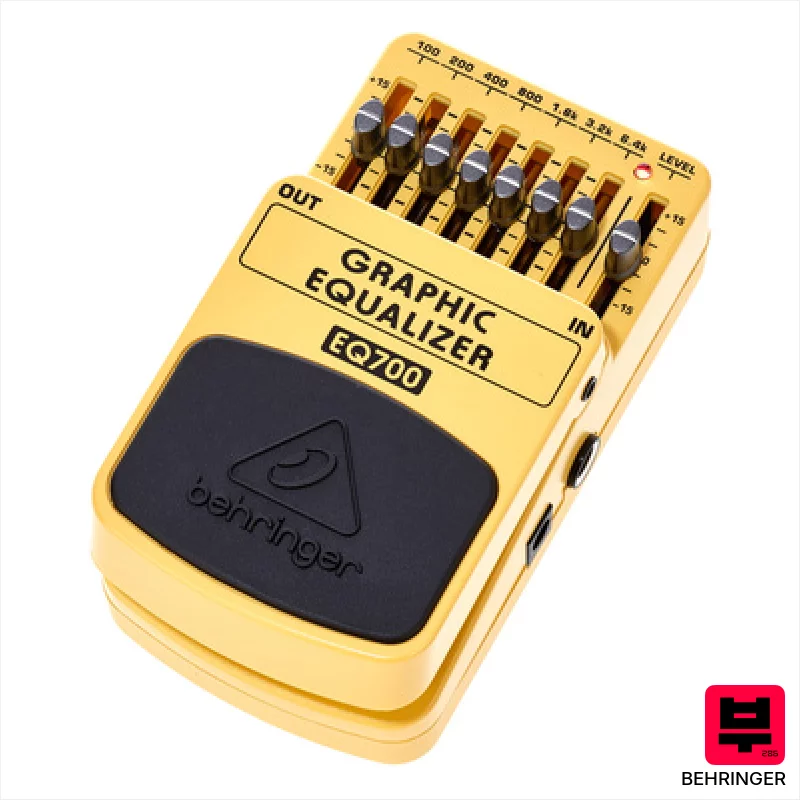
Behringer EQ700
- • Surprisingly clean boost with minimal coloration when bypassed.
- • 7-band graphic EQ offers decent flexibility for basic tone shaping.
- • Electronic bypass virtually eliminates unwanted noise during switching.
- • Extremely affordable, making it accessible for budget-conscious players.
- • Plastic construction feels flimsy and not very durable for gigging.
- • Limited frequency range restricts its usefulness for bass frequencies.
- • EQ bands are spaced relatively wide, lacking precise control.
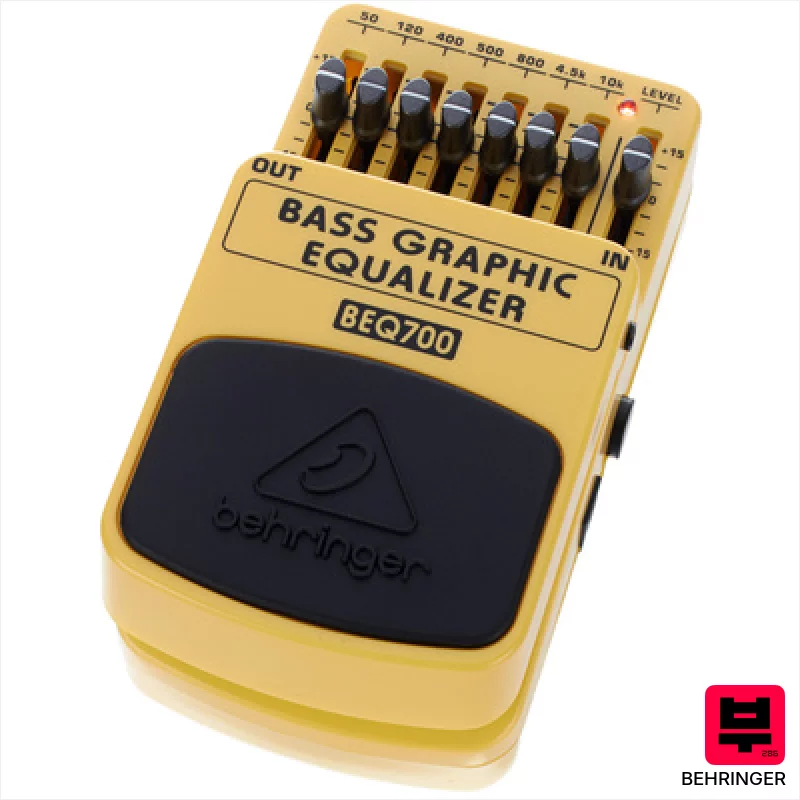
Behringer BEQ700 Bass Graphic Equalizer
- • Surprisingly clean EQ for the price, minimal noise floor
- • 7-band design offers targeted frequency shaping
- • True bypass preserves your signal when inactive
- • Compact size makes it pedalboard-friendly
- • Plastic enclosure feels noticeably budget-oriented
- • Limited frequency range may not suit all bass types
- • Control knobs lack the precision of higher-end models
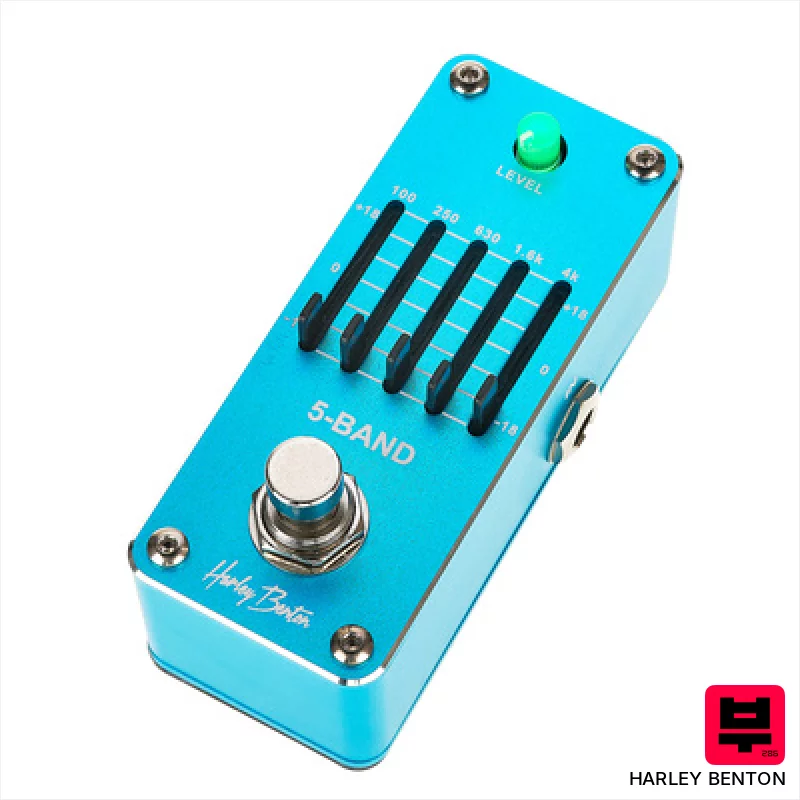
Harley Benton MiniStomp 5-Band
- • Solid metal enclosure provides surprising durability for the price.
- • True bypass preserves your signal when the EQ isn't engaged.
- • Five fixed frequencies offer targeted tonal shaping.
- • Compact size makes it pedalboard-friendly for smaller setups.
- • Fixed frequencies limit versatility compared to parametric EQs.
- • The plastic knobs feel a bit cheap and may loosen over time.
- • No LED indication of whether the pedal is engaged or bypassed.
Equalizer Pedals by the numbers
Measured across all 9 models in this category, so «wide», «short» or «expensive» mean something you can check.
How to Choose the Best Equalizer Pedals
Frequency Range
Most budget EQs will have a limited frequency range, often focusing on the mid-range. This means you might not be able to sculpt the very low or very high frequencies as precisely. Knowing your needs (scooping mids for metal, boosting highs for country) will help you choose.
Bandwidth Control
Having adjustable Q (bandwidth) is a huge deal. A narrow Q gives you surgical precision, while a wider Q creates broader tonal shaping. The more control you have, the more versatile the pedal will be.
Build Quality
At this price point, expect some plastic parts. Check for sturdy footswitch action and a reliable enclosure - you don't want it falling apart mid-set.
Noise Floor
Budget components can introduce noise. Listen carefully for hiss or hum, especially when stacking with other pedals. A clean signal is a good signal.
Ease of Use
Some EQs can be overwhelming with too many controls. Consider how quickly you'll be able to dial in a usable sound, especially important for live gigs where you don't have time to tweak for 10 minutes.
Buying Guide
Don't expect studio-grade precision at this price. Corners get cut - often in component quality and the number of frequency bands. Look for pedals with at least a few adjustable bands, and prioritize bandwidth control if you want real tonal sculpting power. If you're mainly looking to subtly shape your tone, a simple 3-band EQ might be all you need, but if you're trying to fix major problems, you'll need more control.
How This List Is Built
We don't play these instruments — we're a catalog, not a review desk, and we'd rather say so than pretend otherwise. This page covers 9 equalizer pedals from the Thomann catalogue, which is the largest single source of specification data in this category: 9 in detail, the rest listed with their specifications.
Position is computed, not curated. We parse the manufacturer's own description into actual values — nut width, scale, fret count, fingerboard radius, size, alloy — and rank on them: how many specifications a model has published, how many of them are measurable numbers, and how precisely it meets this page's criterion. A product image adds a little. Price is not a ranking signal: it tells you nothing about whether a neck fits your hand. The same inputs always produce the same order, so nothing here is shuffled to look fresh.
What this list is good for: narrowing a category down to a shortlist by spec and budget. What it isn't: a substitute for hearing an instrument. Before you buy, read hands-on reviews and, where you can, play it. Full methodology.

