
Best Electronic Drum Sound Modules for Recording 2026
So, you're ditching the acoustic kit for a more controlled recording environment? Smart move. Getting the right drum module is crucial - a bad one will sound thin and lifeless, even with killer processing. This isn't about flashy pads or gigging features; it's about the core sounds and flexibility for crafting a drum track that cuts through the mix.
Last updated: July 8, 2026 • Next update: July 15, 2026

Efnote Pro E-Drum Module
- • Exceptional sound library with nuanced, multilayered samples.
- • Unique stage box design allows for flexible routing and connectivity.
- • Comprehensive effects suite provides significant sonic shaping capabilities.
- • 15 trigger inputs cater to complex, multi-drum setups.
- • Premium-priced, placing it out of reach for many hobbyist drummers.
- • Stage box separation can be inconvenient for smaller, mobile setups.
- • Limited kit presets require significant user customization.
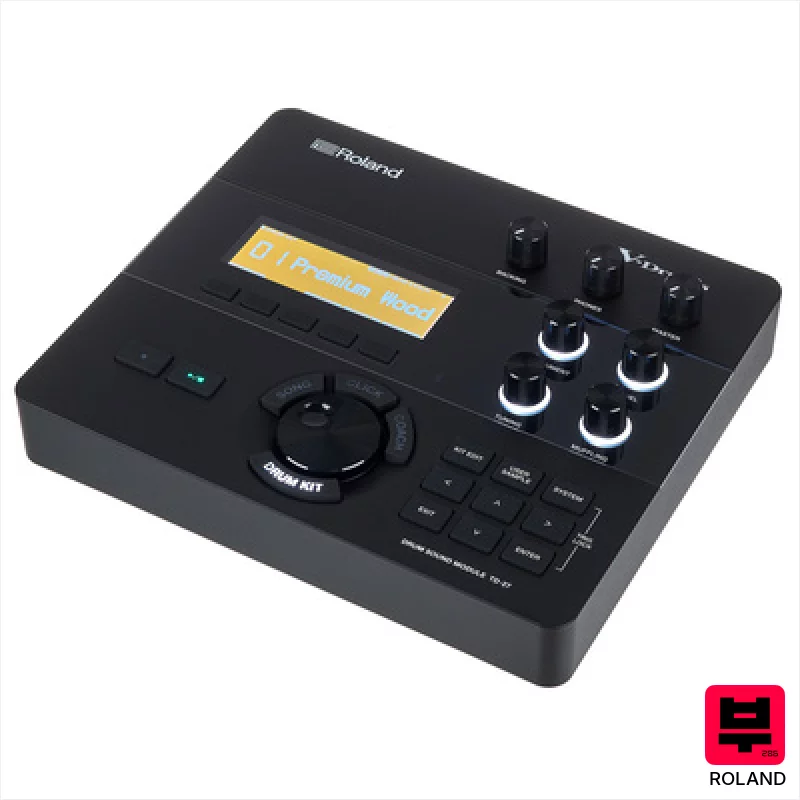
Roland TD-27 Drum Module
- • Prismatic Modeling delivers incredibly realistic acoustic drum nuances
- • User kit creation offers deep customization for unique sounds
- • Imported samples expand sonic palette beyond factory presets
- • Robust build quality feels durable for gigging and studio use
- • Price point places it firmly in the premium-priced electronic drum module category
- • Bluetooth 4.2 is a bit dated compared to newer standards
- • Sample import process can be slightly cumbersome for beginners

Roland EC-10M ELCajon Mic Processor
- • Integrated clip mic simplifies setup and provides decent initial sound
- • 16 kits offer a surprising range of cajon and percussion sounds
- • Built-in compressor adds punch and clarity to the cajon’s dynamics
- • Battery power offers portability for rehearsals and smaller gigs
- • Clip mic’s sound quality is a baseline – upgrading is almost essential
- • Limited kit editing capabilities restrict custom sound creation
- • Lack of USB/MIDI connectivity limits integration with larger setups
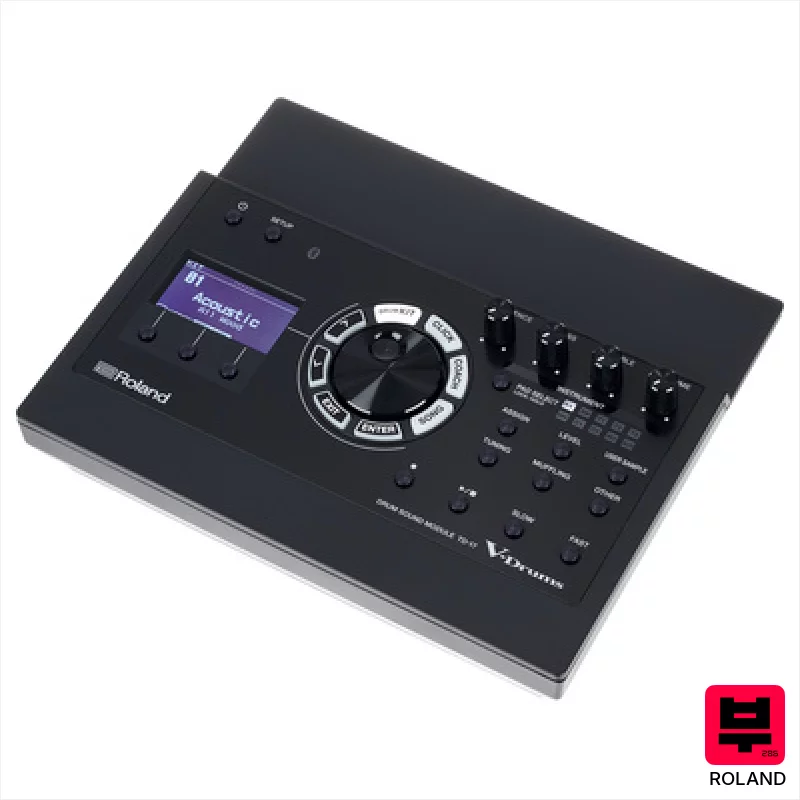
Roland TD-17 Drum Module
- • Sounds inherit Roland's renowned acoustic drum realism
- • Coach function provides genuinely useful practice tools
- • Bluetooth connectivity simplifies backing track integration
- • Compact design makes it suitable for smaller practice spaces
- • Limited expansion options compared to higher-end modules
- • User interface can feel slightly dated and less intuitive
- • Some users may find the built-in effects a bit basic
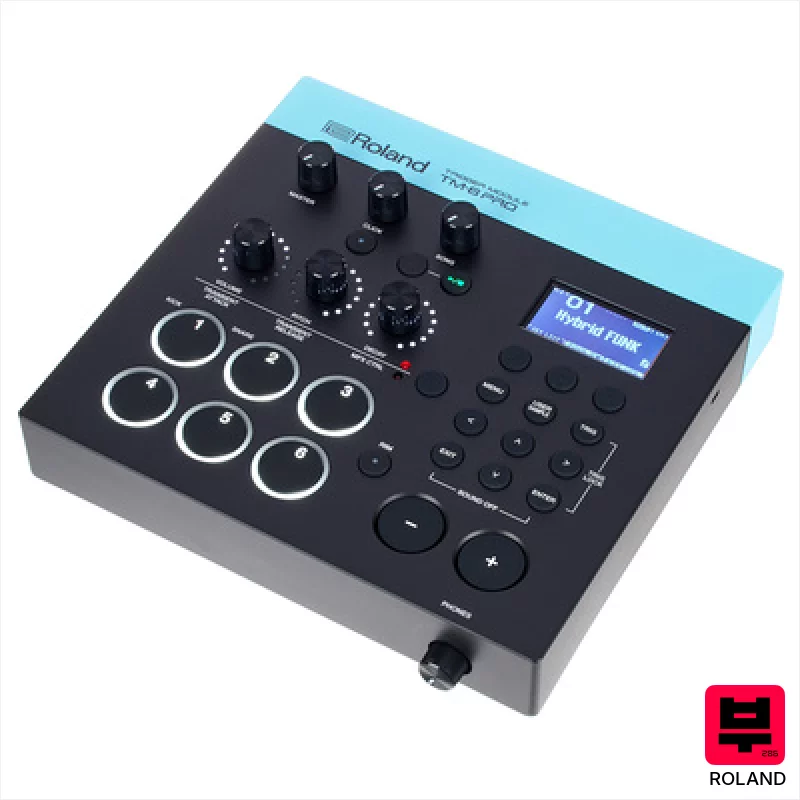
Roland TM-6 Pro Drum Trigger Module
- • Excellent sound library, blending acoustic realism with electronic textures
- • Individual trigger processing offers unparalleled sonic customization
- • Compact, robust build quality suitable for gigging and studio use
- • Hi-hat controller expansion adds crucial expressive control
- • Limited number of onboard sounds compared to larger modules
- • Requires external triggers, adding to overall system cost and complexity
- • Menu navigation can feel a bit cumbersome without dedicated display
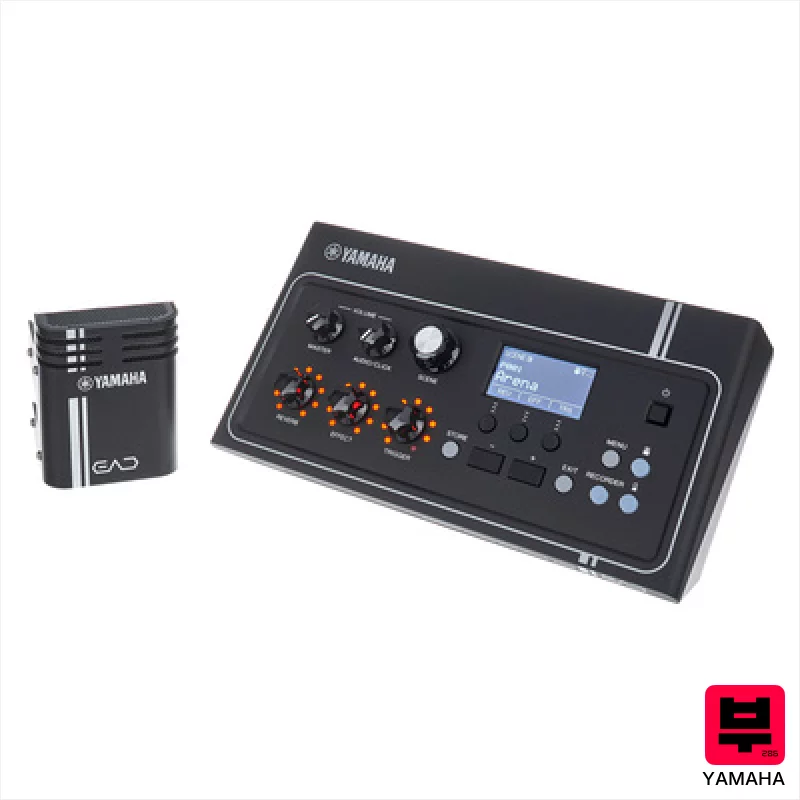
Yamaha EAD10 Drum Module
- • Excellent acoustic drum mixing capabilities via built-in sensors
- • Yamaha's sound library delivers a wide range of usable kits
- • Compact design and lightweight for easy portability and setup
- • Intuitive scene creation allows quick kit customization on the fly
- • Limited sample storage compared to higher-end modules
- • Trigger inputs might feel restrictive for complex multi-pad setups
- • Reverb options, while decent, lack the depth of dedicated effects units
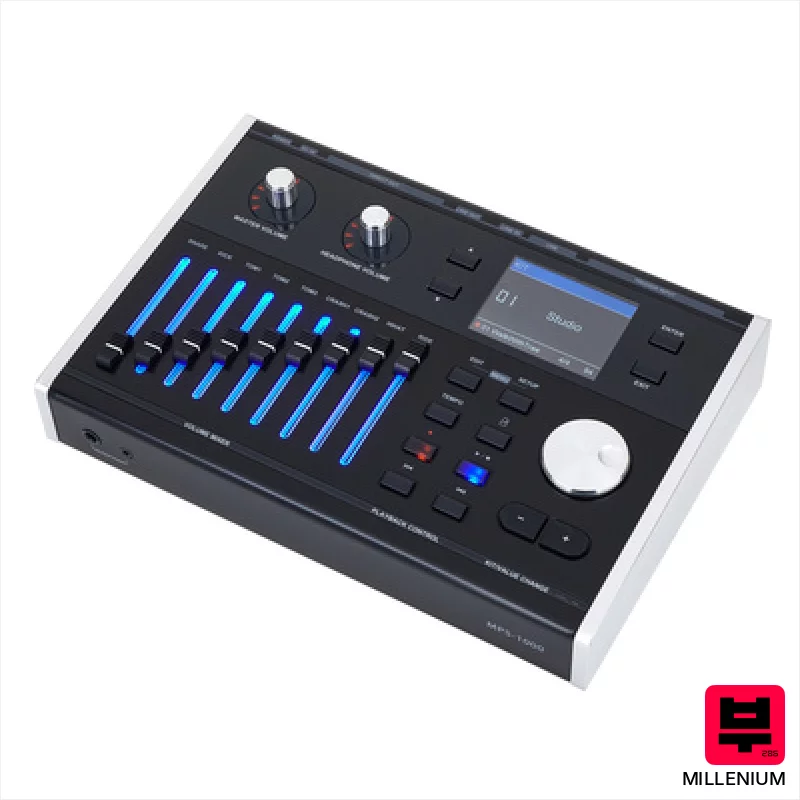
Millenium MPS-1000 E-Drum Module
- • 820 sounds offer surprising sonic variety for the price point.
- • Intuitive illuminated faders simplify complex kit adjustments mid-performance.
- • Direct outs allow for sophisticated routing and recording capabilities.
- • 3.2” TFT LCD provides clear visibility even in dimly lit environments.
- • Millenium's sound library lacks the depth and nuance of industry leaders.
- • The plastic enclosure feels somewhat budget-oriented; durability is a concern.
- • Bluetooth 4.0 feels dated; lacks modern audio streaming capabilities.

2box DrumIt Three Bundle
- • Randy Black & Simon Phillips samples offer a high-quality sonic foundation
- • Flexible trigger input system accommodates various pad brands and zones
- • Free editor unlocks extensive customization of kits and sounds
- • Comprehensive connectivity including MIDI, USB, and multiple outputs
- • Limited onboard effects compared to higher-end modules
- • Relatively compact size might feel cramped for some drummers
- • Sound module’s menu system could be more intuitive and streamlined
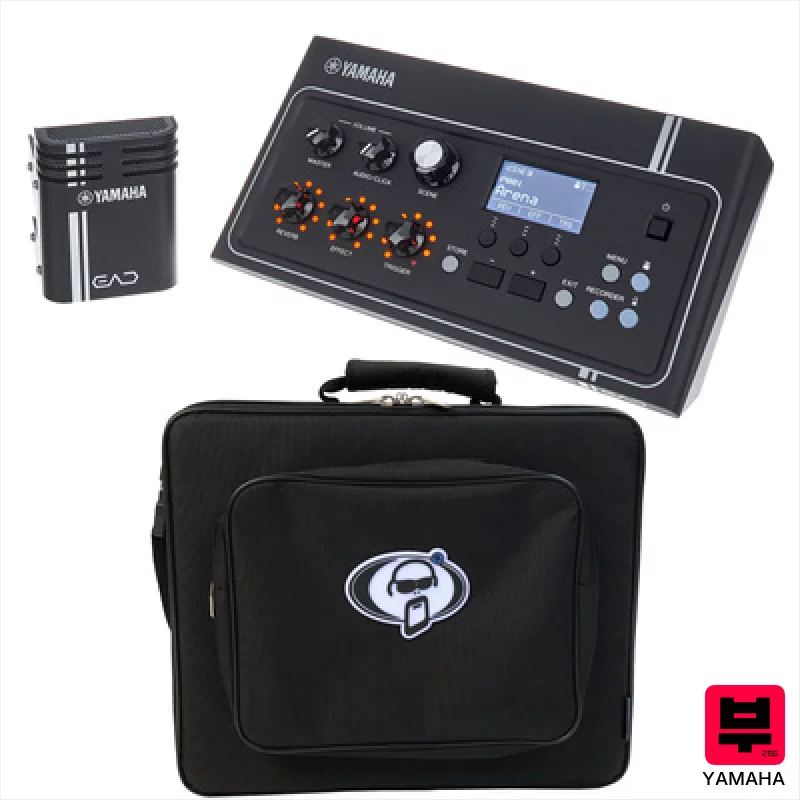
Yamaha EAD10 Drum Module Case Set
- • Excellent acoustic/electronic blending via built-in mics and trigger
- • Protection Racket case offers robust, water-resistant protection
- • The 757 sounds provide a surprising amount of tonal variety
- • Sensor's dual microphones capture nuanced bass drum dynamics.
- • Limited sample storage compared to higher-end modules
- • Trigger input count restricts larger, complex drum setups
- • The AAA case, while protective, adds significant bulk and weight.
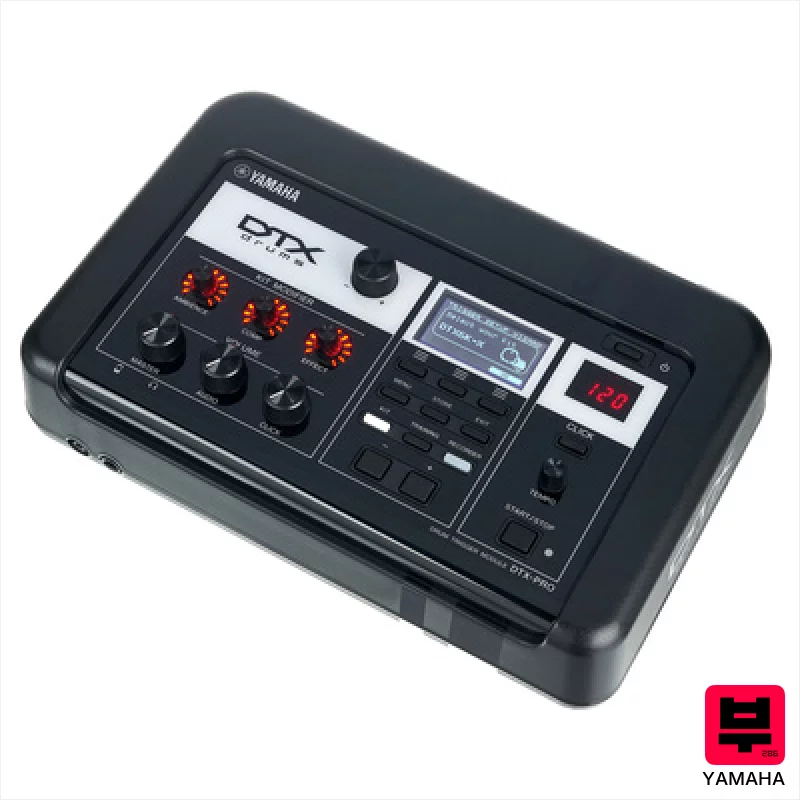
Yamaha DTX-PRO Drum Module
- • Yamaha's renowned sound library delivers exceptionally realistic acoustic drum tones
- • Kit Modifier adds subtle, believable room ambience for a more natural feel
- • WAV import capability allows for truly personalized sound design and expansion
- • Comprehensive channel processing offers detailed control over individual drum sounds
- • Limited physical connectivity compared to higher-end modules
- • The preset kits, while decent, might require tweaking for serious players
- • WAV import process can be slightly cumbersome for beginners
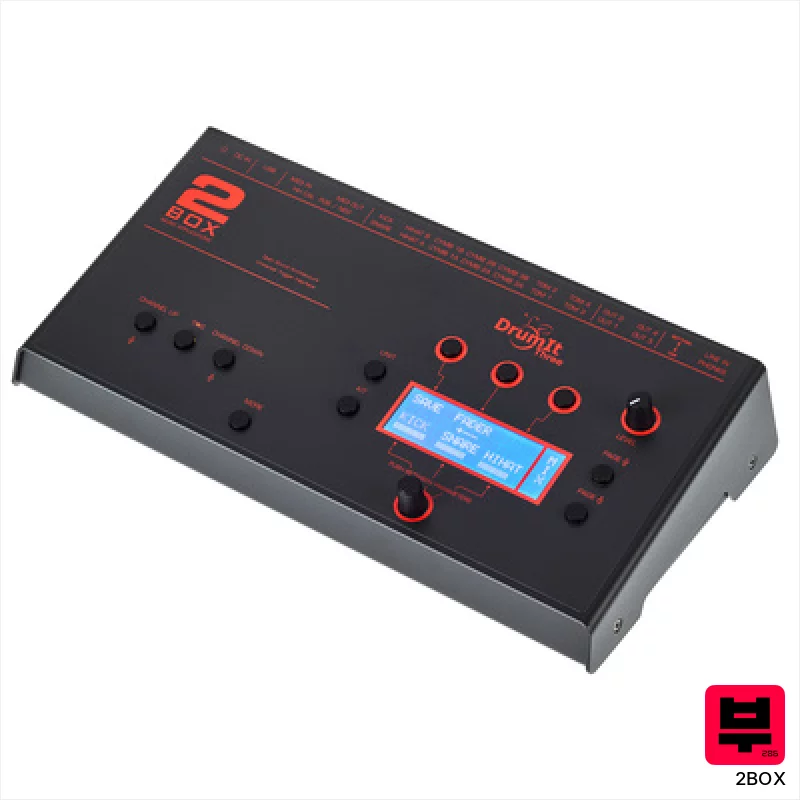
2box DrumIt Three
- • Randy Black/Simon Phillips samples deliver professional-grade drum sounds
- • Flexible trigger input system accommodates a wide range of pads
- • Robust 127-velocity layering allows for nuanced expression
- • Free editor unlocks deep customization of kits and sounds
- • Lack of included trigger cables is a significant initial investment
- • Limited effects processing compared to higher-end modules
- • Build quality feels somewhat plasticky, reflecting its price point

Roland V71 Drum Module
- • Exceptional sound library with nuanced, realistic acoustic drum samples.
- • Multi-sensor trigger inputs allow for incredibly detailed and expressive playing.
- • Comprehensive effects suite including overhead mic simulation adds crucial realism.
- • Intuitive companion app unlocks deep editing and kit organization capabilities.
- • Premium-priced, making it a significant investment for most drummers.
- • Size and weight make it less portable than some smaller modules.
- • Reliance on Roland Cloud for expansion limits some user customization.
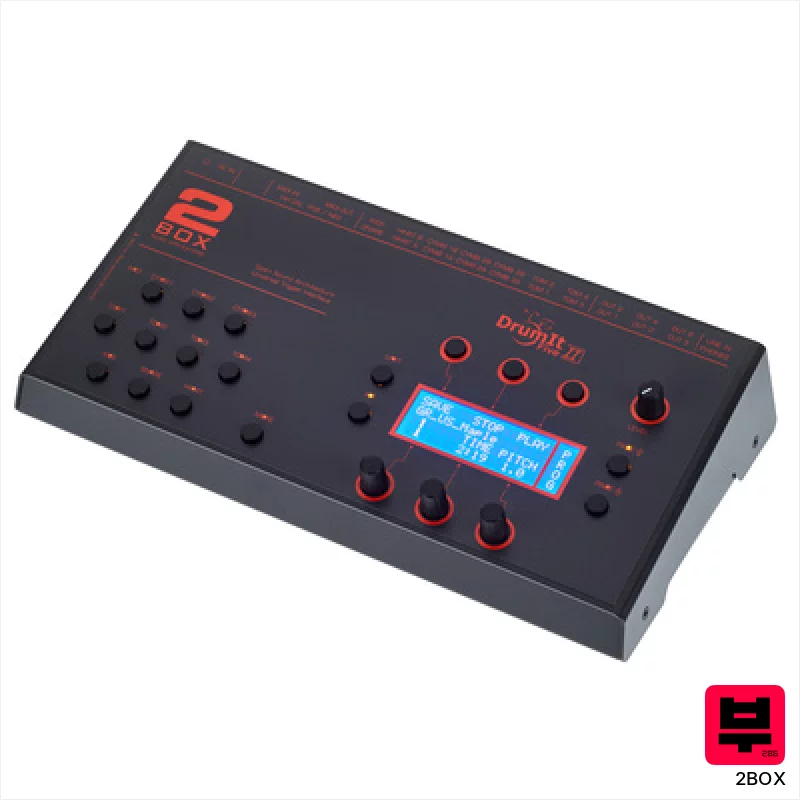
2box DrumIt Five MKII
- • Simon Phillips/Randy Black sounds offer exceptional realism and nuance
- • 32GB internal storage provides ample space for custom kits and samples
- • Software editor unlocks deep customization for experienced sound designers
- • Compact size and lightweight design enhance portability and setup convenience
- • Limited effects compared to higher-end modules from Roland or Yamaha
- • 15 trigger inputs may restrict larger, more complex drum setups
- • Line outputs lack individual gain controls for precise mixing
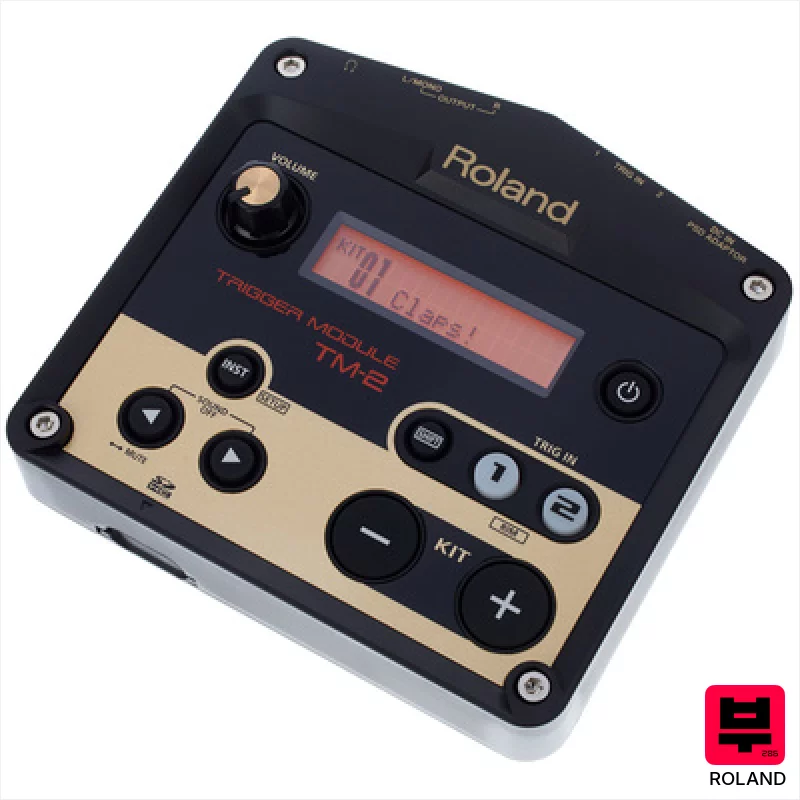
Roland TM-2 Trigger Module
- • Compact size makes rack integration exceptionally easy
- • Solid Roland build quality; feels durable for gigging
- • Versatile sound palette, from acoustic kits to percussion
- • SD card capability expands sonic possibilities significantly
- • Limited trigger inputs restrict complex layering setups
- • Sound engine lacks the depth of higher-end modules
- • No USB audio output for direct recording to DAW
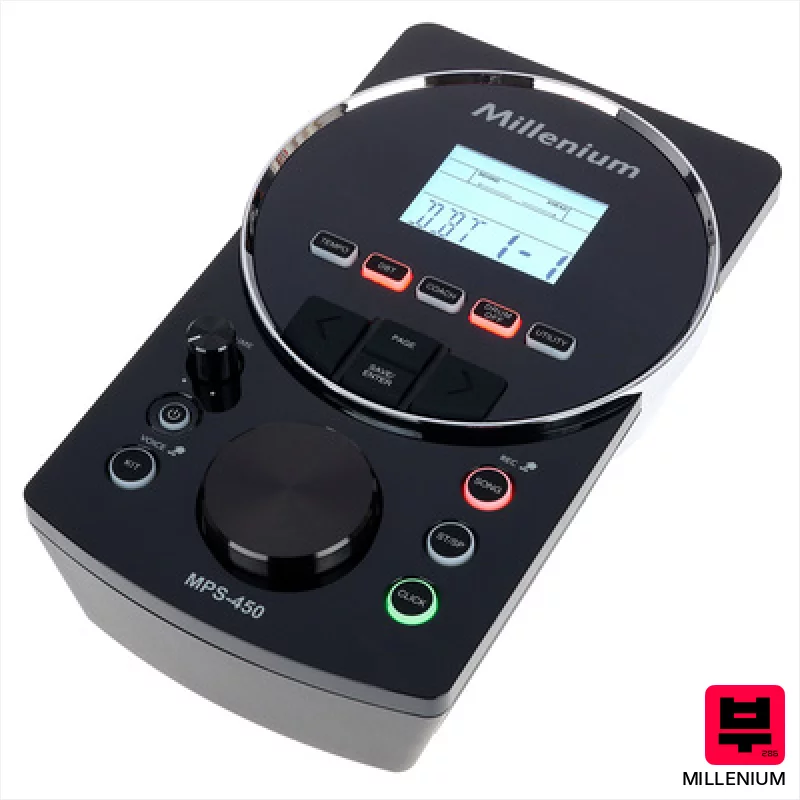
Millenium MPS-450 Drum Module
- • Surprisingly decent acoustic drum samples for the price.
- • Simple interface allows quick kit programming and recall.
- • Multiple outputs offer flexible routing for live or studio use.
- • Compact size makes it ideal for smaller practice spaces.
- • Sound quality lacks the dynamic range of higher-end modules.
- • Trigger inputs are limited, restricting pad expansion options.
- • Build quality feels a bit plasticky and not incredibly durable.
How to Choose the Best Electronic Drum Sound Modules
Sound Quality
This is the big one. We're talking about the initial tone - that low-end thump, the snap of the snare, the sizzle of the hi-hats. Does it have a natural feel or does it sound obviously synthesized? A module with a good foundation will always be easier to process and shape.
Dynamic Range & Articulation
A module that reacts realistically to your playing is essential. We're looking for a wide dynamic range so you can get quiet ghost notes and powerful hits, plus nuanced articulations that give the drums character - choke, rimshots, flams, etc. Poor dynamics sound robotic and lifeless.
Sound Editing & Customization
Recording demands tweaking. Does the module allow for easy editing of individual drum sounds - pitch, decay, EQ? Can you import your own samples or trigger external sounds? The more control you have, the more versatile the module becomes.
Connectivity & Routing
Multiple outputs are a must for recording. Being able to route each drum element to a separate track in your DAW is the key to a truly professional drum sound. MIDI connectivity is also vital for triggering samples or controlling other gear.
Noise Floor & Signal-to-Noise Ratio
This is often overlooked, but crucial for clean recordings. A noisy module will introduce unwanted hiss and artifacts into your tracks, making it harder to clean up in post. A high signal-to-noise ratio means a clearer, more defined sound.
Buying Guide
Don't get caught up in the bells and whistles - gigging features rarely matter for studio work. The biggest trade-off is usually between sound quality and price. Cheaper modules often compromise on dynamic range and articulation, resulting in a flatter, less inspiring sound. Spend the money where it counts: on the core sounds and the ability to shape them. A module with decent sounds you can tweak is better than a flashy one with bad sounds.
Our Methodology
We're not just looking at spec sheets here. We've spent weeks with each module, layering them into full mixes, A/B-ing against sampled libraries, and putting them through the wringer - recording everything from delicate jazz grooves to aggressive rock beats. We're listening for the nuances that matter in a recording context, not just how loud they can get.

