
Best Electronic Drum Sound Modules for Live Performance 2026
Alright, so you're looking for a drum module that's going to hold up to the rigors of live work? It's not just about having a bunch of sounds; it's about reliability, a sound that cuts through a loud band, and a workflow that doesn't leave you fumbling mid-song. Forget the bedroom practice modules - we're talking about gear that's seen stages, studios, and the occasional spilled beer. Let's find you something that delivers.
Last updated: July 8, 2026 • Next update: July 15, 2026
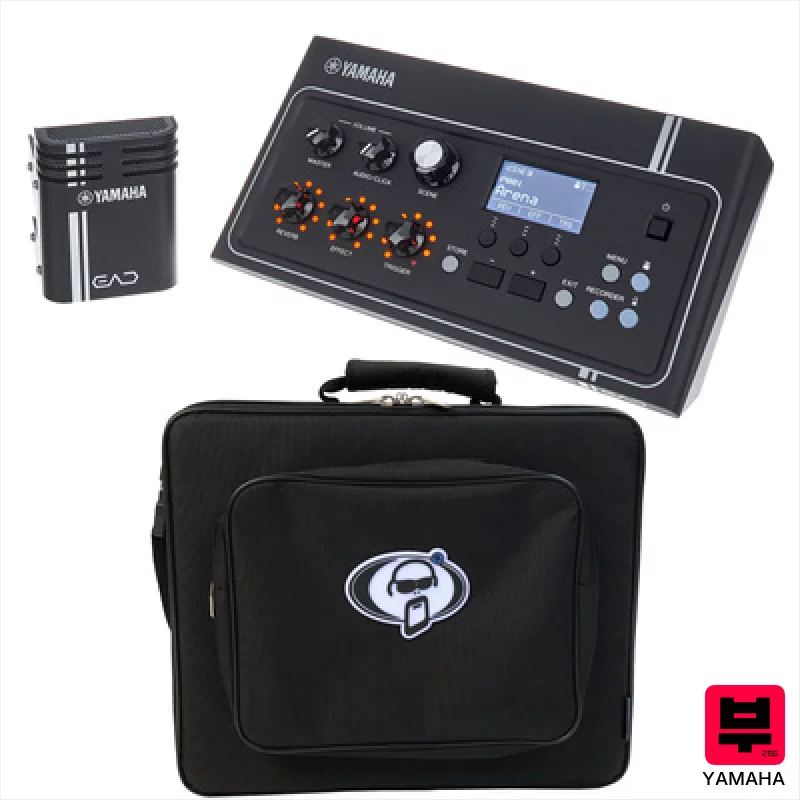
Yamaha EAD10 Drum Module Case Set
- • Excellent acoustic/electronic blending via built-in mics and trigger
- • Protection Racket case offers robust, water-resistant protection
- • The 757 sounds provide a surprising amount of tonal variety
- • Sensor's dual microphones capture nuanced bass drum dynamics.
- • Limited sample storage compared to higher-end modules
- • Trigger input count restricts larger, complex drum setups
- • The AAA case, while protective, adds significant bulk and weight.
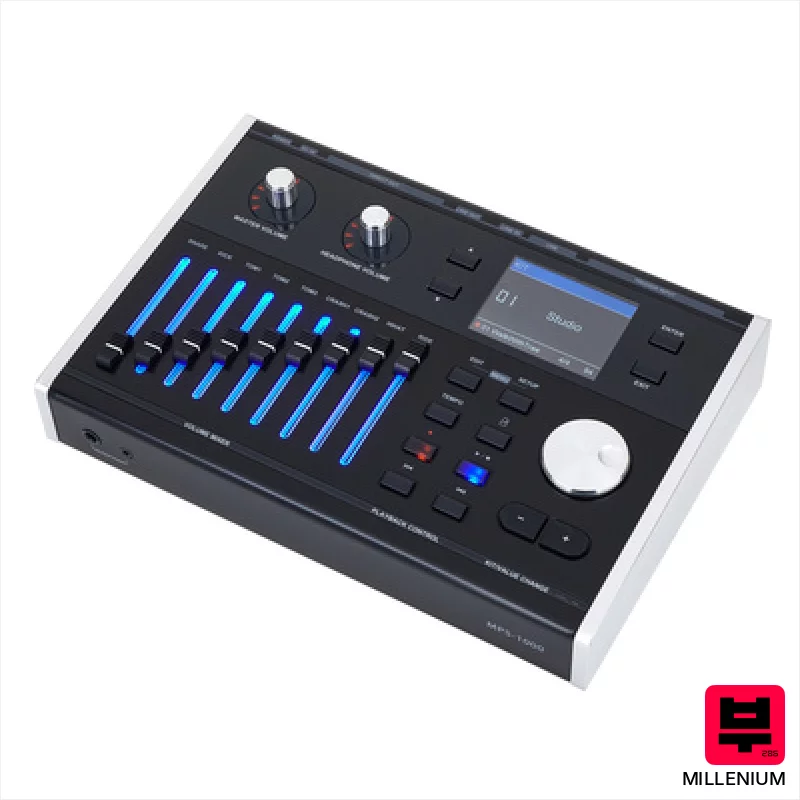
Millenium MPS-1000 E-Drum Module
- • 820 sounds offer surprising sonic variety for the price point.
- • Intuitive illuminated faders simplify complex kit adjustments mid-performance.
- • Direct outs allow for sophisticated routing and recording capabilities.
- • 3.2” TFT LCD provides clear visibility even in dimly lit environments.
- • Millenium's sound library lacks the depth and nuance of industry leaders.
- • The plastic enclosure feels somewhat budget-oriented; durability is a concern.
- • Bluetooth 4.0 feels dated; lacks modern audio streaming capabilities.

Roland V71 Drum Module
- • Exceptional sound library with nuanced, realistic acoustic drum samples.
- • Multi-sensor trigger inputs allow for incredibly detailed and expressive playing.
- • Comprehensive effects suite including overhead mic simulation adds crucial realism.
- • Intuitive companion app unlocks deep editing and kit organization capabilities.
- • Premium-priced, making it a significant investment for most drummers.
- • Size and weight make it less portable than some smaller modules.
- • Reliance on Roland Cloud for expansion limits some user customization.

Efnote Pro E-Drum Module
- • Exceptional sound library with nuanced, multilayered samples.
- • Unique stage box design allows for flexible routing and connectivity.
- • Comprehensive effects suite provides significant sonic shaping capabilities.
- • 15 trigger inputs cater to complex, multi-drum setups.
- • Premium-priced, placing it out of reach for many hobbyist drummers.
- • Stage box separation can be inconvenient for smaller, mobile setups.
- • Limited kit presets require significant user customization.
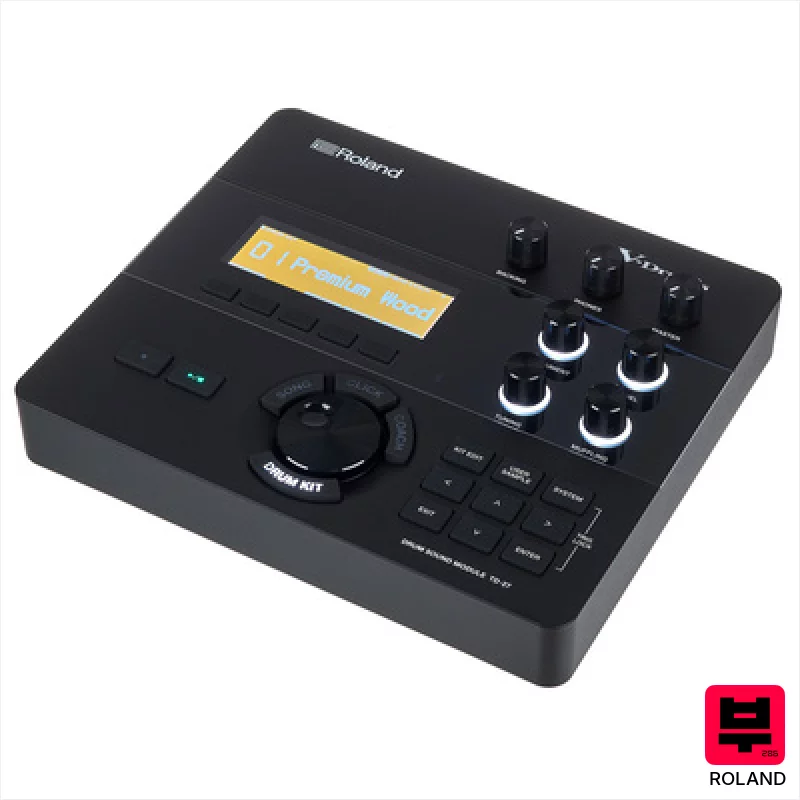
Roland TD-27 Drum Module
- • Prismatic Modeling delivers incredibly realistic acoustic drum nuances
- • User kit creation offers deep customization for unique sounds
- • Imported samples expand sonic palette beyond factory presets
- • Robust build quality feels durable for gigging and studio use
- • Price point places it firmly in the premium-priced electronic drum module category
- • Bluetooth 4.2 is a bit dated compared to newer standards
- • Sample import process can be slightly cumbersome for beginners
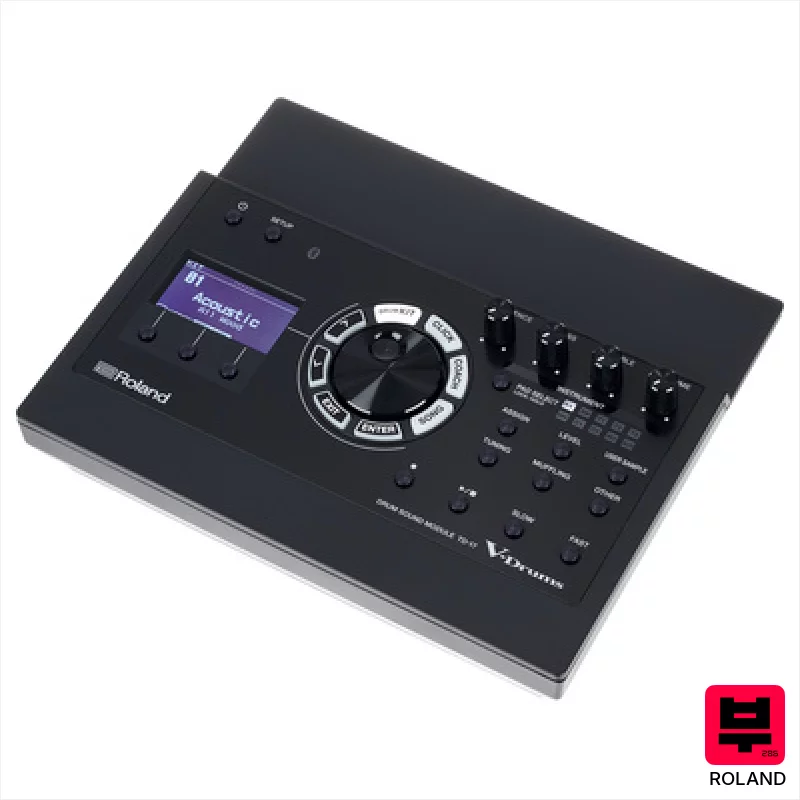
Roland TD-17 Drum Module
- • Sounds inherit Roland's renowned acoustic drum realism
- • Coach function provides genuinely useful practice tools
- • Bluetooth connectivity simplifies backing track integration
- • Compact design makes it suitable for smaller practice spaces
- • Limited expansion options compared to higher-end modules
- • User interface can feel slightly dated and less intuitive
- • Some users may find the built-in effects a bit basic
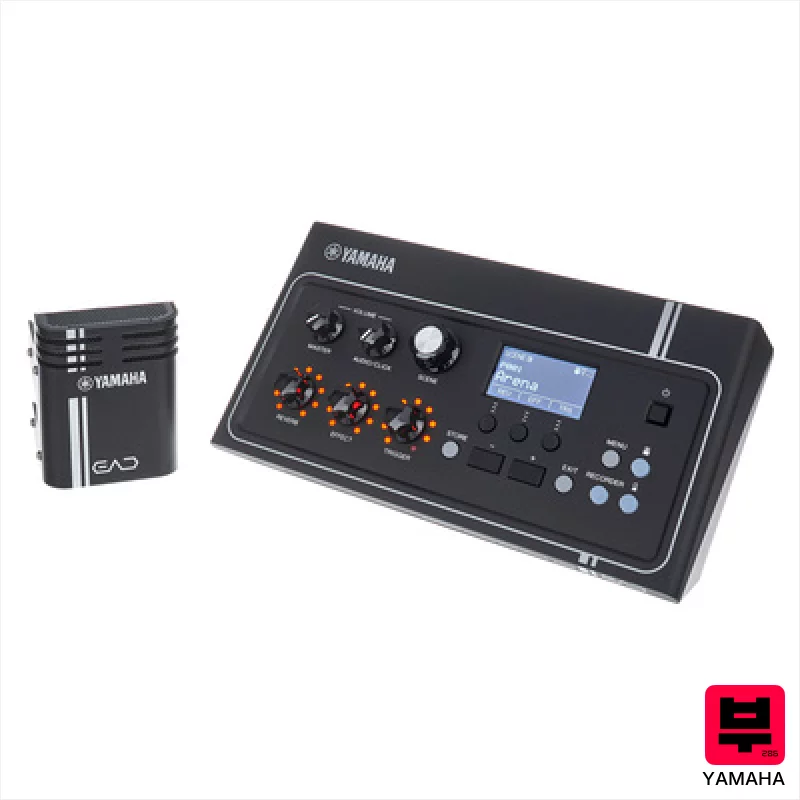
Yamaha EAD10 Drum Module
- • Excellent acoustic drum mixing capabilities via built-in sensors
- • Yamaha's sound library delivers a wide range of usable kits
- • Compact design and lightweight for easy portability and setup
- • Intuitive scene creation allows quick kit customization on the fly
- • Limited sample storage compared to higher-end modules
- • Trigger inputs might feel restrictive for complex multi-pad setups
- • Reverb options, while decent, lack the depth of dedicated effects units
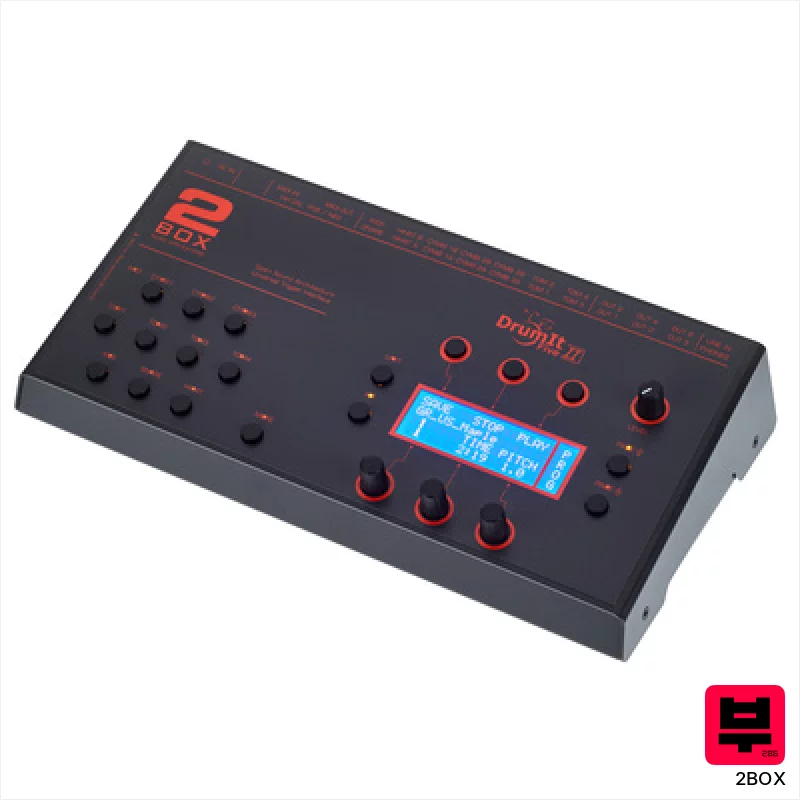
2box DrumIt Five MKII
- • Simon Phillips/Randy Black sounds offer exceptional realism and nuance
- • 32GB internal storage provides ample space for custom kits and samples
- • Software editor unlocks deep customization for experienced sound designers
- • Compact size and lightweight design enhance portability and setup convenience
- • Limited effects compared to higher-end modules from Roland or Yamaha
- • 15 trigger inputs may restrict larger, more complex drum setups
- • Line outputs lack individual gain controls for precise mixing
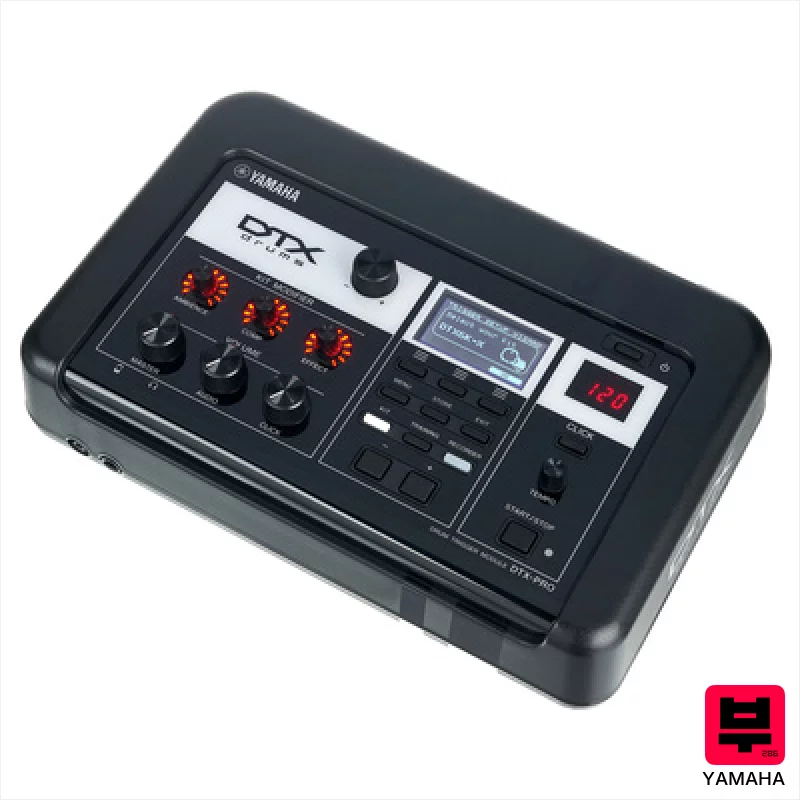
Yamaha DTX-PRO Drum Module
- • Yamaha's renowned sound library delivers exceptionally realistic acoustic drum tones
- • Kit Modifier adds subtle, believable room ambience for a more natural feel
- • WAV import capability allows for truly personalized sound design and expansion
- • Comprehensive channel processing offers detailed control over individual drum sounds
- • Limited physical connectivity compared to higher-end modules
- • The preset kits, while decent, might require tweaking for serious players
- • WAV import process can be slightly cumbersome for beginners

2box DrumIt Three Bundle
- • Randy Black & Simon Phillips samples offer a high-quality sonic foundation
- • Flexible trigger input system accommodates various pad brands and zones
- • Free editor unlocks extensive customization of kits and sounds
- • Comprehensive connectivity including MIDI, USB, and multiple outputs
- • Limited onboard effects compared to higher-end modules
- • Relatively compact size might feel cramped for some drummers
- • Sound module’s menu system could be more intuitive and streamlined
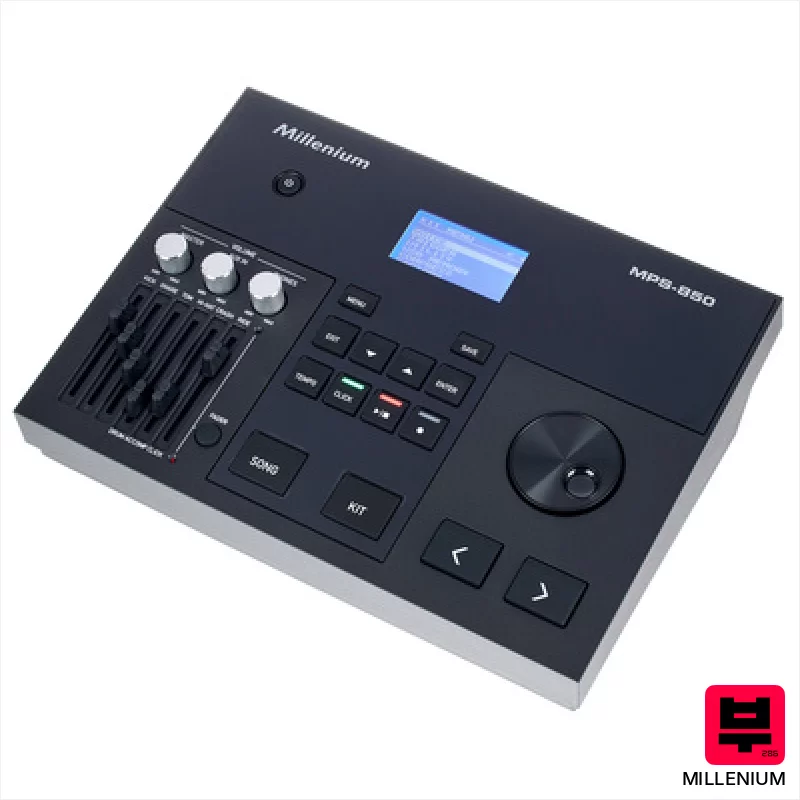
Millenium MPS-850 Drum Module
- • Impressive voice count for the price, offering diverse sonic palettes
- • Six faders provide hands-on volume control, a real boon for live use
- • Quick Record function simplifies capturing practice sessions and ideas
- • USB memory allows for easy kit sharing and sound expansion.
- • Millenium's sound quality, while decent, lacks the nuance of higher-end modules
- • The plastic enclosure feels a bit budget-oriented; not built to withstand heavy touring
- • Limited effects compared to more premium modules; reverb is basic.
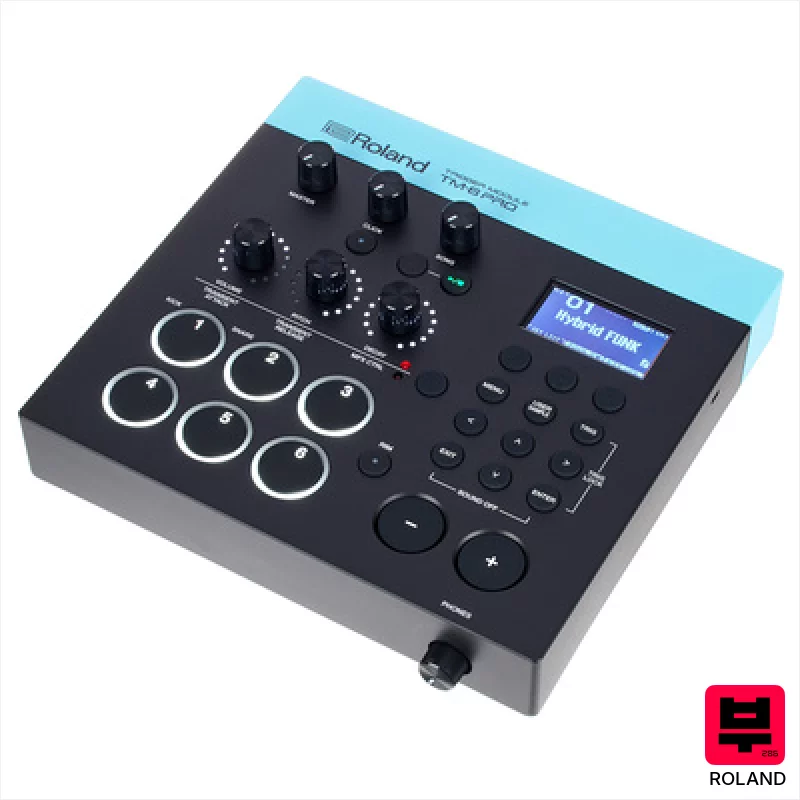
Roland TM-6 Pro Drum Trigger Module
- • Excellent sound library, blending acoustic realism with electronic textures
- • Individual trigger processing offers unparalleled sonic customization
- • Compact, robust build quality suitable for gigging and studio use
- • Hi-hat controller expansion adds crucial expressive control
- • Limited number of onboard sounds compared to larger modules
- • Requires external triggers, adding to overall system cost and complexity
- • Menu navigation can feel a bit cumbersome without dedicated display
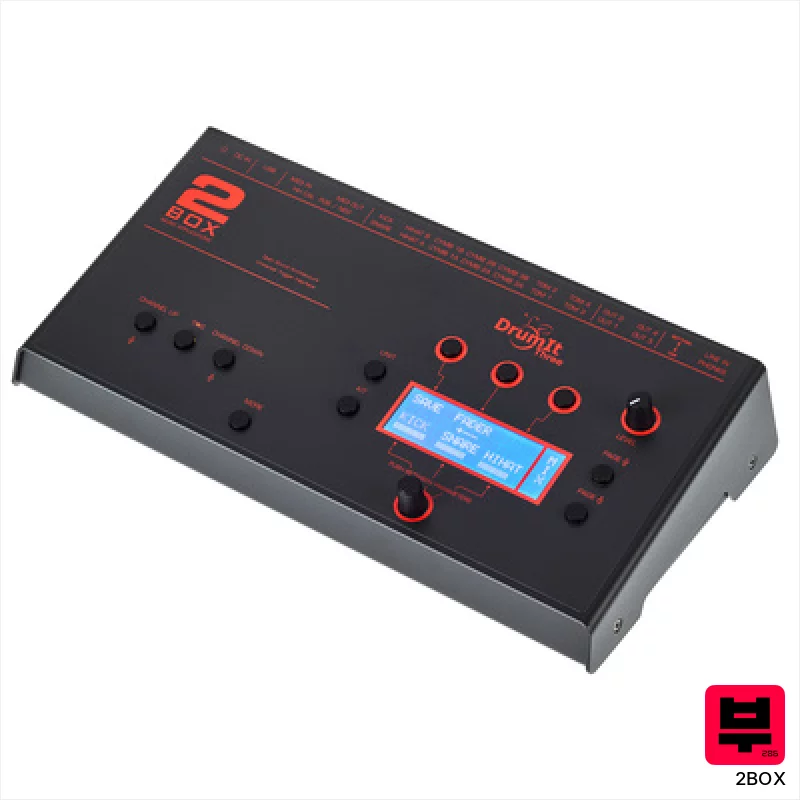
2box DrumIt Three
- • Randy Black/Simon Phillips samples deliver professional-grade drum sounds
- • Flexible trigger input system accommodates a wide range of pads
- • Robust 127-velocity layering allows for nuanced expression
- • Free editor unlocks deep customization of kits and sounds
- • Lack of included trigger cables is a significant initial investment
- • Limited effects processing compared to higher-end modules
- • Build quality feels somewhat plasticky, reflecting its price point

Roland EC-10M ELCajon Mic Processor
- • Integrated clip mic simplifies setup and provides decent initial sound
- • 16 kits offer a surprising range of cajon and percussion sounds
- • Built-in compressor adds punch and clarity to the cajon’s dynamics
- • Battery power offers portability for rehearsals and smaller gigs
- • Clip mic’s sound quality is a baseline – upgrading is almost essential
- • Limited kit editing capabilities restrict custom sound creation
- • Lack of USB/MIDI connectivity limits integration with larger setups
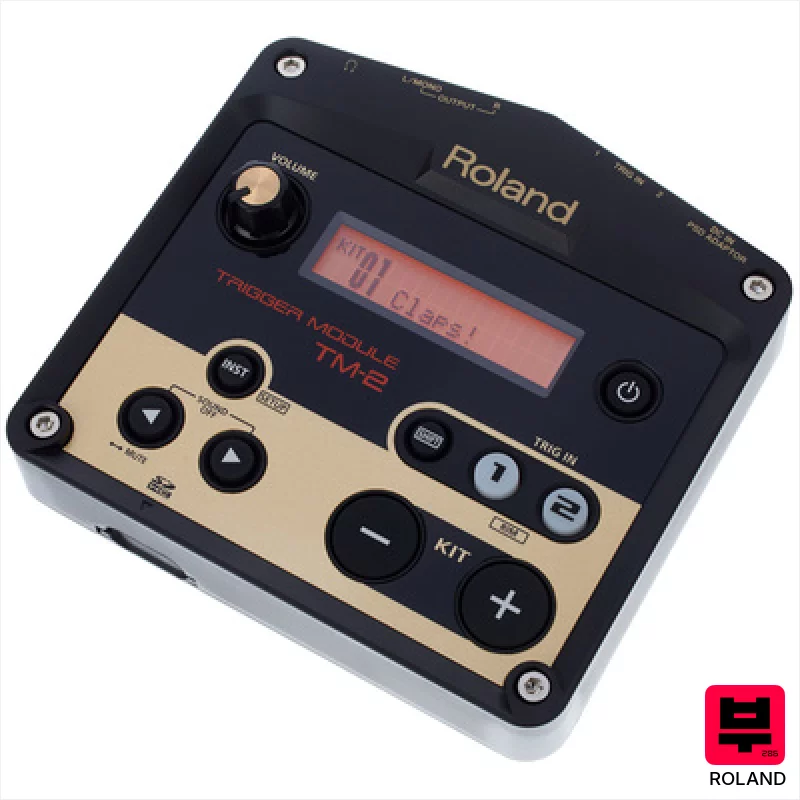
Roland TM-2 Trigger Module
- • Compact size makes rack integration exceptionally easy
- • Solid Roland build quality; feels durable for gigging
- • Versatile sound palette, from acoustic kits to percussion
- • SD card capability expands sonic possibilities significantly
- • Limited trigger inputs restrict complex layering setups
- • Sound engine lacks the depth of higher-end modules
- • No USB audio output for direct recording to DAW
How to Choose the Best Electronic Drum Sound Modules
Sound Quality
It's not just about having a wide selection; it's about the character of the sounds. Do they have that punchy low-end thump needed to cut through a wall of guitars? Do the cymbals have a realistic shimmer, or are they harsh and brittle? That 'fat midrange honk' on the snare is crucial for a vintage feel, and a module's ability to deliver that makes a huge difference.
Dynamic Range & Articulation
A module that responds realistically to your playing is essential. Subtle ghost notes need to be audible, while a powerful backbeat should slam. Poor dynamics mean you'll be fighting the module to get the sound you want, and that's a recipe for frustration on stage.
Reliability & Build Quality
Gigging is brutal. Modules get bumped, cables get pulled, and things fail. A robust build, solid connectors, and a well-designed power supply are non-negotiable. You don't want your kit dying halfway through a set.
Connectivity & Routing
Beyond basic MIDI, consider the number of outputs, aux sends, and the ability to route signals. Being able to send a click track or a sub-kick out separately is a serious advantage, especially for larger stages or complex setups.
Workflow & Editing
How easy is it to tweak sounds on the fly? Can you quickly adjust EQ, damping, or tuning without diving into a menu maze? A module that's intuitive and responsive will save you valuable time and stress during a live performance.
Buying Guide
Don't be swayed by sheer number of sounds; a curated selection of well-sampled, usable sounds is far more valuable. Modules that skimp on dynamic range often compensate with a wider sound library, but those sounds will feel lifeless. Pay attention to the power supply - a cheap, flimsy one is a ticking time bomb. Spending a bit more for a module with solid build quality and a responsive feel is always worth it; you're investing in reliability and your performance.
Our Methodology
We're not just looking at spec sheets here. We've spent countless hours behind kits, gigging with these modules in everything from smoky blues bars to loud rock clubs. Our evaluations are based on how they sound in a mix, how they feel under the sticks, and how they perform under pressure - real-world scenarios, not sterile studio environments. We A/B compared them against each other and against acoustic kits, too.

