
Best Electric Guitar Preamps Under $300 2026
Alright, so you want that amp-in-a-box vibe without draining your gigging budget? Electric guitar preamps under $300 are totally doable, but you gotta know what to look for. We're talking about adding some serious character - a creamy overdrive, a sparkling clean boost, or even some gritty distortion - without the weight and expense of a full amp. Let's cut through the noise and find you something that actually sounds good and works in a real-world scenario.
Last updated: September 29, 2026

Engl EP635 Fireball IR
- • Authentic Fireball preamp voicing delivers Engl's signature high-gain crunch.
- • Independent channels offer flexibility for clean and distorted tones, easily saved.
- • USB-C IR loader provides excellent cabinet simulation options for direct recording.
- • Compact size and lightweight design make it ideal for pedalboards or studio use.
- • Requires a separate power supply, adding to the overall cost and setup.
- • Limited EQ controls compared to full-sized Engl amplifiers; lacks a sweepable mid.
- • While versatile, it's heavily biased towards high-gain tones, limiting clean headroom.
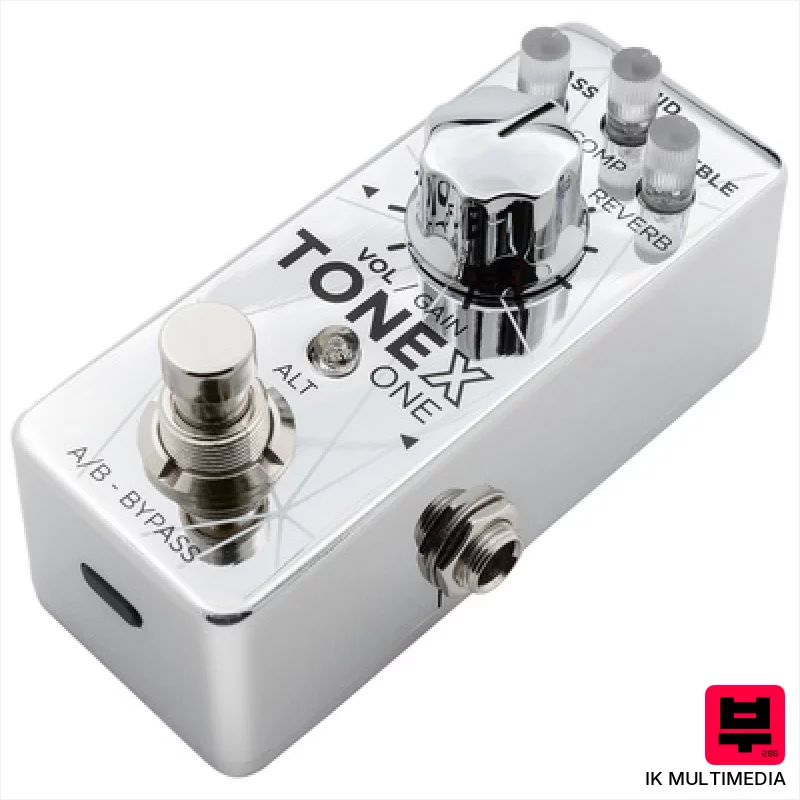
IK Multimedia ToneX One Joe Satriani Ltd Ed.
- • Satriani's presets offer unique, complex tones; excellent for shred and fusion.
- • ToneX's AI modeling delivers surprisingly authentic amp and cab response.
- • Assignable footswitches provide flexible performance options for live use.
- • Compact size and audio interface functionality add significant value.
- • Limited overall preset capacity compared to dedicated multi-effects units.
- • IK's Tone.net ecosystem can feel overwhelming for new users.
- • The plastic enclosure feels less robust than a premium metal stompbox.
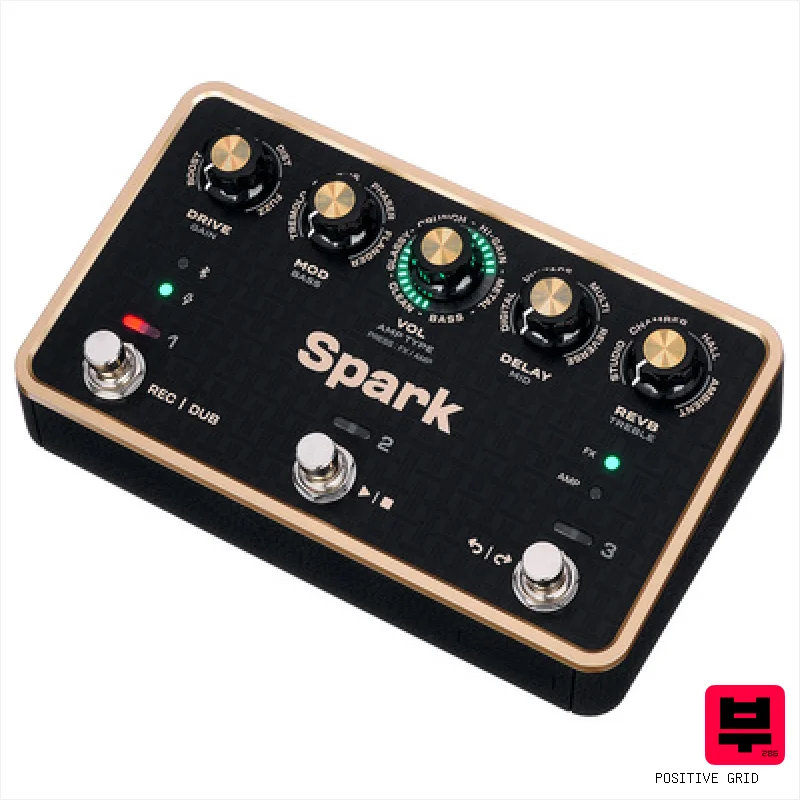
Positive Grid Spark Pedal
- • Built-in looper lets you record ideas instantly.
- • Includes 33 distinct amp models for variety.
- • Features 43 separate effects to shape tone.
- • USB-C port works as an audio interface.
- • Very light weight may feel unstable.
- • Limited number of storable presets.
- • Small physical footprint restricts pedalboard space.

Two Notes ReVolt Guitar Preamp
- • Warm 12AX7 tube delivers genuine tube saturation and harmonic complexity.
- • DynIR captures provide surprisingly realistic speaker cabinet emulations for DI.
- • Comprehensive GENOME software unlocks immense tonal flexibility and experimentation.
- • Integrated OD boost adds a useful layer of aggressive gain for lead work.
- • The GENOME software, while extensive, can feel overwhelming for beginners.
- • Analogue cab sim, while good, won't fool anyone into thinking it's a real cab.
- • Limited physical EQ controls compared to a full-fledged amp.
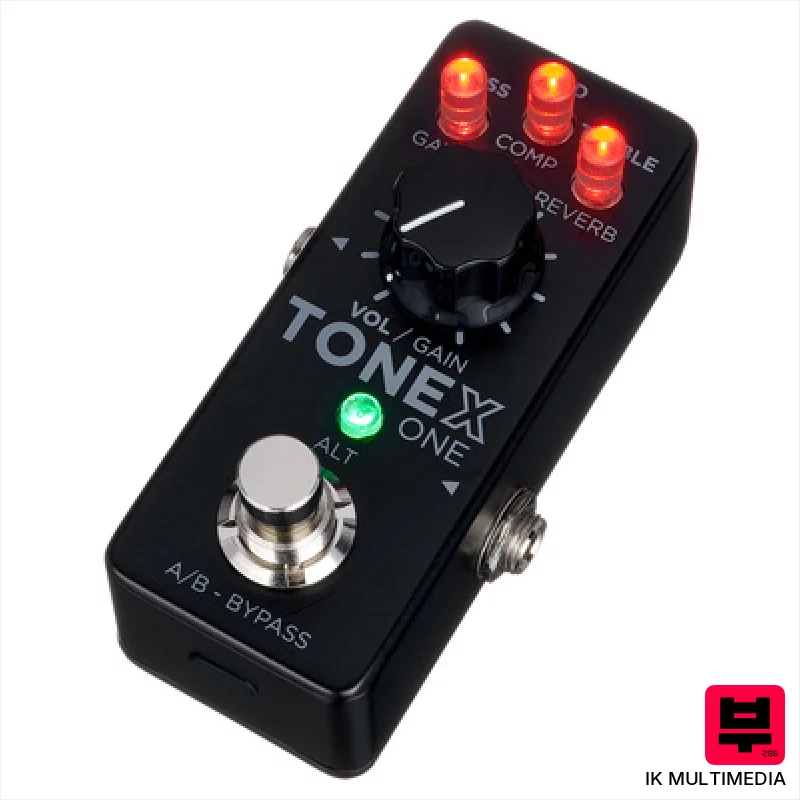
IK Multimedia ToneX One
- • Impressive AI modelling captures amp nuances surprisingly well.
- • Assignable presets offer flexible switching and tonal customization.
- • Built-in effects provide a surprisingly complete signal chain.
- • Compact size and audio interface functionality enhance versatility.
- • AI modelling, while good, isn't a perfect recreation of analog circuits.
- • Limited physical controls demand frequent software editing for fine-tuning.
- • Preset management via software can be slightly cumbersome.
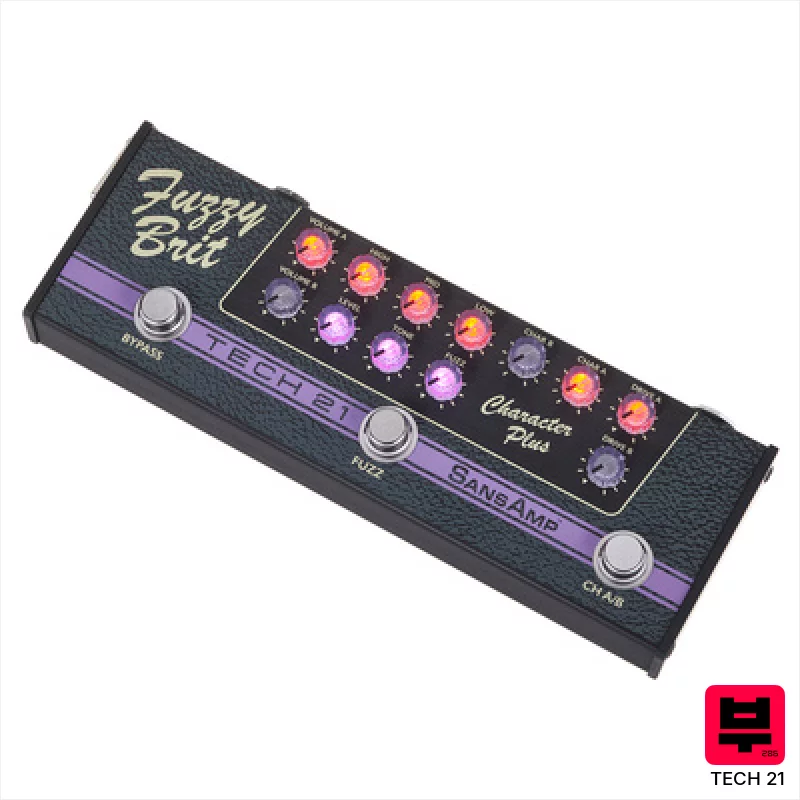
Tech 21 SansAmp Fuzzy Brit
- • Solid metal enclosure feels robust and gig-ready.
- • Plexi simulation nails the classic British amp tone.
- • Fuzz Face circuit delivers thick, creamy, vintage fuzz.
- • Balanced XLR output is excellent for direct recording.
- • Limited EQ controls compared to more complex preamps.
- • No battery operation restricts portability.
- • Fuzz Face tone might be too saturated for some genres.
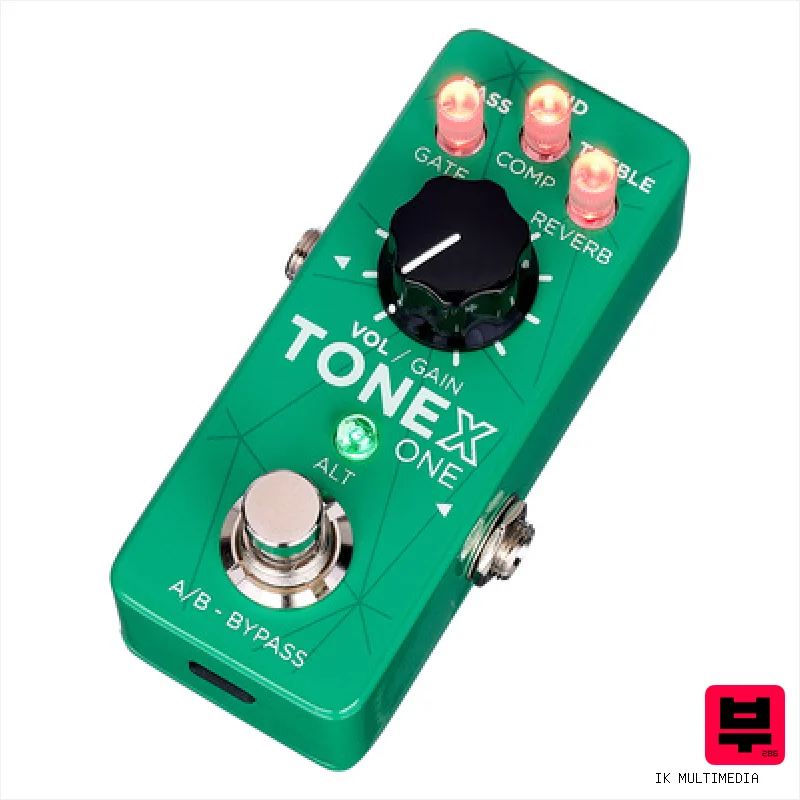
IK Multimedia ToneX One Limited Green
- • Includes full Tonex version with 440 sound models
- • AI machine modelling for 40+ amps and 20+ pedals
- • Quick-Tuner built directly into the pedal
- • Stores 20 presets editable via Tonex Librarian
- • No dedicated headphone output mentioned in description
- • Limited to 15 specific effects listed
- • Only two preset modes available for switching
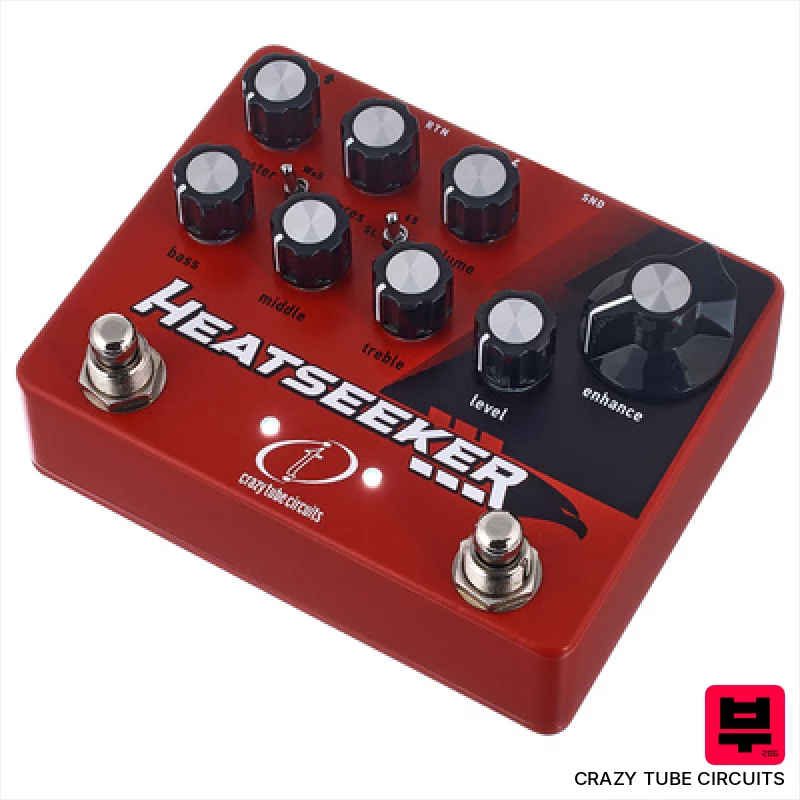
Crazy Tube Circuits Heatseeker
- • Excellent recreation of the Schaffer Vega preamp section's aggressive harmonic enhancement.
- • The three Marshall amp simulations offer surprisingly distinct and usable tones.
- • Relay-switched bypass preserves signal integrity and eliminates annoying pops.
- • The 'Wall of Sound' mode genuinely thickens the tone, adding serious drive.
- • The high gain settings can get quite noisy, requiring careful gain staging.
- • The compact size might make knob adjustments tricky for those with larger hands.
- • While versatile, it's heavily geared towards high-gain rock and metal styles.
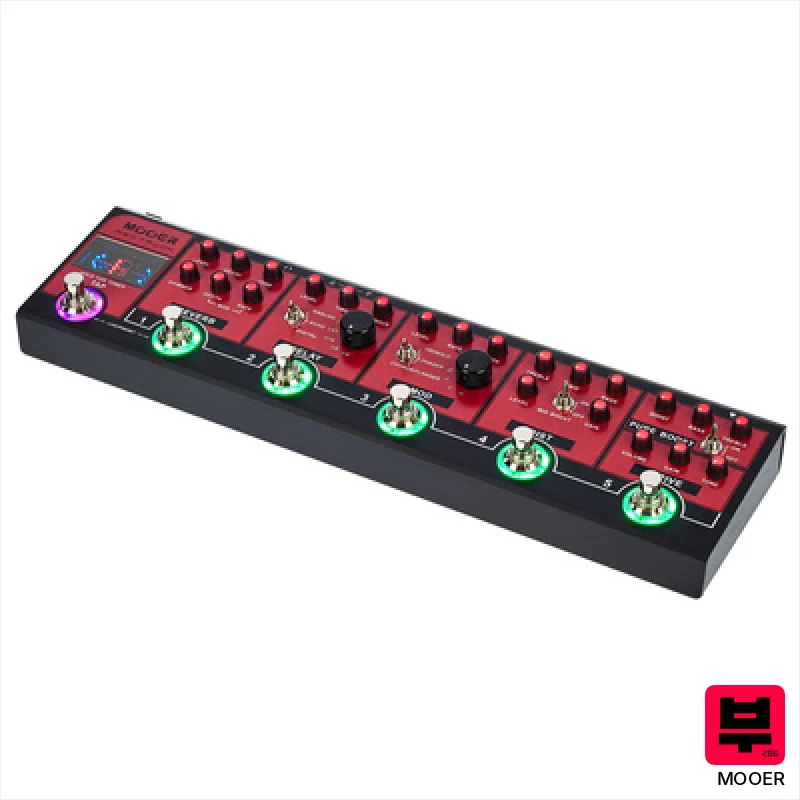
Mooer Red Truck
- • Excellent overdrive tones, surprisingly warm and responsive.
- • Intuitive layout eliminates menu diving frustration.
- • Solid build quality for its size and price point; feels robust.
- • Speaker simulation adds usable amp-like response even without a cab.
- • Effect routing options are somewhat limited compared to full-blown multi-effects.
- • Modulation effects can sound a bit thin and digital at higher settings.
- • The pure boost section lacks tonal shaping beyond basic EQ.
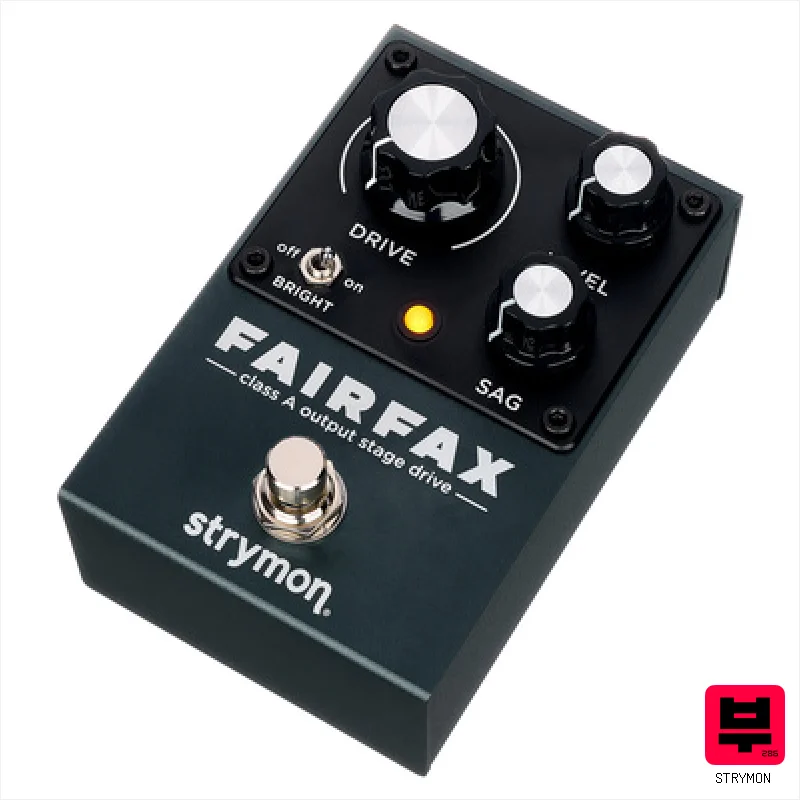
Strymon Fairfax Preamp
- • True bypass keeps tone clean when effect is off
- • Fully replicated analogue circuit mimics real amps
- • Compact size fits easily on any pedalboard
- • Simple controls let you shape drive and level
- • No battery power means you need a wall adapter
- • No built-in EQ so tone shaping is limited
- • No built-in effects means it is just a preamp
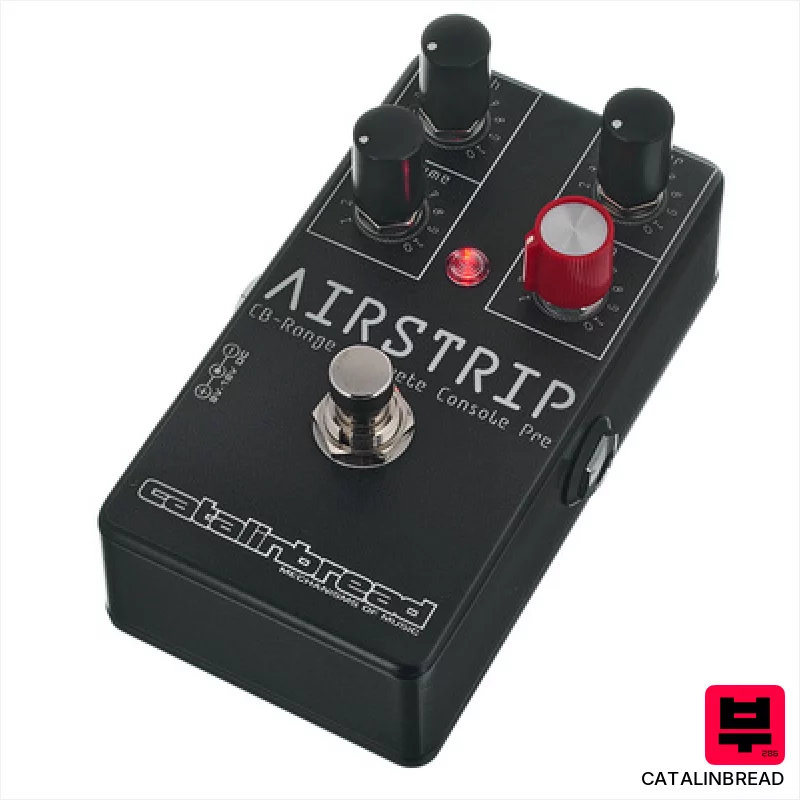
Catalinbread Airstrip Console Pre
- • Warm, vintage console tone; surprisingly versatile for a preamp.
- • Robust, all-metal enclosure feels built to last gigging.
- • Provides a unique, characterful coloration beyond standard preamps.
- • Compact size makes it ideal for pedalboard integration.
- • Limited EQ controls; shaping the sound can be challenging.
- • Requires a separate power supply, adding to the overall cost.
- • High-gain settings can get a bit muddy with certain pickups.
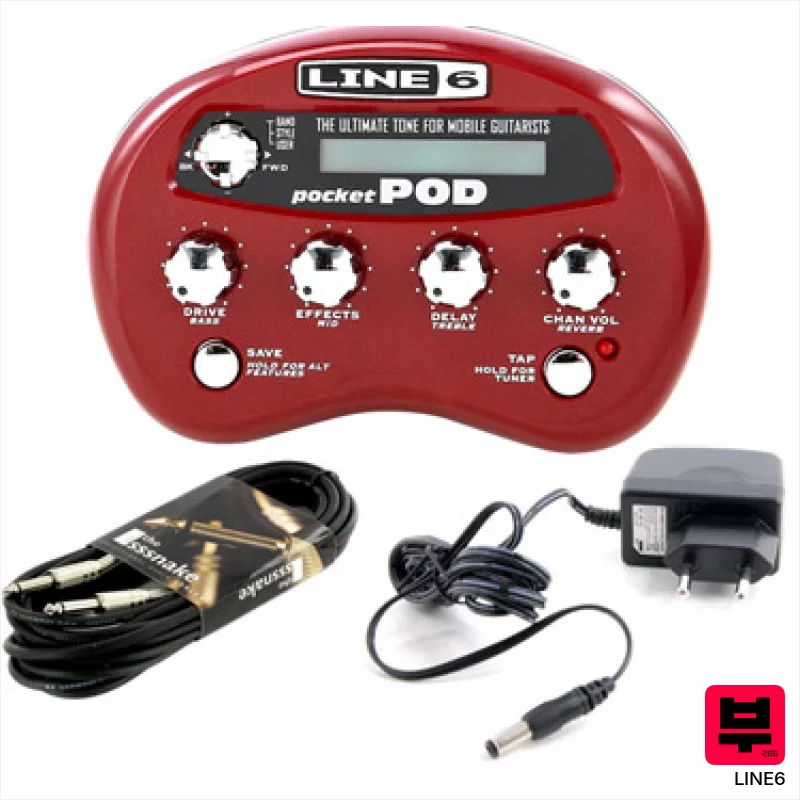
Line6 Pocket Pod Bundle
- • Excellent value for money, offering Line 6’s signature amp modeling.
- • Pocket-sized design makes it incredibly portable for practice and travel.
- • Built-in tuner is convenient for quick adjustments on the go.
- • USB connectivity allows for software editing and preset management.
- • Mini-jack headphone output lacks the quality of a full-sized jack.
- • MIDI only via USB; no direct audio interface functionality.
- • Limited physical controls can feel cramped for extensive tweaking.
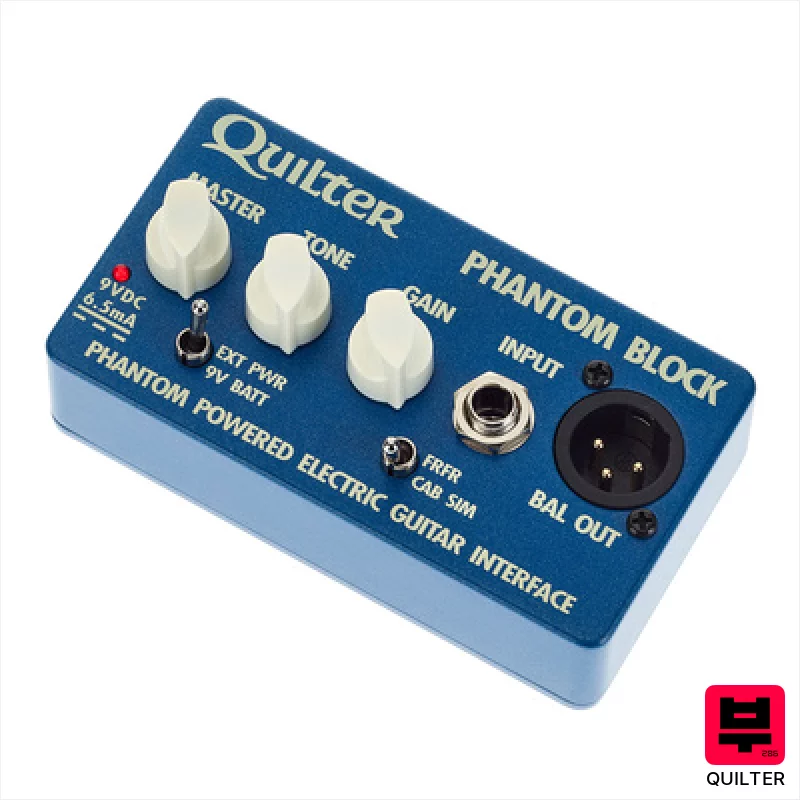
Quilter Phantom Block Pre Amp/Cab Sim
- • High-impedance input optimizes passive pickup performance exceptionally well
- • Versatile tone control covers a wide range of clean to overdrive sounds
- • Compact design and battery power offer incredible portability and convenience
- • Cab simulation provides surprisingly realistic amp voicings for DI recording
- • Limited gain range might not satisfy players seeking extreme high-gain tones
- • Lack of multiple channels restricts tonal flexibility for complex setups
- • Power adapter not included, adding to the overall investment
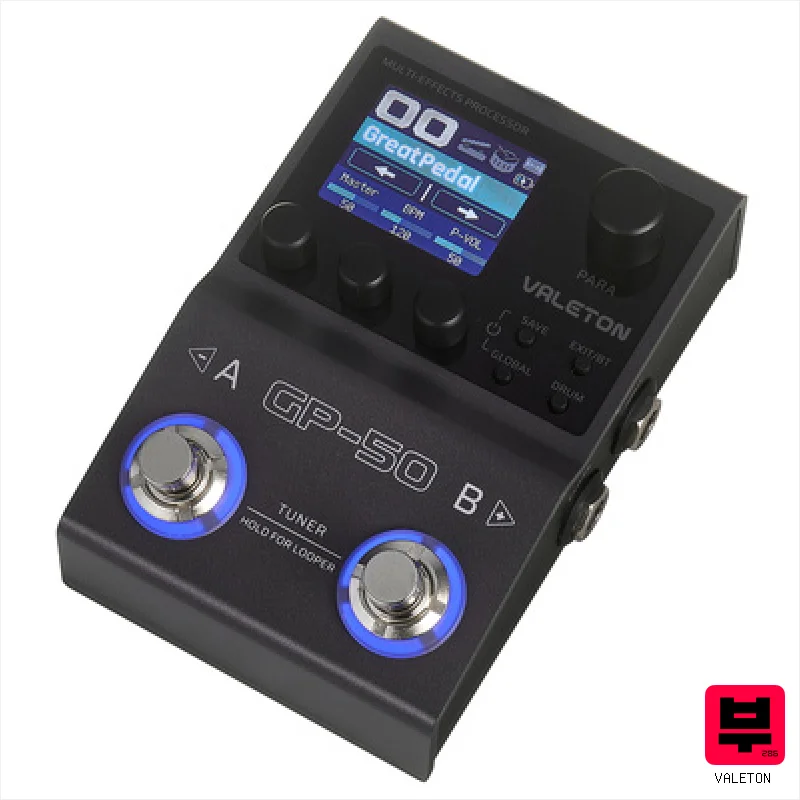
Valeton GP-50
- • Built-in battery lasts about four hours of playing
- • Converts NAM files for better amp tone matching
- • Allows up to nine effects to run at once
- • Stores ten different impulse responses for room sound
- • No specific channel count or preamp type listed
- • Does not mention speaker power or cabinet size
- • Weight is not provided in the manufacturer specs
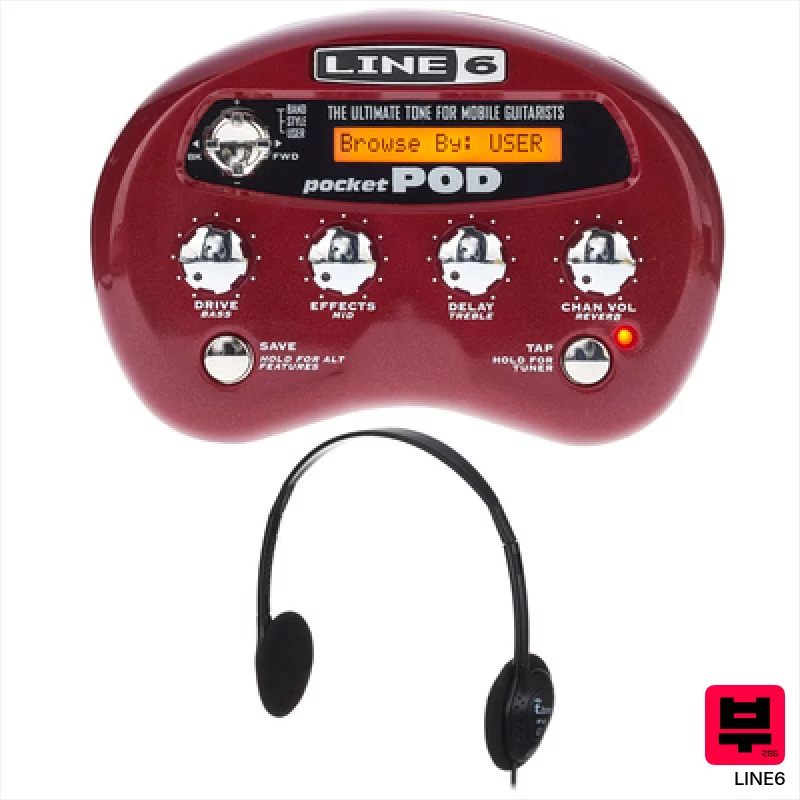
Line6 Pocket Pod Jam-Bundle
- • Excellent value for money, offering Pod 2.0 sounds at a budget price
- • Surprisingly versatile amp models cover a wide range of genres
- • Built-in tuner is convenient for quick practice and tuning stability
- • Headphone output allows for silent practice, crucial for apartment living
- • Mini-jack headphone output limits headphone quality and power
- • USB connection is MIDI only, no audio interface functionality
- • Limited physical controls can feel restrictive for advanced tweaking
Every electric guitar preamps that matches
20 models match this page. The 15 above are covered in detail; the rest are listed here with their published specifications.
| # | Model | Specifications | Price |
|---|---|---|---|
| 16 | Valeton GP-5 + Cab WH Bundle | not published | $125 |
| 17 | Positive Grid Spark Neo Core Bundle | not published | $122 |
| 18 | Palmer Pocket Amp MK2 Guitar Preamp | not published | $101 |
| 19 | Valeton GP-5 | not published | $75 |
| 20 | Behringer TM300 Tube Amp Modeler | not published | $33 |
Electric Guitar Preamps by the numbers
Measured across all 20 models in this category, so «wide», «short» or «expensive» mean something you can check.
How to Choose the Best Electric Guitar Preamps
Gain Range
This dictates how much dirt you can get. A wider range lets you go from subtle boost to full-on rock, but often comes at the cost of noise. Expect some hiss in the higher gain settings in this price bracket - it's a trade-off.
EQ Control
A simple bass/mid/treble stack is common, but a parametric EQ offers more precise shaping. More control is great, but simpler EQs can be surprisingly musical and intuitive.
Noise Floor
Cheap components can lead to a noisy signal. A preamp shouldn't bury your guitar's natural dynamics under a blanket of hiss, especially when you're trying to cut through a band mix.
Dynamic Response
Does the preamp react well to your playing? A good one will tighten up your low-end and add clarity when you pick hard, while softening the attack when you're playing clean. This is where cheaper units often fall short.
Build Quality
Let's be real, plastic enclosures and flimsy pots are a sign of corners being cut. You want something that can take a few bumps and bruises from gigging, even if it's not battleship-grade.
Buying Guide
At this price point, you're making compromises. Don't expect boutique-level transparency or zero noise. Focus on finding a preamp that delivers a specific flavor you like, even if it has a few quirks. Look for units with decent EQ controls to compensate for your amp's shortcomings - a flat amp can be brought to life with a little tweaking. And always, always test it with your own gear before you buy.
How This List Is Built
We don't play these instruments — we're a catalog, not a review desk, and we'd rather say so than pretend otherwise. This page covers 20 electric guitar preamps from the Thomann catalogue, which is the largest single source of specification data in this category: 15 in detail, the rest listed with their specifications.
Position is computed, not curated. We parse the manufacturer's own description into actual values — nut width, scale, fret count, fingerboard radius, size, alloy — and rank on them: how many specifications a model has published, how many of them are measurable numbers, and how precisely it meets this page's criterion. A product image adds a little. Price is not a ranking signal: it tells you nothing about whether a neck fits your hand. The same inputs always produce the same order, so nothing here is shuffled to look fresh.
What this list is good for: narrowing a category down to a shortlist by spec and budget. What it isn't: a substitute for hearing an instrument. Before you buy, read hands-on reviews and, where you can, play it. Full methodology.

