
Best Electric Guitar Preamps for Signal Processing 2026
So, you're not chasing a full amp sound, huh? You're after a preamp to sculpt your signal - to add character, grit, or outright weirdness before your IR loader or digital amp sims. That's smart. A good preamp can be the difference between a lifeless digital emulation and something that actually breathes and responds. We're looking at preamps that are versatile enough to handle a wide range of effects and processing, not just amp sims.
Last updated: July 1, 2026 • Next update: July 8, 2026
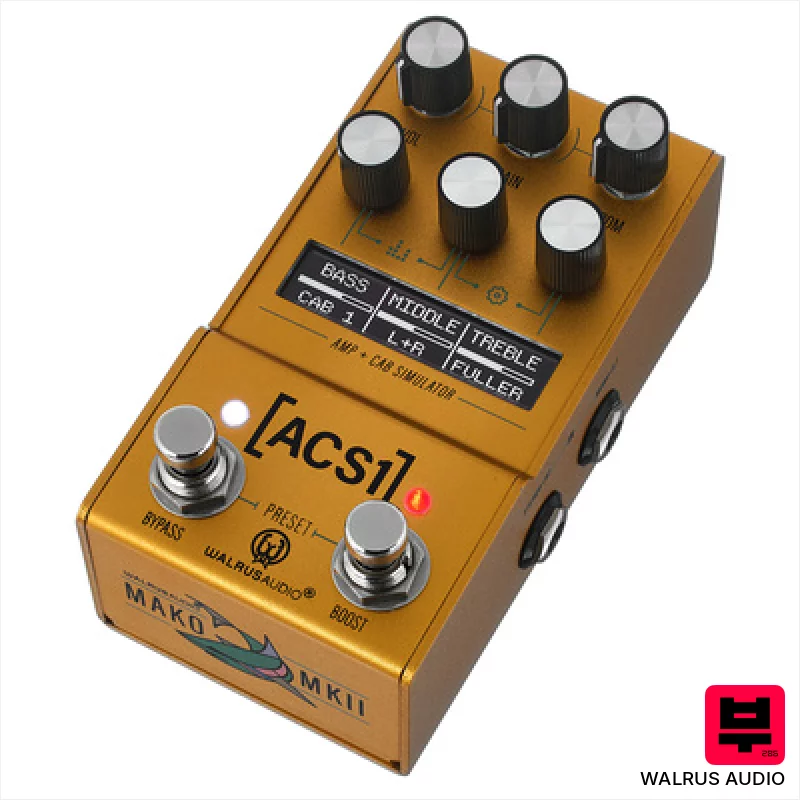
Walrus Audio MAKO ACS1 MK II
- • Exceptional clarity and detail thanks to Tone Factor/York Audio IRs
- • Flexible dual-amp architecture unlocks incredibly diverse sonic textures
- • User-friendly display and USB-C connectivity streamline preset management
- • Boost function adds serious punch and dynamic range for live performance
- • Price point puts it out of reach for budget-conscious players
- • Stereo operation demands a suitable monitoring setup, limiting single-amp use
- • The sheer number of options can be overwhelming for beginners.
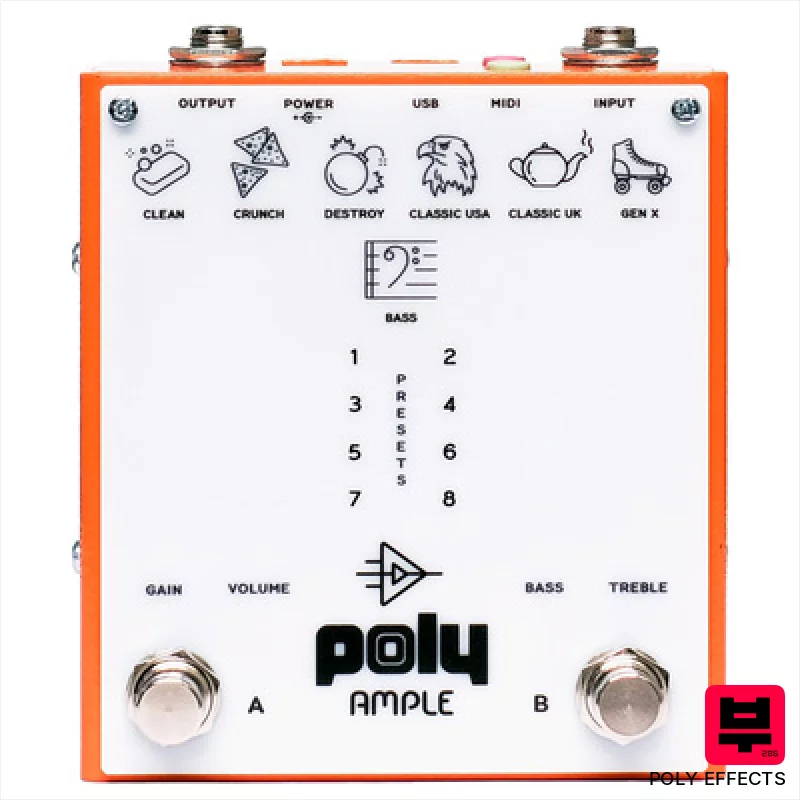
Poly Effects Ample Amp & Cab Sim
- • Exceptional amp modeling accuracy, capturing subtle nuances.
- • Intuitive touch sliders offer precise control and visual feedback.
- • Bi-amp functionality expands sonic possibilities for bass and guitar.
- • St. Albans Cathedral reverb adds truly unique and inspiring ambience.
- • The compact size might feel cramped for some users’ pedalboards.
- • The sheer number of amp models can be overwhelming initially.
- • While versatile, it leans towards classic tones, limiting modern high-gain options.

Tsakalis AudioWorks Mothership Pre-Amp
- • Dual ECC83 tubes deliver rich harmonic saturation and dynamic response.
- • Flexible cabinet simulation offers diverse speaker tones without external cabs.
- • Comprehensive EQ section allows for precise tonal sculpting and shaping.
- • MIDI implementation provides seamless integration with other gear and automation.
- • 700mA power draw might be limiting for some battery-powered setups.
- • Two-channel design might feel restrictive for players needing extreme versatility.
- • The compact size could make pedalboard integration slightly challenging.
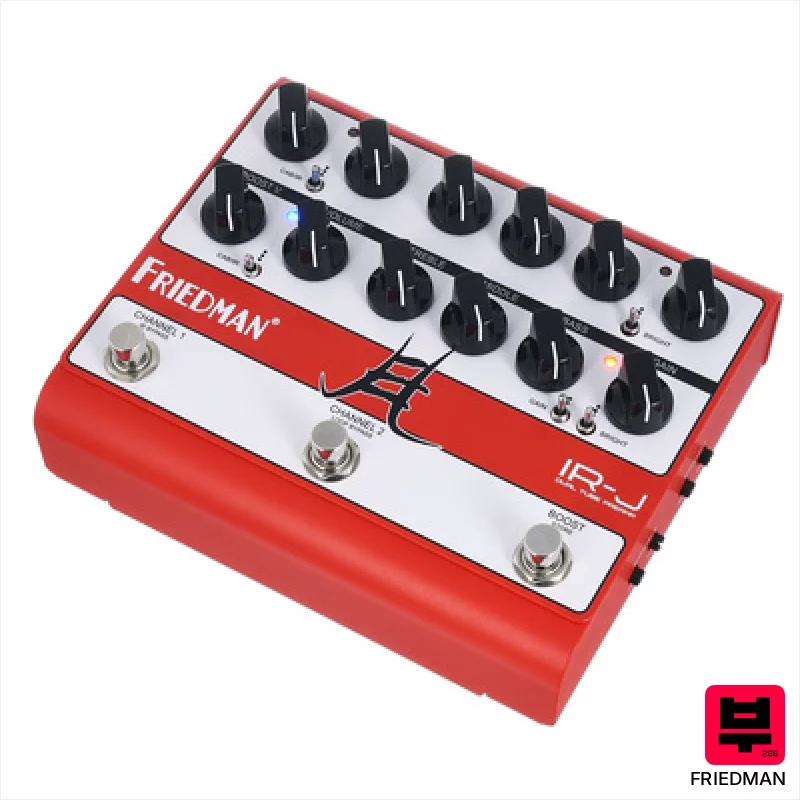
Friedman IR-J Jake E Lee Sign. Preamp
- • Exceptional JEL-100/200 tone replication; captures that aggressive 800 vibe.
- • Independent boost channels offer serious versatility for stacking and lead tones.
- • Solid build quality with robust footswitch and reliable tube circuit design.
- • Integrated IRs provide surprisingly realistic speaker/cab simulation for direct recording.
- • Tube-driven design means higher noise floor than fully digital solutions.
- • IR selection, while good, isn't as expansive as dedicated IR loader pedals.
- • Limited EQ control compared to full-fledged amp heads; lacks a presence control.
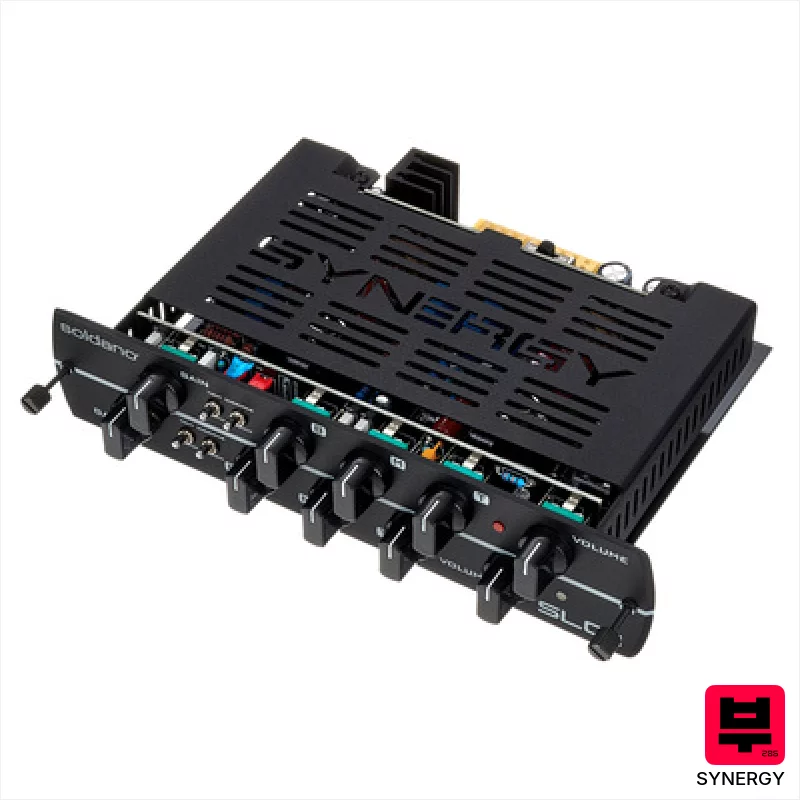
Synergy SLO II Preamp
- • Faithful SLO recreation captures the iconic Soldano tone and responsiveness.
- • Independent EQ per channel offers significant tonal shaping flexibility.
- • Crunch/Overdrive and Normal/Tight switches add versatility within each channel.
- • American-made construction suggests robust build quality and reliable component selection.
- • Synergy system requirement limits standalone use, increasing overall investment.
- • Tube-driven design means potential for noise and requires occasional maintenance.
- • Limited channel options might not suit players needing extreme tonal contrasts.
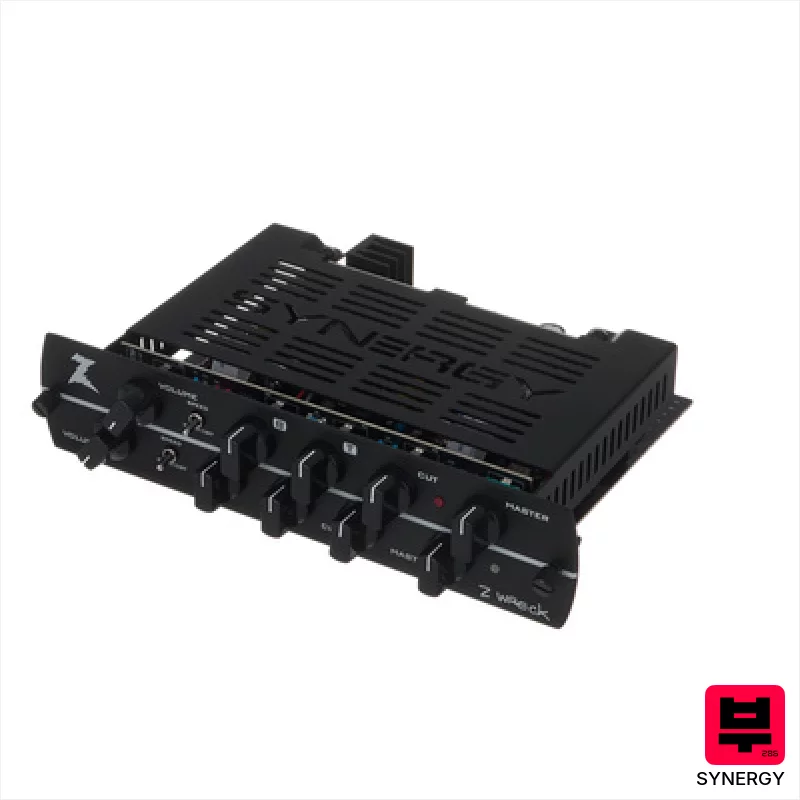
Synergy Z Wreck Preamp
- • Authentic DR. Z Z Wreck tone in a compact, integrated module.
- • The 'Speed/Comfort' switch offers genuinely usable tonal variations.
- • Built-in 0-watt amp allows silent practice with surprising headroom.
- • Transformer and phase inverter convincingly recreate the Z Wreck's character.
- • Limited EQ controls; dialing in radical tones will be challenging.
- • The 0-watt amp is great for practice, but lacks real stage power.
- • Relatively compact size means limited internal space for future upgrades.

Synergy 800
- • Authentic British Master Volume Stack tone delivers aggressive highs and impactful mids.
- • AX7 tubes provide a dynamic, responsive feel and a warm, vintage character.
- • Compact size and lightweight design (0.5kg) allow for easy integration into existing rigs.
- • Dual channel design offers flexibility for clean and overdriven tones, easily switchable.
- • Limited connectivity—designed specifically for the Synergy Amplifier System, lacks standard outputs.
- • Gain range might be restrictive for players seeking extreme high-gain distortion.
- • Relatively high price point within the preamp module category, demanding a significant investment.
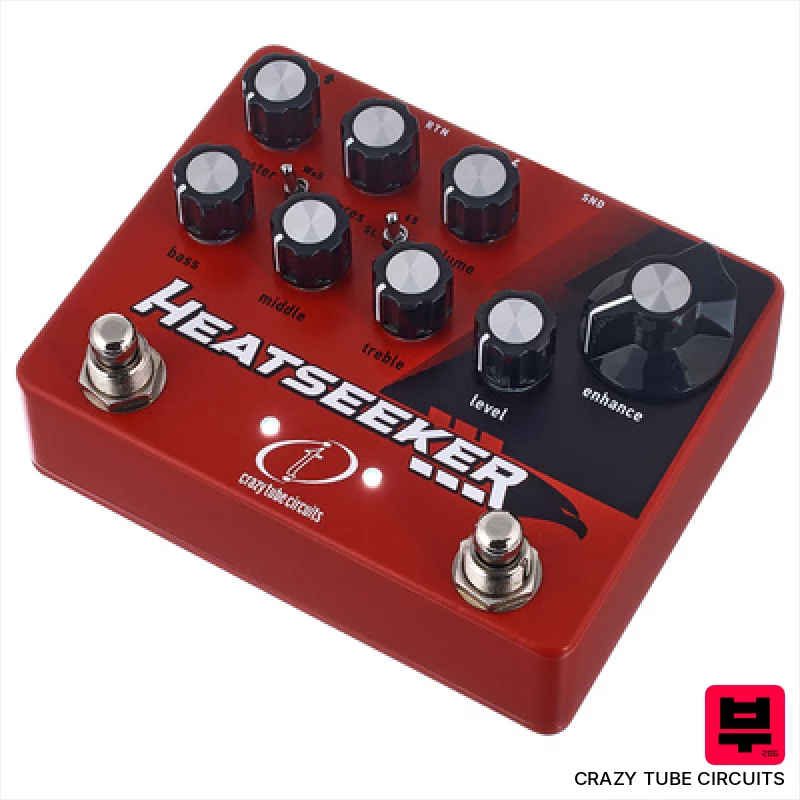
Crazy Tube Circuits Heatseeker
- • Excellent recreation of the Schaffer Vega preamp section's aggressive harmonic enhancement.
- • The three Marshall amp simulations offer surprisingly distinct and usable tones.
- • Relay-switched bypass preserves signal integrity and eliminates annoying pops.
- • The 'Wall of Sound' mode genuinely thickens the tone, adding serious drive.
- • The high gain settings can get quite noisy, requiring careful gain staging.
- • The compact size might make knob adjustments tricky for those with larger hands.
- • While versatile, it's heavily geared towards high-gain rock and metal styles.
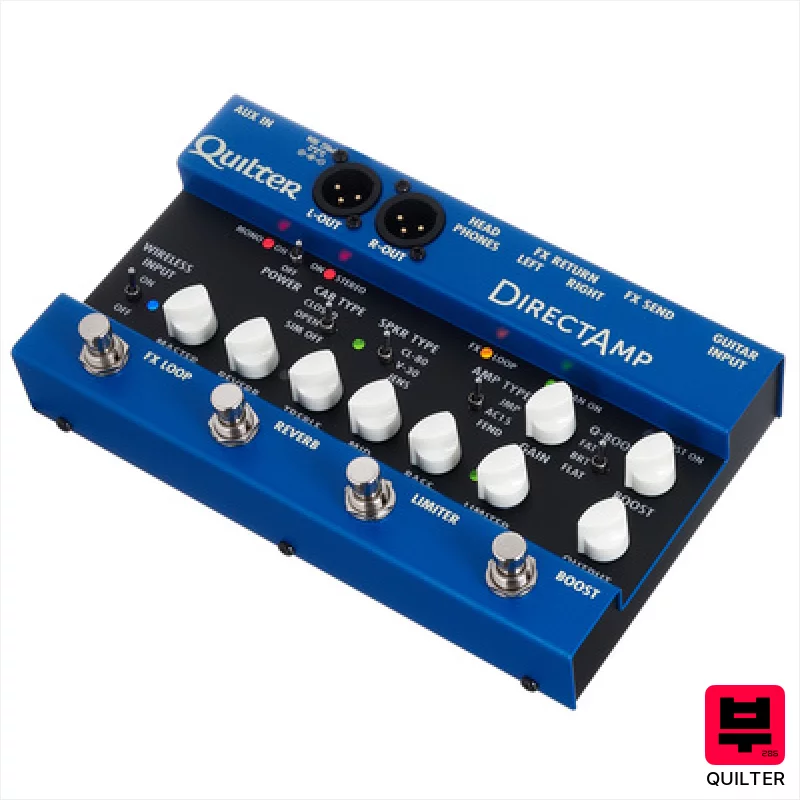
Quilter DirectAmp
- • Compact size belies surprisingly full, responsive tone.
- • JMP voicing nails a classic British amp vibe convincingly.
- • Excellent reverb provides usable depth without muddiness.
- • Stereo capabilities expand soundstage for recording and live use.
- • Limited channel flexibility restricts tonal exploration significantly.
- • Build quality, while decent, uses primarily plastic housing.
- • FX loop is series only, limiting advanced effects routing options.

Kemper Profiler Player Bundle
- • Exceptional amp profiling accuracy captures nuances of legendary rigs.
- • Compact size belies powerful, arena-level sound capabilities.
- • Rig Manager software offers deep customization and profile management.
- • Versatile FX blocks complement amp profiles, expanding sonic possibilities.
- • Steep learning curve for mastering profiling and Rig Manager software.
- • Reliance on profiles means initial investment in quality downloads.
- • Limited physical controls can require frequent software interaction.
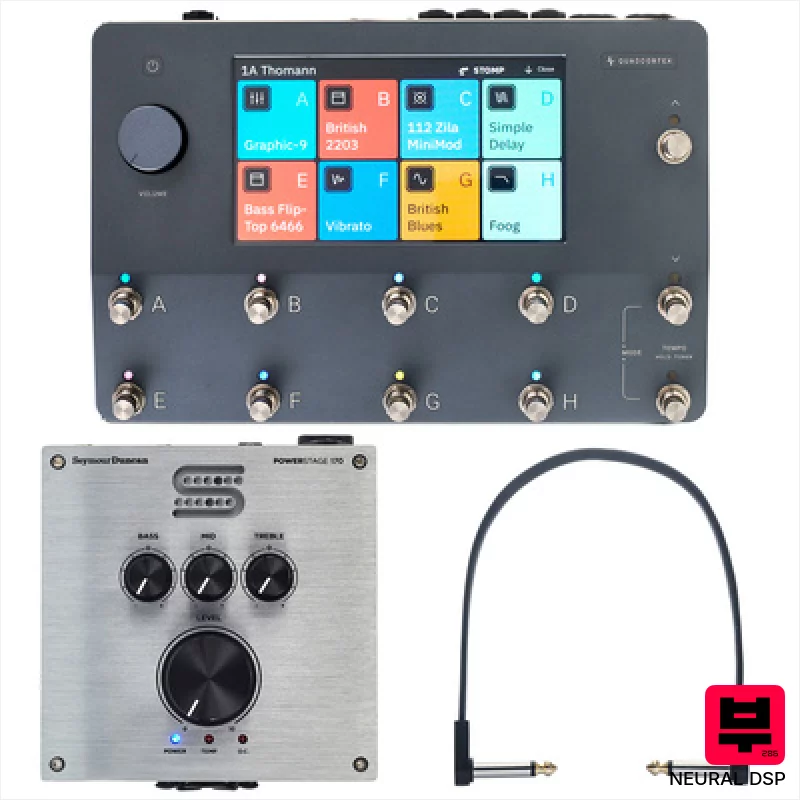
Neural DSP Quad Cortex Bundle
- • Exceptional amp modeling thanks to Neural Capture technology.
- • Intuitive 7” multi-touch display streamlines workflow significantly.
- • Extensive Impulse Response library provides massive tonal flexibility.
- • Low latency performance allows for real-time expression and responsiveness.
- • Premium-priced, a significant investment for many guitarists.
- • Steep learning curve for users unfamiliar with complex digital modeling.
- • Physical footprint, while compact, might be restrictive for some pedalboards.
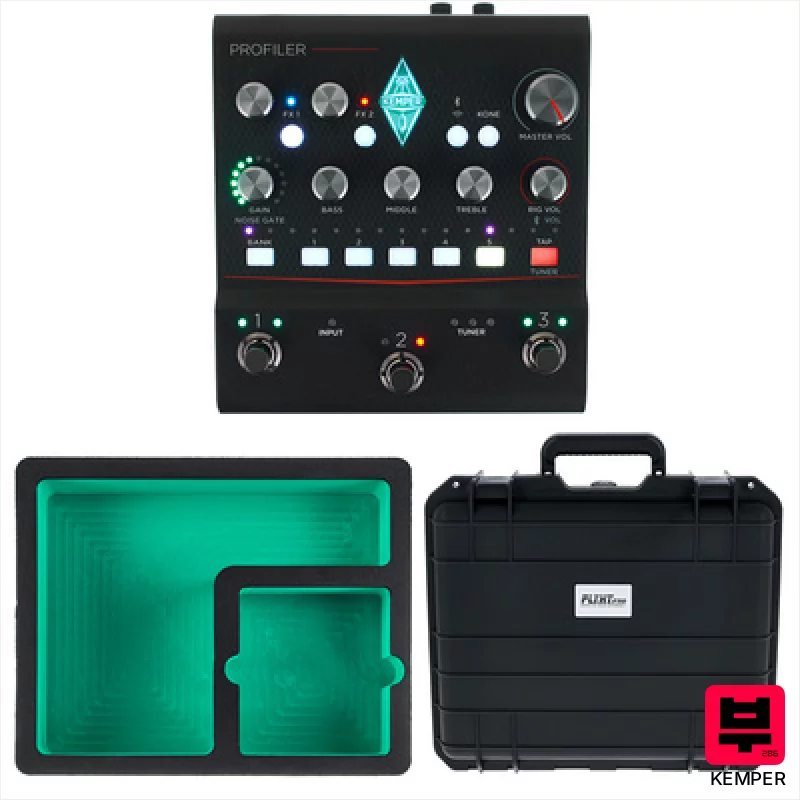
Kemper Profiler Player Case Bundle
- • Excellent profiling capabilities capture amp tones with incredible accuracy and nuance.
- • The included case provides robust protection and portability for gigging musicians.
- • Kemper's Rig Manager software offers deep editing and customization options.
- • Four effect blocks provide extensive tonal shaping beyond amp modeling.
- • Steep learning curve for users unfamiliar with amp profiling concepts.
- • Limited physical controls on the unit itself necessitate frequent software interaction.
- • Profile library size can be overwhelming for beginners; curation is essential.

Neural DSP Quad Cortex Inlay Case Bundle
- • Exceptional amp modeling accuracy thanks to Neural Capture technology.
- • The 7” touchscreen is incredibly responsive and intuitive for live use.
- • Inlay case provides robust protection and convenient portability.
- • Massive library of impulse responses offers diverse tonal shaping options.
- • Steep learning curve for users unfamiliar with complex digital modeling platforms.
- • The compact size might feel cramped for users accustomed to larger floor units.
- • Premium-priced, representing a significant investment for many guitarists.
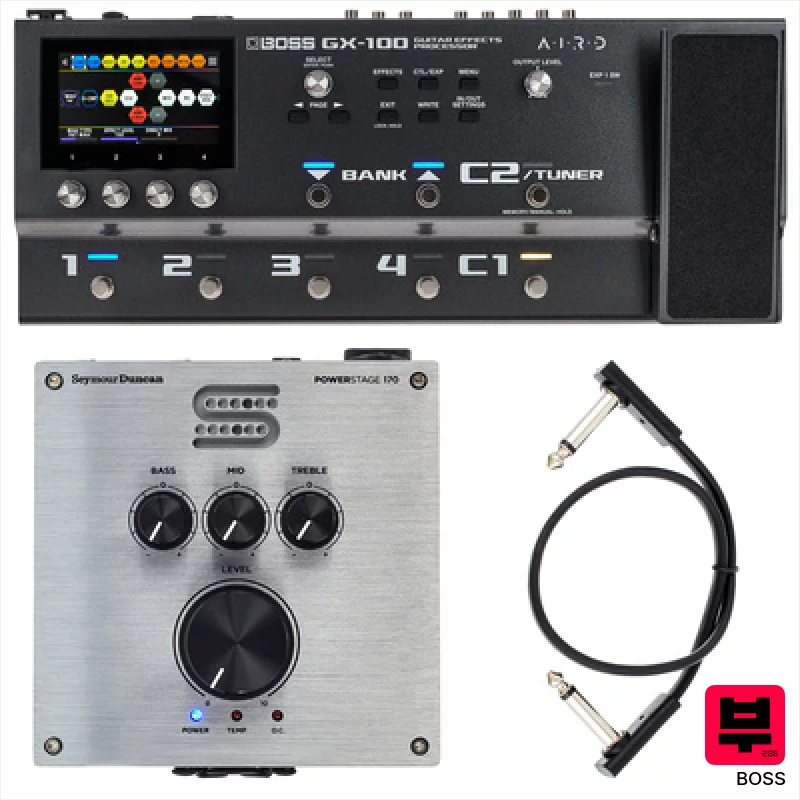
Boss GX-100 Bundle
- • AIRD technology convincingly emulates tube amp dynamics and responsiveness.
- • Extensive effect library offers incredible sonic flexibility for diverse genres.
- • Assignable blocks provide deep customization for complex signal chains.
- • Integrated footswitch and expression pedal streamline live performance control.
- • The sheer number of options can be overwhelming for beginners to navigate.
- • While versatile, the amp models might lack the nuanced character of high-end hardware.
- • The bundled Bluetooth adapter is a separate purchase, adding to the overall cost.
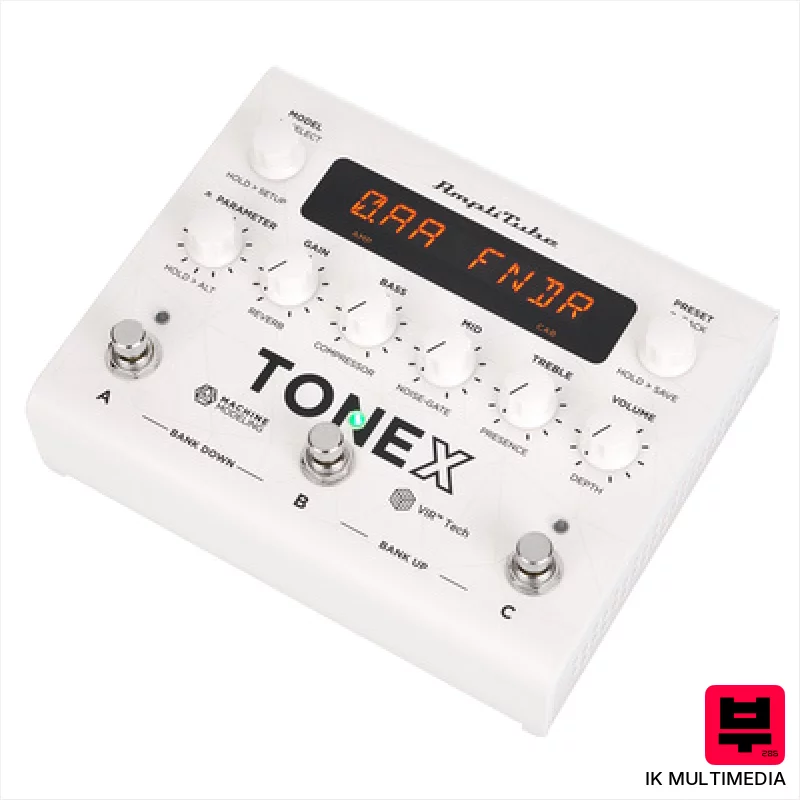
IK Multimedia ToneX Pedal Anniversary Edt
- • Exceptional AI modeling captures amp nuances with surprising accuracy.
- • White Anniversary Edition offers a striking, limited-edition aesthetic.
- • Versatile effects section provides substantial tonal shaping beyond amp models.
- • Robust build quality suggests longevity and professional use.
- • The learning curve for deeper editing can be steep for beginners.
- • Limited physical controls necessitate frequent menu navigation.
- • Size and weight make it less ideal for extremely compact pedalboards.
How to Choose the Best Electric Guitar Preamps
Gain Staging & Headroom
Crucial for driving your sims or effects without clipping. A preamp with a wide gain range lets you dial in subtle warmth or aggressive distortion, and enough headroom avoids that digital harshness when pushed. Think about how it responds to your dynamic playing.
Tonal Character
This isn't about 'good' or 'bad' tone, but about what character it imparts. A warm, creamy preamp will react differently to a bright amp sim than a preamp with a more aggressive, mid-focused voicing. It's about finding a preamp that complements your existing signal chain, not fights it.
Noise Floor
A preamp's noise floor is everything when you're layering effects. Even a tiny bit of hiss becomes amplified when you're running multiple gain stages. Clean signal is the foundation for anything else.
EQ Flexibility
Some preamps have built-in EQ, which can be a huge time saver for shaping your tone. Even a simple high-pass filter can make a massive difference in clarity. A little control goes a long way when you're already tweaking parameters in your DAW.
Input/Output Impedance Options
This is where things get nerdy, but it matters. Different impedances interact differently with your guitar's pickups and the input of your interface. Being able to adjust impedance can dramatically change the perceived tone and responsiveness of your signal.
Buying Guide
Don't fall for the 'more knobs equals better' trap. A preamp with a few carefully chosen controls and a clean, transparent gain stage is often more useful than a feature-packed mess. Budget preamps often cut corners on component quality, leading to a noisier signal and a less refined sound - it's a trade-off. Spend a little more for a preamp with a solid power supply and quality op-amps if you're serious about clean gain.
Our Methodology
We don't just look at specs here; we play these things. We ran these preamps through a variety of digital amp sims, IRs, and effects chains - everything from pristine clean boosts to chaotic, modulated mayhem. We've A/B'd them against each other in both bedroom recording and band rehearsal scenarios to see how they hold up when you're actually trying to cut through a mix.

