
Best DSP Audio Systems Under $2,000 2026
So, you're looking at DSP audio systems but don't want to mortgage the house? Smart move. For years, this kind of processing was strictly pro-studio territory, but the tech's trickled down, giving us some seriously capable options under $2000. We're talking about systems that can handle complex routing, EQ, compression, and even effects - all in real-time, without bogging down your computer.
Last updated: April 11, 2026

Waves Proton SoundGrid Server
- • Extremely low latency minimizes tracking and mixing delays.
- • SoundGrid compatibility unlocks Waves' vast plugin ecosystem.
- • Compact 1U rackmount design saves valuable studio space.
- • Silent operation avoids distracting fan noise during critical recording.
- • Limited sampling rate range restricts high-resolution audio workflows.
- • Celeron processor isn’t ideal for demanding, non-Waves processing.
- • HDMI output feels like an afterthought for a professional audio device.

Waves Proton Duo
- • Compact 1U rack design maximizes precious studio space.
- • Integrated PC eliminates separate computer for Waves plugins.
- • mITX motherboard provides reliable, low-power operation.
- • RJ45 Ethernet ports enable seamless SoundGrid network integration.
- • Celeron J4125 CPU limits performance for demanding, non-plugin tasks.
- • Limited 8GB RAM might bottleneck with extensive plugin chains.
- • Closed system restricts OS flexibility and future hardware upgrades.
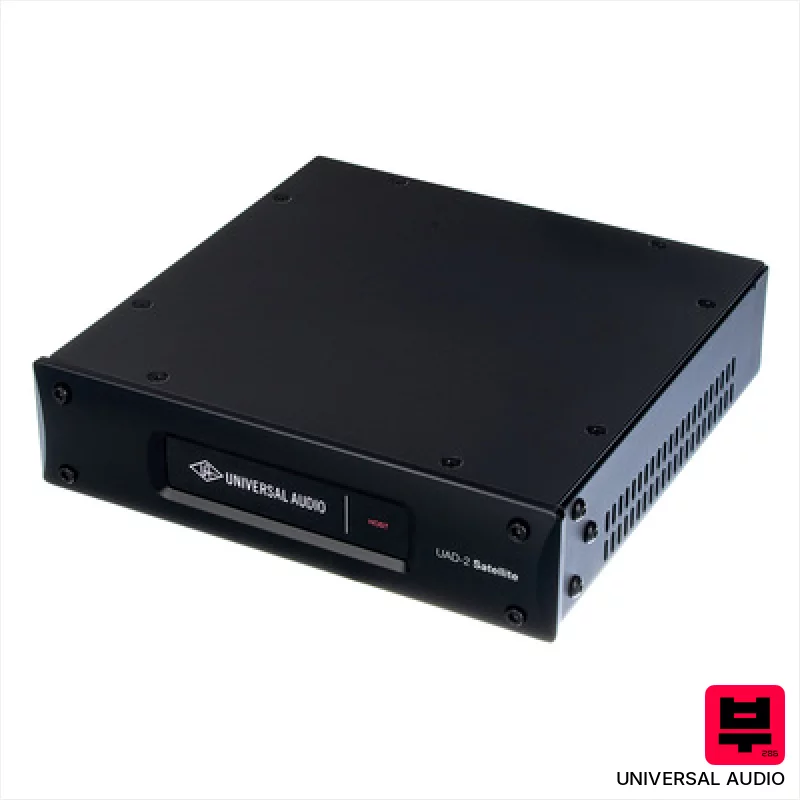
Universal Audio UAD-2 Satellite USB Octo
- • Exceptional DSP power for complex UAD plugins.
- • USB connectivity offers flexibility and ease of setup.
- • Expandable design allows scaling for larger projects.
- • Analog Classics Plus bundle provides immediate value.
- • USB connection can be a bottleneck for very high track counts.
- • Premium-priced, represents a significant investment.
- • Relies on UAD software ecosystem, potential for compatibility quirks.
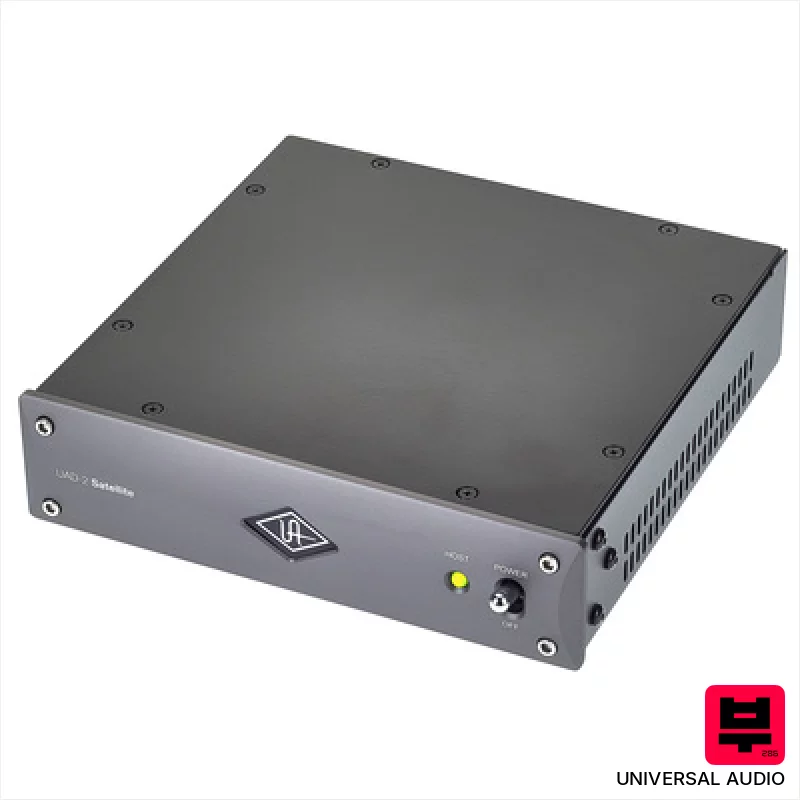
Universal Audio UAD-2 Satellite TB3 Octo
- • Massive DSP power frees up your host computer's resources.
- • Thunderbolt 3 connectivity offers incredibly low latency.
- • Expandable architecture allows for future growth and flexibility.
- • Analog Classics Plus bundle provides a great starting point for UAD plug-ins.
- • Relies on UAD ecosystem; not compatible with non-UAD plugins natively.
- • Thunderbolt cable not included, adding to the overall investment.
- • Can be a complex setup for users unfamiliar with DSP systems.
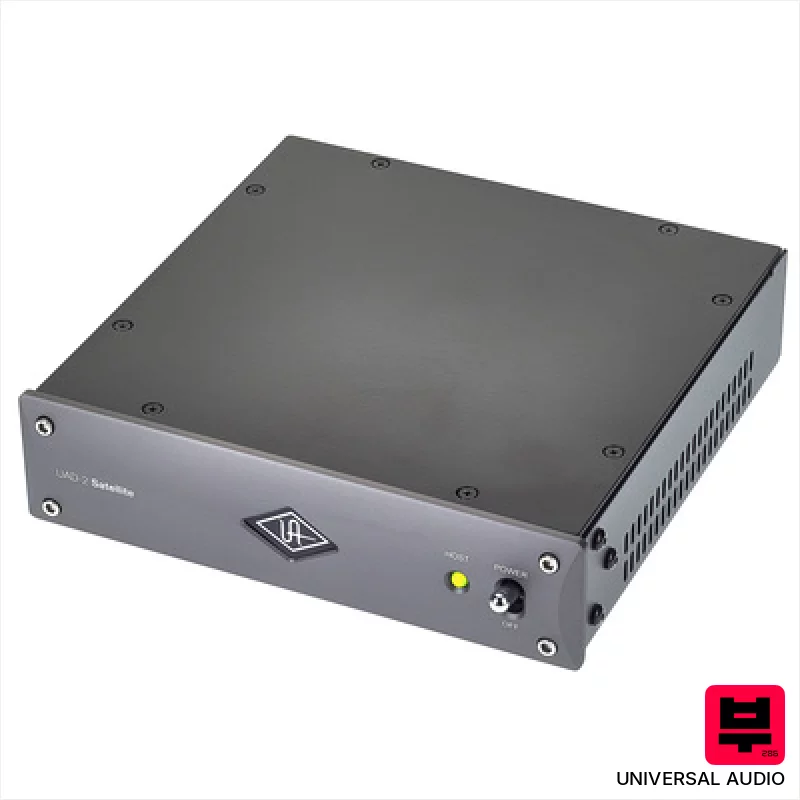
Universal Audio UAD-2 Satellite TB3 Quad
- • Offloads significant CPU load, enabling complex UAD plugin chains
- • Quad SHARC processors provide ample DSP power for demanding workflows
- • Thunderbolt 3 connectivity ensures low latency and high bandwidth
- • Expandable architecture allows chaining with other UAD Satellites for even more power
- • Requires a Thunderbolt 3 equipped host computer for operation
- • Can be expensive, especially when factoring in UAD plugins
- • Adds another device to your signal chain, potentially increasing cable clutter

Waves Impact Rack Ears
- • Solid steel construction provides exceptional rack stability.
- • Precise angle ensures optimal SoundGrid server placement.
- • Powder-coated finish resists scratches and wear.
- • Universal mounting holes accommodate a wide range of racks.
- • Limited to Waves SoundGrid systems, reducing versatility.
- • Rack ears only – requires existing rack and SoundGrid server.
- • Plastic thumbscrews feel a little cheap given the price.
How to Choose the Best DSP Audio Systems
DSP Power
More DSP cores means more processing happening simultaneously without glitches. Think complex reverb chains on multiple tracks - that's where headroom matters.
Routing Flexibility
Can you create custom signal paths? Do you need aux sends for monitoring? A rigid system is useless if it doesn't fit your band's needs.
Latency
This is critical. Even a few milliseconds of latency can kill your feel when playing live or tracking vocals. Look for systems with low round-trip latency (RTL).
Interface & Workflow
A complicated UI is a time-waster. A system should be intuitive, even when wrangling a dozen plugins.
Connectivity
How many inputs and outputs do you really need? Don't pay for I/O you won't use, but don't skimp if you're recording a full band.
Buying Guide
At this price point, you're making trade-offs. Don't expect the pristine conversion of a $5000 unit - it's still going to be good, but there's a difference. Focus on DSP power and routing flexibility first; those are the features that'll make a real difference in your workflow. A few extra I/Os are nice, but don't sacrifice processing power for them. And be honest with yourself about your skill level - a complex system is only useful if you're willing to learn it.
How This List Is Built
We don't play these instruments — we're a catalog, not a review desk, and we'd rather say so than pretend otherwise. This page ranks 6 dsp audio systems from the Thomann catalogue, which is the largest single source of specification data in this category.
Position is computed, not curated. Four signals, in order of weight: how completely the manufacturer documents the instrument (number of published specifications), where it sits in the price range, how specific the model designation is — which filters out generic accessories — and whether a product image exists. The same inputs always produce the same order, so nothing here is shuffled to look fresh.
What this list is good for: narrowing a category down to a shortlist by spec and budget. What it isn't: a substitute for hearing an instrument. Before you buy, read hands-on reviews and, where you can, play it. Full methodology.

