
Best Drum Monitor Speakers Under $2,000 2026
So, you're building a drum monitoring rig but don't want to mortgage the house? Smart. Getting decent feedback on stage or a clean monitoring mix in the studio is crucial, and it doesn't have to cost a fortune. We're focusing on speakers under $2000-enough to get serious quality without breaking the bank, but still requiring some smart choices.
Last updated: April 11, 2026
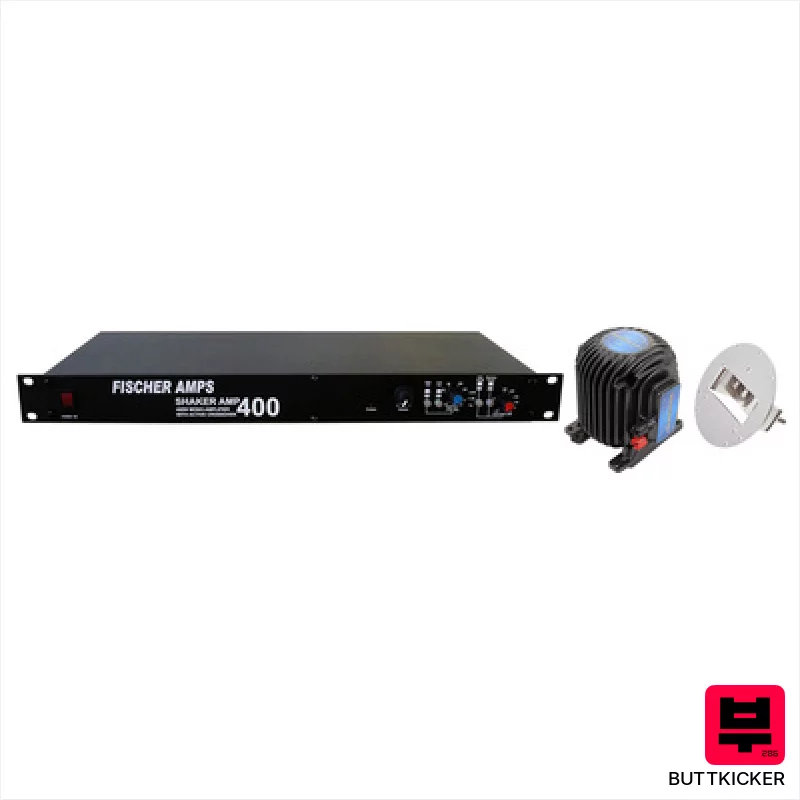
ButtKicker Shaker Amp 400 Kit 1
- • Robust construction; feels like it’ll withstand serious gigging abuse.
- • The 400W minimum power handles even demanding electronic drum setups.
- • Adjustable crossover provides precise low-frequency control for optimal feel.
- • Universal bracket allows flexible mounting options on various surfaces.
- • Relatively heavy, making transport a bit cumbersome for solo performers.
- • Limited frequency response above 200 Hz restricts its use as a full-range monitor.
- • Premium-priced, representing a significant investment for most drummers.
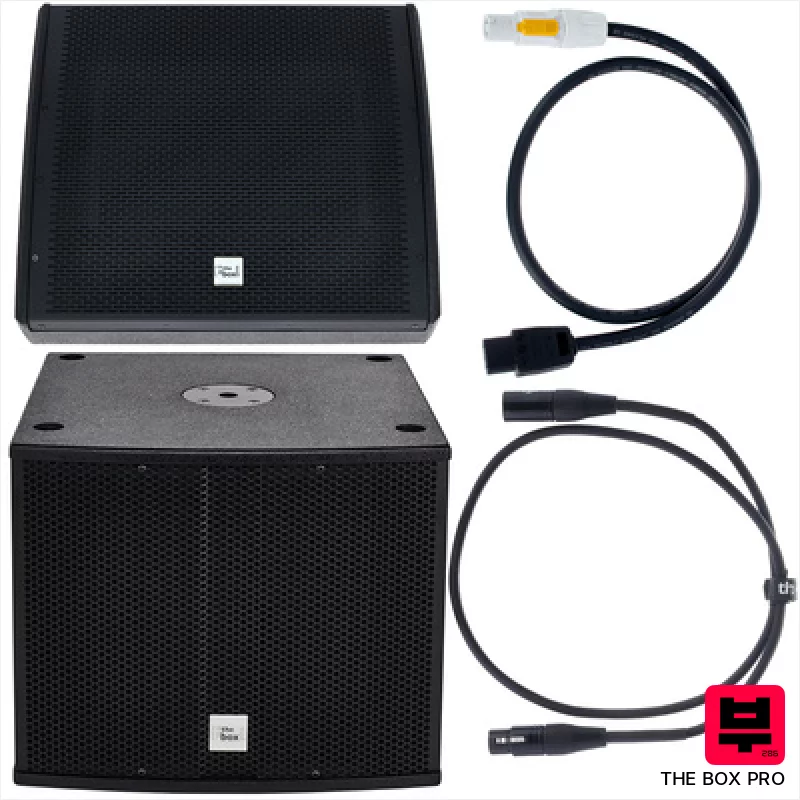
the box pro Drum Fill Bundle M
- • German-engineered build quality ensures robust, long-lasting performance.
- • Class-D amplification delivers clean power and efficiency across the spectrum.
- • Coaxial drivers provide surprisingly wide and consistent sound dispersion.
- • Subwoofer's adjustable hi-cut filter allows precise low-end shaping.
- • The weight makes transport a challenge – definitely a two-person job.
- • Limited EQ controls on the speakers might necessitate external processing.
- • Class B subwoofer amplifier might introduce minor distortion at extreme volumes.
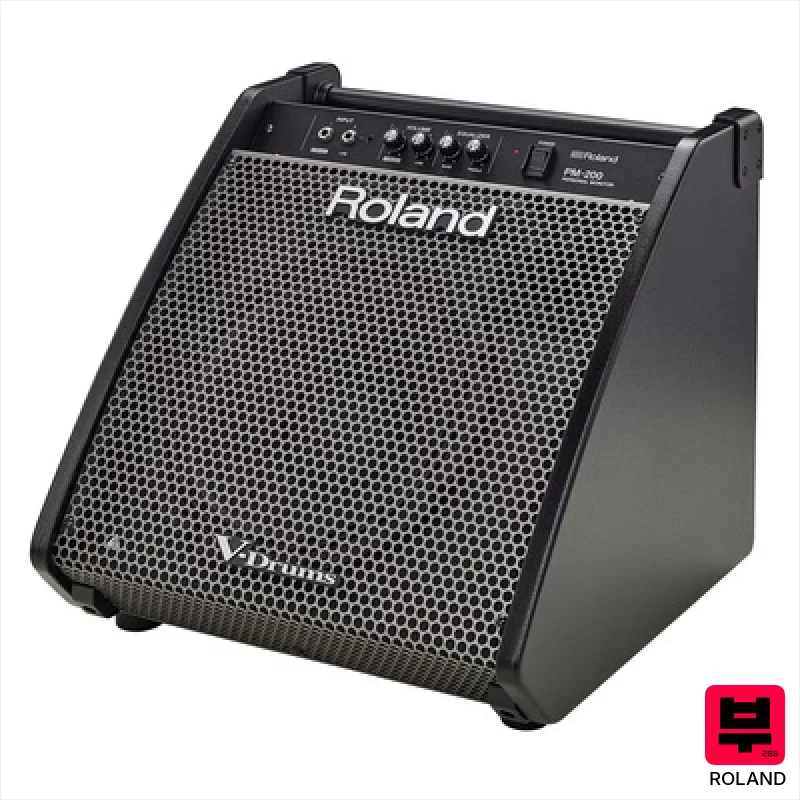
Roland PM-200 Personal Drum Monitor
- • Robust 12 in woofer delivers surprising low-end thump for its size.
- • Angled design genuinely improves monitoring ergonomics for seated drummers.
- • Direct XLR outs offer flexible routing options for stage or recording.
- • Roland's build quality ensures durability for frequent transport and gigging.
- • The weight makes it a two-person job for transport, especially on stairs.
- • EQ is basic; lacks the finesse for critical mixing adjustments.
- • Limited connectivity beyond drum and line inputs; no USB or Bluetooth.
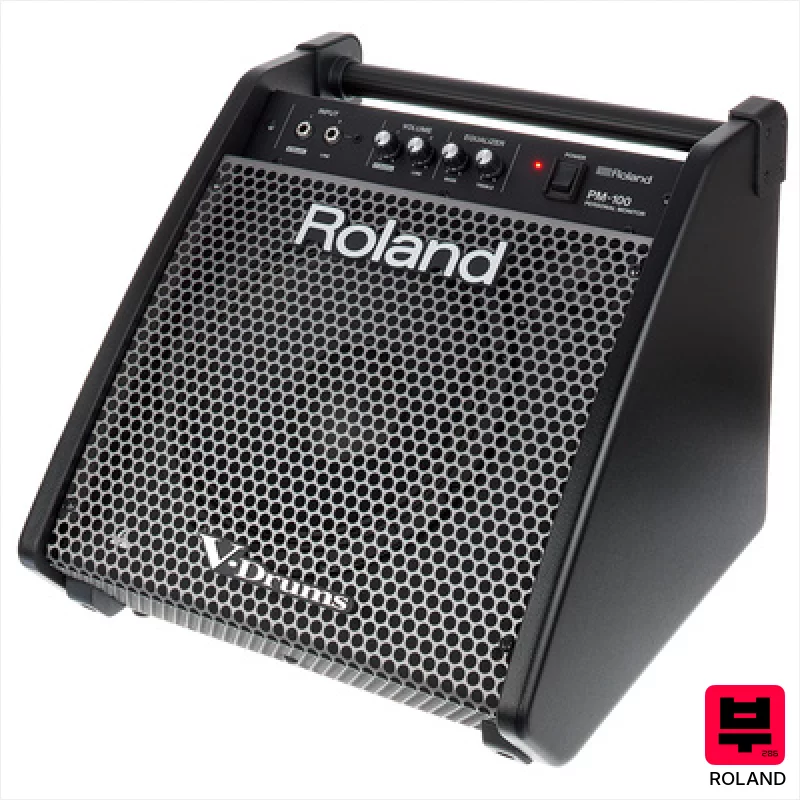
Roland PM-100 Personal Drum Monitor
- • Robust 10 in woofer delivers surprisingly deep, controlled low-end.
- • Roland's custom drivers offer a balanced, natural drum monitor sound.
- • Optimized angle eases neck strain during long practice or performance sessions.
- • Solid build quality with a substantial carrying handle for easy portability.
- • Limited EQ controls restrict fine-tuning of your drum mix.
- • 80W RMS power may feel insufficient for larger stage environments.
- • Relatively heavy for a personal monitor, especially for travel.
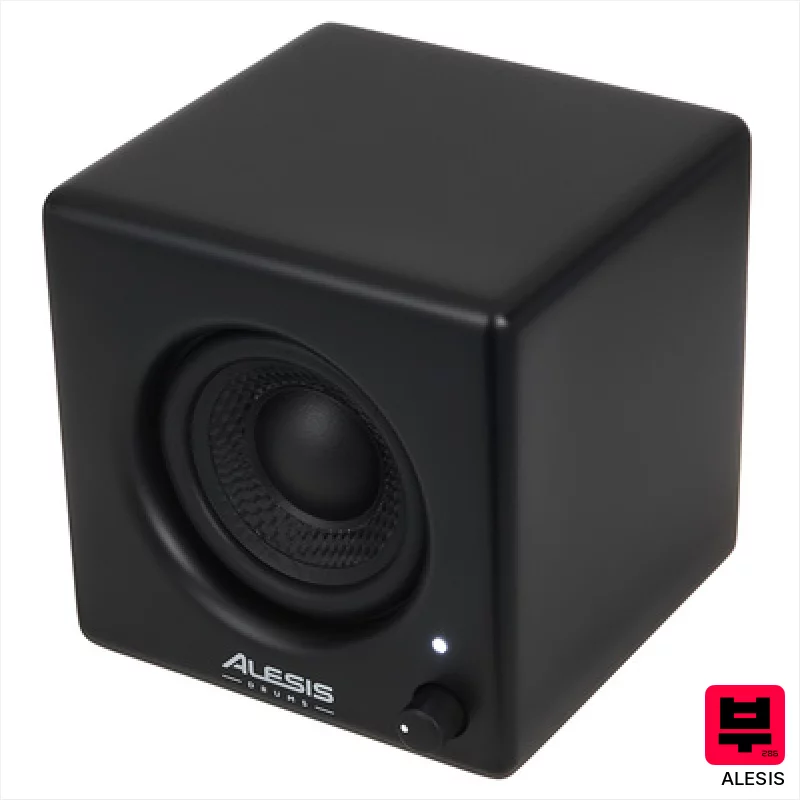
Alesis Nitro Amp
- • Class-D amp delivers surprising power for the size.
- • 3” woofer provides a decent low-end response for drums.
- • Rack mount is genuinely useful for drum kit placement.
- • Compact size and lightweight design makes transport easy.
- • Limited frequency response might lack detail for critical listening.
- • Single input restricts flexibility for multiple signal sources.
- • Build quality feels budget-focused, potentially less durable.
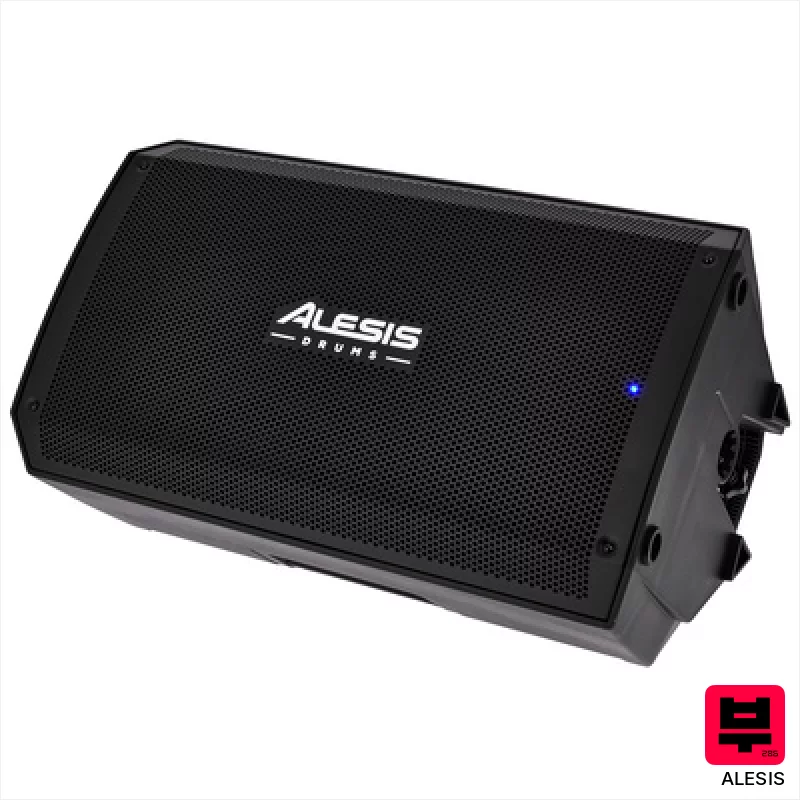
Alesis Strike Amp 12 MK2
- • Robust 12” woofer delivers surprisingly tight, defined low-end response.
- • 1100W RMS power handles even loud kits with headroom to spare.
- • XLR Link Out allows for easy integration into larger PA systems.
- • Bluetooth connectivity offers convenient playback and monitoring options.
- • The plastic enclosure, while durable, lacks the premium feel of all-wood alternatives.
- • Limited EQ controls restrict fine-tuning for different drum sounds and rooms.
- • Weight (15.7kg) makes portability a challenge, especially for solo drummers.

Roland PM-03 Monitor System
- • Compact design ideal for smaller practice spaces and kits
- • Bass reflex port delivers surprisingly punchy low-end response
- • Roland’s proven speaker technology provides clear, balanced audio
- • Simple, robust build quality feels durable for regular use
- • Limited power output; struggles with larger rooms or loud kits
- • Mini-jack connections feel a bit cheap for a dedicated monitor
- • Lack of EQ controls restricts fine-tuning of the sound
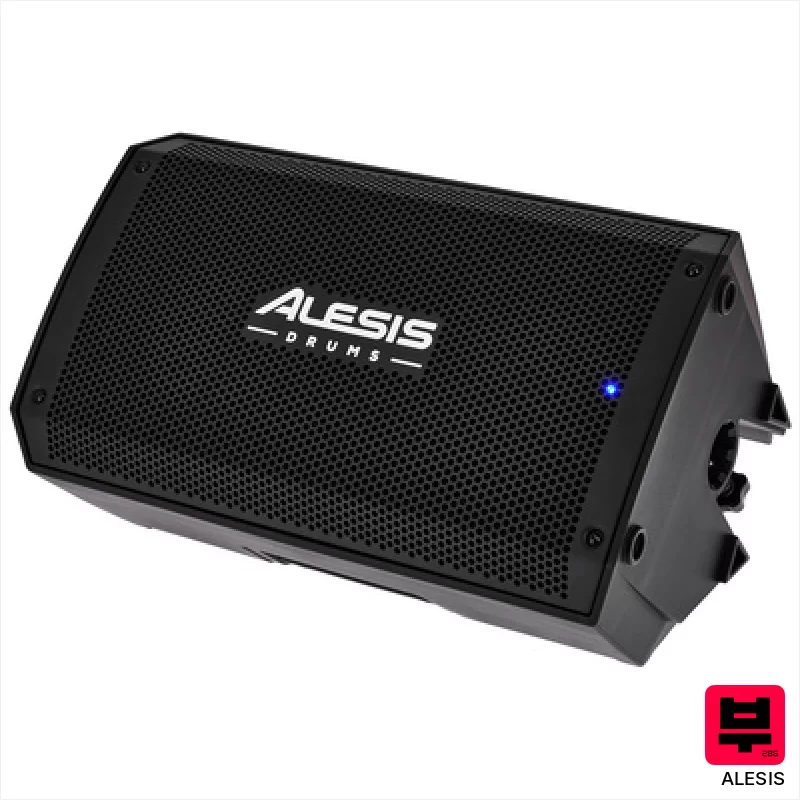
Alesis Strike Amp 8 MK2
- • Impressive SPL with 126dB max; cuts through even loud rehearsal environments.
- • The 8” woofer delivers surprisingly tight and defined low-end response.
- • Bluetooth connectivity adds convenient flexibility for backing tracks and practice apps.
- • Robust build quality for a monitor in this price bracket; feels solid and durable.
- • Limited EQ controls; tweaking the sound beyond presets is challenging.
- • The weight (9.5kg) makes it less portable than lighter alternatives.
- • XLR Link Out lacks dedicated level control, potentially needing external adjustments.
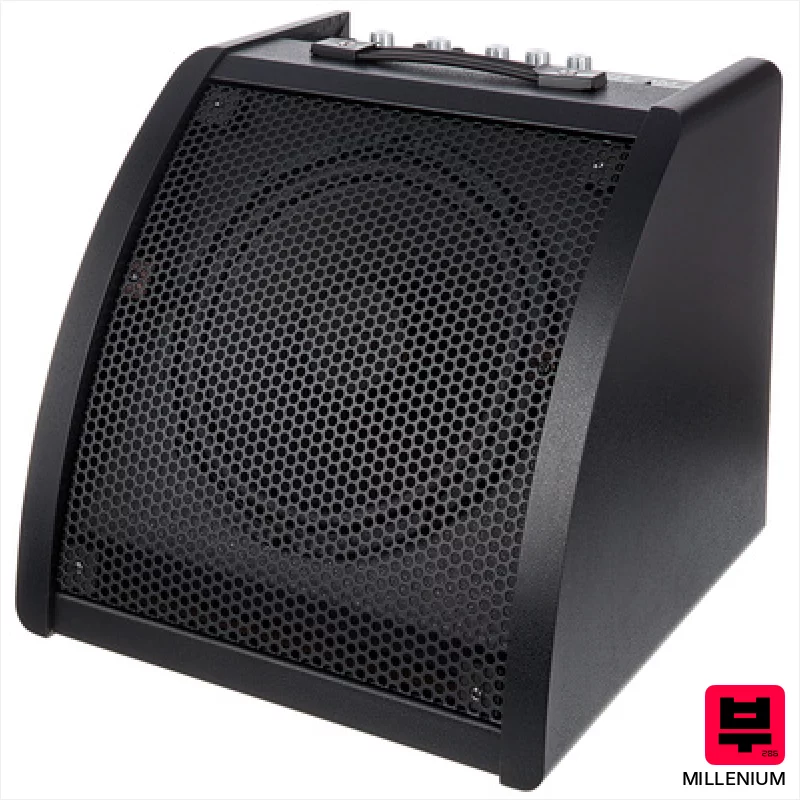
Millenium DM-30 Drum Monitor
- • Coaxial design provides surprisingly focused and clear drum monitoring.
- • 30W power is adequate for practice and smaller gigs; surprisingly punchy.
- • Separate volume controls for drum kit and line input offer flexible mixing.
- • Robust cabinet construction feels solid and capable of handling transport.
- • EQ is basic; limited tonal shaping beyond fundamental adjustments.
- • 10’ speaker size may lack serious low-end extension for larger rooms.
- • 15 kg weight makes it less portable than lighter alternatives.
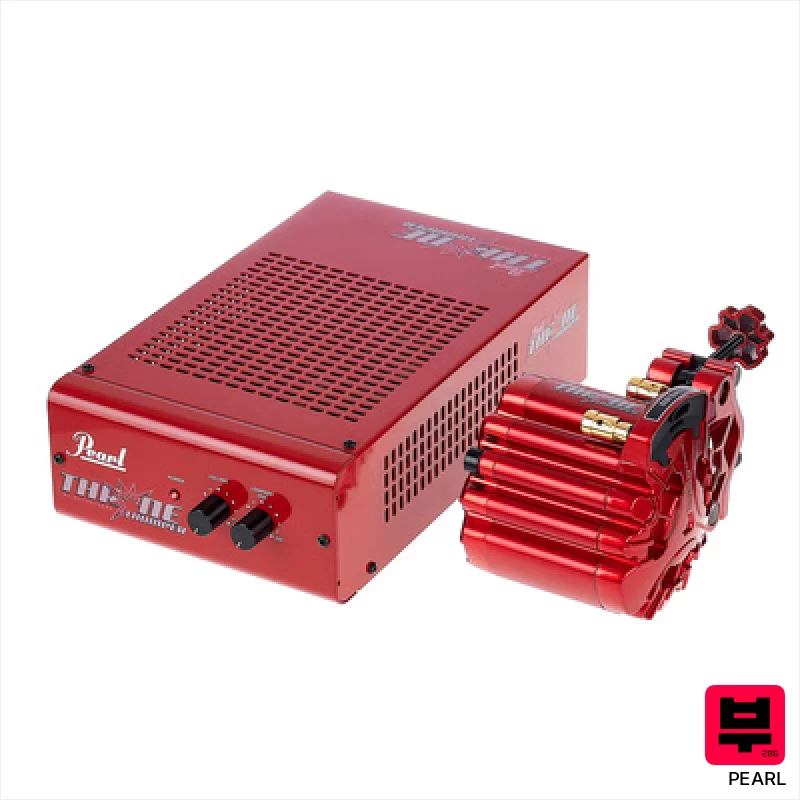
Pearl THMP-1 Throne Thumper
- • Solid construction with Pearl's renowned build quality.
- • ButtKicker integration delivers genuinely impactful low-end rumble.
- • Integrated amplifier simplifies setup, minimizing external equipment needs.
- • Mounting versatility adapts to virtually any existing drum throne.
- • The weight adds significant bulk to an already substantial drum throne.
- • Limited frequency response beyond the bass frequencies; lacks high-end detail.
- • Price point positions it as a premium investment for serious electronic drummers.
How to Choose the Best Drum Monitor Speakers
Frequency Response
It's not just about 'fullness.' We're looking for a balanced response - enough low-end thump for kick and snare without muddying things up, and crisp highs for cymbal articulation without being harsh or ice-picky. A tailored response is better than a flat one.
Power Handling/Headroom
Drum monitoring demands serious headroom. You don't want the speakers clipping and distorting when the band kicks into a loud chorus. Look for speakers that can handle the dynamic range without getting flustered.
Dispersion Pattern
A wider dispersion pattern means more drummers (and other band members) can hear the monitors clearly. Narrow patterns are great for focused spots, but less ideal for a full kit setup. Consider the room size too.
EQ/Processing Options
Some monitors offer built-in EQ or presets. While these aren't a substitute for a good engineer, they can be a lifesaver for quickly dialing in a decent sound in unfamiliar rooms. Don't rely on them, but appreciate them if they're there.
Durability/Build Quality
Gigs happen. Speakers get bumped, cables get yanked. A robust build is essential for surviving the rigors of live performance. Cheap plastic and flimsy grills are red flags.
Buying Guide
At this price point, you're trading off something. You're likely not getting the absolute flattest frequency response or the most pristine high-end detail of a $5000 studio monitor. Focus on overall clarity and headroom - a speaker that lets you hear the nuances of your kit and cut through the mix is worth more than a slightly prettier frequency graph. Don't chase 'bass'-look for controlled low-end.
How This List Is Built
We don't play these instruments — we're a catalog, not a review desk, and we'd rather say so than pretend otherwise. This page ranks 10 drum monitor speakers from the Thomann catalogue, which is the largest single source of specification data in this category.
Position is computed, not curated. Four signals, in order of weight: how completely the manufacturer documents the instrument (number of published specifications), where it sits in the price range, how specific the model designation is — which filters out generic accessories — and whether a product image exists. The same inputs always produce the same order, so nothing here is shuffled to look fresh.
What this list is good for: narrowing a category down to a shortlist by spec and budget. What it isn't: a substitute for hearing an instrument. Before you buy, read hands-on reviews and, where you can, play it. Full methodology.

