
Best Drum Monitor Speakers for Practice 2026
Alright, so you're building a practice setup - killer. A decent drum monitor isn't just about volume; it's about hearing what you're doing. Too often, drummers just blast through cheap PA speakers and wonder why their timing feels off or their snare sounds weak. We're talking about a dedicated monitor that lets you dial in a focused, accurate sound so you can actually improve your playing, not just make noise.
Last updated: July 15, 2026 • Next update: July 22, 2026
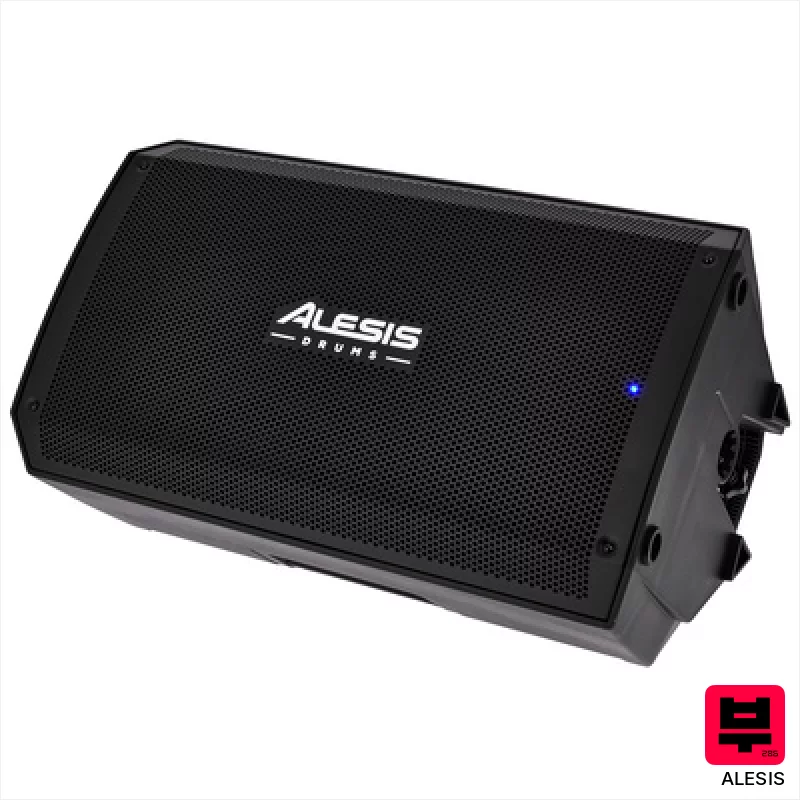
Alesis Strike Amp 12 MK2
- • Robust 12” woofer delivers surprisingly tight, defined low-end response.
- • 1100W RMS power handles even loud kits with headroom to spare.
- • XLR Link Out allows for easy integration into larger PA systems.
- • Bluetooth connectivity offers convenient playback and monitoring options.
- • The plastic enclosure, while durable, lacks the premium feel of all-wood alternatives.
- • Limited EQ controls restrict fine-tuning for different drum sounds and rooms.
- • Weight (15.7kg) makes portability a challenge, especially for solo drummers.
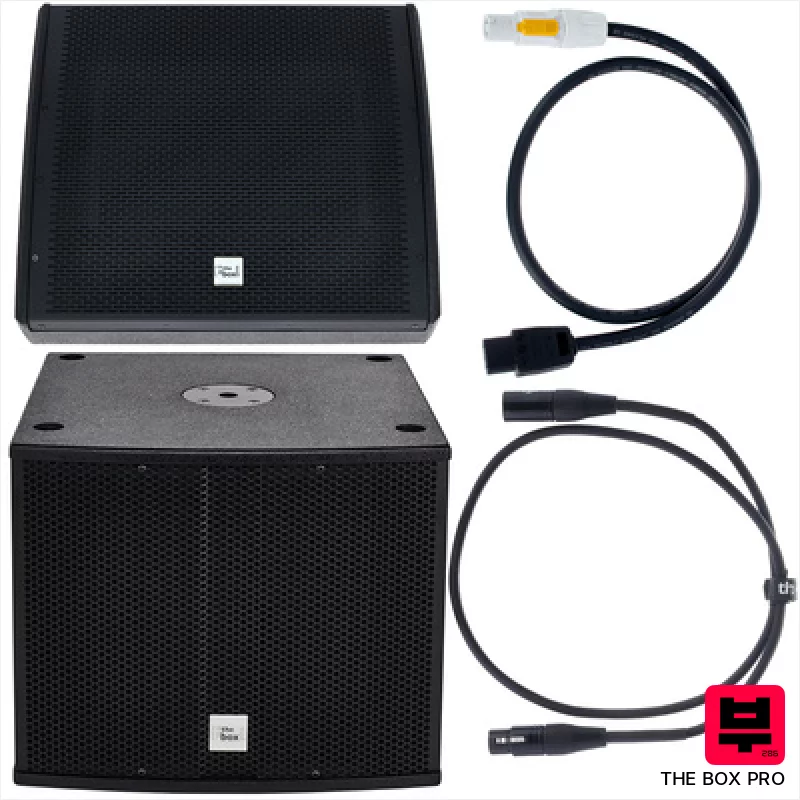
the box pro Drum Fill Bundle M
- • German-engineered build quality ensures robust, long-lasting performance.
- • Class-D amplification delivers clean power and efficiency across the spectrum.
- • Coaxial drivers provide surprisingly wide and consistent sound dispersion.
- • Subwoofer's adjustable hi-cut filter allows precise low-end shaping.
- • The weight makes transport a challenge – definitely a two-person job.
- • Limited EQ controls on the speakers might necessitate external processing.
- • Class B subwoofer amplifier might introduce minor distortion at extreme volumes.
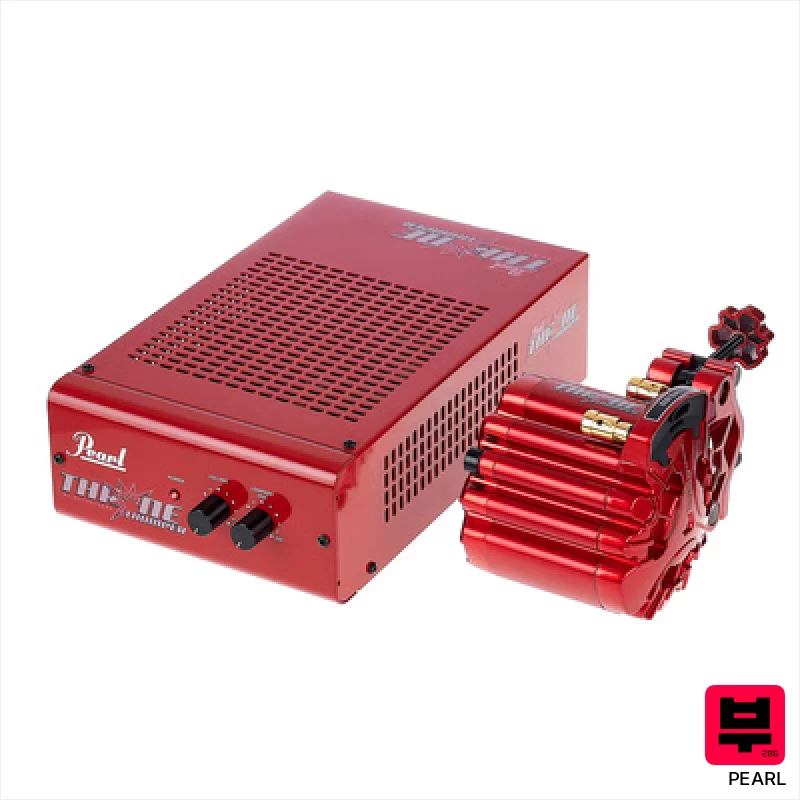
Pearl THMP-1 Throne Thumper
- • Solid construction with Pearl's renowned build quality.
- • ButtKicker integration delivers genuinely impactful low-end rumble.
- • Integrated amplifier simplifies setup, minimizing external equipment needs.
- • Mounting versatility adapts to virtually any existing drum throne.
- • The weight adds significant bulk to an already substantial drum throne.
- • Limited frequency response beyond the bass frequencies; lacks high-end detail.
- • Price point positions it as a premium investment for serious electronic drummers.
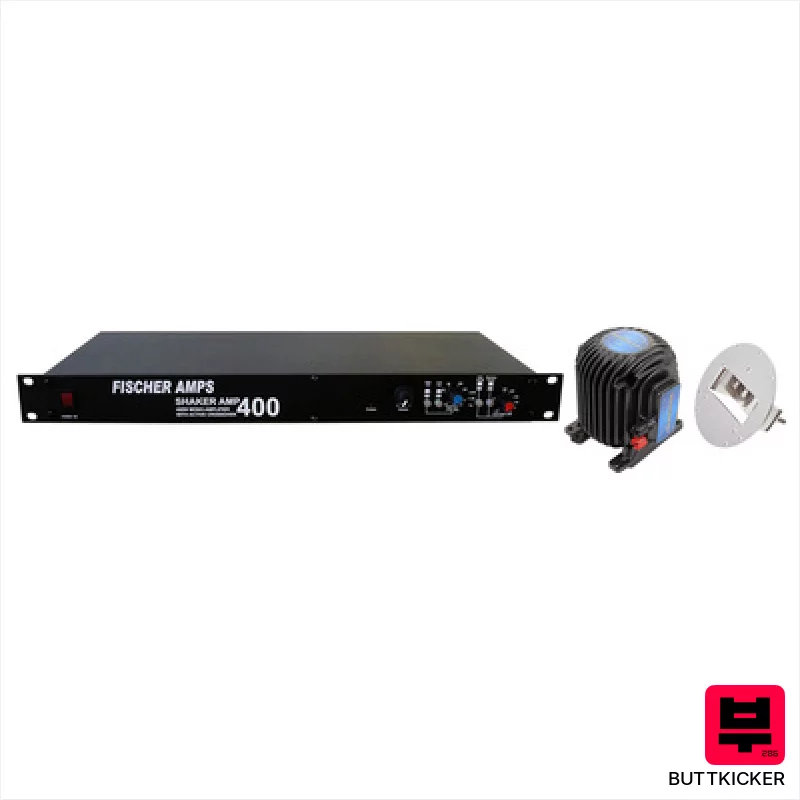
ButtKicker Shaker Amp 400 Kit 1
- • Robust construction; feels like it’ll withstand serious gigging abuse.
- • The 400W minimum power handles even demanding electronic drum setups.
- • Adjustable crossover provides precise low-frequency control for optimal feel.
- • Universal bracket allows flexible mounting options on various surfaces.
- • Relatively heavy, making transport a bit cumbersome for solo performers.
- • Limited frequency response above 200 Hz restricts its use as a full-range monitor.
- • Premium-priced, representing a significant investment for most drummers.
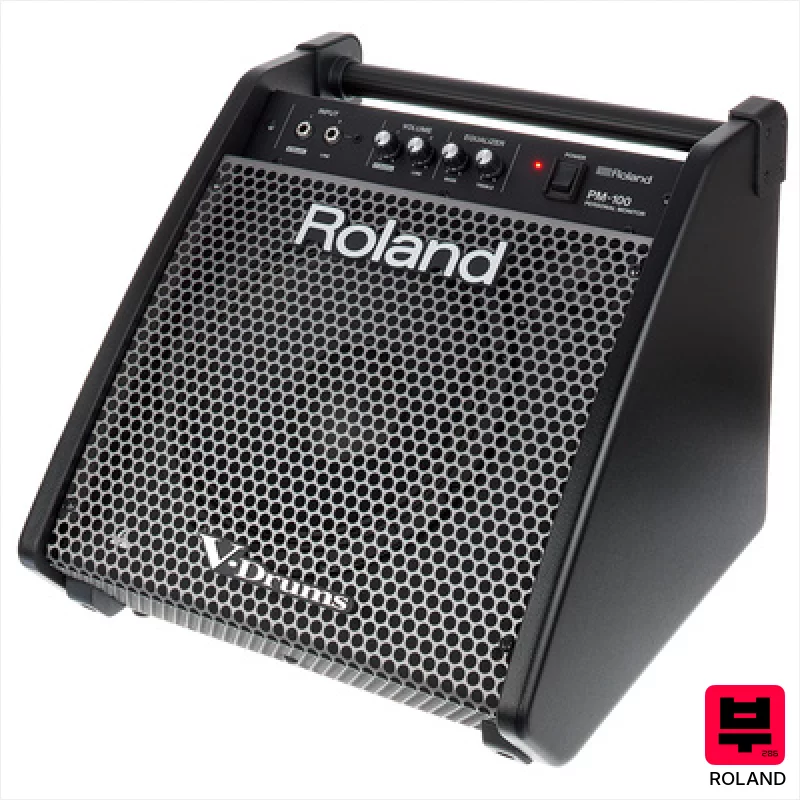
Roland PM-100 Personal Drum Monitor
- • Robust 10 in woofer delivers surprisingly deep, controlled low-end.
- • Roland's custom drivers offer a balanced, natural drum monitor sound.
- • Optimized angle eases neck strain during long practice or performance sessions.
- • Solid build quality with a substantial carrying handle for easy portability.
- • Limited EQ controls restrict fine-tuning of your drum mix.
- • 80W RMS power may feel insufficient for larger stage environments.
- • Relatively heavy for a personal monitor, especially for travel.
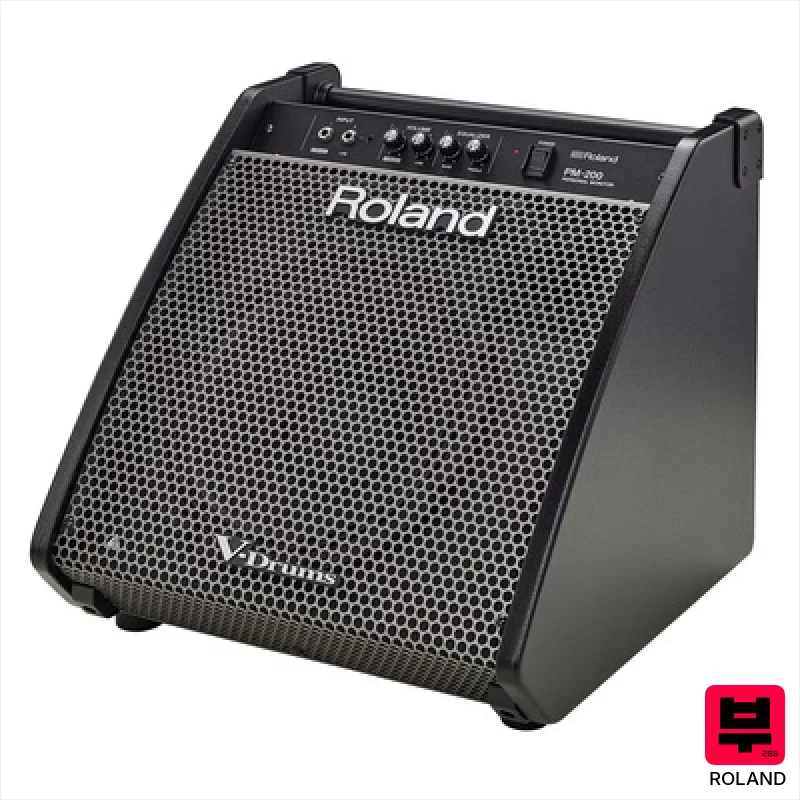
Roland PM-200 Personal Drum Monitor
- • Robust 12 in woofer delivers surprising low-end thump for its size.
- • Angled design genuinely improves monitoring ergonomics for seated drummers.
- • Direct XLR outs offer flexible routing options for stage or recording.
- • Roland's build quality ensures durability for frequent transport and gigging.
- • The weight makes it a two-person job for transport, especially on stairs.
- • EQ is basic; lacks the finesse for critical mixing adjustments.
- • Limited connectivity beyond drum and line inputs; no USB or Bluetooth.

Roland PM-03 Monitor System
- • Compact design ideal for smaller practice spaces and kits
- • Bass reflex port delivers surprisingly punchy low-end response
- • Roland’s proven speaker technology provides clear, balanced audio
- • Simple, robust build quality feels durable for regular use
- • Limited power output; struggles with larger rooms or loud kits
- • Mini-jack connections feel a bit cheap for a dedicated monitor
- • Lack of EQ controls restricts fine-tuning of the sound
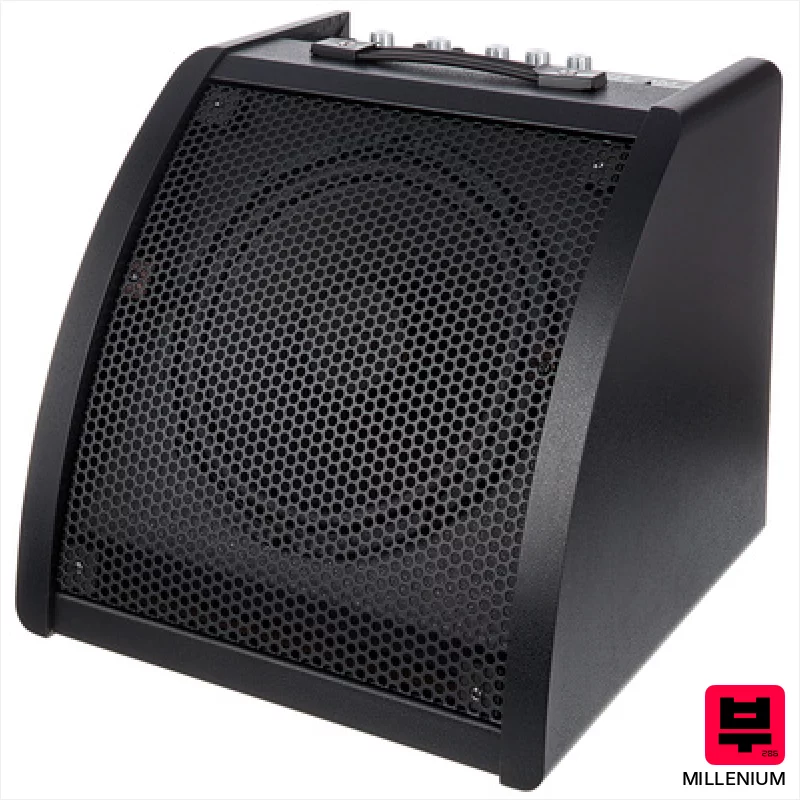
Millenium DM-30 Drum Monitor
- • Coaxial design provides surprisingly focused and clear drum monitoring.
- • 30W power is adequate for practice and smaller gigs; surprisingly punchy.
- • Separate volume controls for drum kit and line input offer flexible mixing.
- • Robust cabinet construction feels solid and capable of handling transport.
- • EQ is basic; limited tonal shaping beyond fundamental adjustments.
- • 10’ speaker size may lack serious low-end extension for larger rooms.
- • 15 kg weight makes it less portable than lighter alternatives.
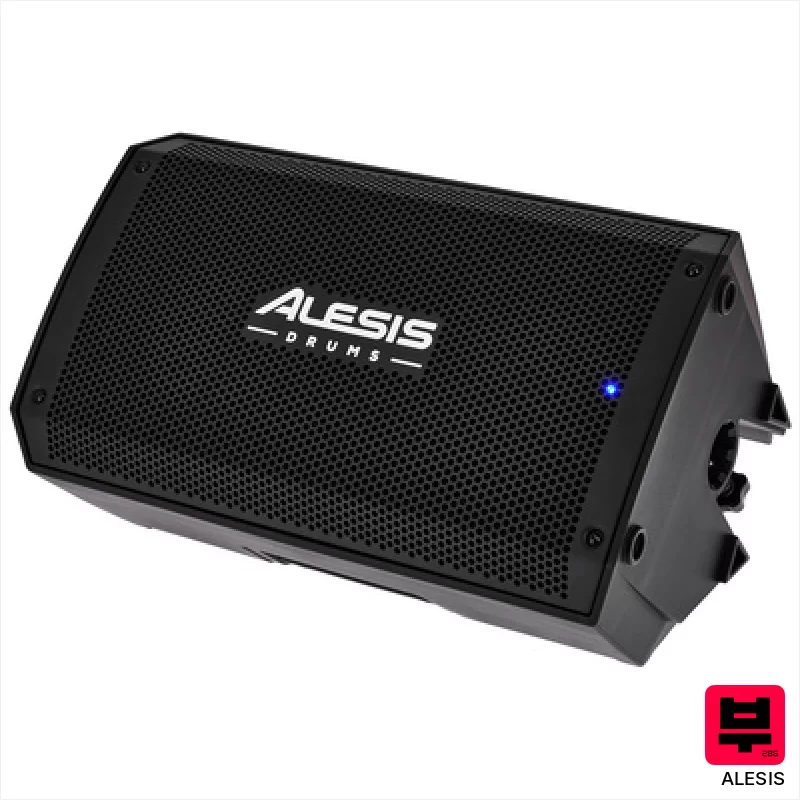
Alesis Strike Amp 8 MK2
- • Impressive SPL with 126dB max; cuts through even loud rehearsal environments.
- • The 8” woofer delivers surprisingly tight and defined low-end response.
- • Bluetooth connectivity adds convenient flexibility for backing tracks and practice apps.
- • Robust build quality for a monitor in this price bracket; feels solid and durable.
- • Limited EQ controls; tweaking the sound beyond presets is challenging.
- • The weight (9.5kg) makes it less portable than lighter alternatives.
- • XLR Link Out lacks dedicated level control, potentially needing external adjustments.
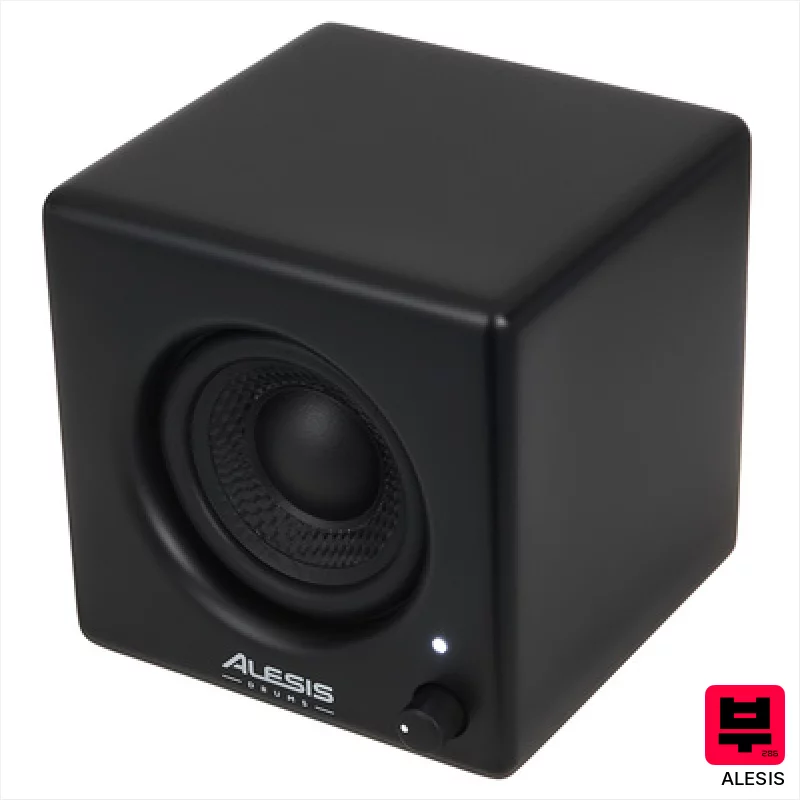
Alesis Nitro Amp
- • Class-D amp delivers surprising power for the size.
- • 3” woofer provides a decent low-end response for drums.
- • Rack mount is genuinely useful for drum kit placement.
- • Compact size and lightweight design makes transport easy.
- • Limited frequency response might lack detail for critical listening.
- • Single input restricts flexibility for multiple signal sources.
- • Build quality feels budget-focused, potentially less durable.
How to Choose the Best Drum Monitor Speakers
Frequency Response
A flat, even response is ideal for accurate monitoring, but a little extra low-end thump can feel great for practicing grooves. Beware of overly bright or mid-scooped monitors - they can mask problems and make things sound harsh. You want to hear what's actually happening.
Headroom & Power
Practice isn't about stadium levels, but you need enough headroom to handle dynamic peaks without distortion. A monitor that clips easily will just muddy your sound and make it harder to hear nuances. Don't skimp here - consistent, clean power is key.
Stereo vs. Mono
Most practice setups are mono, but a stereo monitor can help you hear the stereo field of your e-drums or acoustic kit with mics. If you plan to record your practice sessions, stereo is a big plus, otherwise mono is often sufficient.
Portability & Size
Let's be honest, space is often at a premium. Consider the size and weight if you're moving the monitor between a bedroom, a rehearsal space, or a gig. A smaller, lighter monitor is easier to handle, but often comes with compromises in power and low-end.
Durability
Drum monitors take a beating. Look for something with a robust enclosure that can handle bumps and scrapes. Roadie life is real, even if it's just to the garage.
Buying Guide
The biggest mistake players make is buying a cheap speaker thinking it'll do the job. You'll end up fighting the monitor instead of focusing on your playing. Spend a little more for something with a decent woofer and a clean amp section. Corners get cut on power handling and component quality with the real budget options - you'll hear it in the muddy low-end and the harsh highs. A good monitor is an investment in your drumming.
Our Methodology
We're not just looking at spec sheets here. We've spent countless hours putting these monitors through the wringer - bedroom practice sessions, band rehearsals where we needed to cut through the mix, and even some basic tracking scenarios. Our evaluations are based on how they sound through a drum kit, how they respond to different dynamics, and whether they hold up under realistic practice conditions. It's about real-world performance, not lab tests.

