
Best Drum Monitor Speakers for Hybrid Setups 2026
So you're diving into the hybrid drum world - acoustic kit augmented with electronic pads and samples. Smart move. But slapping a cheap PA speaker behind your kit isn't gonna cut it; you need dedicated drum monitors that can handle the low-end thump of your kick drum, the snappy articulation of your snares, and the layered textures of your electronic sounds without getting muddy. Let's break down what to look for in drum monitors that'll actually make your hybrid setup shine, both live and in the studio.
Last updated: June 3, 2026 • Next update: June 10, 2026
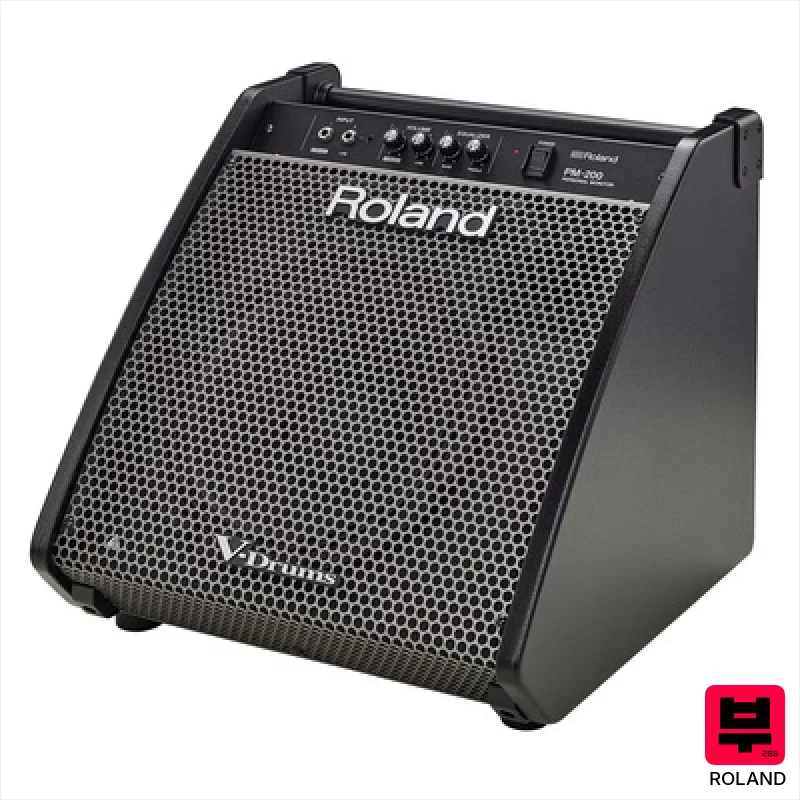
Roland PM-200 Personal Drum Monitor
- • Robust 12 in woofer delivers surprising low-end thump for its size.
- • Angled design genuinely improves monitoring ergonomics for seated drummers.
- • Direct XLR outs offer flexible routing options for stage or recording.
- • Roland's build quality ensures durability for frequent transport and gigging.
- • The weight makes it a two-person job for transport, especially on stairs.
- • EQ is basic; lacks the finesse for critical mixing adjustments.
- • Limited connectivity beyond drum and line inputs; no USB or Bluetooth.
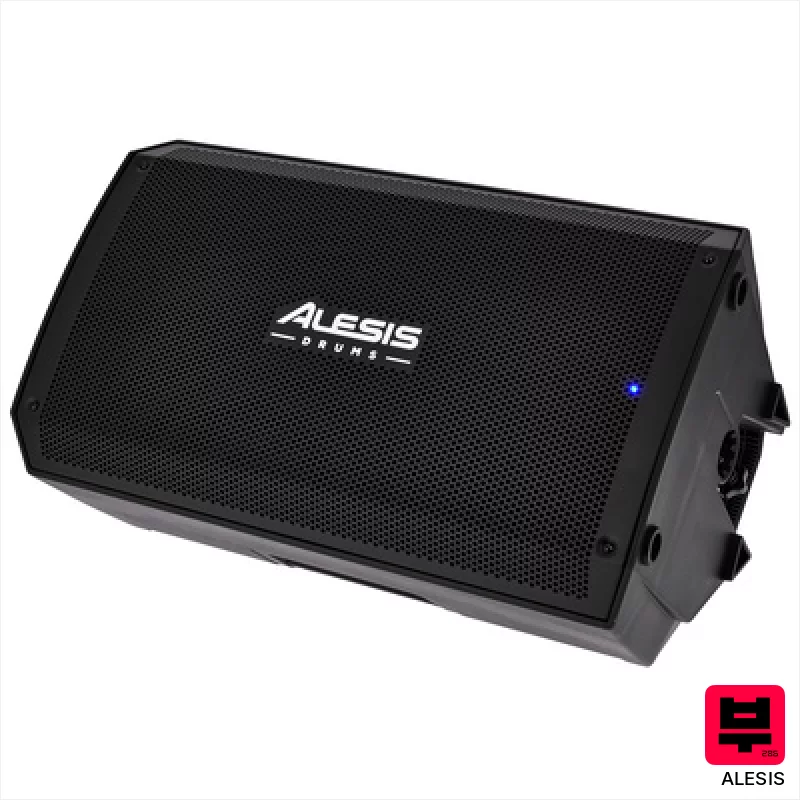
Alesis Strike Amp 12 MK2
- • Robust 12” woofer delivers surprisingly tight, defined low-end response.
- • 1100W RMS power handles even loud kits with headroom to spare.
- • XLR Link Out allows for easy integration into larger PA systems.
- • Bluetooth connectivity offers convenient playback and monitoring options.
- • The plastic enclosure, while durable, lacks the premium feel of all-wood alternatives.
- • Limited EQ controls restrict fine-tuning for different drum sounds and rooms.
- • Weight (15.7kg) makes portability a challenge, especially for solo drummers.
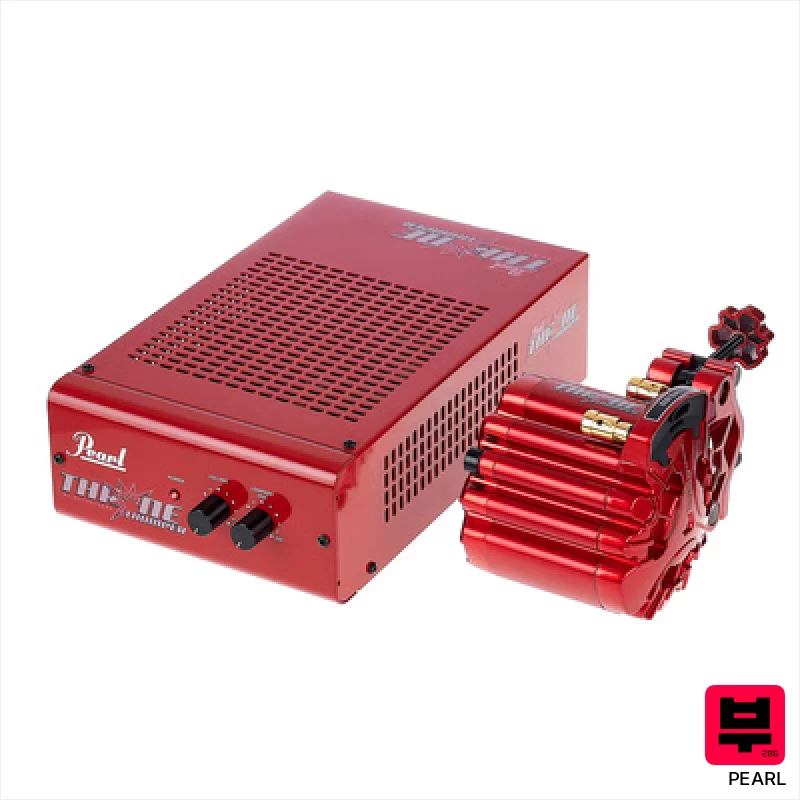
Pearl THMP-1 Throne Thumper
- • Solid construction with Pearl's renowned build quality.
- • ButtKicker integration delivers genuinely impactful low-end rumble.
- • Integrated amplifier simplifies setup, minimizing external equipment needs.
- • Mounting versatility adapts to virtually any existing drum throne.
- • The weight adds significant bulk to an already substantial drum throne.
- • Limited frequency response beyond the bass frequencies; lacks high-end detail.
- • Price point positions it as a premium investment for serious electronic drummers.
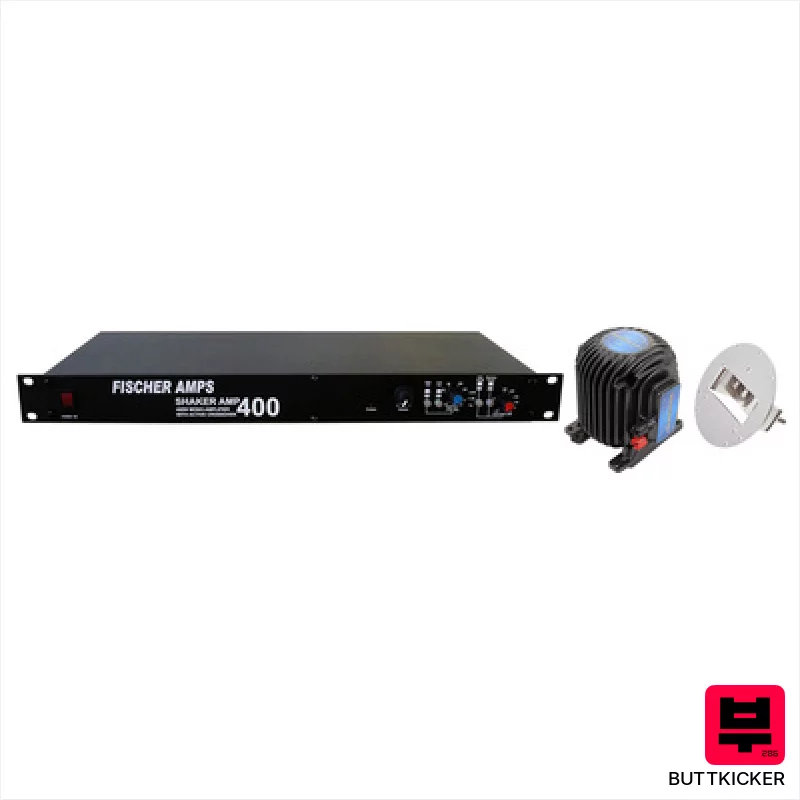
ButtKicker Shaker Amp 400 Kit 1
- • Robust construction; feels like it’ll withstand serious gigging abuse.
- • The 400W minimum power handles even demanding electronic drum setups.
- • Adjustable crossover provides precise low-frequency control for optimal feel.
- • Universal bracket allows flexible mounting options on various surfaces.
- • Relatively heavy, making transport a bit cumbersome for solo performers.
- • Limited frequency response above 200 Hz restricts its use as a full-range monitor.
- • Premium-priced, representing a significant investment for most drummers.
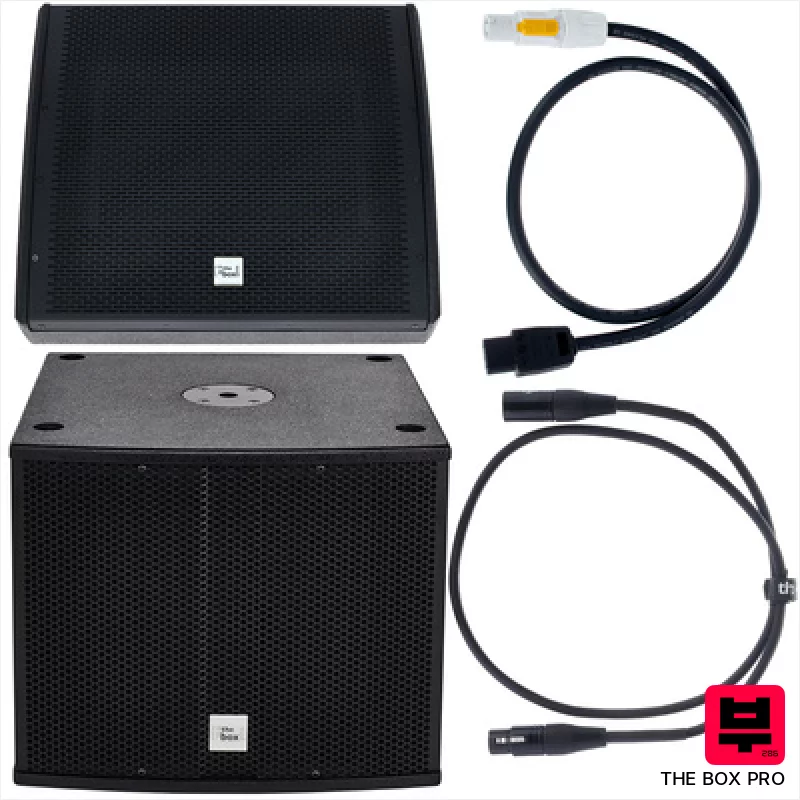
the box pro Drum Fill Bundle M
- • German-engineered build quality ensures robust, long-lasting performance.
- • Class-D amplification delivers clean power and efficiency across the spectrum.
- • Coaxial drivers provide surprisingly wide and consistent sound dispersion.
- • Subwoofer's adjustable hi-cut filter allows precise low-end shaping.
- • The weight makes transport a challenge – definitely a two-person job.
- • Limited EQ controls on the speakers might necessitate external processing.
- • Class B subwoofer amplifier might introduce minor distortion at extreme volumes.
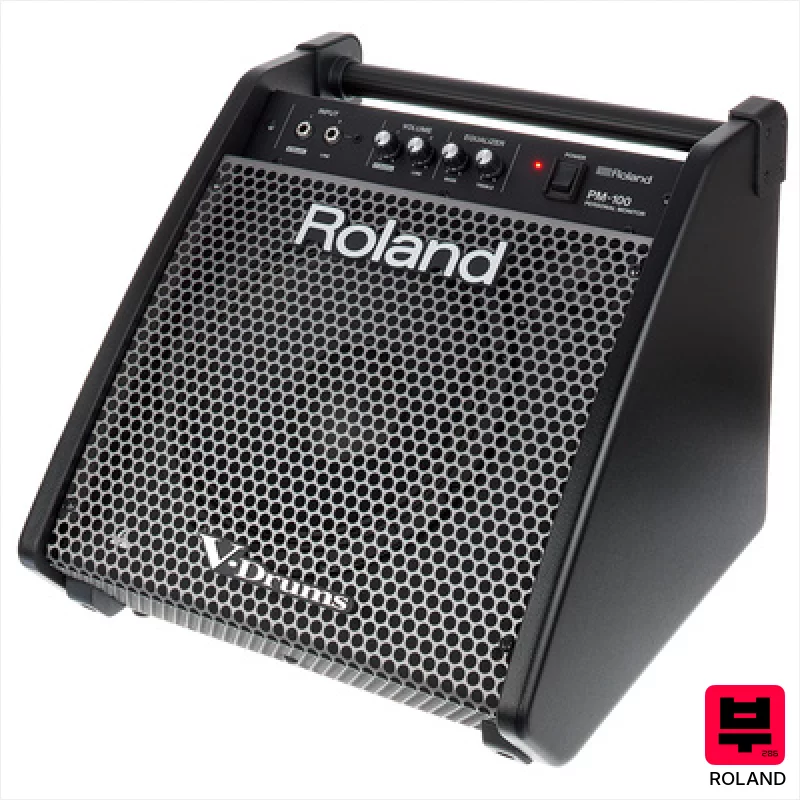
Roland PM-100 Personal Drum Monitor
- • Robust 10 in woofer delivers surprisingly deep, controlled low-end.
- • Roland's custom drivers offer a balanced, natural drum monitor sound.
- • Optimized angle eases neck strain during long practice or performance sessions.
- • Solid build quality with a substantial carrying handle for easy portability.
- • Limited EQ controls restrict fine-tuning of your drum mix.
- • 80W RMS power may feel insufficient for larger stage environments.
- • Relatively heavy for a personal monitor, especially for travel.
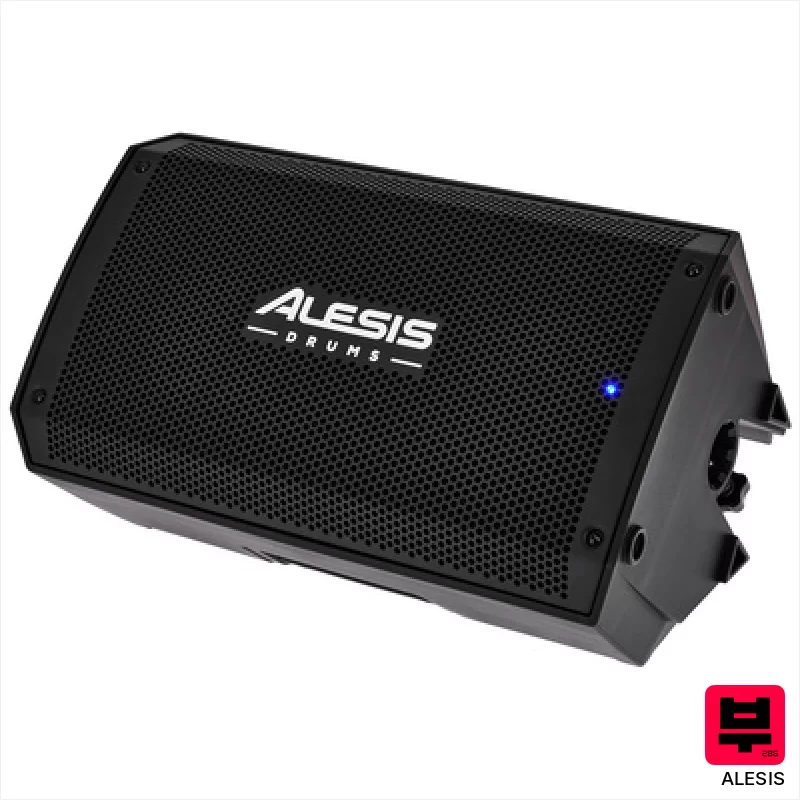
Alesis Strike Amp 8 MK2
- • Impressive SPL with 126dB max; cuts through even loud rehearsal environments.
- • The 8” woofer delivers surprisingly tight and defined low-end response.
- • Bluetooth connectivity adds convenient flexibility for backing tracks and practice apps.
- • Robust build quality for a monitor in this price bracket; feels solid and durable.
- • Limited EQ controls; tweaking the sound beyond presets is challenging.
- • The weight (9.5kg) makes it less portable than lighter alternatives.
- • XLR Link Out lacks dedicated level control, potentially needing external adjustments.
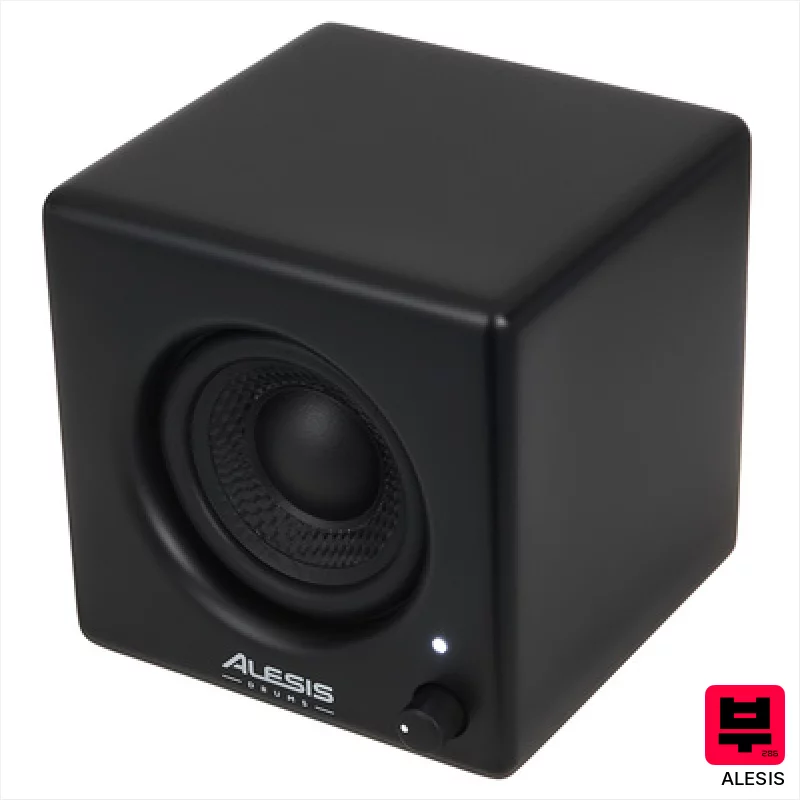
Alesis Nitro Amp
- • Class-D amp delivers surprising power for the size.
- • 3” woofer provides a decent low-end response for drums.
- • Rack mount is genuinely useful for drum kit placement.
- • Compact size and lightweight design makes transport easy.
- • Limited frequency response might lack detail for critical listening.
- • Single input restricts flexibility for multiple signal sources.
- • Build quality feels budget-focused, potentially less durable.
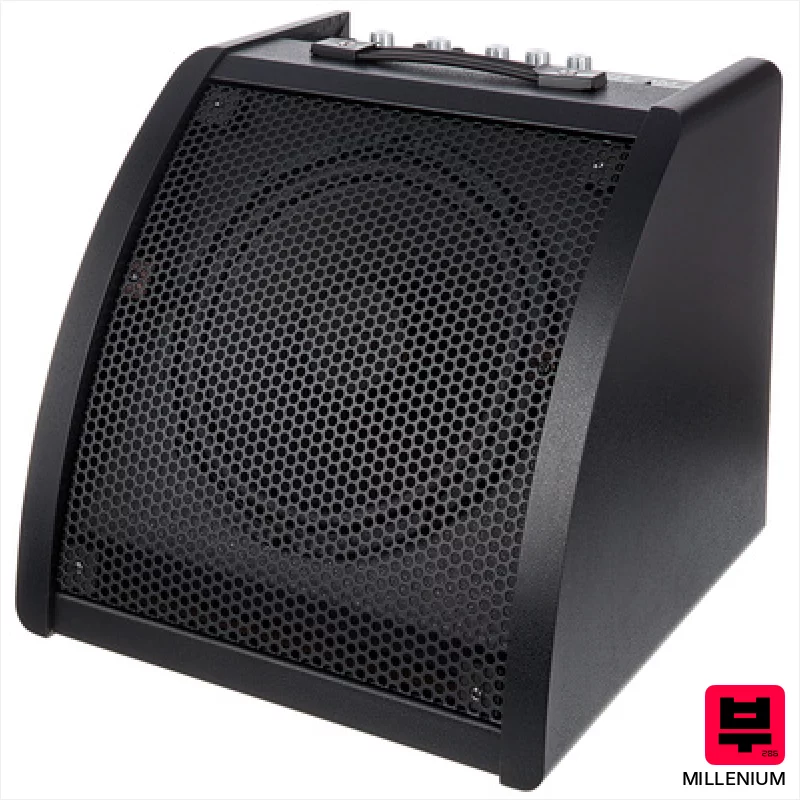
Millenium DM-30 Drum Monitor
- • Coaxial design provides surprisingly focused and clear drum monitoring.
- • 30W power is adequate for practice and smaller gigs; surprisingly punchy.
- • Separate volume controls for drum kit and line input offer flexible mixing.
- • Robust cabinet construction feels solid and capable of handling transport.
- • EQ is basic; limited tonal shaping beyond fundamental adjustments.
- • 10’ speaker size may lack serious low-end extension for larger rooms.
- • 15 kg weight makes it less portable than lighter alternatives.

Roland PM-03 Monitor System
- • Compact design ideal for smaller practice spaces and kits
- • Bass reflex port delivers surprisingly punchy low-end response
- • Roland’s proven speaker technology provides clear, balanced audio
- • Simple, robust build quality feels durable for regular use
- • Limited power output; struggles with larger rooms or loud kits
- • Mini-jack connections feel a bit cheap for a dedicated monitor
- • Lack of EQ controls restricts fine-tuning of the sound
How to Choose the Best Drum Monitor Speakers
Low-End Response
Hybrid setups need a solid low-end foundation. You want that kick drum to have authority and weight without turning into a boomy mess. Monitors lacking this will make your electronic kicks sound thin and your acoustic kit feel unsupported.
Transient Response
This is critical. Poor transient response means your hits will sound sluggish and undefined, especially when layering acoustic and electronic sounds. Listen for how quickly the speaker reacts to a sharp attack - it's the difference between a punchy snare and a dull thud.
Midrange Clarity
The midrange is where a lot of the 'meat' of your snare and toms lives. You want a clear, defined midrange without excessive boxiness or that annoying "honk." It's gotta cut through the mix without sounding harsh.
Headroom & Power Handling
Gigging with a hybrid setup can get loud, fast. Insufficient headroom leads to distortion and compression, which robs your drums of dynamics and articulation. Make sure the monitor has enough power to handle your kit's output without breaking a sweat.
Versatility/EQ
Hybrid setups are inherently complex, requiring the ability to tailor the monitor's sound to different kits and electronic sounds. Look for monitors with built-in EQ or the option to easily connect to external processing for maximum flexibility.
Buying Guide
Don't fall for the trap of thinking more watts equals better sound. A well-designed 10" monitor can outperform a poorly-engineered 12". Pay attention to the driver materials - woven woofers often offer better transient response than paper cones. And be realistic about your budget; seriously cheap monitors will almost always cut corners on component quality, resulting in a muddy, lifeless sound. It's an investment in your kit's sonic character.
Our Methodology
We're not just looking at spec sheets here. We've spent countless hours playing these monitors through hybrid drum setups - everything from bedroom practice to full band rehearsals and small club gigs. Our evaluations involve direct A/B comparisons with known-good reference monitors, paying close attention to how they handle dynamic range, transient response, and overall tonal balance in a real-world drumming context.

