
Best Digital Mixing Desks for Advanced 2026
Alright, so you've outgrown your little interface and are looking at a digital mixing desk. That's a good move - it opens up a whole new world of routing, recall, and creative possibilities. But not every digital desk is built for someone who actually knows their way around a console. Let's talk about what you, the seasoned player, really need, and which desks will let you actually use that power.
Last updated: April 11, 2026
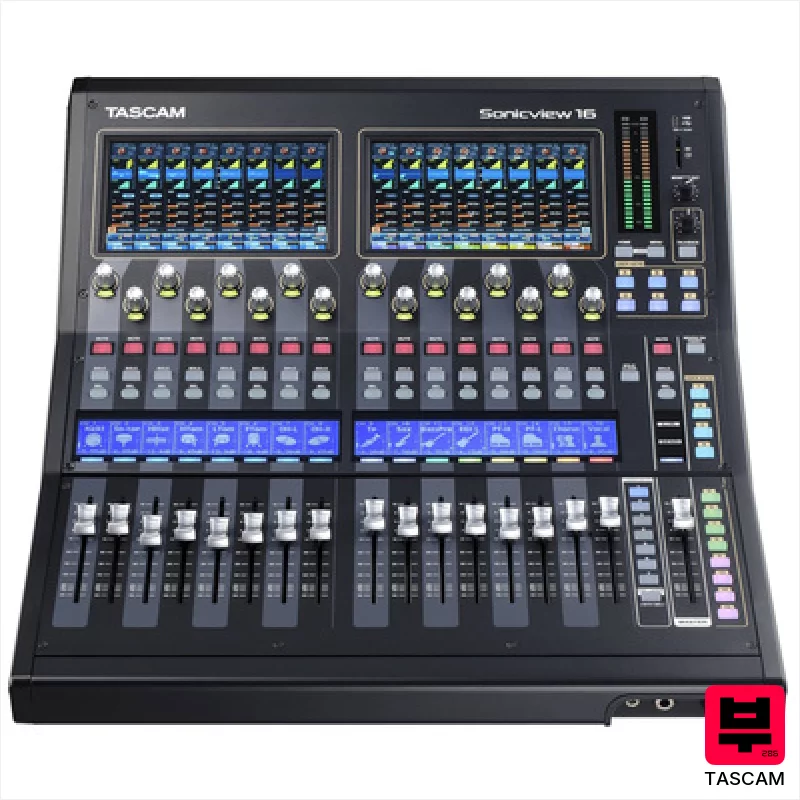
Tascam Sonicview 16
- • Tascam HDIA preamps deliver exceptionally clean and detailed mic signals.
- • 54-bit floating-point processing minimizes noise floor, offering incredible headroom.
- • Integrated Dante interface provides robust, scalable connectivity for complex setups.
- • VIEW interface streamlines workflow with intuitive touchscreen controls and multiple views.
- • Premium-priced, a significant investment for smaller studios or solo artists.
- • Weight and size make it less ideal for mobile or space-constrained environments.
- • The learning curve for the VIEW interface might be steep for users unfamiliar with similar systems.

Presonus StudioLive 64S
- • Exceptional preamp count (32 XMAX) offers clean, powerful gain.
- • AVB networking provides scalable, low-latency digital audio distribution.
- • Integrated SD card recorder streamlines basic tracking workflows.
- • Fat Channel Collection plugins add significant creative processing options.
- • The sheer size and weight (16.9 kg) make transport challenging.
- • Complex workflow demands significant learning curve and dedicated time.
- • FlexMix routing, while powerful, can be initially overwhelming.

Presonus StudioLive 32S
- • Excellent XMAX preamp clarity, low noise and headroom
- • Extensive routing flexibility with 26 buses and FlexMixes
- • Integrated SD card recorder streamlines workflow and backups
- • Studio One Pro and Fat Channel Collection offer immediate creative power
- • AVB networking requires compatible devices and understanding
- • Size and weight make it less portable for smaller gigs
- • Motorized faders can feel a bit stiff compared to high-end consoles

Presonus StudioLive 32SX
- • Excellent XMAX preamps deliver clean, punchy gain for dynamic sources
- • FlexMixes provide incredible routing flexibility for complex monitor setups
- • Built-in SD card recorder simplifies basic tracking without a computer
- • Studio One Pro inclusion offers a powerful, complementary DAW experience
- • The motorized faders, while convenient, can feel a bit plasticky and less precise than high-end analog desks
- • AVB networking adds complexity for those unfamiliar with audio networking protocols
- • The physical footprint is substantial, requiring significant rack space or desk area

Presonus StudioLive 32SC
- • Excellent XMAX preamps deliver clean gain with low noise
- • AVB networking offers incredible flexibility for expanding your system
- • Integrated SD card recorder simplifies basic tracking workflows
- • Studio One Pro inclusion adds significant value for recording
- • The motorized faders feel a bit plasticky compared to high-end consoles
- • The sheer size and weight make it less ideal for mobile setups
- • FlexMix routing can become complex for less experienced users

Presonus StudioLive 16.0.2 USB
- • XMAX preamps deliver exceptionally clean and low-noise performance
- • Burr-Brown converters offer a wide dynamic range for detailed recordings
- • Fat Channel processing provides versatile tone shaping options on each channel
- • Built-in USB interface simplifies recording directly to your computer
- • Motorized faders can feel less precise than traditional ones for critical mixing
- • Limited routing flexibility compared to more advanced digital consoles
- • The workflow might feel complex initially for those new to digital mixing

Teenage Engineering TX-6 Black
- • Compact size belies powerful feature set; excellent for mobile recording.
- • Cirrus Logic converters deliver surprisingly clean, detailed audio reproduction.
- • Integrated synth & sequencer offer unique creative possibilities on the go.
- • Build quality feels robust for its size, with solid plastic construction.
- • 3.5mm jacks limit connection options and signal strength.
- • Limited channel strip EQ and compression depth compared to full-size mixers.
- • Battery life, while decent, requires planning for longer sessions.

Teenage Engineering TX-6
- • Pocket-sized design maximizes portability without sacrificing functionality.
- • Cirrus Logic converters deliver surprisingly clean audio for its size.
- • Built-in synth and sequencer unlock creative production possibilities on the go.
- • 3.5mm jacks are robust, exceeding expectations for this form factor.
- • Limited 3.5mm connections restrict flexibility for complex setups.
- • Small form factor makes precise adjustments of EQ/compressor tricky.
- • Battery life, while decent, could be extended for longer sessions.
How to Choose the Best Digital Mixing Desks
Routing Flexibility
This isn't just about sending a signal to a monitor mix. We're talking complex aux sends, submixes, matrix routing - the ability to completely re-wire your signal flow on the fly. A gigging musician needs to quickly re-route for a last-minute stage change; a studio engineer needs precise control over bleed and isolation. Limited routing feels like a straightjacket.
Recall Capabilities
Let's be honest, you're going to tweak things. A lot. Being able to save and recall complete console setups - preamp gains, EQ curves, effects sends - is essential for both live and studio work. It saves time and ensures consistency, especially when dealing with multiple musicians and complex arrangements.
EQ and Dynamics Processing
Basic 3-band EQ isn't going to cut it. You want surgical precision, dynamic shaping that breathes with the music, and enough headroom to handle those unexpected peaks without clipping. A muddy low-end or a harsh high-end can ruin a mix faster than anything.
Workflow and Playability
A complicated menu system and tiny buttons are a nightmare, especially under pressure. The best digital desks have intuitive layouts, tactile controls, and a logical workflow that lets you make changes quickly and confidently. You shouldn't be fighting the console, it should be an extension of your creative process.
Plugin Integration/Processing Power
Some desks offer built-in effects or slots for third-party plugins. This can be a huge time-saver and allows for more creative flexibility. But more importantly, you need enough processing power to run those plugins without the desk choking up.
Buying Guide
Don't get caught up in channel counts alone. A 32-channel desk that's clunky and inflexible is less useful than a 24-channel desk with a brilliant workflow. Be realistic about your needs - do you really need 64 aux sends? And listen critically - some digital desks introduce a subtle but noticeable layer of digital grit, especially in the preamps. Factor in the cost of learning the software; a steeper learning curve might save money upfront but cost you time and frustration later.
How This List Is Built
We don't play these instruments — we're a catalog, not a review desk, and we'd rather say so than pretend otherwise. This page ranks 8 digital mixing desks from the Thomann catalogue, which is the largest single source of specification data in this category.
Position is computed, not curated. Four signals, in order of weight: how completely the manufacturer documents the instrument (number of published specifications), where it sits in the price range, how specific the model designation is — which filters out generic accessories — and whether a product image exists. The same inputs always produce the same order, so nothing here is shuffled to look fresh.
What this list is good for: narrowing a category down to a shortlist by spec and budget. What it isn't: a substitute for hearing an instrument. Before you buy, read hands-on reviews and, where you can, play it. Full methodology.

