
Best Digital Mixers for Professional Live 2026
Alright, so you're stepping up your live game and looking at digital mixers. It's a big move, but the right one can be a game-changer for your band - less spaghetti of cables, recallable scenes for complex sets, and the potential for some serious sonic shaping. But not all digital mixers are created equal, especially when you're dealing with professional gigs where feedback, gain staging, and that crucial low-end thump are everything. Let's break down what to look for.
Last updated: July 8, 2026 • Next update: July 15, 2026
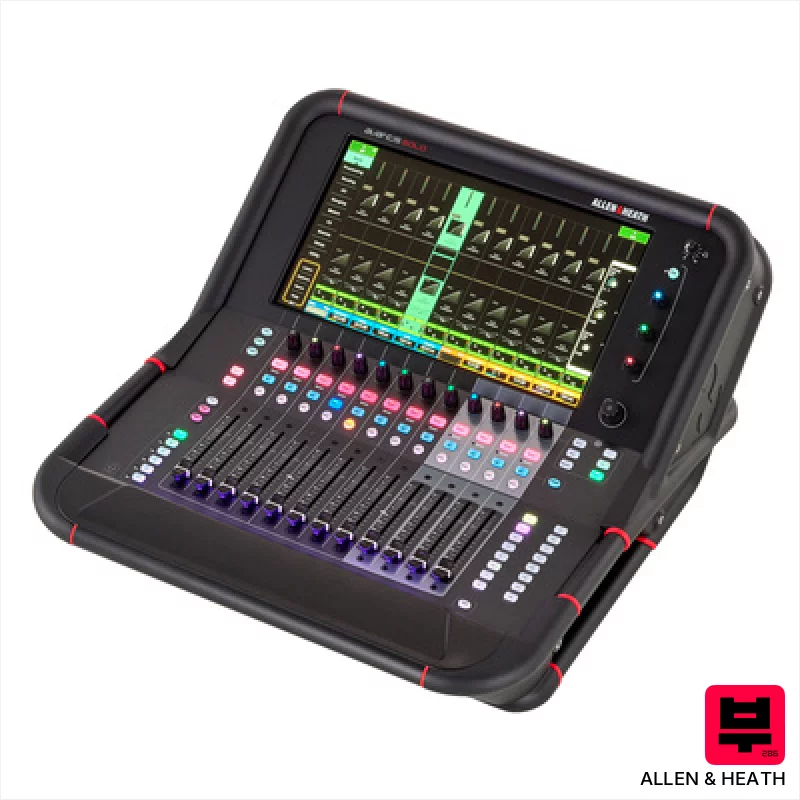
Allen & Heath Avantis Solo
- • Robust all-metal chassis inspires confidence and long-term durability.
- • XCVI core delivers truly impressive, near-zero latency performance.
- • AMM simplifies complex live sound scenarios with up to 64 channels.
- • Flexible layout and touchscreen offer intuitive, adaptable workflow.
- • Premium-priced, represents a significant investment for smaller operations.
- • Size and weight limit portability; requires dedicated rack space.
- • Steep learning curve for users unfamiliar with advanced digital mixing.
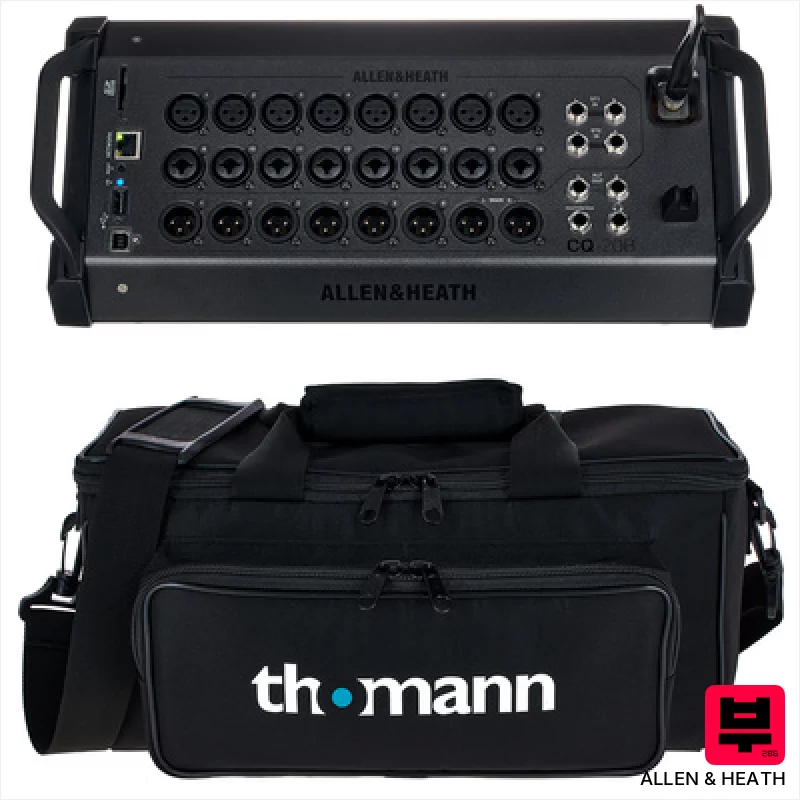
Allen & Heath CQ20B Bag Bundle
- • Excellent FPGA processing provides pristine audio clarity and low latency.
- • Gain Assistant and Feedback Assistant simplify complex mixing tasks considerably.
- • Compact size and lightweight design (2.6kg) allow for easy portability.
- • Comprehensive software control via CQ-MixPad and mobile apps enhances workflow.
- • Limited motorized fader options restrict precise recall and automation capabilities.
- • Smaller form factor means fewer physical controls, relying heavily on software.
- • While versatile, lacks the extensive routing options of larger, rackmount consoles.
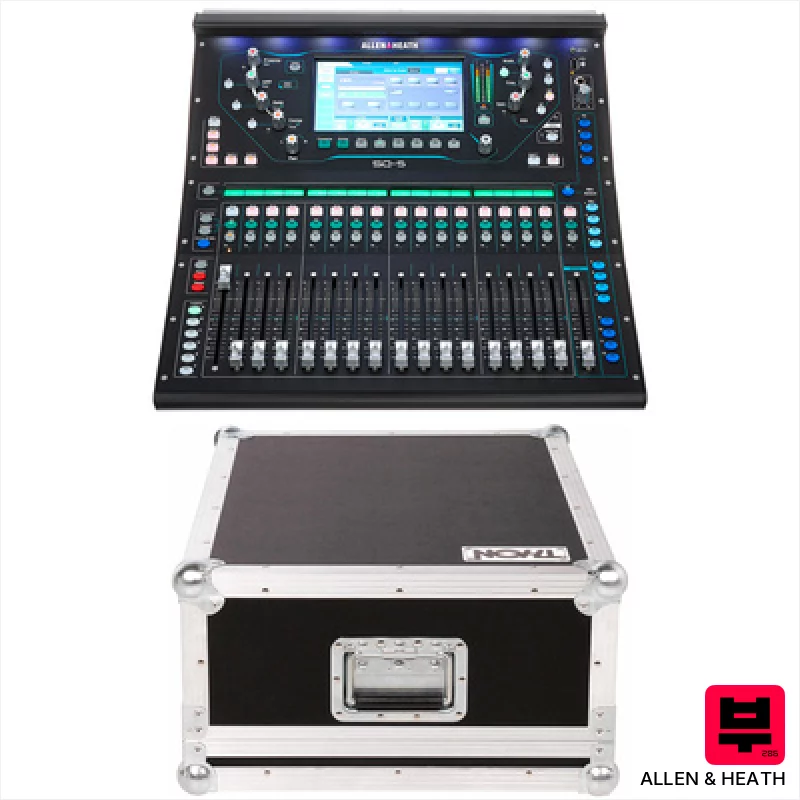
Allen & Heath SQ5 Case Bundle III
- • Rock-solid build quality; feels like a professional road case.
- • Deep processing integration expands sonic possibilities significantly.
- • Excellent in-ear monitoring capabilities with 12 stereo mixes.
- • SLink and 64ch I/O offer incredible networking flexibility.
- • Steep learning curve; requires dedicated time to master its features.
- • Significant weight; not ideal for frequent portability.
- • Limited physical controls for DEEP processing parameters.

Allen & Heath Avantis Solo Bundle
- • Rock-solid, all-metal chassis exudes professional build quality.
- • XCVI core delivers exceptionally low latency for critical live work.
- • AMM simplifies complex multi-zone sound reinforcement scenarios.
- • Intuitive touchscreen workflow accelerates mixing tasks significantly.
- • Premium-priced, representing a significant investment for smaller operations.
- • Size and weight make it less ideal for highly mobile setups.
- • Steep learning curve for users unfamiliar with digital mixing consoles.
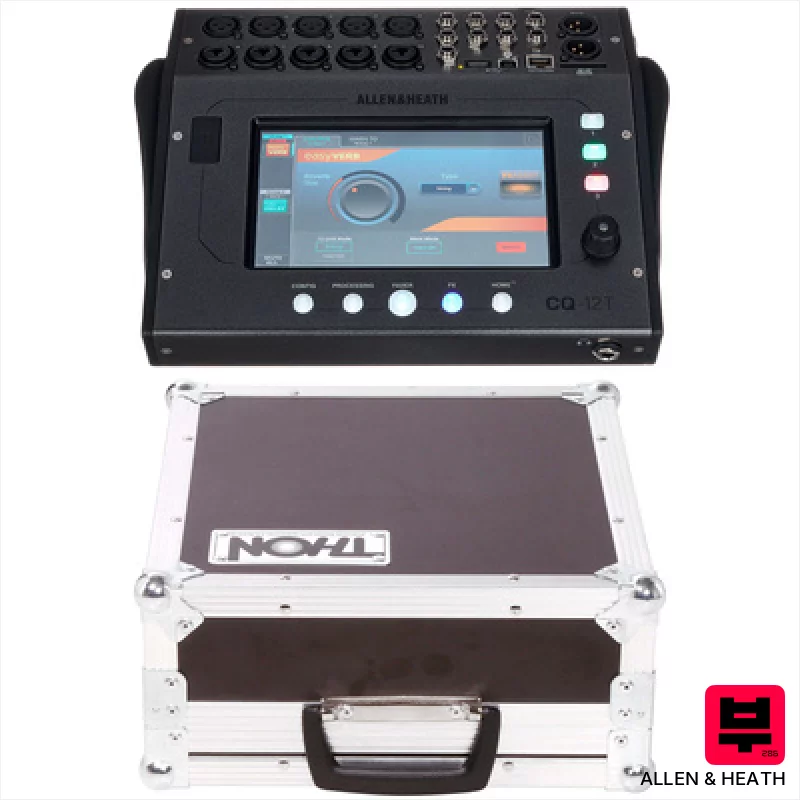
Allen & Heath CQ12T Case Bundle
- • Compact size belies powerful processing and routing capabilities.
- • Intuitive touchscreen interface simplifies complex mixing tasks.
- • Built-in SD card player/recorder offers convenient standalone operation.
- • Gain/feedback assistant significantly reduces setup time and frustration.
- • Limited physical control options compared to larger format mixers.
- • USB-B interface restricts connectivity with some older computer setups.
- • Smaller form factor can feel cramped for extensive patching.

Allen & Heath CQ20B Case Bundle
- • Excellent FPGA processing provides pristine, low-latency audio.
- • Quick and Complete channels streamline workflow significantly.
- • Integrated Wi-Fi and app control offer flexible remote operation.
- • The included case provides robust protection for transport and setup.
- • Limited motorized fader options restrict complex automation capabilities.
- • Smaller form factor can feel cramped for users with larger channel counts.
- • USB-B connection for computer interface is somewhat outdated.
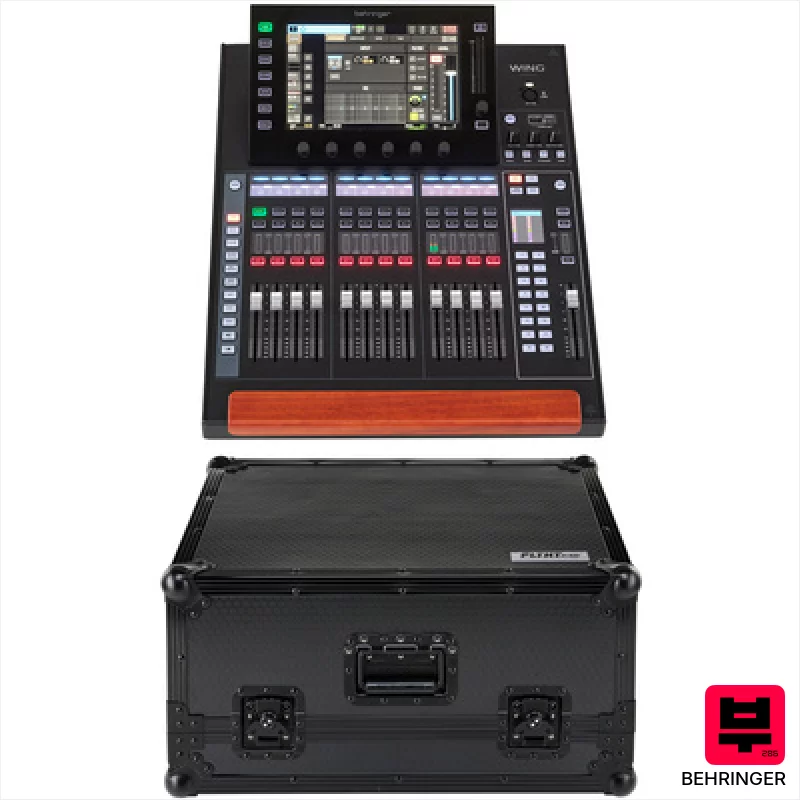
Behringer WING Compact Flyht Pro Bundle
- • Excellent Midas PRO preamp quality delivers clean, powerful gain.
- • The multi-touch display and motorized faders drastically speed workflow.
- • AES50 ports offer immense expandability for larger, complex rigs.
- • Integrated SD recorder/player simplifies live performance capture.
- • The sheer number of features demands a significant learning curve initially.
- • The compact size can feel cramped when managing numerous inputs.
- • Reliance on Behringer's ecosystem limits compatibility with some legacy gear.
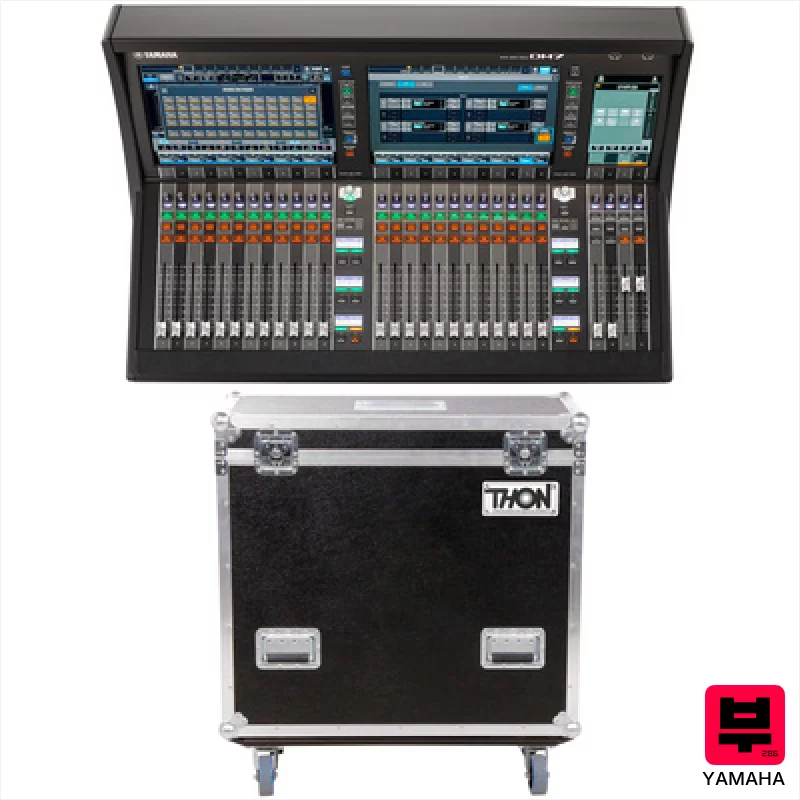
Yamaha DM7 Bundle
- • Dual 12.1” touchscreens offer unparalleled workflow and visual feedback.
- • Dante connectivity provides massive I/O expansion and network flexibility.
- • PY slot allows for future expandability and custom processing modules.
- • Robust 9mm multiple-layer road case protects investment during transport.
- • The substantial weight (23.5 kg) makes transport a two-person job.
- • Premium-priced, a significant investment for smaller studios or mobile setups.
- • Steep learning curve; requires dedicated time to master advanced features.
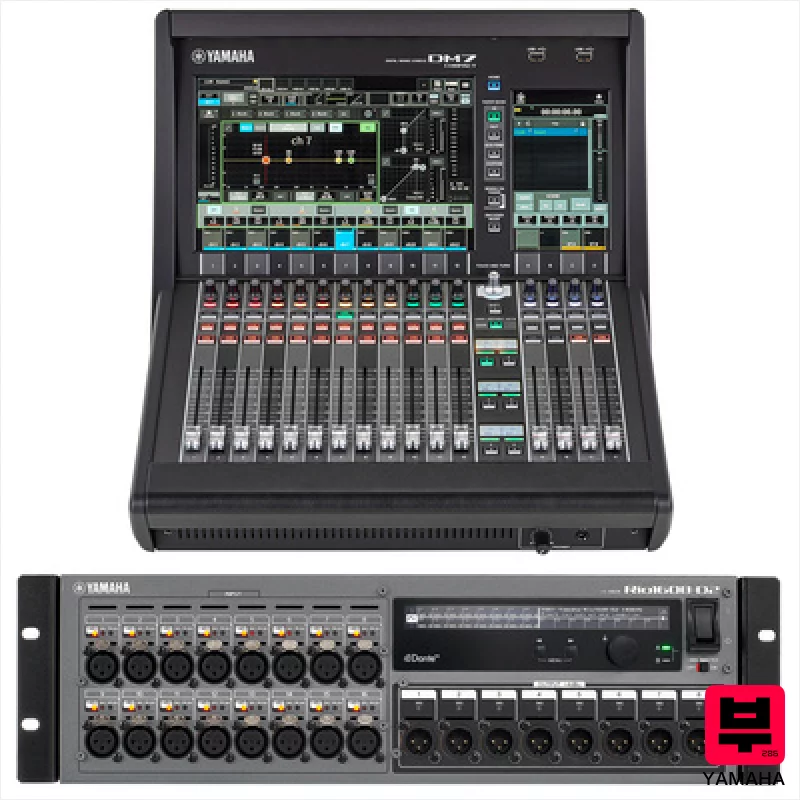
Yamaha DM7 Compact/RIO1608-D2 Bundle
- • Exceptional Dante integration offers unparalleled scalability and flexibility.
- • Intuitive multi-touch screens streamline workflow and mixing tasks.
- • The PY slot allows for future expansion and custom processing.
- • Dual power supply guarantees redundancy for critical live performances.
- • The significant weight makes portability challenging for solo engineers.
- • The complex interface has a steep learning curve for less experienced users.
- • The premium-priced nature restricts accessibility for smaller operations.
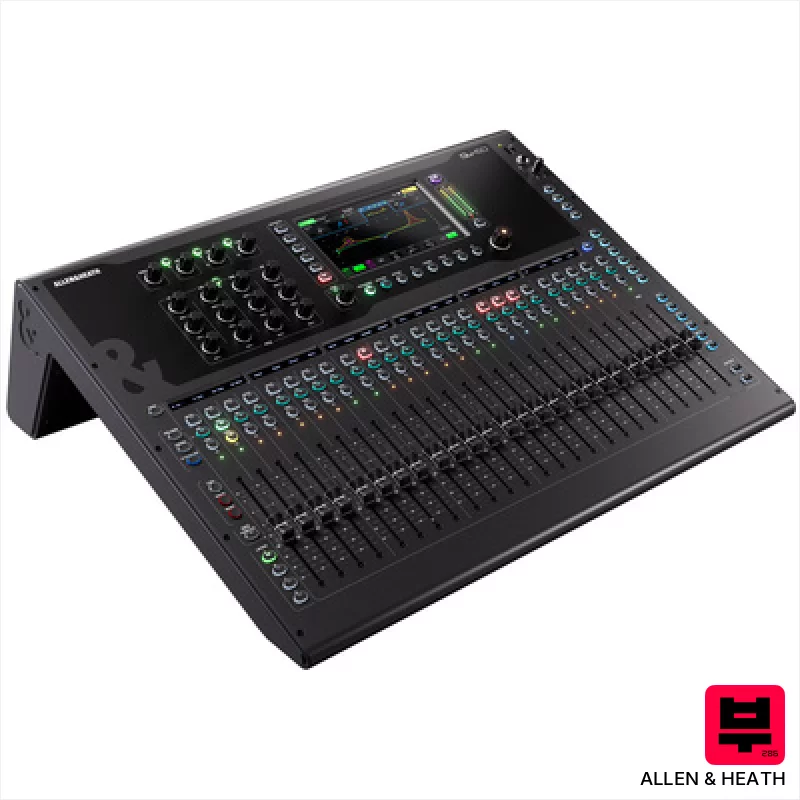
Allen & Heath QU-6D
- • Exceptional XCVI core delivers pristine, low-latency audio processing.
- • Dante connectivity offers unparalleled flexibility for networked audio workflows.
- • Intuitive touchscreen interface streamlines complex mixing tasks efficiently.
- • Robust build quality and rack mountability ensure stage-ready durability.
- • The large format and weight make portability a significant consideration.
- • Learning curve exists for mastering the extensive feature set.
- • Limited physical routing options compared to fully analog consoles.
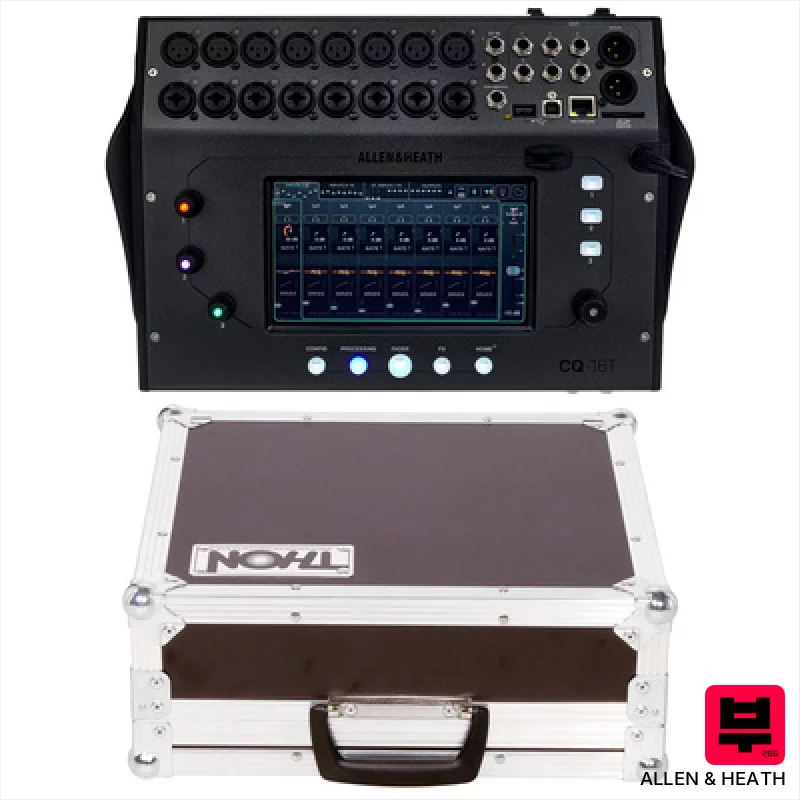
Allen & Heath CQ18T Case Bundle
- • Compact size belies powerful processing and routing capabilities.
- • Intuitive touchscreen interface drastically simplifies complex mixing tasks.
- • Built-in SD card player/recorder offers convenient live performance recording.
- • Gain/feedback assistant is genuinely useful for live sound reinforcement.
- • Limited physical controls can feel less tactile for seasoned engineers.
- • Rackmount and case are separate purchases, adding to the overall investment.
- • USB-A port for playback/recording feels like an afterthought in a modern digital mixer.

Yamaha TF-5 Case Bundle
- • Robust 7mm plywood case protects the mixer during transport.
- • D-PRE mic preamps deliver exceptionally clean and musical gain.
- • Nuendo Live license unlocks powerful multitrack recording and live performance workflows.
- • GainFinder simplifies gain staging, saving time and ensuring consistent levels.
- • The weight (20kg) makes it a two-person lift, limiting portability.
- • While versatile, the TF-5's routing can be complex for absolute beginners.
- • Phenolic resin laminate, while durable, isn't as premium-feeling as some higher-end finishes.

Allen & Heath CQ18T Inlay Case Bundle
- • Compact size belies powerful processing and routing capabilities.
- • Inlay case provides excellent protection for transport and setup.
- • Gain/feedback assistant significantly reduces setup time and ear fatigue.
- • Bluetooth connectivity simplifies playback and streaming for rehearsals or small gigs.
- • Limited physical controls might frustrate experienced analog mixer users.
- • Rackmount sold separately; adds to overall cost and planning.
- • Smaller form factor can feel cramped during complex routing scenarios.

Yamaha DM7 Compact Bundle
- • Dual power supply offers rock-solid reliability for critical live or studio applications.
- • The 16 touch-sensitive faders provide tactile control over mixes, a significant workflow boost.
- • Dante connectivity allows for massive I/O expansion and flexible routing possibilities.
- • Custom roadcase provides excellent protection and convenient transport for demanding touring scenarios.
- • The sheer complexity demands a significant learning curve; not ideal for beginners.
- • The compact form factor, while convenient, limits physical space for connectivity.
- • Premium-priced, making it a substantial investment for smaller operations or individuals.
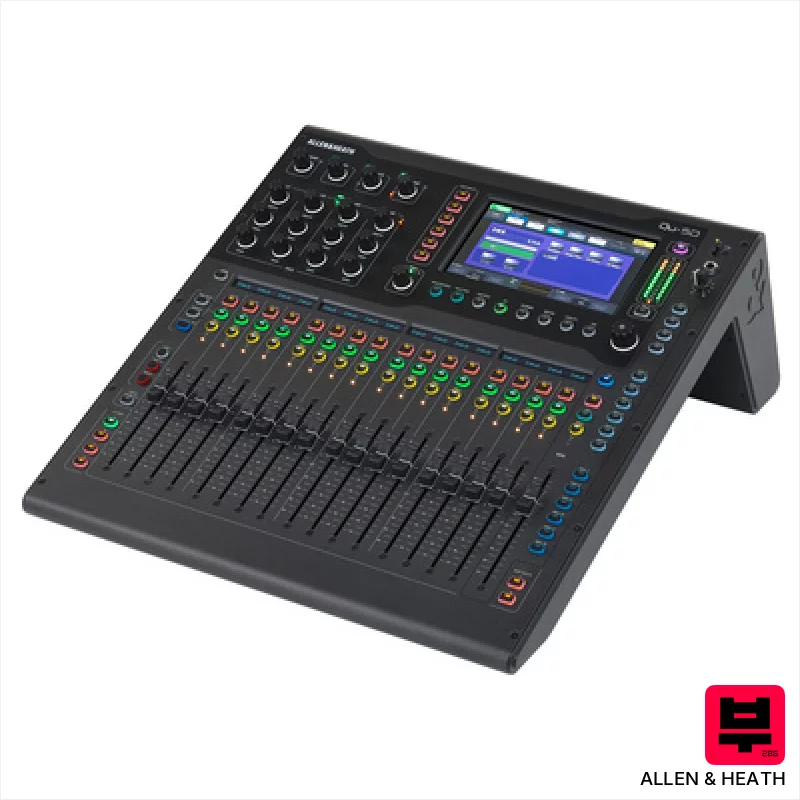
Allen & Heath QU-5D
- • Excellent XCVI core provides pristine audio quality and low latency.
- • Dante interface offers flexible routing and expansion possibilities.
- • Motorized faders provide tactile control and recallable scenes.
- • Intuitive touchscreen simplifies complex routing and processing.
- • The physical size and weight make it less portable for solo gigs.
- • Limited EQ bands per channel compared to some higher-end digital mixers.
- • Dante connectivity requires compatible infrastructure for full functionality.
How to Choose the Best Digital Mixers
Preamps & Headroom
This is the foundation. Cheap digital mixers often skimp here, and you'll hear it - a thin, sterile sound that struggles to handle dynamic peaks. Look for models with decent preamps (Yamaha, Allen & Heath, and Soundcraft's better offerings are usually safe bets) and enough headroom to handle loud drums and screaming vocals without clipping. That sweet spot of natural breakup before digital distortion is golden.
EQ & Dynamics
More than just a frequency knob, you need flexible EQ - parametric bands are a must for surgical cuts and boosts. Compressing vocals and drums consistently across different venues is a huge time-saver, so look for solid, transparent dynamics processing. The ability to recall EQ presets for specific instruments or vocalists is a massive workflow boost.
Routing & Flexibility
Live sound is unpredictable. You need to be able to send signals to monitors, external effects, or recording interfaces quickly and easily. Matrix outputs, aux sends with individual EQ, and flexible routing options are vital for handling complex monitor mixes and live recording scenarios. Being able to quickly route a drum submix to a monitor engineer's board is priceless.
User Interface & Workflow
A complicated menu system is a nightmare under pressure. Look for a mixer with a logical layout, clear labeling, and tactile controls that you can adjust without taking your eyes off the band. A well-designed interface can save you valuable seconds - and prevent embarrassing mistakes - during a live set.
Reliability & Build Quality
Gigs aren't always gentle. A flimsy plastic chassis and unreliable buttons won't last long on the road. Consider the build quality - a robust metal chassis, solid faders, and a reputation for reliability are worth the investment. You don't want the mixer dying mid-song.
Buying Guide
Don't fall for the 'more features' trap. A mixer overloaded with options you'll never use is just a distraction. Prioritize solid preamps, a flexible routing system, and a user interface you can actually use under pressure. Cheap digital mixers often compensate for weak preamps with excessive EQ - a band-aid solution that masks a fundamental flaw. Spending a bit more on a reputable brand will pay off in sonic quality and reliability.
Our Methodology
We're not just looking at spec sheets here. We've spent hours throwing these mixers into real-world scenarios: packed clubs, outdoor festivals, even just band rehearsals where we're pushing them to their limits. We've A/B'd them against analog consoles, scrutinized their preamps for that crucial bit of color, and listened critically for any unwanted noise or artifacts - because you don't want a noisy signal cutting into your performance.

