
Best Digital Mixers for Large Venues 2026
So, you're running sound for a band that regularly fills a 500-capacity room or bigger? Forget your little bedroom mixers - you need something that can handle the heat, the complexity, and the sheer volume of a large venue. A digital mixer isn't just about fancy features; it's about workflow, reliability, and getting a clean, powerful sound to the audience without fighting the PA. Let's break down what to look for in a digital mixer that won't leave you scrambling mid-set.
Last updated: July 8, 2026 • Next update: July 15, 2026
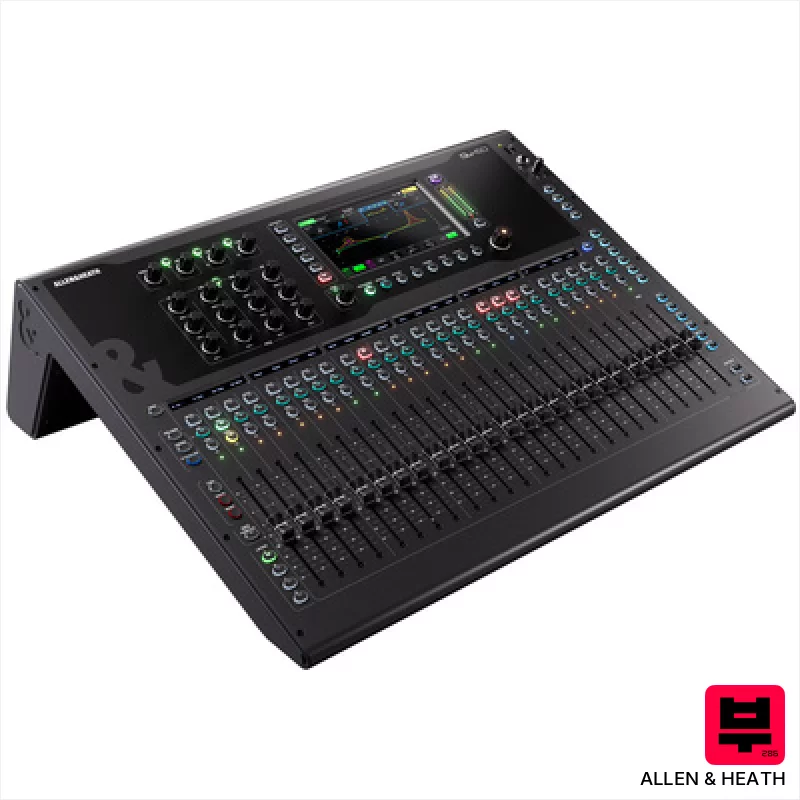
Allen & Heath QU-6D
- • Exceptional XCVI core delivers pristine, low-latency audio processing.
- • Dante connectivity offers unparalleled flexibility for networked audio workflows.
- • Intuitive touchscreen interface streamlines complex mixing tasks efficiently.
- • Robust build quality and rack mountability ensure stage-ready durability.
- • The large format and weight make portability a significant consideration.
- • Learning curve exists for mastering the extensive feature set.
- • Limited physical routing options compared to fully analog consoles.
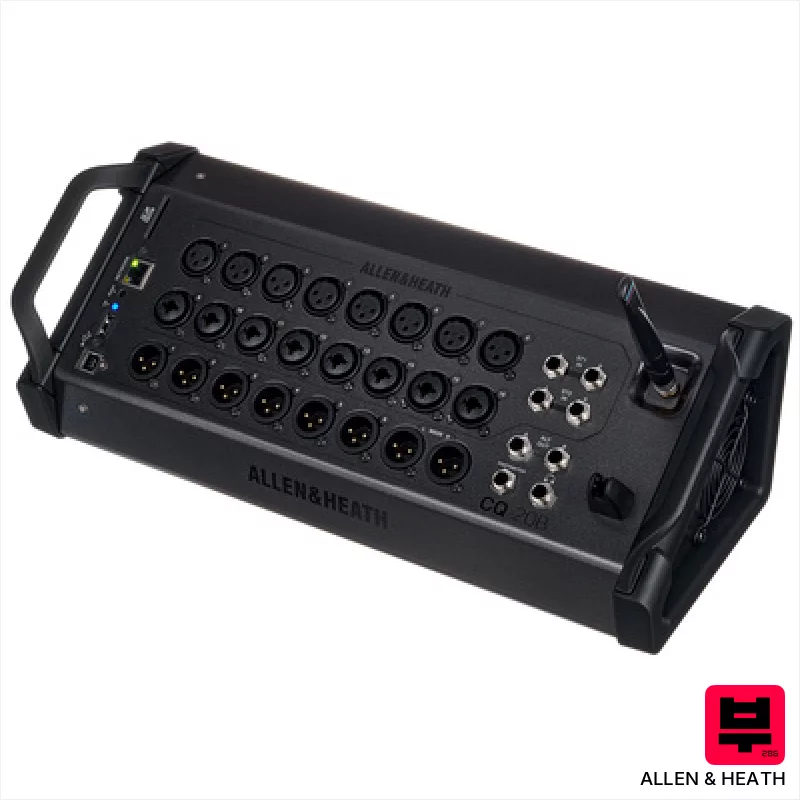
Allen & Heath CQ20B
- • Excellent FPGA processing delivers pristine, low-latency audio.
- • Gain Assistant simplifies setup, ideal for less experienced users.
- • Integrated Wi-Fi offers flexible control and remote access.
- • Compact size and lightweight design enhance portability significantly.
- • Limited motorized fader control restricts complex automation workflows.
- • Aux sends are a bit basic compared to higher-end digital mixers.
- • SD recording capacity might feel restrictive for longer events.
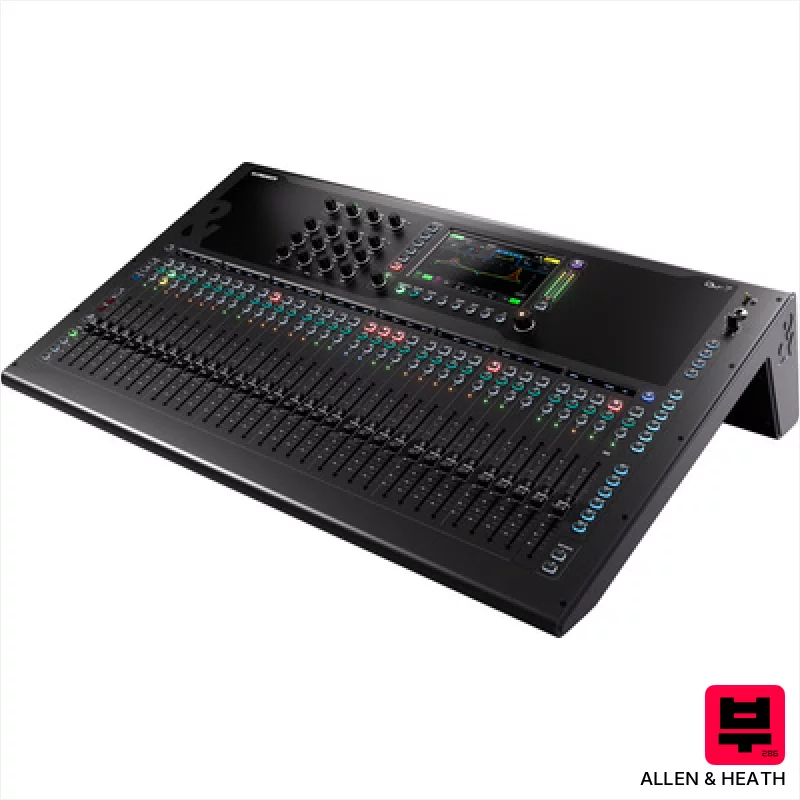
Allen & Heath QU-7
- • Rock-solid build quality; feels like a tank, all metal chassis.
- • The XCVI core delivers pristine audio with minimal latency.
- • Comprehensive routing options provide immense flexibility for complex setups.
- • Qu MixPad app allows for intuitive remote control and monitoring.
- • The 7” touchscreen can feel cramped for complex edits.
- • Size and weight make it less portable for solo performers.
- • USB-C interface, while powerful, can be complex to configure initially.
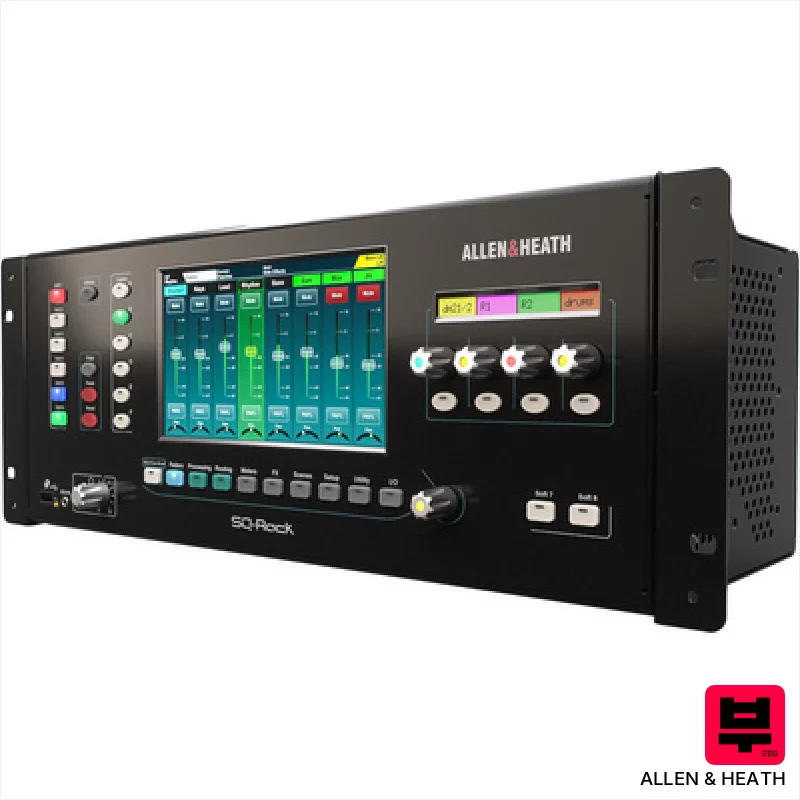
Allen & Heath SQ Rack
- • Ultra-low latency (0.7ms) crucial for stage monitoring and live performance.
- • SLink networking offers incredible flexibility for expanding I/O.
- • The 7” touchscreen is responsive and intuitive, speeding workflow.
- • Excellent in-ear monitoring capabilities with 12 stereo mixes.
- • The 4U rack height might be limiting for some setups.
- • Learning curve exists for mastering the full feature set.
- • Limited physical controls compared to larger format consoles.
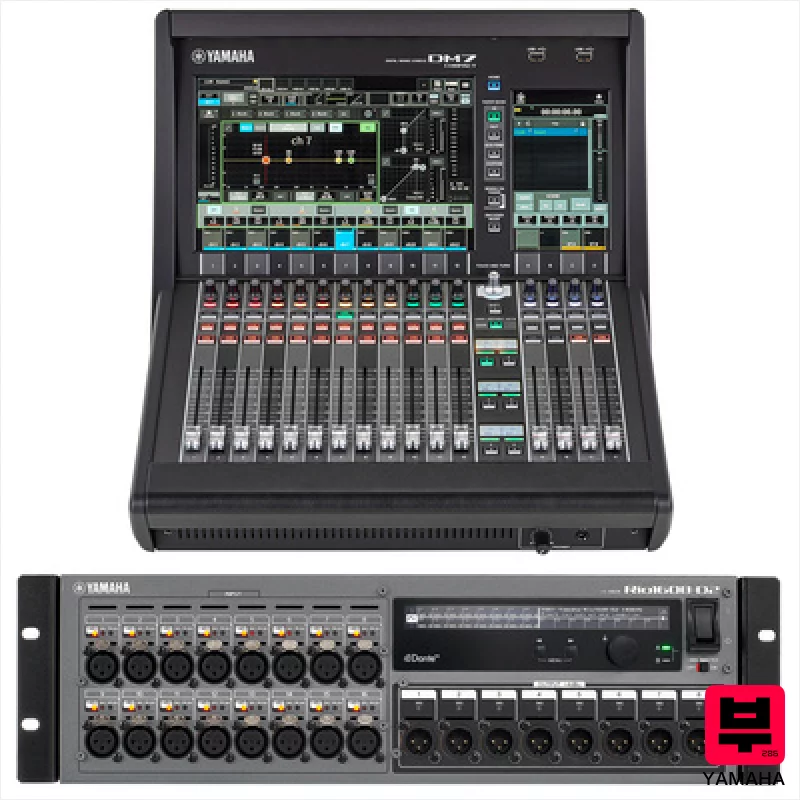
Yamaha DM7 Compact/RIO1608-D2 Bundle
- • Exceptional Dante integration offers unparalleled scalability and flexibility.
- • Intuitive multi-touch screens streamline workflow and mixing tasks.
- • The PY slot allows for future expansion and custom processing.
- • Dual power supply guarantees redundancy for critical live performances.
- • The significant weight makes portability challenging for solo engineers.
- • The complex interface has a steep learning curve for less experienced users.
- • The premium-priced nature restricts accessibility for smaller operations.
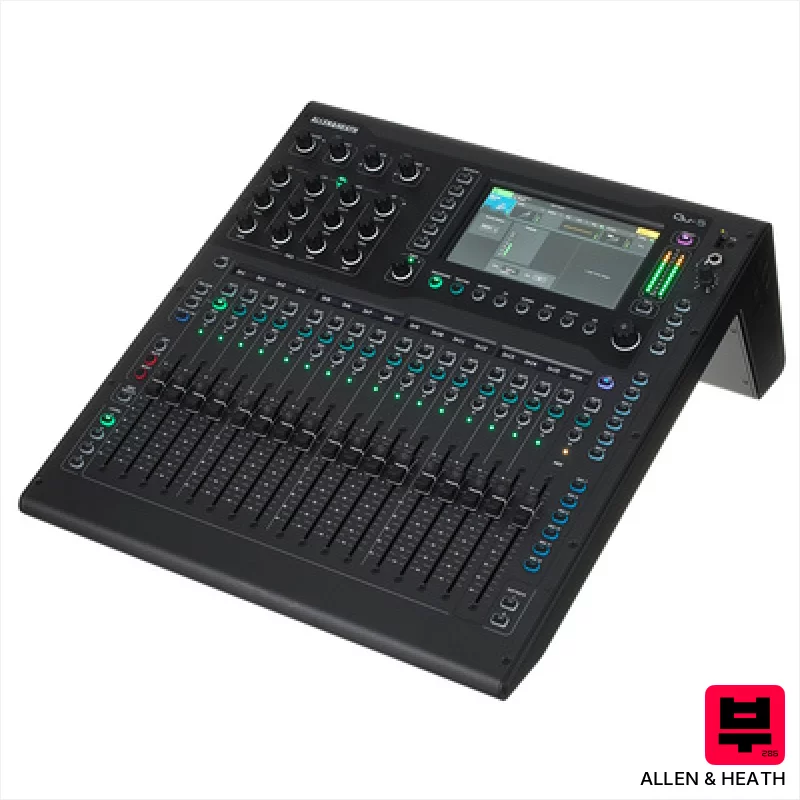
Allen & Heath QU-5
- • Excellent XCVI core delivers pristine audio quality and low latency.
- • Motorized faders provide tactile control and recallable scenes.
- • Comprehensive USB-C interface facilitates flexible recording and playback.
- • Intuitive touchscreen interface simplifies complex mixing tasks.
- • Limited physical connectivity compared to larger format consoles.
- • Rackmount kit sold separately, adding to the overall investment.
- • Learning curve for full feature set, despite the touchscreen.
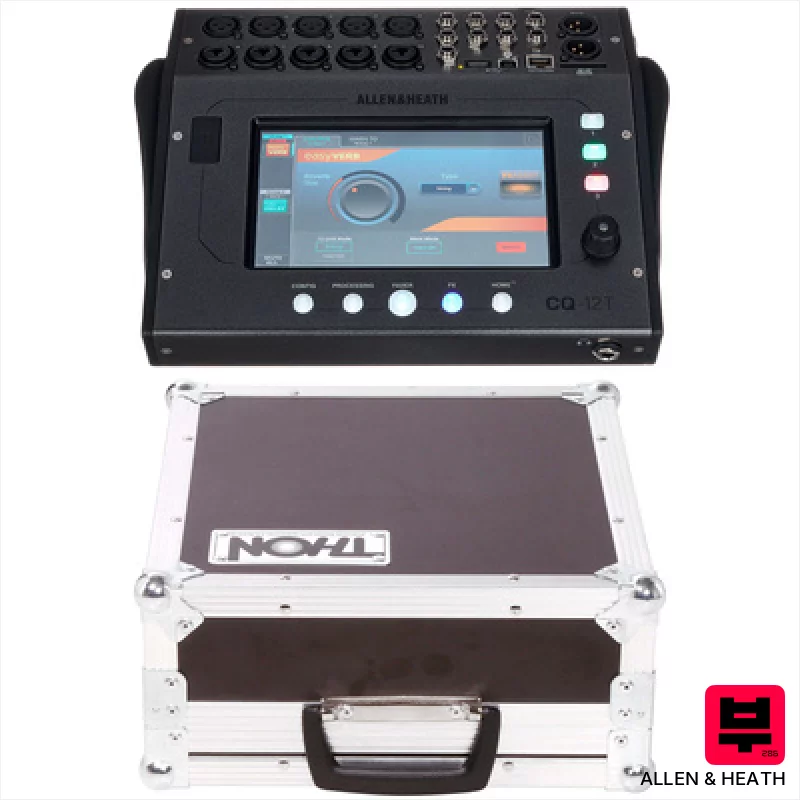
Allen & Heath CQ12T Case Bundle
- • Compact size belies powerful processing and routing capabilities.
- • Intuitive touchscreen interface simplifies complex mixing tasks.
- • Built-in SD card player/recorder offers convenient standalone operation.
- • Gain/feedback assistant significantly reduces setup time and frustration.
- • Limited physical control options compared to larger format mixers.
- • USB-B interface restricts connectivity with some older computer setups.
- • Smaller form factor can feel cramped for extensive patching.
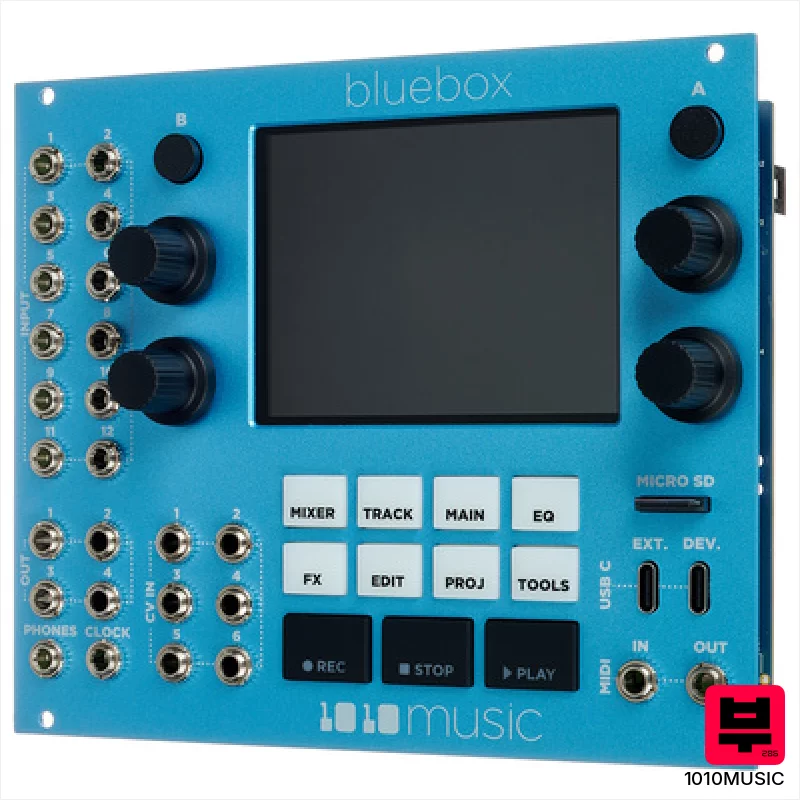
1010music bluebox Eurorack Edition
- • Excellent routing flexibility for complex modular setups.
- • Intuitive touchscreen interface speeds up workflow considerably.
- • Integrated effects provide creative options without external hardware.
- • Robust build quality; feels solid and well-engineered for mobile use.
- • Limited physical controls can feel restrictive for experienced mixers.
- • 24-bit/48kHz recording is standard, not high-resolution.
- • The global compressor lacks the nuanced control of dedicated units.

Waves eMotion LV1 Classic Case Set
- • Exceptional processing power via 8-slot plug-in rack per channel.
- • Motorized Alps faders offer precise recall and tactile control.
- • The 21.5” touchscreen provides intuitive workflow and visual feedback.
- • SoundGrid connectivity unlocks expansive routing and processing options.
- • Steep learning curve for users unfamiliar with digital mixing workflows.
- • The system's weight and size make transport a logistical challenge.
- • Reliance on Waves ecosystem might limit compatibility with other platforms.
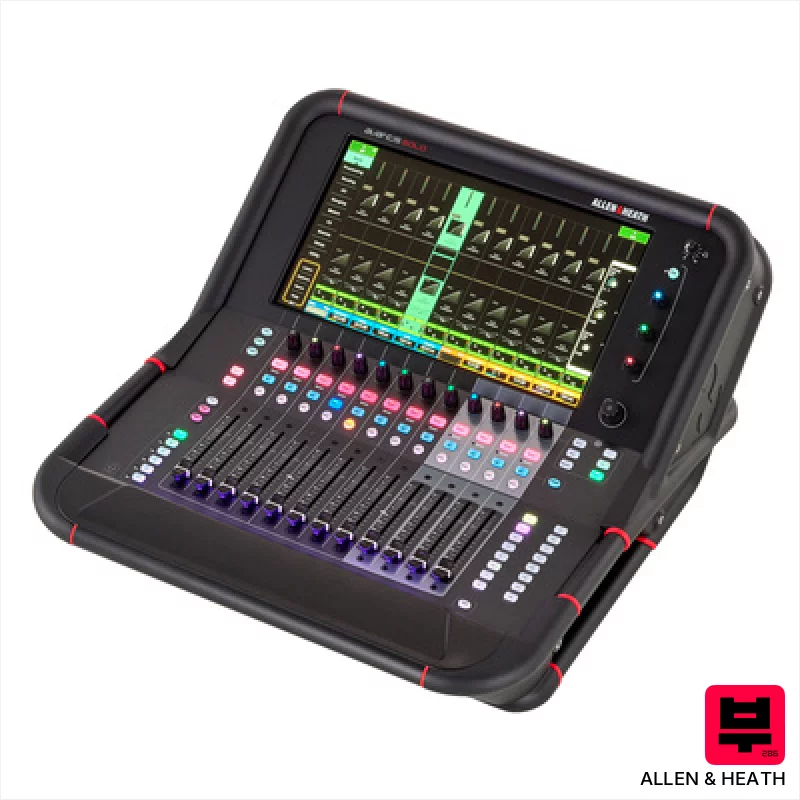
Allen & Heath Avantis Solo
- • Robust all-metal chassis inspires confidence and long-term durability.
- • XCVI core delivers truly impressive, near-zero latency performance.
- • AMM simplifies complex live sound scenarios with up to 64 channels.
- • Flexible layout and touchscreen offer intuitive, adaptable workflow.
- • Premium-priced, represents a significant investment for smaller operations.
- • Size and weight limit portability; requires dedicated rack space.
- • Steep learning curve for users unfamiliar with advanced digital mixing.

Allen & Heath CQ20B Case Bundle
- • Excellent FPGA processing provides pristine, low-latency audio.
- • Quick and Complete channels streamline workflow significantly.
- • Integrated Wi-Fi and app control offer flexible remote operation.
- • The included case provides robust protection for transport and setup.
- • Limited motorized fader options restrict complex automation capabilities.
- • Smaller form factor can feel cramped for users with larger channel counts.
- • USB-B connection for computer interface is somewhat outdated.
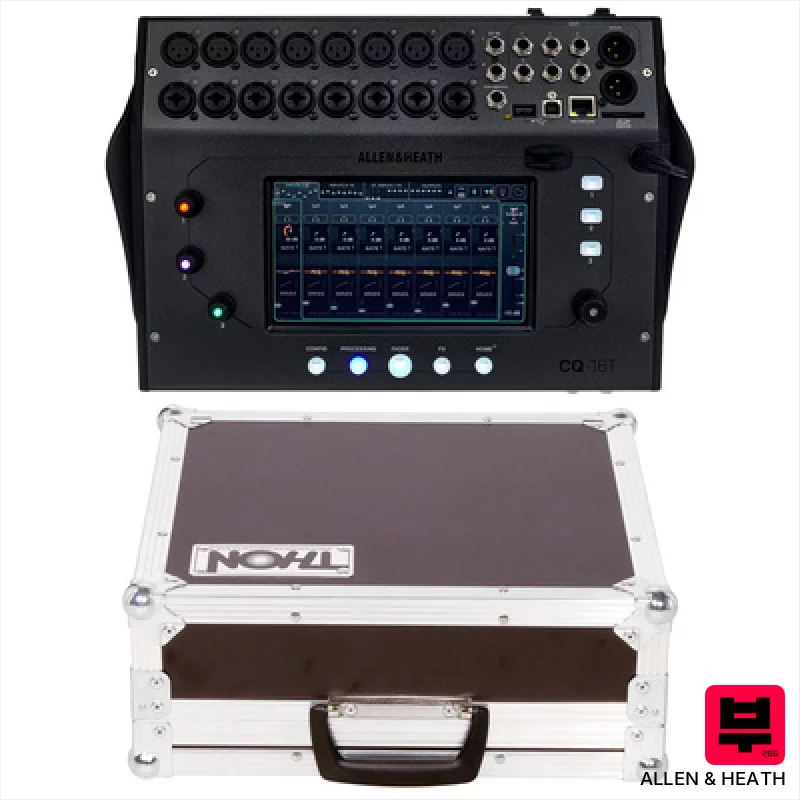
Allen & Heath CQ18T Case Bundle
- • Compact size belies powerful processing and routing capabilities.
- • Intuitive touchscreen interface drastically simplifies complex mixing tasks.
- • Built-in SD card player/recorder offers convenient live performance recording.
- • Gain/feedback assistant is genuinely useful for live sound reinforcement.
- • Limited physical controls can feel less tactile for seasoned engineers.
- • Rackmount and case are separate purchases, adding to the overall investment.
- • USB-A port for playback/recording feels like an afterthought in a modern digital mixer.

Behringer WING-Bk Case Bundle
- • 48 channels offer unparalleled routing flexibility for complex setups.
- • Midas preamps deliver clean, transparent gain with excellent headroom.
- • Multi-touch display simplifies workflow and offers intuitive control.
- • Case provides robust protection and portability, a significant upgrade.
- • Steep learning curve; mastering the routing system requires dedication.
- • Size and weight make it impractical for smaller venues or solo artists.
- • Reliance on digital infrastructure; power outages can be devastating.
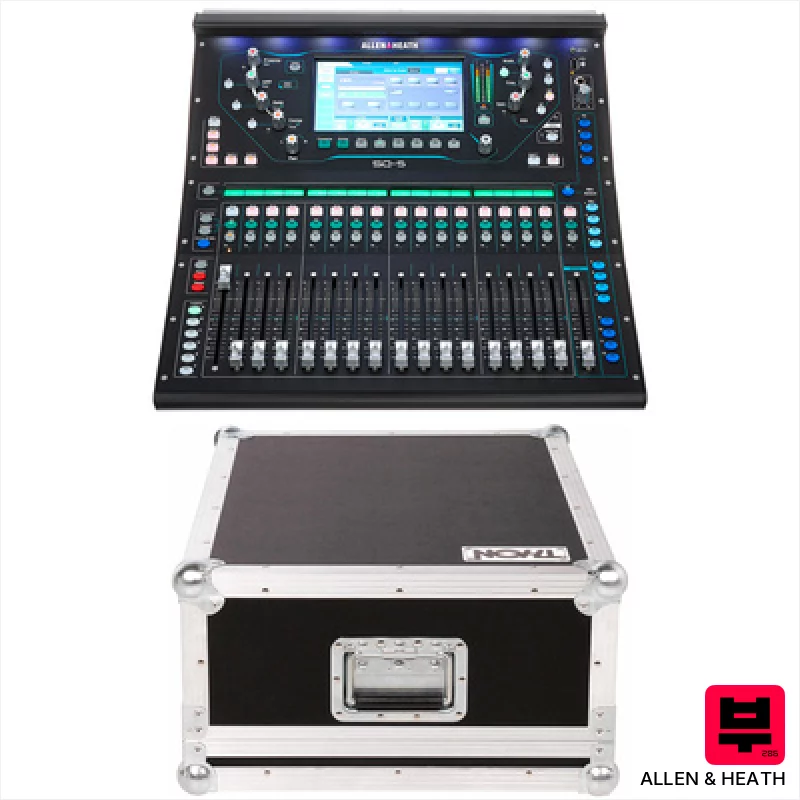
Allen & Heath SQ5 Case Bundle III
- • Rock-solid build quality; feels like a professional road case.
- • Deep processing integration expands sonic possibilities significantly.
- • Excellent in-ear monitoring capabilities with 12 stereo mixes.
- • SLink and 64ch I/O offer incredible networking flexibility.
- • Steep learning curve; requires dedicated time to master its features.
- • Significant weight; not ideal for frequent portability.
- • Limited physical controls for DEEP processing parameters.

Behringer WING-Bk
- • Midas preamps deliver clean, transparent gain for demanding live performances.
- • Source-focused routing offers unparalleled flexibility for complex setups.
- • Multi-touch display simplifies navigation, even during hectic shows.
- • Extensive vintage effect emulations add creative coloring to your mix.
- • The sheer number of features can be overwhelming for novice users.
- • Its considerable weight makes transportation and setup a two-person job.
- • USB functionality is primarily for file transfer, lacking advanced DAW integration.
How to Choose the Best Digital Mixers
Channel Count & Routing
Large venues mean lots of inputs - drums, multiple vocalists, keys, amps, the whole shebang. You'll want at least 32 channels, ideally more, with flexible routing options to handle complex monitor mixes and stage setups. Don't get caught short when the bassist needs another send.
Preamp Quality
Digital doesn't automatically equal good sound. Those preamps are the first point of contact for your signal. Look for models with clean headroom and a usable gain range - you want to be able to push them a bit without introducing unwanted noise or distortion, or relying on excessive gain which always degrades the signal.
Dynamic Processing (EQ, Compression, Gates)
Built-in processing isn't a gimmick; it's a necessity. Powerful EQ allows you to carve out space in a dense mix, while compression keeps instruments glued together and vocals cutting through. Good gates are crucial for controlling drum bleed. Cheap digital mixers often skimp here - listen for muddiness or a lack of clarity.
Recallability & Scene Management
This is where digital really shines. Being able to instantly recall a full mixer setup for a song change or a different performer is a massive time saver and reduces errors. Scenes are your friends - learn to use them.
Connectivity & Networking
Beyond basic XLR and TRS, consider AES/EBU for digital signal transfer, Dante or AVB for network audio, and USB for recording. Think about how the mixer integrates into your overall rig - can you remote control it from a tablet? Can you easily share presets with other engineers?
Buying Guide
Don't chase the feature list; focus on the core functionality. Entry-level digital mixers often have a plasticky build and weaker preamps - you'll hear it. Spending a bit more for a console with a solid build, quality preamps, and a more intuitive workflow will pay dividends in the long run. Remember, the digital mixer is only as good as the engineer running it; invest in your skills too.
Our Methodology
We're not just looking at spec sheets here. We've spent countless hours putting these mixers through their paces - running band rehearsals, live gigs across various genres (rock, blues, funk, even some EDM), and A/B comparisons against both analog and other digital consoles. It's about how they feel to use under pressure and, most importantly, how they sound in a real-world environment.

