
Best Diatonic Harmonicas for Folk 2026
So, you're diving into the folk scene with a harp, huh? Good choice - a well-voiced harmonica can add serious soul to your tunes. But not all harmonicas are created equal, especially when you're aiming for that warm, breathy vibe that cuts through an acoustic guitar and upright bass. Let's break down which diatonic harmonicas will actually work for you, and which ones will leave you sounding like a frustrated beginner.
Last updated: July 15, 2026 • Next update: July 22, 2026
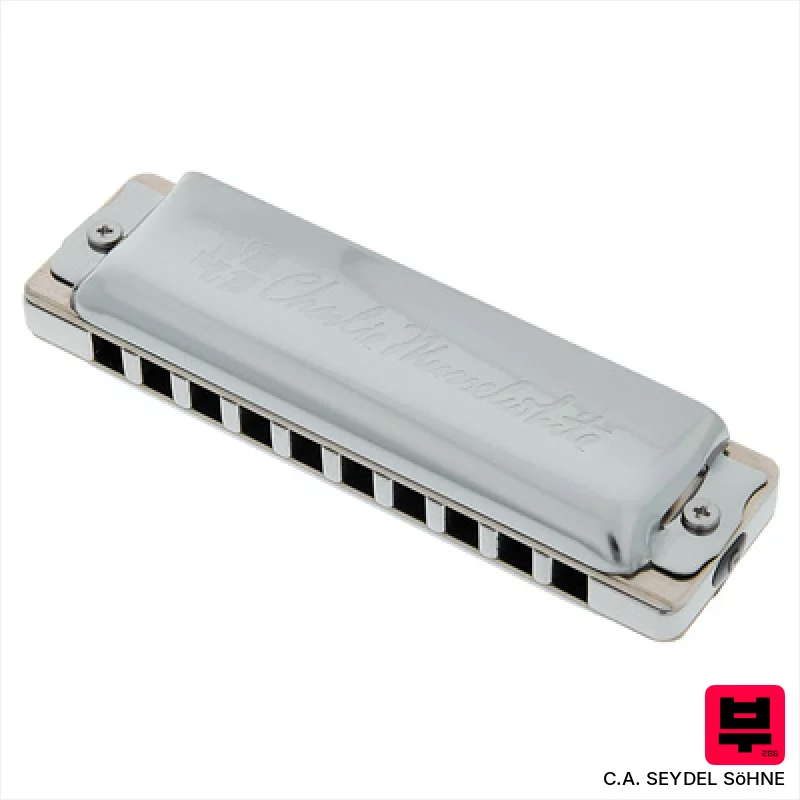
C.A. Seydel Söhne Charlie Musselwhite Signature
- • Stainless steel reeds offer exceptional responsiveness and clarity.
- • High-gloss comb improves airflow and contributes to a richer tone.
- • Signature cover embossing adds a touch of prestige and collectibility.
- • The included cleaning cloth and accessories promote harmonica longevity.
- • The weight (160g) can be noticeable for extended playing sessions.
- • Limited versatility; primarily excels in blues and related genres.
- • Premium-priced compared to standard diatonic harmonicas.
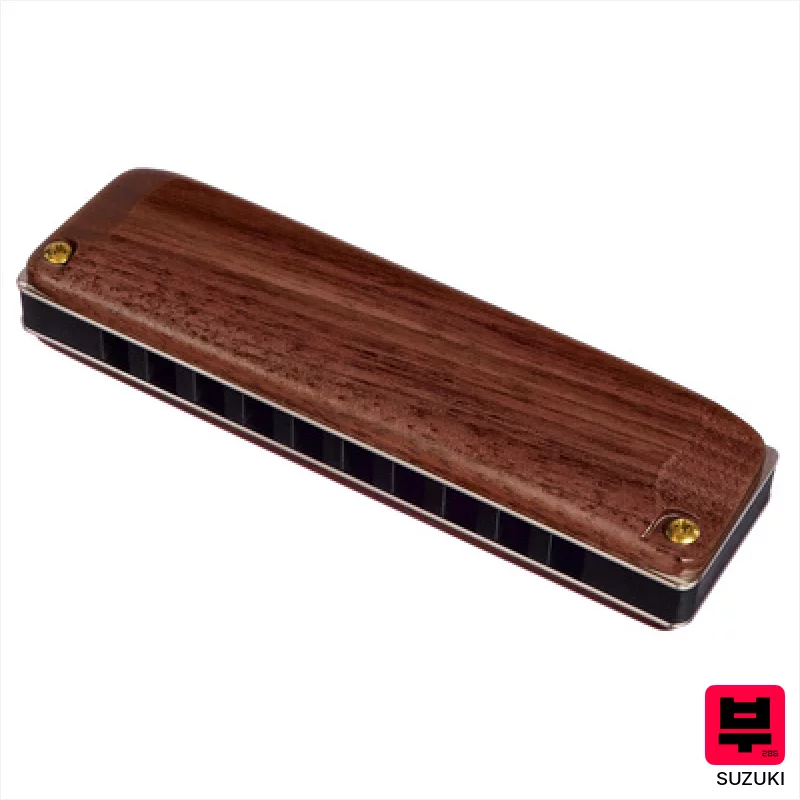
Suzuki M-20W Manji E
- • Walnut cover plates offer a warm, visually appealing aesthetic and improved grip.
- • Bronze/phosphor bronze reed combination delivers a rich, complex tone with good projection.
- • Wood/resin comb provides a comfortable feel and contributes to a slightly mellowed sound.
- • Suzuki’s Manji series is known for robust construction and consistent reed response.
- • The 'softer' tone might lack the aggressive bite some players prefer for rock.
- • Wood comb requires more careful cleaning and maintenance than plastic alternatives.
- • Key of E is less versatile than common keys like C or G for general playing.
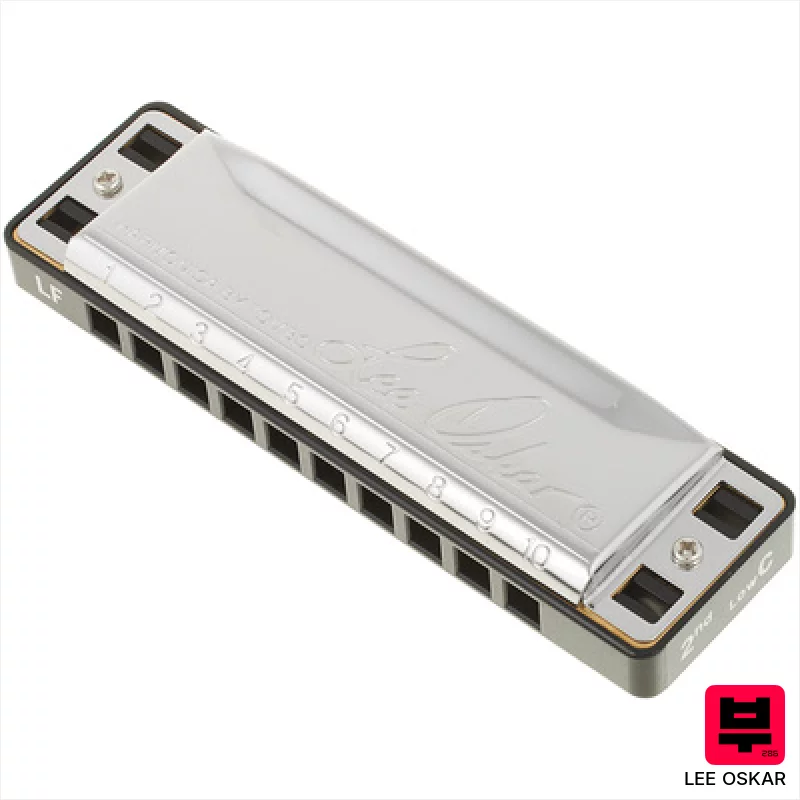
Lee Oskar Major Diatonic Low D
- • Exceptional tuning stability, a hallmark of Lee Oskar harmonicas.
- • Brass reed plates deliver a warm, responsive, and articulate tone.
- • Stainless steel cover plates minimize moisture build-up and resist corrosion.
- • The Richter system is incredibly versatile, ideal for blues, rock, and beyond.
- • The low D key is a niche choice; less common than C or G.
- • Stainless steel covers can feel slightly colder and less 'vintage' than acrylic.
- • While durable, the plastic case is basic and offers limited protection.

Cascha HH-2217 Blues Harp E
- • Plastic comb provides a relatively airtight seal, aiding in ease of bending.
- • Brass reeds offer a brighter, more responsive tone than cheaper steel alternatives.
- • The compact size makes it comfortable to hold, even for smaller hands.
- • Surprisingly playable for a budget-friendly harmonica, decent intonation overall.
- • Plastic comb can retain moisture, potentially affecting reed response over time.
- • Brass reeds are prone to corrosion if not properly cleaned and stored.
- • Limited tonal range; not ideal for genres outside blues and folk.
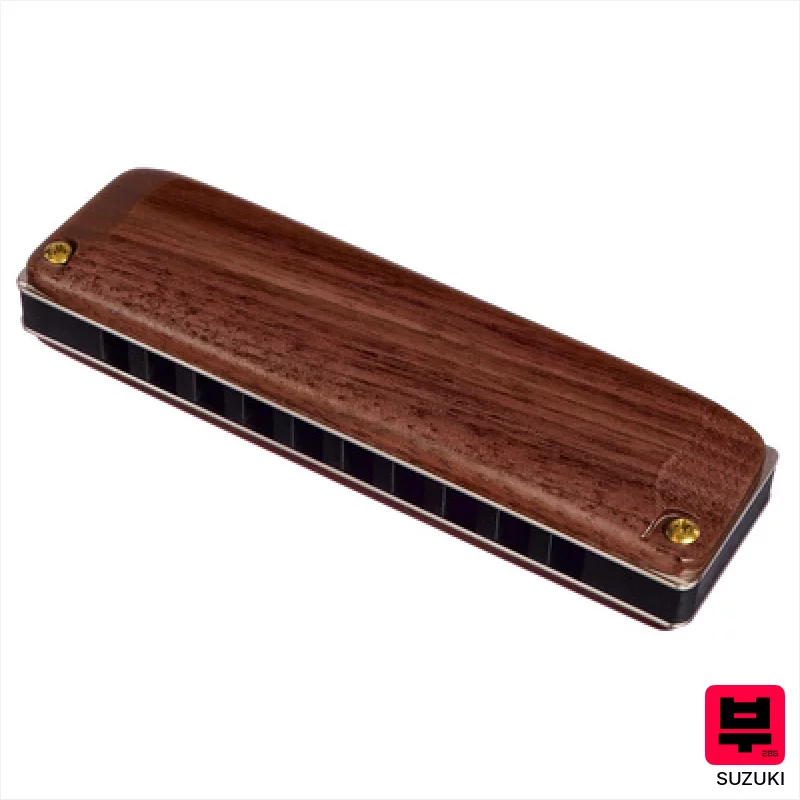
Suzuki M-20W Manji A
- • Walnut cover plates offer a warm, refined aesthetic and comfortable grip.
- • Bronze/phosphor bronze reeds provide a rich, complex tone with good projection.
- • The wood/resin comb minimizes moisture build-up for improved playability.
- • Subdued high frequencies create a smoother, less piercing blues/rock tone.
- • The resin comb, while practical, lacks the traditional feel of pure wood.
- • Limited versatility; primarily suited for blues and rock styles, less ideal for classical.
- • The softer tone, while pleasant, might lack the cutting edge some players desire.

Cascha HH-2277 Fun Blues Harp Transp.
- • Transparent ABS cover allows reed vibration and visual inspection.
- • Brass reeds offer a surprisingly warm and responsive tone for the price.
- • ABS comb resists moisture and warping, extending the harmonica's lifespan.
- • Lightweight design makes it comfortable for extended playing sessions.
- • ABS comb can feel slightly 'slick' compared to wood, affecting breath feel.
- • Brass reeds are prone to corrosion if not properly cleaned and maintained.
- • Limited tonal complexity; best suited for straightforward blues and folk styles.

Fender Blues Junior Diatonic 8H A
- • Phosphor bronze reeds offer a bright, responsive tone.
- • ABS plastic comb resists moisture, aiding playability.
- • Compact size makes it highly portable and easy to handle.
- • The lanyard is a genuinely useful inclusion for beginners.
- • The ABS comb lacks the warmth of wood, a noticeable difference.
- • Limited range restricts advanced playing techniques.
- • Lower-cost construction means it won’t withstand heavy abuse.

Suzuki M-20W Manji C
- • Walnut cover plates offer a warm aesthetic and improved grip.
- • Bronze/Phosphor bronze reeds deliver a rich, complex tone.
- • Wood/resin comb provides a comfortable play experience and good breath response.
- • Suppressed high frequencies create a smoother, less piercing blues tone.
- • The wood comb can absorb moisture and require occasional cleaning/maintenance.
- • Limited versatility – primarily suited for blues and rock styles.
- • While durable, the wood comb isn't as resistant to damage as plastic alternatives.
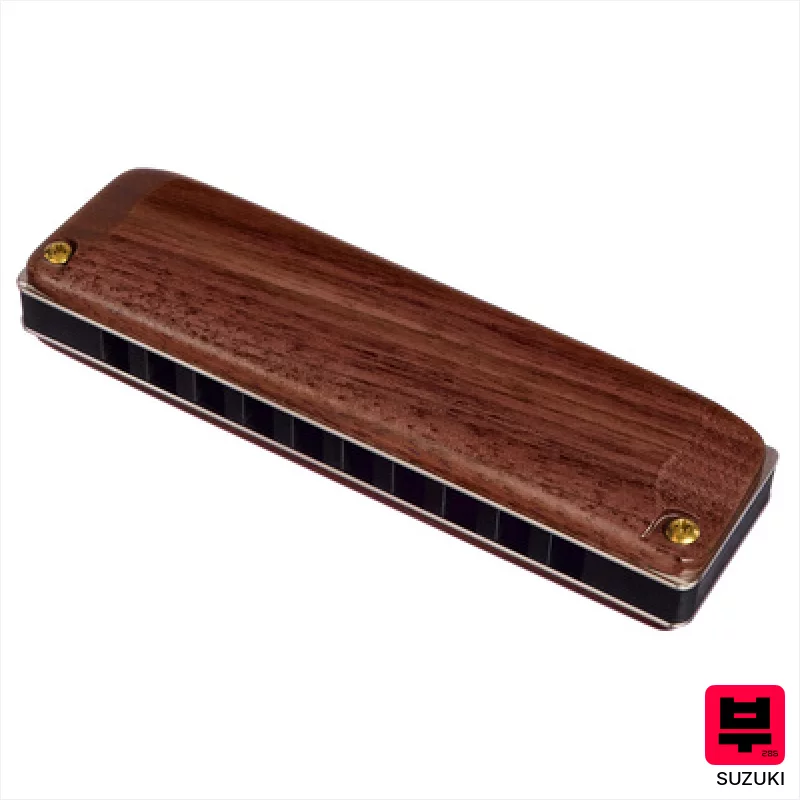
Suzuki M-20W Manji G
- • Walnut cover plates offer a warm, refined aesthetic and feel.
- • Bronze/phosphor bronze reeds provide a robust, responsive tone.
- • Wood/resin comb contributes to a slightly dampened, controlled airflow.
- • The 'Manji' voicing delivers a powerful, characteristic bluesy tone.
- • The suppressed high frequencies limit versatility for some genres.
- • Wood comb may require more diligent cleaning and maintenance.
- • The 'softer' tone might lack the bite some players prefer.
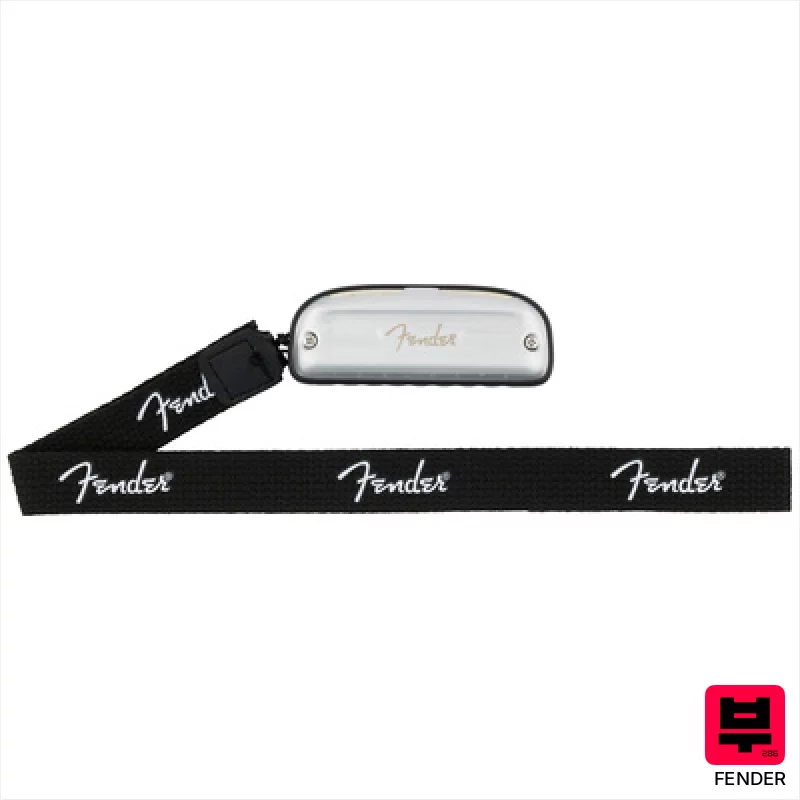
Fender Blues Junior Diatonic 8H C
- • Phosphor bronze reeds offer a warm, responsive tone ideal for blues.
- • ABS plastic comb resists moisture, improving durability and playability.
- • Compact mini format is pocket-friendly and easy to handle for beginners.
- • Includes lanyard, a practical addition for on-the-go playing.
- • Limited to C major, restricting versatility for different keys and styles.
- • ABS comb, while durable, lacks the premium feel of wood combs.
- • 8-hole design limits advanced techniques compared to 10-hole harmonicas.
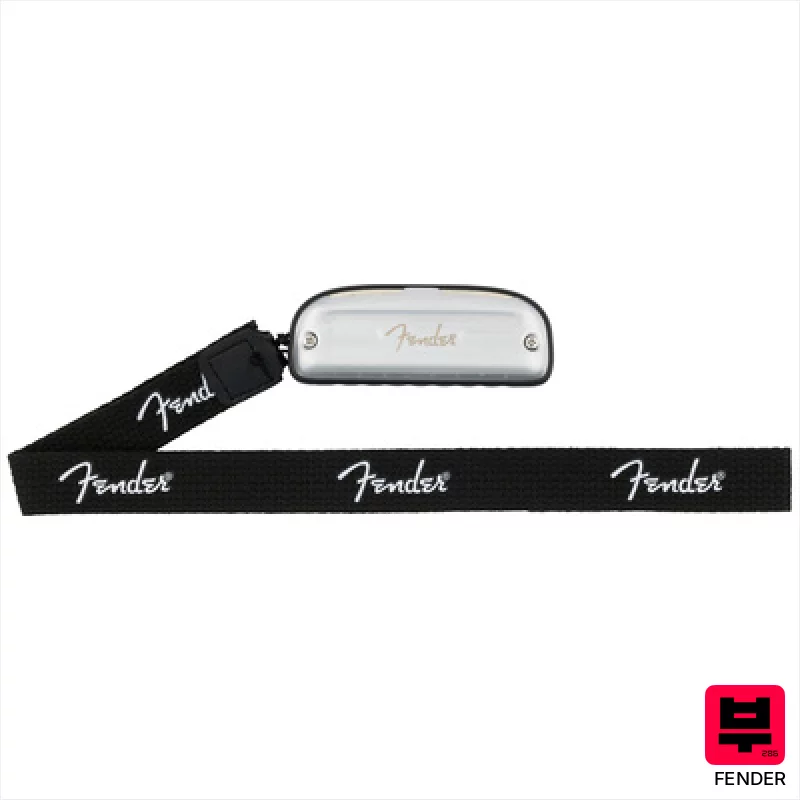
Fender Blues Junior Diatonic 8H G
- • Phosphor bronze reeds offer a bright, responsive tone.
- • ABS plastic comb resists moisture and improves durability.
- • Compact size makes it exceptionally portable and easy to handle.
- • The lanyard is a genuinely useful addition for beginners.
- • The 8-hole format limits range compared to standard 10-hole harmonicas.
- • ABS comb, while durable, lacks the premium feel of wood.
- • Lower price point means compromises in reed precision compared to higher-end models.
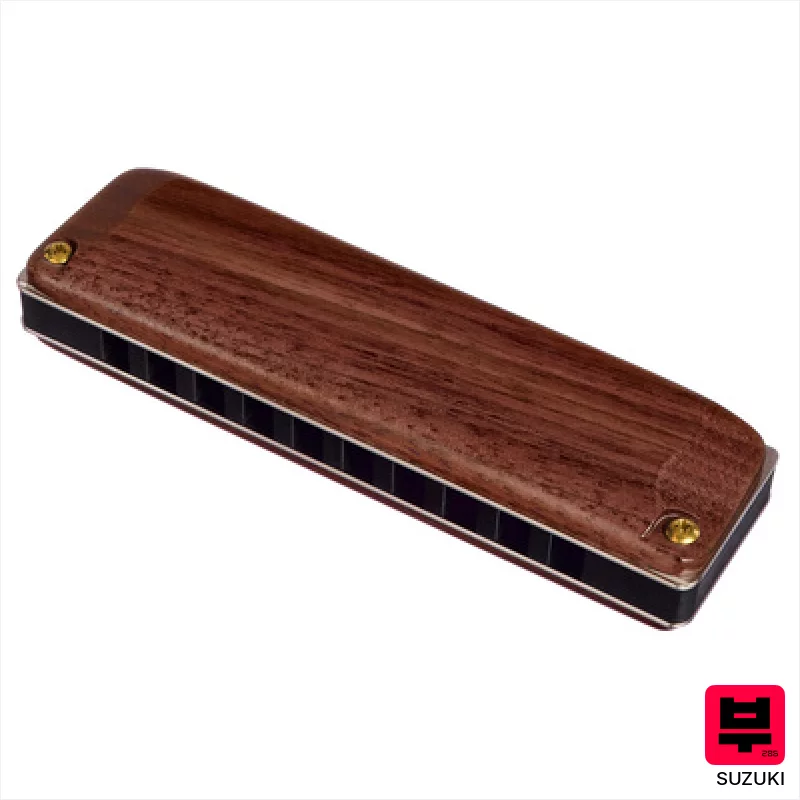
Suzuki M-20W Manji Bb
- • Walnut cover plates offer a warm, visually appealing aesthetic.
- • Bronze/phosphor bronze reeds deliver a robust, blues-friendly tone.
- • Wood/resin comb provides a comfortable feel and stable pitch.
- • Slightly softened high frequencies create a smoother, more controllable sound.
- • The wood comb requires more diligent cleaning to prevent moisture buildup.
- • Key of Bb limits versatility for players needing different keys.
- • While durable, walnut covers can be susceptible to scratches with heavy use.
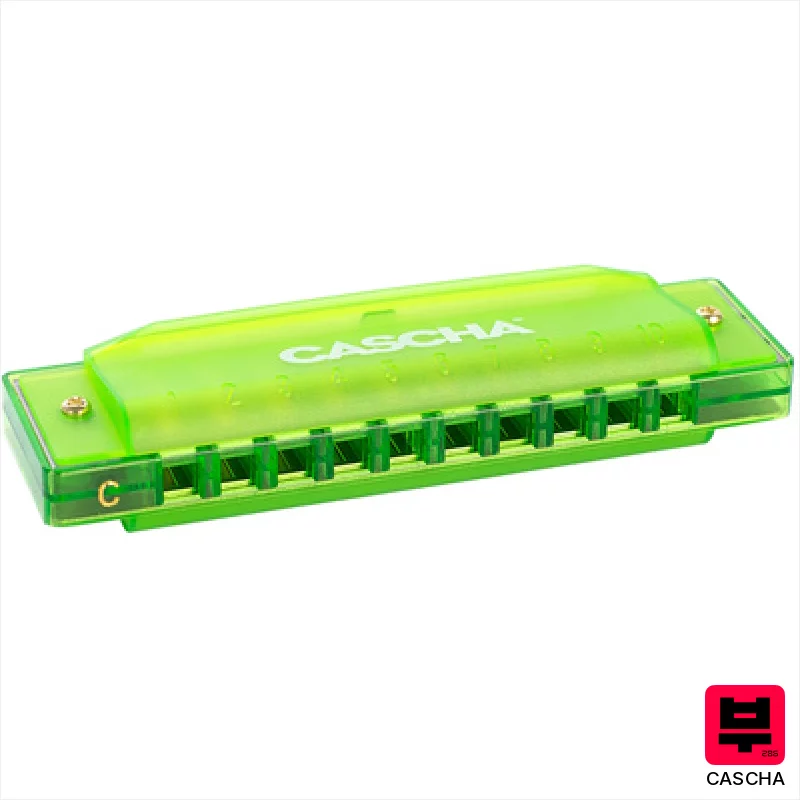
Cascha HH-2274 Fun Blues Harp Green
- • ABS comb resists moisture, aiding beginner reed response.
- • Brass reeds offer a surprisingly warm, bluesy tone for the price.
- • Green color provides easy identification in a gig bag or case.
- • Durable ABS comb contributes to a longer service life, a plus for learners.
- • Brass reeds can be a bit prone to corrosion with heavy use and improper cleaning.
- • ABS comb, while durable, lacks the resonance of wood for a more nuanced tone.
- • Limited tonal versatility; best suited for straightforward blues applications.
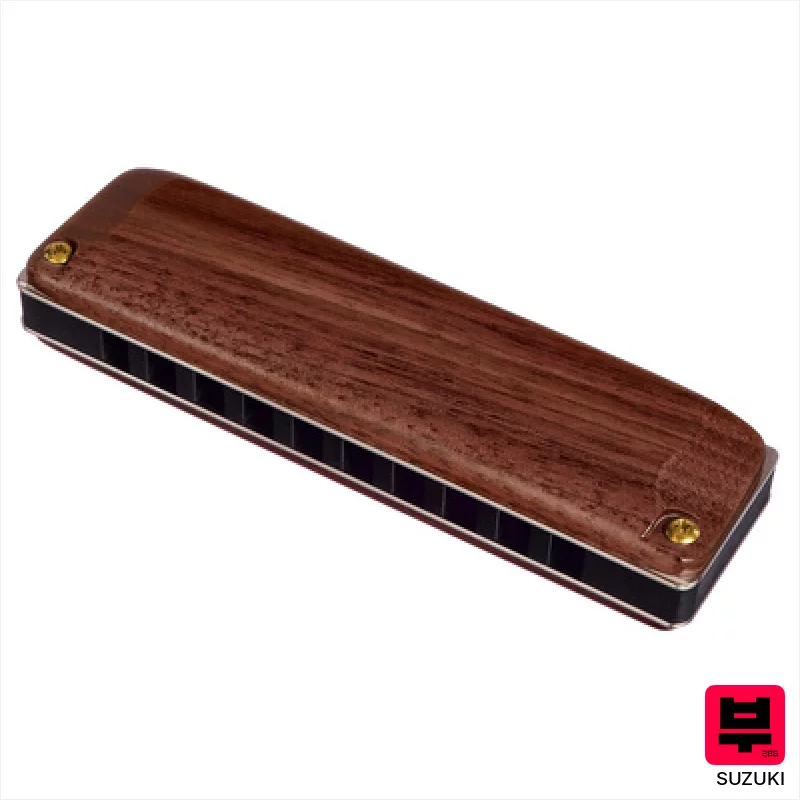
Suzuki M-20W Manji D
- • Walnut cover plates offer a warm, refined aesthetic and improved grip.
- • Bronze/phosphor bronze reeds deliver a robust, bluesy tone with excellent response.
- • The wood/resin comb minimizes moisture retention, aiding in consistent playability.
- • Slightly softened high frequencies reduce harshness, ideal for nuanced expression.
- • The wood comb, while good, isn't as durable as stainless steel, requiring more careful handling.
- • Key of D limits versatility; not ideal for all musical genres without cross-harp playing.
- • While the tone is softened, some players may desire a brighter, more aggressive sound.
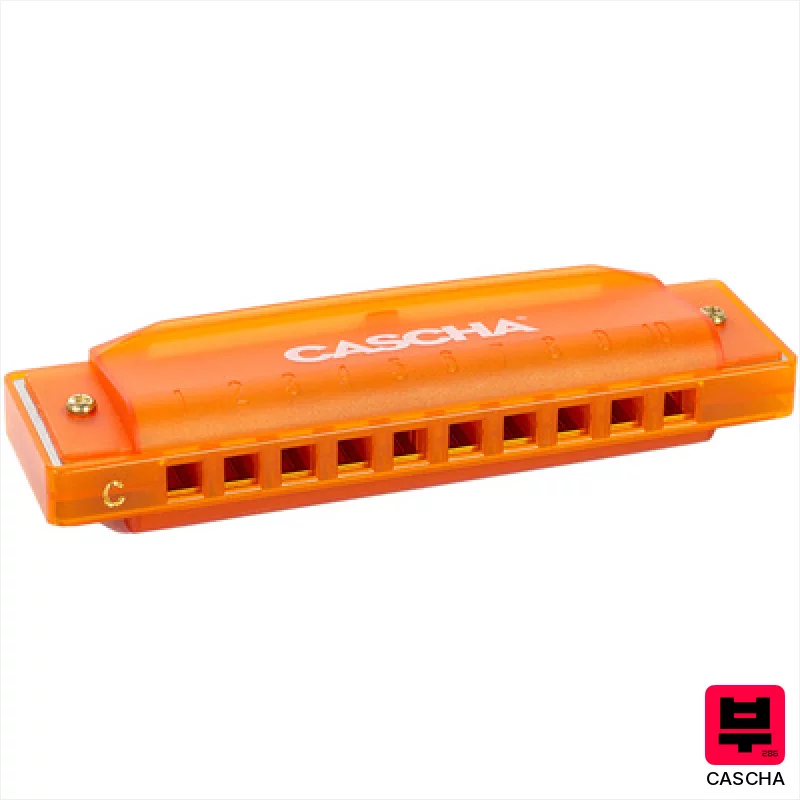
Cascha HH-2276 Fun Blues Harp Orange
- • ABS comb offers decent moisture resistance, extending playtime for beginners.
- • Brass reeds provide a surprisingly warm and bluesy tone for the price point.
- • Orange color offers a distinctive look, easy to spot in a gig bag.
- • Included hard case protects the harmonica from damage and keeps it clean.
- • ABS comb can feel a bit plasticky and lack the warmth of wood.
- • Brass reeds, while decent, won’t offer the responsiveness of higher-grade steel.
- • Limited tonal range; best suited for straightforward blues and folk styles.
How to Choose the Best Diatonic Harmonicas
Tonal Character
Folk demands warmth and breathiness, not that ice-picky, overly-bright tone you find on some blues harps. We're looking for a mellow low-end, a subtle mid-range presence without too much honk, and a clean, controlled high end that doesn't scream. Think more Woody Guthrie, less Sonny Boy Williamson.
Comb Material
Brass combs are the standard, but they can be prone to squeaks and wolf tones, especially when you're bending. Plastic or acrylic combs offer a cleaner, more predictable tone, which is a huge plus for folk - less unwanted noise, more focused articulation. It's a trade-off - brass has a certain vintage vibe, but plastic is often more reliable.
Reed Profile & Material
Thicker reeds generally offer more resistance and a darker tone, ideal for expressive bending. Bronze reeds are common, but some manufacturers use mixed metals for a more complex, nuanced sound. The reed profile significantly impacts how easily you can hit those subtle microtones that give folk music its character.
Action & Tuning
A comfortable action (how much force it takes to activate the reeds) is critical for extended gigging. Sloppy tuning can wreck a folk song's vibe - we're looking for harmonicas that are consistently in tune across the entire range, especially when bending.
Durability & Build Quality
Folk music often involves a lot of physicality - bending, vibrato, and sometimes even percussive playing. A harmonica that can withstand a few bumps and bruises is essential. Solid construction and quality materials mean fewer headaches down the road.
Buying Guide
Don't chase the cheapest option - you'll almost certainly end up with a harmonica that's hard to play and sounds thin. Spend a little more for a harp with a plastic comb and decent reed voicing. A C harp is the standard starting point, but consider a G harp if your vocal range leans higher. It's worth paying for a harmonica that's easy to bend and stays in tune, even if it means sacrificing a bit of that 'vintage' brassy character.
Our Methodology
We're not just looking at spec sheets here. We've spent countless hours bending notes, playing along with backing tracks, and A/B'ing these harmonicas in both bedroom practice and band rehearsals. Our evaluation comes down to how they feel in your hands, how they sound in a mix, and how reliably they deliver the tone you're chasing - not just a marketing buzzword.

