AudioFu Chart · October 2026
Best Delay / Echo Pedals Under $50 2026
The top pick is TC Electronic Echobrain Analog Delay Pedal ($38). Ranked by the AudioFu Index from 8 models across 5 brands, prices checked every night.
Last updated: October 19, 2026
Top 8
Full detail for the 8 highest AudioFu Index scores. Every other model is listed below.
-
TC Electronic Echobrain Analog Delay Pedal
Echobrain Analog Delay · tc electronic
13 for sale on Reverb1 finish at Thomann
- Weight0.5 kg
The Echobrain delivers a surprisingly warm and organic analog delay tone in a tiny package. It’s a fantastic option for guitarists and bassists craving a vintage echo vibe without the complexity of more feature-rich pedals, but be aware of its limited delay time.
Pros
- Warm, vintage-style repeats lacking harsh digital artifacts
- Compact size makes it pedalboard-friendly for travel
- Simple, intuitive controls for quick dialing-in of delay tones
Cons
- Short 300ms max delay time limits creative possibilities
- Lacks tap tempo functionality, limiting precise timing adjustments
-
- Weight390 kg
This Harley Benton digital delay is a shockingly good value. It delivers clear, usable repeats without getting overly muddy, making it perfect for beginners or players needing a basic, affordable delay for practice or simple gigging. Don't expect studio-grade complexity, but for the price, it's hard to argue with the results.
Pros
- Surprisingly clean digital repeats, minimal muddiness for the price
- Compact size makes it pedalboard-friendly for tight setups
- True bypass preserves your signal when the effect is off
Cons
- Plastic enclosure feels less robust than metal alternatives
- Limited control options restrict advanced delay shaping
-
TC Electronic The Prophet Digital Delay Pedal
The Prophet Digital Delay · tc electronic
10 for sale on Reverb1 finish at Thomann
The Prophet is a no-frills, budget-friendly digital delay that nails the basics. It's perfect for players needing a clean, simple delay without a ton of extra bells and whistles – think rhythm guitarists or bassists who want a solid, foundational echo effect.
Pros
- Clean, crisp digital delay with minimal noise floor
- Simple layout makes dialing in sounds remarkably easy
- True bypass preserves your signal integrity when disengaged
Cons
- Limited control set; lacks modulation or advanced features
- Battery power only – no option for external power adapter beyond the specified TC unit
-
The Yuer RF-10 is a surprisingly decent little analog delay for the price. It nails that vintage, mellow echo vibe, perfect for adding subtle warmth to rhythm parts or creating simple, classic rock-inspired repeats. It's a great budget-friendly option for players wanting a taste of analog delay without the premium price tag, but don't expect studio-grade versatility.
Pros
- Compact aluminum housing feels surprisingly robust for the price point.
- Analog circuitry delivers a warm, classic delay tone – avoids harsh digital artifacts.
- True bypass preserves your signal when the effect is disengaged, crucial for clean tones.
Cons
- Lacks battery operation; requires a dedicated power supply, adding to the cost.
- Limited delay time range; not ideal for long, ambient washes of sound.
-
This pedal mixes a clean dry signal with a digital echo to sound like old tape machines. It works well on both clean and dirty guitar tones and uses a sturdy metal case. Best for players who want a simple, affordable delay without needing a battery.
Pros
- Combines analog dry signal with digital delay effect
- Delivers classic tape echo tonal characteristics
- Works perfectly on clean and distorted guitar sounds
Cons
- Battery operation is not supported at all
- Lacks tap tempo functionality completely
-
The Harley Benton MiniStomp Edgy is a surprisingly capable little delay pedal. It's perfect for guitarists needing a basic, clean digital delay for adding subtle ambience or short repeats – great for rhythm parts or adding a touch of space without clutter. At this price, it’s a no-brainer for beginners or anyone wanting an affordable utility pedal.
Pros
- Solid metal enclosure feels surprisingly robust for the price.
- Digital delay provides clean, usable repeats without muddiness.
- Compact size makes it ideal for pedalboard space constraints.
Cons
- Limited delay time restricts use for longer, more ambient textures.
- Lacks tap tempo functionality, making precise time adjustments difficult.
-
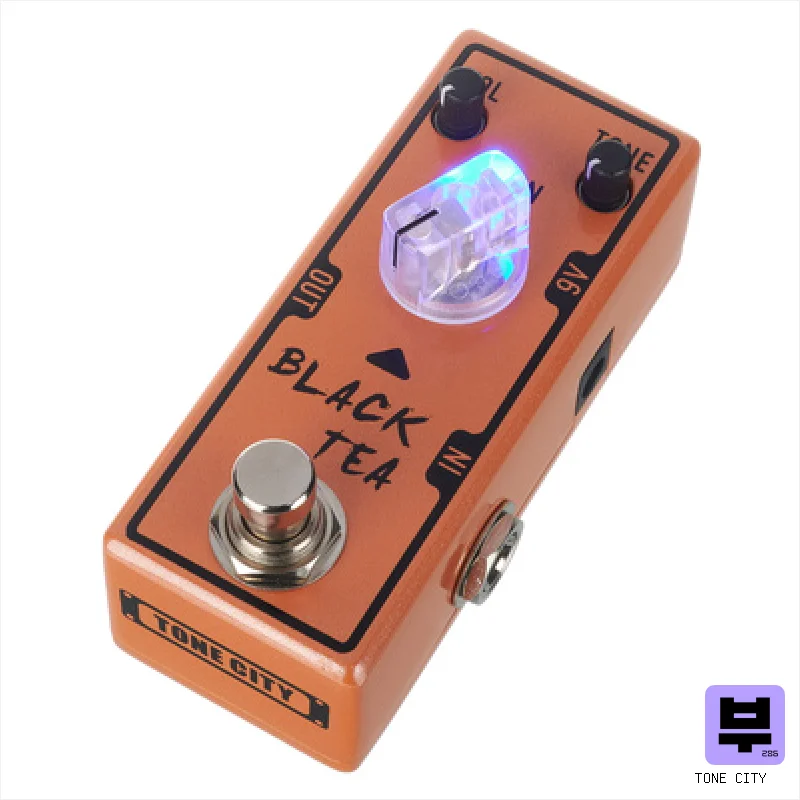
This little pedal packs three classic delay flavors into a tiny case. You can tweak time, feedback, and mix to get exactly the sound you want. It works great with a 9 volt adapter, but you have to buy that power supply separately. Ideal for players who want reliable, classic delays without the bulk.
Pros
- Three distinct delay styles in one small pedal
- Precise time and feedback controls for tone shaping
- Tap tempo function for easy timing adjustment
Cons
- No power adapter included in the box
- Dimensions are long and narrow for some cabinets
-
This Artec SE-ADL is a neat little analog delay that delivers a warm, nostalgic vibe – think early 80s studio sounds. It's perfect for guitarists and bassists wanting that subtle, vintage echo for rhythm parts or short, splashy leads without spending a fortune. It's a great starting point for exploring analog delay tones.
Pros
- Warm, vintage-inspired tone bridges the gap between tape and digital.
- Surprisingly robust build quality for its budget-friendly price point.
- Compact size makes it ideal for pedalboards with limited space.
Cons
- Shortest max delay time limits its use for longer, ambient textures.
- Limited control set restricts fine-tuning of delay characteristics.
Delay/Echo Pedals by the numbers
Measured across all 9 models we track, not a sample.
Median $38 — half of all delay/echo pedals here cost less.
How to choose the best delay/echo pedals
Delay Time Range
Most pedals in this range will have limited range - don't expect super-long, ambient washes. You're mostly looking at quarter-note to dotted eighth delays for rhythm stuff or short repeats for thickening your lead tone.
Repeat Quality/Degradation
Cheap digital circuits often sound... sterile. The best budget delays will introduce some natural degradation - a little grit, a little modulation - to keep things from sounding too digital and lifeless. This is where character comes from.
Tap Tempo
A huge convenience, but often missing at this price point. If you need precise timing, you're probably looking at a slightly more expensive pedal.
Modulation Options
Chorus, vibrato, or even a subtle phaser can breathe life into your repeats. Don't expect deep control - it's usually a simple on/off or intensity knob - but it's a welcome addition.
Build Quality
Let's face it, plastic enclosures and cheap pots are part of the deal. But look for something that feels solid enough to survive a gig bag, and check reviews for pot slippage or other common issues.
Buying guide
Okay, so you want delay? You want it cheap? Let's be real, chasing pristine studio-grade echo for under $50 is a fool's errand. But you can get usable, even inspiring, delay that won't break the bank - especially if you know what to look for. We're talking about getting that subtle slapback for a little extra sustain, or a trippy, lo-fi vibe for your bedroom jams, without emptying your gig money.
At this price, you're making compromises. Expect shorter delay times, simpler controls, and a build quality that won't withstand a sledgehammer. Focus on finding a pedal with character - something that adds to your tone, even if it's not perfectly pristine.
Don't chase perfect - chase vibe. And be realistic: if you need pristine, studio-grade delay, save up for something better.
How the AudioFu Index works
Five measured signals and nothing else — no stars from strangers, no “tested by experts” we didn’t do. The weights are fixed and public. We don’t play these instruments; we measure the market around them.
This chart covers 9 delay/echo pedals from the Thomann catalogue. Before you buy, read hands-on reviews and, where you can, play it. Full methodology.
AudioFu earns a commission when you buy through our Thomann links. It never changes the order — the index does.
- Demand40%
How many of this exact model are for sale on Reverb right now — what musicians actually buy and resell.
- Lineup20%
How many finishes Thomann stocks — makers expand the models that sell.
- Price15%
Where the price has moved since we started tracking in August.
- Specs15%
How completely the maker documents it.
- Maker10%
How deep the brand’s range is in this category.
Questions
Can I get a true stereo delay under $50?
Highly unlikely. Stereo delays require more complex circuitry and components, pushing the price up. You'll be looking at mono-only options at this budget.
Will this pedal sound as good as a Strymon?
Let's not be silly. Strymon pedals cost hundreds. These pedals will give you a taste of delay, but don't expect the same headroom, clarity, or versatility. Think of it as a lo-fi alternative.
What about power supplies? Do I need to buy one?
Most likely, yes. These pedals typically run on a standard 9V DC power supply, which you probably already have. Double-check the specs before you buy.
I want a delay with a lot of features. Is that possible for $50?
Not really. Feature creep kills value. You'll find pedals with a few basic controls, maybe a simple modulation option. Don't expect presets, expression pedal input, or anything fancy.
Is it worth spending a little more for a slightly better delay?
Absolutely. Even an extra $20-$30 can get you a better build quality, a wider delay time range, or a more refined sound. The trade-offs become less severe.