
Best Crotales for Contemporary Classical 2026
Okay, so you're diving into the world of crotales for contemporary classical work? Smart move - they add a shimmer and clarity you just don't get from other tuned percussion. But not all crotales are created equal; a cheap set from a music store won't cut it when you're trying to nail a Ligeti score. Let's break down what to look for to get something that sings, not just rings.
Last updated: July 22, 2026 • Next update: July 29, 2026
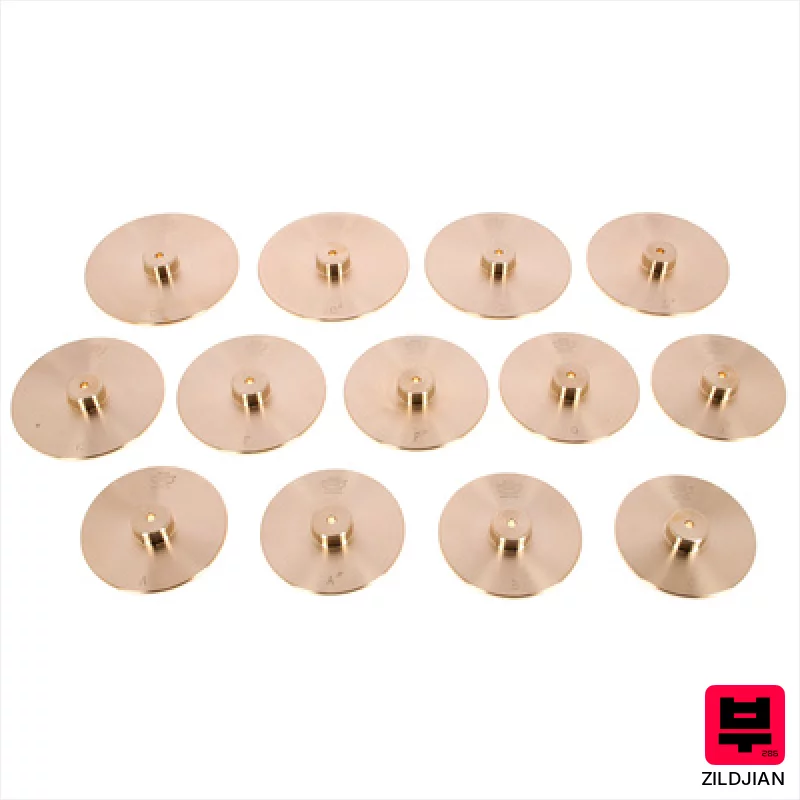
Zildjian Crotales Low Oktave A=440
- • Exceptional clarity and sustain, characteristic of Zildjian’s bronze alloys
- • Precise, consistent intonation across the 13-note range
- • Traditional finish enhances the instrument's aesthetic appeal and resonance
- • Robust construction ensures durability for frequent orchestral use
- • High-end price point makes it a significant investment for many percussionists
- • Requires careful malleting technique to avoid unwanted overtones and damage
- • Lack of included mounting hardware necessitates a separate purchase
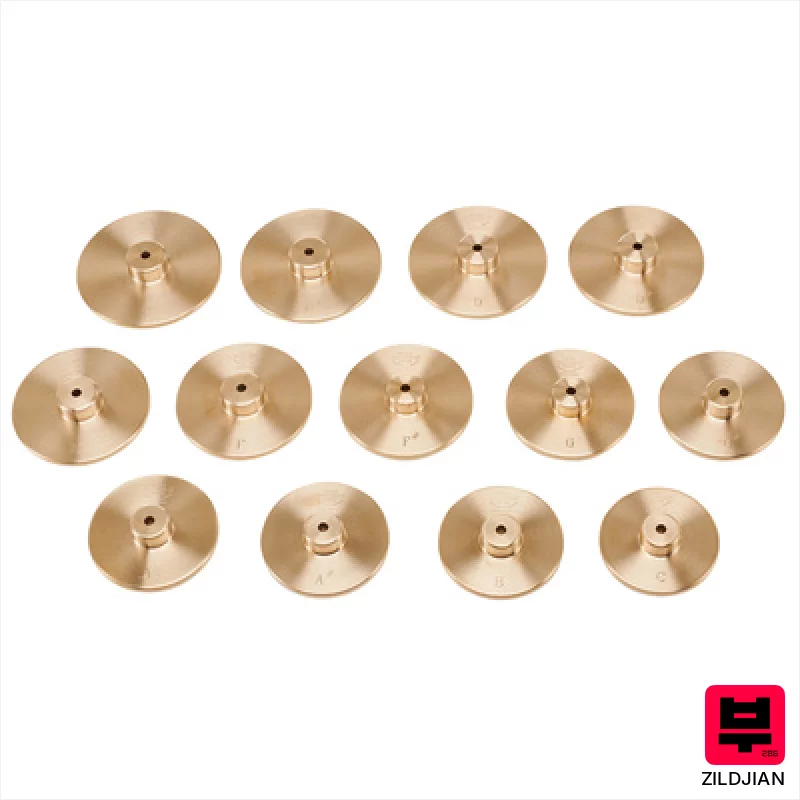
Zildjian Crotales High Oktave A=440
- • Exceptional clarity and shimmer, characteristic of Zildjian’s bronze alloy.
- • Carefully tuned to A=440, ensuring accurate orchestral intonation.
- • Robust construction with thick-gauge bronze for durability and resonance.
- • Traditional design offers a pure, unaltered crotales tone – no gimmicks.
- • Premium-priced, representing a significant investment for most percussionists.
- • Limited tonal range compared to other orchestral percussion instruments.
- • Requires highly skilled mallets and precise technique to avoid unwanted overtones.
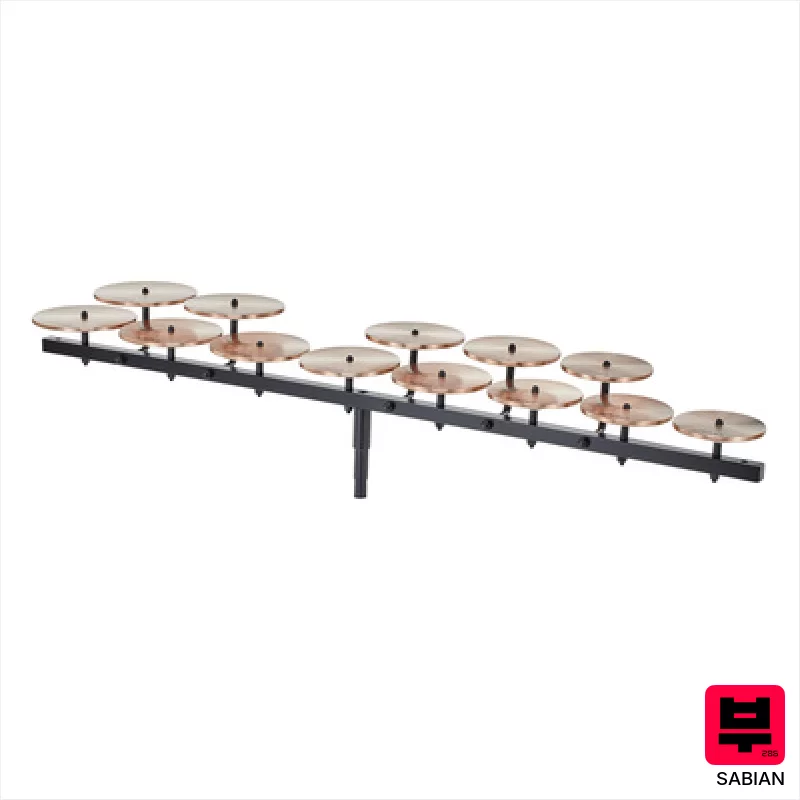
Sabian Crotales Set Low Octave 443
- • Exceptional clarity and sustain across the low octave range
- • Sabian’s bronze alloy delivers a warm, resonant tone
- • Holding rail provides stable, adaptable mounting options
- • 13 discs offer a broader tonal palette than smaller sets
- • The low octave range limits versatility for higher-register passages
- • Premium-priced, representing a significant investment for many percussionists
- • Requires careful mallet selection to avoid harsh overtones
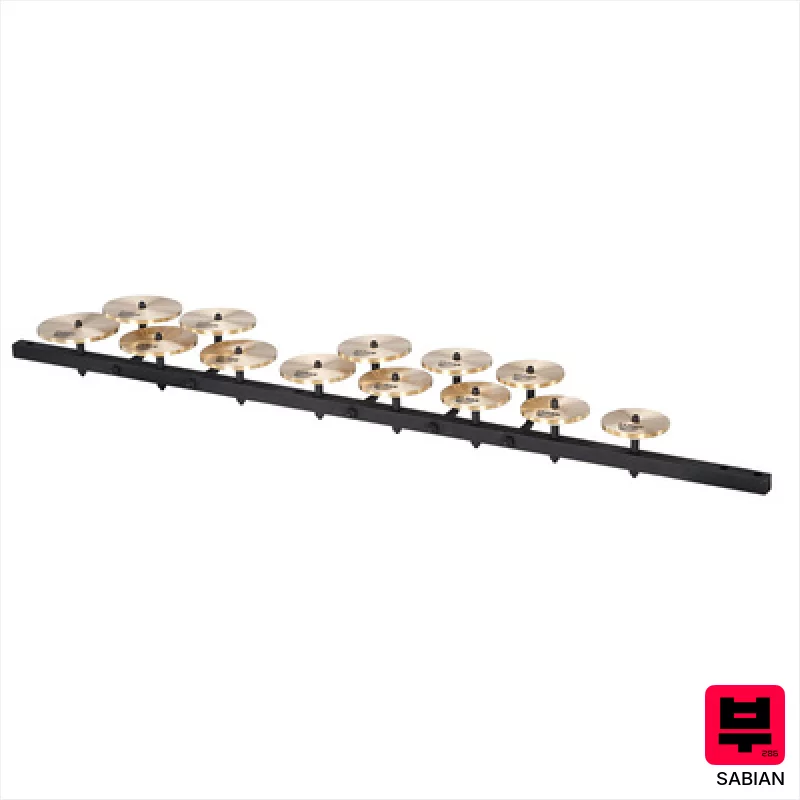
Sabian Crotales Set (13) High Octave
- • Exceptional clarity and sustain, characteristic of Sabian's alloy blend
- • Precise tuning across the 13-note range, ideal for complex passages
- • Robust holding rail provides stable, professional mounting options
- • Excellent intonation at 442 Hz, crucial for orchestral settings
- • Premium-priced investment, not suitable for casual or student use
- • Limited dynamic range compared to other percussion instruments
- • Requires careful handling to prevent scratches and maintain pristine tone
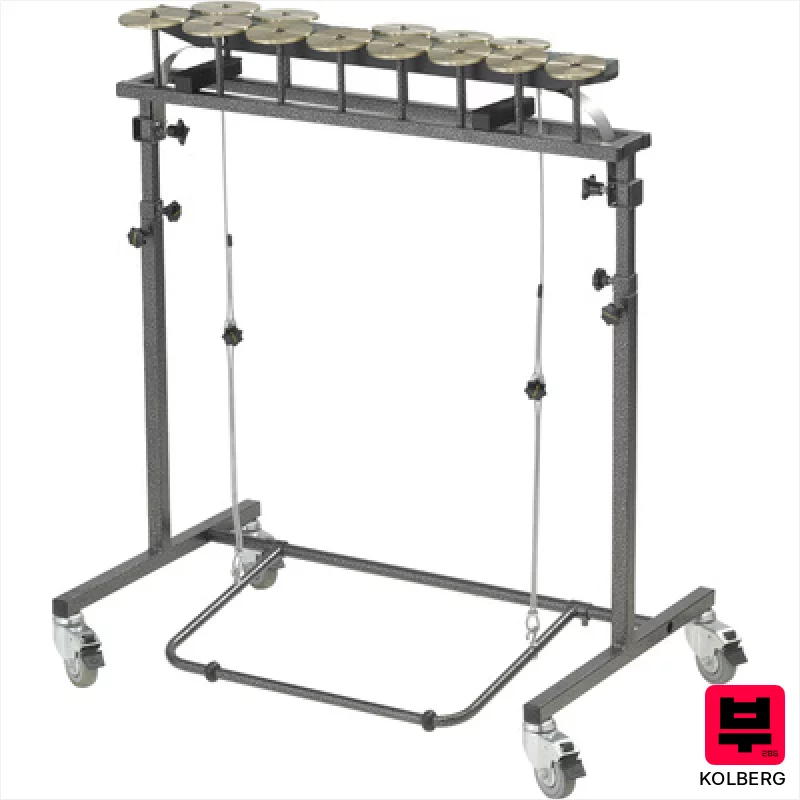
Kolberg 2375CRD Crotales c4-c5
- • Kolberg's bronze alloy delivers exceptional clarity and sustain, typical of their high-end crotales.
- • The included 2370SD stand offers precise height adjustment for optimal playing ergonomics and resonance.
- • Heavy mallets provide a full, rich tone suitable for orchestral and solo performance demands.
- • The protective transport cover ensures instrument longevity and ease of handling for touring musicians.
- • The premium-priced nature makes it a significant investment for smaller ensembles or students.
- • The limited range (C4-C5) restricts versatility compared to wider-range crotales sets.
- • Bronze crotales are sensitive to environmental changes; humidity can impact tuning slightly.

Sabian Crotales Set (13) Low Octave
- • Exceptional clarity and sustain across the low octave range.
- • Sabian’s bronze alloy delivers a warm, resonant tone.
- • Durable holding rail facilitates easy and secure mounting.
- • Precision-tuned slices ensure accurate intonation and consistent voicing.
- • The extensive range demands considerable player skill and technique.
- • Premium-priced, making it a significant investment for smaller ensembles.
- • Limited dynamic range compared to other orchestral percussion instruments.
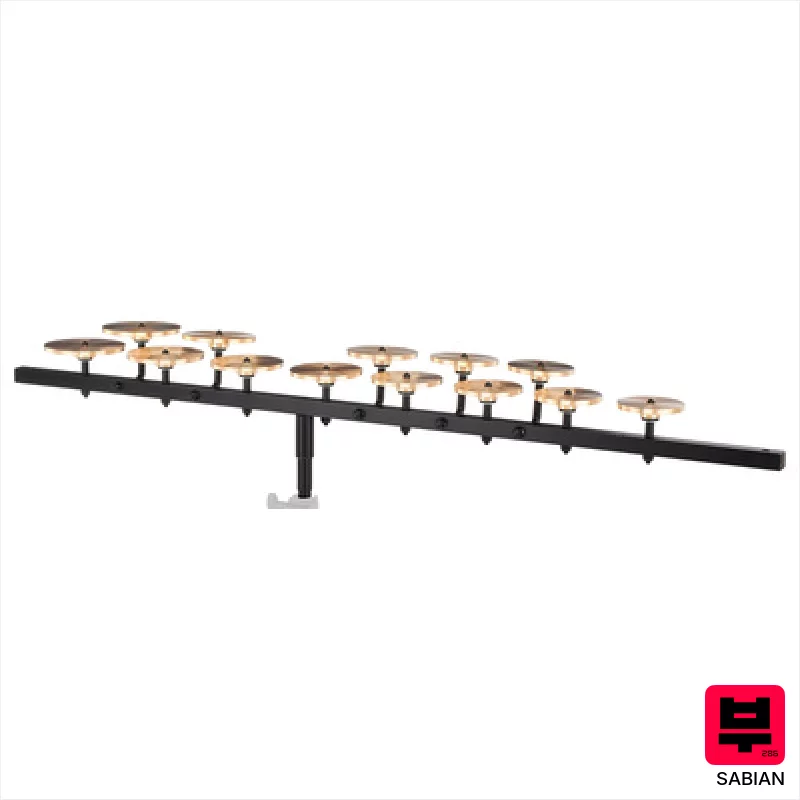
Sabian Crotales Set High Octave 443Hz
- • Exceptional clarity and sustain – truly remarkable bell-like tones
- • Sabian’s alloy provides consistent pitch and vibrant resonance
- • 443Hz tuning is ideal for modern orchestral and film scoring
- • Robust mounting rail allows flexible placement on standard stands
- • Crotales are inherently delicate – require careful handling and transport
- • Limited dynamic range compared to other percussion instruments
- • The high octave range restricts versatility for some musical styles
How to Choose the Best Crotales
Tuning Accuracy
Contemporary composers often demand microtonal adjustments. Inaccurate tuning, even by a few cents, is a non-starter. Cheap sets are often shockingly out, requiring constant tweaking.
Harmonic Content & 'Singing' Quality
You want complex overtones - a rich, bell-like tone, not a dull clang. This ties directly into the bronze alloy used; higher-quality bronze will have a more complex harmonic series, offering that ethereal shimmer.
Sustain & Decay
Longer sustain allows for those delicate, layered passages common in contemporary scores. Budget crotales often have a short, choked decay - they just don't bloom the way they should.
Action & Responsiveness
The action needs to be light and responsive, allowing for incredibly subtle dynamic changes. A heavy, sluggish action will kill your articulation and make it impossible to execute those delicate passages.
Durability & Finish
Crotales are susceptible to corrosion. A protective coating (often a lacquer) is essential, and the bronze itself needs to be thick enough to withstand regular use without cracking or warping. Cheap sets often use thinner bronze and flimsy finishes.
Buying Guide
Don't be fooled by flashy marketing. The vast majority of crotales available are cast bronze, but the alloy composition and casting process make a huge difference. Paying more generally gets you thicker bronze, more accurate tuning, and a better finish. Watch out for sets with uneven action or a harsh, brittle tone - those are red flags indicating corners were cut. Seriously, a used, higher-end set is often a better value than a brand-new budget option.
Our Methodology
We're not relying on manufacturer claims here. Our evaluations are based on hands-on playing, A/B comparisons against known good sets (we've got a few vintage ones kicking around), and real-world testing - everything from bedroom practice to tracking in a decent studio. We're listening for that bell-like purity, that sustain, and how they handle dynamic extremes.

