
Best Controller Modules Under $5,000 2026
So, you're diving into the modular world but don't want to remortgage the house? Controller modules are the unsung heroes - they're how you actually play those sprawling patches. Finding a good one under $5000 isn't impossible, but you need to know what to look for. Let's cut through the marketing and find some bang-for-your-buck options that won't leave you wishing you'd saved up longer.
Last updated: April 11, 2026
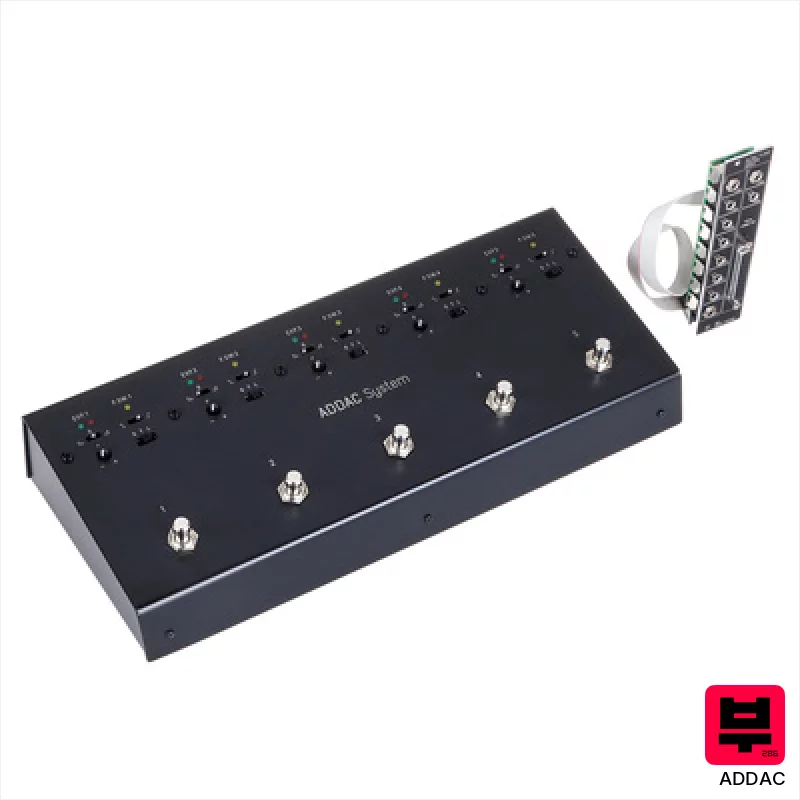
ADDAC 311 Ultra Floor Control
- • Five expression pedals offer nuanced, real-time modulation control.
- • DB25 connection simplifies routing and reduces cable clutter.
- • Footswitches provide robust gate/trigger functionality with visual feedback.
- • Compact 6U width maximizes space in Eurorack setups.
- • The DB25 cabling can feel a bit cumbersome for some setups.
- • Limited modulation options beyond expression and footswitches.
- • Higher price point might be prohibitive for budget-conscious users.

Der Mann mit der Maschine Droid Master + G8 Set
- • Highly flexible CV processing allows for complex modulation designs.
- • G8 expander significantly boosts input/output capacity for intricate patching.
- • Text-file patch loading is streamlined and accessible for all skill levels.
- • Compact size makes it ideal for integrating into tight modular setups.
- • Steep learning curve; requires significant CV/modular synthesis knowledge.
- • MicroSD card dependency for patches can be a potential point of failure.
- • Limited physical controls; relies heavily on patch editing.
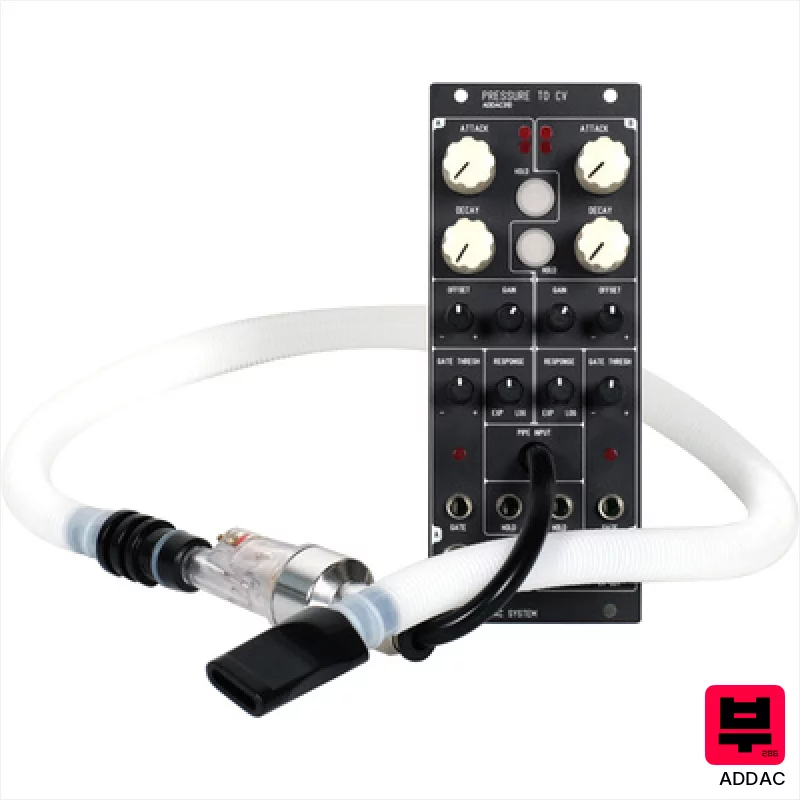
ADDAC 310 Pressure to CV
- • Dual channels offer flexible modulation routing options.
- • The included melodica hose provides immediate expressive control.
- • Adjustable attack/decay shaping allows for nuanced modulation curves.
- • Solid build quality; feels robust for its compact size and HP.
- • 10HP footprint might be restrictive in smaller modular setups.
- • The response curve control, while useful, lacks finer resolution adjustment.
- • Limited to breath control; no other sensor input options.
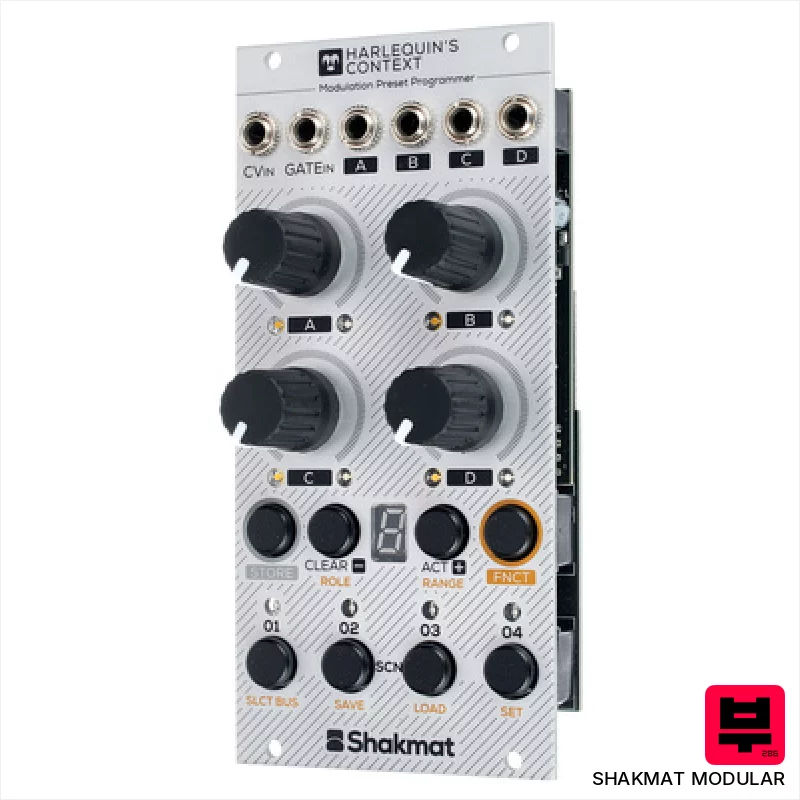
Shakmat Modular Harlequin´s Context
- • Excellent modulation sequencing with 4 independent channels.
- • Scenes offer fantastic recall and performance flexibility.
- • Select Bus compatibility simplifies complex modulation routing.
- • Compact 12HP footprint maximizes rack space efficiency.
- • Limited preset storage (16 scenes) may restrict extensive modulation setups.
- • Parameter control knobs are relatively small, potentially fiddly.
- • The learning curve for advanced modulation routing can be steep.
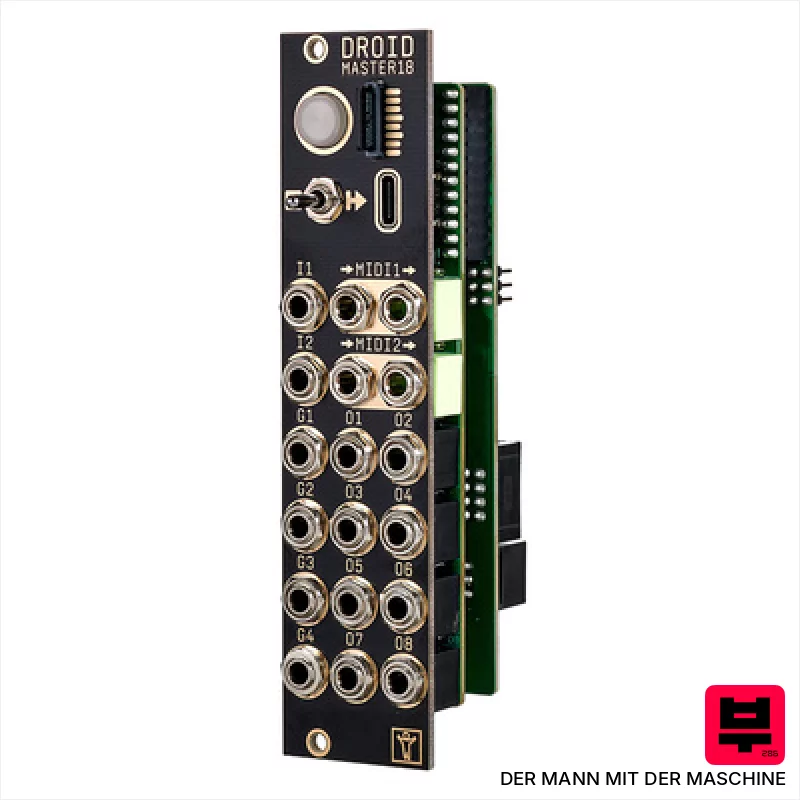
Der Mann mit der Maschine Droid Master 18
- • Incredible flexibility; user-created patches unlock vast sonic possibilities.
- • Eight CV outputs offer extensive modulation routing options.
- • MicroSD card patching simplifies patch management and sharing.
- • Expandability with G8 and X7 modules extends functionality significantly.
- • Text-file patching can be less intuitive than visual patching systems.
- • Limited onboard controls require external controllers for real-time manipulation.
- • Power draw might necessitate a robust power supply in larger systems.
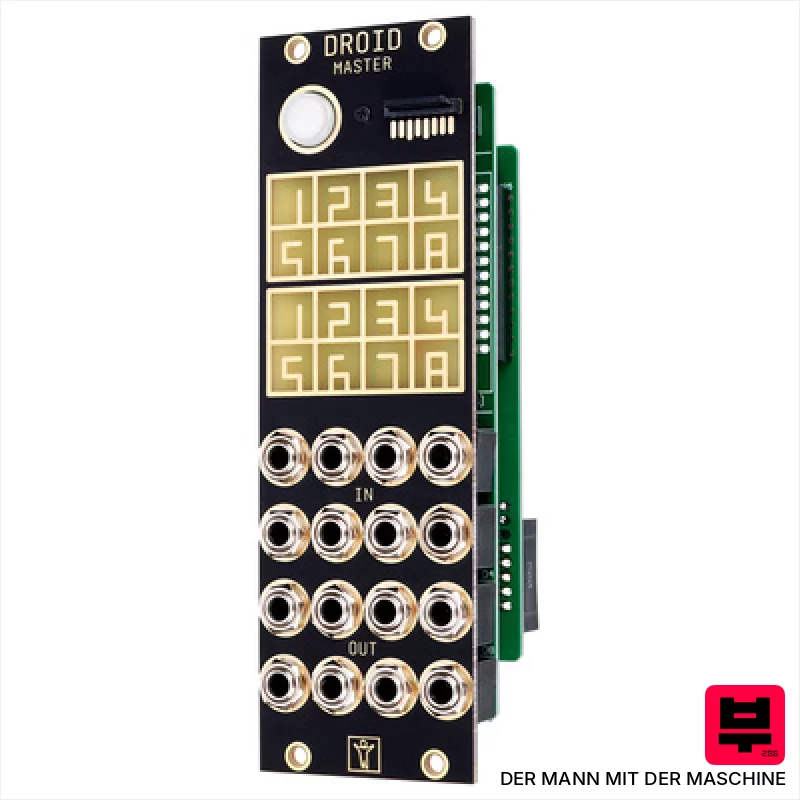
Der Mann mit der Maschine Droid Master
- • Highly flexible CV processing allows for complex patch creation.
- • Text-file patching simplifies editing and sharing with others.
- • Expandability via G8 and X7 opens up extensive customization options.
- • Broad range of potential functions from LFO to sequencer.
- • Steep learning curve for those unfamiliar with modular patching concepts.
- • MicroSD card dependency for patch management can be a potential point of failure.
- • Relatively high power draw for a single module.

Doepfer A-174-4 3D Joystick VE
- • Robust spring-return mechanism ensures precise, repeatable movements
- • Vintage Edition black panel offers a classic, understated aesthetic
- • Four quadrant outputs with adjustable overlap provide complex modulation
- • Dedicated offset controls allow for fine-tuning of each axis's range
- • Limited to +/- 5V CV output range; may require scaling for some modules
- • The joystick itself can feel a bit stiff compared to more modern designs
- • 12HP footprint can be restrictive in densely populated modular systems
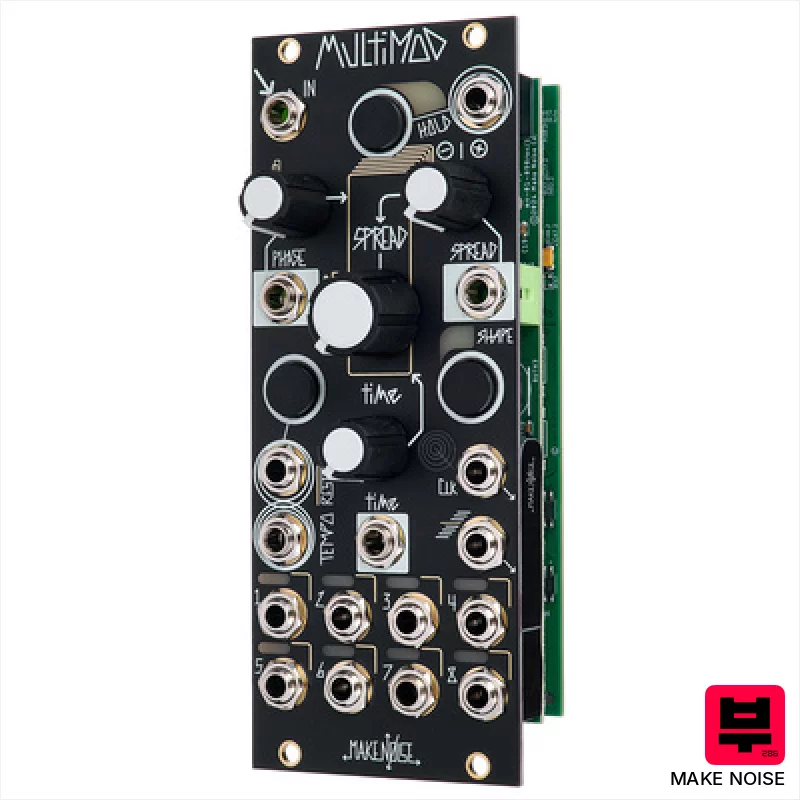
Make Noise MultiMod
- • Exceptional flexibility in modulation routing and manipulation.
- • Phase, Spread, and Time parameters offer unique rhythmic complexity.
- • Acts as a surprisingly useful 8-channel LFO when unpatched.
- • Robust build quality typical of Make Noise’s design ethos.
- • Current draw is a significant consideration for smaller power supplies.
- • Steep learning curve; mastering its intricacies takes dedicated practice.
- • Limited input signal range may restrict compatibility with some sources.
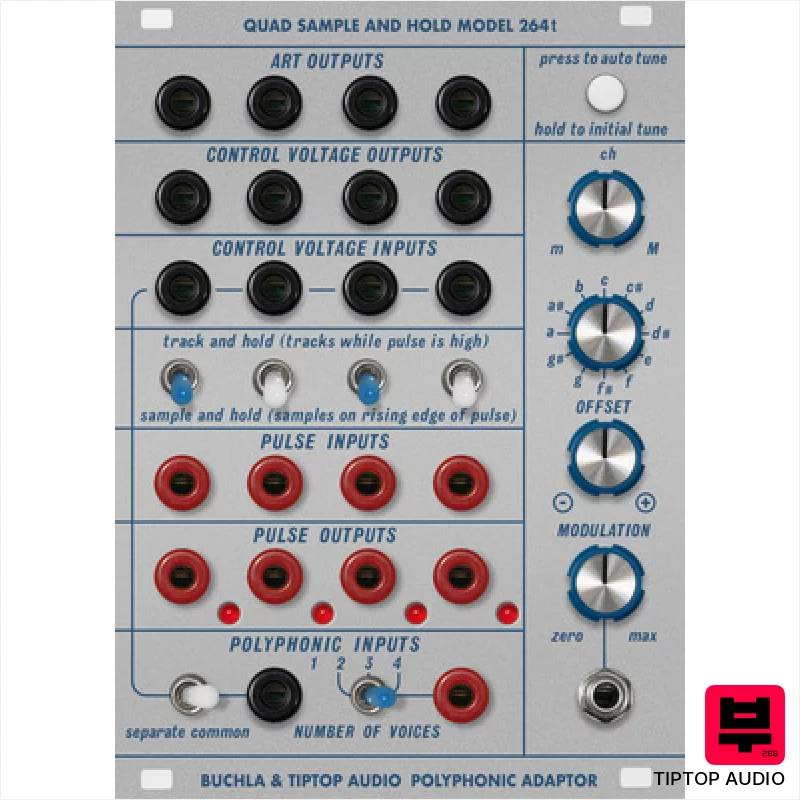
Tiptop Audio Model 264t
- • Excellent ART quantizer integration, expands patching possibilities.
- • Sample and track mode offers unique creative workflows.
- • Compact 18HP footprint maximizes modular space utilization.
- • Versatile scale modes simplify complex polyphonic sequencing.
- • ART outputs can be a learning curve for beginners.
- • Power draw, while not excessive, can strain smaller power supplies.
- • Limited input options compared to larger, dedicated polyphonic modules.
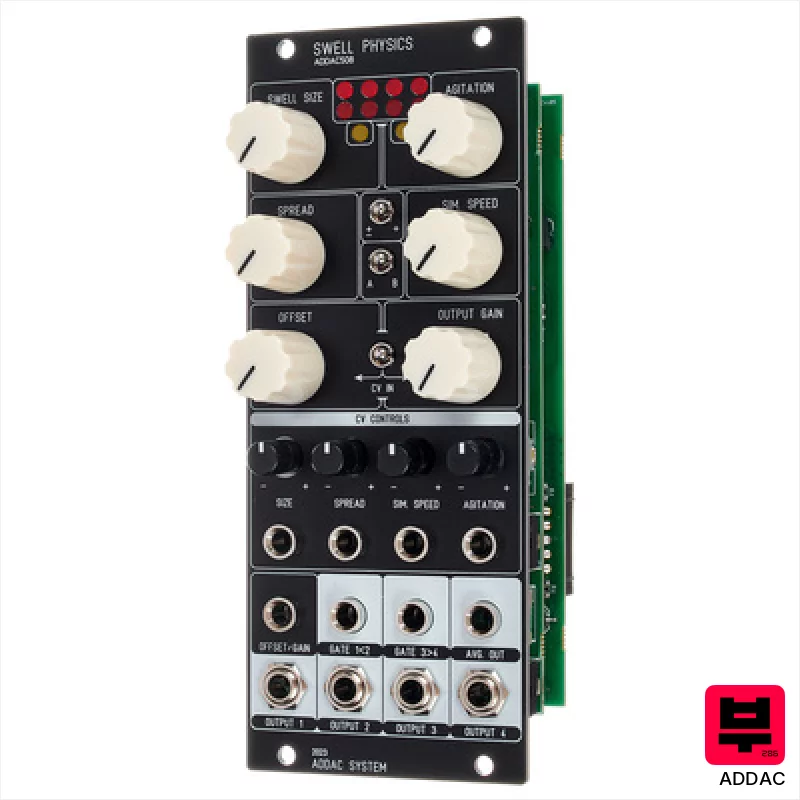
ADDAC 508 Swell Physics
- • Unique orbital simulation provides organic, evolving modulation.
- • Excellent CV range flexibility (+/-5V or 0V to +10V).
- • Assignable CV input offers dynamic parameter control.
- • Averaged signal output simplifies complex modulation patterns.
- • Limited modulation destinations compared to larger modules.
- • 4HP width can be restrictive in dense racks.
- • Parameter interaction can be initially complex to master.
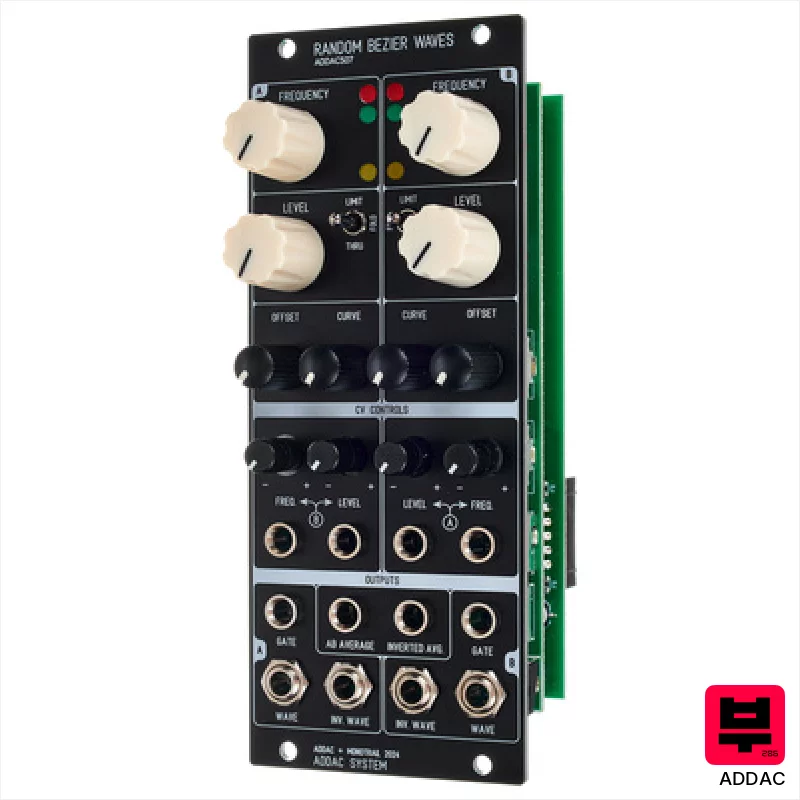
ADDAC 507 Random Bezier Waves
- • Bezier interpolation creates uniquely organic, evolving modulation shapes.
- • Dual channels offer incredible flexibility for complex, layered randomness.
- • Comprehensive output options cater to diverse patching scenarios.
- • LED displays provide excellent visual feedback on parameter settings.
- • 10HP footprint can be restrictive in smaller modular systems.
- • Power draw, while manageable, requires a robust power supply.
- • The curve parameter can be subtle, requiring careful tweaking.

Doepfer A-174-4 3D Joystick
- • Spring-return mechanism offers tactile, responsive control.
- • Z-axis rotation adds unique modulation possibilities.
- • Four quadrants provide versatile mapping options for complex modulation.
- • Compact 12HP footprint maximizes space in tight Eurorack setups.
- • Limited travel on axes can feel restrictive for some users.
- • The spring return, while beneficial, can be slightly noisy.
- • Steeper learning curve compared to simpler controllers.
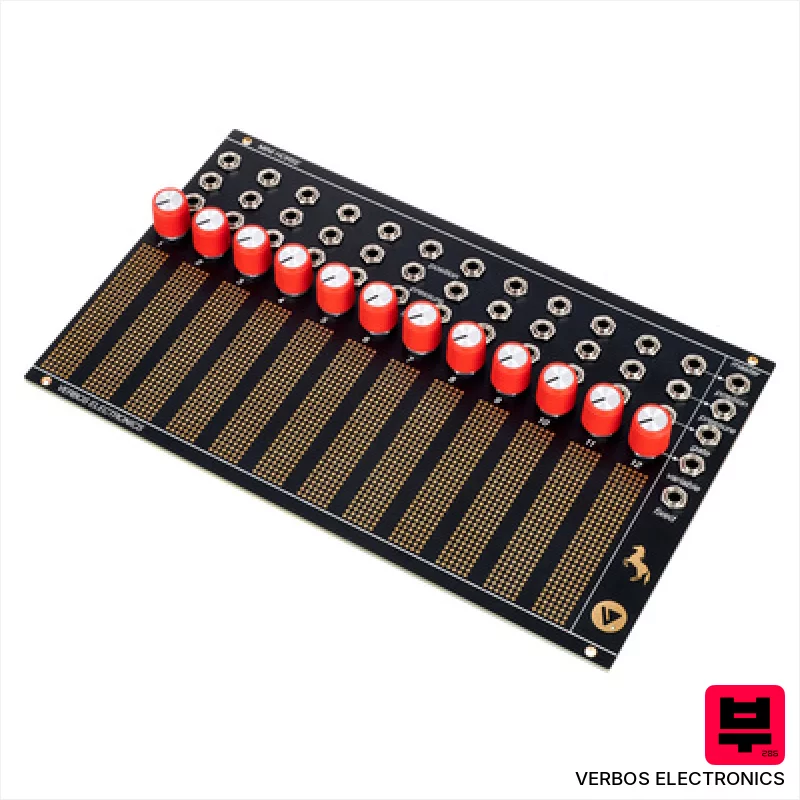
Verbos Electronics Mini Horse
- • Gold-coated contacts offer exceptional sensitivity and durability
- • Individual tuning per surface allows for incredibly nuanced control
- • Compact 42HP footprint maximizes modular space efficiency
- • Versatile CV outputs unlock complex modulation possibilities
- • Steep learning curve for mastering all control parameters
- • Limited tactile feedback can be challenging for some users
- • Price point positions it as a premium investment for serious modular enthusiasts
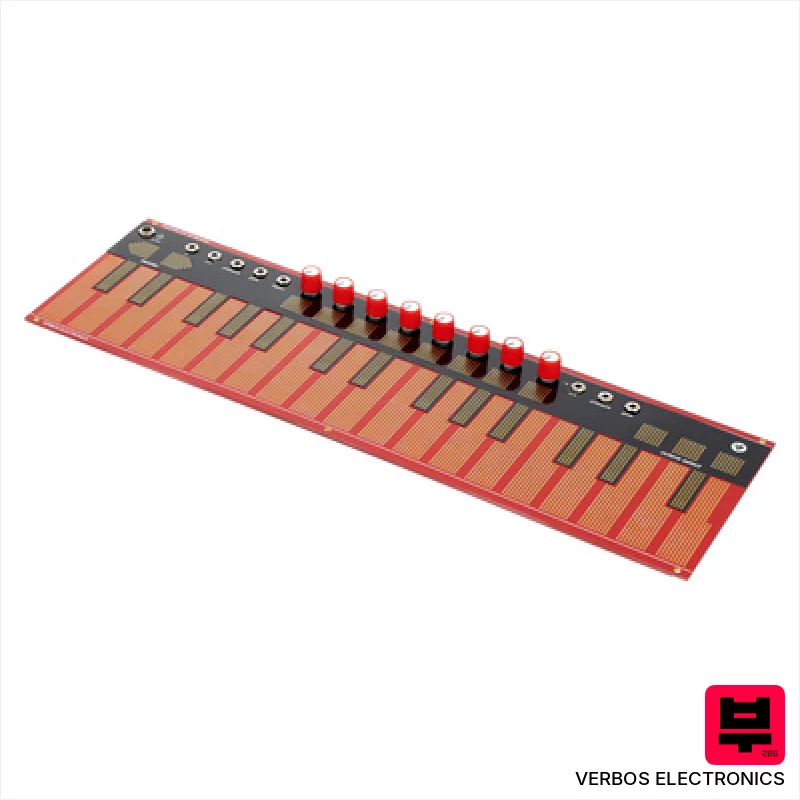
Verbos Electronics Touchplate Keyboard
- • Capacitive touchplates offer incredibly expressive, nuanced control.
- • The 2 Bender plates provide unique pitch modulation possibilities.
- • Robust build quality; Verbos’s reputation for durable electronics shines.
- • 8 additional touchplates allow for complex routing and modulation.
- • The learning curve is steep; requires dedication to master expressive playing.
- • Limited note range compared to traditional keyboards.
- • Power draw is relatively high, impacting PSU capacity.
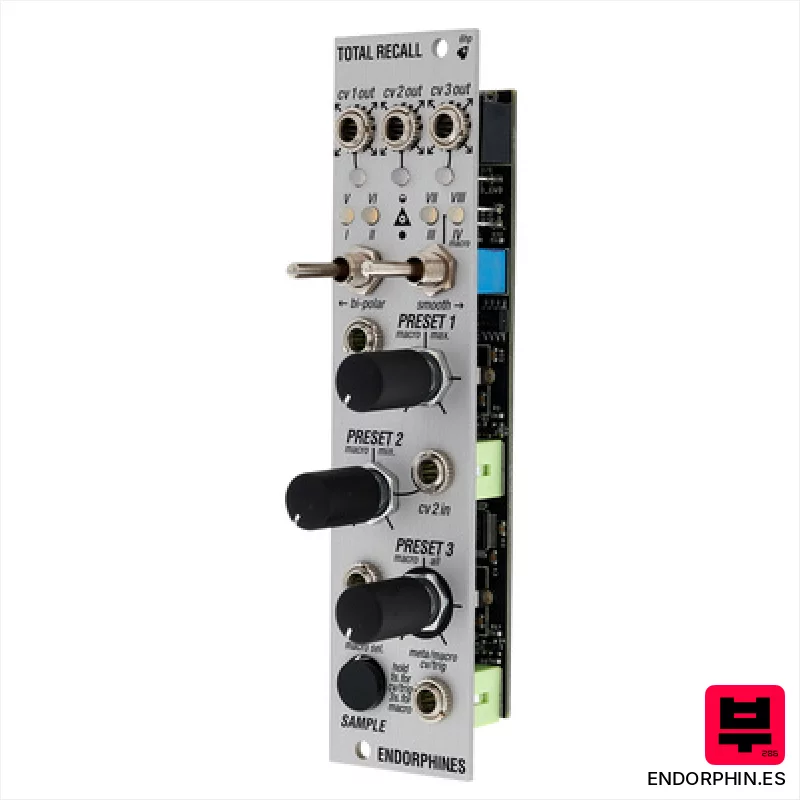
Endorphin.es Total Recall Silver
- • Three channels offer significant CV manipulation flexibility.
- • Rotary controls provide precise, tactile voltage adjustments.
- • Preset morphing via CV/clock unlocks dynamic sequencing possibilities.
- • Compact 6U width optimizes valuable Eurorack panel space.
- • Limited voltage range (0-5V/ -5 to +5V) restricts some applications.
- • No OLED display makes preset status less immediately obvious.
- • Requires careful power budgeting due to moderate current draw.
How to Choose the Best Controller Modules
Keybed Quality
It's the foundation. Action needs to be responsive without being spongy, and consistent key presses are crucial for tight sequencing and expressive playing. Cheap plastic keybeds feel... cheap, and it impacts your articulation. You want something with a decent weight and travel.
Modulation Sources
Beyond basic note on/off, look for things like aftertouch, velocity, and ribbon controllers. These add nuance to your sounds and make it feel less like playing a keyboard and more like sculpting audio. Limited modulation options feel restrictive.
Connectivity & CV Outputs
How easily does it integrate? Multiple CV outputs are gold for controlling multiple destinations simultaneously - sequencers, filters, VCAs. MIDI connectivity is a given, but USB MIDI is a plus for silent operation and direct integration with DAWs.
Build Quality & Ergonomics
A flimsy module will rattle on stage and fall apart after a few years. Consider the case material, knob quality, and overall layout. A cramped layout makes complex patches a pain to navigate, especially in a live setting.
Software Integration
Does it play nice with your DAW? Some modules offer advanced MIDI mapping, SysEx editing, and custom control surfaces. This can save you hours of tedious setup and really elevate your workflow.
Buying Guide
At this price point, you're making trade-offs. Don't expect the buttery-smooth action of an 88-key Yamaha, but you can find solid performers. Pay close attention to keybed type - Fatar is generally a safe bet. More CV outputs are almost always a win, and don't skimp on build quality if you plan on gigging. A slightly more expensive, well-built module will save you headaches (and money) in the long run.
How This List Is Built
We don't play these instruments — we're a catalog, not a review desk, and we'd rather say so than pretend otherwise. This page ranks 15 controller modules from the Thomann catalogue, which is the largest single source of specification data in this category.
Position is computed, not curated. Four signals, in order of weight: how completely the manufacturer documents the instrument (number of published specifications), where it sits in the price range, how specific the model designation is — which filters out generic accessories — and whether a product image exists. The same inputs always produce the same order, so nothing here is shuffled to look fresh.
What this list is good for: narrowing a category down to a shortlist by spec and budget. What it isn't: a substitute for hearing an instrument. Before you buy, read hands-on reviews and, where you can, play it. Full methodology.

