
Best Fender Concert Ukuleles 2026
Okay, so you're looking at a Fender Concert ukulele? Smart move. Fender's got a history of building instruments that just feel right, and their ukes are starting to carve out a similar reputation. They're not trying to reinvent the wheel, but they're bringing a certain level of build quality and sonic character you don't always find in the budget uke market - especially something gig-worthy.
Last updated: April 11, 2026
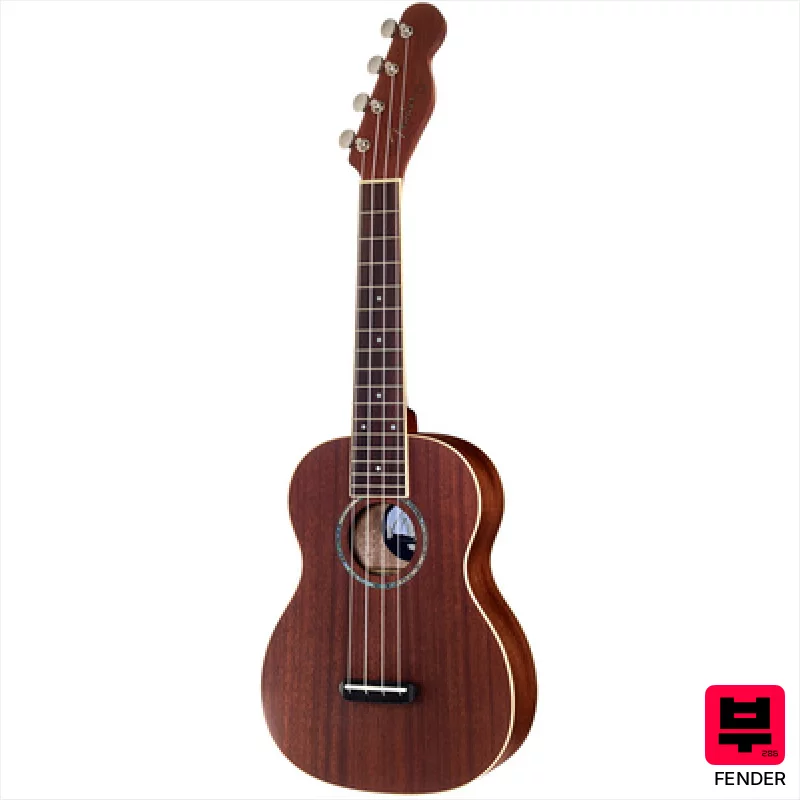
Fender Zuma Concert Ukulele
- • Mahogany top provides warm, pleasing tone with good projection
- • Nato neck offers comfortable playability and stability
- • Telecaster headstock adds a unique Fender aesthetic appeal
- • Neck binding enhances the finish and protects against fret access issues
- • Laminated construction limits high-end shimmer and complex overtones
- • Open-gear tuners may not be as precise as geared machines
- • Hardwood fretboard lacks the silky feel of ebony or rosewood

Fender Fullerton Jazzm Uke 3TS
- • Spruce top delivers bright, articulate tone with surprising projection for its size.
- • Maple neck provides comfortable playability and excellent sustain – a welcome upgrade.
- • Fender preamp system offers clean amplification, useful for performance and recording.
- • Walnut fingerboard feels smooth and refined, improving overall playing experience.
- • Okoume back and sides limit the instrument's potential for a truly rich, resonant bass response.
- • Flat fingerboard radius might feel less familiar to players accustomed to more curved profiles.
- • Poly lacquer finish, while durable, can feel a bit less 'vintage' compared to open-pore options.
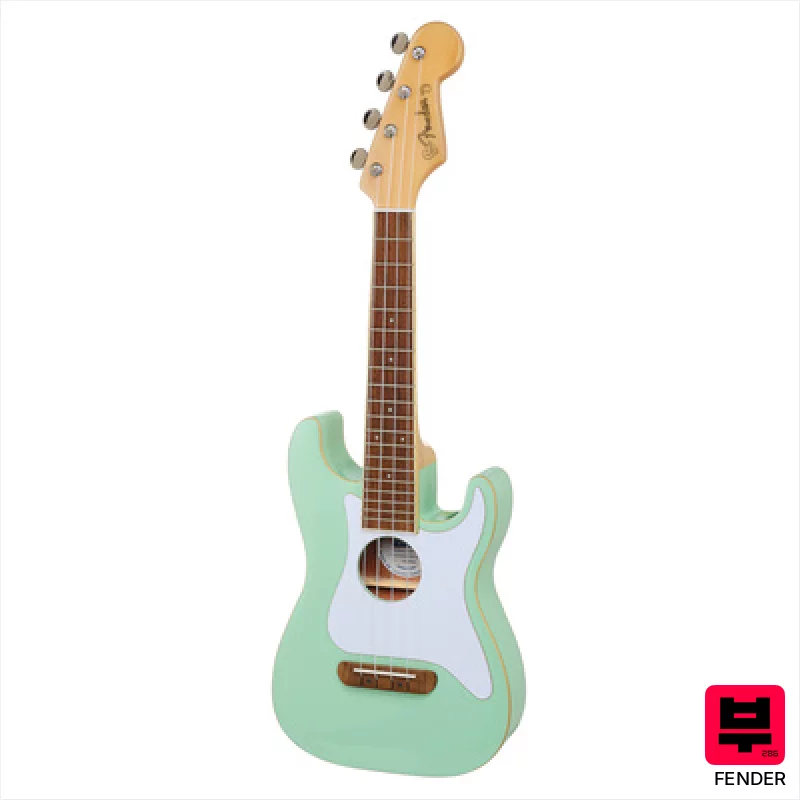
Fender Fullerton Strat Uke SG
- • Spruce top delivers a bright, articulate tone with surprising projection.
- • Okoume back and sides offer a warm resonance that balances the spruce's brightness.
- • The Fender preamp adds versatility for performance and recording, easily amplified.
- • Walnut fingerboard provides a smooth playing experience and a unique tonal character.
- • Poly lacquer finish can feel a bit thick for some players preferring a more open feel.
- • The flat fingerboard radius might not suit players accustomed to more rounded profiles.
- • The built-in tuner, while convenient, may lack the precision of a dedicated pedal tuner.
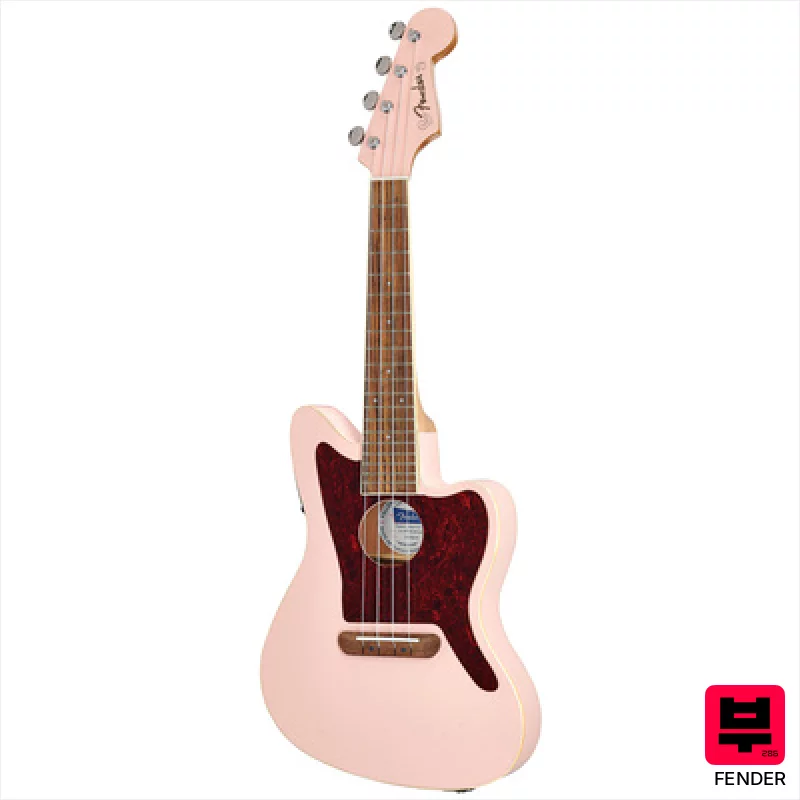
Fender Fullerton Jazzm Uke SHP
- • Spruce top delivers bright, articulate tone with surprising projection
- • Okoume back & sides offer warmth and a balanced sonic character
- • Built-in Fender preamp and tuner provide convenient amplified performance
- • Walnut fingerboard provides a smooth playing experience and nice feel
- • Okoume can be a bit 'woody' sounding – lacks the refinement of koa
- • High-gloss poly finish might feel a little thick for some players
- • Shell Pink finish is polarizing; not universally appealing
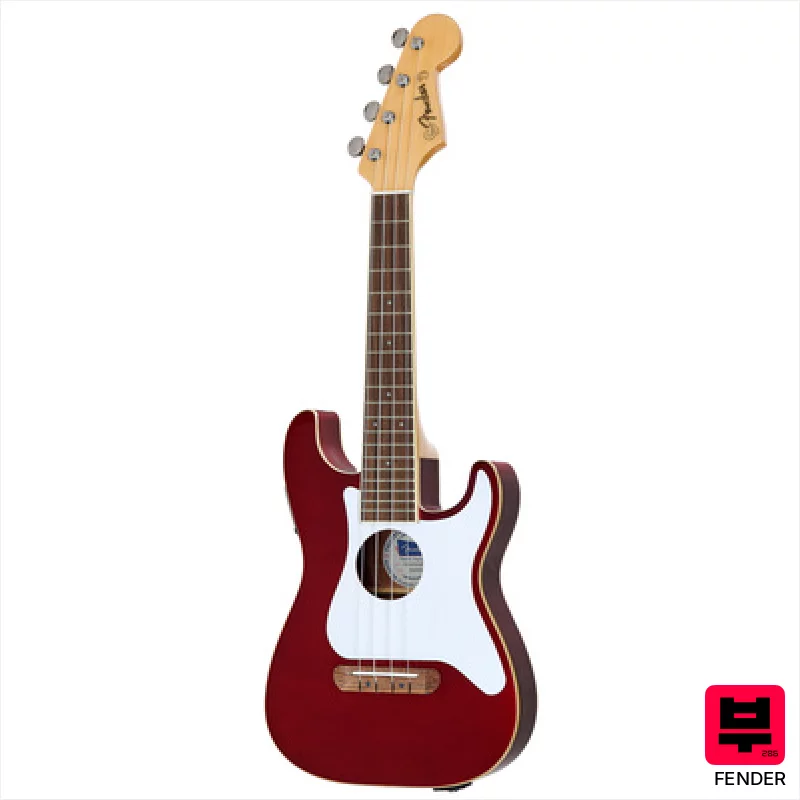
Fender Fullerton Strat Uke CAR
- • Spruce top provides a bright, articulate tone ideal for strumming and fingerpicking.
- • Okoume back and sides offer a warm resonance, balancing the spruce's brightness.
- • Built-in Fender preamp and tuner enhance versatility and convenience for amplified performance.
- • Walnut fretboard and maple neck deliver a comfortable playing experience with good sustain.
- • Okoume, while resonant, isn't as tonally complex as more premium tonewoods like mahogany.
- • Flat fretboard radius might feel unfamiliar to players accustomed to more curved profiles.
- • Poly lacquer finish, while durable, lacks the vintage feel of nitrocellulose lacquer.
Concert Ukuleles by the numbers
Measured across all 188 models in this category, so «wide», «short» or «expensive» mean something you can check.
How to Choose the Best Concert Ukuleles
Heritage & Design
Fender's electric guitar legacy informs their ukes. You get that familiar attention to detail and a certain visual aesthetic - that classic Fender vibe, even on a smaller scale. It's not just about the tone, it's about the feel and the history.
Tone
Expect a balanced tone with a noticeable warmth. They're not going to be overly bright or ice-picky, which is great for cutting through a folk ensemble or adding some subtle texture to a recording. The mahogany models tend to have a bit more low-end thump, while the sapele ones have a snappier articulation.
Playability
Fender's neck profiles are generally comfortable and consistent. They're aiming for that easy-playing feel, which is crucial if you're transitioning from guitar or just want a uke that's a joy to hold and play for extended periods. Lower action is common, which is nice for beginners.
Build Quality
You're getting better bracing and generally tighter tolerances than a lot of the super-budget options. This translates to better sustain and a more responsive instrument. The finish quality is decent, though don't expect the same level of meticulousness as a high-end acoustic guitar - it's a ukulele, after all.
Electronics (on select models)
The electro-acoustic versions offer Fender's amplified voicing. It's not a boutique preamp, but it's clean and usable for live performance or recording, providing decent headroom without overly colored breakup. It'll do the job if you need to be heard in a band rehearsal.
Buying Guide
Look, you're paying a bit more for the Fender name and that inherent quality control. The solid-top models are worth the investment - the difference in sustain and overall responsiveness is noticeable. Be honest about your playing level - if you're a beginner, the slightly higher price is justified by the improved playability and longevity. Don't expect miracles - it's a ukulele, not a magic tone generator.
How This List Is Built
We don't play these instruments — we're a catalog, not a review desk, and we'd rather say so than pretend otherwise. This page covers 5 of 188 concert ukuleles from the Thomann catalogue, which is the largest single source of specification data in this category: 5 in detail, the rest listed with their specifications.
Position is computed, not curated. We parse the manufacturer's own description into actual values — nut width, scale, fret count, fingerboard radius, size, alloy — and rank on them: how many specifications a model has published, how many of them are measurable numbers, and how precisely it meets this page's criterion. A product image adds a little. Price is not a ranking signal: it tells you nothing about whether a neck fits your hand. The same inputs always produce the same order, so nothing here is shuffled to look fresh.
What this list is good for: narrowing a category down to a shortlist by spec and budget. What it isn't: a substitute for hearing an instrument. Before you buy, read hands-on reviews and, where you can, play it. Full methodology.

