
Best Bumblebee Ukuleles Concert Ukuleles 2026
Alright, let's talk Bumblebee Ukuleles, specifically their Concert models. I've been seeing these pop up more and more, and honestly, they're doing something right. If you're tired of the same cookie-cutter laminate ukes that sound like a tin can and want something with a bit more character, Bumblebee's worth a serious look - they offer a surprising amount of value for the price point. They're not gonna replace a KoAloha, but they're a solid choice for gigging or just jamming around.
Last updated: April 11, 2026
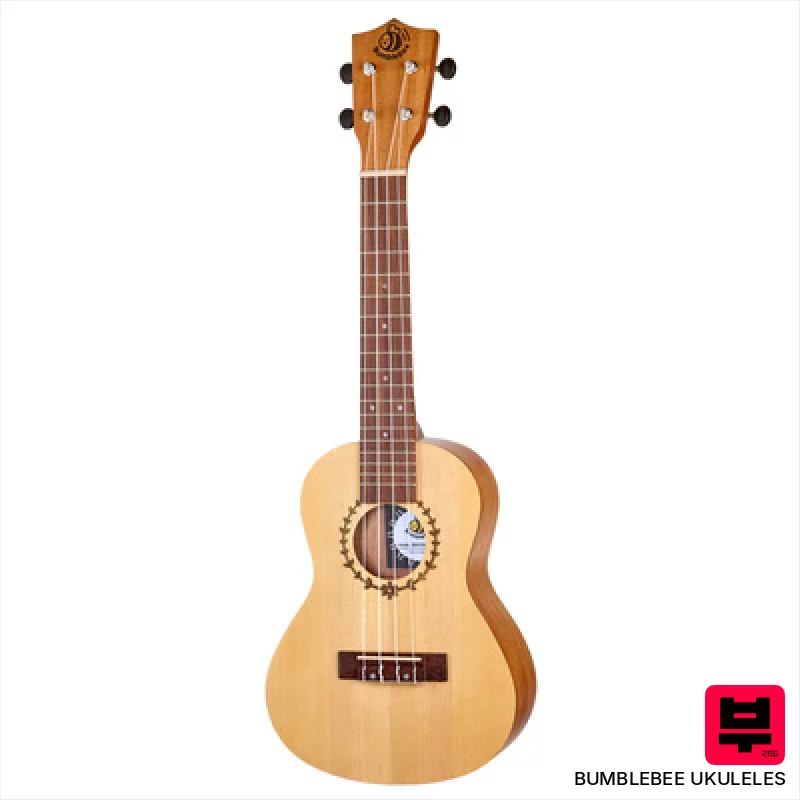
Bumblebee Ukuleles BUC22 Concert Spruce/Mah
- • Spruce top delivers surprisingly bright and articulate tone for the price.
- • Mahogany back and sides add warmth, balancing the spruce’s brightness.
- • Meranti neck offers a comfortable feel, typical of instruments in this category.
- • Open-pore finish allows the wood to breathe, enhancing resonance.
- • Kuku fretboard and bridge are functional, but lack the premium feel of rosewood or ebony.
- • Chrome tuners are basic, may experience tuning instability with heavy use.
- • Limited tonal versatility; best suited for strumming and simple fingerpicking.
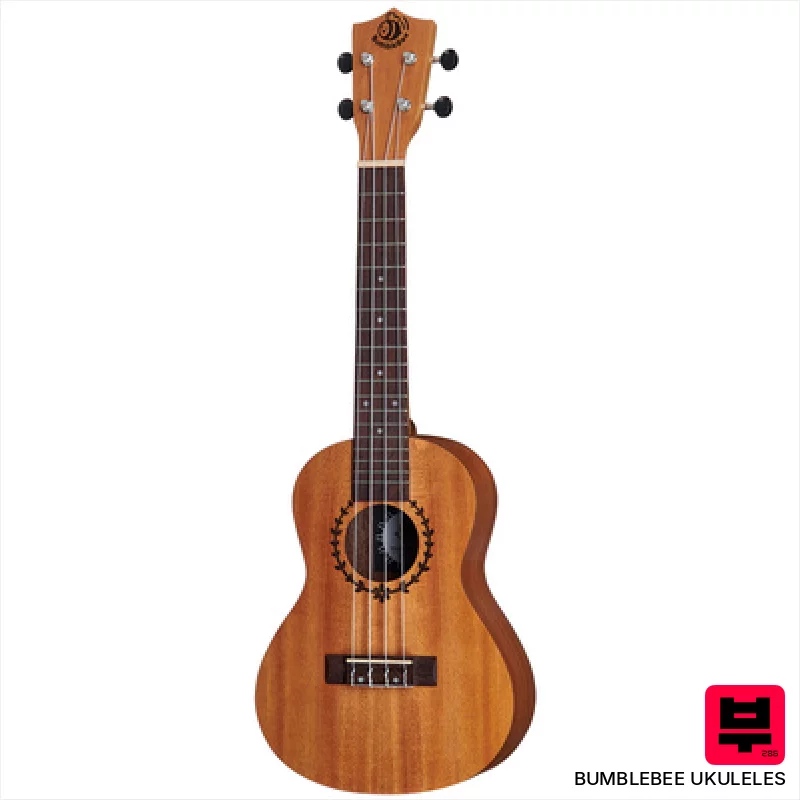
Bumblebee Ukuleles BUC23 Concert Natural
- • Solid mahogany top delivers a surprisingly warm and resonant tone for the price.
- • Meranti neck provides a comfortable playing experience with decent stability.
- • Open-pore finish allows the wood to breathe, enhancing natural tonal qualities.
- • Chrome machine heads offer improved tuning stability compared to typical ukulele tuners.
- • Kuku fretboard and bridge are budget materials; expect potential wear over time.
- • Mahogany construction, while warm, lacks the brightness of some other tonewoods.
- • Open-pore finish, while aesthetically pleasing, is more susceptible to scratches.
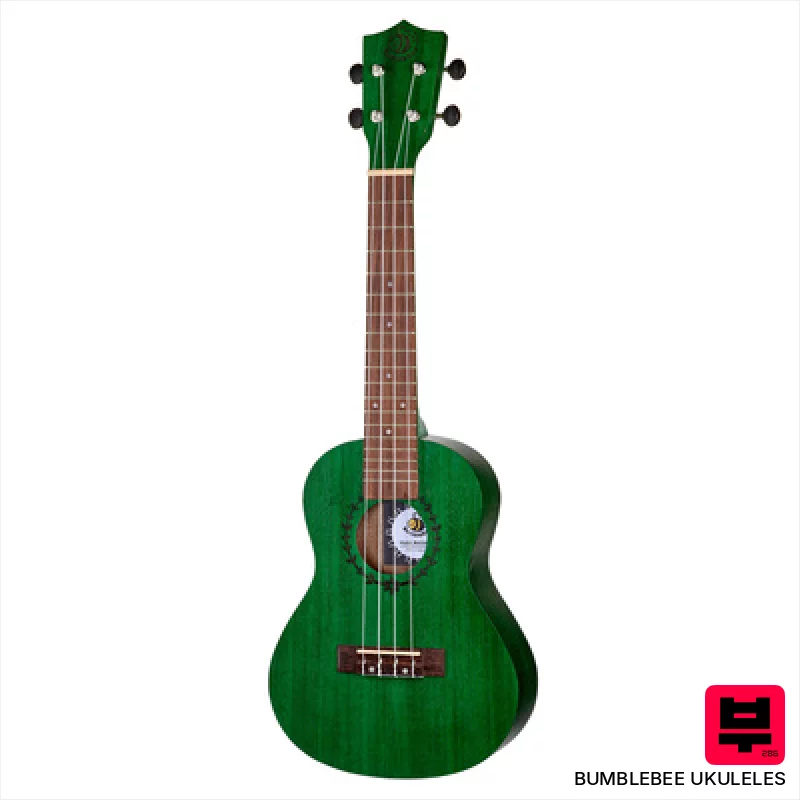
Bumblebee Ukuleles BUC23 Concert Green
- • Mahogany top delivers a warm, mellow tone suitable for folk and Hawaiian styles.
- • Meranti neck provides decent stability and a comfortable playing feel for beginners.
- • Open pore finish allows the wood to resonate more freely, enhancing the tone.
- • Chrome tuners, while basic, offer relatively precise and reliable tuning stability.
- • Kuku fretboard and bridge are budget materials; expect some fret buzz and potential wear.
- • Mahogany construction, while warm, lacks the projection of more premium tonewoods.
- • Open pore finish is prone to scratches and requires careful handling to maintain appearance.

Bumblebee Ukuleles BUC23 Concert Black
- • Mahogany top delivers a warm, mellow tone typical of concert ukes.
- • Meranti neck provides decent stability and a playable feel for the price.
- • Open-pore finish allows the wood to breathe, improving resonance slightly.
- • Chrome machine heads offer reliable tuning stability compared to friction pegs.
- • Kuku fretboard and bridge are basic, may exhibit minor fret buzz.
- • Mahogany construction, while warm, lacks the projection of more premium woods.
- • Open-pore finish, while beneficial, can be more susceptible to humidity changes.
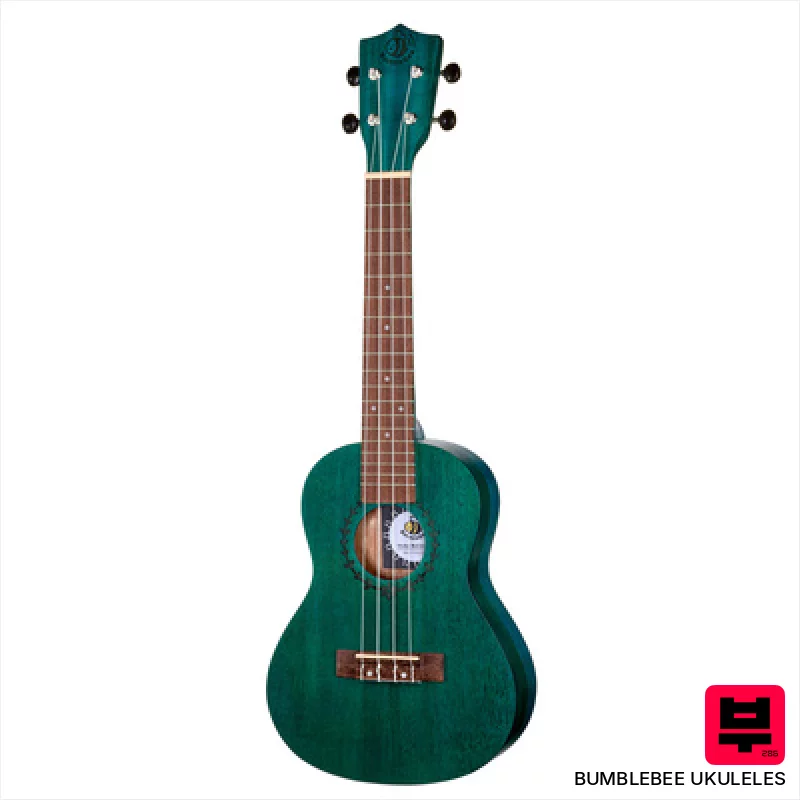
Bumblebee Ukuleles BUC23 Concert Blue
- • Mahogany top delivers warm, balanced tone ideal for folk and island styles
- • Meranti neck offers decent playability for beginners and casual players
- • Open-pore finish allows wood to resonate, improving overall sound projection
- • Chrome machine heads provide stable tuning, a welcome feature at this price point
- • Kuku fretboard and bridge are basic, may exhibit fret buzz or intonation issues
- • Mahogany construction lacks the projection of more premium tonewoods like Koa
- • Blue finish, while visually appealing, is a thin coat and may chip easily
How to Choose the Best Concert Ukuleles
Tone
Bumblebee's a bit unusual. They're not going for that super-bright, sparkly clean tone you often hear. Instead, they lean into a warmer, more woody voice with a surprisingly decent low-end thump. It's not a massive bass response, but it's enough to cut through a folk ensemble or a mellow acoustic set. The mids have a nice fatness, avoiding that ice-picky harshness that some cheaper ukes suffer from.
Build Quality
The construction is surprisingly solid for the price. The bracing is well-executed, and you won't find any glaring glue issues or sloppy fretwork. The finish isn't flawless - you'll see some minor inconsistencies - but it's not a dealbreaker. It feels like a well-made instrument, not a mass-produced toy.
Neck Profile & Playability
The neck profile is a comfortable C-shape, easy to get around on for both beginners and experienced players. The action is generally good out of the box, though a quick setup can really optimize it. It's easy to play complex fingerstyle patterns or strum aggressively without fatigue.
Materials
Most Bumblebee Concerts use Sapele or Mahogany for the top, back, and sides. These tonewoods offer a warmer, more balanced tone compared to the brighter sounds of Koa. While it's laminate (which is expected at this price), it's well-chosen laminate that contributes to the instrument's overall resonance.
Value
This is where Bumblebee really shines. You're getting a well-playing, decent-sounding ukulele for a price that won't break the bank. It's a fantastic option for students, gigging musicians on a budget, or anyone looking for a reliable, good-sounding ukulele without the premium price tag.
Buying Guide
Don't expect a Bumblebee to compete with high-end Koa instruments. The laminate construction means you'll sacrifice some of the top-end shimmer and sustain. However, the strength of these ukes is in their consistency - you know what you're getting. Pay attention to the setup - a little adjustment can make a big difference in playability. If you're looking for something that can hold up to regular gigging and still sound good, Bumblebee's a solid choice.
How This List Is Built
We don't play these instruments — we're a catalog, not a review desk, and we'd rather say so than pretend otherwise. This page ranks 5 concert ukuleles from the Thomann catalogue, which is the largest single source of specification data in this category.
Position is computed, not curated. Four signals, in order of weight: how completely the manufacturer documents the instrument (number of published specifications), where it sits in the price range, how specific the model designation is — which filters out generic accessories — and whether a product image exists. The same inputs always produce the same order, so nothing here is shuffled to look fresh.
What this list is good for: narrowing a category down to a shortlist by spec and budget. What it isn't: a substitute for hearing an instrument. Before you buy, read hands-on reviews and, where you can, play it. Full methodology.

