
Best C Tubas for Intermediate 2026
So, you're stepping up from a BBb or F tuba and eyeing a C tuba? Smart move - the C tuba opens up a whole new world of orchestral repertoire and offers a different voicing that can really cut through a band. But jumping to a C isn't just about having a different key; it's about dealing with a different beast. This guide will help you find a C tuba that won't leave you frustrated and will actually help you level up your playing.
Last updated: April 11, 2026
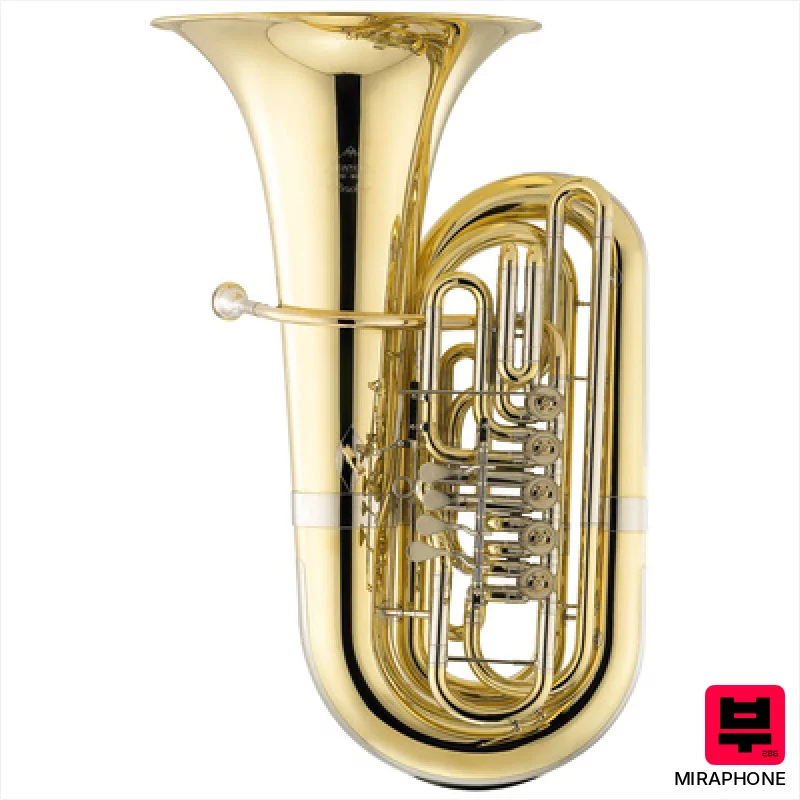
Miraphone 291B Bruckner C-Tuba
- • Exceptional projection and resonance thanks to the 470mm bell.
- • Miraphone’s conical rotary valves offer smooth, reliable action.
- • Nickel silver garland adds visual elegance and durability.
- • TU31 mouthpiece provides a dark, rich, and focused tone.
- • The weight (estimated 23-26 lbs) makes it challenging for less experienced players.
- • Limited included accessories; case and strap are notably absent.
- • The clear lacquer finish, while attractive, can be prone to wear.
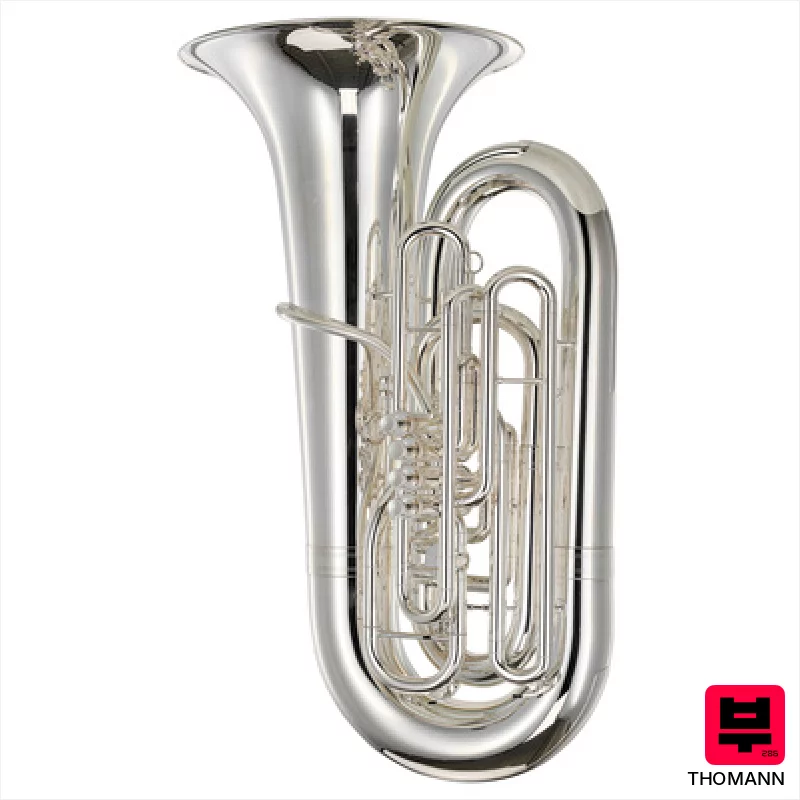
Thomann Grand Fifty S C-Tuba
- • Brass body provides a warm, resonant low-end tone.
- • Nickel silver slides offer smooth, reliable action and quick response.
- • The 5-valve system expands range and intonation accuracy.
- • Silver plating enhances brilliance and protects the brass body.
- • The weight (10.40 kg) will be tiring for less experienced players.
- • Large bell (480mm) may present storage or transportation challenges.
- • While good, the overall build quality might not match higher-end, established brands.
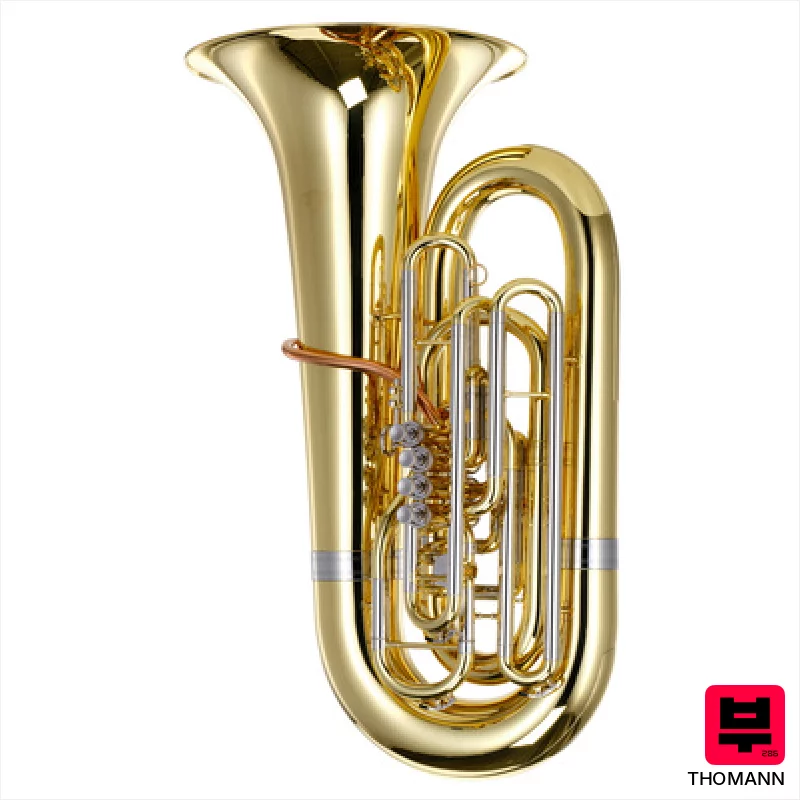
Thomann Grand Fifty C-Tuba
- • Nickel silver slides offer smooth action and reliable intonation.
- • The 480mm bell provides a powerful, resonant low range.
- • Rotary valves ensure quick, precise articulation across the range.
- • Solid brass body offers a warm, traditional tuba tone.
- • At 10.4kg, it's a substantial instrument, demanding physical stamina.
- • The lacquer finish, while attractive, might require careful maintenance to prevent wear.
- • The included gig bag is functional, but a hard case would offer superior protection.
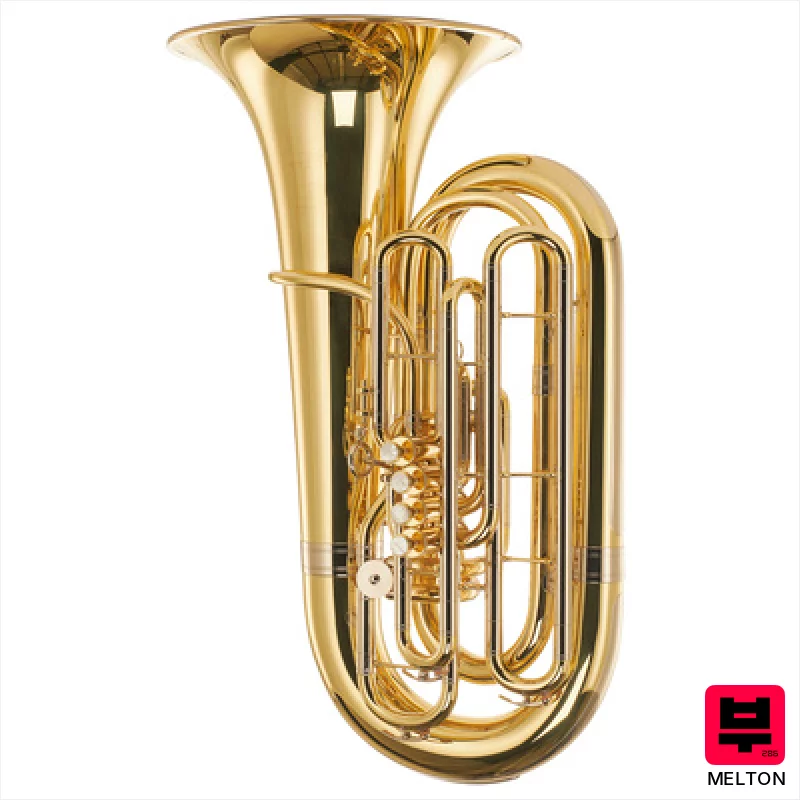
Melton 3450-L C-Tuba
- • Exceptional brass tone, resonant and powerful across the range
- • Robust Perinet valve system offers smooth, reliable action
- • Heavy-gauge brass construction ensures excellent durability and projection
- • ICON 18 mouthpiece provides a focused, controlled fundamental
- • Significant weight makes extended playing physically demanding for some
- • Premium-priced, a substantial investment for most players
- • Large bell may present storage or transport challenges
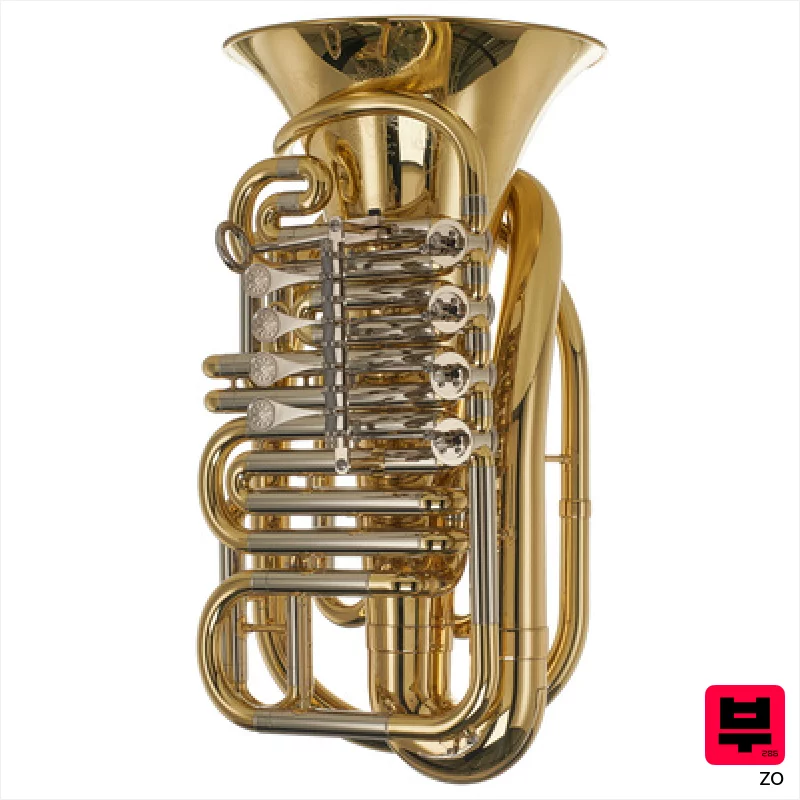
ZO ZTU-C800L C-Tuba
- • Compact design prioritizes portability for travel and smaller ensembles
- • Bright, focused tone suitable for both classical and marching applications
- • Lacquer finish provides a durable, attractive aesthetic and resists corrosion
- • 4-valve system offers improved intonation flexibility compared to 3-valve designs
- • The lighter weight may feel less substantial to experienced tuba players
- • Smaller bell diameter limits overall volume projection in large performance settings
- • Lacquer finish, while durable, requires careful maintenance to prevent buildup
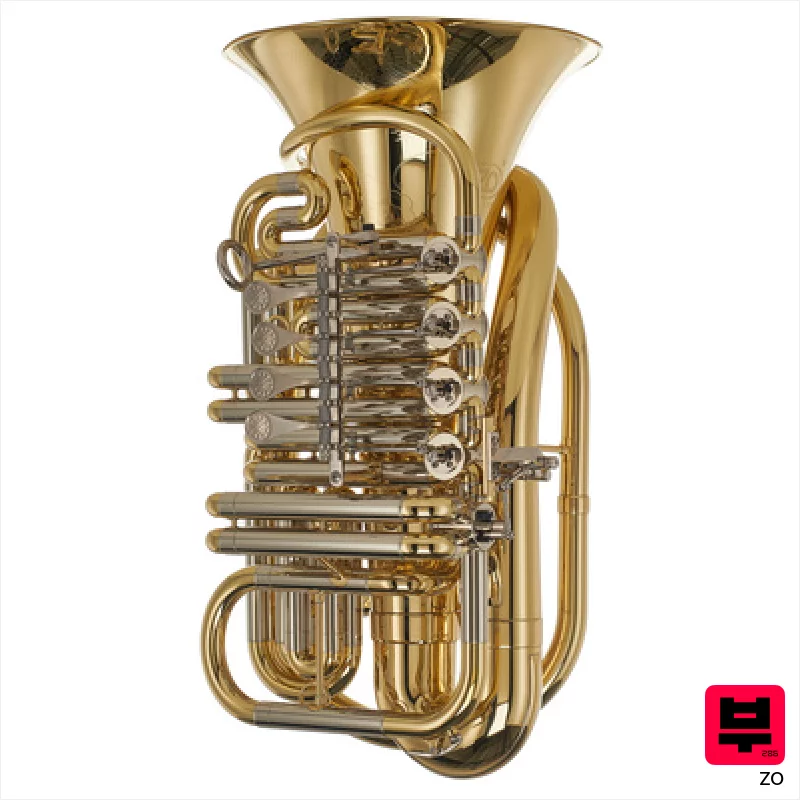
ZO ZTU-C850L C-Tuba
- • Compact design makes travel exceptionally manageable for a C-tuba.
- • The 19-20mm bore provides a surprisingly responsive and agile feel.
- • Lacquer finish offers a bright, clear tone and resists tarnish.
- • 5 rotary valves allow for a wide range of chromatic possibilities.
- • The lighter weight, while good for travel, might feel less substantial for some players.
- • Smaller bell diameter (310mm) may limit ultimate projection in large ensembles.
- • Lacquer finish, while attractive, requires careful maintenance to prevent issues.
How to Choose the Best C Tubas
Playability
An intermediate player needs a tuba that's responsive, not a brick. We're looking for a comfortable action, a manageable leadpipe, and a neck profile that doesn't fight you. Too much resistance will stunt your development, too little and you'll be fighting intonation.
Valve Action
Sloppy valves are a nightmare at any level, but especially when you're trying to build technique. We're prioritizing smooth, consistent valve action - ideally with minimal 'stickiness' or excessive play. A little extra maintenance can help, but it's a sign of lower-quality components.
Tone & Voicing
C tubas have a unique voicing - often described as darker and more 'focused' than BBb tubas. You want something with a solid low-end thump but also the ability to project without sounding harsh. Avoid tubas that have an ice-picky top end or a muddy, undefined sound.
Intonation
C tubas can be notoriously tricky to keep in tune. We're assessing how well the tuba responds to embouchure adjustments and whether it requires constant tweaking. Consistent intonation is crucial for ensemble playing - nothing kills a performance faster than a wandering tuba.
Build Quality & Materials
Let's be honest, you don't want to be sinking a fortune into a tuba that's going to fall apart. We're evaluating the overall construction, the quality of the brass, and the durability of the finishes. Cheap brass will tarnish quickly, and poor construction can lead to leaks and other headaches.
Buying Guide
For an intermediate player, you're looking at a sweet spot of around $2000-$5000. Don't chase the absolute top-tier professional models - they're often overly complex and demanding. Watch out for tubas with overly complicated valve systems or unusual leadpipe designs; those are more for advanced players. Prioritize playability and a consistent tone - those are the things that will actually improve your playing, not a flashy bell engraving.
How This List Is Built
We don't play these instruments — we're a catalog, not a review desk, and we'd rather say so than pretend otherwise. This page ranks 6 c tubas from the Thomann catalogue, which is the largest single source of specification data in this category.
Position is computed, not curated. Four signals, in order of weight: how completely the manufacturer documents the instrument (number of published specifications), where it sits in the price range, how specific the model designation is — which filters out generic accessories — and whether a product image exists. The same inputs always produce the same order, so nothing here is shuffled to look fresh.
What this list is good for: narrowing a category down to a shortlist by spec and budget. What it isn't: a substitute for hearing an instrument. Before you buy, read hands-on reviews and, where you can, play it. Full methodology.

