
Best Boundary Microphones Under $1,000 2026
Okay, so you need a boundary mic but you're not looking to mortgage the studio. Smart move. Boundary mics are killer for drums, acoustic instruments, even vocal reinforcement when you need something low-profile and feedback-resistant, but the high-end stuff can get pricey fast. We're focusing on mics under $1000 that actually deliver a usable signal and don't sound like you're recording through a tin can - let's see what's out there.
Last updated: August 25, 2026
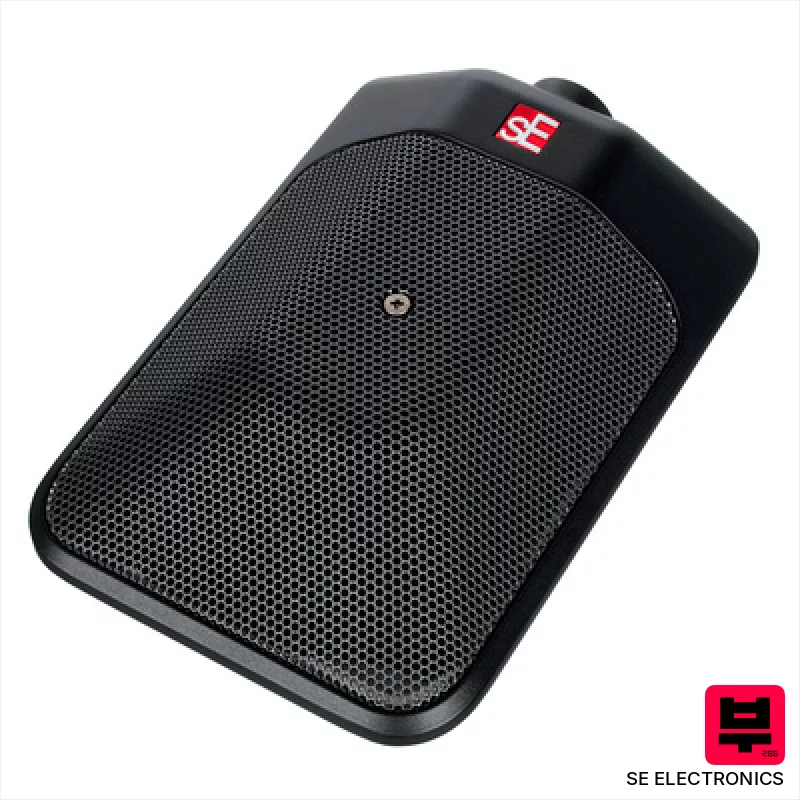
SE Electronics BL8 Omni
- • Excellent omni response for natural room capture.
- • Class A circuit delivers a clean, detailed sound signature.
- • Robust build quality with a solid, practical feel.
- • Flexible pad and low-cut options offer recording versatility.
- • Boundary design limits placement flexibility compared to suspended mics.
- • Somewhat limited tonal character; not ideal for highly colored recordings.
- • Requires phantom power; not compatible with some older interfaces.
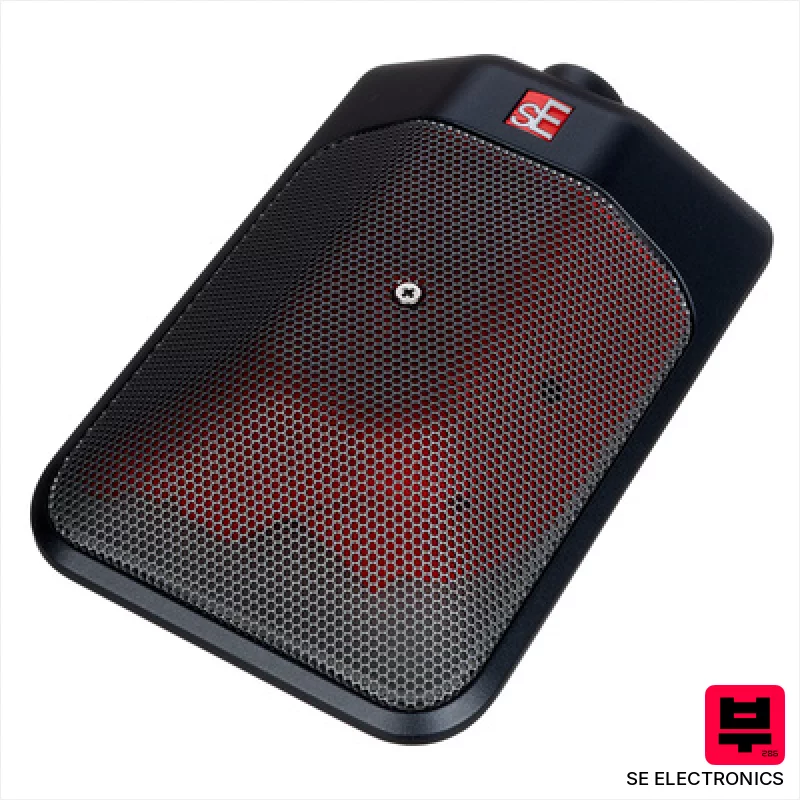
SE Electronics BL8
- • Robust boundary design handles high SPLs without distortion.
- • Class A circuit delivers a surprisingly warm and detailed sound.
- • Switchable mid-cut modes offer flexible tonal shaping options.
- • Solid build quality with a reassuring heft and durable metal housing.
- • Half-cardioid pattern limits placement flexibility compared to full cardioid.
- • The low-cut filter’s 6dB/octave slope is a bit gentle for some applications.
- • Requires 48V phantom power, adding to setup complexity.
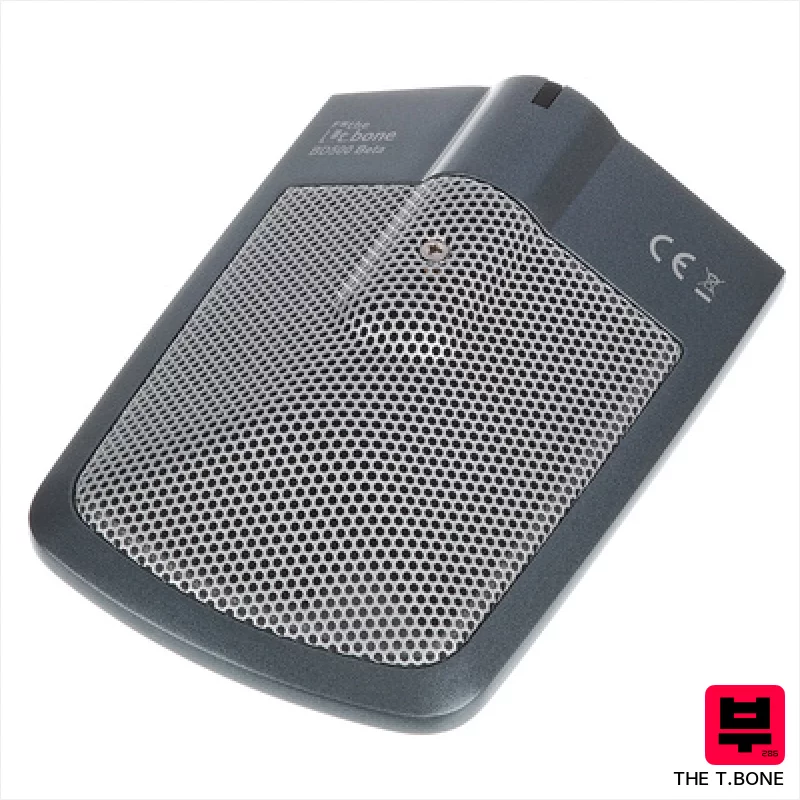
the t.bone BD 500 Beta
- • Solid metal housing inspires confidence and durability.
- • Semi-cardioid pattern minimizes bleed in live settings.
- • Switchable frequency responses offer surprising versatility.
- • The rubber base prevents unwanted vibrations and surface noise.
- • Semi-cardioid pattern isn't ideal for all recording situations.
- • Sensitivity (-53dB) might require a preamp for quieter sources.
- • The 30-20,000Hz range is typical, but the actual detail could be lacking.
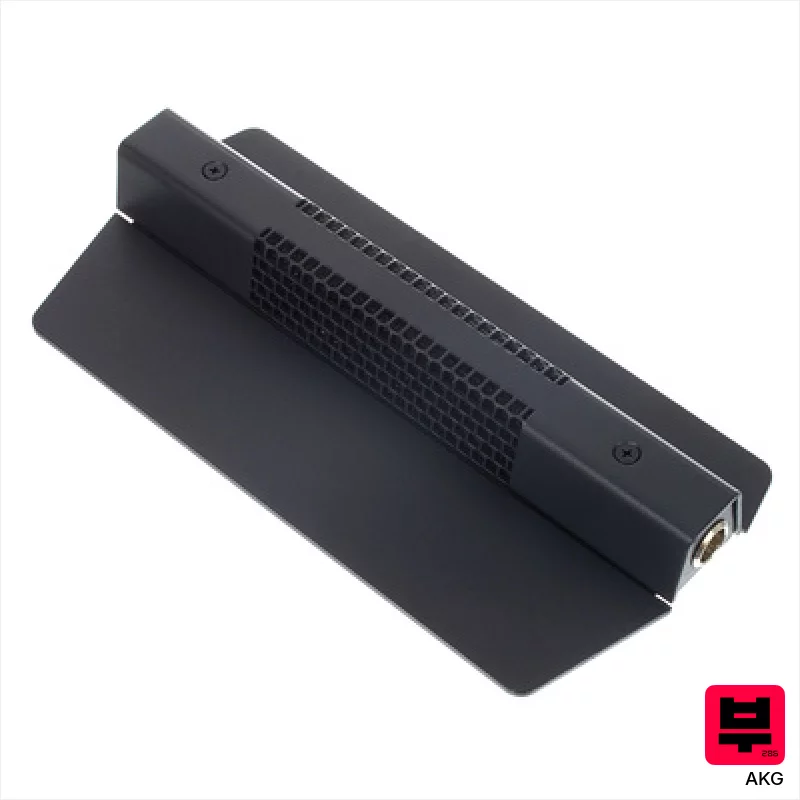
AKG PCC-160
- • Robust metal chassis ensures durability for stage or studio use
- • Supercardioid pattern excels at isolating sound sources effectively
- • Switchable bass cut/boost offers tonal shaping flexibility
- • TQG connector simplifies setup and reduces cable clutter
- • Limited frequency response compared to higher-end condenser mics
- • Supercardioid pattern demands precise mic placement for optimal results
- • TQG connector isn't as universally compatible as standard XLR
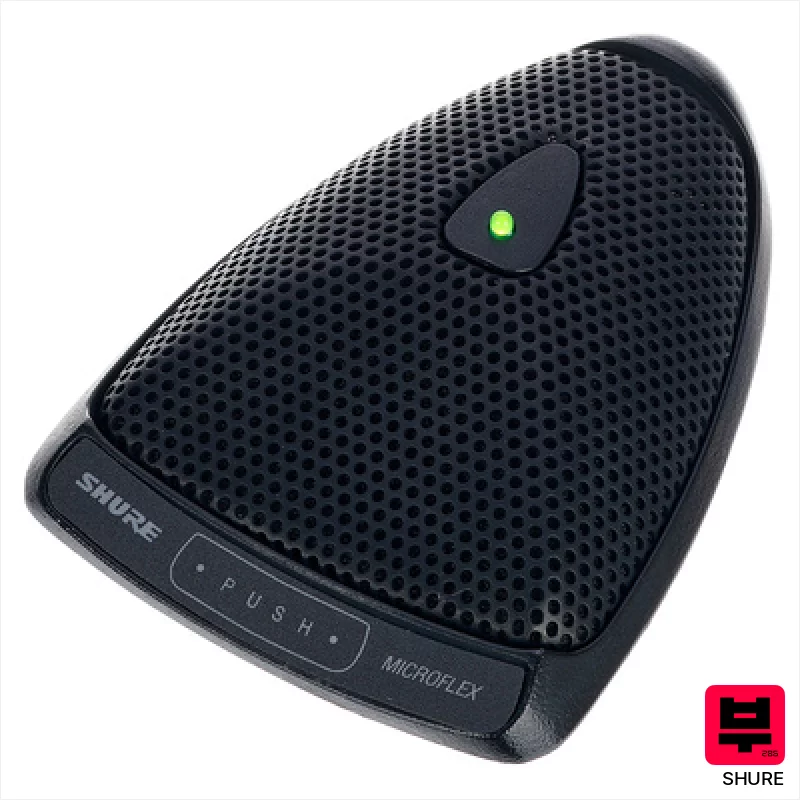
Shure MX393/C
- • Exceptional clarity and detail for speech and music applications
- • Modular capsule design offers future flexibility and upgrade paths
- • Flat housing simplifies installation and discreet integration into surfaces
- • Excellent common-mode rejection minimizes unwanted background noise
- • Half-cardioid pattern isn't ideal for all room acoustics; prone to feedback
- • Requires phantom power, limiting compatibility with some older systems
- • Limited low-frequency response compared to full-sized boundary mics
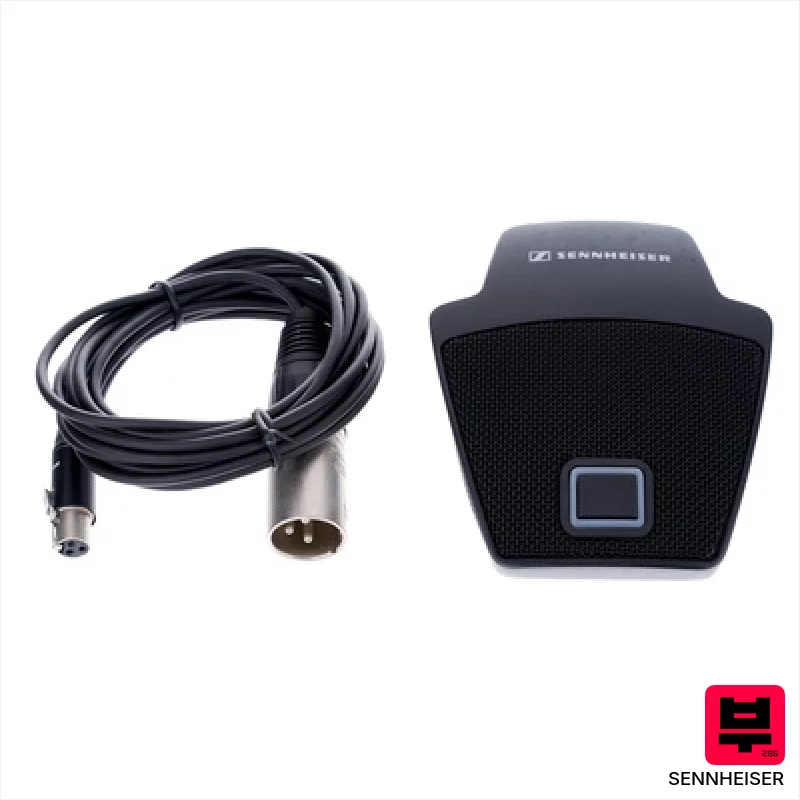
Sennheiser MEB 114-S B
- • Excellent off-axis rejection minimizes room noise effectively.
- • Rubber plate provides excellent damping, reducing unwanted vibrations.
- • Integrated preamp delivers clean gain with low self-noise.
- • Programmable switch offers flexible control for various applications.
- • Half-cardioid pattern limits placement flexibility compared to full cardioid.
- • Relatively heavy for a boundary mic, may require stable mounting.
- • Limited frequency response compared to studio-grade condensers.
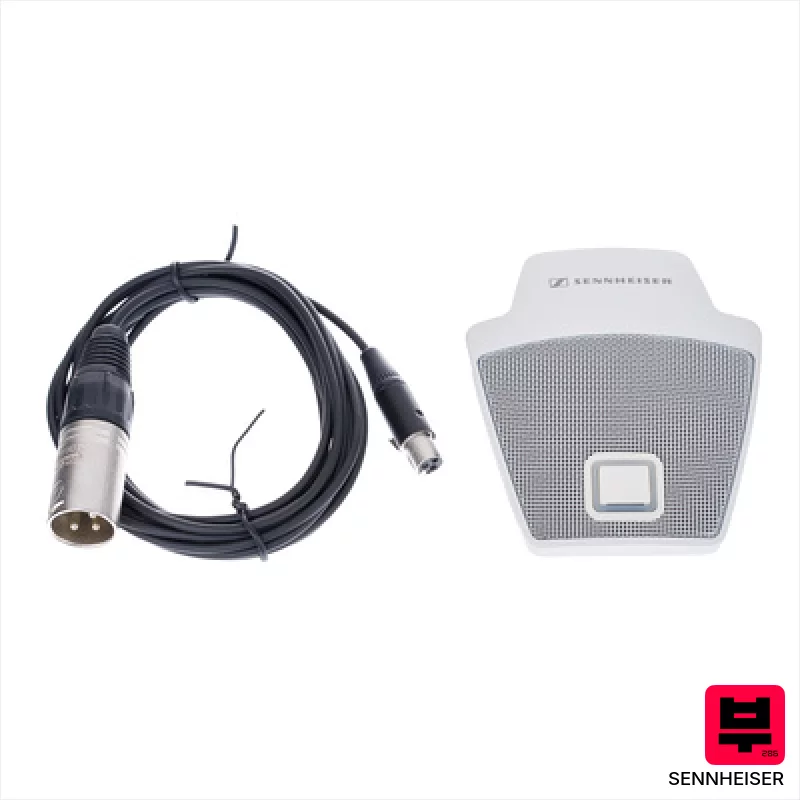
Sennheiser MEB 114-S W
- • Durable rubber plate minimizes vibrations and feedback effectively.
- • Half-cardioid pickup pattern excels at isolating sound sources.
- • Integrated preamp delivers a clean, usable signal directly to the mixer.
- • Programmable switch offers flexible control for varied meeting setups.
- • Half-cardioid pattern isn't ideal for wide, open spaces.
- • Relatively heavy for a boundary mic, might require secure mounting.
- • Limited polar pattern options compared to more versatile mics.
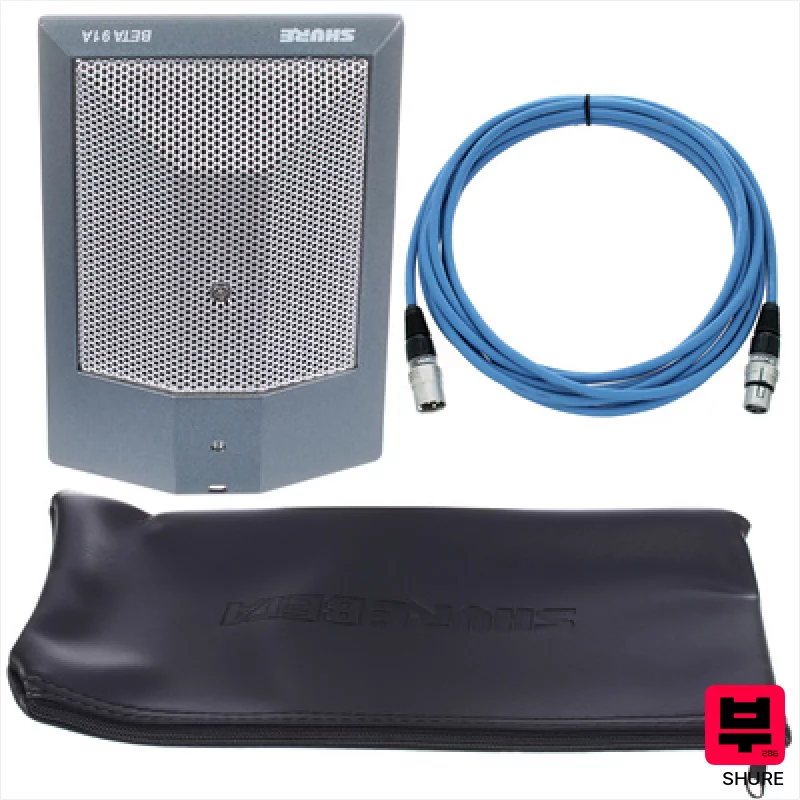
Shure Beta 91A Bundle
- • Excellent transient response for crisp bass drum articulation
- • Sommer Cable provides a premium, quiet connection for pristine audio
- • Switchable frequency response offers versatility for multiple sources
- • Rugged construction ensures reliability for both studio and stage use
- • Boundary mics are inherently less flexible for mic techniques
- • Can be sensitive to floor resonances; proper placement is crucial
- • Higher phantom power requirement might be an issue with some interfaces
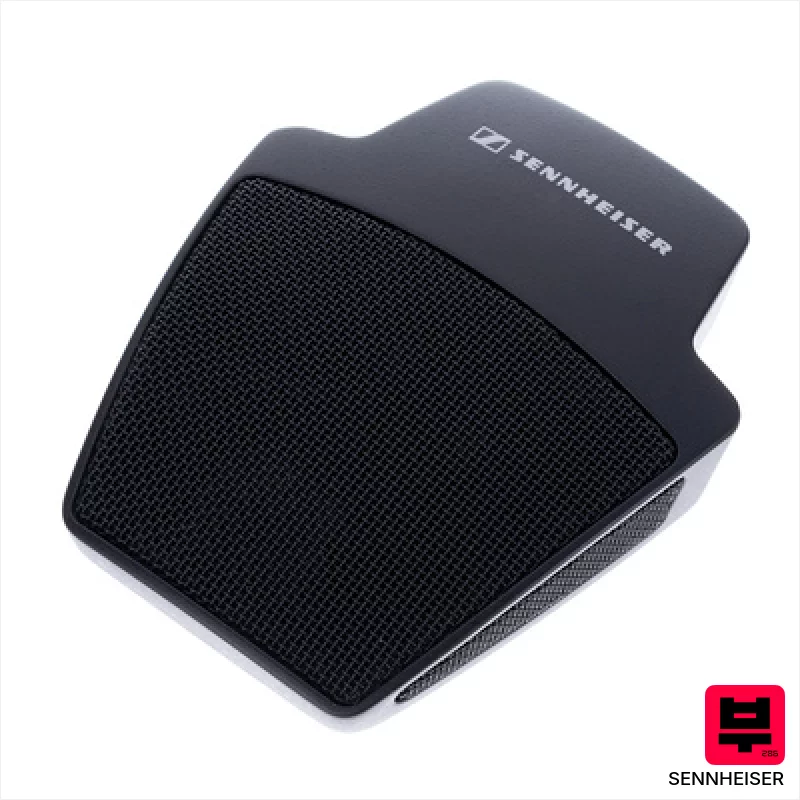
Sennheiser MEB 114 B
- • Durable rubber plate effectively dampens vibrations and feedback
- • Half-cardioid pattern minimizes room noise pickup well
- • Integrated preamp provides a clean, usable signal directly to mixers
- • Compact size makes it unobtrusive for altar or conference table use
- • Half-cardioid pattern isn't ideal for all room acoustics
- • Limited frequency response compared to studio condensers
- • Weight, while manageable, can be noticeable on thinner surfaces

Shure Beta 91A
- • Exceptional low-frequency response for drums and bass.
- • Durable construction with a robust, low-profile design.
- • Versatile switchable frequency response adapts to various sources.
- • Excellent off-axis rejection minimizes room noise effectively.
- • Limited polar pattern choice restricts certain recording scenarios.
- • Requires phantom power, adding complexity to setup.
- • Boundary placement can introduce floor resonances if not careful.
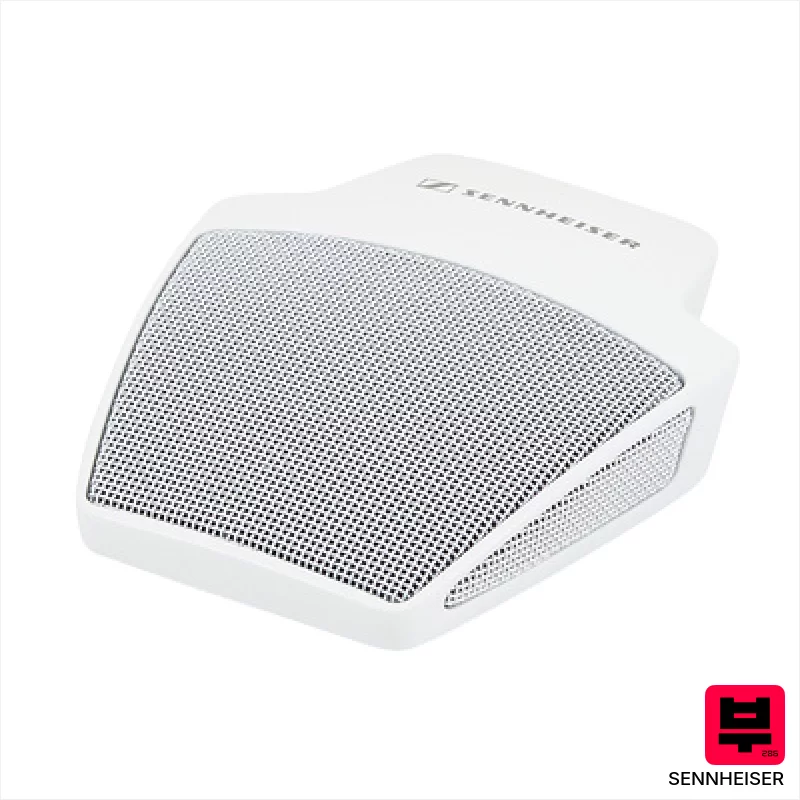
Sennheiser MEB 114 W
- • Excellent off-axis rejection minimizes room noise effectively
- • Rubber plate provides robust vibration isolation and damping
- • Integrated preamp delivers clean gain without external power
- • Compact form factor blends discreetly into various environments
- • Half-cardioid pattern isn't ideal for full-room pickup situations
- • Limited frequency response compared to studio condensers
- • White color may not suit all aesthetic preferences

Audio-Technica U851RWb
- • Exceptional transient response for accurate, detailed sound capture
- • Robust construction with a chemically-treated aluminum boundary surface
- • UniGuard RF shielding effectively minimizes stage interference issues
- • Switchable low-cut provides flexibility for various acoustic environments
- • Semi-cardioid pattern offers less isolation than tighter patterns
- • Boundary design limits placement options compared to handheld mics
- • Detachable cable adds a potential point of failure; TAF3 connector less common
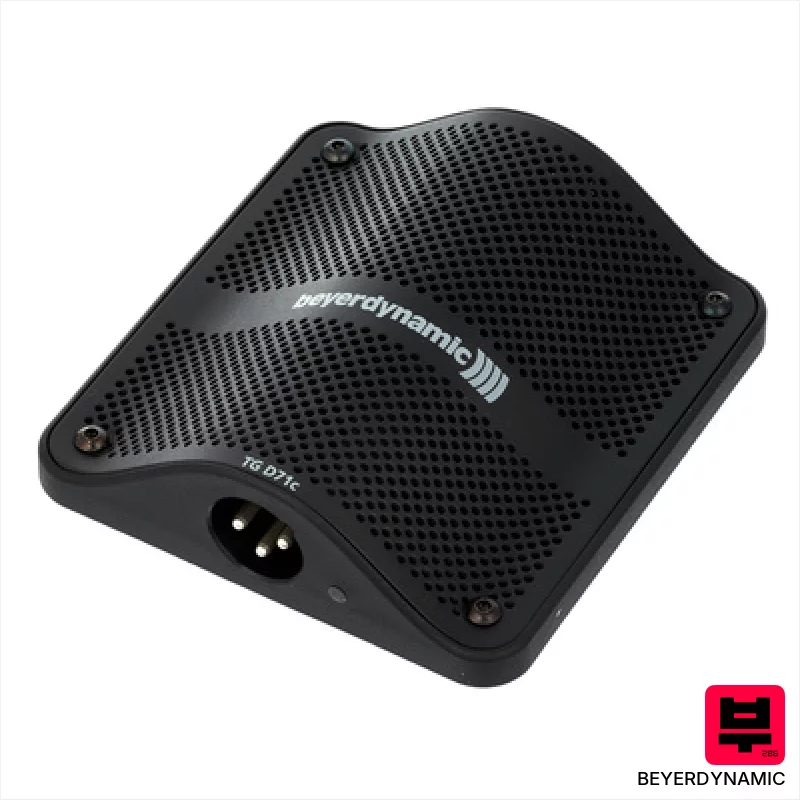
beyerdynamic TG D71
- • Solid metal housing provides excellent durability for stage use
- • Half-cardioid pattern minimizes room noise, great for less-than-ideal spaces
- • The rubber base is genuinely effective, stays put on cajons and drums
- • Frequency response captures a surprisingly detailed low-end for a boundary mic
- • Half-cardioid isn't as forgiving as full cardioid for placement
- • The 200Ω impedance might require a preamp with sufficient gain
- • Limited versatility – really shines with percussion, less ideal for vocals
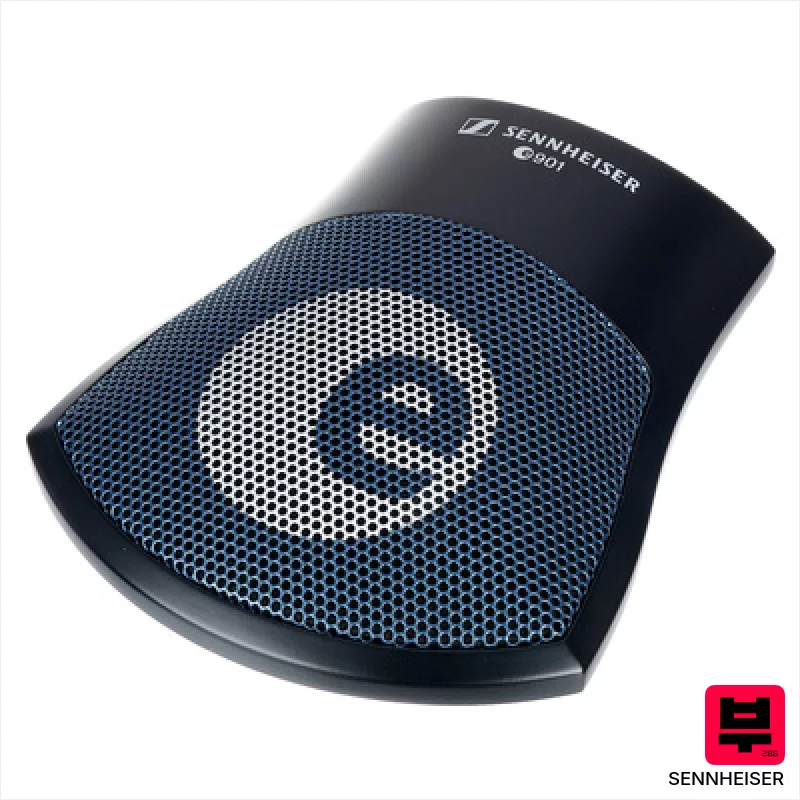
Sennheiser E 901
- • Excellent low-frequency response for impactful bass drum recordings
- • Robust rubber plate effectively dampens vibrations and handling noise
- • Integrated preamp delivers a strong, clean signal directly to the mixer
- • Half-cardioid pattern minimizes bleed from overhead mics
- • Limited versatility beyond low-frequency instruments and vocals
- • The half-cardioid pattern can still pick up unwanted room reflections
- • Relatively heavy for a boundary mic, may require a stable mounting solution
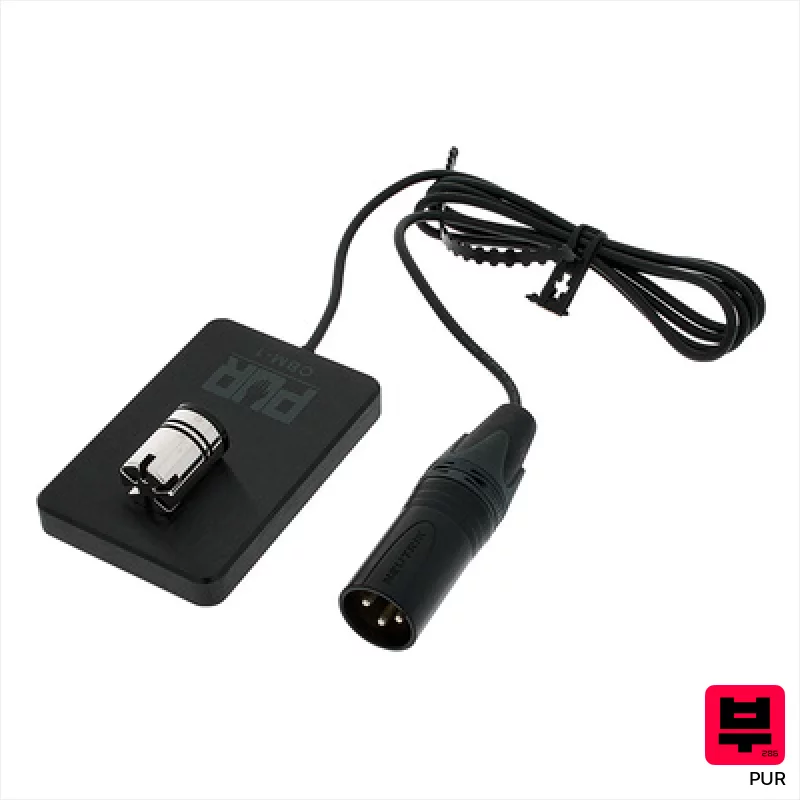
PUR CBM-1 Cajon Microphone
- • Excellent transient response captures cajon slaps precisely
- • Integrated EQ offers convenient tone shaping on the fly
- • Compact size and hook-and-loop mounting are very practical
- • Semi-hypercardioid pattern minimizes bleed from other instruments
- • Semi-hypercardioid can be tricky to position consistently
- • Build quality feels somewhat plasticky for the price point
- • Limited versatility outside of cajon/kick drum applications
Every boundary microphones that matches
24 models match this page. The 15 above are covered in detail; the rest are listed here with their published specifications.
| # | Model | Specifications | Price |
|---|---|---|---|
| 16 | Sennheiser MEB 102W | not published | $267 |
| 17 | Sennheiser MEB 102B | not published | $255 |
| 18 | Audio-Technica Pro 44 | not published | $171 |
| 19 | Superlux E304 BK | not published | $79 |
| 20 | Behringer BA 19A | not published | $66 |
| 21 | Superlux E303B | not published | $52 |
| 22 | Superlux E100 | not published | $52 |
| 23 | Superlux E303W | not published | $47 |
| 24 | the t.bone GZ 1 USB | not published | $38 |
Boundary Microphones by the numbers
Measured across all 24 models in this category, so «wide», «short» or «expensive» mean something you can check.
How to Choose the Best Boundary Microphones
Frequency Response
A flat response isn't always king. We're looking for a natural sound, but sometimes a slight bump in the mids can help instruments cut through the mix, especially for acoustic guitars or snare drums. Avoid anything overly hyped in the high-end - that can quickly become harsh.
Polar Pattern
Most boundary mics are unidirectional, but the pattern's accuracy matters. A sloppy pattern means bleed from other instruments, which is a nightmare for isolating sounds. We're looking for a consistent pattern across the frequency range.
Sensitivity & Output
Lower sensitivity means you'll need more gain, which can introduce noise. A good signal-to-noise ratio is crucial, especially when recording quieter instruments or vocals. We're checking for usable headroom before things start to distort.
Build Quality & Durability
Gigging life is tough. Cheap plastic housings crack, and fragile capsules fail. We're prioritizing mics that can take a beating - you want something that'll survive being tossed into a case and hauled to gigs.
Off-Axis Response
How does the mic sound when something's slightly to the side? A mic that sounds great head-on can be unusable if bleed is a factor. We're listening for a gradual roll-off, not a sudden drop-off that creates a weird phasing effect.
Buying Guide
At this price point, you're making compromises. Don't expect the pristine detail of a $2000 Neumann. You'll likely find some trade-offs - maybe slightly less accurate transient response, or a more noticeable low-end roll-off. Focus on the application: a mic for a loud snare can get away with more coloration than one for a delicate acoustic guitar. Spend a little more for a metal housing; it's worth it. And always, always test before you buy if you can.
How This List Is Built
We don't play these instruments — we're a catalog, not a review desk, and we'd rather say so than pretend otherwise. This page covers 24 boundary microphones from the Thomann catalogue, which is the largest single source of specification data in this category: 15 in detail, the rest listed with their specifications.
Position is computed, not curated. We parse the manufacturer's own description into actual values — nut width, scale, fret count, fingerboard radius, size, alloy — and rank on them: how many specifications a model has published, how many of them are measurable numbers, and how precisely it meets this page's criterion. A product image adds a little. Price is not a ranking signal: it tells you nothing about whether a neck fits your hand. The same inputs always produce the same order, so nothing here is shuffled to look fresh.
What this list is good for: narrowing a category down to a shortlist by spec and budget. What it isn't: a substitute for hearing an instrument. Before you buy, read hands-on reviews and, where you can, play it. Full methodology.

