
Best Bb Clarinets (German) for Traditional Sound 2026
So you're chasing that classic, warm German clarinet tone for traditional music - polka, oompah, maybe some early jazz? It's a specific sound, leaning towards a darker, more focused character than the brighter American style. Finding a Bb clarinet that delivers that reliably isn't always easy; a lot of modern instruments are geared towards a different aesthetic. Let's break down what to look for and some good options to get you started.
Last updated: July 22, 2026 • Next update: July 29, 2026

F.A. Uebel 638 Bb-Clarinet Mopane
- • Mopane wood offers a uniquely warm, complex tonal palette.
- • Uebel’s bell mechanism truly addresses the notoriously tricky e-f# intonation.
- • The Oehler-style finger plate enhances response and control in the lower register.
- • Gold-plated keys provide smooth action and a premium feel.
- • Mopane wood can be less stable than traditional grenadilla, requiring careful humidity control.
- • The price point places it firmly in the professional/advanced student category.
- • The ESM mouthpiece, while decent, might not suit every player's preference.
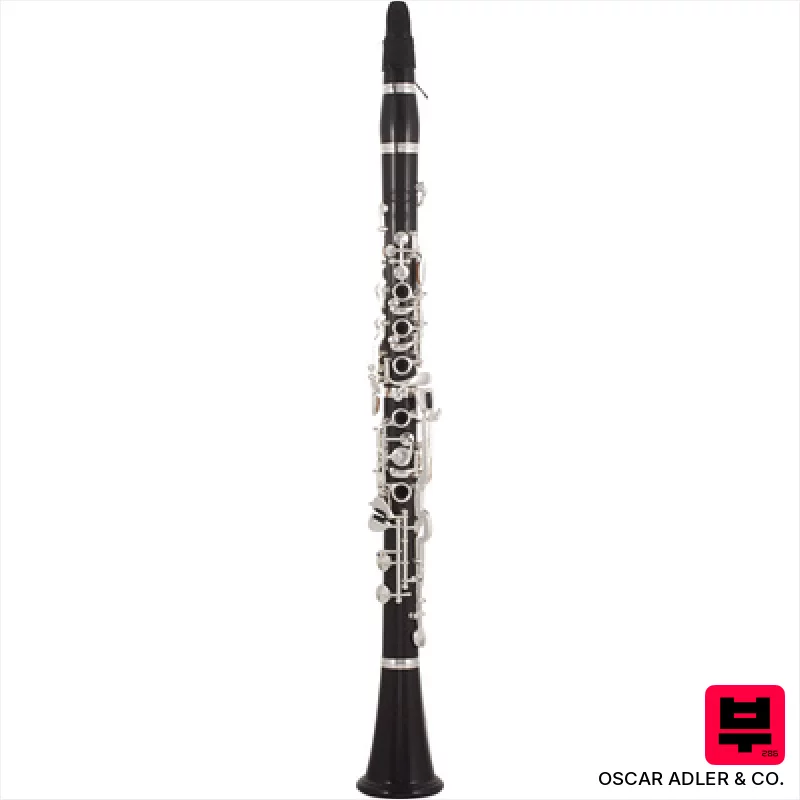
Oscar Adler & Co. 323 Bb-Clarinet
- • Grenadilla wood provides a warm, resonant, and complex tone.
- • Oehler system offers exceptional intonation and ergonomic playing comfort.
- • Silver-plated keys ensure smooth action and durability.
- • Dual barrels allow for customizable response and tuning flexibility.
- • Premium-priced, representing a significant investment for most players.
- • The ESM mouthpiece, while decent, may be a limiting factor for advanced players.
- • The weight, typical of German-system clarinets, can be fatiguing over long practice sessions.

F.A. Uebel 621KH Bb-Clarinet Children
- • Grenadilla body offers a warm, resonant tone characteristic of Uebel’s quality.
- • Ergonomic design eases playing for smaller hands, promoting good technique early on.
- • Forked Eb/Bb key and F-lever enhance intonation and facilitate complex passages.
- • Silver-plated nickel silver keys provide smooth action and a bright aesthetic.
- • ESM mouthpiece is basic; an upgrade will likely be desired for serious playing.
- • The instrument’s build, while solid, might lack the refinement of higher-end Uebel models.
- • Limited key options compared to professional-grade clarinets restrict advanced techniques.
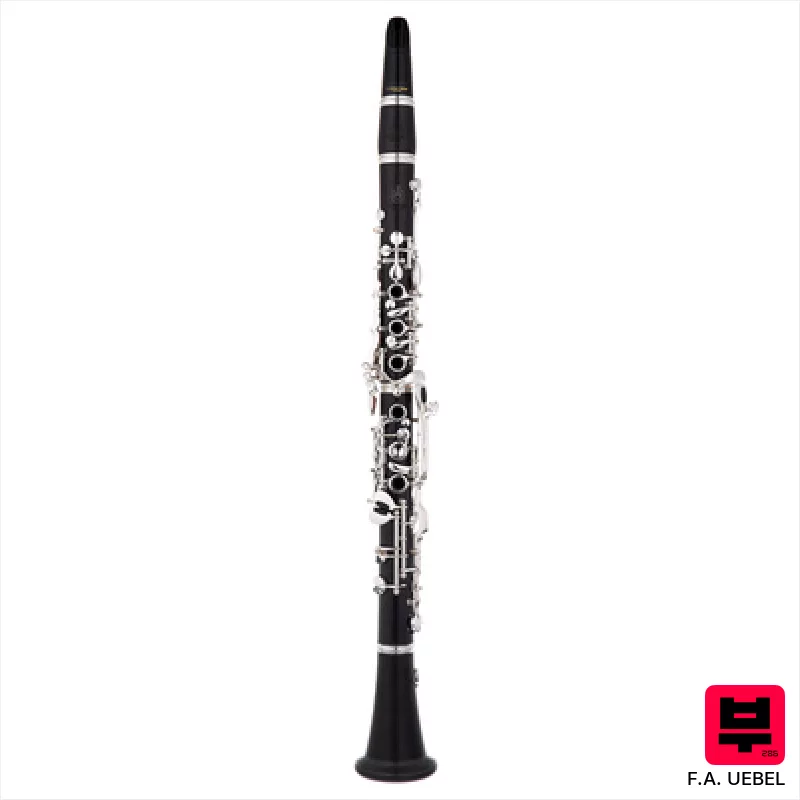
F.A. Uebel 638 Bb-Clarinet
- • Grenadilla wood provides a warm, complex, and resonant tone.
- • Oehler mechanism offers exceptional intonation and ease of playing.
- • Silver-plated keys ensure smooth, responsive action and durability.
- • Forked Eb and trill keys improve technical agility and speed.
- • The price point places it out of reach for many student or intermediate players.
- • Grenadilla wood can be susceptible to cracking with improper care and humidity.
- • The ESM mouthpiece, while decent, might not satisfy advanced players' tonal preferences.
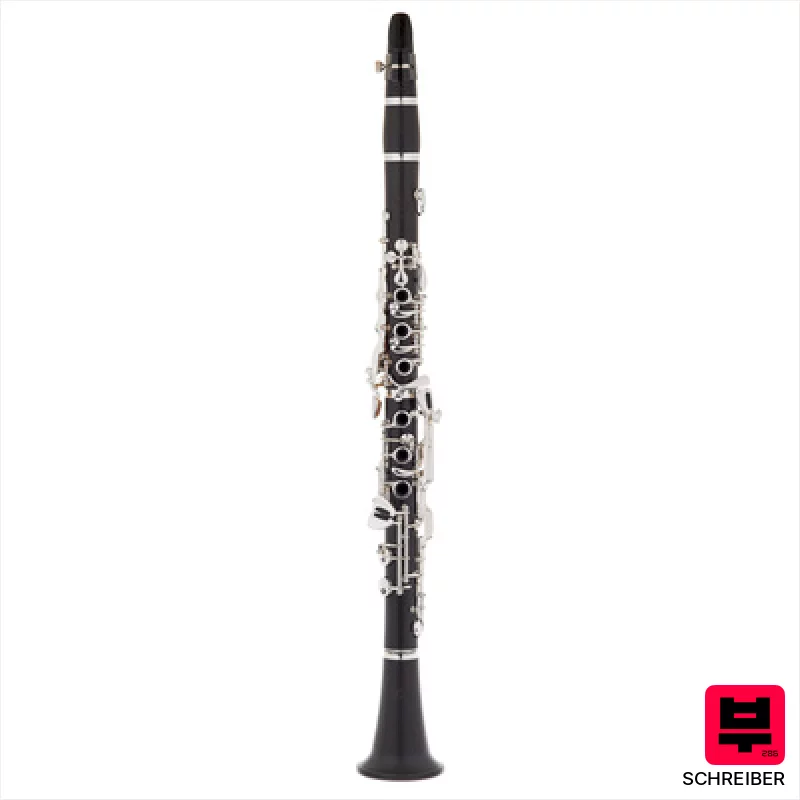
Schreiber D-41 Bb-Clarinet
- • Grenadilla wood provides a warm, focused, and resonant tone.
- • Advanced tone hole design enhances projection and intonation accuracy.
- • Optimized bore and bell shape offer improved response and a richer sound.
- • German fingering system feels familiar and comfortable for experienced players.
- • The grenadilla body can be susceptible to cracking with improper care.
- • Premium-priced, potentially prohibitive for student or beginner clarinetists.
- • The included mouthpiece is adequate, but advanced players will likely want an upgrade.

F.A. Uebel 622 Bb-Clarinet
- • Grenadilla body provides a warm, resonant, and focused tone.
- • German fingering system offers excellent intonation and comfortable ergonomics.
- • Silver-plated nickel silver keys ensure smooth action and durability.
- • Forked Bb and -F mechanism enhances response and facilitates complex passages.
- • The ESM mouthpiece is serviceable but an upgrade will unlock the clarinet’s full potential.
- • Grenadilla wood can be susceptible to cracking with extreme temperature or humidity changes.
- • The weight, typical for German-made clarinets, may be tiring for younger players.
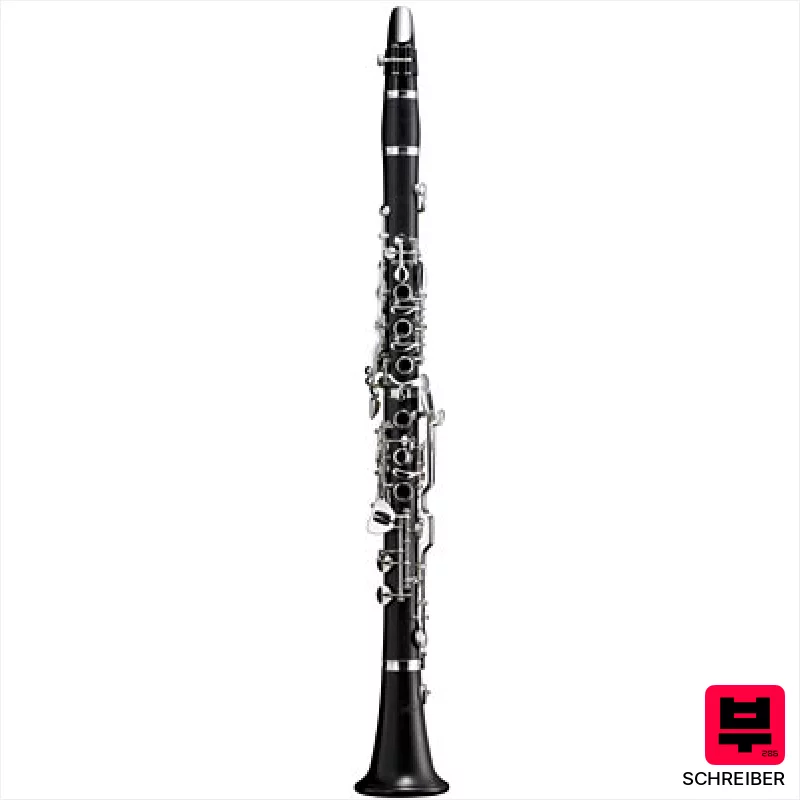
Schreiber D-56 Bb-Clarinet
- • Full Oehler system provides exceptional responsiveness and intonation across registers.
- • Blackwood body delivers a rich, dark tonal color with excellent projection.
- • Refined tone hole design and optimized bore contribute to a remarkably even scale.
- • Silver-plated keys offer smooth action and a bright, articulate feel.
- • The advanced design and premium materials result in a high-end price point.
- • The increased complexity of the Oehler system may require more maintenance.
- • The heavier construction, typical of German-system clarinets, can be fatiguing for some players.

Schreiber D-27 Bb-Clarinet Austria
- • Grenadilla body provides a warm, complex tonal palette.
- • Advanced tone hole design enhances projection and intonation.
- • Optimized bore and bell shape offer a responsive, free-blowing feel.
- • German fingering system ensures familiar ergonomics for experienced players.
- • Grenadilla wood can be susceptible to humidity changes, requiring careful maintenance.
- • Premium-priced, representing a significant investment for student musicians.
- • The new bell shape might feel slightly less robust than older models.
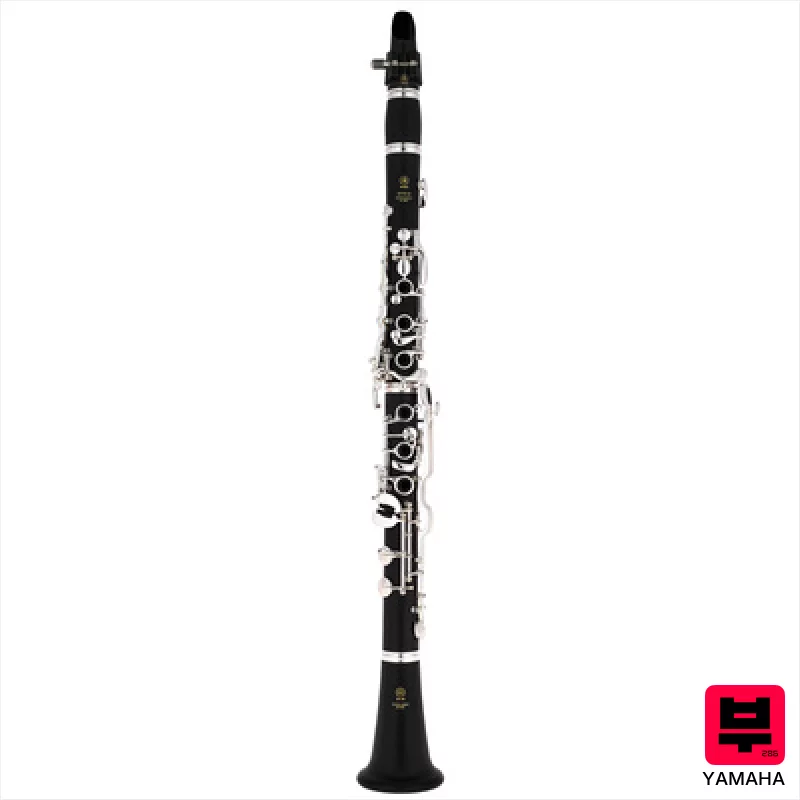
Yamaha YCL-457II-20 Clarinet
- • Grenadilla wood body offers a warm, resonant tone, classic for German clarets
- • Mechanically solid; the elevated flat plateau improves thumb reach and ergonomics
- • Well-executed keywork provides reliable action and a comfortable feel
- • BG ligature and M3D mouthpiece provide a good starting point for sound exploration
- • Grenadilla can be susceptible to cracking with significant humidity fluctuations
- • The included mouthpiece is decent, but a serious player will likely upgrade
- • While versatile, the German system isn't ideal for all contemporary playing styles
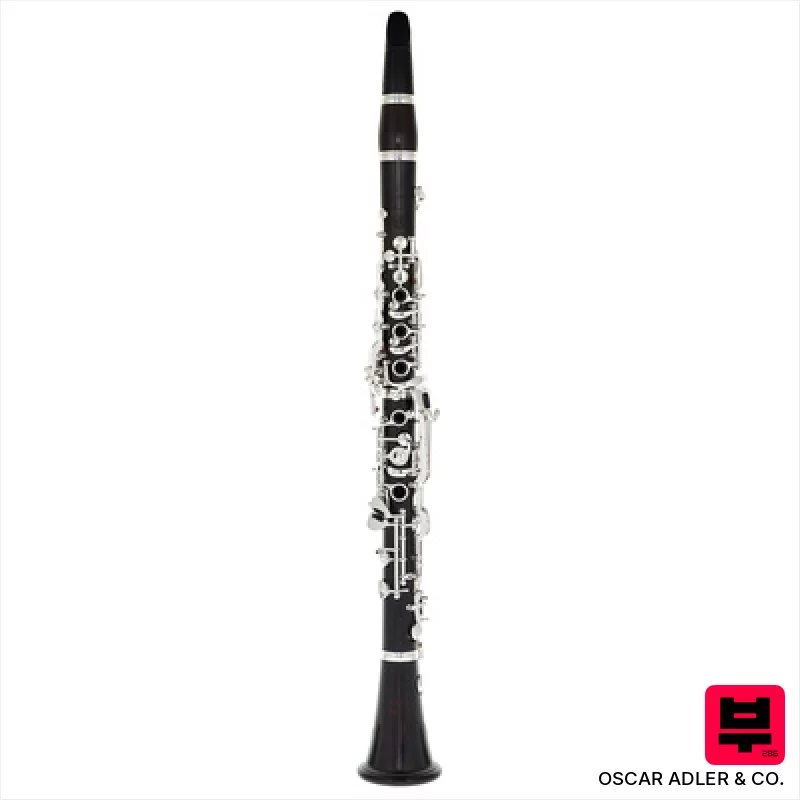
Oscar Adler & Co. S 25 B Bb-Clarinet
- • Exceptional grenadilla wood tone – remarkably warm and centered.
- • Oehler system delivers consistent intonation and response across registers.
- • Rhodium plating ensures key longevity and a smooth, quiet action.
- • Comprehensive keywork offers advanced technical capabilities for demanding players.
- • Premium-priced, representing a significant investment for many musicians.
- • The natural grenadilla body can be susceptible to humidity changes.
- • The complex keywork demands a period of adjustment and practice.

Oscar Adler & Co. 320 Bb-Clarinet
- • Grenadilla wood body offers warm, resonant tone with excellent projection
- • German system keywork provides reliable action and comfortable ergonomics
- • Forked mechanisms improve intonation and response in the upper register
- • Two barrels allow for subtle tuning adjustments to match varied performance environments
- • Silver plating can require more frequent polishing to maintain appearance
- • ESM mouthpiece is adequate but likely a first upgrade for serious players
- • The weight, typical of grenadilla instruments, might be tiring for younger players
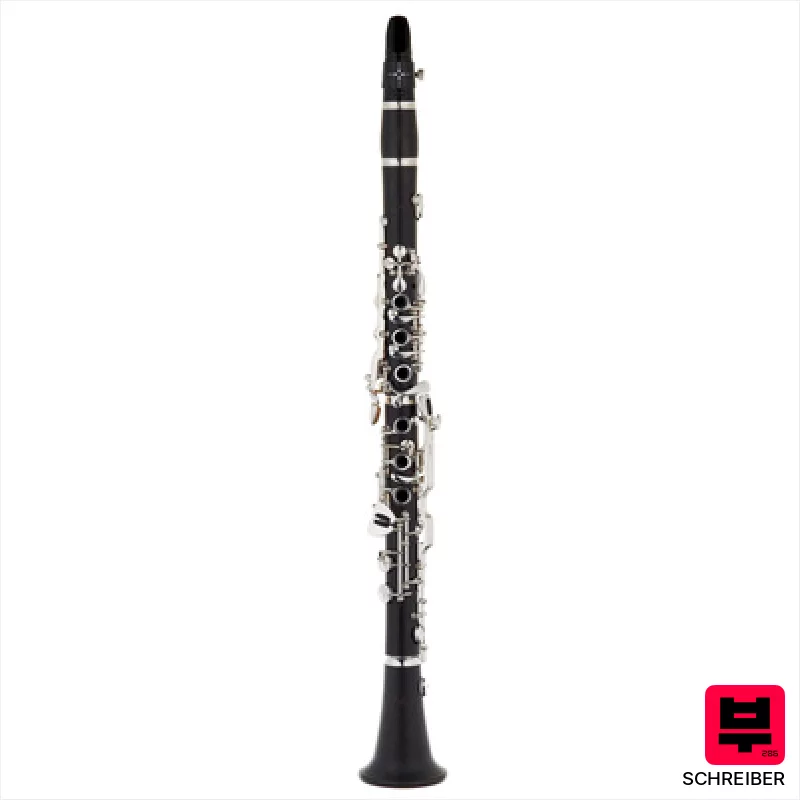
Schreiber D-45 Virtuoso Bb-Clarinet
- • Grenadilla wood construction delivers a warm, focused, and resonant tone.
- • Advanced tone hole configuration improves intonation and responsiveness across the range.
- • Solid nickel silver keywork with silver plating ensures durability and a smooth action.
- • The optimized bore and bell design contribute to a powerful and projecting sound.
- • The grenadilla wood, while beautiful, requires diligent care to prevent cracking.
- • Being a German system clarinet, it may not be ideal for players accustomed to the American system.
- • The premium-priced nature puts it out of reach for many student or intermediate players.
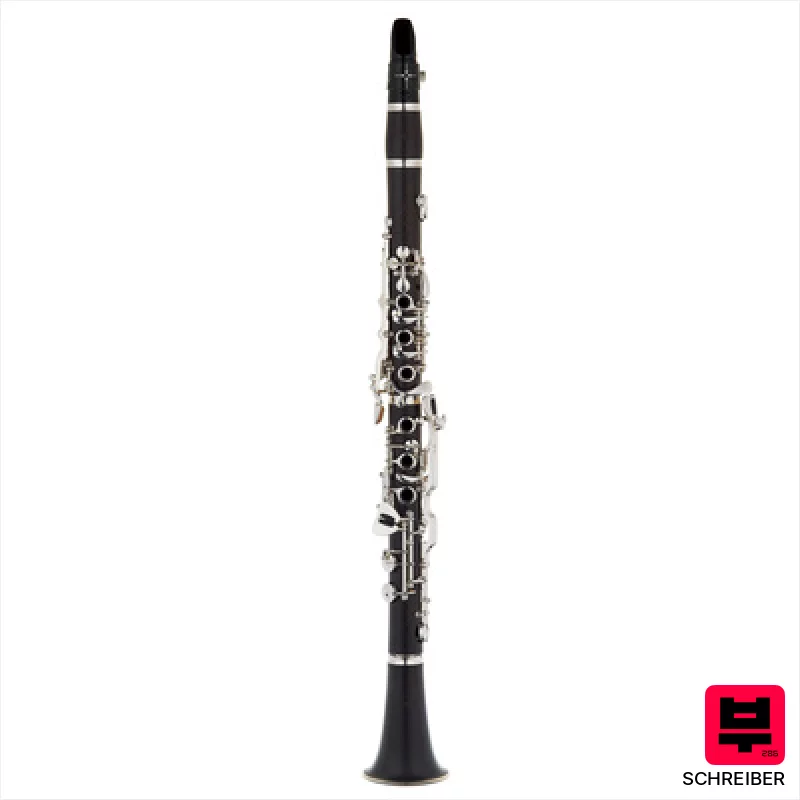
Schreiber D-42 Bb-Clarinet Austria
- • Grenadilla body provides a warm, focused, and rich tonal color.
- • Advanced tone hole design yields improved projection and response across registers.
- • Optimized bore and new bell shape enhance intonation and tonal complexity.
- • Adjustable thumb rest offers enhanced comfort and customizable playing ergonomics.
- • Grenadilla wood requires careful maintenance to prevent cracking and warping.
- • The advanced design might feel complex for less experienced clarinetists.
- • Premium-priced, representing a significant investment for many players.
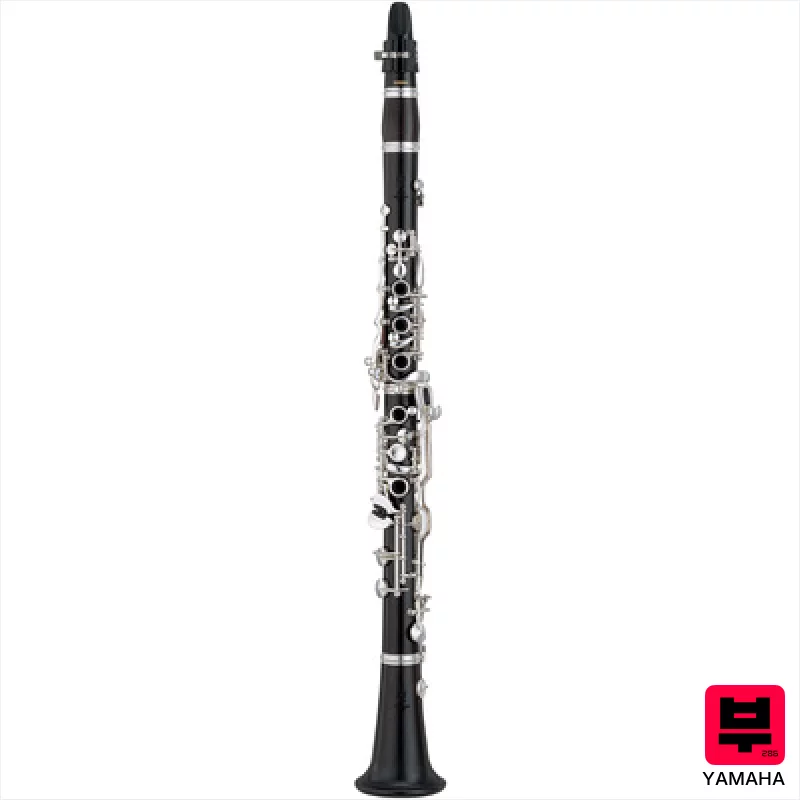
Yamaha YCL-857 II Clarinet
- • Exceptional blackwood resonance delivers a remarkably warm, focused tone.
- • Hand-crafted construction ensures consistent intonation and superb response.
- • Oehler system provides a responsive, effortless feel for advanced players.
- • Dual barrels offer flexibility in tuning and tonal color options.
- • Premium-priced, making it a significant investment for most players.
- • The included mouthpiece, while decent, may not suit every player's preference.
- • The heavier build can be tiring for extended practice or performance.
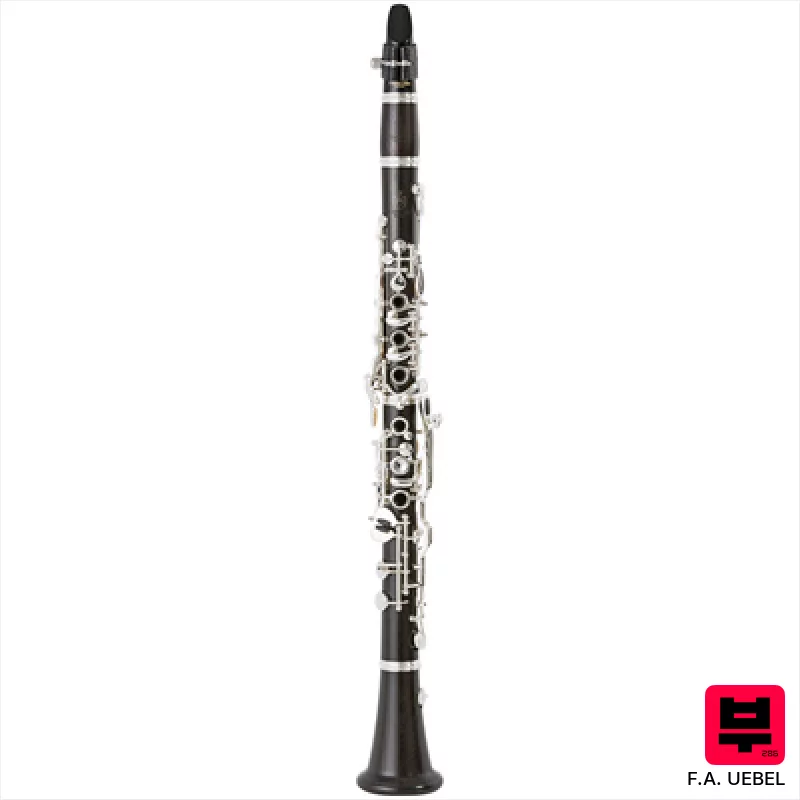
F.A. Uebel 634 Bb-Clarinet
- • Grenadilla wood provides a warm, resonant, and complex tone.
- • Uebel’s Oehler mechanism enhances intonation and response across registers.
- • Forked key systems ensure reliable and consistent action at all dynamic levels.
- • The bell mechanism improves low-register projection and stability.
- • The ESM mouthpiece, while decent, might be a limiting factor for advanced players.
- • Grenadilla wood can be susceptible to cracking if not properly cared for and acclimated.
- • The price point puts it out of reach for many student or beginner clarinetists.
How to Choose the Best Bb Clarinets (German)
Tone Color
Traditional German clarinets aim for a darker, richer tone. Think less 'sparkling' and more 'focused warmth.' The ideal has a round, full low register and a controlled, slightly darker upper register - avoids that ice-picky harshness you get with some modern horns. It's all about that fat midrange honk that cuts through a brass band.
Bore Profile
The bore is everything. German clarinets generally have a more cylindrical bore than American ones, contributing to the darker, more focused tone. This gives you a more even response across the range and a more consistent timbre. It's what gives it that characteristic sustain.
Keywork & Ergonomics
Older German horns (pre-1970s) can have quirky keywork - it's a trade-off for that tone. Newer models often address this, but be prepared for potentially tight tolerances or a different feel than a modern American horn. Action needs to be smooth and responsive; a sluggish action kills articulation.
Material (Albert/Boehm)
Most traditional German clarinets are Albert system, though Boehm system models exist. Albert keys are positioned differently, affecting fingerings and often contributing to the overall tone. It's a feel thing - try both if you can.
Articulation & Response
You want a clarinet that responds quickly and evenly across the range, allowing for clean articulation and a wide dynamic range. A good traditional clarinet should 'sing' effortlessly, even at lower dynamic levels - crucial for those nuanced passages.
Buying Guide
Don't chase the shiniest horn - look for a clarinet that sounds good, not just looks good. Older instruments often require some work (pad leaks, cracked wood), so factor in a budget for a tech. Paying more generally gets you better wood (African Blackwood is ideal, but can be brittle), better keywork, and a more refined bore, but a well-maintained older horn can often outperform a cheaper modern one. Be wary of overly bright or 'modern' sounding instruments - they're not what you're after.
Our Methodology
We're not relying on spec sheets here. This list comes from years of playing gigs, recording sessions, and just plain messing around with a ton of clarinets. We've done A/B comparisons against each other and against recordings of legendary players, focusing on how they respond in a band setting and in the studio - not just in a vacuum.

