
Best Bb Clarinets (German) for German Orchestras 2026
So, you're looking for a Bb clarinet to slot into a German orchestra? That's a specific beast, and it's not just about blowing a nice note. These orchestras have a tradition, a tonal expectation, and your horn needs to fit - not just be 'okay.' We're talking about blending seamlessly with a rich, dark woodwind section, not fighting for airspace. Let's break down what to look for in a German-system Bb clarinet that'll earn you a place in the ranks.
Last updated: July 22, 2026 • Next update: July 29, 2026
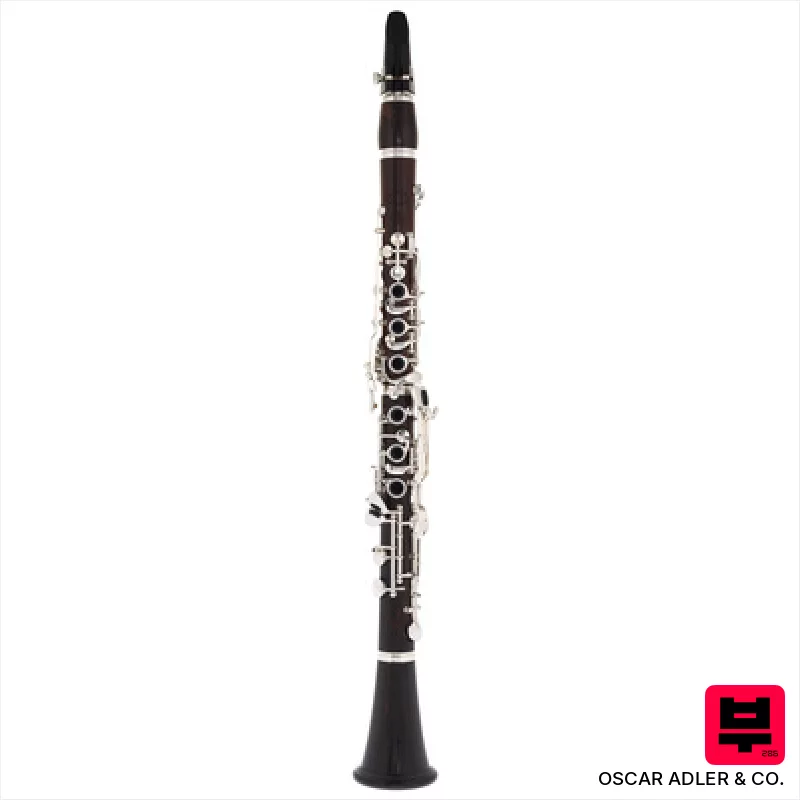
Oscar Adler & Co. 322 Bb-Clarinet
- • Grenadilla body offers a warm, focused, and resonant tone.
- • Silver-plated keys provide smooth action and a bright aesthetic.
- • Duodecim connection enhances intonation stability and response.
- • Includes two barrels for easy adjustment to humidity and playing conditions.
- • The ESM mouthpiece is a decent starter but will likely be upgraded soon.
- • Natural wood can be susceptible to cracking with improper care and climate changes.
- • While well-built, it lacks the absolute refinement of top-tier brands.
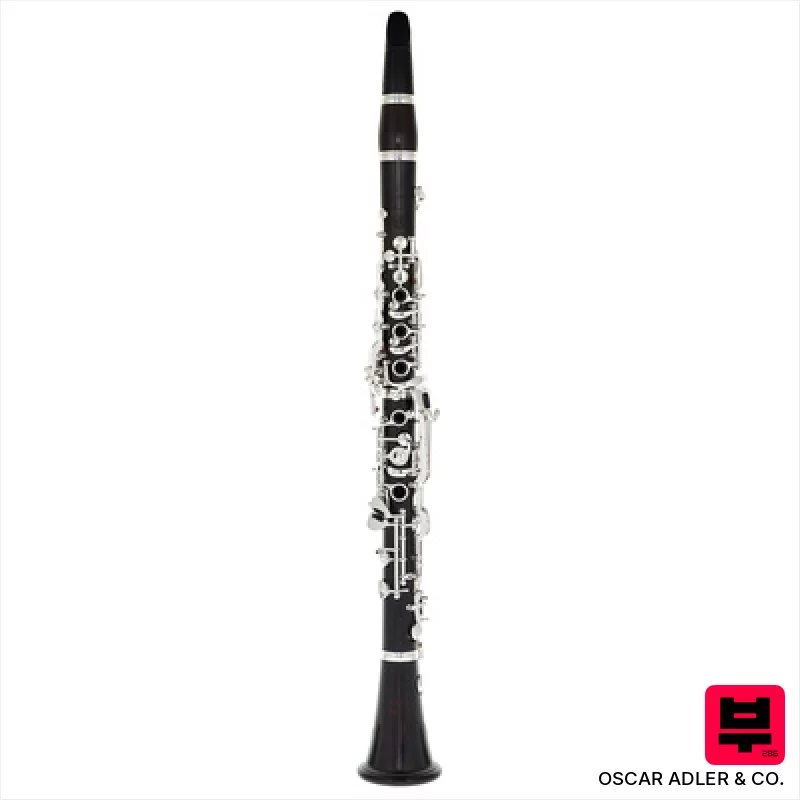
Oscar Adler & Co. S 25 B Bb-Clarinet
- • Exceptional grenadilla wood tone – remarkably warm and centered.
- • Oehler system delivers consistent intonation and response across registers.
- • Rhodium plating ensures key longevity and a smooth, quiet action.
- • Comprehensive keywork offers advanced technical capabilities for demanding players.
- • Premium-priced, representing a significant investment for many musicians.
- • The natural grenadilla body can be susceptible to humidity changes.
- • The complex keywork demands a period of adjustment and practice.

F.A. Uebel 638 Bb-Clarinet Mopane
- • Mopane wood offers a uniquely warm, complex tonal palette.
- • Uebel’s bell mechanism truly addresses the notoriously tricky e-f# intonation.
- • The Oehler-style finger plate enhances response and control in the lower register.
- • Gold-plated keys provide smooth action and a premium feel.
- • Mopane wood can be less stable than traditional grenadilla, requiring careful humidity control.
- • The price point places it firmly in the professional/advanced student category.
- • The ESM mouthpiece, while decent, might not suit every player's preference.
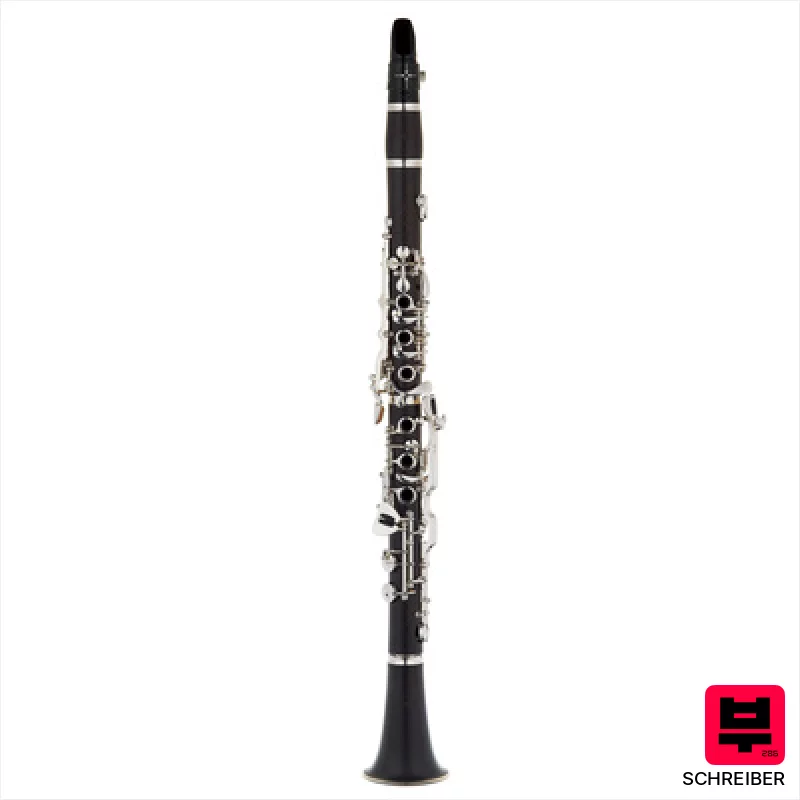
Schreiber D-42 Bb-Clarinet Austria
- • Grenadilla body provides a warm, focused, and rich tonal color.
- • Advanced tone hole design yields improved projection and response across registers.
- • Optimized bore and new bell shape enhance intonation and tonal complexity.
- • Adjustable thumb rest offers enhanced comfort and customizable playing ergonomics.
- • Grenadilla wood requires careful maintenance to prevent cracking and warping.
- • The advanced design might feel complex for less experienced clarinetists.
- • Premium-priced, representing a significant investment for many players.
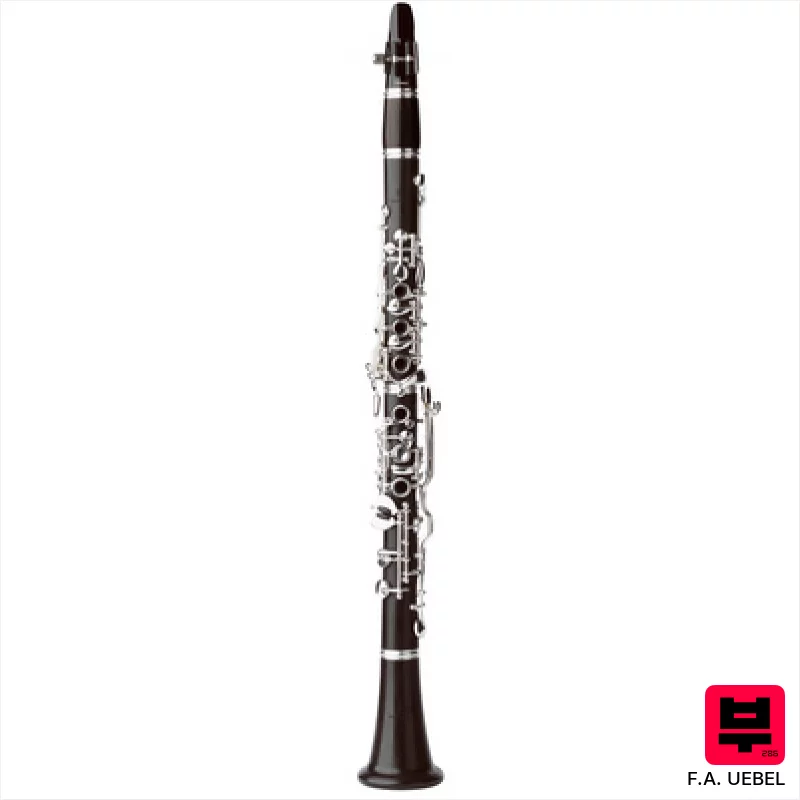
F.A. Uebel 632 Bb-Clarinet
- • Naturally dried blackwood provides a warm, resonant, and complex tone.
- • Oehler mechanism offers exceptional intonation and comfortable fingerings.
- • Silver-plated nickel silver keys ensure smooth action and durability.
- • Monel tubes contribute to a consistent and reliable response across the range.
- • The ESM mouthpiece is adequate but many will want an upgrade for optimal tone.
- • The instrument’s weight can be a factor for younger or smaller players.
- • The price point places it beyond the reach of many student or intermediate players.

Thomann GCL-420 MKII Bb-Clarinet
- • Grenadilla wood body delivers a warm, resonant tone with good projection
- • Silver-plated keys offer smooth action and a bright aesthetic
- • Two barrel options allow for subtle tuning adjustments and tonal flexibility
- • Comprehensive accessory package provides immediate playability and care tools
- • ESM mouthpiece is basic, a serious upgrade is recommended for advanced players
- • German fingering might require adjustment for those accustomed to Boehm systems
- • Grenadilla wood, while beautiful, is susceptible to humidity changes and requires care
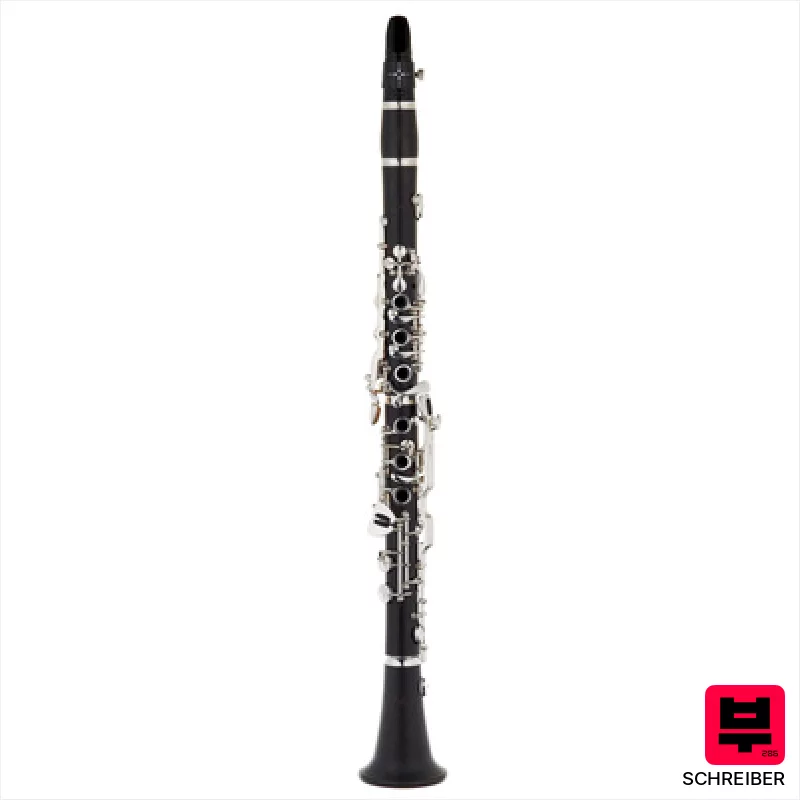
Schreiber D-45 Virtuoso Bb-Clarinet
- • Grenadilla wood construction delivers a warm, focused, and resonant tone.
- • Advanced tone hole configuration improves intonation and responsiveness across the range.
- • Solid nickel silver keywork with silver plating ensures durability and a smooth action.
- • The optimized bore and bell design contribute to a powerful and projecting sound.
- • The grenadilla wood, while beautiful, requires diligent care to prevent cracking.
- • Being a German system clarinet, it may not be ideal for players accustomed to the American system.
- • The premium-priced nature puts it out of reach for many student or intermediate players.

Schreiber D-27 Bb-Clarinet Austria
- • Grenadilla body provides a warm, complex tonal palette.
- • Advanced tone hole design enhances projection and intonation.
- • Optimized bore and bell shape offer a responsive, free-blowing feel.
- • German fingering system ensures familiar ergonomics for experienced players.
- • Grenadilla wood can be susceptible to humidity changes, requiring careful maintenance.
- • Premium-priced, representing a significant investment for student musicians.
- • The new bell shape might feel slightly less robust than older models.
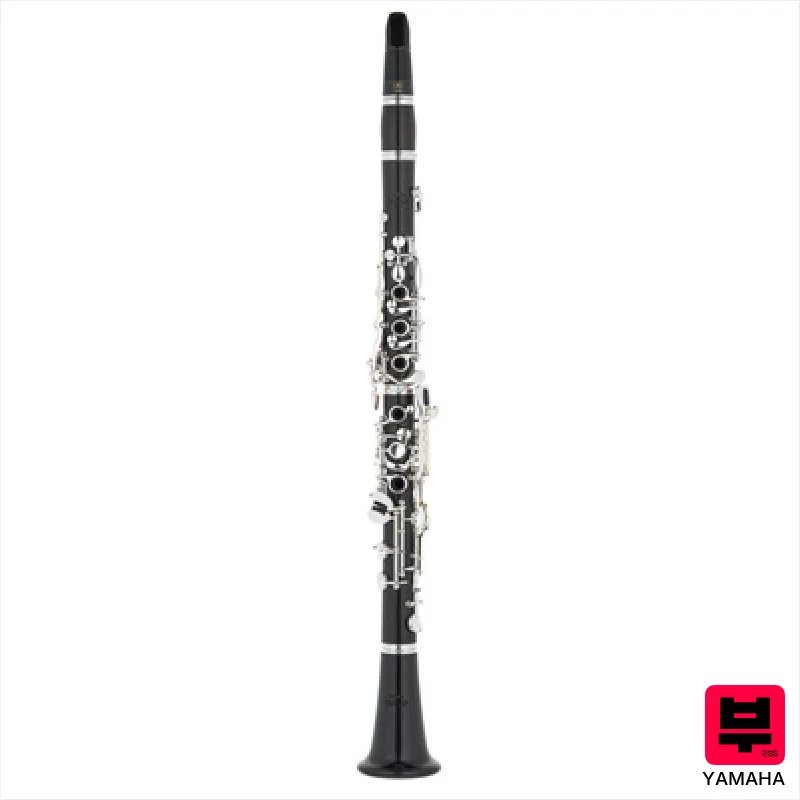
Yamaha YCL-657-24 II Clarinet
- • Grenadilla wood body delivers a warm, complex, and resonant tone.
- • Oehler system enhances projection and offers a more controlled response.
- • 24 keys and 5 tone holes provide exceptional technical agility and range.
- • Yamaha’s build quality ensures consistent intonation and remarkable durability.
- • The Oehler system has a steeper learning curve for traditional fingering players.
- • Grenadilla wood requires careful maintenance to prevent cracking and warping.
- • Premium-priced, making it a significant investment for advancing players.

Oscar Adler & Co. 320 Bb-Clarinet
- • Grenadilla wood body offers warm, resonant tone with excellent projection
- • German system keywork provides reliable action and comfortable ergonomics
- • Forked mechanisms improve intonation and response in the upper register
- • Two barrels allow for subtle tuning adjustments to match varied performance environments
- • Silver plating can require more frequent polishing to maintain appearance
- • ESM mouthpiece is adequate but likely a first upgrade for serious players
- • The weight, typical of grenadilla instruments, might be tiring for younger players
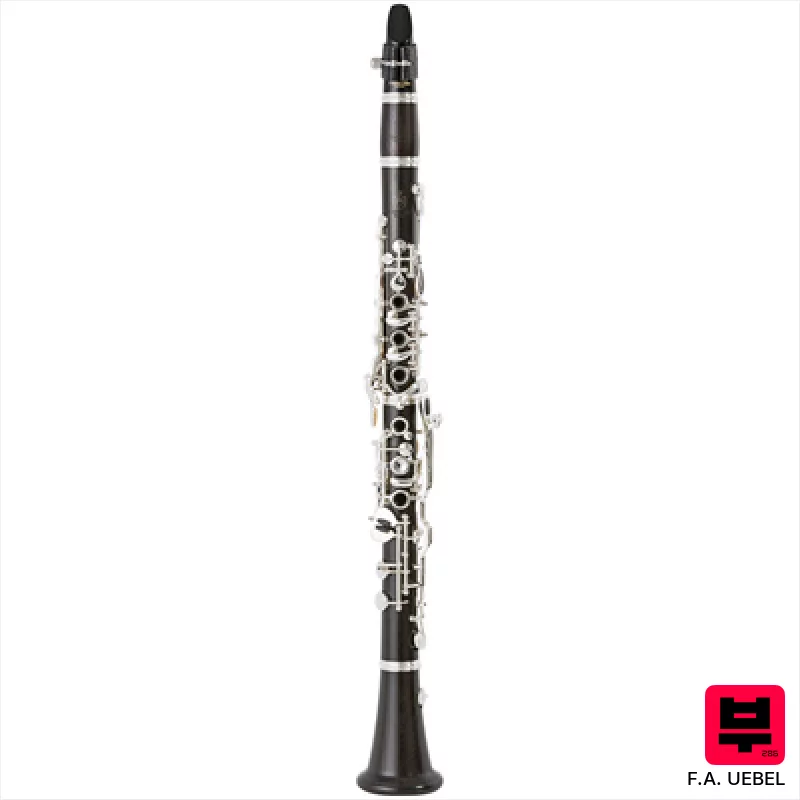
F.A. Uebel 634 Bb-Clarinet
- • Grenadilla wood provides a warm, resonant, and complex tone.
- • Uebel’s Oehler mechanism enhances intonation and response across registers.
- • Forked key systems ensure reliable and consistent action at all dynamic levels.
- • The bell mechanism improves low-register projection and stability.
- • The ESM mouthpiece, while decent, might be a limiting factor for advanced players.
- • Grenadilla wood can be susceptible to cracking if not properly cared for and acclimated.
- • The price point puts it out of reach for many student or beginner clarinetists.

Schreiber D-13 Bb-Clarinet
- • Grenadilla wood provides a warm, focused, and resonant tone.
- • Optimized bore and key placement enhance response and intonation.
- • German craftsmanship ensures exceptional build quality and durability.
- • Silver-plated keywork offers smooth action and a professional feel.
- • The smaller hand design may limit appeal for players with larger hands.
- • Premium-priced, representing a significant investment for student musicians.
- • The included mouthpiece is likely a basic model, needing an upgrade for advanced players.
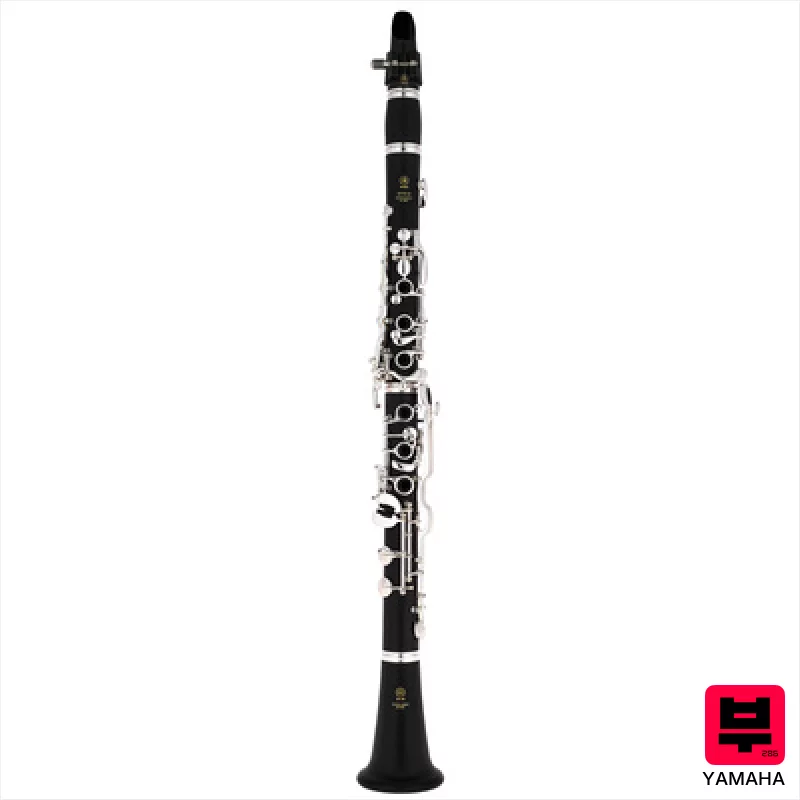
Yamaha YCL-457II-20 Clarinet
- • Grenadilla wood body offers a warm, resonant tone, classic for German clarets
- • Mechanically solid; the elevated flat plateau improves thumb reach and ergonomics
- • Well-executed keywork provides reliable action and a comfortable feel
- • BG ligature and M3D mouthpiece provide a good starting point for sound exploration
- • Grenadilla can be susceptible to cracking with significant humidity fluctuations
- • The included mouthpiece is decent, but a serious player will likely upgrade
- • While versatile, the German system isn't ideal for all contemporary playing styles
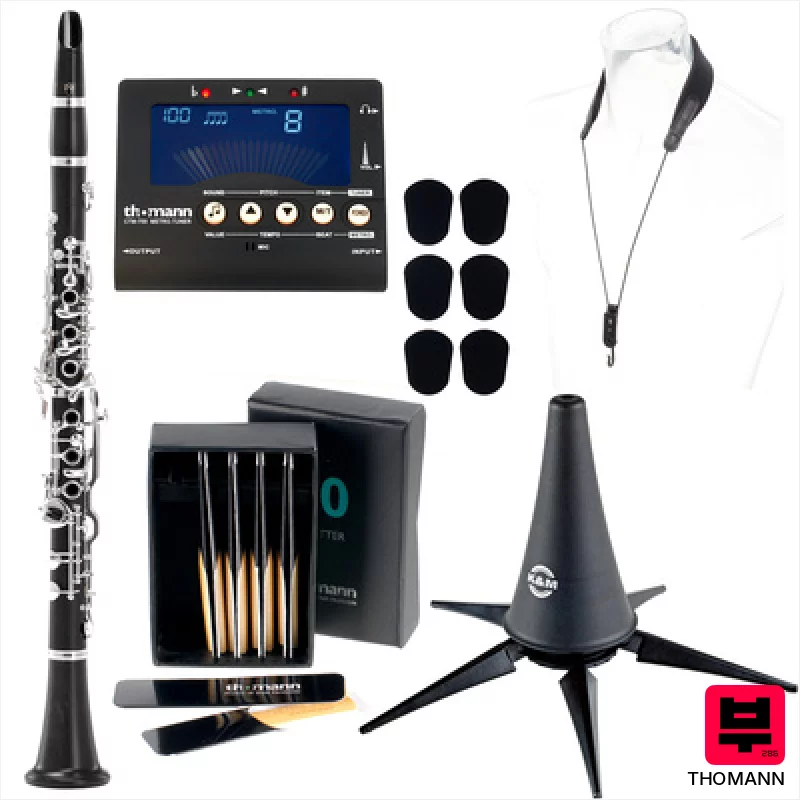
Thomann GCL-422 MKII Bb-Clarinet Set
- • Solid grenadilla wood construction offers a warm, resonant tone.
- • Silver-plated keys provide a smooth, responsive action.
- • Two barrel options allow for fine-tuning intonation and timbre.
- • Comprehensive accessory bundle provides immediate playability and care.
- • The included ESM mouthpiece is serviceable, but an upgrade is recommended for serious players.
- • The case, while luxurious, can be bulky and less practical for frequent travel.
- • German fingering system may require adjustment for players accustomed to Boehm systems.
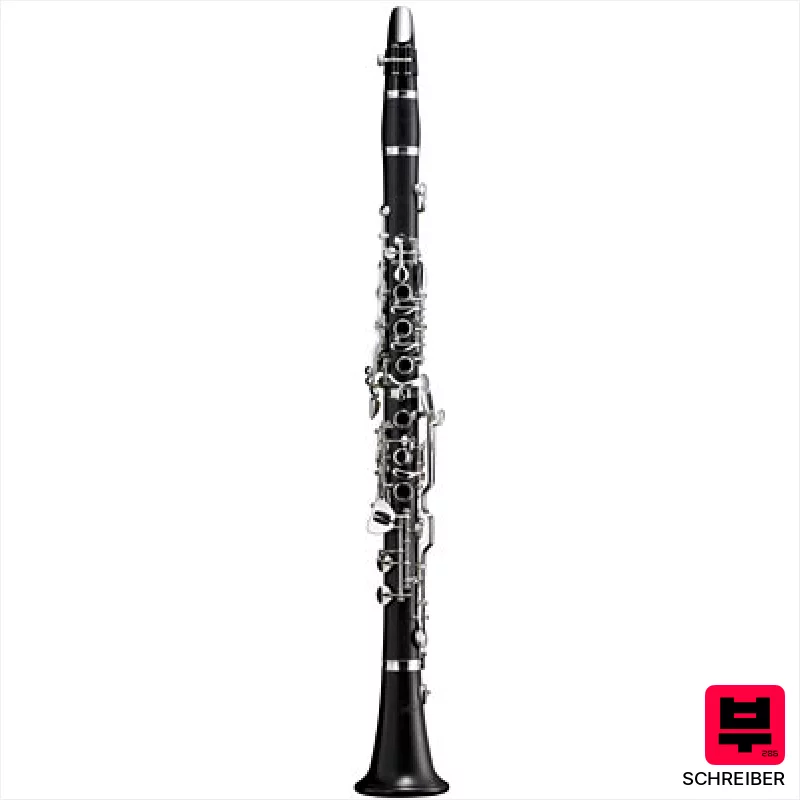
Schreiber D-56 Bb-Clarinet
- • Full Oehler system provides exceptional responsiveness and intonation across registers.
- • Blackwood body delivers a rich, dark tonal color with excellent projection.
- • Refined tone hole design and optimized bore contribute to a remarkably even scale.
- • Silver-plated keys offer smooth action and a bright, articulate feel.
- • The advanced design and premium materials result in a high-end price point.
- • The increased complexity of the Oehler system may require more maintenance.
- • The heavier construction, typical of German-system clarinets, can be fatiguing for some players.
How to Choose the Best Bb Clarinets (German)
Tonal Color
German orchestras prioritize a dark, warm, and focused sound - think 'velvet' rather than 'sparkling.' It needs to blend with the bassoons and other woodwinds, providing a solid foundation without being overly bright or aggressive. Too much top-end sizzle will stick out like a sore thumb.
Resistance/Response
A slightly heavier resistance is common in German clarinets. It encourages a controlled, deliberate articulation - important for the precision demanded in orchestral playing. Too free-blowing and you'll lose that characteristic control and projection.
Keywork Ergonomics
German-system keys are often laid out differently than American systems. Comfortable, well-placed keys are essential for navigating complex passages quickly and accurately, especially during demanding repertoire. Look for a comfortable neck profile - it makes a huge difference during long rehearsals.
Intonation
Stability is non-negotiable. Orchestral playing demands consistent intonation across the entire range, particularly in exposed passages. A poorly intonated horn will be a constant source of frustration and a liability in a section.
Roller/Articulation
The presence of a roller is almost a given. Smooth, responsive articulation is crucial for executing trills, turns, and other ornamentation with clarity and precision. The horn should allow for a wide dynamic range without sacrificing articulation.
Buying Guide
Don't be swayed by flashy aesthetics or marketing hype. A well-made German Bb clarinet isn't cheap, but the investment is worthwhile for the tonal qualities and playability. Lower-end models often use softer wood, which can lead to cracking and inconsistent response. Pay close attention to the intonation - a good tech can adjust it, but a horn that's fundamentally out can be a headache. Finally, try before you buy if possible - a horn that feels great in one player's hands might not suit another.
Our Methodology
We've spent a lot of hours with these horns - playing them in simulated orchestral settings, A/B'ing them against each other, and even tracking them in studio environments. We're not just looking at spec sheets; we're listening for that characteristic German clarinet tone, the response to subtle dynamic shifts, and how well they cut through a full orchestra without sounding shrill. It's about real-world performance, not marketing buzzwords.

