
Best Battery Operated Amplifiers Under $300 2026
Alright, so you need a battery-powered amp? Maybe you're a bedroom player, a busker, or just want something to jam with when the power's out. Finding a decent one under $300 is tricky, but not impossible. We've been there - lugging around cheap amps that sound like a strangled cat - so let's find something that won't make you want to chuck it in the nearest dumpster.
Last updated: September 28, 2026
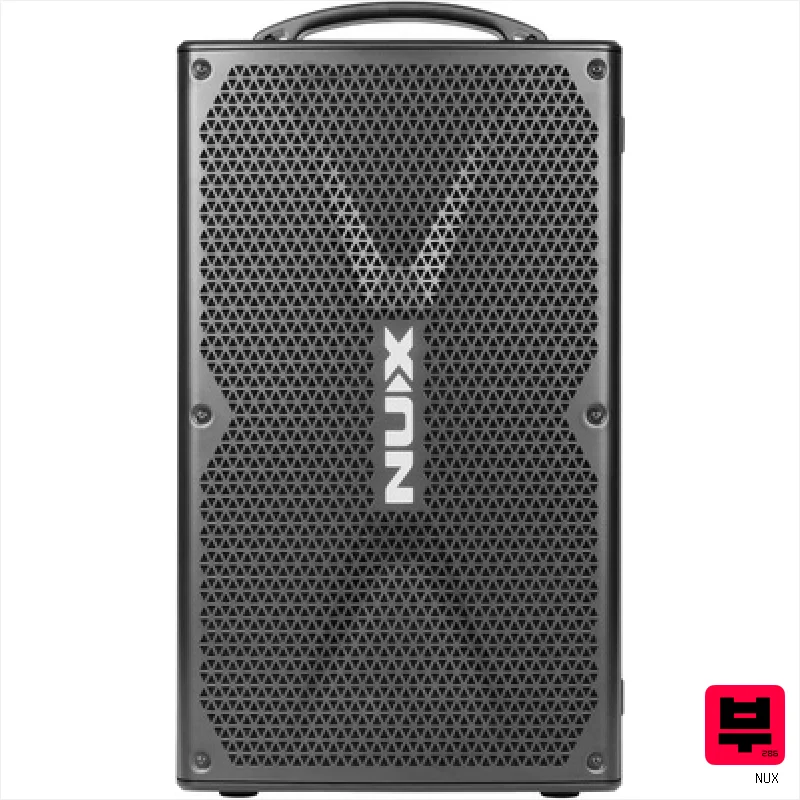
Nux Busking 200FR
- • Delivers full-range sound with dedicated 8-inch woofer and tweeter
- • Provides two separate input channels for layered guitar tones
- • Includes built-in battery for long outdoor performance sessions
- • Supports mobile streaming and internal recording capabilities
- • Weight of 9.4 kg is heavy for carrying on stage
- • Battery life of 6 hours is limited for all-day gigs
- • No specific wattage rating for battery-only operation stated
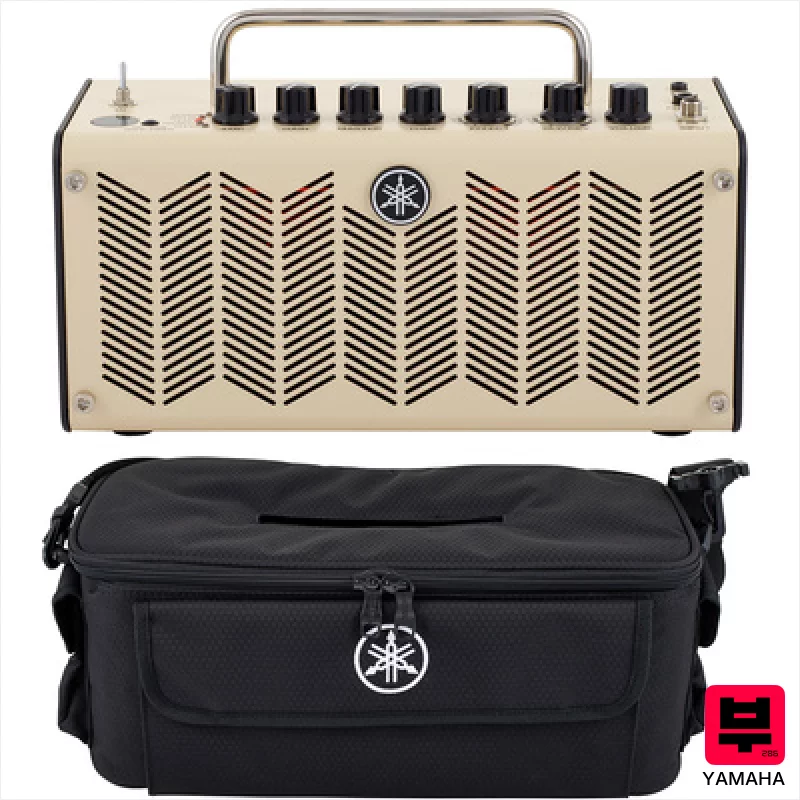
Yamaha THR5 V2 Bundle
- • Excellent amp models, surprisingly full for its size
- • Soft case provides genuine portability and protection
- • Cubase AI inclusion adds significant value for beginners
- • Battery operation offers impressive freedom and convenience
- • 8cm speakers lack serious low-end extension at higher volumes
- • Limited EQ control restricts tonal shaping possibilities
- • USB interface functionality is basic, not a full pro studio solution

Yamaha THR5A
- • Excellent acoustic amp simulations, surprisingly warm and full for its size
- • Battery operation offers true portability for practice and small gigs
- • Compact design and lightweight build make it exceptionally travel-friendly
- • THR Editor software expands functionality and allows for custom tone shaping
- • 8cm speakers lack deep bass response, especially noticeable with electric guitars
- • Limited amp models compared to higher-end modeling amps
- • The tone knob's range is somewhat narrow, restricting tonal flexibility
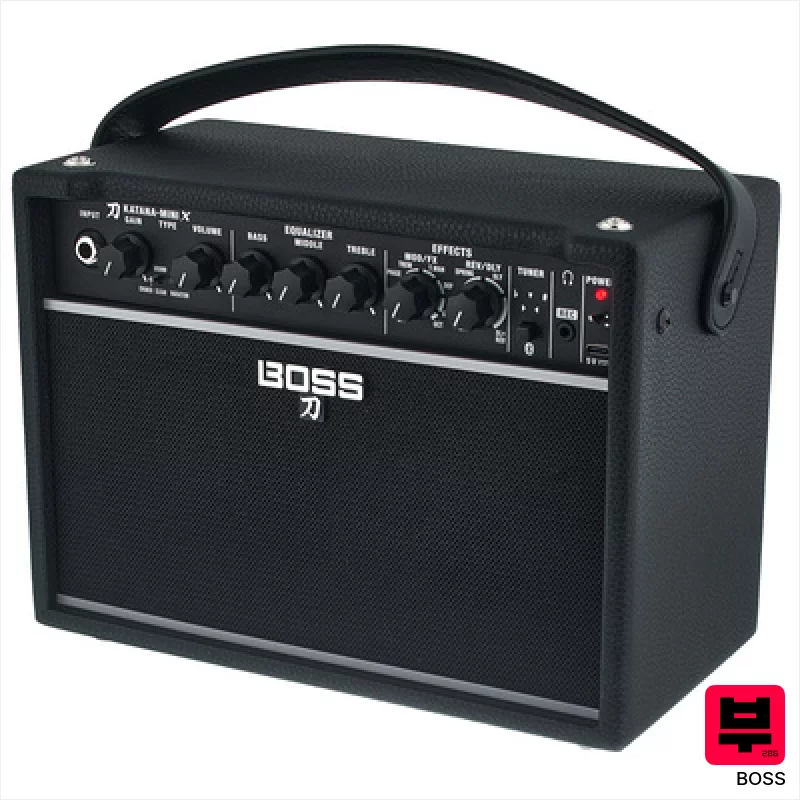
Boss Katana Mini X
- • Surprisingly full sound for its size, thanks to Boss's modeling tech.
- • Excellent battery life; 10 hours is genuinely usable.
- • Built-in tuner is convenient and accurate for quick practice.
- • Resonant wooden enclosure adds warmth and reduces unwanted vibrations.
- • 5-inch speaker limits low-end extension and maximum volume.
- • Limited channel flexibility; lacks a dedicated lead channel.
- • Effects, while numerous, are somewhat basic and lack depth.
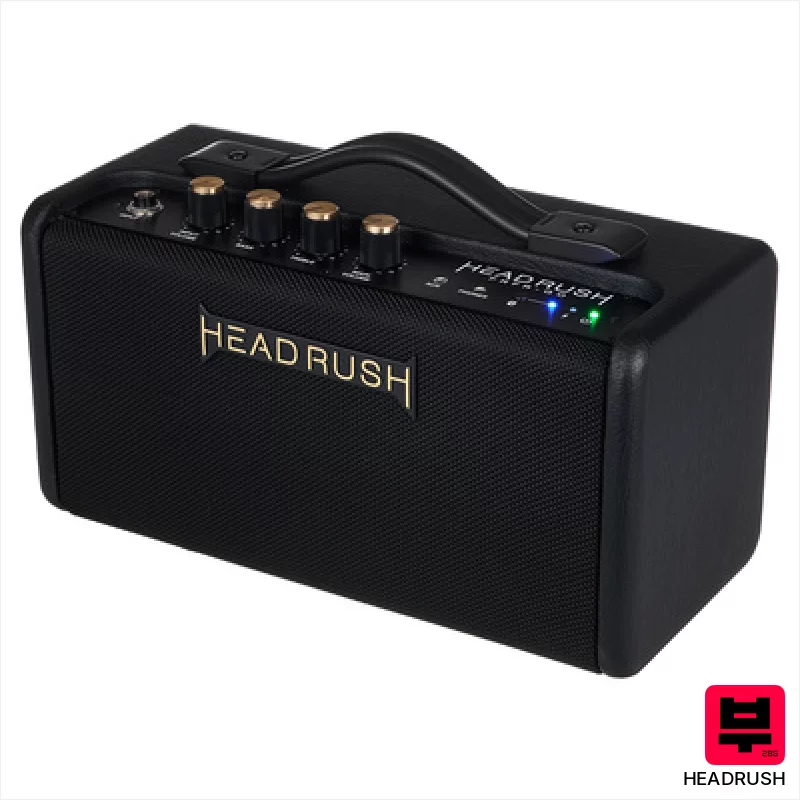
Headrush FRFR GO
- • Excellent FRFR response for amp modeler accuracy.
- • Surprisingly powerful for its size – 30W delivers decent volume.
- • Built-in battery offers genuine portability for practice and small gigs.
- • Compact design and handle make it genuinely easy to transport.
- • 3” speakers limit low-end extension; bass frequencies will be noticeably thin.
- • EQ controls are basic; lacks tonal shaping versatility.
- • Limited connectivity beyond line-level input and aux; no mic input.

Nux Mighty 8BT MKII
- • Excellent value for a portable modeling amp with IR support.
- • TSAC-HD amp modeling surprisingly captures nuances of classic amps.
- • Built-in drum machine is genuinely useful for practice and casual jamming.
- • Compact size and battery power offer impressive portability and convenience.
- • 6.5” FRFR speaker lacks the low-end thump of larger, dedicated speakers.
- • Preset switching feels a bit clunky; not ideal for live performance transitions.
- • Limited physical controls can make tweaking on-the-fly less intuitive.
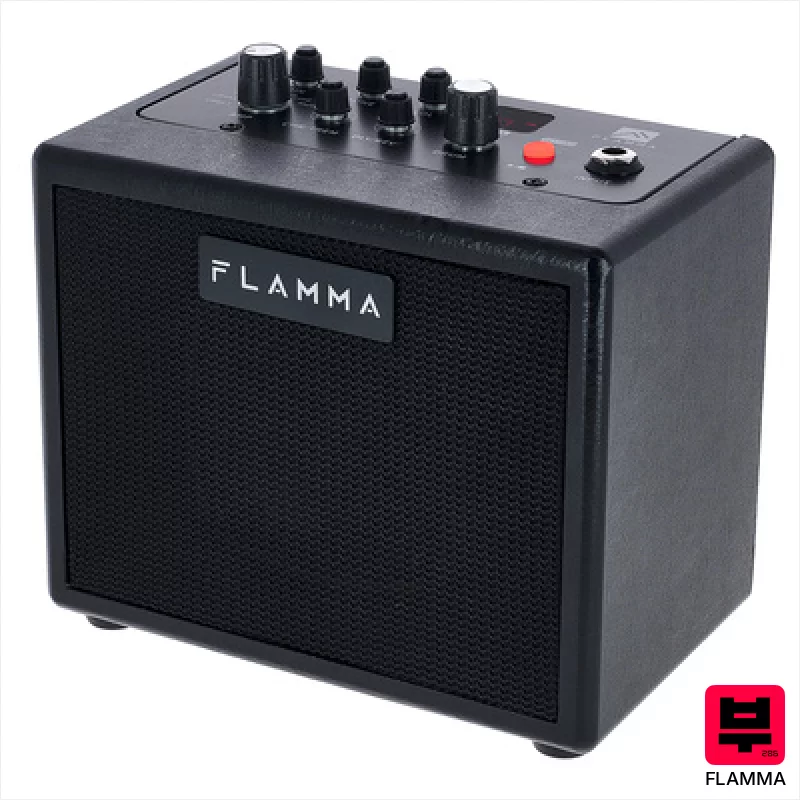
Flamma FA05 Electric Guitar Combo
- • Surprisingly decent amp models for the price point.
- • Bluetooth connectivity adds useful practice versatility.
- • Compact size and battery power enable true portability.
- • Built-in drum machine is a fun, simple jam tool.
- • 3-watt output is severely limiting for anything beyond quiet practice.
- • 3” speaker lacks bass response; sounds thin at higher volumes.
- • Plastic enclosure feels cheap and lacks long-term durability.
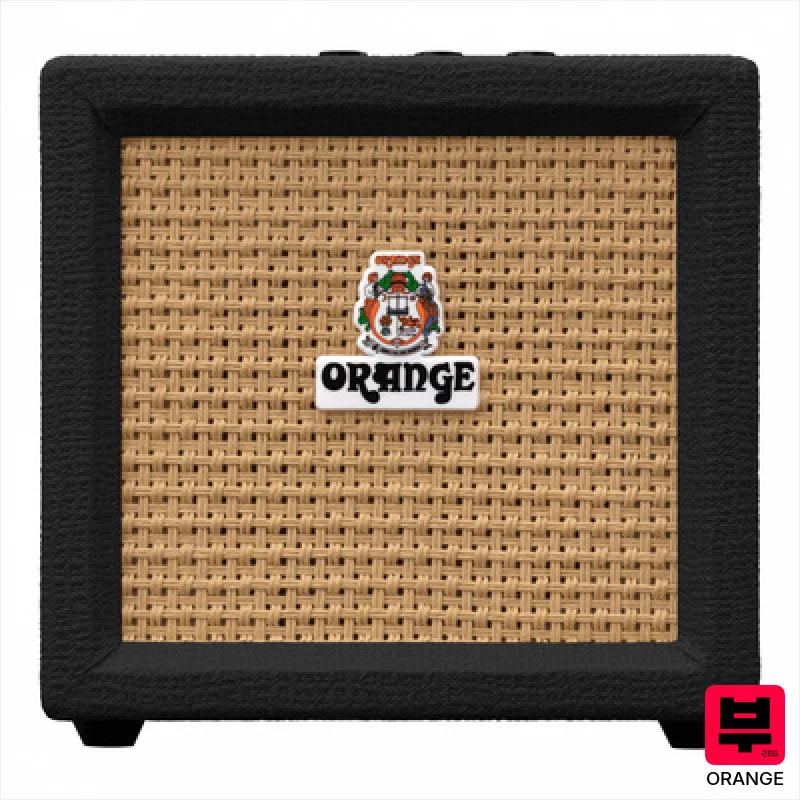
Orange Crush Mini BK
- • Distinct Orange crunch delivers surprisingly powerful, classic British tone
- • Surprisingly robust build quality for its size and price point
- • Integrated tuner is genuinely useful for quick practice and setup
- • Aux input allows easy jamming with backing tracks or music apps
- • 4-inch speaker limits low-end response and overall volume potential
- • Tone control is fairly basic, lacking nuanced shaping options
- • Mains adapter is not included, adding to the initial investment

Orange Crush Mini
- • Iconic Orange tone in a surprisingly compact package
- • Built-in tuner is genuinely useful for quick practice sessions
- • AUX input allows jamming along with backing tracks easily
- • Surprisingly robust construction for its size and price point
- • 3W power is truly limited for gigging or band practice
- • Tone control lacks nuance, offering a fairly basic sound shaping
- • Speaker size restricts low-end response; bass frequencies are noticeably lacking
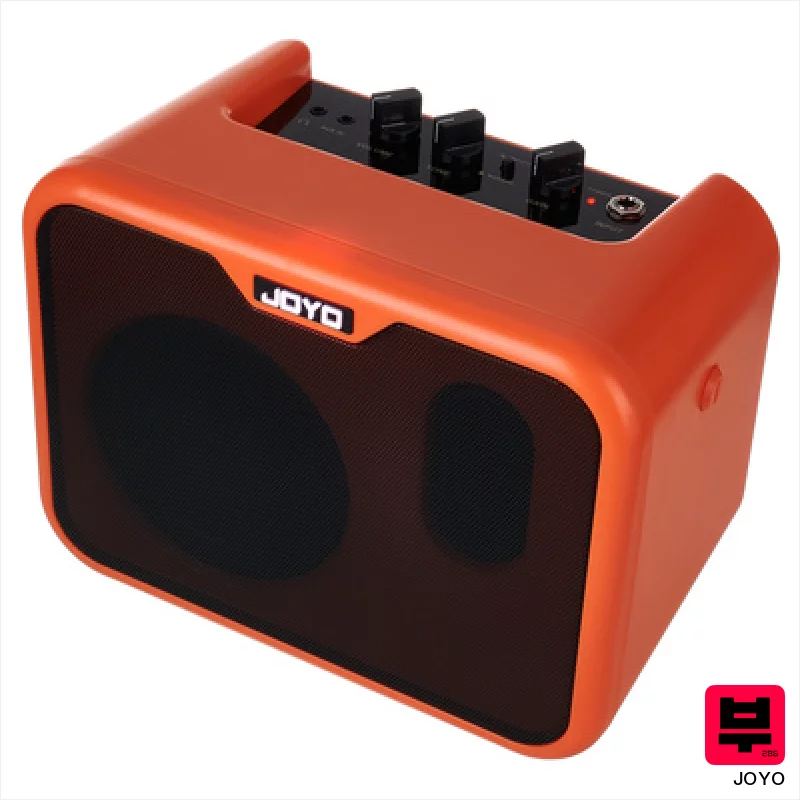
Joyo MA-10A
- • Surprisingly full sound for its size, thanks to the full-range speaker
- • Convenient aux input for practicing with backing tracks
- • Battery operation offers excellent portability for impromptu jams
- • Compact size and lightweight design make it easy to transport
- • Tone controls are basic and lack nuance for serious shaping
- • Build quality feels budget-oriented, mostly plastic construction
- • Limited wattage restricts volume for larger rooms or band practice
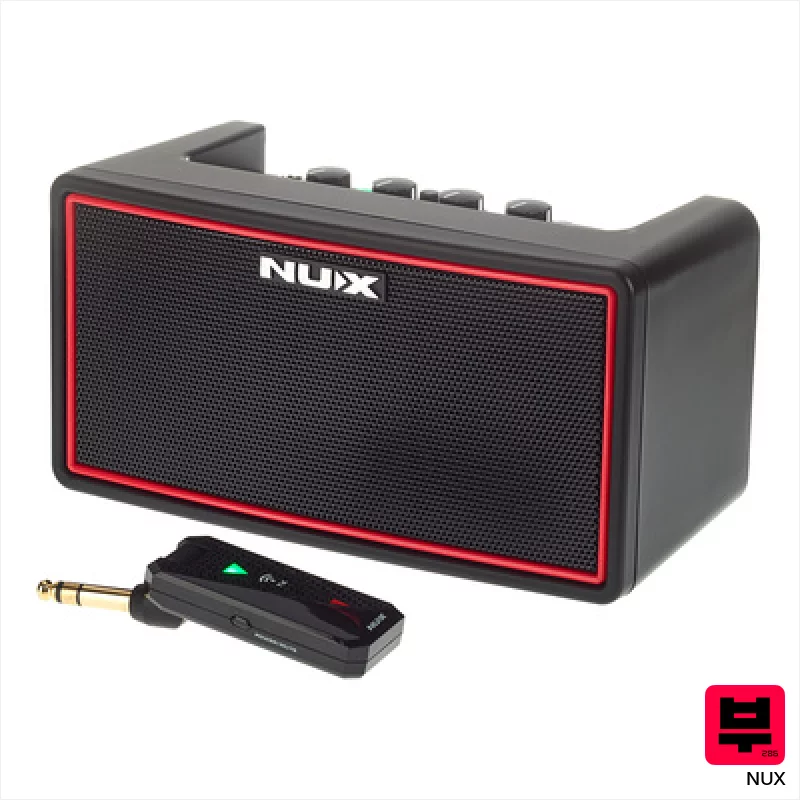
Nux Mighty Air
- • Impressive modelling range covers diverse genres, surprisingly well.
- • Built-in wireless system is a genuine convenience for gigging.
- • Compact size and battery power offer excellent portability.
- • Decent clean channel provides a usable platform for pedals.
- • 2x 2in speakers lack low-end authority at higher volumes.
- • Plastic enclosure feels noticeably budget-conscious; lacks robustness.
- • Drum patterns are more novelty than truly useful practice tools.
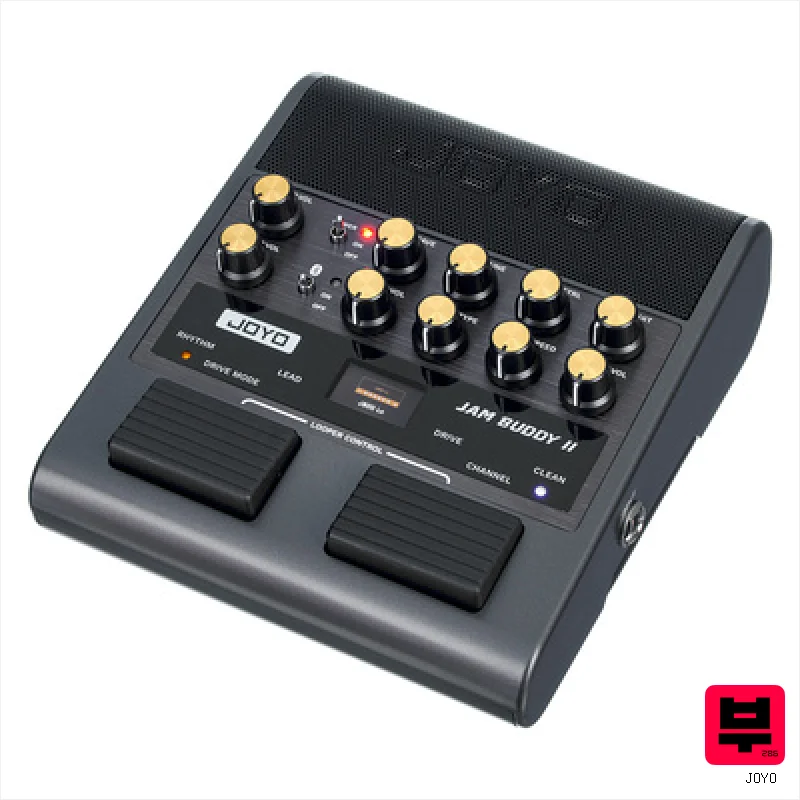
Joyo Jam Buddy II Black
- • Runs on a built-in lithium battery for long practice sessions
- • Includes a looper and drum machine for creative recording
- • Has Bluetooth and USB-C for easy streaming and recording
- • Features three channels with separate amp and effect models
- • Only two small speakers limit loudness for large rooms
- • Battery life of five hours is short for touring gigs
- • Lacks a dedicated headphone output for quiet practice
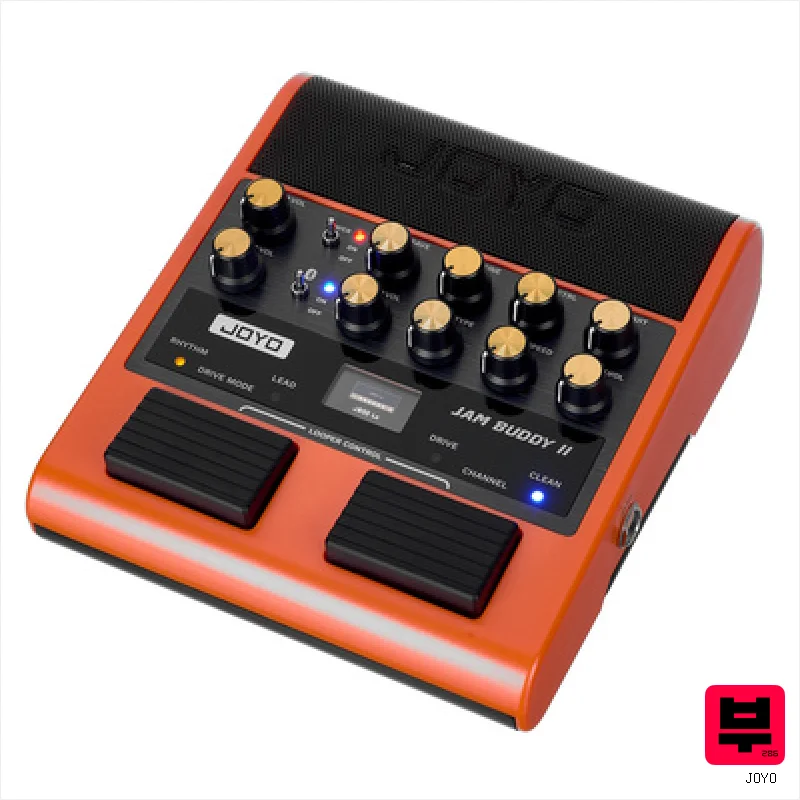
Joyo Jam Buddy II Orange
- • Three amp channels plus seven built-in effects for quick sound changes
- • Built-in looper and drum machine help players create full songs alone
- • Compact size and lithium battery make it easy to carry anywhere
- • Bluetooth and USB-C let you stream music or record directly
- • Only 8 watts per speaker limits loudness in large rooms
- • No speaker output power rating is listed in the description
- • Weight is not specified, so you can't judge how heavy it is
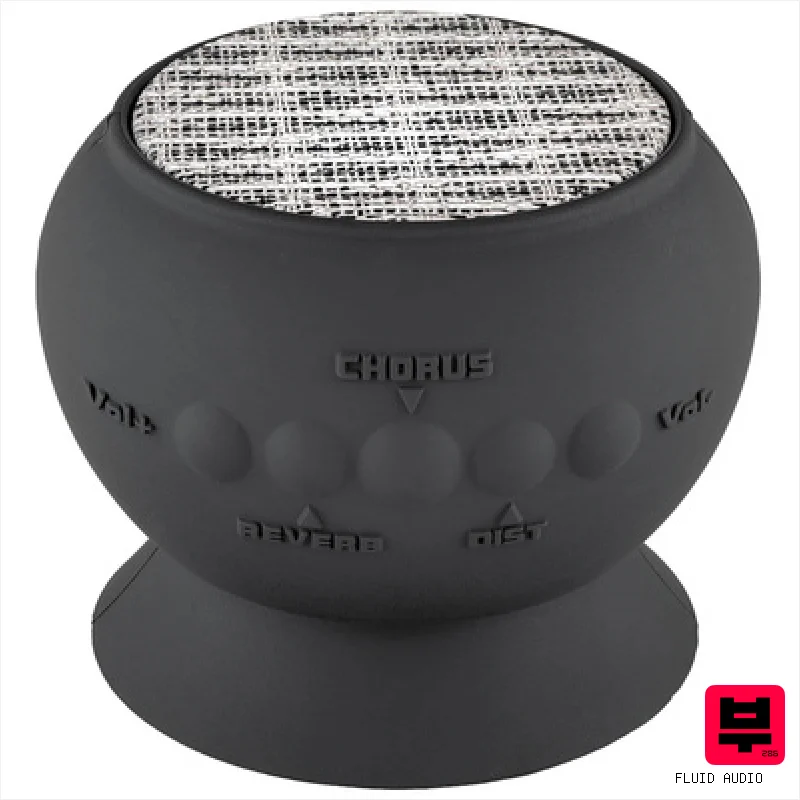
Fluid Audio Strum Buddy Pro
- • Richer sound from the larger 45 mm neodymium speaker.
- • Built-in distortion, chorus, and reverb effects via DSP.
- • Headphone output for silent practice anywhere.
- • Lightweight at just 194 grams for easy carrying.
- • ABS plastic housing feels less durable than metal.
- • Not safe for nitrocellulose lacquer guitar finishes.
- • Only one channel limits stereo mixing options.
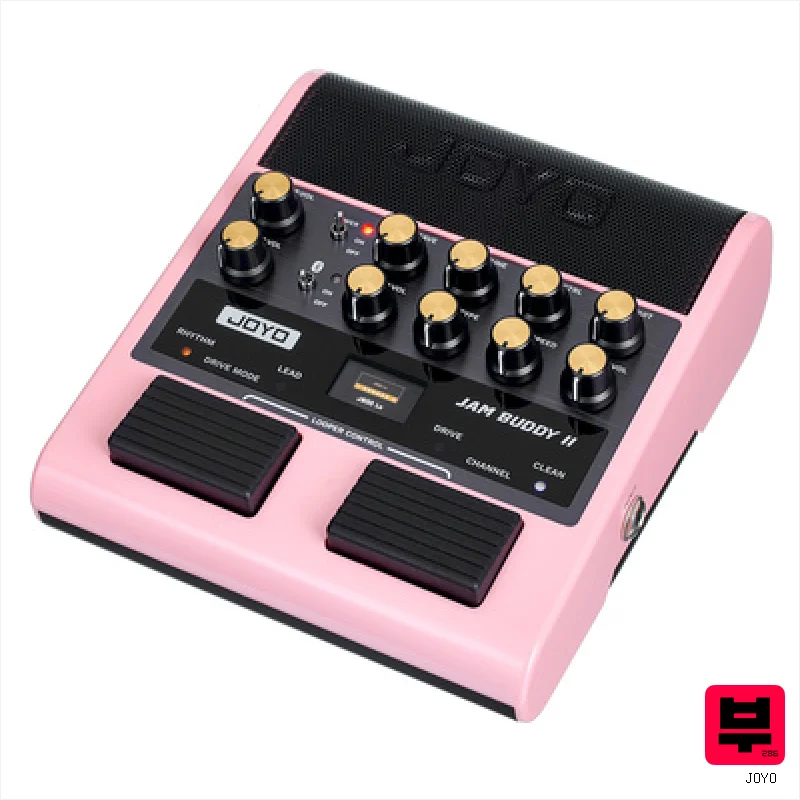
Joyo Jam Buddy II Pink
- • 3-band EQ lets you shape sound precisely
- • Integrated looper captures up to 30 seconds
- • Bluetooth and USB-C for easy recording
- • Storable presets save settings instantly
- • Only 8 watts per speaker limits volume
- • No specific wattage or power rating listed
- • Weight and dimensions not stated in text
Every battery operated amplifiers that matches
17 models match this page. The 15 above are covered in detail; the rest are listed here with their published specifications.
| # | Model | Specifications | Price |
|---|---|---|---|
| 16 | Danelectro N-10 Honeytone Mini Amp BUR | not published | $44 |
| 17 | Mooer GTRS PTNR Bluetooth Amp WH | not published | $44 |
Battery Operated Amplifiers by the numbers
Measured across all 17 models in this category, so «wide», «short» or «expensive» mean something you can check.
How to Choose the Best Battery Operated Amplifiers
Tone
Let's be real, it's the most important. We're looking for something that can at least get you in the ballpark of usable clean and crunchy tones - no brittle highs or muddy lows, please. It's about finding something with a little character, even if it's not pristine.
Battery Life
A '12-hour' battery life claim is often optimistic. We're testing to see how long these things actually last at moderate volumes - because nobody wants to be swapping batteries mid-set.
Portability
Battery power is all about convenience, so weight and size matter. We're considering how easy these amps are to transport and set up in various situations, from a cramped apartment to a sidewalk gig.
Features
Reverb is almost essential these days. Some might offer headphone jacks, aux inputs for backing tracks, or even basic EQ controls. We're weighing the usefulness of these features against the overall price and sound quality.
Build Quality
This is where budget amps often fall down. We're checking for flimsy controls, questionable speaker cones, and overall durability - because a cheap amp that breaks after a few gigs isn't a bargain at all.
Buying Guide
At this price point, you're making trade-offs. Don't expect earth-shattering tone or studio-grade clarity. The speaker will likely be smaller, limiting the low-end thump and overall volume. Look for amps with decent reverb - it'll mask a lot of sins. Focus on something that gives you a usable range of tones and is relatively portable; a little bit of breakup can be your friend when you're dealing with limited headroom.
How This List Is Built
We don't play these instruments — we're a catalog, not a review desk, and we'd rather say so than pretend otherwise. This page covers 17 battery operated amplifiers from the Thomann catalogue, which is the largest single source of specification data in this category: 15 in detail, the rest listed with their specifications.
Position is computed, not curated. We parse the manufacturer's own description into actual values — nut width, scale, fret count, fingerboard radius, size, alloy — and rank on them: how many specifications a model has published, how many of them are measurable numbers, and how precisely it meets this page's criterion. A product image adds a little. Price is not a ranking signal: it tells you nothing about whether a neck fits your hand. The same inputs always produce the same order, so nothing here is shuffled to look fresh.
What this list is good for: narrowing a category down to a shortlist by spec and budget. What it isn't: a substitute for hearing an instrument. Before you buy, read hands-on reviews and, where you can, play it. Full methodology.

