
Best Bass Multi Effects for Recording 2026
Alright, so you're tracking bass - killer. Multi-effects units have come a long way, and they're no longer just for gigging. For recording, they can be an absolute game-changer, letting you dial in sounds you'd need a rack full of pedals and a studio engineer to achieve. But not all multi-effects are created equal, especially when you're chasing that perfect, clean, or gritty bass tone for a track.
Last updated: July 22, 2026 • Next update: July 29, 2026
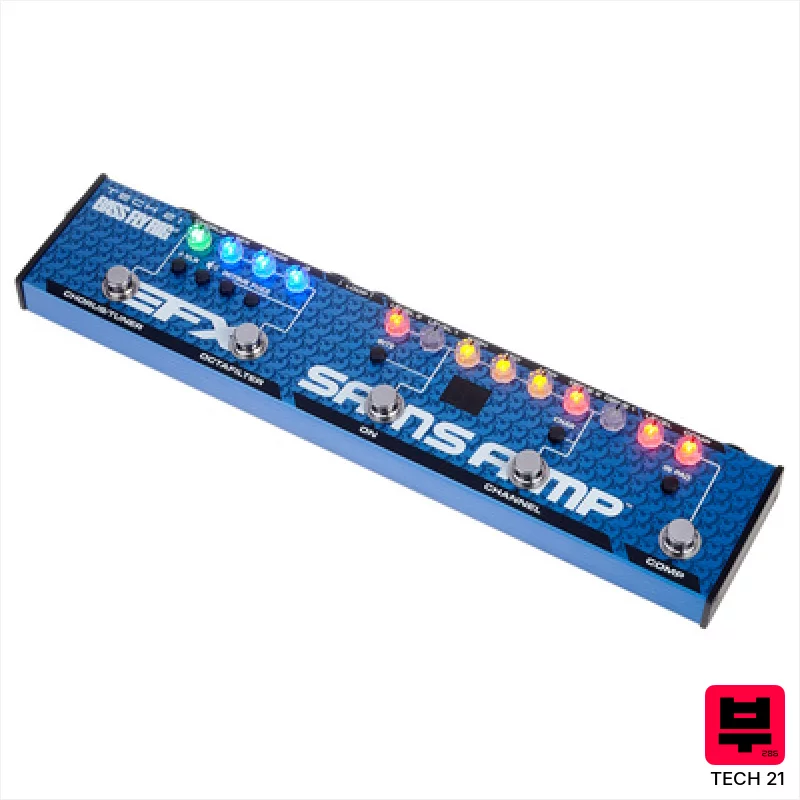
Tech 21 SansAmp Bass Fly Rig V2
- • Robust all-metal housing provides excellent protection during gigging and travel.
- • SansAmp Driver DI mode delivers Tech 21's signature warm, tube-like bass tone.
- • 4.7 MO input handles piezo pickups exceptionally well, avoiding signal loss.
- • Comprehensive effects suite, from fuzz to chorus, covers a wide sonic range.
- • Limited preset storage restricts experimentation and complex signal chains.
- • The included power supply, while functional, feels a bit cheap for the price.
- • Physical size (318mm wide) might be restrictive in smaller pedalboard setups.
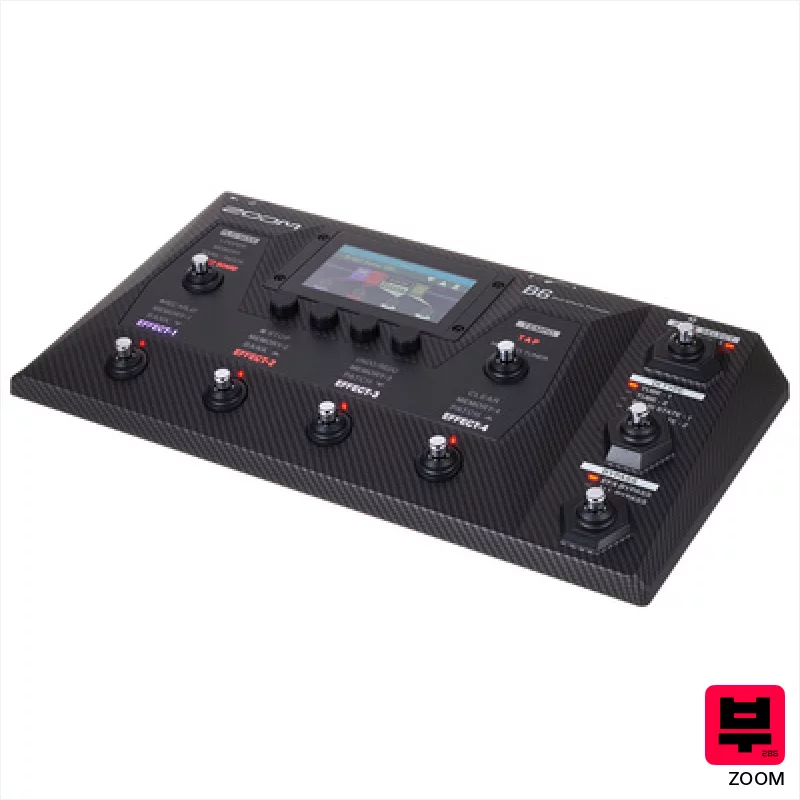
Zoom B6
- • Excellent sound quality for the price, surprisingly rich amp models.
- • Intuitive touchscreen interface simplifies complex effect chains.
- • Versatile dual impedance inputs handle electric and acoustic bass well.
- • Built-in USB interface facilitates easy recording and computer integration.
- • Plastic enclosure feels less robust than metal alternatives.
- • Limited physical control knobs necessitate touchscreen reliance.
- • Impulse responses, while present, aren't quite top-tier, pro-grade.
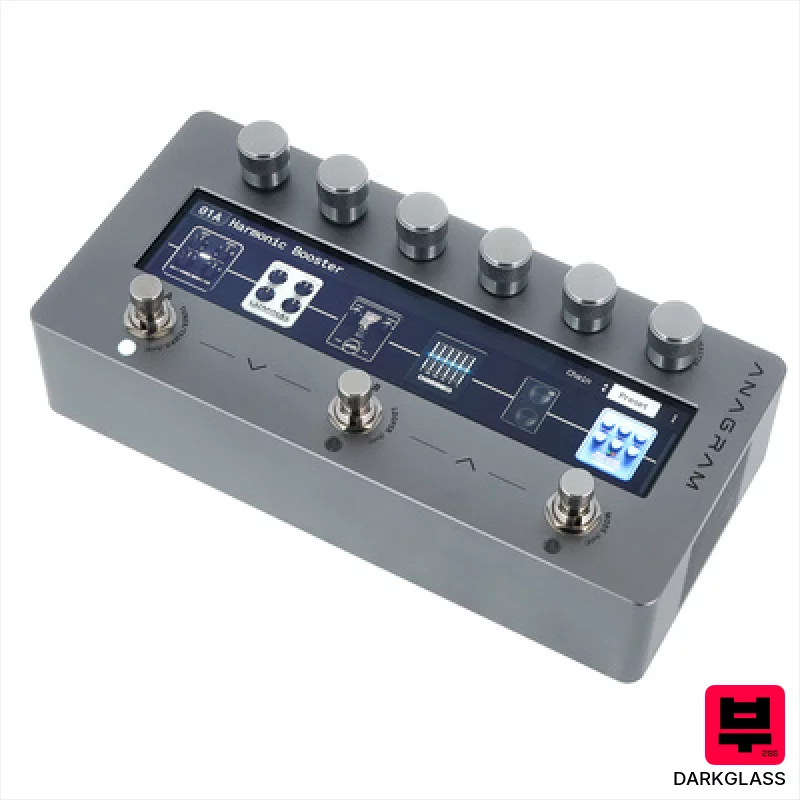
Darkglass Anagram
- • Neural Amp Modeler delivers remarkably authentic amp tones, a Darkglass first.
- • Compact size belies its expansive feature set; truly a studio in a pedal.
- • Versatile effects chain allows for complex signal sculpting and unique bass sounds.
- • Robust Finnish build quality; feels solid and dependable for gigging.
- • Significant weight (815g) makes it less ideal for pedalboard travel.
- • Complex interface demands time investment to fully master its capabilities.
- • Premium-priced, potentially limiting accessibility for budget-conscious players.
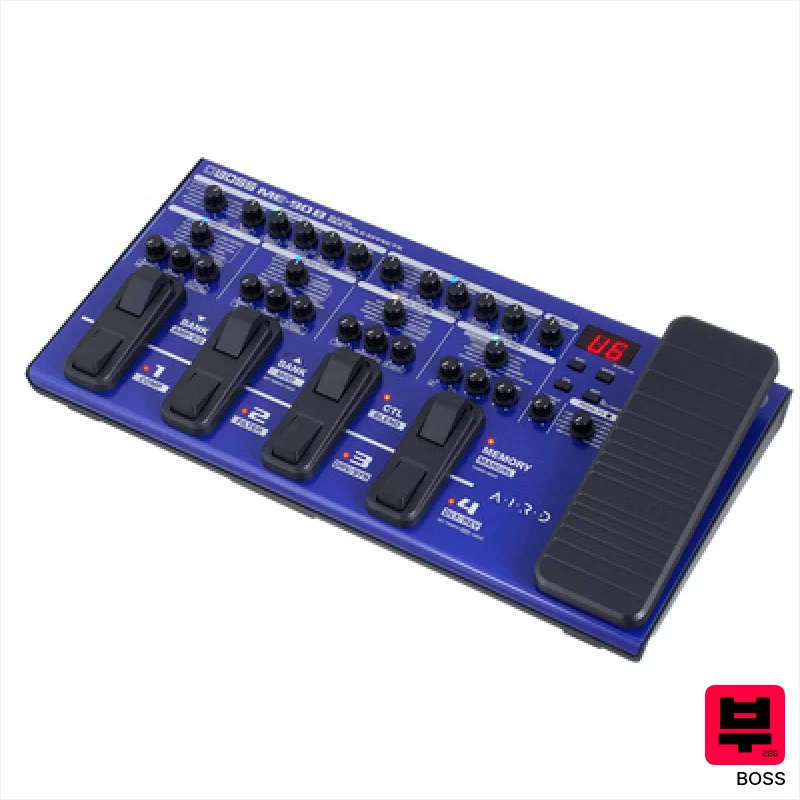
Boss ME-90B
- • Excellent COSM amp models convincingly emulate classic bass rigs, from vintage to modern.
- • Boss Tone Exchange provides a vast library of user-created tones and effects.
- • Intuitive rotary control simplifies complex editing, making it accessible to all skill levels.
- • The AIRD headphone amp delivers surprisingly full and detailed headphone bass practice.
- • The overall build quality, while solid, uses primarily plastic, feeling less premium than higher-end units.
- • The looper’s maximum recording time is limited, hindering extended jam sessions.
- • The sheer number of options can be overwhelming for bassists new to multi-effects.
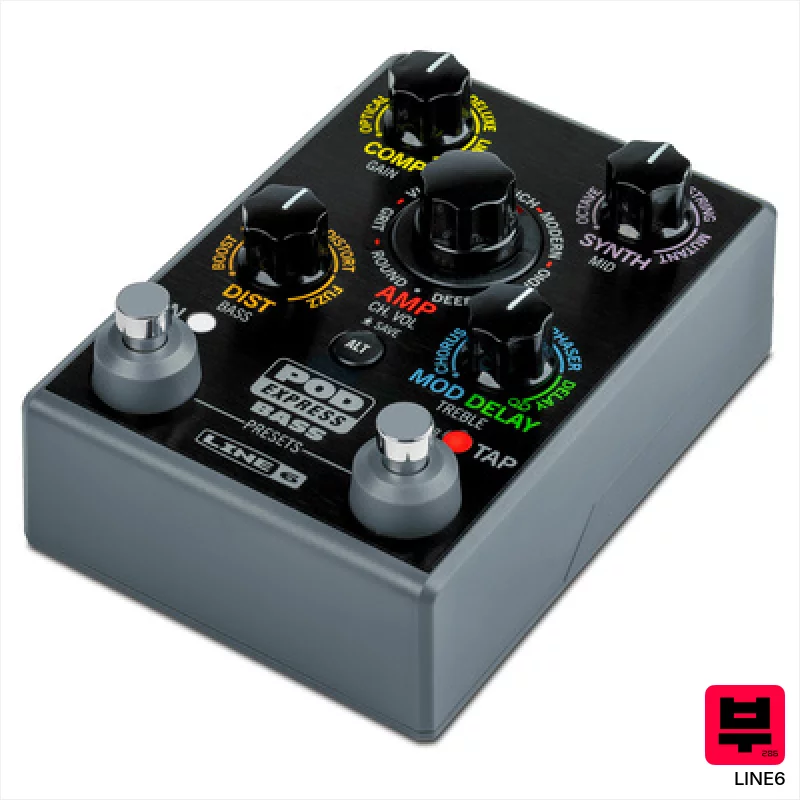
Line6 Pod Express Bass
- • Compact design makes it ideal for gigging bassists with limited space.
- • Line 6's amp modeling delivers surprisingly authentic tones for its price point.
- • Built-in tuner is convenient and accurate, a real time-saver on stage.
- • USB interface allows for direct recording into your DAW, expanding creative options.
- • Plastic enclosure feels somewhat cheap compared to more robust metal alternatives.
- • Limited preset storage restricts experimentation and saving custom setups.
- • Footswitches feel a bit mushy and lack the tactile feedback of higher-end units.
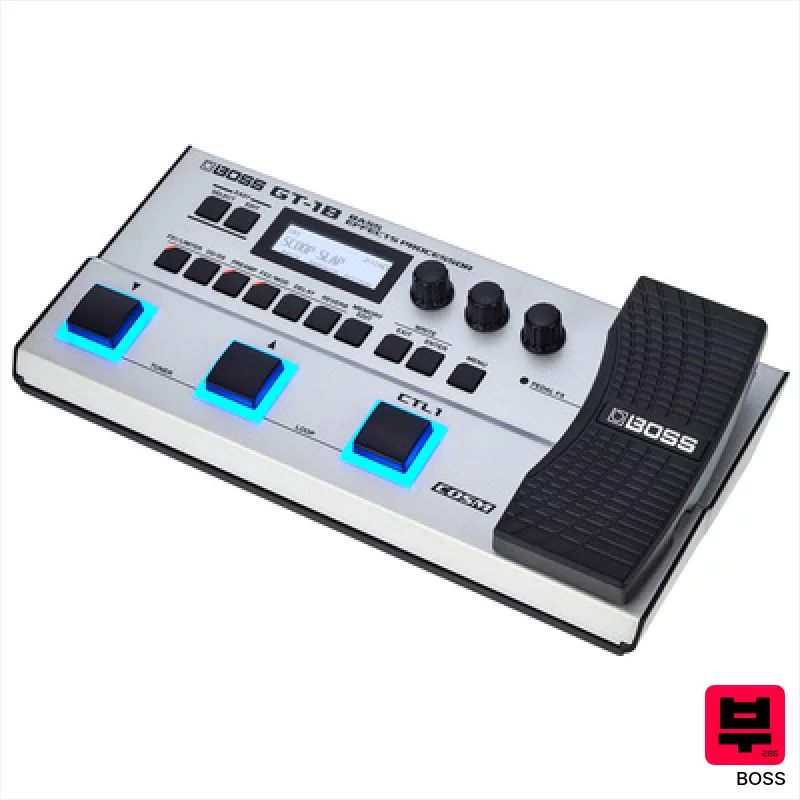
Boss GT-1B Bass Multi-FX Pedal
- • Compact design ideal for gig bags and smaller setups
- • Boss’s renowned COSM modeling provides surprisingly authentic amp tones
- • Intuitive interface simplifies complex multi-effects routing
- • Built-in looper offers handy practice and songwriting tools
- • Limited expression pedal control compared to higher-end multi-effects units
- • The plastic enclosure feels less robust than Boss’s flagship pedals
- • Sound quality, while good, won't fool experienced ears into thinking it's a high-end amp
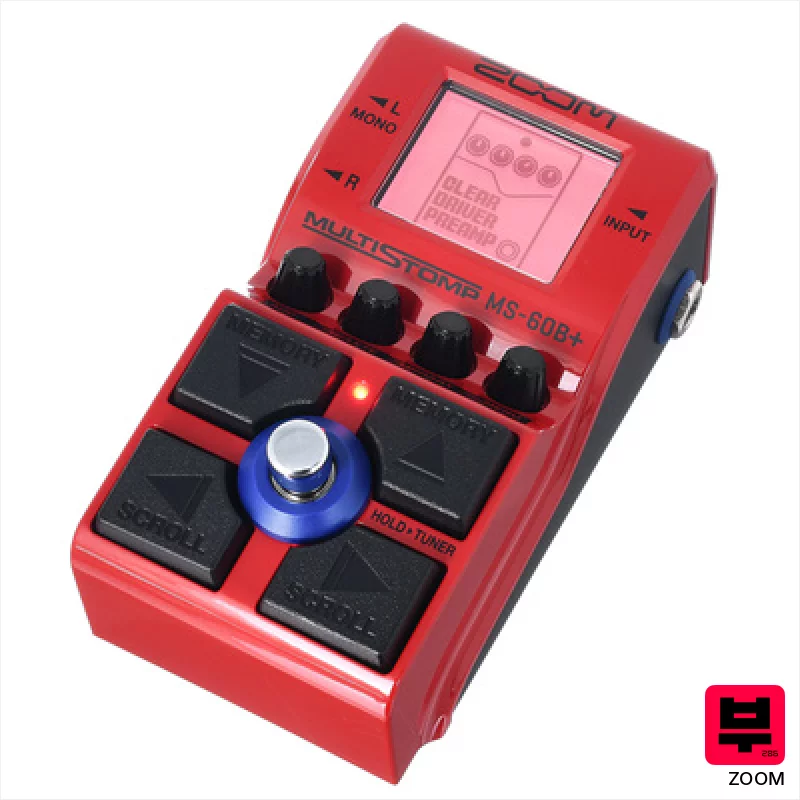
Zoom Multi Stomp MS-60B+
- • Impressive effect library offers surprising tonal flexibility.
- • The IR-based amp models genuinely capture cabinet nuances.
- • Compact footprint makes it ideal for pedalboard integration.
- • Cross buttons streamline patch switching during live performance.
- • Plastic enclosure feels somewhat budget-oriented, lacks robustness.
- • LCD screen can be a bit cramped for complex editing.
- • Limited looper time restricts more elaborate composition.
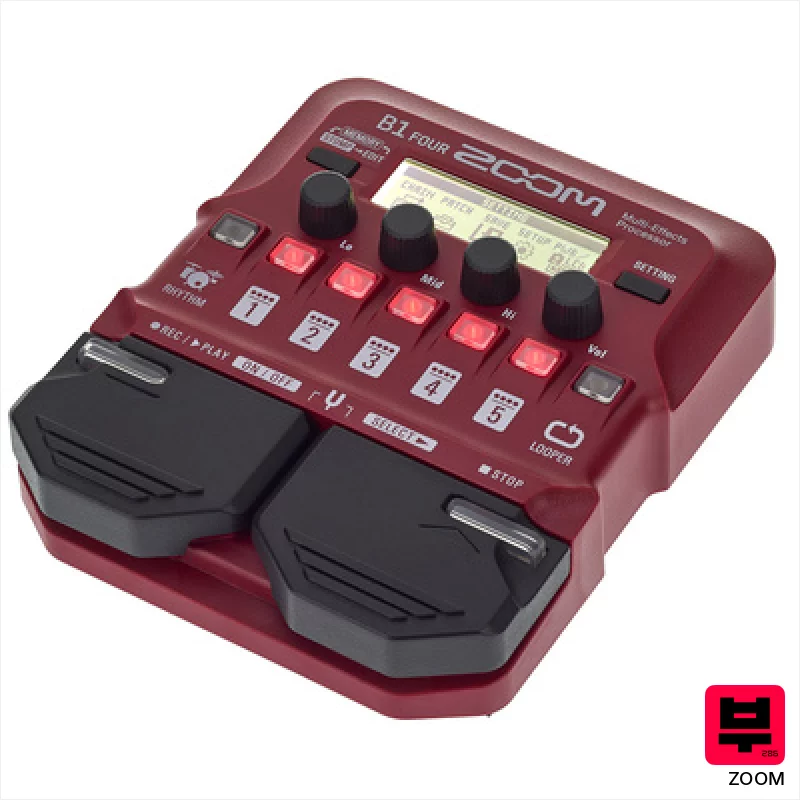
Zoom B1Four Bass Multi Effect
- • Impressive effect library for the price, covering a wide tonal palette
- • Compact size and lightweight design ideal for gigging bassists
- • Guitar Lab software offers deep customization and patch creation
- • Built-in tuner and looper provide essential practice and performance tools
- • Plastic enclosure feels somewhat budget-oriented, lacking premium robustness
- • Limited expression pedal control restricts nuanced effect manipulation
- • Some effects can sound digitally sterile compared to higher-end units
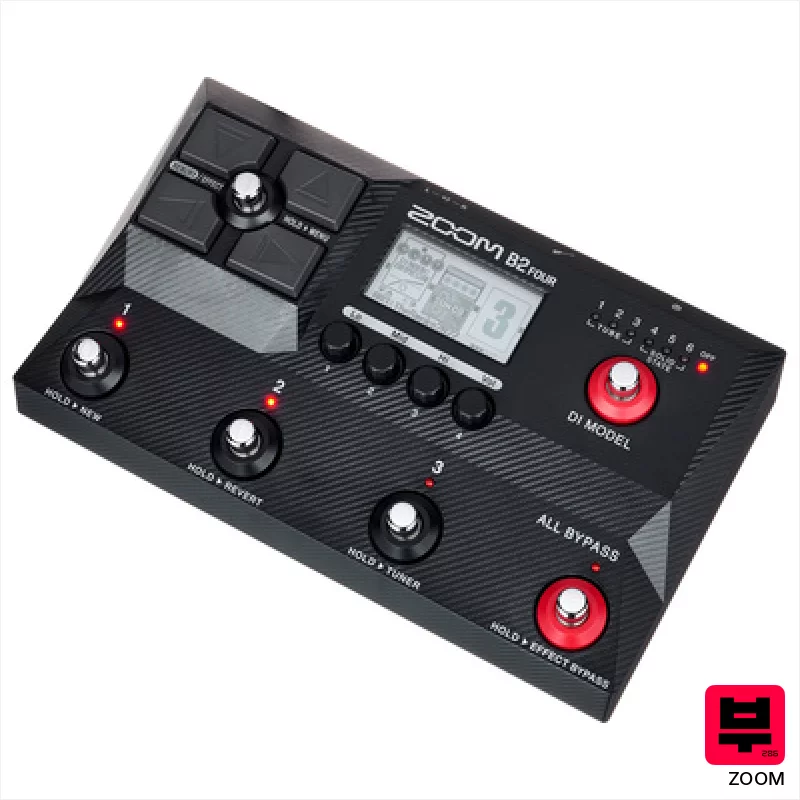
Zoom B2 FOUR
- • Impressive range of amp emulations for diverse bass tones.
- • Solid 32-bit processing avoids audible artifacts at higher gain.
- • The Handy Guitar Lab app expands sonic possibilities significantly.
- • Compact size and relatively lightweight for a multi-effects unit.
- • XLR output lacks phantom power, limiting direct recording options.
- • The LCD display is functional, but lacks brightness and viewing angles.
- • Patch editing interface could be more intuitive and streamlined.
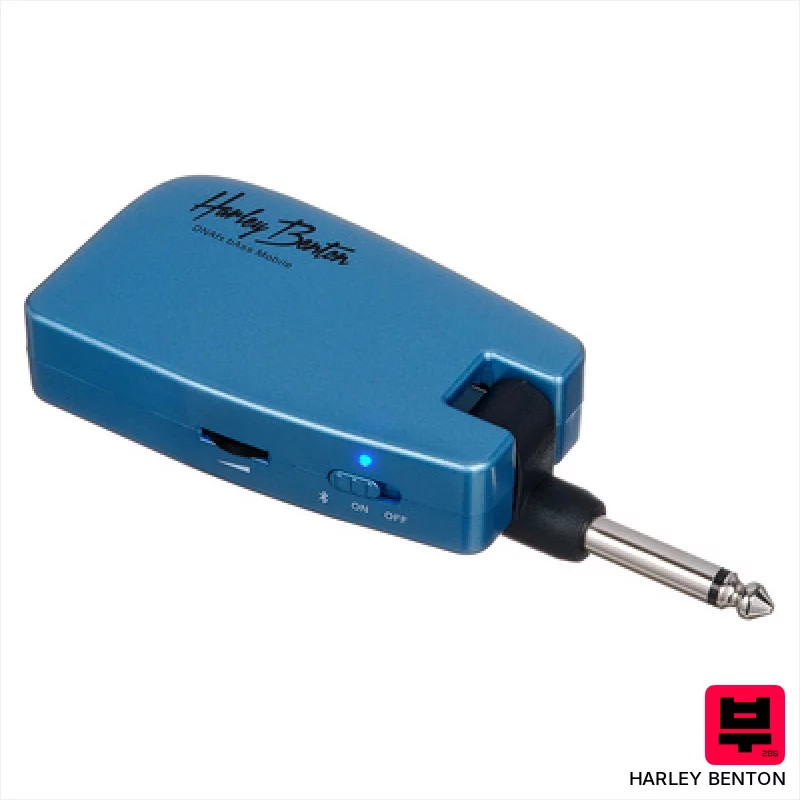
Harley Benton DNAfx Bass Mobile
- • Surprisingly decent amp models for the price, usable across various genres.
- • Compact and lightweight design makes it supremely portable for practice.
- • Bluetooth connectivity adds significant convenience for backing tracks and lessons.
- • Drum machine offers basic rhythms, useful for solo practice and casual jamming.
- • Limited EQ control; tonal shaping is restricted to the preset EQ settings.
- • Effect quality is basic – don't expect studio-grade sounds, more 'fun' than 'pro'.
- • Battery life, while decent, could be longer for extended practice sessions.
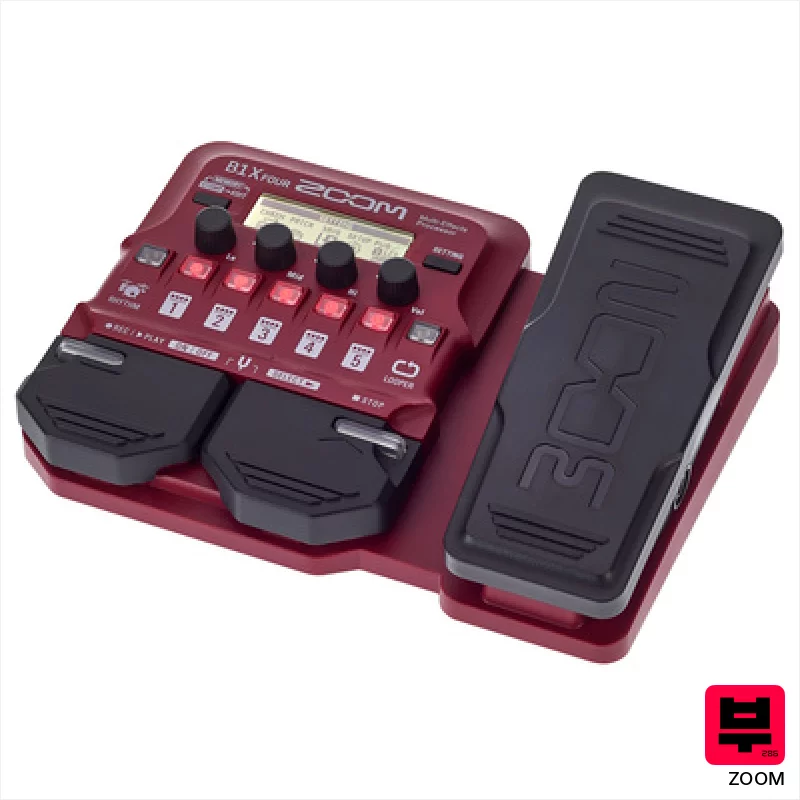
Zoom B1X Four Bass Multi Effect
- • Excellent value for a surprisingly wide range of bass tones
- • Compact size makes it ideal for gig bags and smaller pedalboards
- • Guitar Lab software allows for deep customization and patch creation
- • Expression pedal offers real-time control over effects parameters
- • Plastic enclosure feels less robust than metal alternatives
- • Effects, while plentiful, can sound a little generic without tweaking
- • Limited headroom; may struggle with very high-volume situations
How to Choose the Best Bass Multi Effects
Tonal Palette
Does it offer a genuinely usable range? Some units are all about distortion, others are surgically clean. We need versatility, from subtle compression to outright fuzz, and everything in between. A weak clean foundation is a dealbreaker.
Dynamic Response
This is HUGE for bass. A multi-effects unit that squashes your attack or adds unwanted compression artifacts will ruin your groove. We're looking for transparent processing that responds to your playing, not fights against it.
Noise Floor
Let's be honest, some of these units can be noisy. A high noise floor isn't just annoying; it's a real problem when you're tracking clean basslines and trying to get a pristine recording. You don't want to spend hours noise-reducing in post.
EQ Flexibility
It's not enough to just have a decent EQ; it needs to be surgical. We need to be able to carve out space in the mix, tame harsh frequencies, and really sculpt the bass's character. Parametric control is a must.
Routing/Cab Simulation
For recording, you'll often want to re-amp or run your bass through an amp sim. A flexible routing matrix and decent cab sims are essential for getting a realistic, gig-ready sound without needing a dedicated amp rig.
Buying Guide
Don't chase the bells and whistles. A unit with a killer distortion section but a muddy reverb is useless. Pay attention to the clean preamp section - that's your foundation. Also, remember that many units have trade-offs; a smaller footprint often means a less flexible routing matrix or a lower-quality noise floor. Spend a little more for a clean signal path; you'll thank yourself later.
Our Methodology
We're not just looking at spec sheets here. We've spent weeks putting these units through the wringer - DI'ing them into Pro Tools, A/B'ing against boutique pedals, and tracking through various amp sims to see how they sit in a mix. We're listening for the nuances: how they handle dynamics, how they color the fundamental tone, and whether they actually cut through without getting muddy.

