
Best Bass Multi Effects for Multiple Styles 2026
So, you're a bass player who doesn't want to be pigeonholed? Good. Sticking to one genre is for folks who don't love exploring. A multi-effects unit can be your sonic Swiss Army knife, but choosing the right one for multiple styles-funk, rock, metal, even a little ambient-requires a little digging. It's not just about throwing on some chorus; it's about having the headroom and flexibility to nail that aggressive distortion or a clean, articulate slap tone without sounding like a muddy mess.
Last updated: July 1, 2026 • Next update: July 8, 2026
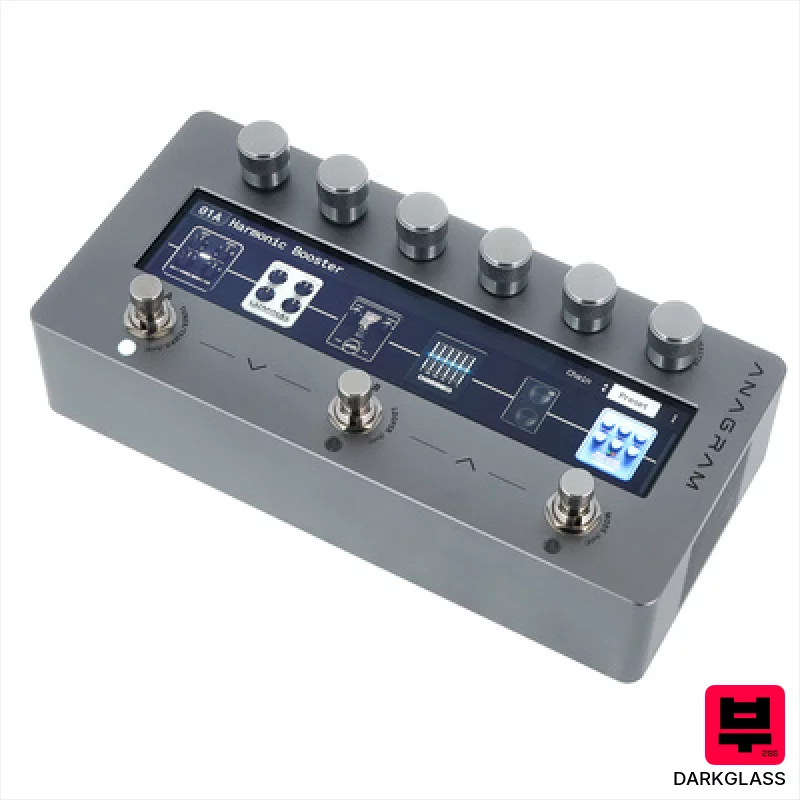
Darkglass Anagram
- • Neural Amp Modeler delivers remarkably authentic amp tones, a Darkglass first.
- • Compact size belies its expansive feature set; truly a studio in a pedal.
- • Versatile effects chain allows for complex signal sculpting and unique bass sounds.
- • Robust Finnish build quality; feels solid and dependable for gigging.
- • Significant weight (815g) makes it less ideal for pedalboard travel.
- • Complex interface demands time investment to fully master its capabilities.
- • Premium-priced, potentially limiting accessibility for budget-conscious players.
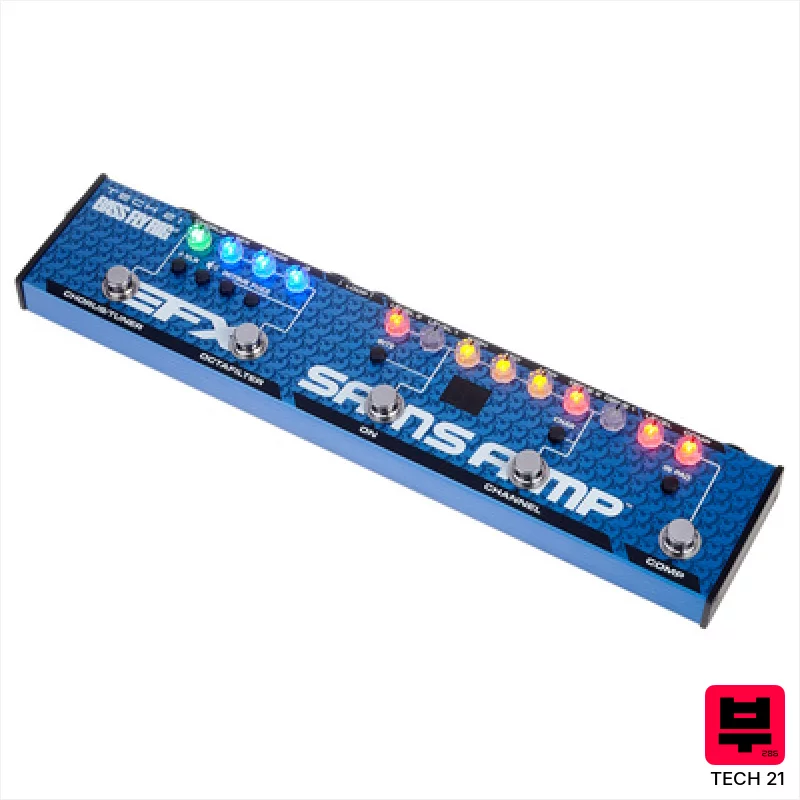
Tech 21 SansAmp Bass Fly Rig V2
- • Robust all-metal housing provides excellent protection during gigging and travel.
- • SansAmp Driver DI mode delivers Tech 21's signature warm, tube-like bass tone.
- • 4.7 MO input handles piezo pickups exceptionally well, avoiding signal loss.
- • Comprehensive effects suite, from fuzz to chorus, covers a wide sonic range.
- • Limited preset storage restricts experimentation and complex signal chains.
- • The included power supply, while functional, feels a bit cheap for the price.
- • Physical size (318mm wide) might be restrictive in smaller pedalboard setups.
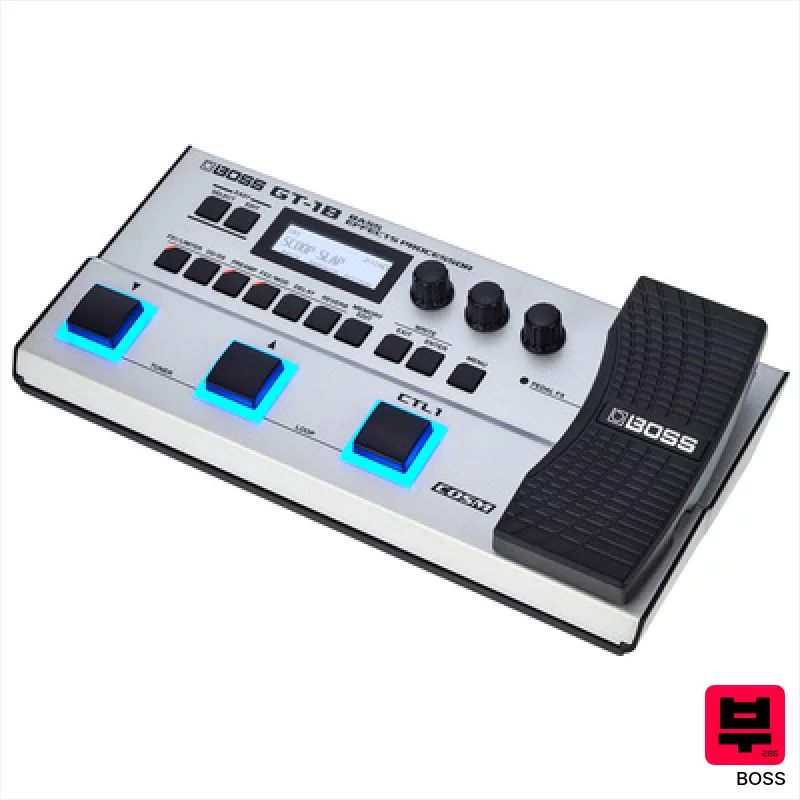
Boss GT-1B Bass Multi-FX Pedal
- • Compact design ideal for gig bags and smaller setups
- • Boss’s renowned COSM modeling provides surprisingly authentic amp tones
- • Intuitive interface simplifies complex multi-effects routing
- • Built-in looper offers handy practice and songwriting tools
- • Limited expression pedal control compared to higher-end multi-effects units
- • The plastic enclosure feels less robust than Boss’s flagship pedals
- • Sound quality, while good, won't fool experienced ears into thinking it's a high-end amp
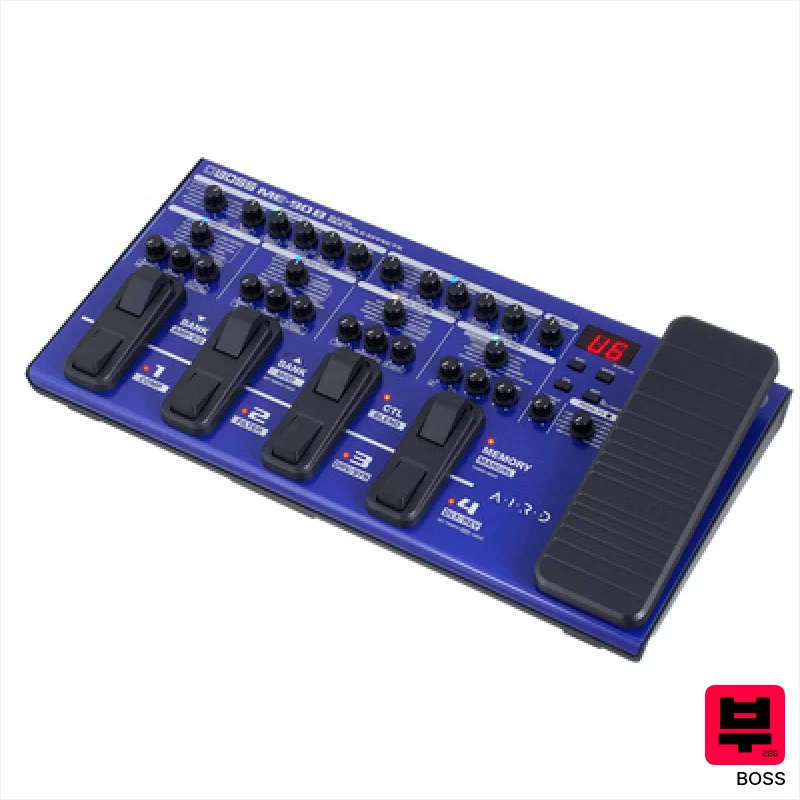
Boss ME-90B
- • Excellent COSM amp models convincingly emulate classic bass rigs, from vintage to modern.
- • Boss Tone Exchange provides a vast library of user-created tones and effects.
- • Intuitive rotary control simplifies complex editing, making it accessible to all skill levels.
- • The AIRD headphone amp delivers surprisingly full and detailed headphone bass practice.
- • The overall build quality, while solid, uses primarily plastic, feeling less premium than higher-end units.
- • The looper’s maximum recording time is limited, hindering extended jam sessions.
- • The sheer number of options can be overwhelming for bassists new to multi-effects.
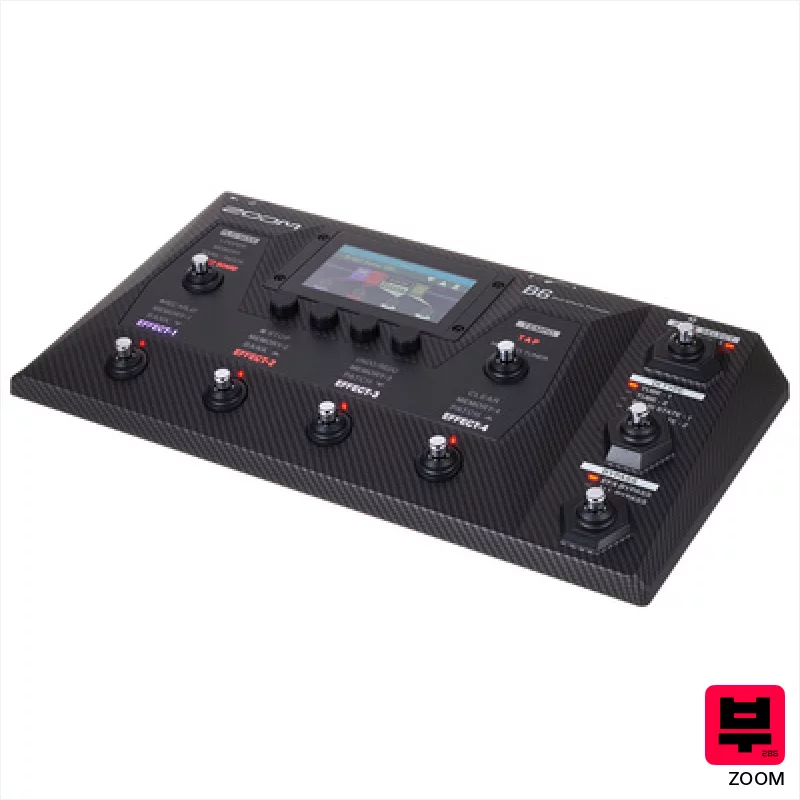
Zoom B6
- • Excellent sound quality for the price, surprisingly rich amp models.
- • Intuitive touchscreen interface simplifies complex effect chains.
- • Versatile dual impedance inputs handle electric and acoustic bass well.
- • Built-in USB interface facilitates easy recording and computer integration.
- • Plastic enclosure feels less robust than metal alternatives.
- • Limited physical control knobs necessitate touchscreen reliance.
- • Impulse responses, while present, aren't quite top-tier, pro-grade.
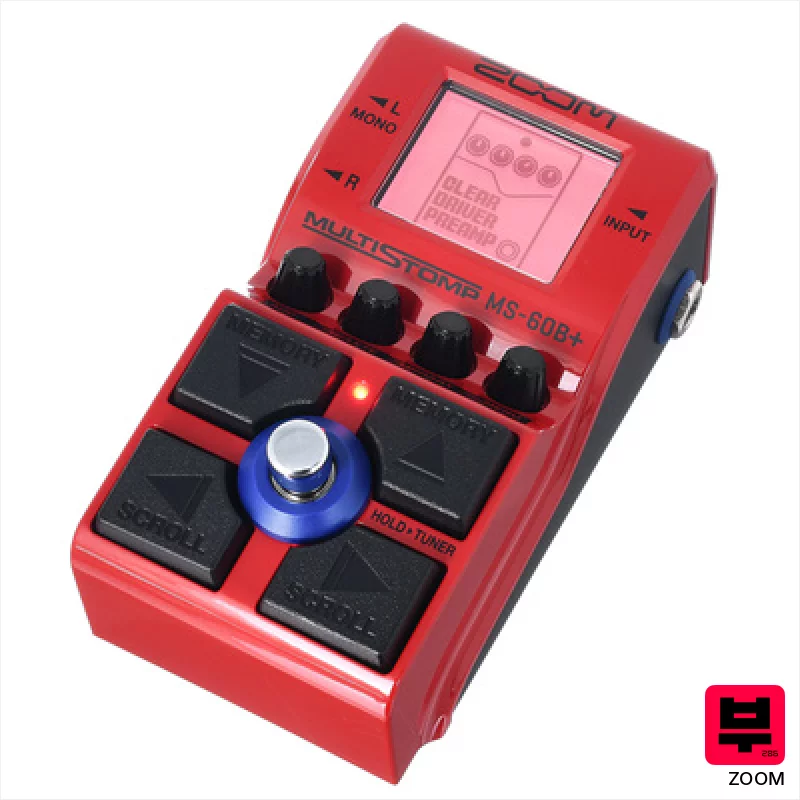
Zoom Multi Stomp MS-60B+
- • Impressive effect library offers surprising tonal flexibility.
- • The IR-based amp models genuinely capture cabinet nuances.
- • Compact footprint makes it ideal for pedalboard integration.
- • Cross buttons streamline patch switching during live performance.
- • Plastic enclosure feels somewhat budget-oriented, lacks robustness.
- • LCD screen can be a bit cramped for complex editing.
- • Limited looper time restricts more elaborate composition.
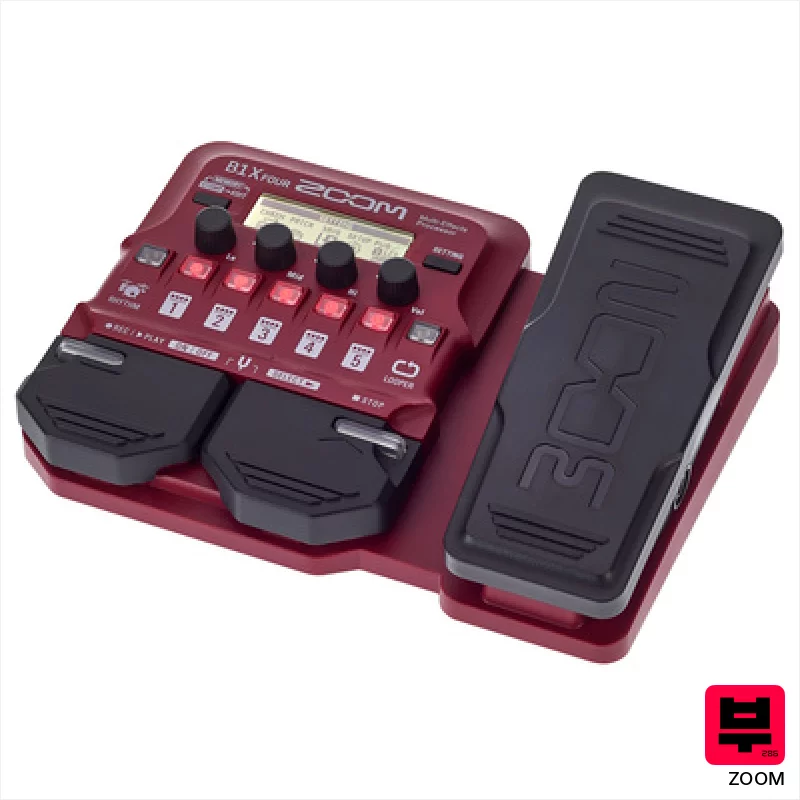
Zoom B1X Four Bass Multi Effect
- • Excellent value for a surprisingly wide range of bass tones
- • Compact size makes it ideal for gig bags and smaller pedalboards
- • Guitar Lab software allows for deep customization and patch creation
- • Expression pedal offers real-time control over effects parameters
- • Plastic enclosure feels less robust than metal alternatives
- • Effects, while plentiful, can sound a little generic without tweaking
- • Limited headroom; may struggle with very high-volume situations
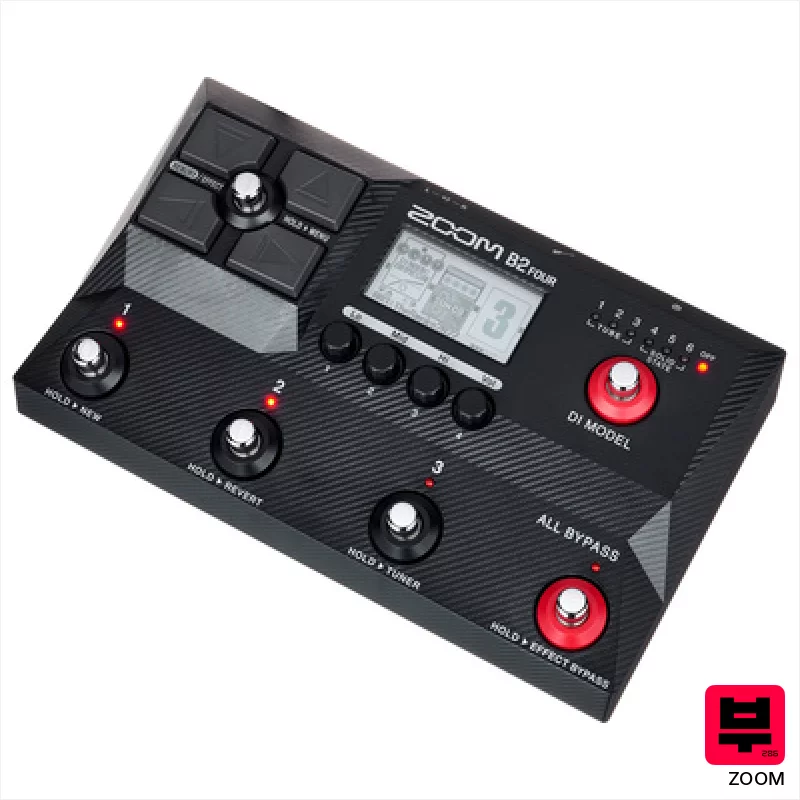
Zoom B2 FOUR
- • Impressive range of amp emulations for diverse bass tones.
- • Solid 32-bit processing avoids audible artifacts at higher gain.
- • The Handy Guitar Lab app expands sonic possibilities significantly.
- • Compact size and relatively lightweight for a multi-effects unit.
- • XLR output lacks phantom power, limiting direct recording options.
- • The LCD display is functional, but lacks brightness and viewing angles.
- • Patch editing interface could be more intuitive and streamlined.
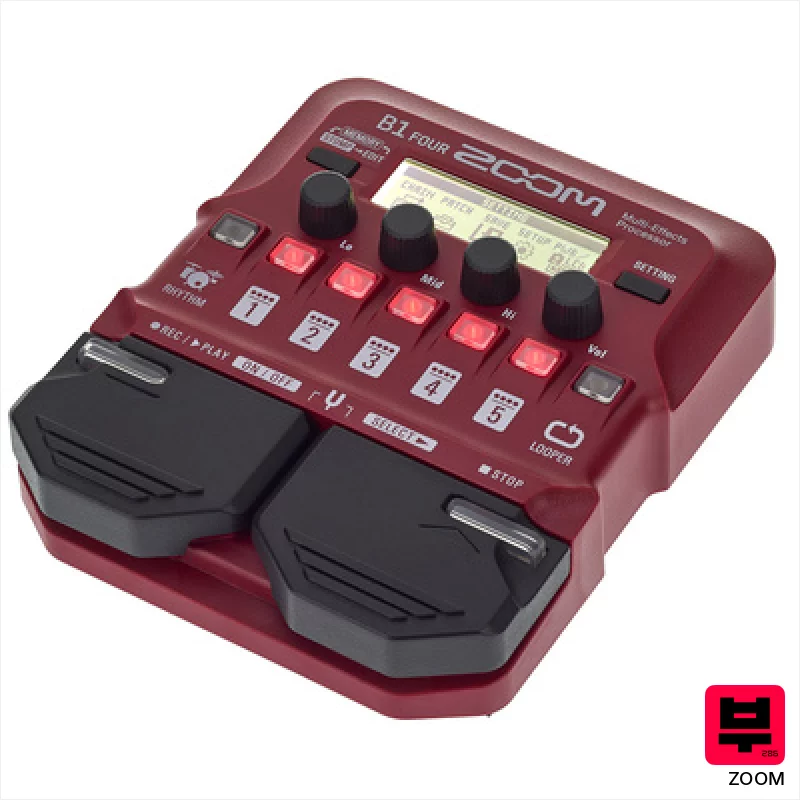
Zoom B1Four Bass Multi Effect
- • Impressive effect library for the price, covering a wide tonal palette
- • Compact size and lightweight design ideal for gigging bassists
- • Guitar Lab software offers deep customization and patch creation
- • Built-in tuner and looper provide essential practice and performance tools
- • Plastic enclosure feels somewhat budget-oriented, lacking premium robustness
- • Limited expression pedal control restricts nuanced effect manipulation
- • Some effects can sound digitally sterile compared to higher-end units
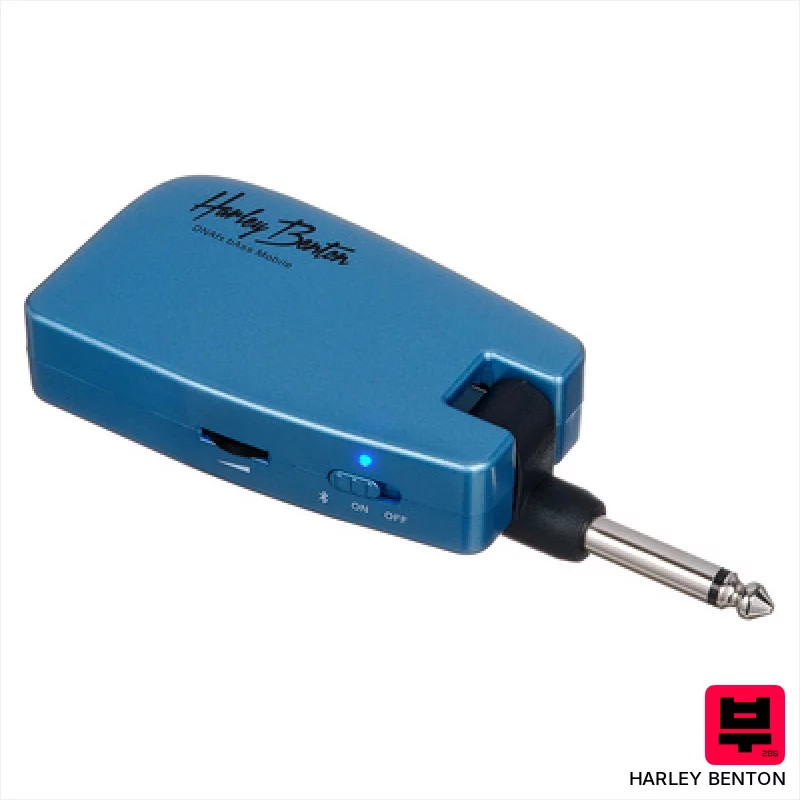
Harley Benton DNAfx Bass Mobile
- • Surprisingly decent amp models for the price, usable across various genres.
- • Compact and lightweight design makes it supremely portable for practice.
- • Bluetooth connectivity adds significant convenience for backing tracks and lessons.
- • Drum machine offers basic rhythms, useful for solo practice and casual jamming.
- • Limited EQ control; tonal shaping is restricted to the preset EQ settings.
- • Effect quality is basic – don't expect studio-grade sounds, more 'fun' than 'pro'.
- • Battery life, while decent, could be longer for extended practice sessions.
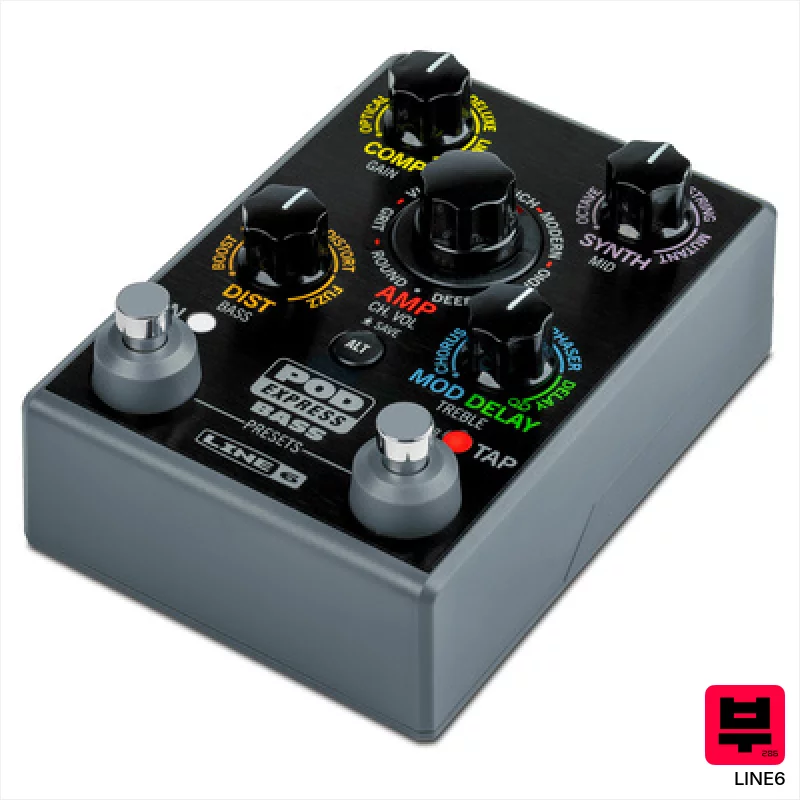
Line6 Pod Express Bass
- • Compact design makes it ideal for gigging bassists with limited space.
- • Line 6's amp modeling delivers surprisingly authentic tones for its price point.
- • Built-in tuner is convenient and accurate, a real time-saver on stage.
- • USB interface allows for direct recording into your DAW, expanding creative options.
- • Plastic enclosure feels somewhat cheap compared to more robust metal alternatives.
- • Limited preset storage restricts experimentation and saving custom setups.
- • Footswitches feel a bit mushy and lack the tactile feedback of higher-end units.
How to Choose the Best Bass Multi Effects
Tonal Palette
A good multi-effects unit needs to cover a wide range - from pristine cleans to thick, saturated distortion. It's not enough to have one decent fuzz; you need a spectrum of options, including amp models that don't sound like cheap digital simulations. Think about how well it handles the low-end thump for funk versus the tight articulation needed for metal.
Modulation Depth & Clarity
Chorus, phaser, flanger - these are staples. But cheap modulation can sound like a watery mess. We're looking for units that offer subtle nuances and clean, defined sweeps, not just a blurry wash. The ability to adjust rate, depth, and feedback is critical.
Distortion & Drive Versatility
Can it handle a subtle overdrive for a rock groove or a brutal high-gain distortion for a metal breakdown? More importantly, does it retain note definition and avoid becoming a muddy, indistinct blob? Headroom is key here - enough gain to push the signal without clipping prematurely.
Dynamic Response & Articulation
Bass is all about feel. A multi-effects unit shouldn't squash your dynamics or smear your articulation. It needs to respond to your playing, letting your ghost notes and subtle nuances shine through. This is where a lot of cheaper units fall flat.
Routing & Customization
Beyond just presets, you need the ability to create your own custom chains, adjust individual pedal parameters, and save them. A deep editing system is essential for dialing in sounds that are truly your own and adapting to different musical situations.
Buying Guide
Don't fall for the 'more features' trap. A unit crammed with a million effects you'll never use is less valuable than one with a smaller but well-executed selection. The biggest trade-off is often between sheer number of effects and the quality of the amp modeling - some units prioritize quantity over genuine sonic realism. Pay attention to how the unit handles low frequencies; a muddy or weak low-end is a dealbreaker for bass. And finally, consider the user interface - a confusing menu system can make dialing in sounds a frustrating chore.
Our Methodology
We're not basing this list on spec sheets; we've spent weeks with each unit, playing through them in a bedroom setting, band rehearsals, and even a couple of club gigs. We've A/B'd them against individual pedals and modeled amp sims to see how they stack up in real-world scenarios. The goal wasn't just 'does it work?' but 'does it sound good and is it usable for a working player?'

