AudioFu Chart · October 2026
Best Baritone Ukuleles for Professional 2026
The top pick is Kamaka Baritone HF-4 ($2,358). Kala KA-B Baritone Ukulele gives you the most for the money at $358. Ranked by the AudioFu Index from 42 models across 8 brands, prices checked every night.
Last updated: October 22, 2026
Top 10
Full detail for the 10 highest AudioFu Index scores. Every other model is listed below.
-
- Nut width35 mm (1.38")
- Scale511 mm (20.12")
- Frets19 frets
- FingerboardRosewood fingerboard
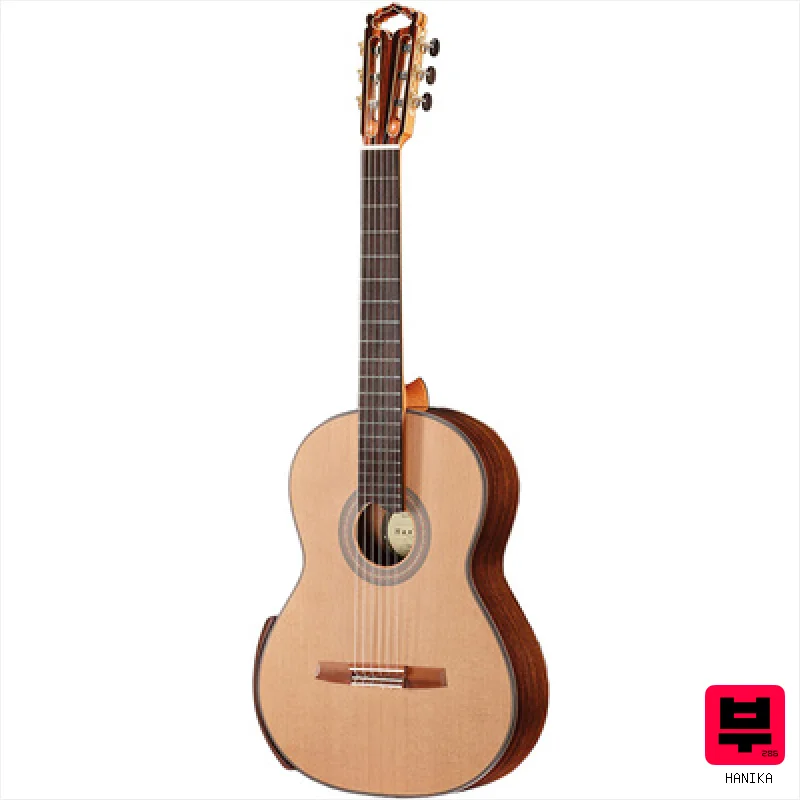
The Kamaka HF-4 is a serious instrument for the discerning baritone ukulele player. Its all-koa build produces a rich, mellow tone with excellent projection, ideal for jazz, fingerstyle, and soulful accompaniment. This is a top-tier choice for players who value traditional Hawaiian craftsmanship and a deeply resonant voice.
Pros
- Solid koa top delivers exceptional warmth and sustain.
- Mahogany neck provides comfortable playability and resonance.
- Rosewood fingerboard offers a smooth, articulate playing experience.
Cons
- The all-koa construction can make it somewhat prone to feedback at higher volumes.
- Premium-priced, representing a significant investment for many players.
46AudioFu
IndexStableno change since Aug 17Aug 17$2,358 now$2,358€2,099 at Thomann · in stockCheck price ↗ -
Kala KA-B Baritone Ukulele
CT-SSRW-BG-C Baritone Ukulele · Kala
14 for sale on Reverb1 finish at Thomann
- Scale514 mm (20.24")
- Frets19 frets
- FingerboardEbony fingerboard
This Kala Baritone is a serious step up in build quality. The all-solid wood construction gives it a mature, resonant tone that's really suited for players who want a deeper, more guitar-like ukulele experience – think mellow jazz, fingerstyle arrangements, or even laid-back blues. It's a premium-priced instrument that rewards the investment with exceptional feel and sound.
Pros
- Solid spruce top delivers clear, articulate projection with warmth.
- Rosewood back and sides add rich overtones and sustain.
- Ebony fingerboard offers smooth, fast playability and precise intonation.
Cons
- Rosewood can be prone to cracking in very dry climates – humidity control is crucial.
- The high-gloss finish might feel a bit thick for some players’ preference.
79AudioFu
IndexStableno change since Aug 17Aug 17$673 now$673€599 at Thomann · in stockCheck price ↗ -
Kala KA-B Baritone Ukulele
KA-CT-SA-BG Baritone Ukulele · Kala
14 for sale on Reverb1 finish at Thomann
- Scale514 mm (20.24")
- Frets19 frets
- FingerboardEbony fingerboard
This Kala Contour baritone is a serious contender for players wanting a full, rich baritone sound. The all-solid wood construction gives it a mature voice, and the ebony fingerboard makes it a joy to play. It's perfect for experienced ukulele players or guitarists looking to explore the lower register.
Pros
- Solid acacia top delivers a rich, warm, and resonant tone characteristic of higher-end instruments.
- Ebony fingerboard provides exceptionally smooth playability and precise intonation.
- Bone nut and saddle improve sustain and clarity compared to standard plastic components.
Cons
- The all-acacia construction can be somewhat prone to feedback at higher volumes, requiring careful EQ.
- High-gloss finish, while visually appealing, may feel a bit thick and less 'breathable' for some players.
79AudioFu
IndexStableno change since Aug 17Aug 17$606 now$606€539 at Thomann · in stockCheck price ↗ -
- Scale514.4 mm (20.25")
- Frets18 frets
This baritone uke uses solid mahogany all the way through for a warm, full tone. The extra soundport and contoured edges make it comfortable to hold for long sessions. It looks great with abalone details but lacks built-in pickups for playing in loud venues. It suits players who want a rich, acoustic voice without needing extra electronics.
Pros
- Solid mahogany top and back for rich resonance
- Contoured armrest for long playing comfort
- Abalone inlays add beautiful visual detail
Cons
- Baritone size may be too large for some players
- No built-in electronics for amplified use
66AudioFu
IndexStableno change since Sep 11Sep 11$606 now$606€539 at Thomann · in stockCheck price ↗ -
- Nut width38 mm (1.5")
- Frets19 frets
- FingerboardRosewood fingerboard
This Flight Fireball EQ-A is a seriously impressive baritone – the solid mango wood gives it a rich, full sound that punches way above its size. It's built well, plays beautifully, and the pickup system is surprisingly versatile for both acoustic and amplified performance. Perfect for experienced ukulele players wanting a premium-voiced instrument or those transitioning from guitar seeking a bigger, richer tone.
Pros
- Solid mango top and back deliver a warm, resonant, and surprisingly powerful tone.
- The double C1U pickup system provides a clear, amplified signal ideal for stage use.
- Spindle headstock design offers excellent tuning stability and a unique aesthetic flair.
Cons
- The solid mango construction makes it relatively heavy compared to other baritone ukuleles.
- Open-gear tuners might require more frequent adjustments than geared tuners, especially for beginners.
51AudioFu
IndexStableno change since Aug 17Aug 17$692 now$692€616 at Thomann · in stockCheck price ↗ -
- Scale514 mm (20.24")
- Frets19 frets
This Kala baritone is a serious instrument for players wanting a full, rich sound. The solid top and ebony back provide a surprisingly complex voice, while the Fishman electronics make it stage-ready. It's ideal for musicians who appreciate a larger ukulele with a warm, expressive tone and are looking for something beyond a basic soprano or concert model.
Pros
- Solid spruce top delivers a bright, resonant, and surprisingly powerful tone
- Striped ebony back and sides add warmth and sustain, balancing the spruce
- Fishman Kula electronics offer a clean, amplified signal for stage performance
Cons
- Striped ebony can be visually polarizing; some may prefer all-wood construction
- The matte finish, while attractive, can be more prone to fingerprints and smudges
48AudioFu
IndexStableno change since Aug 17Aug 17$650 now$650€579 at Thomann · in stockCheck price ↗ -
- Nut width38 mm (1.5")
- Frets19 frets
- FingerboardRosewood fingerboard
The Flight Navigator EQ-A SB is a seriously impressive baritone uke. The solid maple top gives it a sweeter voice than you'd expect, while the rosewood back adds warmth. This is ideal for players wanting a stage-ready baritone with a refined sound and versatile amplified options—a great choice for singer-songwriters and those exploring jazz or bossa nova.
Pros
- Solid flamed maple top delivers a surprisingly warm and articulate tone.
- Rosewood back and sides provide rich overtones and sustain characteristic of higher-end instruments.
- Active C1U pickup offers a clean, amplified signal suitable for various genres.
Cons
- Rosewood can be prone to fret buzz if not perfectly setup; may require adjustment.
- High-gloss finish, while attractive, can be a fingerprint magnet and slightly reduce resonance.
51AudioFu
IndexStableno change since Aug 17Aug 17$611 now$611€544 at Thomann · in stockCheck price ↗ -
- Scale514 mm (20.24")
- Frets19 frets
- FingerboardEbony fingerboard
This Kala Baritone is a serious step up in build quality. The all-mahogany construction gives it a rich, mellow voice perfect for fingerstyle playing or mellow strumming. It's a great choice for experienced ukulele players wanting a full, guitar-like tone and comfortable 20.25 in scale length.
Pros
- Solid mahogany construction delivers warm, resonant, and balanced tones.
- Ebony fingerboard offers a slick, fast playing experience and excellent clarity.
- Bone nut and saddle enhance sustain and improve tonal response.
Cons
- The solid mahogany build can be slightly heavier than composite alternatives.
- High-gloss finish might be a fingerprint magnet for some players.
79AudioFu
IndexStableno change since Aug 17Aug 17$504 now$504€449 at Thomann · in stockCheck price ↗ -
- Scale510 mm (20.08")
- FingerboardRosewood fingerboard
This Kala Baritone is a serious step up for players wanting a full, rich sound and amplified versatility. The all-mahogany construction gives it a lovely warmth, and the Fishman electronics make it stage-ready. It’s a great choice for singer-songwriters or anyone wanting a deeper, more guitar-like ukulele voice.
Pros
- Solid mahogany construction delivers a warm, resonant, and mature tone.
- Fishman Kula System provides a clear, amplified sound ideal for stage performance.
- Rosewood fingerboard offers a comfortable playing experience with good note definition.
Cons
- The solid mahogany build contributes to a slightly heavier feel compared to lighter ukes.
- The scale length (510mm) might feel a little long for players used to smaller ukes.
76AudioFu
IndexStableno change since Aug 17Aug 17$471 now$471€419 at Thomann · in stockCheck price ↗ -
- Scale509 mm (20.04")
- Frets18 frets
The KA-ZCT-B is a seriously refined baritone, offering a beautiful, mature tone that punches above its class. Ziricote isn’t a common choice, adding a unique visual flair and tonal complexity. It's ideal for players wanting a rich, full sound for fingerstyle or mellow strumming, and who appreciate a quality instrument without the absolute top-tier price tag.
Pros
- Ziricote top delivers a rich, complex, and surprisingly warm tone.
- Mahogany neck provides excellent sustain and comfortable playability.
- GraphTech NuBone nut and bridge enhance clarity and tuning stability.
Cons
- Ziricote can be a brittle wood; requires careful handling and humidity control.
- High-gloss finish may feel less 'organic' to some players preferring a matte feel.
76AudioFu
IndexStableno change since Aug 17Aug 17$358 now$358€319 at Thomann · in stockCheck price ↗
All 42 baritone ukuleles
Same index, same nightly prices — compact. Colour options of one model share a row. Tap a photo to zoom.
- 11
Flight Aviator Galaxy Baritone BL CEFlight · 2 finishes61Stable$426€379$426€379Check ↗
- 12
Kala KA-B Baritone UkuleleKALA KA-BE Baritone Ukulele · Kala76Stable$291€259$291€259Check ↗
- 13
Flight Maia Baritone EQ-A RosewoodFlight54Stable$392€349$392€349Check ↗
- 14
Flight Maia 8 Steel String Bari EQ-AFlight54Stable$403€359$403€359Check ↗
- 15
Flight Maia Luxe Baritone EQ-AFlight52↓ 1.7%$594€529$594€529Check ↗
- 16
Flight Lily Baritone EQ-A SteelStringFlight51Stable$403€359$403€359Check ↗
- 17
Flight Aviator QM Baritone CEFlight51Stable$426€379$426€379Check ↗
- 18
Kala KA-CM-BE Curly Mango Barit UkeKala51Stable$381€339$381€339Check ↗
- 19
Flight Nighthawk Baritone EQ-A BKFlight49↓ 8.0%$412€367$412€367Check ↗
- 20
Flight 4SB Sammy Turton BaritoneFlight48Stable$594€529$594€529Check ↗
- 21
Flight Aviator Baritone Mango CEFlight51Stable$370€329$370€329Check ↗
- 22
Flight Nomad BaritoneFlight48Stable$381€339$381€339Check ↗
- 23
Flight Aurora Baritone EQ-AFlight48Stable$381€339$381€339Check ↗
- 24
Kala Makala KA-SSEBY-B Baritone UkuleleKala Makala46Stable$437€389$437€389Check ↗
- 25
Kala Solid Spruce Travel BaritoneKala51Stable$358€319$358€319Check ↗
- 26
Flight Pathfinder Red BaritoneFlight54Stable$336€299$336€299Check ↗
- 27
Flight Pathfinder Baritone Ocean BlueFlight51Stable$347€309$347€309Check ↗
- 28
Kala KA-BE Mahogany Baritone UkuleleKA-BG Gloss Mahogany Baritone · Kala68Stable$224€199$224€199Check ↗
- 29
Kala KA-BE Mahogany Baritone UkuleleKA-B Satin Mahogany Baritone · Kala68Stable$201€179$201€179Check ↗
- 30
Baton Rouge V2-B8 sunBaton Rouge · 2 finishes58Stable$201€179$201€179Check ↗
- 31
Kala KA-TEAK-BE Baritone UkuleleKala48Stable$224€199$224€199Check ↗
- 32
Kala Teak Tri-Top Baritone UkuleleKala48Stable$212€189$212€189Check ↗
- 33
Kala Makala KA-AM-B-CE Baritone UkuleleKala Makala43Stable$212€189$212€189Check ↗
- 34
Thomann Baritone EU Ukulele with PUThomann37Stable$201€179$201€179Check ↗
- 35
Kala MK-B Makala Series Baritone UkuleleMakala MK-B Baritone Ukulele · Kala78↓ 7.8%$134€119$134€119Check ↗
- 36
Kala KA-15 B Baritone UkuleleKala54Stable$167€149$167€149Check ↗
- 37
Ortega RU5CE-BA BaritoneOrtega · 2 finishes53Stable$156€139$156€139Check ↗
- 38
Flight NUB310 Baritone UkuleleFlight51Stable$122€109$122€109Check ↗
- 39
Ortega RUOX-BAOrtega49Stable$179€159$179€159Check ↗
- 40
Kala KA-TEAK-B Teak Bariton UkuleleKala48Stable$156€139$156€139Check ↗
- 41
Flight Iris Baritone Ukulele BKFlight48Stable$197€175$197€175Check ↗
- 42
Cascha Ukulele Mahogany BaritoneCascha43Stable$134€119$134€119Check ↗
Baritone Ukuleles by the numbers
Measured across all 45 models we track, not a sample.
Median $370 — half of all baritone ukuleles here cost less.
median of 32 models · 485 mm (19.09")–514 mm (20.24")
median of 35 models · 18–19
median of 22 models · 38 mm (1.5")–38 mm (1.5")
most common · 26 models
How to choose the best baritone ukuleles
Neck Profile & Playability
Forget chunky, violin-style necks. Pros need a comfortable, modern 'C' or 'D' profile for speed and accuracy. A fast neck minimizes fatigue during long gigs and complex fingerpicking patterns.
Tonewood Selection
Mahogany delivers that warm, woody thump ideal for roots and blues, while Koa offers a brighter, more complex voice with a shimmering overtone series - crucial for cutting through a dense mix. Don't expect miracles from laminate; it's a cost-saving measure that dulls the responsiveness.
Sustain & Articulation
A baritone needs sustain to hang with guitars and basses. Look for braced tops and well-fitted necks to maximize resonance. Articulation is just as important; each note needs to be distinct, even when playing full chords - especially in a live setting.
Intonation & Setup
A poorly intonated baritone is a frustrating baritone. Accurate intonation across the neck is essential for confident playing and recording. A professional setup - low action, properly adjusted intonation - is non-negotiable.
Pickup Voicing (for electrified models)
If you're plugging in, the pickup is everything. Avoid harsh, ice-picky highs. You want a warm, natural voicing that captures the wood's character without sounding brittle - think a vintage-style humbucker, not a piezo with a treble boost.
Buying guide
So, you're stepping up your uke game to the baritone? Smart move. It's not just a bigger soprano; it's a whole different instrument, closer to a small parlor guitar. Forget strumming simple chords around the campfire; we're talking about serious playing - studio tracking, gigging with a band, layering parts. Let's find you a baritone that can handle it.
Don't fall for the 'big = better' trap. A cheap baritone will likely suffer from poor intonation and a muddy low-end. Spending a bit more on solid tonewoods and a quality setup will pay dividends in playability and tone.
Watch out for overly high action - a quick trip to a luthier can fix that, but it's a red flag initially.
How the AudioFu Index works
Five measured signals and nothing else — no stars from strangers, no “tested by experts” we didn’t do. The weights are fixed and public. We don’t play these instruments; we measure the market around them.
This chart covers 45 baritone ukuleles from the Thomann catalogue. Before you buy, read hands-on reviews and, where you can, play it. Full methodology.
AudioFu earns a commission when you buy through our Thomann links. It never changes the order — the index does.
- Demand40%
How many of this exact model are for sale on Reverb right now — what musicians actually buy and resell.
- Lineup20%
How many finishes Thomann stocks — makers expand the models that sell.
- Price15%
Where the price has moved since we started tracking in August.
- Specs15%
How completely the maker documents it.
- Maker10%
How deep the brand’s range is in this category.
Questions
What's the difference between a baritone uke and a guitar?
The tuning is the biggest difference - baritones are typically tuned D-G-B-E, like the top four strings of a guitar. This gives them a much lower range and a fuller sound, making them more versatile for accompanying vocals or playing lead lines.
Are baritone ukuleles hard to learn?
Not if you already play guitar. The tuning is familiar, and the fingerboard layout is the same. The smaller scale length takes a little getting used to, but it's manageable. Expect a slightly different feel than a full-sized guitar.
Can I use a guitar amplifier with a baritone uke?
Absolutely, but be careful. Baritones can sound thin and brittle through some amps. Experiment with EQ settings - rolling off the high frequencies and boosting the mids can help. A clean amp setting is usually best.
What's the best tonewood for a baritone uke?
Mahogany delivers a warm, fundamental tone with a strong low-end. Koa is more complex and shimmering, but can be pricier. Ultimately, it's a matter of personal preference and the sonic character you're after.
How important is a professional setup?
Critical. A poorly set-up baritone will be unplayable. Low action, proper intonation, and a stable neck are essential for a comfortable playing experience and accurate tuning. Budget for a setup - it's worth it.