AudioFu Chart · October 2026
Best Baritone Ukuleles for Intermediate 2026
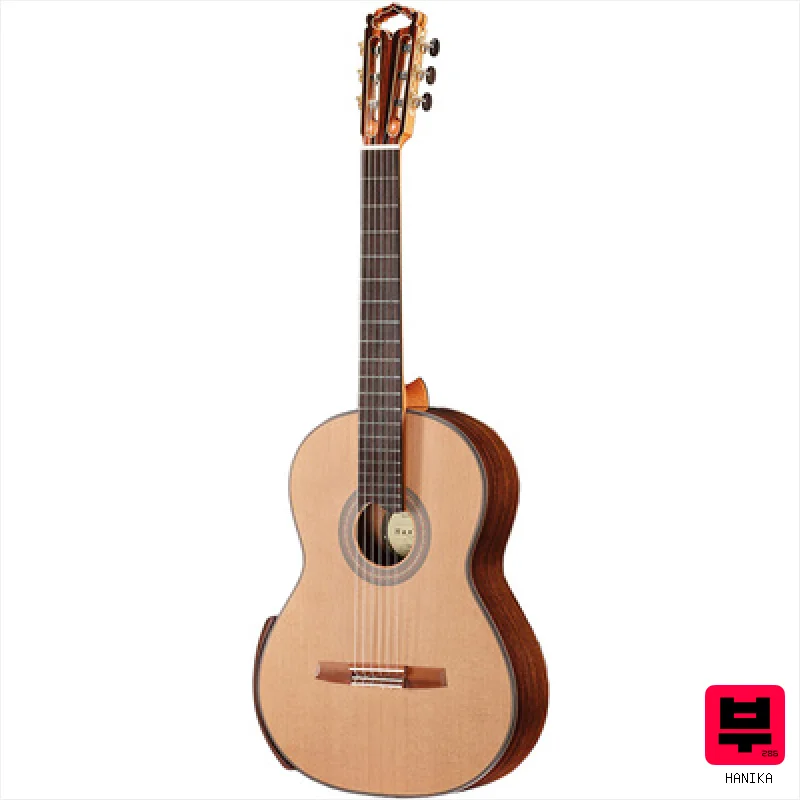
The top pick is Kala KA-B Baritone Ukulele ($291). Kala KA-BE Mahogany Baritone Ukulele gives you the most for the money at $201. Flight Maia Baritone EQ-A Rosewood leads the high end. Ranked by the AudioFu Index from 42 models across 8 brands, prices checked every night.
Last updated: October 22, 2026
Top 10
Full detail for the 10 highest AudioFu Index scores. Every other model is listed below.
-
Kala KA-B Baritone Ukulele
KALA KA-BE Baritone Ukulele · Kala
14 for sale on Reverb1 finish at Thomann
- Scale509 mm (20.04")
- Frets18 frets
The KA-BE is a solid entry into the baritone uke world. It's got a really pleasing, mellow tone thanks to the all-mahogany build and the GraphTech hardware helps keep it in tune. This is a great choice for players wanting a full, rich baritone voice with amplified capability, especially those coming from guitar or bass.
Pros
- Solid mahogany top delivers a warm, resonant, and focused tone.
- GraphTech NuBone nut and saddle improve sustain and tuning stability.
- UK-300TR electronics offer a usable, amplified sound with reasonable clarity.
Cons
- Mahogany construction, while warm, lacks the brightness of some other tonewoods.
- The satin finish, while attractive, can feel a bit plasticky to some players.
76AudioFu
IndexStableno change since Aug 17Aug 17$291 now$291€259 at Thomann · in stockCheck price ↗ -
- Scale509 mm (20.04")
- Frets18 frets
The KA-ZCT-B is a seriously refined baritone, offering a beautiful, mature tone that punches above its class. Ziricote isn’t a common choice, adding a unique visual flair and tonal complexity. It's ideal for players wanting a rich, full sound for fingerstyle or mellow strumming, and who appreciate a quality instrument without the absolute top-tier price tag.
Pros
- Ziricote top delivers a rich, complex, and surprisingly warm tone.
- Mahogany neck provides excellent sustain and comfortable playability.
- GraphTech NuBone nut and bridge enhance clarity and tuning stability.
Cons
- Ziricote can be a brittle wood; requires careful handling and humidity control.
- High-gloss finish may feel less 'organic' to some players preferring a matte feel.
76AudioFu
IndexStableno change since Aug 17Aug 17$358 now$358€319 at Thomann · in stockCheck price ↗ -
Kala KA-BE Mahogany Baritone Ukulele
KA-B Satin Mahogany Baritone · Kala
8 for sale on Reverb1 finish at Thomann
- Scale509 mm (20.04")
- Frets18 frets
The Kala KA-B is a really solid entry into the baritone ukulele world. The all-mahogany build gives it a mellow, full sound that’s perfect for fingerstyle players or anyone wanting a guitar-like feel in a smaller package. It’s a great option for those transitioning from guitar or looking for a rich, warm ukulele tone.
Pros
- Solid mahogany construction delivers warm, resonant tone with surprising depth
- GraphTech NuBone nut and saddle improve sustain and tuning stability
- Rosewood fretboard offers a comfortable playing experience with good feel
Cons
- Mahogany can be a bit 'woody' – lacks the brightness of some other tonewoods
- Scale length, while standard for baritone, might feel long for ukulele beginners
68AudioFu
IndexStableno change since Aug 17Aug 17$201 now$201€179 at Thomann · in stockCheck price ↗ -
Kala KA-BE Mahogany Baritone Ukulele
KA-BG Gloss Mahogany Baritone · Kala
8 for sale on Reverb1 finish at Thomann
- Scale509 mm (20.04")
- Frets18 frets
The Kala KA-BG is a beautifully crafted baritone ukulele that’s surprisingly full-bodied. Its warm tone and comfortable neck make it ideal for fingerstyle players and those wanting a mellow, guitar-like voice. It's a solid choice for someone wanting a premium baritone feel without a premium price tag.
Pros
- Solid mahogany construction delivers a warm, resonant tone with surprising depth.
- Rosewood fretboard offers a comfortable playing experience and nice contrast to the mahogany.
- The GraphTech NuBone bridge improves sustain and tuning stability compared to standard plastic.
Cons
- Mahogany’s tonal character can be a bit 'dark' for players wanting a brighter ukulele sound.
- The gloss finish, while beautiful, can be prone to fingerprints and smudging.
68AudioFu
IndexStableno change since Aug 17Aug 17$224 now$224€199 at Thomann · in stockCheck price ↗ -
- Nut width39 mm (1.54")
- Scale510 mm (20.08")
- Frets18 frets
- Strings8-string
- BodyMahogany body
This Baton Rouge V2-B8 sun is a fantastic entry into the baritone ukulele world. The 8-string setup gives it a richer, fuller sound, almost like a mini-guitar, and the mahogany construction is really lovely. It’s a great option for singers who want a comfortable, full-voiced accompaniment or anyone exploring the baritone range.
Pros
- Mahogany body delivers warm, resonant tones ideal for mellow arrangements.
- Nato neck provides comfortable playability and stable intonation.
- Nubone nut and saddle enhance sustain and tonal clarity noticeably.
Cons
- 8-string baritone is less versatile than standard ukulele sizes.
- Nato neck, while stable, isn't as premium as some higher-end options.
58AudioFu
IndexStableno change since Aug 17Aug 17$201 now$201€179 at Thomann · in stockCheck price ↗ -
- Nut width38 mm (1.5")
- Frets22 frets
- BodyBasswood body
- FingerboardMaple fingerboard
The Pathfinder Red is a solid entry into the electric baritone uke world. It's surprisingly versatile, thanks to the dual pickup configuration, and the roasted maple neck makes it a joy to play. This is a great option for players wanting that guitar-like tuning (DGBE) and a full, warm tone without a premium price tag.
Pros
- Roasted maple neck offers excellent stability and a smooth playing feel.
- Humbucker/single coil combo delivers versatile tonal options, surprisingly punchy.
- Basswood body provides a warm, resonant foundation for the baritone tone.
Cons
- Basswood, while warm, lacks the complexity of more premium tonewoods.
- 38mm nut width might feel wide for players accustomed to smaller uke necks.
54AudioFu
IndexStableno change since Aug 17Aug 17$336 now$336€299 at Thomann · in stockCheck price ↗ -
- Nut width38 mm (1.5")
- Scale510 mm (20.08")
- Frets19 frets
- FingerboardRosewood fingerboard
The Flight Maia EQ-A is a surprisingly versatile baritone uke, blending warmth with amplified power. It’s a great choice for players looking for a full, resonant tone and the option to plug in for recording or performance – ideal for singer-songwriters and those exploring lower-register arrangements.
Pros
- Solid mango top provides a warm, responsive fundamental tone.
- Rosewood back and sides add depth and sustain, a premium touch.
- Double C1U active pickups offer a surprisingly articulate amplified sound.
Cons
- Laminated rosewood back/sides limit ultimate tonal complexity compared to all-solid construction.
- Steel strings, while bright, may require a lighter touch for beginners.
54AudioFu
IndexStableno change since Aug 17Aug 17$392 now$392€349 at Thomann · in stockCheck price ↗ -
- Nut width38 mm (1.5")
- Frets22 frets
- BodyBasswood body
The Flight Pathfinder Baritone is a surprisingly capable instrument, offering a blend of affordability and quality. The roasted maple neck and versatile pickups make it a great option for players looking to explore different sonic territories beyond traditional ukulele sounds – think mellow jazz chords or even some light rhythm work. It’s perfect for beginner to intermediate players wanting a baritone with amplified capabilities.
Pros
- Roasted maple neck provides exceptional stability and a smooth playing feel.
- Flamed maple veneer top adds visual appeal and a touch of brightness to the tone.
- Humbucker/single coil pickup combination offers surprising versatility for various genres.
Cons
- Basswood, while warm, lacks the projection of more premium tonewoods.
- Hardtail bridge limits sustain and potential for vibrato effects.
51AudioFu
IndexStableno change since Aug 17Aug 17$347 now$347€309 at Thomann · in stockCheck price ↗ -
- Scale513 mm (20.2")
- Frets18 frets
- FingerboardRosewood fingerboard
This Kala travel baritone is a fantastic option for players wanting a full baritone experience in a compact package. The solid spruce top gives it a surprisingly rich voice, and the comfortable neck makes it a joy to play. It's ideal for students, travelers, or anyone wanting a baritone without the bulk of a larger instrument.
Pros
- Solid spruce top delivers a surprisingly resonant and articulate tone, a step up from laminate.
- Travel-size body offers comfortable playability, especially for smaller hands or travel.
- Graph Tech NuBone nut and saddle improve sustain and intonation compared to standard plastic.
Cons
- Travel size limits low-end response; bass frequencies are noticeably reduced.
- Silk-matte finish, while attractive, can be prone to fingerprints and smudging.
51AudioFu
IndexStableno change since Aug 17Aug 17$358 now$358€319 at Thomann · in stockCheck price ↗ -
- Nut width39 mm (1.54")
- Scale510 mm (20.08")
- FingerboardRosewood fingerboard
This baritone uke has a solid mango top that sounds bright and clear. The Flight passive pickup helps you hear every note without batteries. It suits players who want a compact, affordable option with a natural look.
Pros
- Solid mango top delivers bright, clear tone
- Flight passive pickup system adds output
- Slim line body fits smaller hands well
Cons
- Okoume back and sides may lack resonance
- No active power source required for pickup
51AudioFu
IndexStableno change since Aug 17Aug 17$370 now$370€329 at Thomann · in stockCheck price ↗
All 42 baritone ukuleles
Same index, same nightly prices — compact. Colour options of one model share a row. Tap a photo to zoom.
- 11
Kala KA-CM-BE Curly Mango Barit UkeKala51Stable$381€339$381€339Check ↗
- 12
Kala Teak Tri-Top Baritone UkuleleKala48Stable$212€189$212€189Check ↗
- 13
Kala KA-TEAK-BE Baritone UkuleleKala48Stable$224€199$224€199Check ↗
- 14
Flight Nomad BaritoneFlight48Stable$381€339$381€339Check ↗
- 15
Flight Aurora Baritone EQ-AFlight48Stable$381€339$381€339Check ↗
- 16
Kala MK-B Makala Series Baritone UkuleleMakala MK-B Baritone Ukulele · Kala78↓ 7.8%$134€119$134€119Check ↗
- 17
Flight Iris Baritone Ukulele BKFlight48Stable$197€175$197€175Check ↗
- 18
Kala Makala KA-AM-B-CE Baritone UkuleleKala Makala43Stable$212€189$212€189Check ↗
- 19
Ortega RUOX-BAOrtega49Stable$179€159$179€159Check ↗
- 20
Kala KA-15 B Baritone UkuleleKala54Stable$167€149$167€149Check ↗
- 21
Thomann Baritone EU Ukulele with PUThomann37Stable$201€179$201€179Check ↗
- 22
Kala KA-B Baritone UkuleleCT-SMH-BG Baritone Ukulele · Kala79Stable$504€449$504€449Check ↗
- 23
Kala KA-B Baritone UkuleleKA-CT-SA-BG Baritone Ukulele · Kala79Stable$606€539$606€539Check ↗
- 24
Kala KA-B Baritone UkuleleCT-SSRW-BG-C Baritone Ukulele · Kala79Stable$673€599$673€599Check ↗
- 25
Ortega RU5CE-BA BaritoneOrtega · 2 finishes53Stable$156€139$156€139Check ↗
- 26
Kala KA-B Baritone UkuleleKA-SDH-BE Baritone Ukulele · Kala76Stable$471€419$471€419Check ↗
- 27
Kala KA-TEAK-B Teak Bariton UkuleleKala48Stable$156€139$156€139Check ↗
- 28
Kala Makala CTD-SMH-BG Baritone UkuleleKala Makala66Stable$606€539$606€539Check ↗
- 29
Flight Aviator Galaxy Baritone BL CEFlight · 2 finishes61Stable$426€379$426€379Check ↗
- 30
Flight NUB310 Baritone UkuleleFlight51Stable$122€109$122€109Check ↗
- 31
Cascha Ukulele Mahogany BaritoneCascha43Stable$134€119$134€119Check ↗
- 32
Flight Maia 8 Steel String Bari EQ-AFlight54Stable$403€359$403€359Check ↗
- 33
Flight Maia Luxe Baritone EQ-AFlight52↓ 1.7%$594€529$594€529Check ↗
- 34
Flight Lily Baritone EQ-A SteelStringFlight51Stable$403€359$403€359Check ↗
- 35
Flight Aviator QM Baritone CEFlight51Stable$426€379$426€379Check ↗
- 36
Flight Navigator Baritone EQ-A SBFlight51Stable$611€544$611€544Check ↗
- 37
Flight Fireball EQ-A Baritone UkuleleFlight51Stable$692€616$692€616Check ↗
- 38
Flight Nighthawk Baritone EQ-A BKFlight49↓ 8.0%$412€367$412€367Check ↗
- 39
Flight 4SB Sammy Turton BaritoneFlight48Stable$594€529$594€529Check ↗
- 40
Kala Baritone Ukulele with CutawayKala48Stable$650€579$650€579Check ↗
- 41
Kala Makala KA-SSEBY-B Baritone UkuleleKala Makala46Stable$437€389$437€389Check ↗
- 42
Kamaka Baritone HF-4Kamaka46Stable$2,358€2,099$2,358€2,099Check ↗
Baritone Ukuleles by the numbers
Measured across all 45 models we track, not a sample.
Median $370 — half of all baritone ukuleles here cost less.
median of 32 models · 485 mm (19.09")–514 mm (20.24")
median of 35 models · 18–19
median of 22 models · 38 mm (1.5")–38 mm (1.5")
most common · 26 models
How to choose the best baritone ukuleles
Playability (Action & Neck Profile)
As an intermediate player, you're developing your technique. A comfortable neck profile - something not too chunky or too thin - and a manageable action (not too high, not too low) is crucial for smooth transitions and avoiding fatigue. Higher-end models often have a more refined neck shape and better fretwork, making a real difference.
Tonewoods & Construction
Spruce tops generally offer a brighter, more articulate tone, while mahogany tends to be warmer and more mellow. Solid wood tops (as opposed to laminate) will vibrate more freely, leading to better sustain and more complex overtones - important for moving beyond basic strumming. Dovetail neck joints are a sign of quality construction and improved resonance.
Intonation & Tuning Stability
A baritone's longer scale length makes intonation even more critical. Poor intonation will sound off when you start playing higher up the neck, which you will do. Check intonation at the 12th fret - it should match the open string. Quality hardware and a properly slotted bridge are key to tuning stability, especially when gigging.
Pickup Voicing (if equipped)
Many baritone ukes now come with pickups for amplification. The voicing of the pickup significantly impacts the overall tone - a cheap pickup can sound muddy or brittle. Listen for clarity, naturalness, and how well it captures the instrument's inherent character; avoid anything that sounds overly processed or artificial.
Headroom & Dynamic Range
You're moving beyond gentle strumming. You need a baritone that can handle a more aggressive playing style without collapsing into a muddy mess. Good headroom means the instrument can handle increased volume and dynamics without losing clarity or breakup in a pleasing, musical way. This is often tied to the quality of the tonewoods and bracing.
Buying guide
So, you've conquered the soprano and concert uke and are ready to rumble with a baritone? Smart move. The baritone's closer to a guitar tonally, giving you a richer low-end and more chordal options. But stepping up means needing a uke that can handle your evolving skills - better playability, more nuanced tone, and the ability to actually cut through a band mix. Let's look at some solid choices for the intermediate player who's serious about their baritone game.
Don't fall for the 'more expensive = better' trap. Many baritones in this price range cut corners on bracing or use lower-grade laminate woods. Focus on playability first - can you comfortably reach all the frets?
Listen carefully for a balanced tone - you want a low-end thump without sacrificing clarity in the mids. A solid top is worth the investment if you're serious about recording or playing with others.
How the AudioFu Index works
Five measured signals and nothing else — no stars from strangers, no “tested by experts” we didn’t do. The weights are fixed and public. We don’t play these instruments; we measure the market around them.
This chart covers 45 baritone ukuleles from the Thomann catalogue. Before you buy, read hands-on reviews and, where you can, play it. Full methodology.
AudioFu earns a commission when you buy through our Thomann links. It never changes the order — the index does.
- Demand40%
How many of this exact model are for sale on Reverb right now — what musicians actually buy and resell.
- Lineup20%
How many finishes Thomann stocks — makers expand the models that sell.
- Price15%
Where the price has moved since we started tracking in August.
- Specs15%
How completely the maker documents it.
- Maker10%
How deep the brand’s range is in this category.
Questions
What's the difference between a baritone uke and a guitar?
Tonally, the baritone uke sits closer to a guitar, with a richer low-end. It's tuned like the top four strings of a guitar (DGBE). The smaller body and shorter scale length still give it a unique ukulele 'voice,' though.
Is a laminate or solid top better for an intermediate player?
Solid tops generally offer a more nuanced and responsive tone, which is beneficial as you develop your playing. Laminate tops are more durable and often cheaper, but you'll miss out on some tonal complexity.
What action is ideal for a baritone uke?
Generally, around 2.5mm - 3mm at the 12th fret is a good starting point. Lower action can improve playability, but too low can cause fret buzz. It's a balancing act; a good setup is essential.
Do I need a pickup for my baritone uke?
Not necessarily. If you primarily play solo or record at home, you might not need one. However, if you gig or play with a band, a pickup is a worthwhile investment to ensure you can be heard.
What should I look for in a baritone uke pickup?
Listen for a natural, uncolored tone. Avoid pickups that sound overly bright or muddy. Piezo pickups are common, but some offer better articulation and less harshness than others. Experiment with EQ settings to find what works best for your playing style.