
Best Baritone Guitars for Post Rock 2026
So, you're chasing those massive, cascading soundscapes of post-rock, huh? Forget your Les Pauls and Strats - you need something that can rumble with the drums and still retain some clarity when those walls of reverb hit. Baritone guitars are your ticket, but not all baritones are created equal. Let's break down what to look for to get that signature post-rock vibe - the controlled chaos, the shimmering textures, the sheer weight of the sound.
Last updated: July 22, 2026 • Next update: July 29, 2026
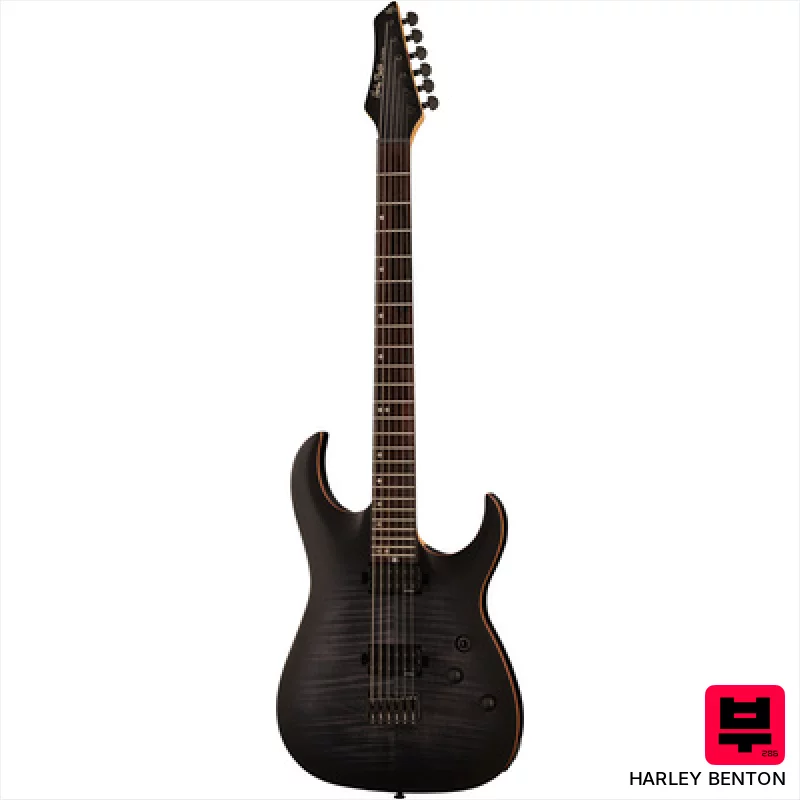
Harley Benton Amarok-BT BKNT Flame Burst
- • Mahogany body and flamed maple top deliver a warm, resonant, and visually striking tone.
- • EMG Retro Active pickups offer high-output, articulate tones suitable for rock and metal.
- • Neck-through construction enhances sustain and provides exceptional upper fret access.
- • Graphite nut resists wear and maintains tuning stability, a premium touch at this price point.
- • The 27 in scale might feel unwieldy for players accustomed to shorter scale lengths.
- • Limited tonal versatility; not ideal for clean, delicate genres like jazz or country.
- • Mahogany bodies can be prone to finish checking with temperature fluctuations.
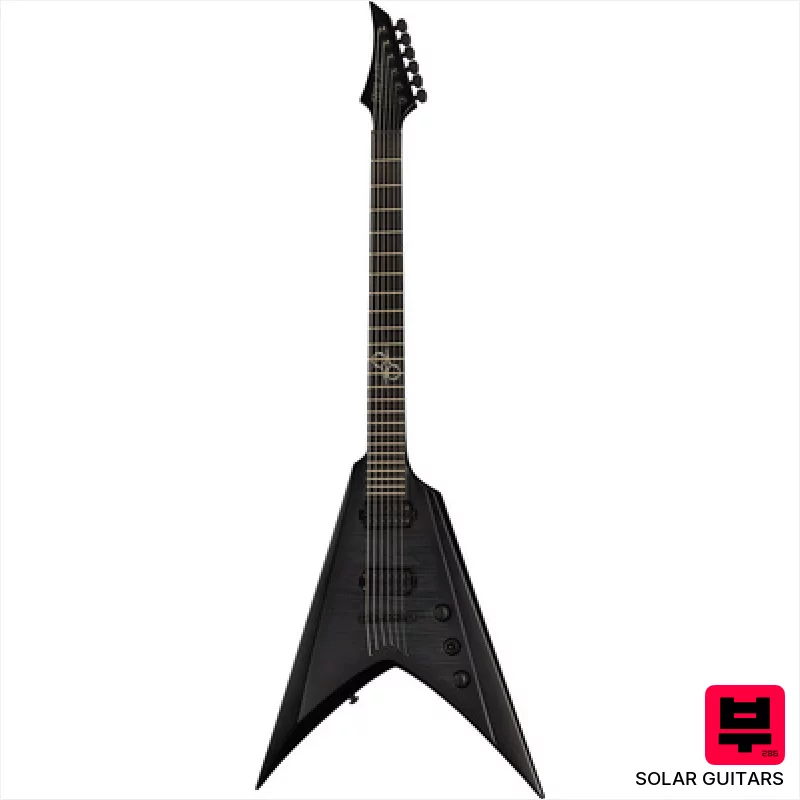
Solar Guitars V2.6FBB Baritone Flame Black
- • Mahogany/flamed maple combo delivers rich, resonant low-end tones.
- • Seymour Duncan Solar humbuckers offer powerful, articulate output.
- • Graphite nut minimizes tuning instability and improves sustain.
- • Comfortable 'C' neck profile and ebony fingerboard enhance playability.
- • Flame Black Burst Matte finish can be susceptible to fingerprints.
- • Baritone scale limits versatility for standard tuning applications.
- • Weight, typical for mahogany builds, might be tiring for some players.

Reverend Descent RA Baritone MBK
- • Korina body provides excellent resonance and sustain.
- • Roasted maple neck offers stability and a smooth, fast feel.
- • Railhammer Chisel pickups deliver thick, powerful, and articulate tones.
- • Reverend Pin-Lock tuners ensure rock-solid tuning stability.
- • Korina body can make it slightly heavier than some guitars.
- • The bass contour control might be a bit too subtle for some users.
- • Limited pickup options restrict versatility for extremely diverse genres.
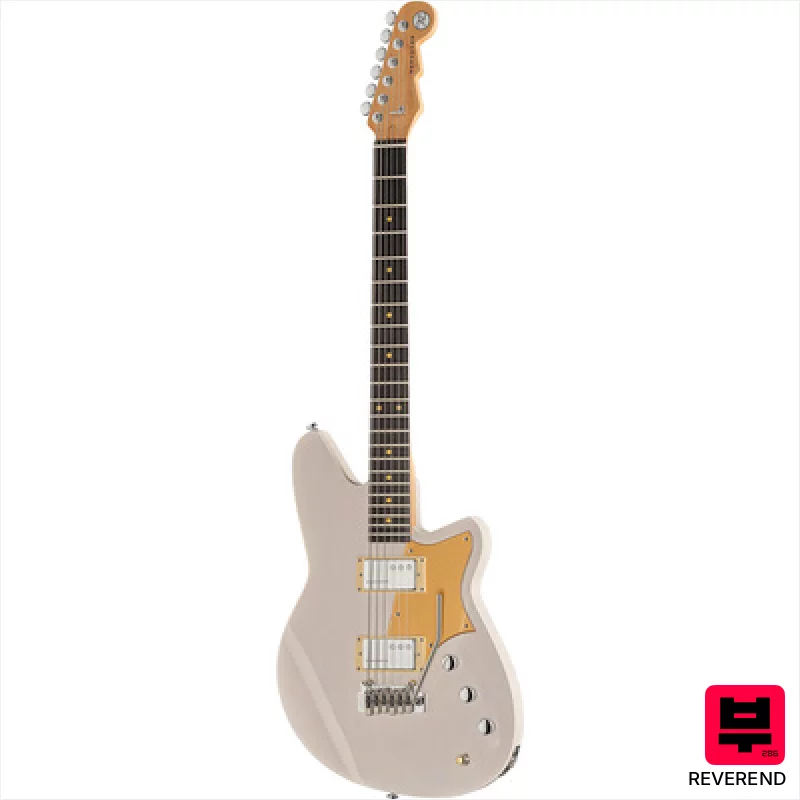
Reverend Descent W Baritone TWH
- • Korina body delivers surprising resonance and sustain.
- • Roasted maple neck offers exceptional stability and feel.
- • Nuevo 90/Cleancut combo provides versatile, articulate tones.
- • Wilkinson tremolo is smooth, reliable, and stays in tune well.
- • Korina body can make it a bit heavier than some players prefer.
- • Rosewood fretboard may require more frequent oiling for optimal feel.
- • Bass Contour control can be subtle and require tweaking.
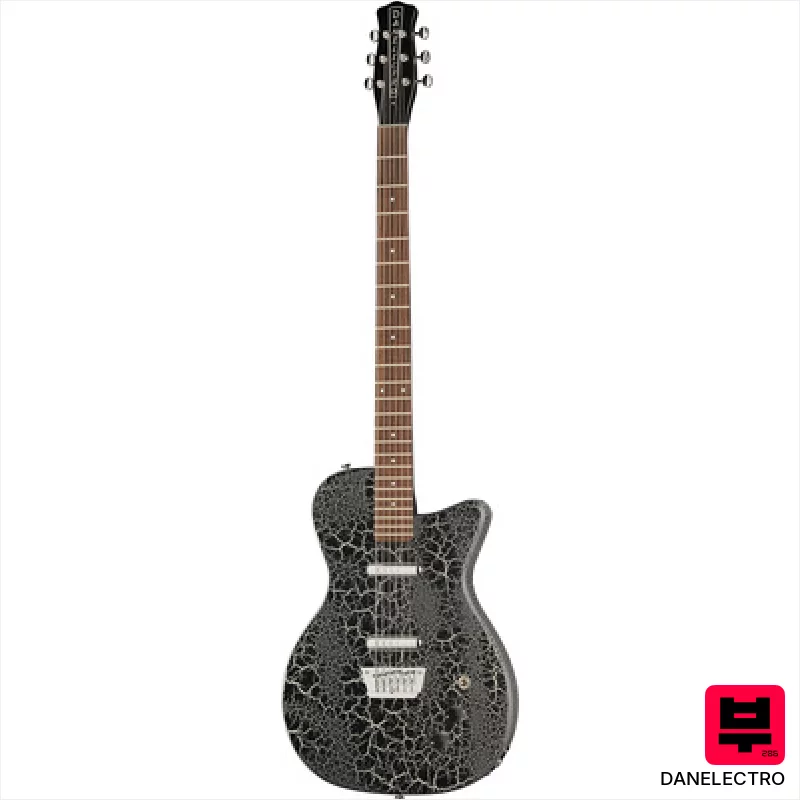
Danelectro 56 Baritone Black Crackle 3+3
- • Unique baritone voice delivers a deep, resonant low-end.
- • Lipstick pickups offer a raw, vintage tone with surprising output.
- • Bolt-on neck provides a snappy feel and easy playability.
- • Crackle finish is visually striking and adds character.
- • Poplar body construction lacks the sustain of more premium woods.
- • Limited tonal versatility compared to guitars with more pickup options.
- • The bolt-on neck can feel less refined than a set-neck design.

Duesenberg Julietta Baritone Catalina Red
- • Alder body delivers a balanced, resonant tone with excellent sustain.
- • Maple neck with rosewood fingerboard offers comfortable playability and warmth.
- • Grand Vintage humbucker provides thick, articulate high-gain tones.
- • Diamond Deluxe tremolo allows for expressive vibrato and subtle pitch bending.
- • The 28” scale can feel unwieldy for players accustomed to shorter scales.
- • Limited tonal versatility compared to guitars with more complex control sets.
- • Catalina Red finish, while striking, might not appeal to all tastes.

Danelectro 58 Longhorn Baritone CB
- • Unique, resonant poplar frame delivers a distinct, 'swampy' tone.
- • High-output Lipstick pickups offer surprising grit and sustain for a Danelectro.
- • Bolt-on neck provides comfortable access and a snappy, responsive feel.
- • Kluson-style tuners offer reliable tuning stability, a welcome upgrade.
- • Poplar body can feel somewhat lightweight and 'floaty' for some players.
- • The D-profile neck, while comfortable, might not suit all hand sizes or preferences.
- • Limited tonal versatility compared to more modern, versatile pickups.
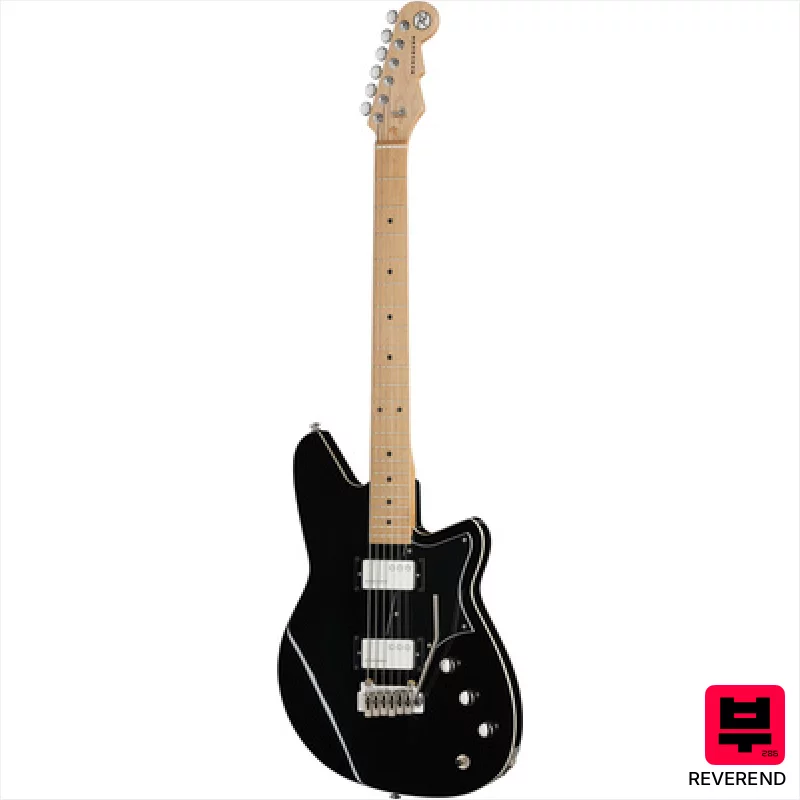
Reverend Descent W Baritone MBK
- • Korina body provides a warm, resonant foundation with surprising sustain.
- • Roasted maple neck and fingerboard offer stability and a smooth, fast playing experience.
- • Nuevo 90/Cleancut pickup combo delivers a versatile range, from clean to chunky.
- • Wilkinson tremolo provides reliable vibrato without excessive tuning instability.
- • Korina body, while resonant, can contribute to a moderately heavy feel.
- • Treble bleed circuit, while present, might not offer extensive high-end preservation.
- • Baritone scale limits versatility; not ideal for all genres or playing styles.

Danelectro 56 Vintage Baritone Red Metal
- • Unique baritone voice with distinct, gritty Lipstick pickup tone
- • Solid poplar core provides surprising resonance and sustain
- • Bolt-on maple neck offers comfortable, familiar playing feel
- • Classic Danelectro aesthetics and quirky charm are undeniably cool
- • Masonite top/back can feel a bit 'boxy' and less resonant than solid wood
- • Limited tonal versatility compared to guitars with more pickup options
- • Bolt-on neck joint may not appeal to players preferring set or neck-through designs
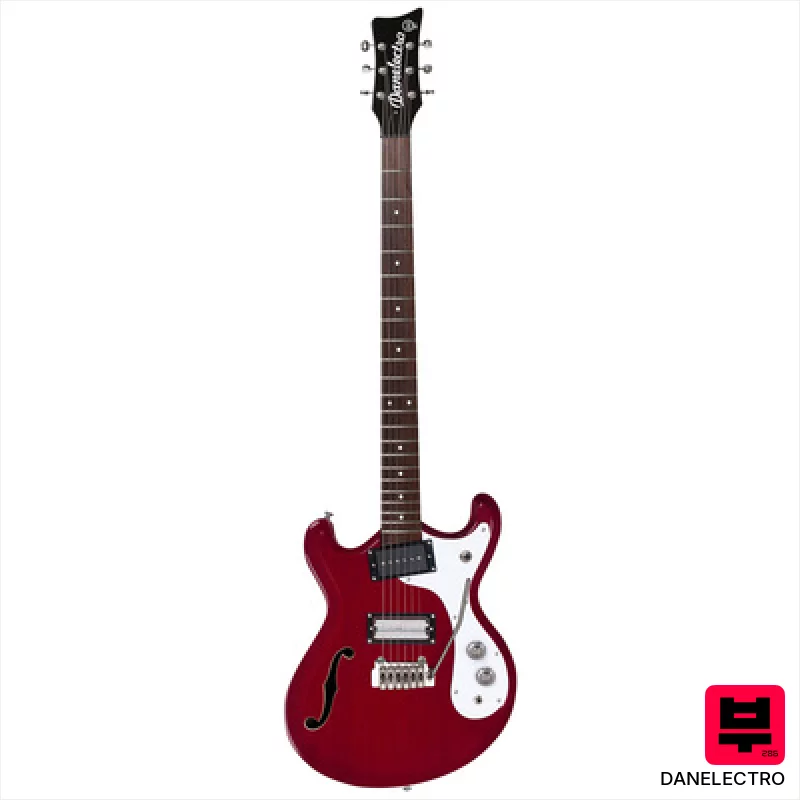
Danelectro 66BT Transparent Red
- • Alder body delivers a surprisingly resonant and focused low-end response.
- • Lipstick Humbucker provides thick, creamy tones ideal for rock and stoner genres.
- • Graphite nut improves tuning stability and minimizes fret buzz.
- • Wilkinson tremolo offers smooth, reliable vibrato without excessive tuning issues.
- • Bolt-on neck joint can feel less integrated than a set-neck design.
- • Rosewood fretboard may require more frequent oiling to prevent dryness.
- • Semi-hollow construction isn't as acoustically resonant as a full hollow body.

Harley Benton Amarok BT LH BKNT Flame w/Bag
- • Mahogany/flame maple combo delivers rich, warm tones with excellent sustain.
- • EMG Retro Active pickups provide a modern, high-output sound with clarity.
- • Neck-through construction enhances resonance and improves upper fret access.
- • Graphite nut minimizes friction and tuning instability; a welcome upgrade.
- • The 27” scale can feel unwieldy for players unfamiliar with baritone instruments.
- • Flamed maple veneer, while attractive, might be a thin application.
- • While versatile, the EMG pickups lean towards heavier genres, limiting clean tones.
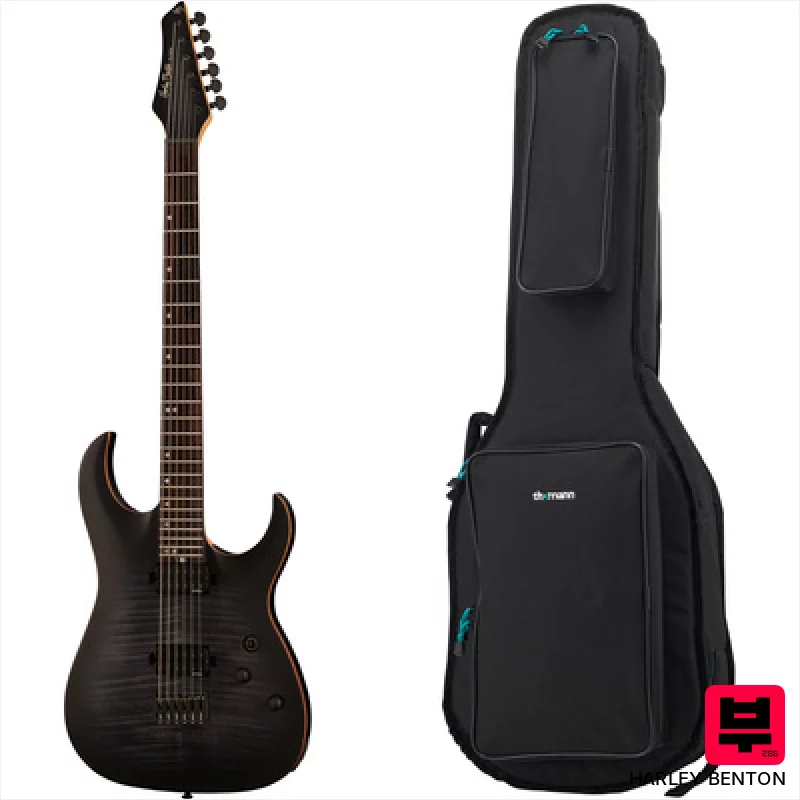
Harley Benton Amarok-BT BKNT Flame Bu w/Bag
- • Mahogany body and flamed maple top deliver a rich, resonant tone with sustain.
- • EMG Retro Active pickups provide a powerful, articulate, and versatile sound.
- • Neck-through construction enhances sustain and offers excellent upper fret access.
- • Graphite nut minimizes friction and improves tuning stability, a premium touch.
- • The 27” scale might feel unwieldy for players accustomed to shorter scales.
- • Mahogany body could make it a bit heavier than some players prefer.
- • Limited pickup switching options restrict tonal versatility somewhat.
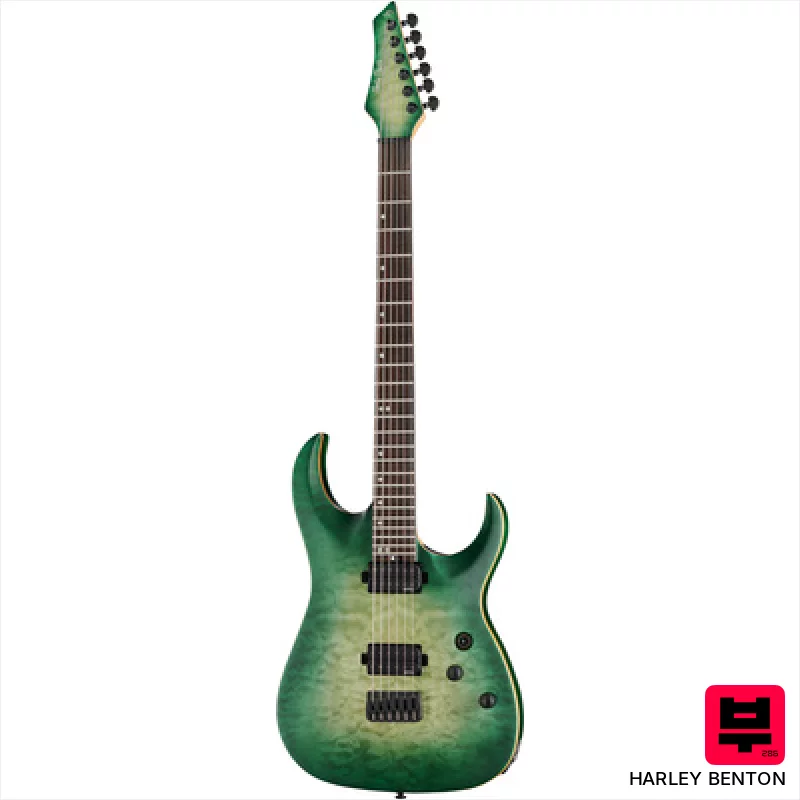
Harley Benton Amarok-BT EGNT Quilted Burst
- • Mahogany body provides warm, resonant low-end tones.
- • Neck-through construction enhances sustain and upper fret access.
- • EMG Retro Active pickups deliver a powerful, modern high-output sound.
- • Macassar ebony fingerboard offers a slick, fast playing experience.
- • The extended scale length demands a looser string gauge or adjusted playing style.
- • Mahogany body may make it somewhat heavier than other guitars.
- • Quilted maple veneer, while beautiful, might be a thin layer.

Danelectro 56 Baritone BMF 3+3
- • Lipstick pickups deliver a uniquely gritty, harmonically rich tone.
- • The poplar/Masonite body provides surprising resonance and character.
- • 756mm scale offers a looser feel, ideal for baritone voicings.
- • Kluson-style tuners offer reliable tuning stability and vintage aesthetics.
- • The Masonite top can feel a bit 'dead' compared to solid wood.
- • Limited tonal versatility; excels in specific genres, less so others.
- • The neck profile might be too thin for players preferring a thicker feel.
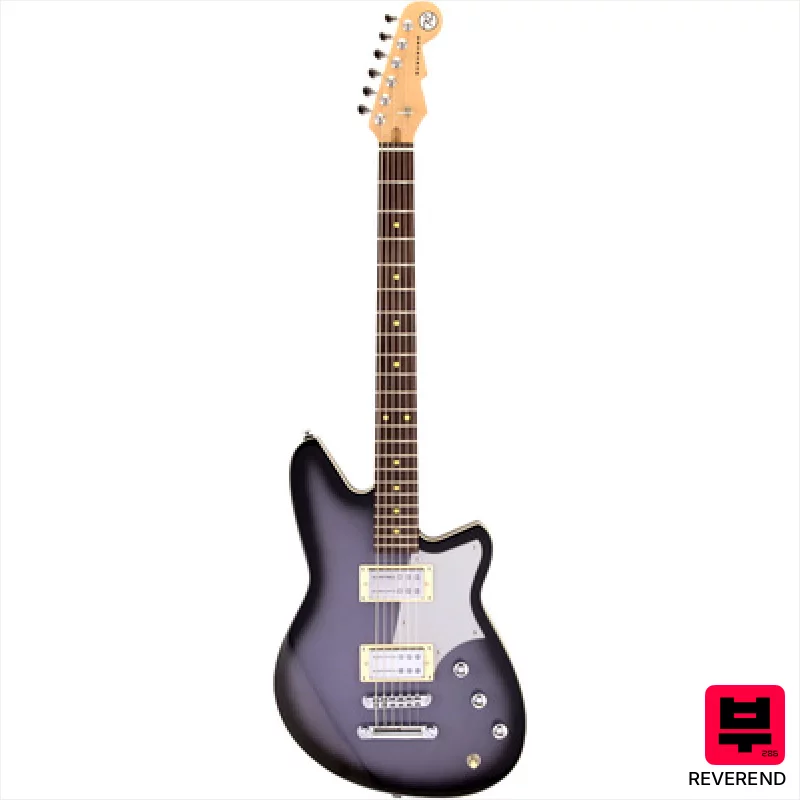
Reverend Descent RA Baritone PB
- • Korina body delivers warm resonance and excellent sustain.
- • Roasted maple neck provides exceptional stability and smooth playability.
- • Railhammer Chisel humbuckers offer thick, articulate, high-output tones.
- • Pin-Lock tuners ensure rock-solid tuning stability, even with a baritone scale.
- • Korina body may make it slightly heavier than some players prefer.
- • Treble bleed circuit, while good, might not satisfy tone purists seeking absolute clarity.
- • Limited pickup options restrict versatility for more extreme genre exploration.
How to Choose the Best Baritone Guitars
Low-End Response
Post-rock relies heavily on sub-bass frequencies to create that epic feel. You want a baritone that doesn't just have low end, but delivers it with clarity and definition, avoiding muddiness when layered with other instruments. A weak low-end just disappears in the mix.
Sustain & Resonance
Those drawn-out, ethereal chords need to hang in the air. A well-built baritone with a resonant body (mahogany, roasted maple, even chambered bodies) will give you the sustain you need without getting flabby.
Pickup Voicing
High-output pickups can easily turn into a sonic mess with all that low-end. We're looking for pickups that retain articulation and clarity even when pushed, offering a usable breakup without sacrificing note definition. Something with a slightly darker, smoother voicing is generally preferred.
Neck Profile & Playability
A comfortable neck is essential for those long, repetitive passages. A slimmer, modern 'C' or even a D profile tends to work well for the style, allowing for effortless playing across the extended scale length. Chunky necks can be a real pain after a while.
Hardware Quality
Cheap hardware, especially tuners, can kill your tuning stability. That's a non-starter when you're relying on open tunings and subtle pitch bends for atmospheric textures. Stable tuning is absolutely critical for nailing those layered soundscapes.
Buying Guide
Baritone guitars are often built with compromises. Cheaper models will often skimp on hardware, leading to tuning instability and a less-than-stellar feel. Pay attention to the neck radius - a flatter radius can be easier for bending and achieving those subtle pitch shifts. Don't be afraid to spend a little more for a guitar with a solid neck joint and good fretwork; it'll make a huge difference in playability and overall tone.
Our Methodology
We're not just looking at specs here. We've spent countless hours plugging these guitars into a variety of amps - from clean Fender Twins to cranked Orange stacks - and running them through the kinds of effects post-rock players rely on: reverb, delay, chorus, and more. We've A/B'd them against each other in rehearsal rooms and, crucially, on stage to see how they hold up in a band setting - because that's where the real test lies.

