
Best Alternative Design Guitars for Unique Style 2026
So, you're tired of the Strat/Tele/Les Paul echo chamber and want a guitar that actually sounds like your brain? Good. Because chasing a unique sonic signature isn't about slapping on a boutique pickup set - it's about the platform you're building that tone on. We're diving into guitars that break the mold, instruments designed to give you a springboard for something different, something you. Forget cookie-cutter; let's find your weird.
Last updated: July 22, 2026 • Next update: July 29, 2026

Sterling by Music Man Stringray 50X Seafoam Green
- • Roasted maple neck provides exceptional stability and feel.
- • P90 pickups deliver a thick, creamy, and aggressive tone.
- • Bolt-on construction offers a snappy, responsive attack.
- • Vintage tremolo allows for subtle vibrato and expressive playing.
- • Rosewood fretboard can feel a little dry without proper conditioning.
- • Poplar body, while resonant, isn't as tonally complex as mahogany.
- • Limited pickup options restrict versatility for very modern genres.

Guild Surfliner Deluxe Scarlett Red
- • Scarlett Red finish is stunning, a real head-turner.
- • DeArmond Aerosonics deliver a unique, glassy chime.
- • Maple neck offers excellent clarity and comfortable playability.
- • Solid poplar body provides a balanced, resonant tone.
- • Bolt-on neck joint might not appeal to vintage purists.
- • Tremolo system requires careful setup to avoid tuning instability.
- • The pickup configuration leans towards specific genres; less versatile.
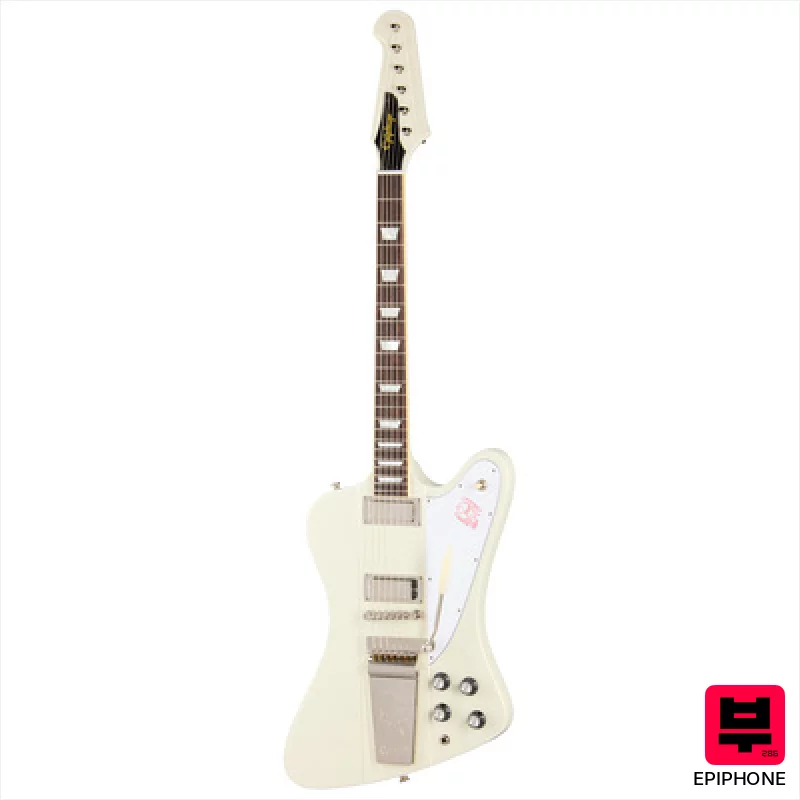
Epiphone 1963 Firebird V Vibrola PW
- • Mahogany body delivers warm, resonant tones with excellent sustain.
- • Walnut-reinforced neck-thru design enhances stability and upper-register clarity.
- • Gibson USA Firebird humbuckers provide a powerful, articulate vintage tone.
- • Maestro Vibrola adds expressive tremolo capabilities and classic Firebird vibe.
- • The shorter 24.75” scale can feel cramped for players accustomed to longer scales.
- • Mahogany construction contributes to a relatively heavy instrument; may require a strap.
- • Polaris White finish, while striking, can be prone to showing fingerprints.
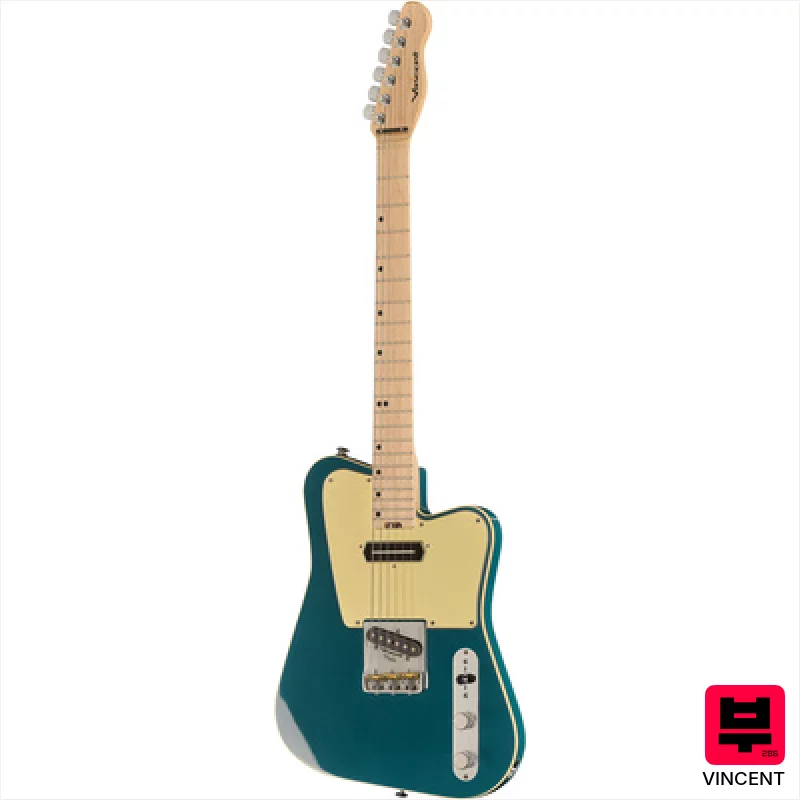
Vincent Nova CC Deep Ocean
- • Alder body provides a warm, resonant foundation for the unique pickup pairing.
- • Compound radius fingerboard offers comfortable playability across the entire fret range.
- • Charlie Christian/T-Style pickup combo delivers a versatile, articulate tonal palette.
- • Nickel/brass hardware offers a vintage feel and a touch of visual elegance.
- • The Deep Ocean finish, while beautiful, may show fingerprints easily.
- • The pickup configuration limits versatility compared to humbucker options.
- • Alder body construction can make it a bit heavier than some players prefer.
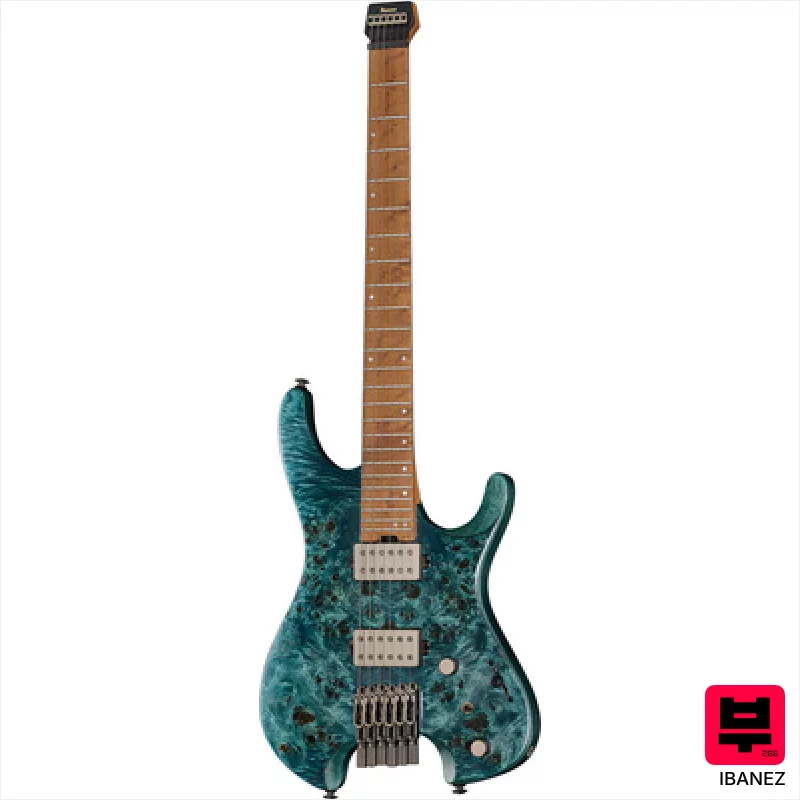
Ibanez Q52PB-COL
- • Roasted maple/bubinga neck offers exceptional stability and feel.
- • Q58 humbuckers deliver a surprisingly articulate, modern high-gain tone.
- • The Mono-Tune bridge simplifies string changes and tuning stability.
- • Cosmic Blue Low Gloss finish is striking and resists fingerprints well.
- • Nyatoh body, while decent, lacks the resonance of mahogany or alder.
- • Plastic nut can be a point of friction for some players; upgrade potential exists.
- • Shorter 648mm scale might feel cramped for players used to longer scales.

Fender MIJ Trad II 60s Mustang WPL
- • Basswood body delivers surprisingly resonant, balanced tones.
- • Maple neck with rosewood fretboard offers comfortable, familiar feel.
- • Mustang single coils provide unique, chimey character and vintage vibe.
- • Floating tremolo allows for expressive vibrato without excessive tuning instability.
- • Basswood can sometimes lack sustain compared to more premium woods.
- • The 'U' neck profile isn't for everyone; might feel thick.
- • Limited pickup options restrict versatility for modern high-gain styles.
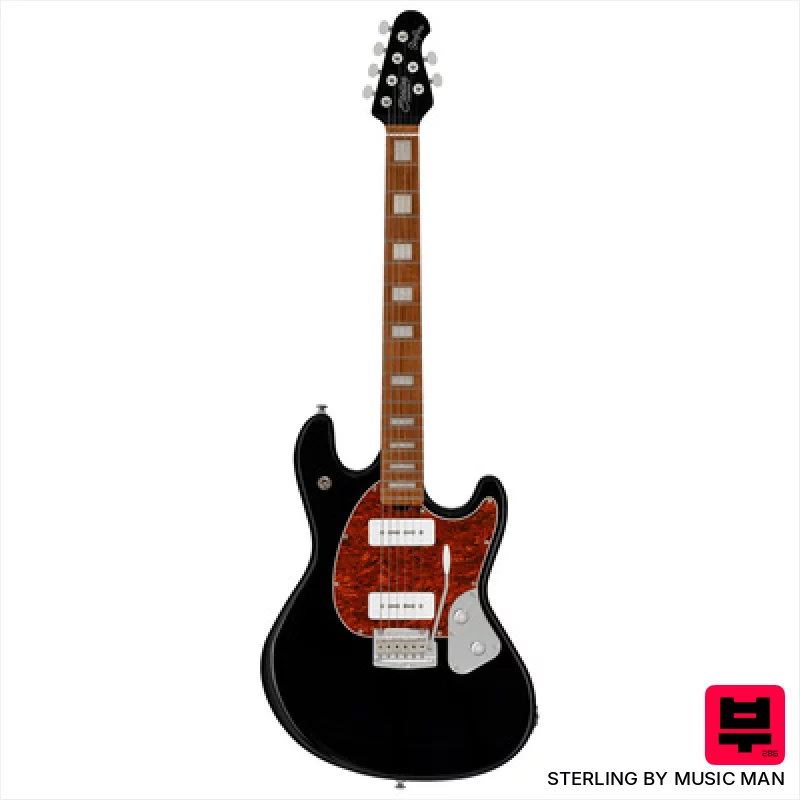
Sterling by Music Man Stingray 50X Black
- • Roasted maple neck provides exceptional stability and feel.
- • P90 pickups deliver a thick, gritty, and articulate tone.
- • Bolt-on construction offers a snappy, responsive attack.
- • Vintage tremolo allows for expressive vibrato and subtle shimmer.
- • Rosewood fingerboard may feel slightly dry for some players.
- • Limited pickup options restrict versatility for very diverse genres.
- • Tremolo system requires careful setup to avoid tuning instability.
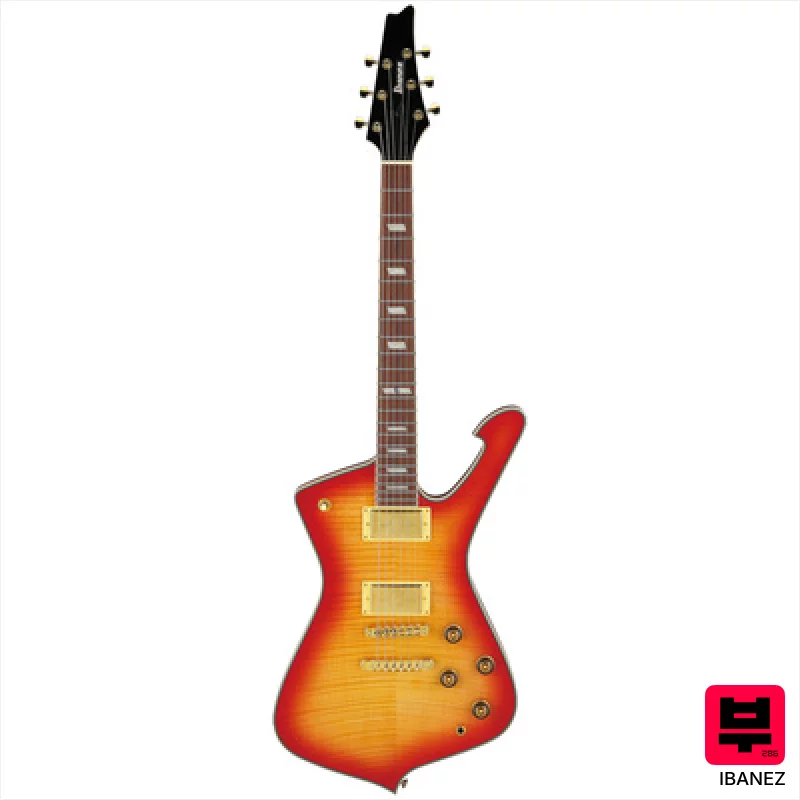
Ibanez IC420FM-CRS
- • Okoume body provides a warm, resonant foundation for the pickups.
- • Super 80 pickups deliver a thick, creamy tone with plenty of output.
- • Jatoba fingerboard offers a unique feel and surprisingly smooth playability.
- • Gibraltar Performer bridge enhances sustain and tuning stability.
- • Plastic nut can be a limiting factor for ultimate tuning stability and feel.
- • Okoume body might be slightly heavier than some players prefer.
- • While versatile, the Super 80s lean towards a warmer, less aggressive sound.
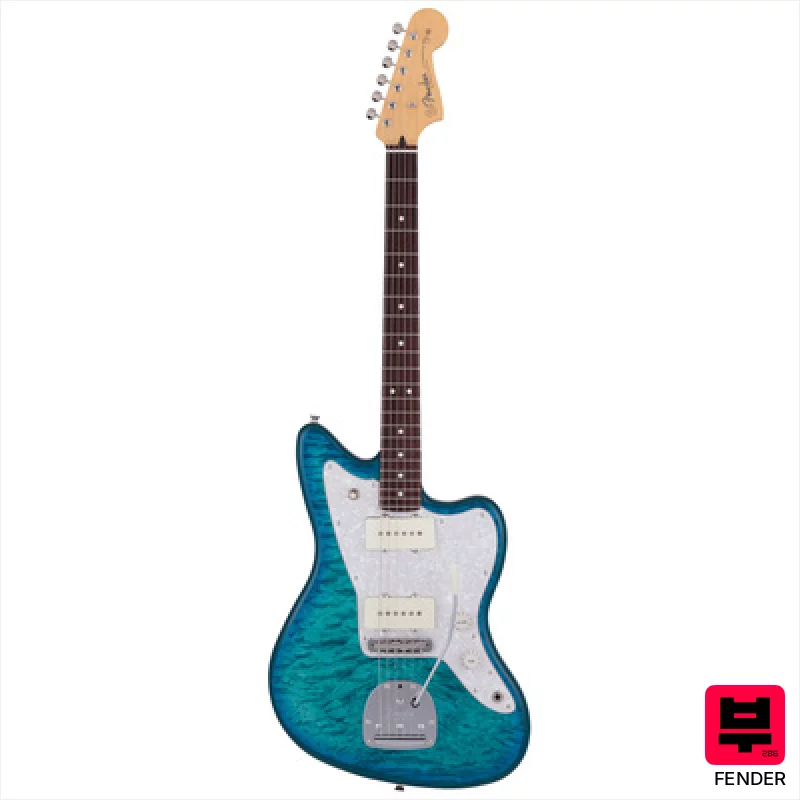
Fender Hybrid II Jazzmaster RW Q AQM
- • Quilted maple top adds visual flair and a touch of brightness.
- • Hybrid II pickups offer a versatile, modern Jazzmaster voice.
- • Maple neck with a comfortable 'Modern C' profile enhances playability.
- • Japanese build quality ensures consistent craftsmanship and reliable performance.
- • Aquamarine finish might not appeal to all players’ aesthetic preferences.
- • Rosewood fretboard can be prone to drying out if not properly maintained.
- • The floating tremolo requires careful setup to avoid tuning instability.

Sterling by Music Man S.U.B. Axis AX 3 Neptune Blue
- • Jabon body provides surprising resonance and warmth.
- • Maple neck offers excellent clarity and sustain.
- • Alnico humbuckers deliver thick, aggressive rock tones.
- • Fulcrum tremolo allows for expressive vibrato without tuning issues.
- • Jabon body can be somewhat plain aesthetically compared to other woods.
- • Bolt-on neck might not appeal to players preferring set necks.
- • Tremolo system requires occasional tuning adjustments with heavy use.

Danelectro Sitar Black Crackle
- • Unique sitar-inspired bridge offers distinctive sympathetic resonance.
- • Lipstick pickups deliver that classic, quirky Danelectro chime and grit.
- • Bolt-on maple neck provides comfortable playability and reliable stability.
- • Pau Ferro fingerboard offers a smooth feel and good durability.
- • Composite body, while lightweight, lacks the resonance of solid wood.
- • 24.75” scale can feel cramped for players used to longer scales.
- • Limited tonal versatility compared to more traditional electric guitars.
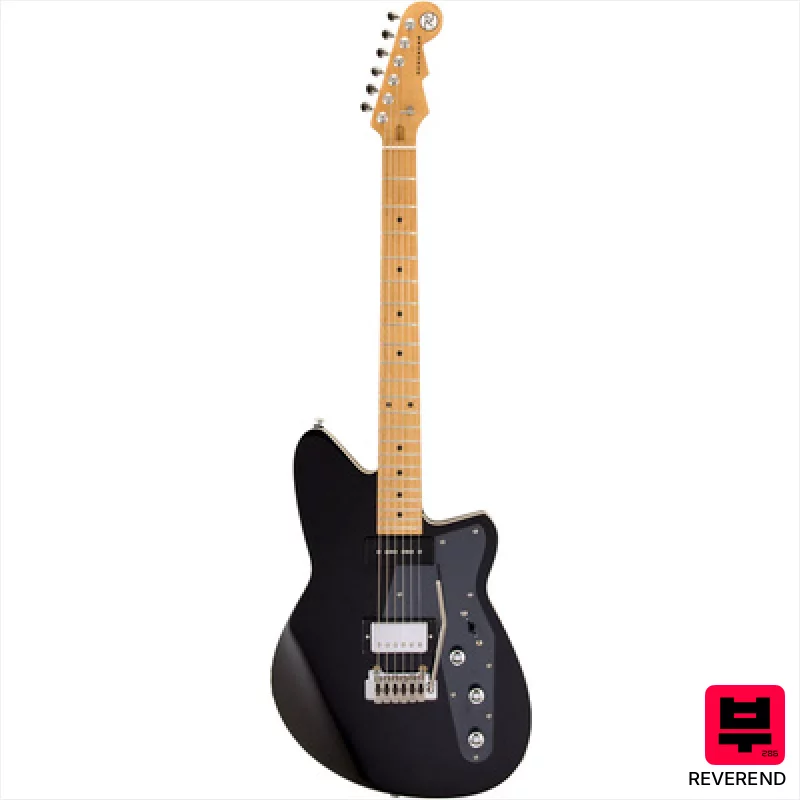
Reverend Double Agent W MBK
- • Korina body delivers a warm, resonant, and surprisingly lightweight feel.
- • Roasted maple neck and fingerboard offer exceptional stability and smooth playability.
- • HA5 humbucker/9A5 P90 combo provides a versatile range of tones, from thick crunch to spanky cleans.
- • Wilkinson tremolo offers reliable performance without excessive dive-bombing.
- • Korina, while lightweight, can be prone to finish checking with temperature changes.
- • Bass Contour control can be subtle and requires experimentation to fully utilize.
- • The medium oval neck profile isn't for everyone; may not suit very modern players.
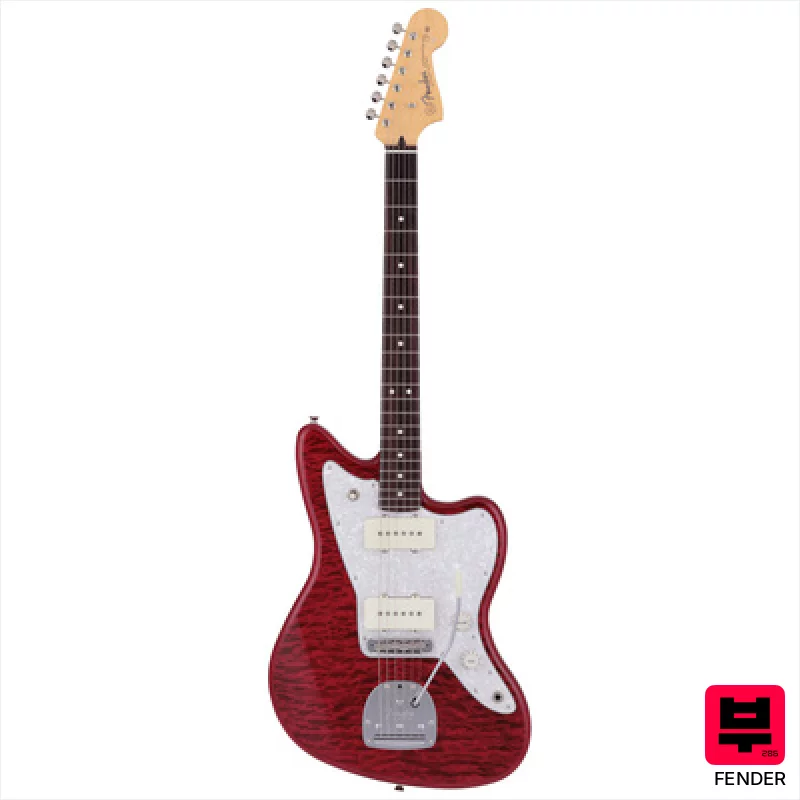
Fender Hybrid II Jazzmaster RW Q RBL
- • Quilted maple top adds visual flair and subtle brightness.
- • Hybrid II pickups offer a versatile, modern take on the Jazzmaster tone.
- • Maple neck with a comfortable 'Modern C' profile enhances playability.
- • Japanese craftsmanship ensures excellent build quality and reliable performance.
- • Alder body can make it feel a little less resonant than some other woods.
- • Rosewood fretboard may require more frequent oiling depending on climate.
- • Tremolo system, while adjustable, isn’t a locking trem – tuning stability can be a concern.
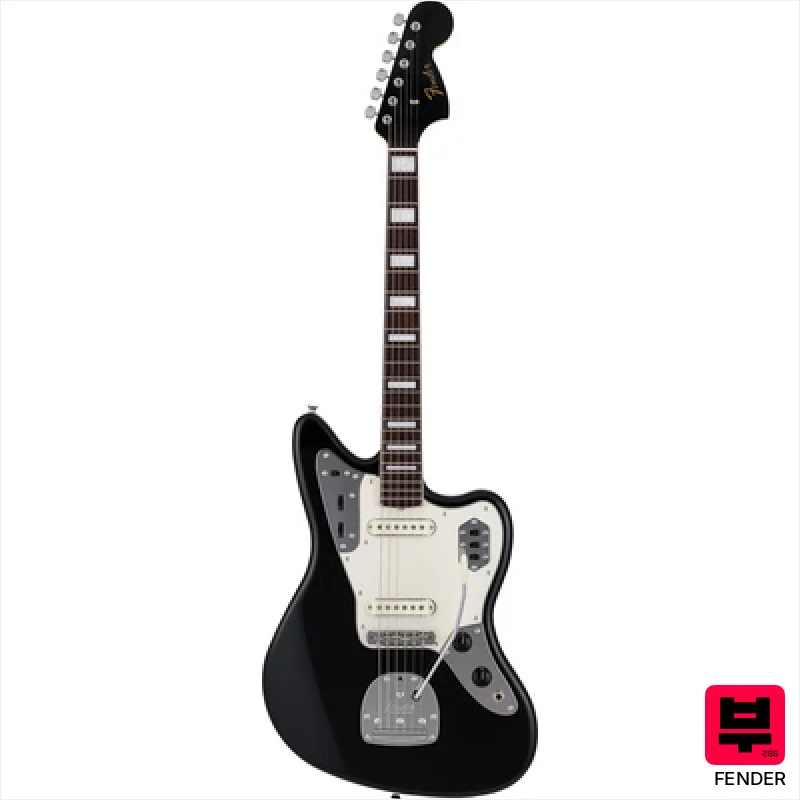
Fender MIJ Trad II 60s Jaguar RW BLK
- • Basswood body delivers a surprisingly resonant and balanced tone.
- • Vintage-style Jaguar pickups offer a unique, jangly character with great clarity.
- • The 'U' neck profile is comfortable and familiar for many players.
- • Floating tremolo provides subtle vibrato without excessive tuning instability.
- • Basswood, while resonant, lacks the sustain of mahogany or ash.
- • The Jaguar's ergonomics aren't ideal for all players; can be a reach.
- • Limited pickup versatility compared to more modern, coil-splitting options.
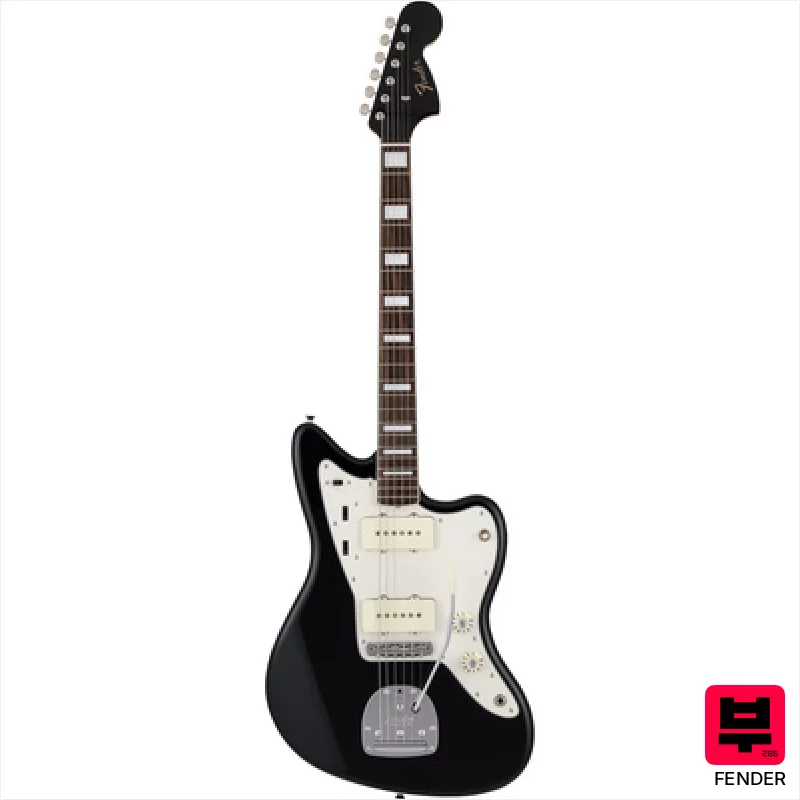
Fender MIJ Trad II 60s Jazzmaster BLK
- • Basswood body provides a surprisingly resonant and balanced tone.
- • Vintage-style Jazzmaster pickups deliver a snarling, articulate sound.
- • The 'U' neck profile offers a comfortable, familiar feel for many players.
- • Floating tremolo allows for expressive vibrato without excessive tuning instability.
- • Basswood, while resonant, lacks the premium sustain of alder or ash.
- • Parchement pickguard can yellow and age unevenly over time.
- • The vintage Jazzmaster scale can feel slightly unwieldy for smaller hands.
How to Choose the Best Alternative Design Guitars
Ergonomics & Playability
Alternative styles demand unconventional playing - tapping, extended range techniques, odd tunings. A comfortable neck profile, well-set-up action, and body shape that doesn't fight you are non-negotiable. That's the foundation for exploring sonic territory.
Tonal Palette
Forget 'balanced' - we're after guitars with personality. This means a willingness to embrace unique pickup combinations (P90s in a Tele, anyone?), unusual wood choices (basswood, mahogany, roasted woods) that offer a distinct character and respond well to pedals.
Hardware & Modding Potential
A solid bridge, good tuning stability, and a layout that allows for easy pickup swaps and other mods are crucial. You're not buying a finished product; you're buying a canvas. Cheap hardware is the first thing to go.
Sustain & Resonance
Alternative styles often involve long, evolving tones and feedback manipulation. A well-constructed guitar with good resonance will sustain notes longer and respond better to subtle playing dynamics - crucial for creating atmosphere and texture.
Aesthetic & Inspiration
Let's be honest, a guitar's look matters. It's a visual statement and can influence your playing. A unique aesthetic can spark new ideas and help you find your sonic voice. It's about more than just looks; it's about the vibe.
Buying Guide
Be wary of guitars that promise too much for too little. Often, that means cheap hardware, poorly finished necks, and lackluster wood choices. Paying a bit more for quality hardware (locking tuners, a solid bridge) will pay dividends in stability and playability. Don't be afraid to mod-it's part of the process-but start with a solid base that won't fall apart under scrutiny.
Our Methodology
We're not looking at spec sheets here. We've spent countless hours with these guitars - plugged into a variety of amps, recorded direct, gigged in sweaty clubs, and compared them head-to-head. Our evaluations are based on real-world performance and how well they serve the needs of a player pushing the boundaries of alternative and experimental music.

