
Best Alternative Design Guitars for Contemporary Players 2026
Alright, so you're tired of the Strat/Tele/Les Paul routine? Good. Contemporary players - the ones blending genres, pushing boundaries, and not wanting to be boxed in - need guitars that can keep up. We're talking about instruments that offer something different, something with a unique sonic character and ergonomic feel. This isn't about chasing trends; it's about finding a tool that inspires and expands your creative palette.
Last updated: July 22, 2026 • Next update: July 29, 2026
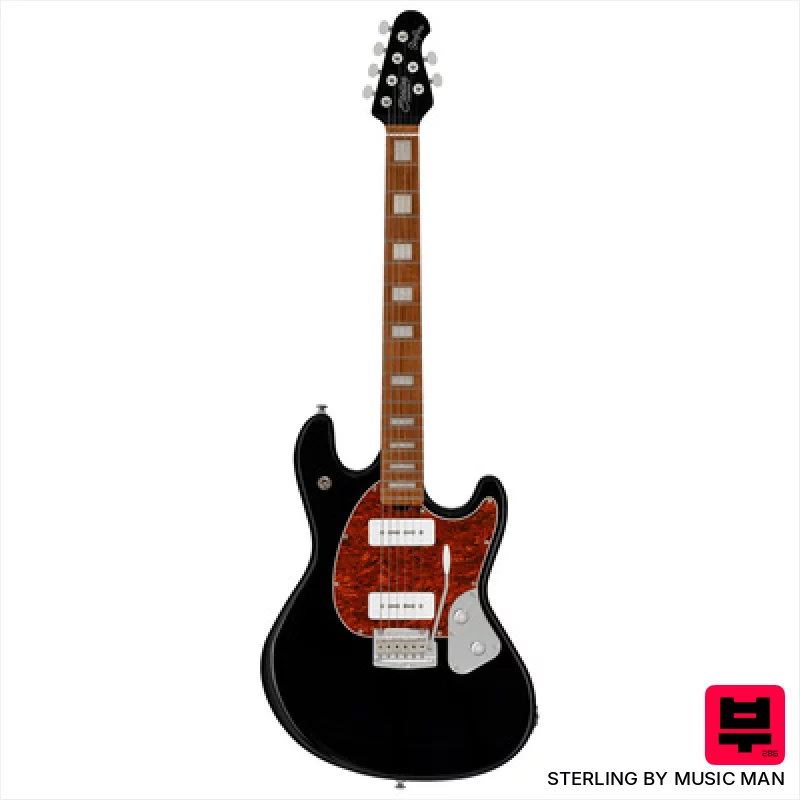
Sterling by Music Man Stingray 50X Black
- • Roasted maple neck provides exceptional stability and feel.
- • P90 pickups deliver a thick, gritty, and articulate tone.
- • Bolt-on construction offers a snappy, responsive attack.
- • Vintage tremolo allows for expressive vibrato and subtle shimmer.
- • Rosewood fingerboard may feel slightly dry for some players.
- • Limited pickup options restrict versatility for very diverse genres.
- • Tremolo system requires careful setup to avoid tuning instability.

Sterling by Music Man S.U.B. Axis AX 3 Neptune Blue
- • Jabon body provides surprising resonance and warmth.
- • Maple neck offers excellent clarity and sustain.
- • Alnico humbuckers deliver thick, aggressive rock tones.
- • Fulcrum tremolo allows for expressive vibrato without tuning issues.
- • Jabon body can be somewhat plain aesthetically compared to other woods.
- • Bolt-on neck might not appeal to players preferring set necks.
- • Tremolo system requires occasional tuning adjustments with heavy use.
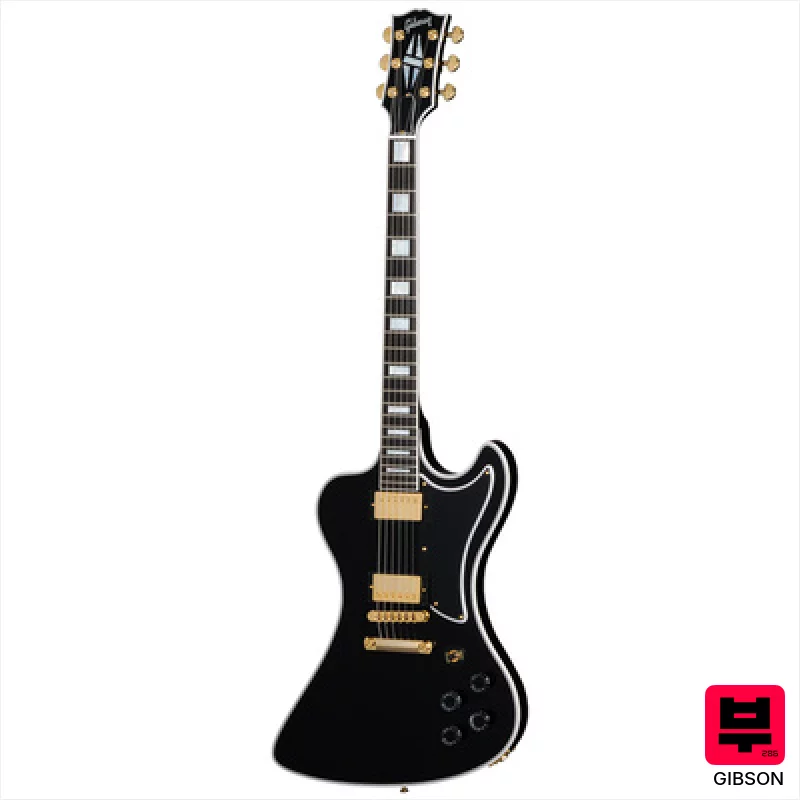
Gibson RD Custom Ebony
- • Mahogany body delivers a warm, resonant, and powerful low-end foundation.
- • Ebony fingerboard offers exceptional clarity, speed, and a smooth playing feel.
- • 490R/498T pairing provides a versatile range from thick rhythm to searing leads.
- • Grover Rotomatics ensure rock-solid tuning stability even with aggressive playing.
- • Mahogany construction contributes to a noticeably heavier instrument, potentially tiring for some.
- • The medium 'C' neck profile might not suit players preferring a thinner or more vintage feel.
- • The pickup configuration leans towards rock and high-gain styles, limiting clean versatility.
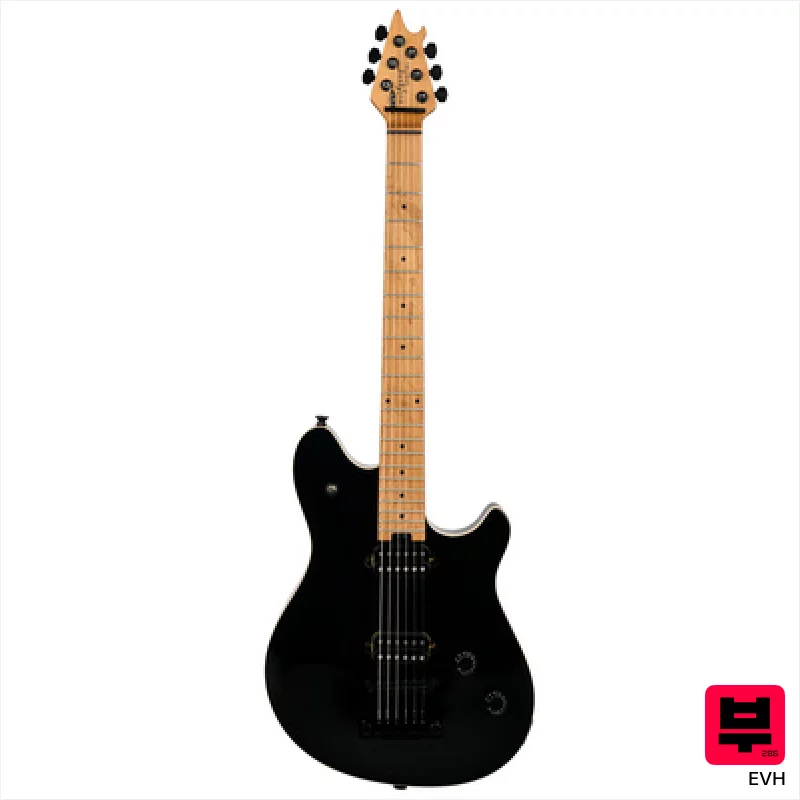
Evh Wolfgang Special T.O.M GBK
- • Roasted maple neck offers exceptional stability and feel.
- • Direct-mounted Wolfgang pickups deliver a focused, articulate high-gain tone.
- • Compound radius fingerboard enhances playability across the fretboard.
- • T.O.M. bridge provides excellent sustain and tuning stability.
- • Basswood body can lack the complexity of more premium tonewoods.
- • Limited pickup options restrict versatility for very diverse genres.
- • High-gloss finish can be a fingerprint magnet and require diligent care.
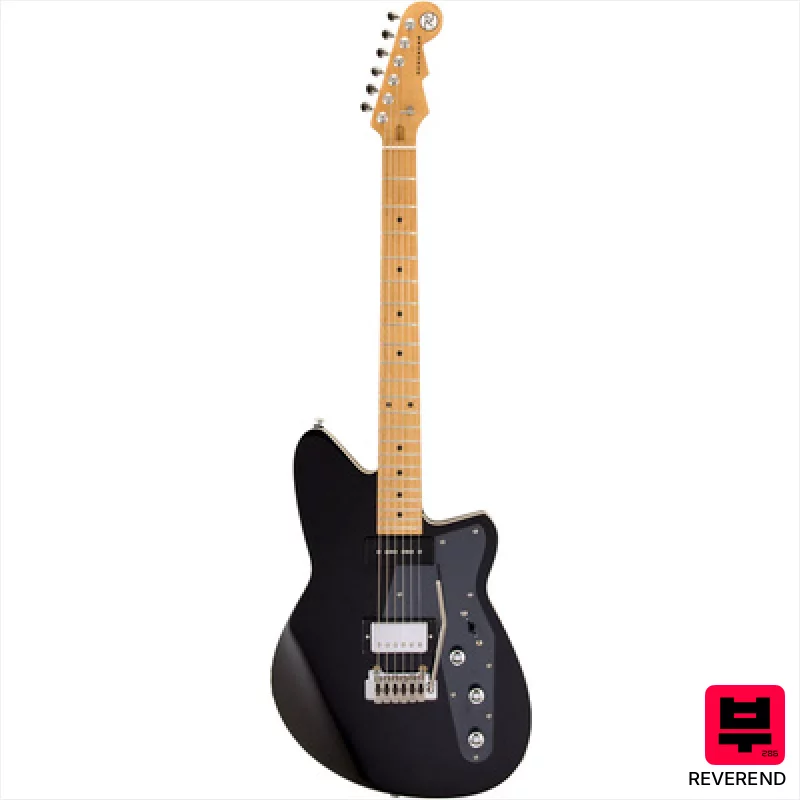
Reverend Double Agent W MBK
- • Korina body delivers a warm, resonant, and surprisingly lightweight feel.
- • Roasted maple neck and fingerboard offer exceptional stability and smooth playability.
- • HA5 humbucker/9A5 P90 combo provides a versatile range of tones, from thick crunch to spanky cleans.
- • Wilkinson tremolo offers reliable performance without excessive dive-bombing.
- • Korina, while lightweight, can be prone to finish checking with temperature changes.
- • Bass Contour control can be subtle and requires experimentation to fully utilize.
- • The medium oval neck profile isn't for everyone; may not suit very modern players.

Reverend Jetstream 390 CBL
- • Korina body delivers surprising resonance and sustain.
- • Roasted maple neck offers exceptional stability and feel.
- • 9A5 P90s provide a thick, vocal tone with plenty of grit.
- • Wilkinson tremolo is smooth and reliable, a noticeable upgrade.
- • Korina body makes it noticeably heavier than some alternatives.
- • Treble bleed circuit can still introduce some noise at higher volumes.
- • Limited pickup options restrict ultimate tonal versatility.
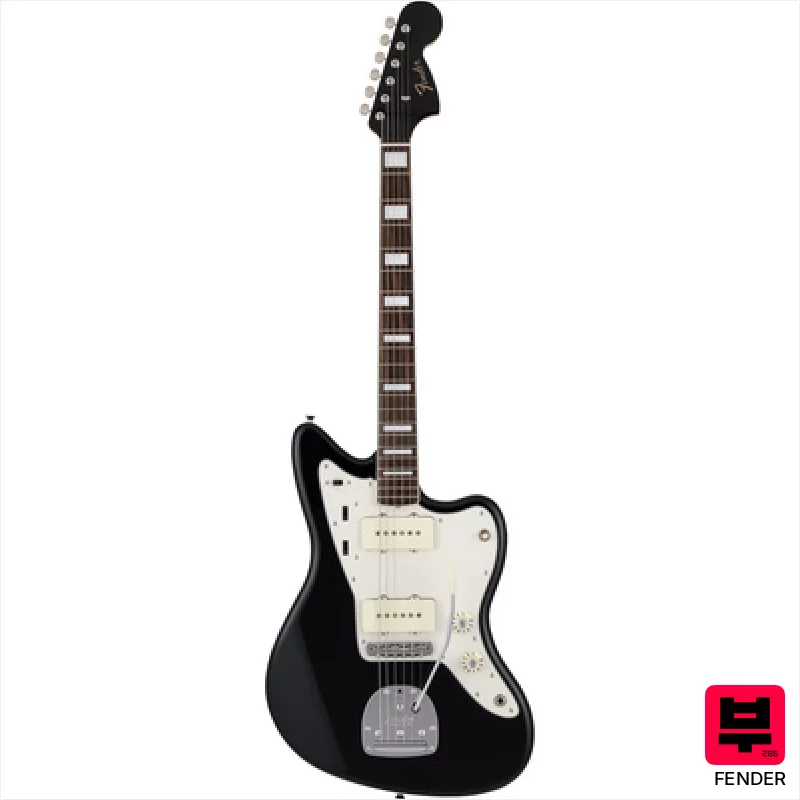
Fender MIJ Trad II 60s Jazzmaster BLK
- • Basswood body provides a surprisingly resonant and balanced tone.
- • Vintage-style Jazzmaster pickups deliver a snarling, articulate sound.
- • The 'U' neck profile offers a comfortable, familiar feel for many players.
- • Floating tremolo allows for expressive vibrato without excessive tuning instability.
- • Basswood, while resonant, lacks the premium sustain of alder or ash.
- • Parchement pickguard can yellow and age unevenly over time.
- • The vintage Jazzmaster scale can feel slightly unwieldy for smaller hands.
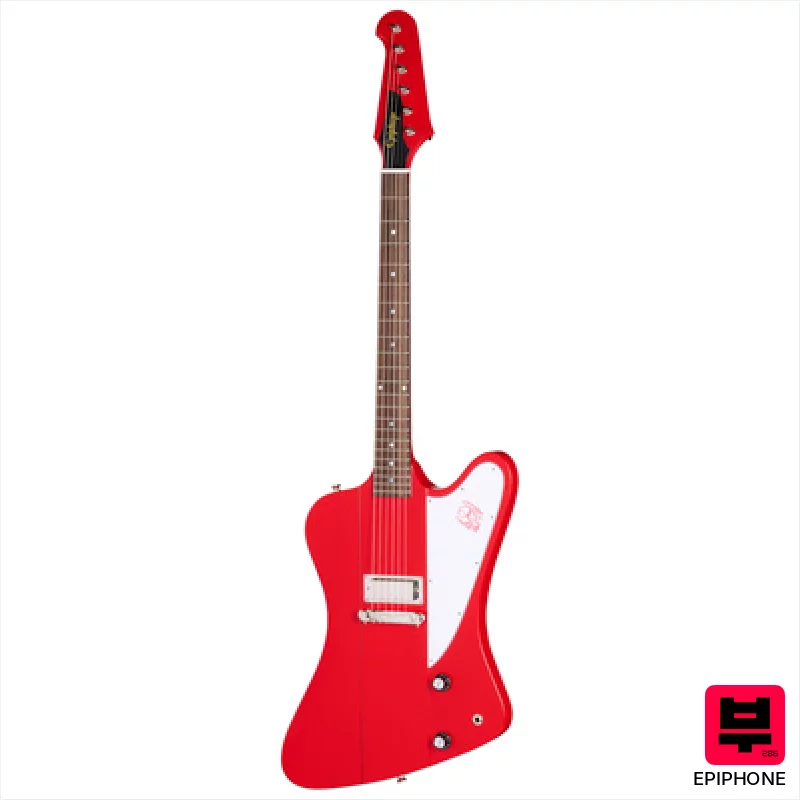
Epiphone 1963 Firebird I Reissue CR
- • Mahogany body delivers warm, resonant sustain and vintage character.
- • Neck-thru design enhances upper fret access and note fluidity.
- • Gibson USA Firebird humbucker provides powerful, articulate tone.
- • Kluson banjo-style tuners offer smooth, reliable tuning stability.
- • Heavier than average due to the mahogany construction; can be fatiguing.
- • Rosewood fingerboard may require occasional oiling to prevent dryness.
- • Stylized design limits versatility; not ideal for all genres.
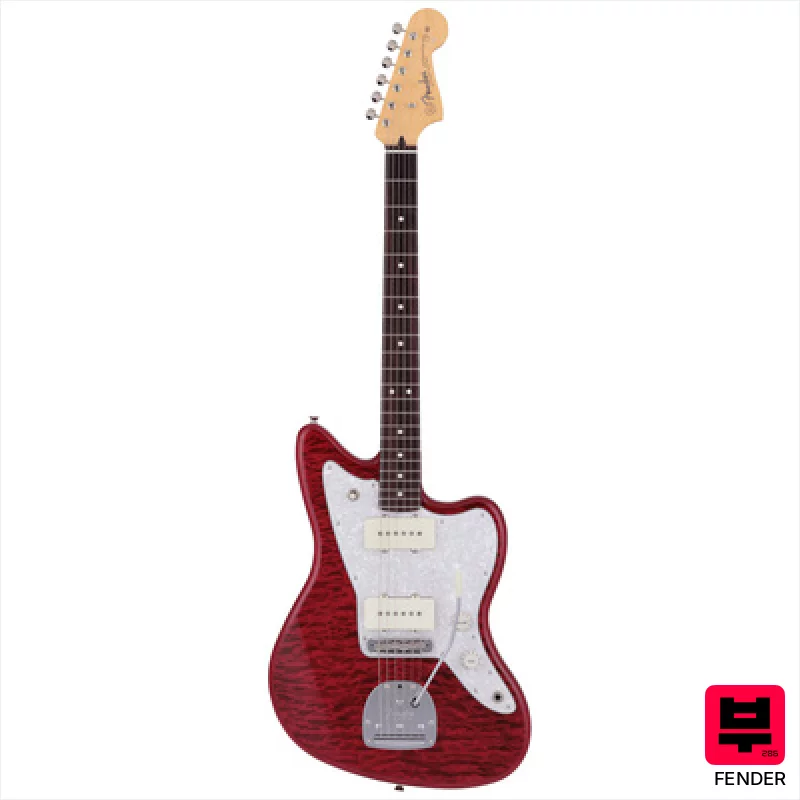
Fender Hybrid II Jazzmaster RW Q RBL
- • Quilted maple top adds visual flair and subtle brightness.
- • Hybrid II pickups offer a versatile, modern take on the Jazzmaster tone.
- • Maple neck with a comfortable 'Modern C' profile enhances playability.
- • Japanese craftsmanship ensures excellent build quality and reliable performance.
- • Alder body can make it feel a little less resonant than some other woods.
- • Rosewood fretboard may require more frequent oiling depending on climate.
- • Tremolo system, while adjustable, isn’t a locking trem – tuning stability can be a concern.

Sterling by Music Man Stringray 50X Seafoam Green
- • Roasted maple neck provides exceptional stability and feel.
- • P90 pickups deliver a thick, creamy, and aggressive tone.
- • Bolt-on construction offers a snappy, responsive attack.
- • Vintage tremolo allows for subtle vibrato and expressive playing.
- • Rosewood fretboard can feel a little dry without proper conditioning.
- • Poplar body, while resonant, isn't as tonally complex as mahogany.
- • Limited pickup options restrict versatility for very modern genres.
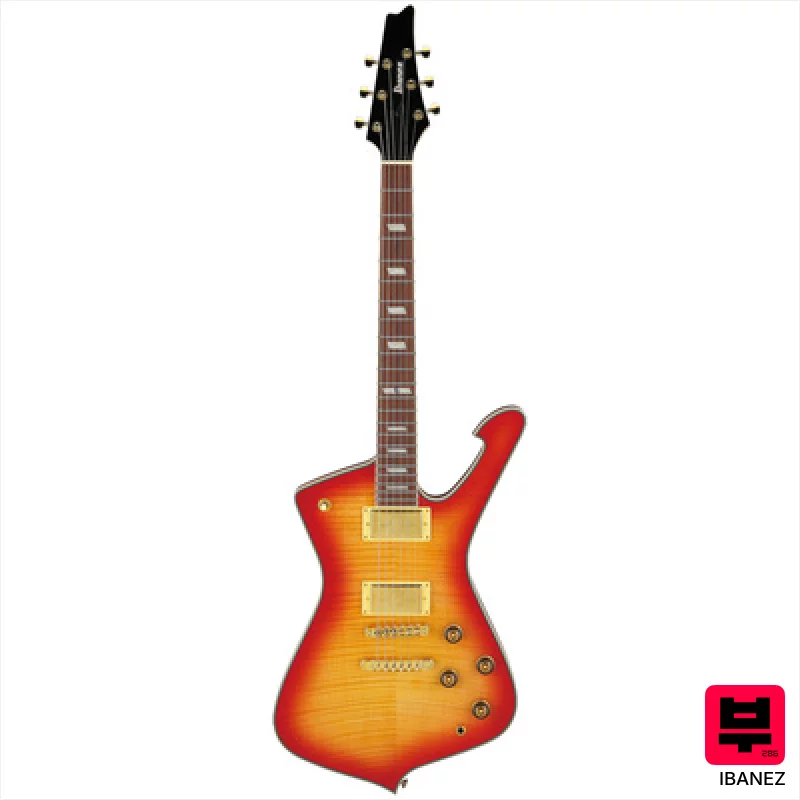
Ibanez IC420FM-CRS
- • Okoume body provides a warm, resonant foundation for the pickups.
- • Super 80 pickups deliver a thick, creamy tone with plenty of output.
- • Jatoba fingerboard offers a unique feel and surprisingly smooth playability.
- • Gibraltar Performer bridge enhances sustain and tuning stability.
- • Plastic nut can be a limiting factor for ultimate tuning stability and feel.
- • Okoume body might be slightly heavier than some players prefer.
- • While versatile, the Super 80s lean towards a warmer, less aggressive sound.

Fender MIJ Trad II 60s Mustang WPL
- • Basswood body delivers surprisingly resonant, balanced tones.
- • Maple neck with rosewood fretboard offers comfortable, familiar feel.
- • Mustang single coils provide unique, chimey character and vintage vibe.
- • Floating tremolo allows for expressive vibrato without excessive tuning instability.
- • Basswood can sometimes lack sustain compared to more premium woods.
- • The 'U' neck profile isn't for everyone; might feel thick.
- • Limited pickup options restrict versatility for modern high-gain styles.
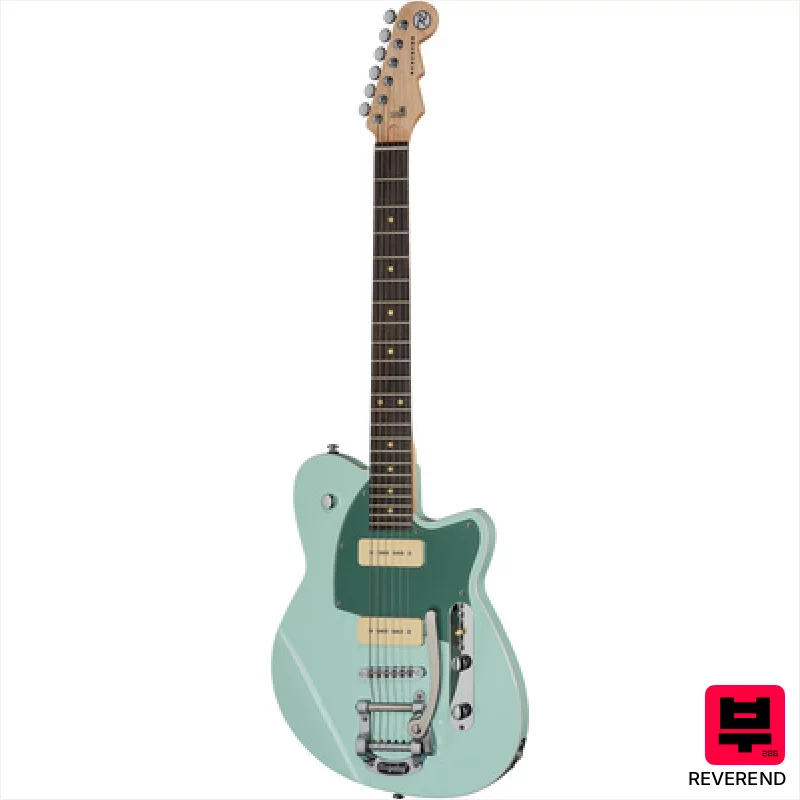
Reverend Charger 290 Bigsby Chron. Blue
- • Korina body provides excellent resonance and sustain.
- • Roasted maple neck offers stability and a smooth, fast feel.
- • 9A5 P90s deliver a thick, creamy tone with plenty of grit.
- • Bigsby B-50 tremolo adds expressive vibrato without excessive dive.
- • Korina body contributes to a noticeable weight, might be tiring for some.
- • Rosewood fretboard might not appeal to players preferring maple or ebony.
- • P90 pickups, while great, are less versatile than humbuckers for very clean tones.
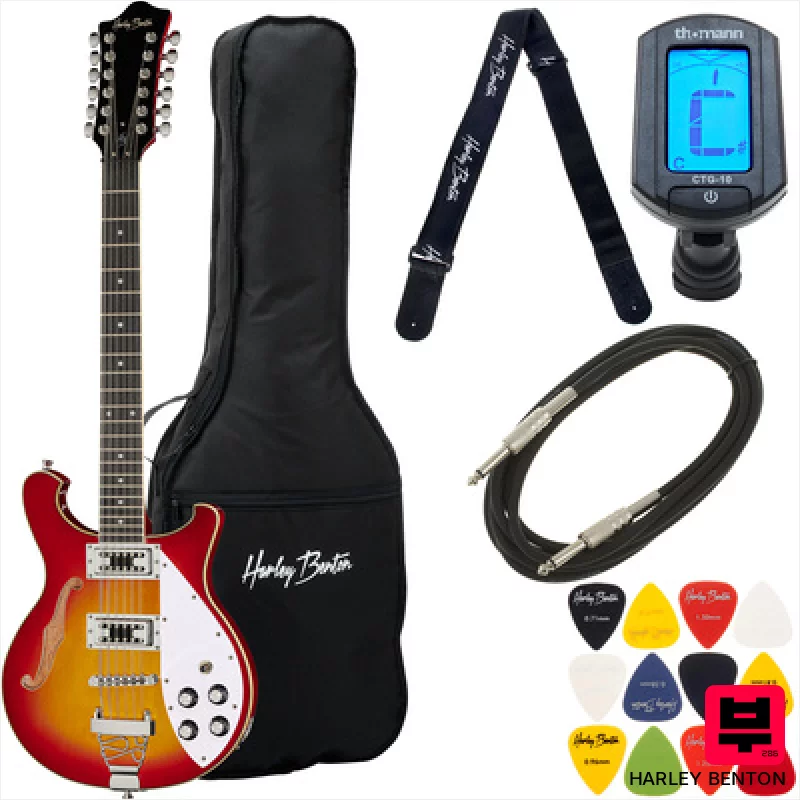
Harley Benton RB-612CS Classic Series Bundle
- • Okoume body provides a surprisingly resonant and warm tonal foundation.
- • Artec Classic mini-humbuckers deliver a surprisingly articulate, vintage-voiced tone.
- • Maple neck with laurel fingerboard offers a comfortable playing experience and good sustain.
- • The included accessory pack provides immediate playability and essential extras.
- • Semi-hollow construction can be prone to feedback at higher volumes.
- • Hardware, while functional, might not match the quality of more premium options.
- • 12-string guitars inherently require more frequent string changes and adjustments.
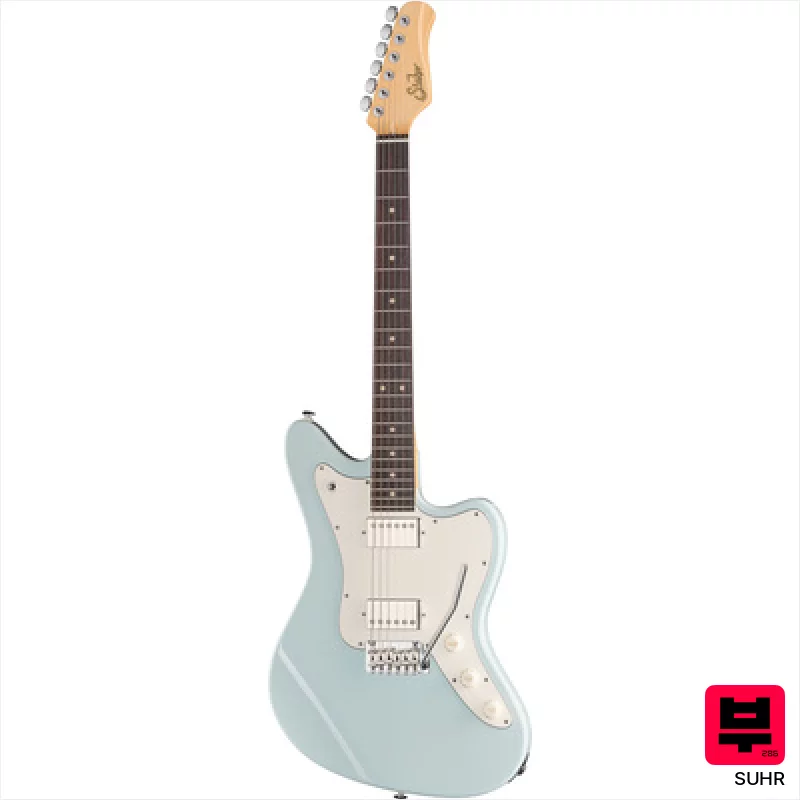
Suhr Classic JM HH RW SBL
- • Alder body delivers a balanced, resonant tone with excellent sustain.
- • SSV humbuckers offer a versatile range from thick crunch to articulate cleans.
- • Compound radius fretboard eases chording while facilitating effortless lead playing.
- • Suhr’s bolt-on neck provides a snappy response and bright, focused character.
- • Sonic Blue finish, while striking, might not appeal to all tastes.
- • The 2-post tremolo, while functional, isn’t a Floyd Rose – requires careful setup.
- • Premium-priced, representing a significant investment for many players.
How to Choose the Best Alternative Design Guitars
Tonal Palette
Contemporary music demands versatility. We're looking for guitars that can deliver everything from glassy cleans and warm, jazzy tones to aggressive, saturated distortion without sounding like a caricature. A good alternative design often means a wider range of usable voicings.
Ergonomics & Comfort
Stage comfort is crucial. Those weird, pointy headstocks and uncomfortable body contours? Forget about it. We prioritize guitars that feel good for hours on end, especially for players who move around a lot on stage.
Hardware Quality
Cheap hardware is the first thing to fail on stage. Tuners that slip, tremolo systems that dive-bomb unpredictably, and pots that crackle - these are the nightmares we're avoiding. Solid hardware contributes to reliability and intonation stability.
Pickup Voicing & Response
Modern amp modeling and digital effects are fantastic, but a guitar with lifeless pickups will still sound... lifeless. We're seeking pickups with a dynamic response, good articulation, and a willingness to play nicely with a wide range of effects - think responsive compression and shimmering reverb.
Construction & Materials
Alternative designs often mean unconventional woods and construction techniques. We're evaluating how these choices impact sustain, resonance, and overall tonal character - and whether they're well-executed or just a gimmick.
Buying Guide
Don't get blinded by the novelty. Many 'alternative' designs cut corners somewhere - often in the hardware or bracing. A unique shape doesn't automatically equal a good guitar. Spend a little extra for better tuners and a stable neck; it'll save you headaches down the road. And try before you buy - that unconventional neck profile might feel amazing in a YouTube video, but torture your hands after 20 minutes on stage.
Our Methodology
We don't just look at spec sheets here. We've spent the last few months putting these guitars through the wringer: bedroom practice, band rehearsals, tracking sessions, and even a few club gigs. We A/B tested them against industry standards, judged them on their feel, their ability to cut through a mix, and, most importantly, how they inspired us to play. It's about real-world performance, not marketing fluff.

