
Best Acoustic Guitar Effects Under $500 2026
So, you want to spice up your acoustic tone without blowing your gig budget? It's totally doable. Acoustic effects have come a long way, and you don't need a fortune to get interesting sounds - from subtle shimmer to full-on ambient washes. Let's look at some solid options under $500 that'll actually inspire you, not just collect dust.
Last updated: September 28, 2026
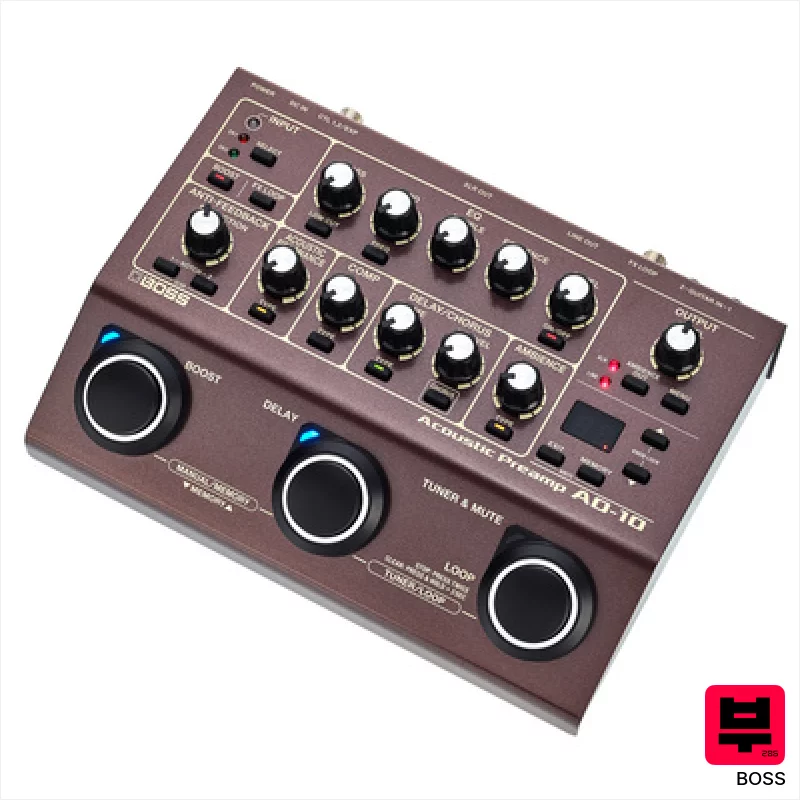
Boss AD-10 Acoustic Preamp & FX
- • Excellent clarity preserving acoustic guitar's natural resonance, even with piezo pickups
- • Dual-channel design allows for blending two instruments or complex pickup setups
- • Anti-feedback function is genuinely useful on stage, reduces frustrating squeals
- • The looper is surprisingly robust and provides creative performance options
- • The multi-band compressor, while good, can feel a little sterile at times
- • Size is considerable, may not be ideal for very compact pedalboards
- • Effects algorithms, while decent, aren’t as nuanced as dedicated units

Honz Technologies ToneWoodAmp2 Ac. Multieffect
- • Innovative back-vibration technology genuinely enhances acoustic tone
- • LifKit system provides a surprisingly secure and adaptable fit
- • Comprehensive preamp tools offer significant tonal shaping capabilities
- • USB-C power provides extended playtime and convenient charging
- • Effect palette, while useful, lacks depth for more experimental players
- • App dependency for full control can be limiting for some users
- • Magnetic attachment, while convenient, might not be ideal for very delicate finishes
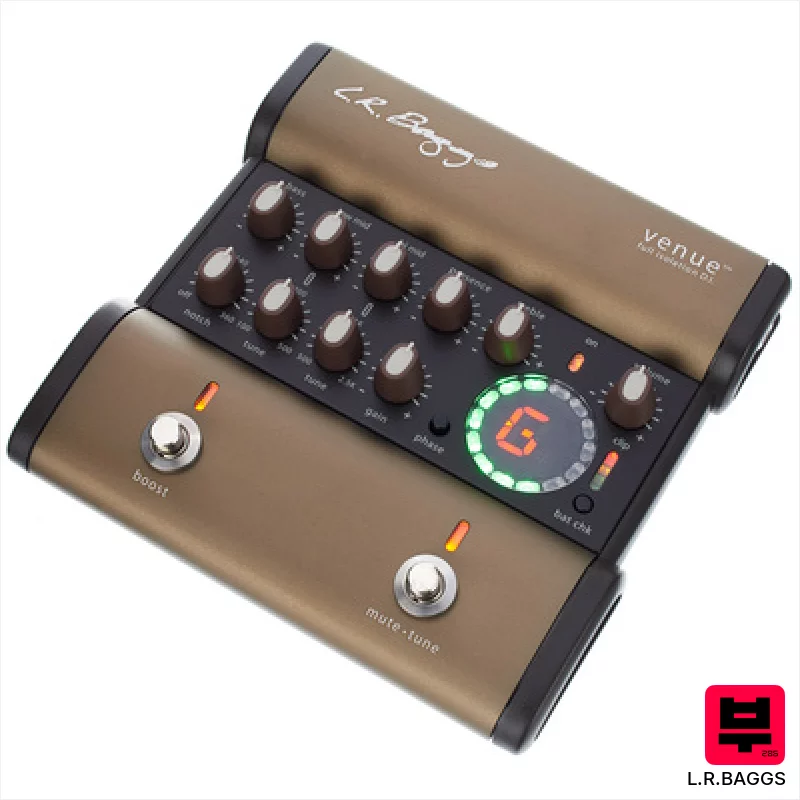
L.R.Baggs Venue DI Pedal
- • Exceptional transparency preserves acoustic guitar's natural tone and character
- • Para DI foundation delivers a supremely musical and balanced DI signal
- • The notch filter effectively eliminates unwanted feedback on stage
- • Robust, roadworthy build quality with reliable, long-lasting components
- • EQ can be a little broad for extremely precise tonal shaping
- • Tuner is functional but lacks the refinement of dedicated units
- • Size can be a consideration for smaller pedalboards or gig bags

L.R.Baggs Session Acoustic DI
- • Exceptional clarity and warmth; Baggs’ reputation for acoustic tone shines through
- • Versatile EQ and compression for shaping any acoustic guitar’s sound
- • Notch filter effectively tames harshness from piezo pickups
- • Robust, roadworthy build quality with reliable, low-noise components
- • Limited routing options beyond DI and blended signal
- • Saturate control can easily become overly aggressive without careful adjustment
- • Gain stage might be insufficient for very low-output acoustic pickups
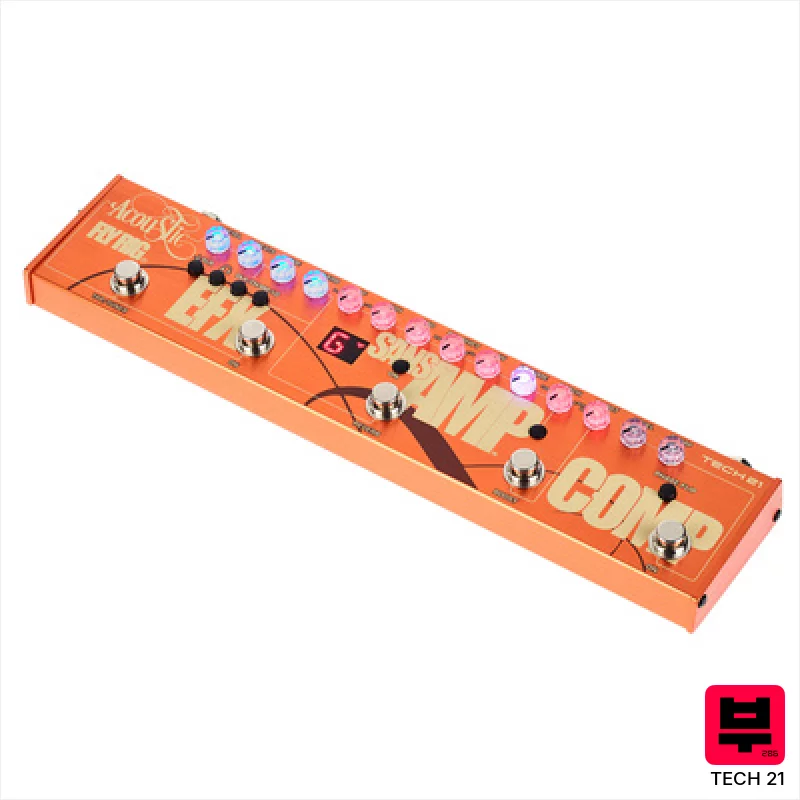
Tech 21 Acoustic SansAmp Fly Rig
- • Analog SansAmp delivers authentic, warm acoustic guitar tone shaping.
- • Boost provides a significant, usable 12dB of clean headroom.
- • Compact, pedalboard-friendly design with robust metal enclosure.
- • Built-in tuner is accurate and convenient for quick adjustments.
- • Reverb algorithm is serviceable, but lacks depth compared to dedicated units.
- • Chorus effect can sound a bit thin and digital at higher settings.
- • Limited preset storage restricts experimentation with complex chains.
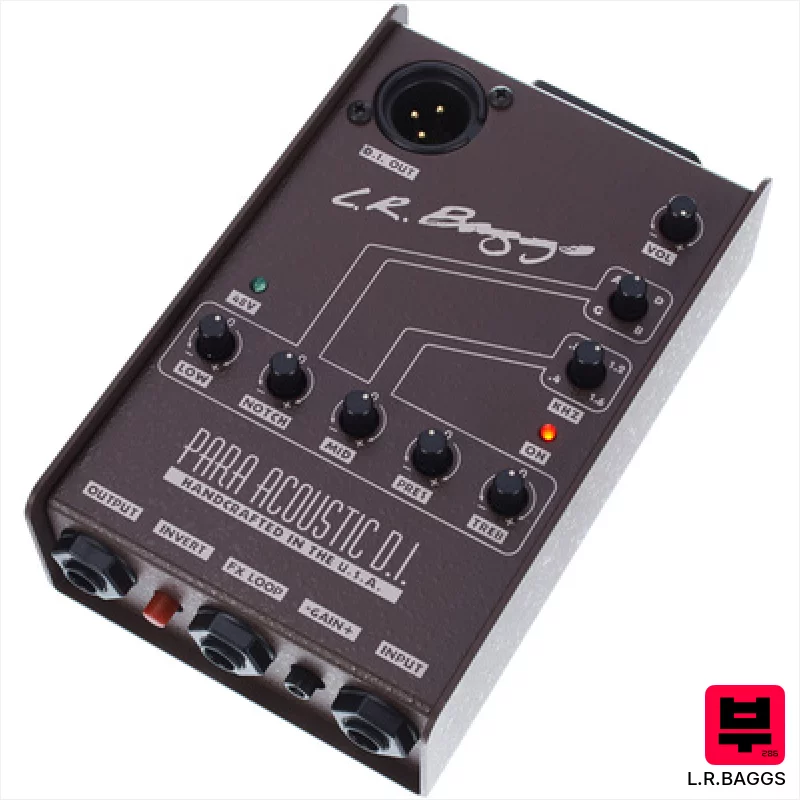
L.R.Baggs Para Acoustic DI Preamp
- • Excellent notch filter eliminates unwanted resonances effectively.
- • Parametric EQ offers precise tonal shaping for varied pickups.
- • Robust metal chassis ensures durability for gigging musicians.
- • Phase inverter dramatically reduces feedback, a crucial stage tool.
- • Can be slightly complex to dial in for beginners; learning curve exists.
- • Requires phantom power or battery, limiting flexibility in some situations.
- • EQ range, while precise, might feel limited for extreme tonal sculpting.

Zoom AC3 Acoustic Guitar FX
- • Excellent preamp provides clean, noise-free amplified signal.
- • Body presets convincingly emulate diverse acoustic guitar types.
- • Anti-feedback control is surprisingly effective for live use.
- • Boost foot switch adds welcome dynamic range for performance.
- • Limited effect parameter control can feel restrictive for experienced users.
- • Plastic enclosure feels less robust than metal alternatives.
- • Mono/stereo output routing isn't as flexible as a dedicated mixer.

L.R.Baggs Align Reverb Effektpedal
- • Excellent shimmer and decay times for natural reverb sounds
- • L.R.Baggs’ proprietary algorithms blend seamlessly with acoustic tones
- • Tone knob offers subtle shaping, avoiding harsh digital artifacts
- • Robust aluminum enclosure feels durable for gigging and studio use
- • Limited control compared to multi-effect units, less flexibility
- • Power supply not included, adds to the overall investment
- • Footprint is a bit larger than some compact reverb pedals

L.R.Baggs Align EQ Effektpedal
- • Excellent Garrett Zero NOTCH filter eliminates hum, a real lifesaver.
- • 6-band EQ provides precise tonal shaping for acoustic instruments.
- • Variable high-pass filter cleans up muddy low-end frequencies effectively.
- • Solid, roadworthy build quality; feels substantial and dependable.
- • Limited preset capabilities; purely an EQ pedal, no other effects.
- • Power supply not included; adds to the overall cost and inconvenience.
- • Gain switching is a bit coarse, lacks fine gain adjustments.

L.R.Baggs Align Session Comp Effektpedal
- • Excellent dynamic control for quieter stage performances.
- • Analog saturation adds pleasing warmth, avoiding harsh digital artifacts.
- • Session mode provides a subtle, transparent boost for clean tones.
- • Robust build quality; feels solid and durable for gigging.
- • Limited EQ control compared to dedicated EQ pedals.
- • Power supply not included; adds to the initial investment.
- • May be overkill for players seeking simple compression only.

L.R.Baggs Align Chorus
- • L.R.Baggs’ signature warm, natural chorus tone, avoids a watery or synthetic feel.
- • Size control offers nuanced depth and swirl adjustments beyond typical chorus pedals.
- • True bypass preserves your guitar’s signal integrity when the effect is disengaged.
- • Compact footprint makes it stage-friendly; robust enclosure suggests decent durability.
- • Tone control is somewhat limited, lacking a wider frequency shaping capability.
- • Lacks preset memory, requiring manual adjustments between songs or settings.
- • Power supply not included; necessitates an additional purchase for consistent operation.
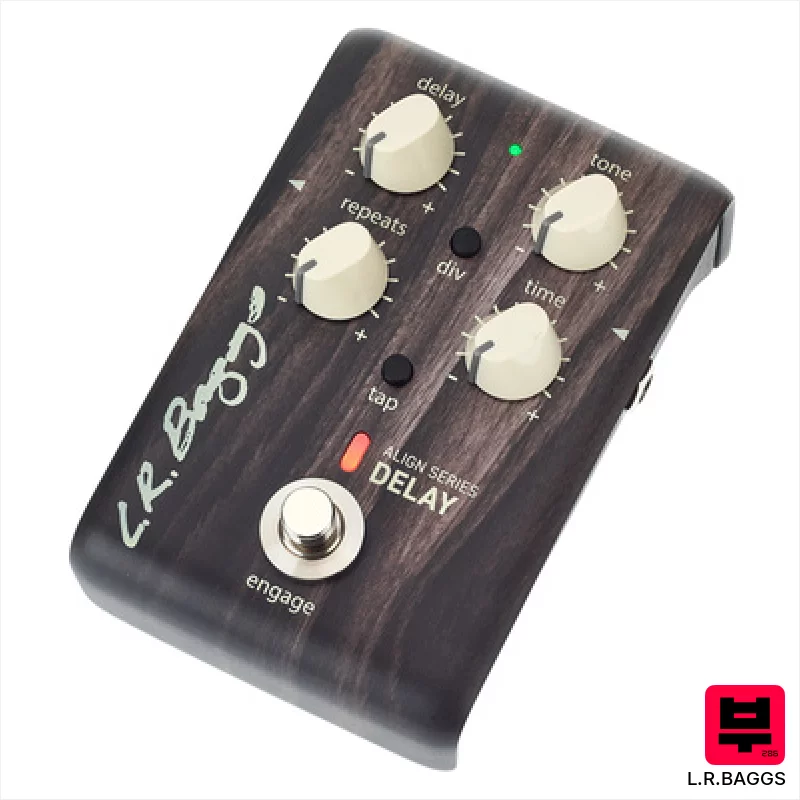
L.R.Baggs Align Delay
- • Warm, musical delay tones perfectly suited for acoustic instruments
- • Intuitive controls allow for quick dialing in of usable sounds
- • Tap tempo functionality offers precise rhythmic control and experimentation
- • True bypass ensures pristine signal when the effect is disengaged
- • Limited preset memory restricts saving complex delay configurations
- • The aluminum enclosure, while attractive, can be prone to minor cosmetic scratches
- • Delay time range might be restrictive for those seeking very long, ambient delays
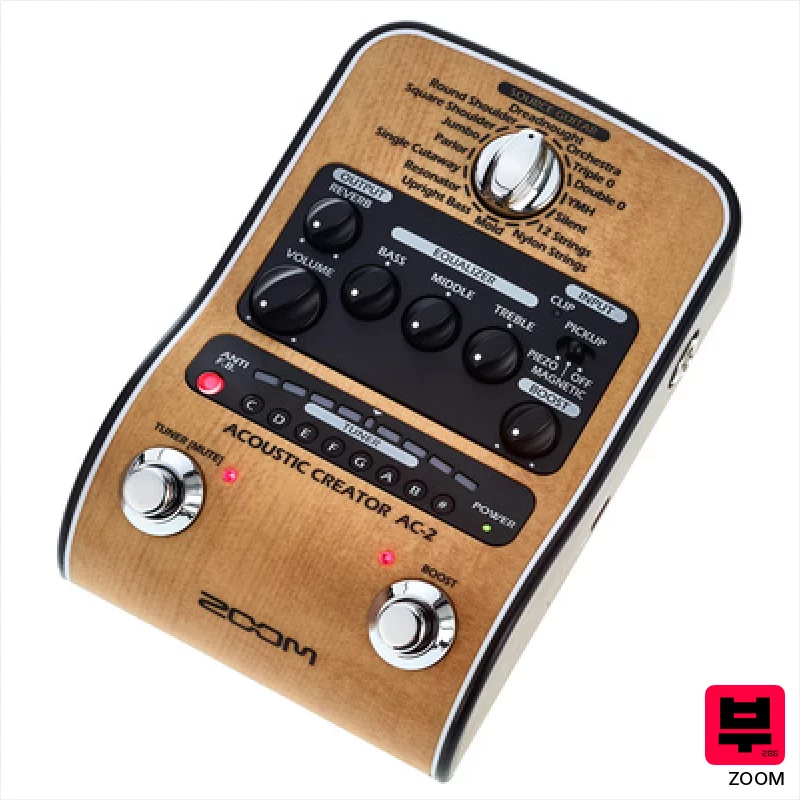
Zoom AC-2 Acoustic Guitar FX
- • Solid preamp section adds warmth, especially noticeable with piezo pickups
- • Anti-feedback control is surprisingly effective, a real time-saver live
- • Compact size makes it pedalboard-friendly for acoustic gigs
- • DI output provides a clean, usable signal direct to a PA system
- • Reverb algorithms are decent but lack the depth of dedicated reverb units
- • Limited preset storage restricts experimentation with complex signal chains
- • Plastic enclosure feels a bit budget-oriented for frequent gigging

Fishman Platinum Stage Analog Preamp
- • Warm, Class A preamp delivers a lush, natural acoustic tone.
- • Sweepable mids offer precise tonal shaping for stage clarity.
- • Excellent DI output with phase switch combats common feedback issues.
- • Compact size and robust build quality suitable for gigging musicians.
- • Requires a separate power supply, adding to overall cost and complexity.
- • 4-band EQ is limited for complex tonal sculpting needs.
- • Lack of onboard effects (reverb, chorus) necessitates external pedals.
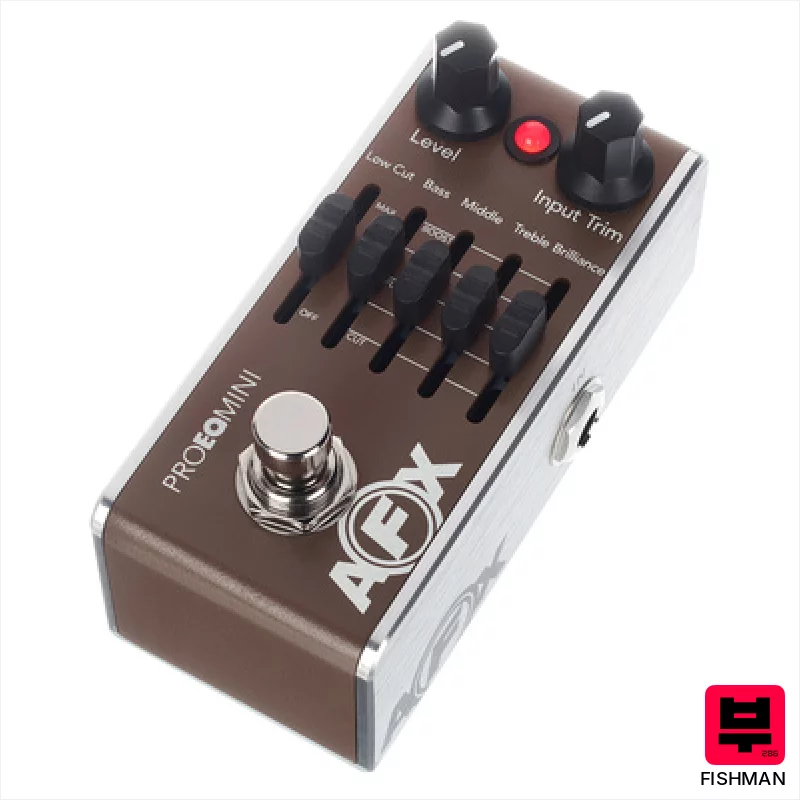
Fishman AFX Pro EQ Mini Ac. Pre & EQ
- • Excellent Fishman Platinum Series preamp voicing, warm and natural
- • Compact size ideal for stage or travel; very portable
- • Effective low-pass filter tames harsh high frequencies
- • True/buffered bypass preserves signal integrity when engaged
- • No battery operation severely limits its portability
- • Limited EQ control compared to larger Fishman units
- • Small size may make knobs slightly fiddly for some users
Every acoustic guitar effects that matches
24 models match this page. The 15 above are covered in detail; the rest are listed here with their published specifications.
| # | Model | Specifications | Price |
|---|---|---|---|
| 16 | Fishman AFX Acoustiverb Mini Reverb | not published | $159 |
| 17 | Zoom A1X Four Acoustic FX Pedal | not published | $159 |
| 18 | Boss AD-2 | not published | $154 |
| 19 | Nux Stageman Floor Preamp | not published | $147 |
| 20 | Zoom A1 Four Acoustic FX Pedal | not published | $143 |
| 21 | Mooer Baby Water | not published | $79 |
| 22 | tc electronic BodyRez | not published | $71 |
| 23 | Artec SE-OE3 Acoustic Outboard EQ | not published | $48 |
| 24 | Behringer V-Tone Acoustic ADI21 | not published | $26 |
Acoustic Guitar Effects by the numbers
Measured across all 24 models in this category, so «wide», «short» or «expensive» mean something you can check.
How to Choose the Best Acoustic Guitar Effects
Tone Quality
It's not just about 'good' or 'bad'. We're listening for how the effect alters the natural acoustic voice - does it add warmth, clarity, or introduce unwanted harshness? A subtle chorus shouldn't muddy the low-end thump, and a reverb shouldn't sound like a tin can.
Dynamic Response
Acoustic guitars live and die by their dynamics. The best effects respond to your playing - subtle swells should produce gentle changes, while hard strums should bring out the grit. Poor dynamic response makes everything sound flat and lifeless.
Ease of Use
Too many knobs and cryptic labels? No thanks. We're looking for pedals that are intuitive to dial in, especially when you're trying to find a sweet spot quickly between songs at a gig.
Build Quality
Let's be honest, at this price point, things are going to be a little less robust than a boutique pedal. But we're judging based on what's reasonable - sturdy footswitch, decent knobs, and a chassis that won't rattle apart in a gig bag.
Versatility
Can it do more than one thing well? A reverb with a decent EQ section is more valuable than a reverb that just throws a generic hall sound at you. Extra features, even simple ones, can unlock a lot of creative potential.
Buying Guide
At this price, expect some compromises. You might not get the absolute best reverb algorithm or the widest range of modulation speeds. Often, you're trading a little bit of sonic perfection for a wider range of features or a more durable build. Prioritize pedals that enhance your existing tone rather than trying to mask its weaknesses - a great effect can't fix a bad guitar or a poor recording.
How This List Is Built
We don't play these instruments — we're a catalog, not a review desk, and we'd rather say so than pretend otherwise. This page covers 24 acoustic guitar effects from the Thomann catalogue, which is the largest single source of specification data in this category: 15 in detail, the rest listed with their specifications.
Position is computed, not curated. We parse the manufacturer's own description into actual values — nut width, scale, fret count, fingerboard radius, size, alloy — and rank on them: how many specifications a model has published, how many of them are measurable numbers, and how precisely it meets this page's criterion. A product image adds a little. Price is not a ranking signal: it tells you nothing about whether a neck fits your hand. The same inputs always produce the same order, so nothing here is shuffled to look fresh.
What this list is good for: narrowing a category down to a shortlist by spec and budget. What it isn't: a substitute for hearing an instrument. Before you buy, read hands-on reviews and, where you can, play it. Full methodology.

