
Best 7/8 Size Classical Guitars Under $200 2026
So, you're looking for a 7/8 size classical guitar without breaking the bank? Smart move. Smaller bodies are fantastic for younger players, or anyone who finds full-size instruments unwieldy, but you don't want to sacrifice tone just to get a comfortable reach. Finding a decent one under $200 is a challenge, but definitely doable if you know what to look for - and what to compromise on.
Last updated: September 29, 2026
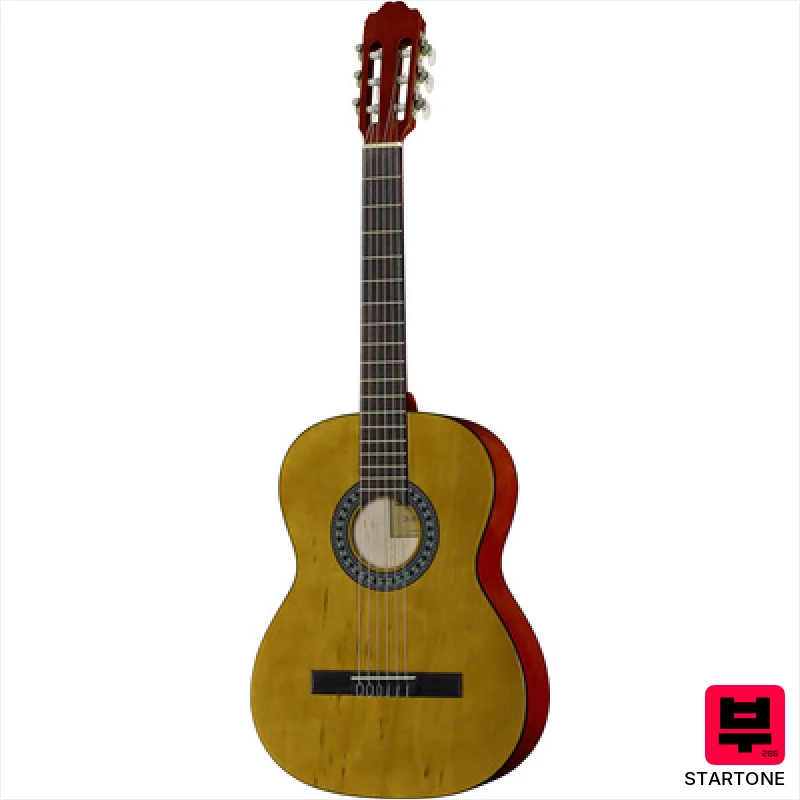
Startone CG-851 7/8
- • Basswood body offers a surprisingly warm, mellow tonal foundation.
- • Nato neck provides decent stability and a playable, if basic, feel.
- • Jatoba fingerboard is harder than many, resisting wear better than rosewood.
- • 7/8 size is comfortable for smaller players or those preferring a shorter scale.
- • Basswood, while warm, lacks the projection and complexity of spruce or cedar.
- • Nato neck, while stable, isn’t as resonant or refined as mahogany.
- • Jatoba can feel a bit brittle and lacks the buttery smoothness of rosewood.
- • Basic hardware and construction will limit upgrade potential.
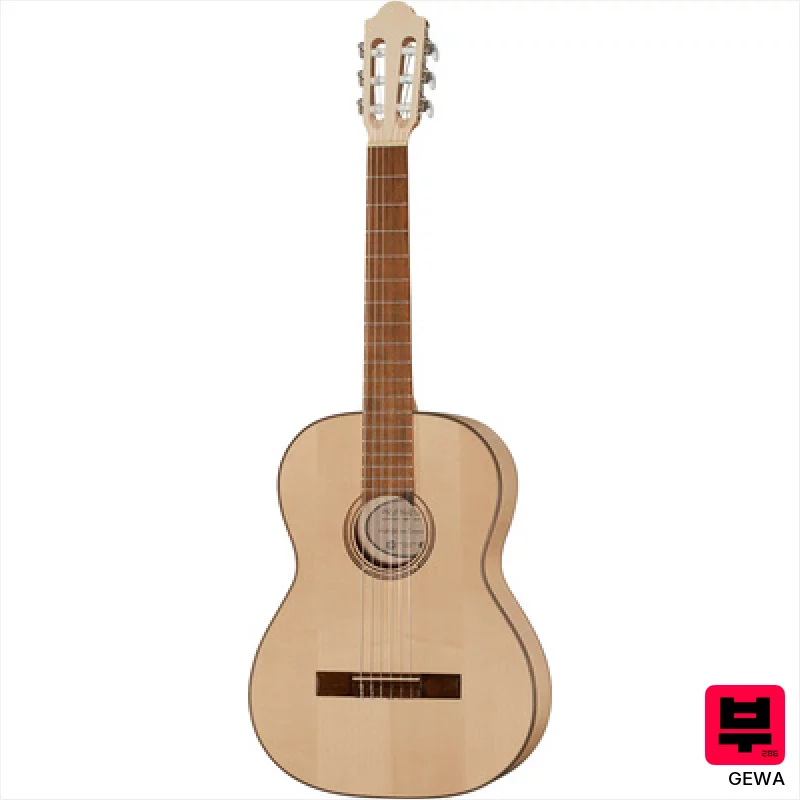
Gewa Pro Natura Silver 7/8 Maple
- • Solid spruce top provides clear, responsive projection.
- • Maple back & sides offer a focused, balanced tone.
- • 7/8 size is ideal for younger or smaller players.
- • Silk-matte lacquer finish minimizes glare and feels comfortable.
- • Maple can sound a bit less 'warm' than rosewood for some players.
- • Hannabach 600MT strings are decent, but an upgrade is likely.
- • Limited tonal versatility compared to higher-end instruments.
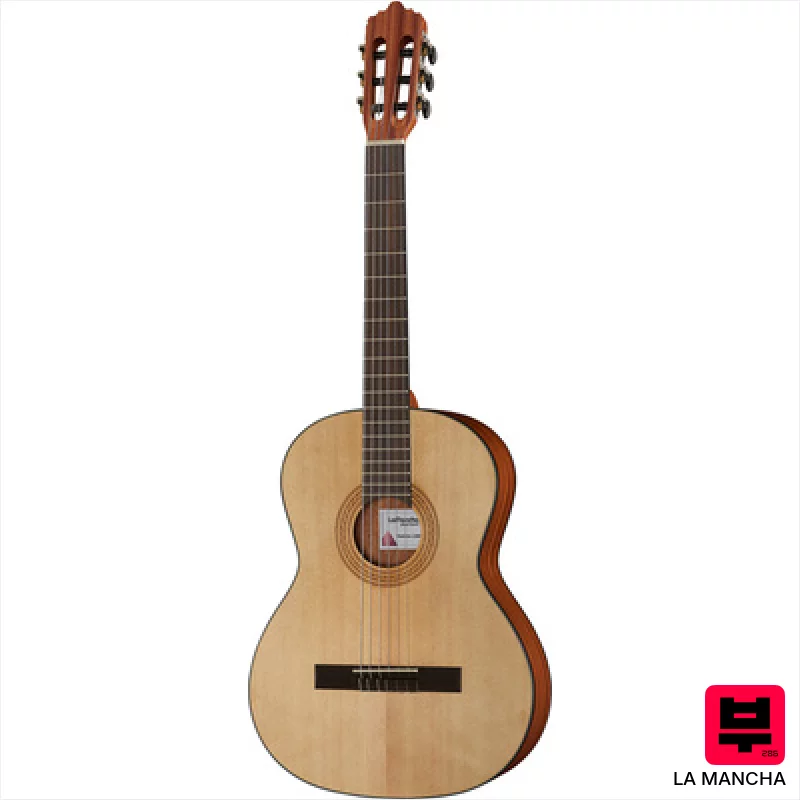
La Mancha Rubinito LSM/63-N
- • Spruce top provides clear, balanced projection for classical tone
- • 7/8 size ideal for smaller players or those preferring a compact feel
- • Nubone nut & saddle offer improved sustain and intonation stability
- • Ovangkol fretboard delivers a smooth, comfortable playing experience
- • Mahogany back/sides may lack the complex overtones of rosewood
- • ABS bindings, while functional, feel less premium than wood
- • Savarez Cantiga strings are decent but an upgrade is likely desired

La Mancha Rubinito LSM/63
- • Spruce top offers a surprisingly bright, responsive tone for the price.
- • 7/8 size ideal for younger players or those preferring a more compact instrument.
- • Nato neck provides good stability and a comfortable playing feel.
- • Savarez Cantiga strings offer a balanced, pleasant sound straight from the factory.
- • Mahogany back and sides limit the guitar's projection and tonal complexity.
- • ABS binding feels a bit cheap compared to wood binding found on higher-end models.
- • Ovangkol fingerboard can be prone to dryness, requiring occasional maintenance.
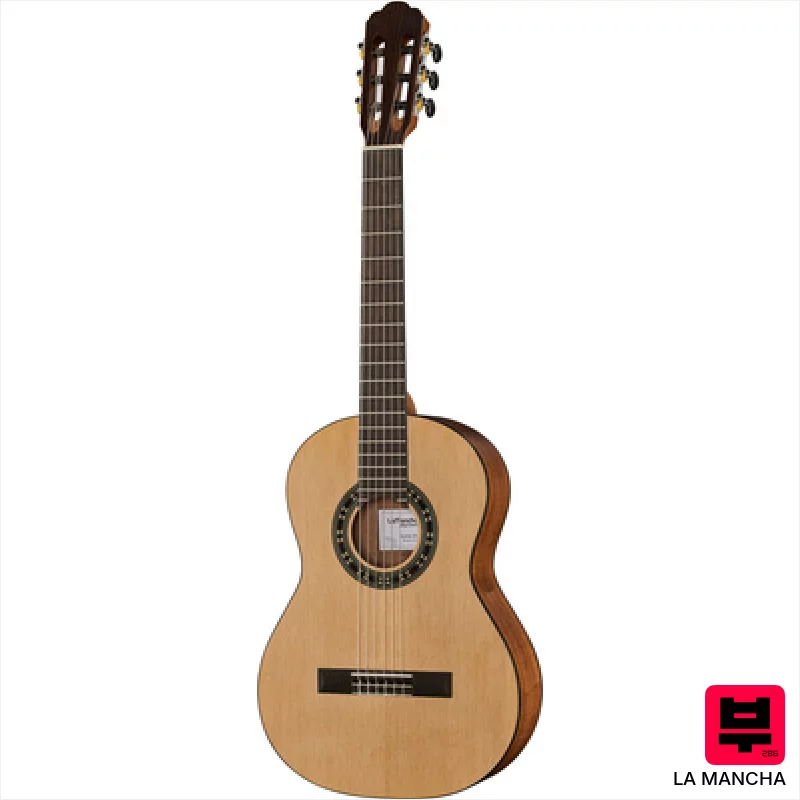
La Mancha Granito 32-7/8
- • Spruce top delivers a surprisingly vibrant and articulate tone for the price.
- • 7/8 size makes it exceptionally comfortable for smaller hands or younger players.
- • Ovangkol fingerboard offers a smooth playing experience and good durability.
- • Matte open-pore finish enhances the wood's resonance and provides a tactile feel.
- • Mahogany back and sides limit the overall projection and sustain compared to rosewood.
- • ABS binding, while functional, lacks the aesthetic refinement of wood binding.
- • Savarez strings are serviceable, but upgrading will significantly improve the sound.
7/8 Size Classical Guitars by the numbers
Measured across all 5 models in this category, so «wide», «short» or «expensive» mean something you can check.
How to Choose the Best 7/8 Size Classical Guitars
Playability (Action & Neck Profile)
This is king. A high action (string height) will make learning a nightmare. Look for a playable action right out of the box, or be prepared to have a luthier set it up - factor that into your budget. Neck profile matters too; a comfortable 'C' shape is generally a safe bet.
Tonewoods (or Lack Thereof)
Let's be real, at this price point, you're probably looking at laminated woods, mostly spruce for the top and mahogany or sapele for the back and sides. Don't expect the complexity and resonance of solid tonewoods; the goal is decent projection and a relatively balanced tone.
Bracing Pattern
The bracing pattern significantly impacts the guitar's responsiveness and tone. Simpler bracing is common in this range, which will result in a less nuanced sound, but it's not necessarily 'bad' - just less refined. Look for a fan bracing pattern if possible, even if it's basic.
Hardware Quality (Tuners & Saddle)
Cheap tuners mean frustration. They'll slip, making intonation a constant battle. A decent bone or compensated plastic saddle is preferable to a basic plastic one; it'll improve sustain and clarity slightly.
Overall Construction & Finish
Look for clean joints and a reasonably even finish. Major flaws here are a sign of sloppy construction, which can affect stability and tone. Don't expect a high-gloss finish - a satin finish is more common and acceptable at this price.
Buying Guide
At this price, you're making trade-offs. Don't expect a vintage-grade instrument. The biggest corners cut are almost always in the tonewoods (laminates instead of solid) and hardware. Prioritize playability - a well-set-up, comfortable guitar is far more valuable than a marginally better-sounding one you can't enjoy playing. Factor in the cost of a setup if the action is too high.
How This List Is Built
We don't play these instruments — we're a catalog, not a review desk, and we'd rather say so than pretend otherwise. This page covers 5 7/8 size classical guitars from the Thomann catalogue, which is the largest single source of specification data in this category: 5 in detail, the rest listed with their specifications.
Position is computed, not curated. We parse the manufacturer's own description into actual values — nut width, scale, fret count, fingerboard radius, size, alloy — and rank on them: how many specifications a model has published, how many of them are measurable numbers, and how precisely it meets this page's criterion. A product image adds a little. Price is not a ranking signal: it tells you nothing about whether a neck fits your hand. The same inputs always produce the same order, so nothing here is shuffled to look fresh.
What this list is good for: narrowing a category down to a shortlist by spec and budget. What it isn't: a substitute for hearing an instrument. Before you buy, read hands-on reviews and, where you can, play it. Full methodology.

