
Best 5-String Acoustic Basses for Jazz 2026
Alright, so you're looking at a 5-string acoustic bass for jazz? Smart move - that extra low B opens up a whole new world of possibilities, especially for comping and laying down that walking bassline. But not every 5-string acoustic is created equal; you need something that'll cut through a trio without sounding boomy, and still retain that woody warmth. Let's break down some options that'll actually work for what you're trying to do, not just look cool on a wall.
Last updated: July 15, 2026 • Next update: July 22, 2026
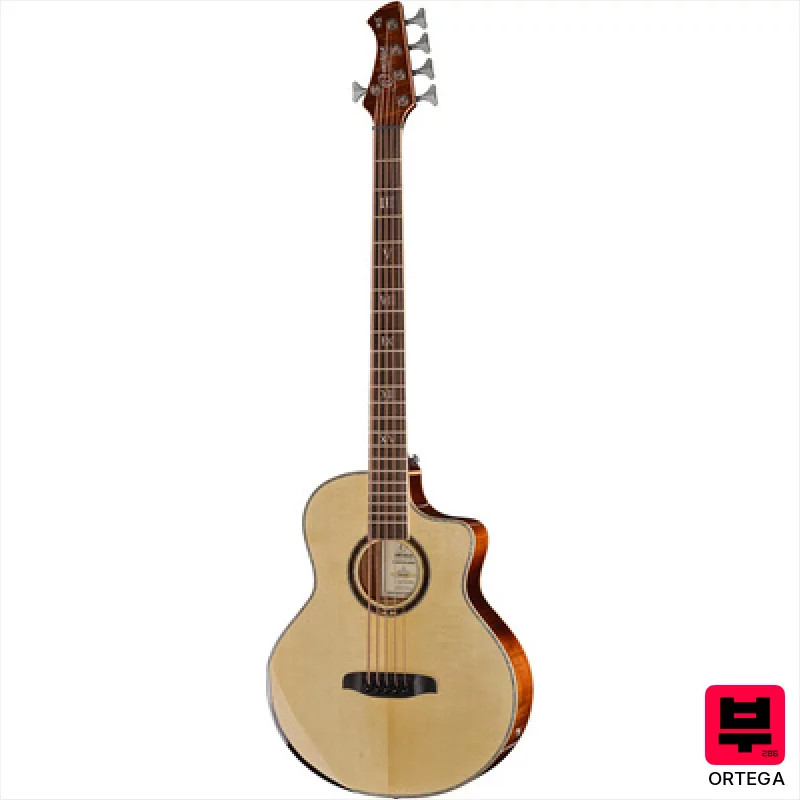
Ortega KTSM2-5 Ken Taylor Signature
- • Solid spruce top delivers a surprisingly articulate and resonant acoustic tone.
- • Ken Taylor’s reversed headstock improves string angle and aesthetic appeal.
- • Ortega MagusX/B pickup system offers a clean, usable amplified signal with onboard controls.
- • Flamed maple back and sides add visual warmth and contribute to a balanced tonal response.
- • The thinner body, while comfortable, might lack the projection of a full-sized acoustic bass.
- • Nato neck, while stable, isn't as premium feeling as mahogany or maple.
- • Medium scale length might feel a bit cramped for players accustomed to longer scales.
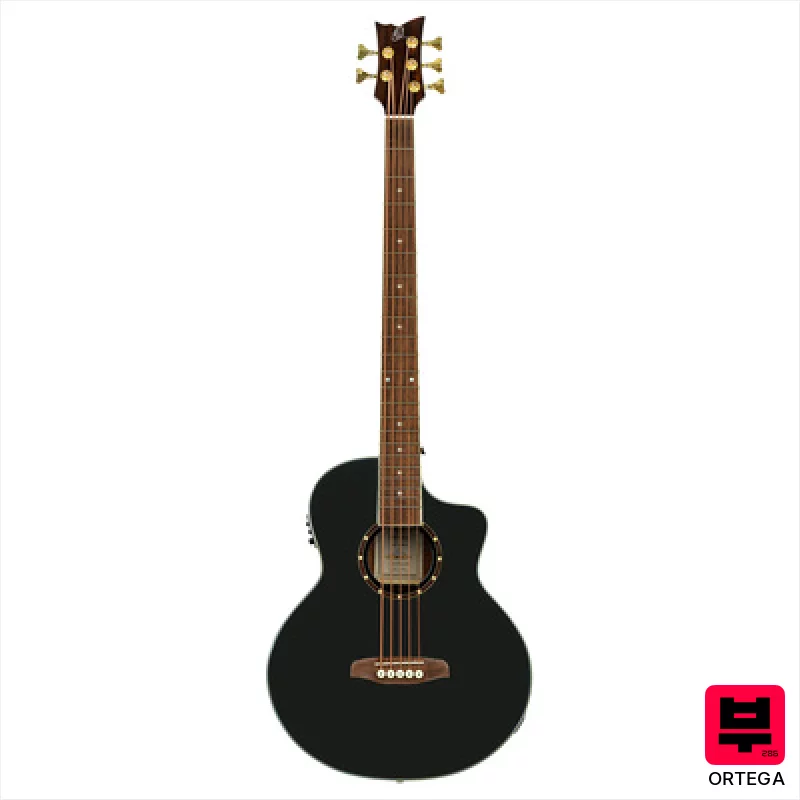
Ortega D8CE-5 Deep
- • Spruce top delivers a bright, responsive tone with good projection.
- • Mahogany back and sides contribute a warm, woody resonance and sustain.
- • Ortega MagusPro/G pickup system provides a surprisingly clean amplified sound.
- • Deep body (115mm) offers enhanced bass response and a comfortable playing feel.
- • Mahogany neck might be a bit thick for players preferring a thinner profile.
- • Walnut fingerboard can feel slightly harder than rosewood, impacting feel.
- • Limited tonal versatility; best suited for acoustic-focused styles.
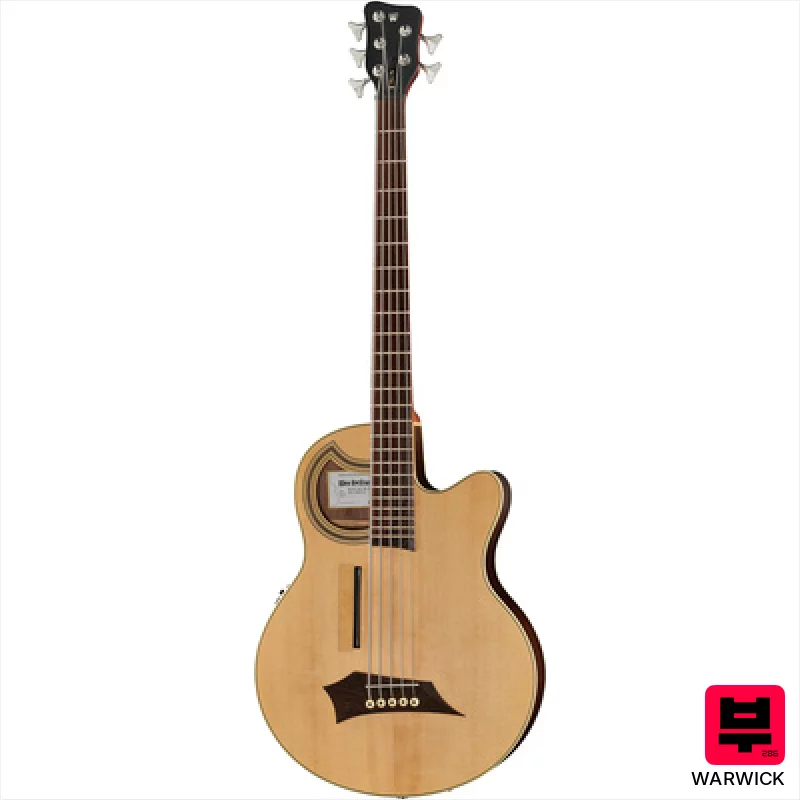
Warwick Alien Deluxe 5 Hybrid Thinline
- • Thin-line body offers exceptional comfort and stage playability
- • Hybrid piezo/magnetic system provides versatile tonal options
- • Shadow Nanomagnetic pickups deliver warm, articulate acoustic tones
- • Solid build quality with premium materials like bone nut and Just a Nut saddle
- • Walnut back/sides might lack the projection of all-spruce construction
- • Wenge fretboard can be a bit 'snappy' for some players' preference
- • Hybrid systems can sometimes be tricky to dial in a perfectly balanced sound
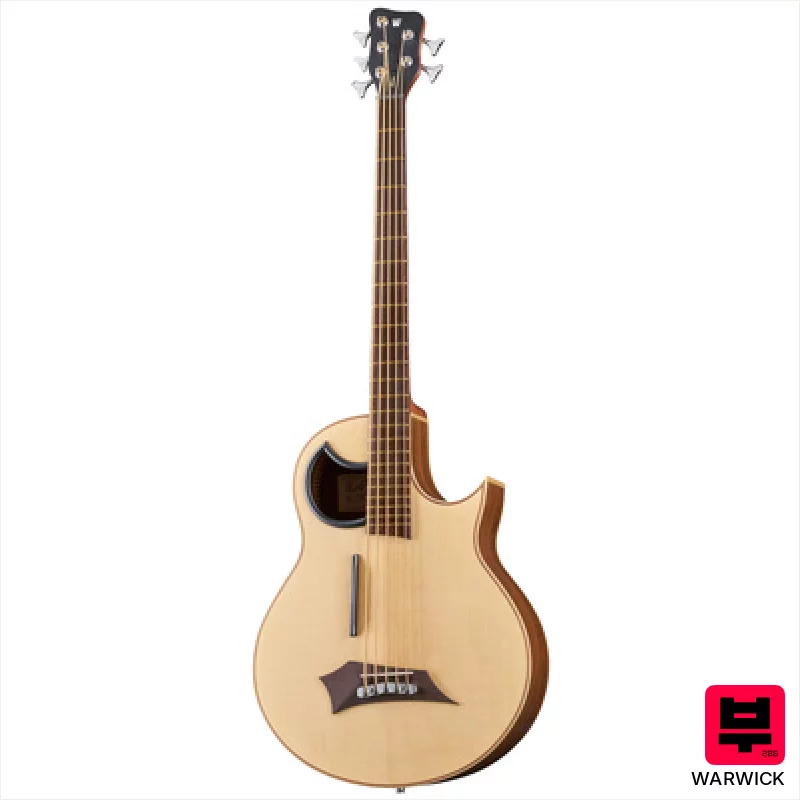
Warwick Alien 5 NT
- • AAAA Sitka spruce top delivers exceptional clarity and projection.
- • Fishman Prefix Plus T electronics offer a natural, amplified acoustic tone.
- • Long 34in scale provides a tight, defined low-end response.
- • Wenge fretboard and neck contribute to a fast, comfortable playing experience.
- • Ovangkol back and sides can sometimes exhibit a slightly boxy tone.
- • 3.3 kg weight makes it a bit hefty for extended playing sessions.
- • Limited tonal versatility compared to electric basses with more complex electronics.
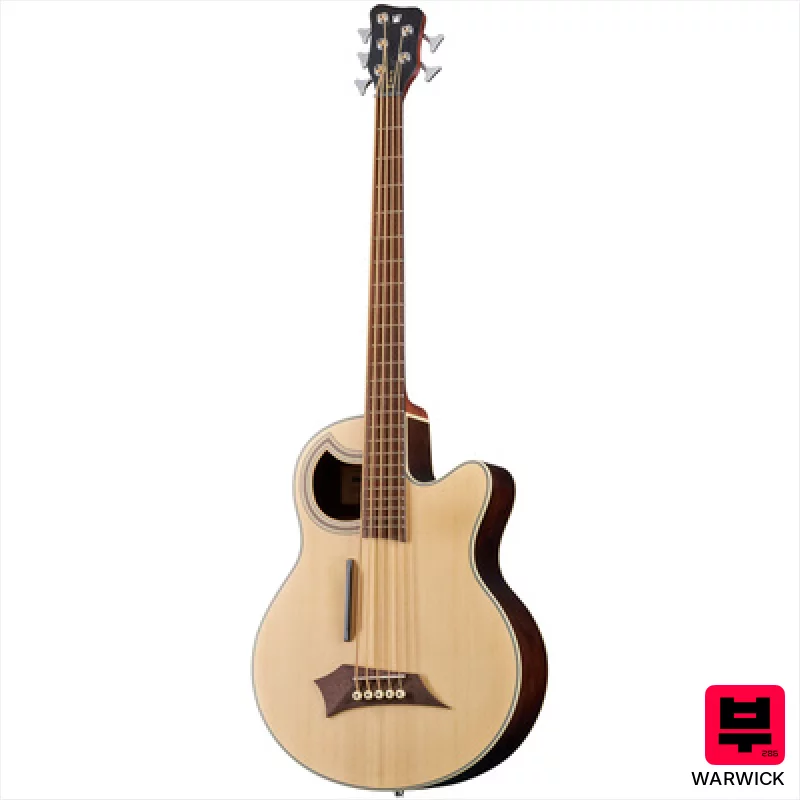
Warwick Alien Deluxe 5 NT
- • Solid AA Sitka spruce top delivers a bright, resonant acoustic tone.
- • Walnut back and sides add warmth and complexity to the overall sound.
- • Fishman Sonicore Piezo pickup system provides clear, amplified tone with Fishman Presys Plus controls.
- • Mahogany neck with wenge fretboard offers comfortable playability and a warm, articulate feel.
- • The 34in scale length may feel long for players accustomed to shorter scales.
- • The piezo pickup, while good, lacks the organic feel of magnetic pickups.
- • Walnut's tonal character can sometimes be a little subdued compared to other tonewoods.

Warwick RB Alien Standard 5 BK
- • Solid Sitka spruce top delivers a clear, resonant acoustic voice
- • Fishman Sonicore/Sonitone combo offers amplified clarity and warmth
- • Mahogany neck provides comfortable feel and sustain
- • Long 34in scale enhances note definition and low-end punch
- • Agathis back and sides limit the overall tonal complexity
- • Piezo pickup can sound brittle if not EQ’d carefully
- • Weight (3.3 kg) might be tiring for extended playing sessions

Ortega D7CE-5 Deep
- • Spruce top delivers a surprisingly articulate and responsive acoustic tone.
- • Mahogany back and sides contribute a warm, woody resonance and sustain.
- • Ortega MagusPro/G pickup system provides a usable amplified signal with decent clarity.
- • The deeper body (115mm) adds resonance and a comfortable, full feel.
- • Mahogany neck can be prone to movement with humidity changes; requires attentive care.
- • Walnut fingerboard might feel slightly harder than rosewood for some players.
- • The MagusPro pickup, while functional, isn’t a high-end studio grade system.
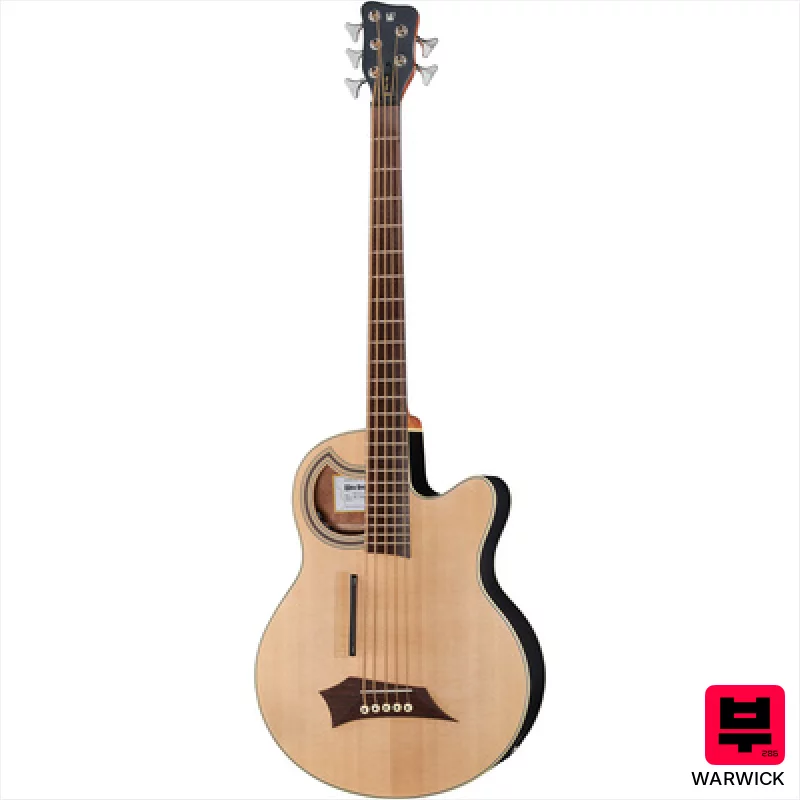
Warwick RB Alien Standard 5 NT
- • Solid Sitka spruce top delivers a surprisingly resonant and articulate acoustic tone.
- • Mahogany neck provides warmth and sustain, characteristic of quality instrument construction.
- • Fishman Sonicore/Sonitone system offers a natural amplified sound with usable EQ control.
- • Long 34in scale enhances string tension and clarity, especially beneficial for a 5-string.
- • Agathis back and sides, while affordable, lack the tonal complexity of more premium woods.
- • The piezo pickup system, while good, may not satisfy players seeking a truly acoustic nuance.
- • At approximately 3.3 kg, it's a bit weighty for extended standing gigs.
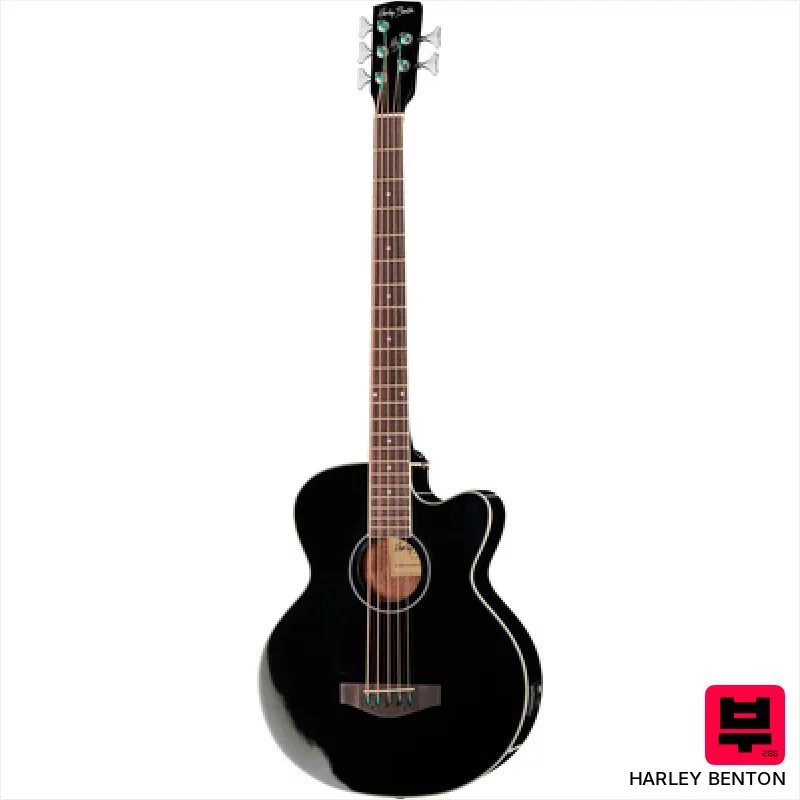
Harley Benton B-35BK Acoustic Bass Series
- • Spruce top delivers surprising warmth and projection for the price.
- • Sapele back and sides add resonance and a pleasing aesthetic.
- • Built-in pickup system offers decent amplification and tuning convenience.
- • Jatoba fingerboard provides a smooth playing experience and good durability.
- • Factory strings are basic; an upgrade is highly recommended for optimal tone.
- • Super jumbo body can be unwieldy for players with smaller frames.
- • EQ section is functional but lacks the finesse of higher-end acoustic bass systems.
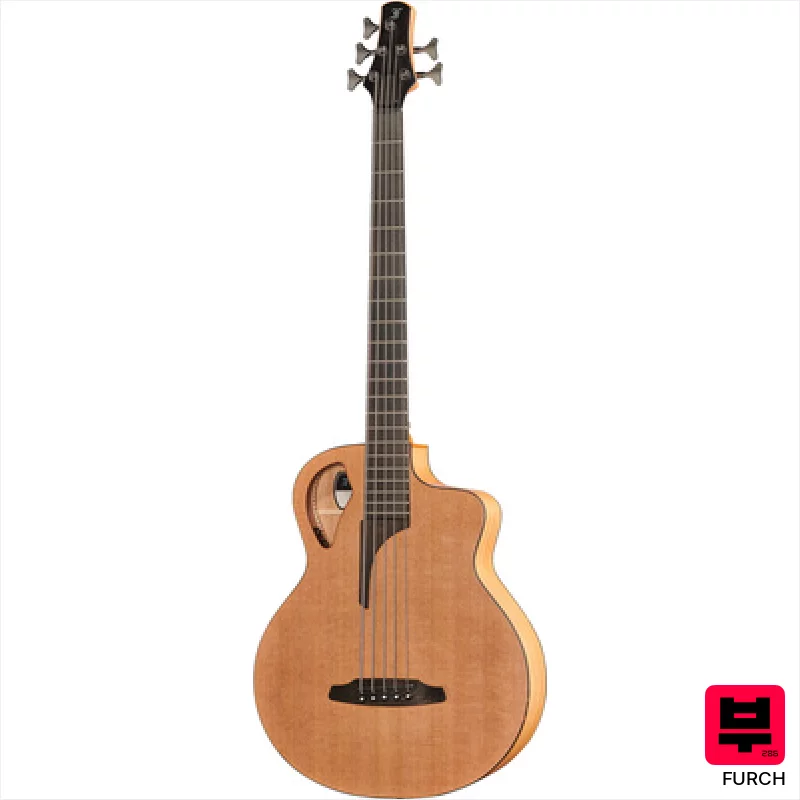
Furch Bc 61-CM 5 Acoustic Bass
- • Solid AA cedar top delivers a warm, responsive, and articulate tone.
- • Mahogany back and sides provide a focused, balanced acoustic projection.
- • LR Baggs EAS-VTC pickup system offers a clean, amplified sound with minimal feedback.
- • Ebony fingerboard provides a smooth playing experience and excellent note definition.
- • The solid cedar top is susceptible to dents and finish damage.
- • Mahogany construction can be relatively heavy, impacting long-play comfort.
- • Venetian cutaway limits lower-midrange acoustic projection slightly.
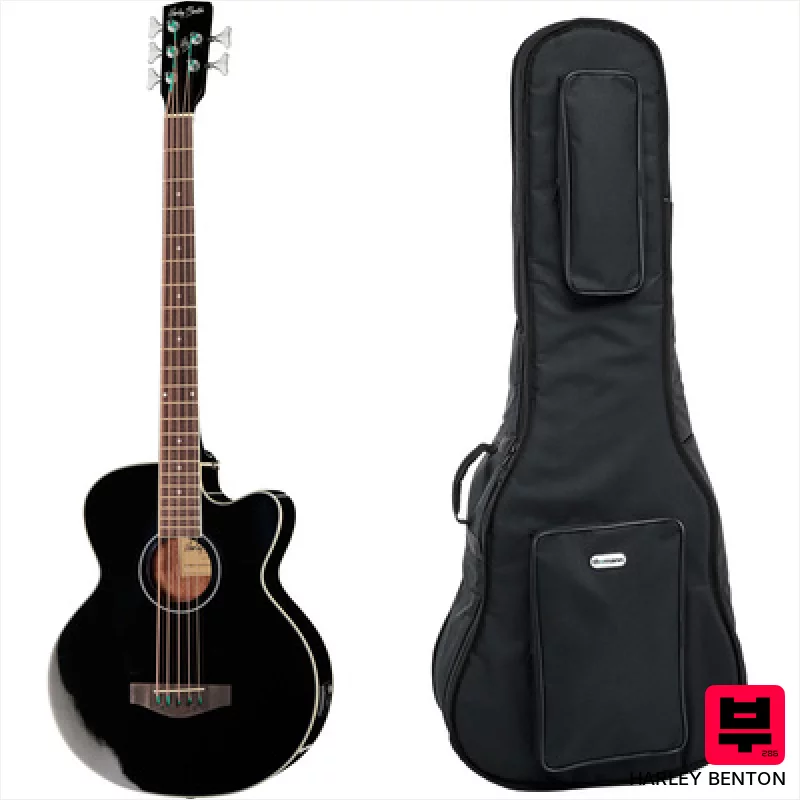
Harley Benton B-35BK Acoustic Bass w/Bag
- • Spruce top delivers a surprisingly articulate and resonant acoustic tone.
- • Sapele back and sides add warmth and sustain, a quality combination.
- • Built-in pickup system offers decent amplification for stage or recording.
- • Jatoba fingerboard provides a smooth playing experience, minimizing string pull.
- • Sapele neck might exhibit some movement with humidity changes, requiring occasional adjustment.
- • Factory strings are basic and benefit from an immediate upgrade for better tone.
- • Super jumbo body can be unwieldy for smaller players or those used to shorter scale basses.

Warwick Alien Deluxe Hybrid 5 BLS
- • Solid AA Sitka spruce top delivers bright, articulate acoustic tones.
- • Shadow NanoMag pickups offer warm, defined magnetic bass response.
- • Wenge fretboard provides a smooth, fast playing experience with excellent note clarity.
- • Hybrid piezo/magnetic system allows for versatile tonal shaping and direct recording.
- • Thin-line design might feel less resonant compared to full-depth acoustic basses.
- • Wenge fretboard can be prone to dryness; requires regular maintenance and oiling.
- • Long scale (34 in) can be challenging for players with smaller hands or shorter reach.
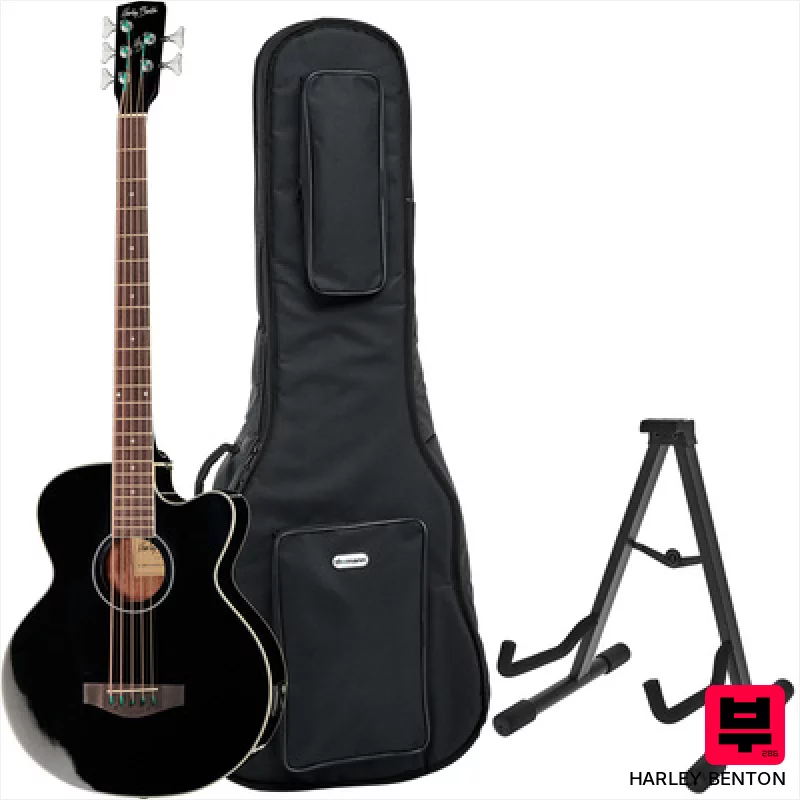
Harley Benton B-35BK Acoustic Bass Bundle
- • Spruce top delivers a surprisingly articulate and resonant acoustic tone.
- • Sapele back and sides add warmth and sustain, typical of higher-end instruments.
- • Built-in pickup system provides usable amplified sound for small gigs or practice.
- • Gig bag and stand offer great value, making it a complete, ready-to-play package.
- • Sapele neck may exhibit some movement with humidity changes; requires attentive care.
- • Factory strings are basic; upgrading will significantly improve playability and tone.
- • Super jumbo body can be unwieldy for smaller players or those used to shorter scales.
How to Choose the Best 5-String Acoustic Basses
Tonal Balance
Jazz demands a focused sound, not just low-end thump. We're looking for a balance between warmth, clarity, and a subtle 'honk' in the midrange - that little bit of character that helps you articulate lines without muddiness. Too much fundamental and you'll disappear; too bright and it's fatiguing.
Articulation & Dynamics
A good jazz bass responds to your touch. You need to hear the nuances of your playing - the subtle shifts in dynamics, the ghost notes, the percussive slaps. A bass that smashes everything into a single, homogenous tone isn't going to cut it.
Neck Profile & Playability
Let's be honest, long gigs are brutal. A comfortable neck profile is non-negotiable. We prioritized basses with necks that felt good in the hand, allowing for effortless navigation of those complex walking lines.
Pickup Voicing
Acoustic pickups can be notoriously harsh. We favored pickups that were voiced to be warmer and more natural, avoiding that brittle, ice-picky top end. A little bit of warmth goes a long way in a jazz setting.
Sustain & Projection
While you don't want a bass that rings forever, you do need enough sustain to let your notes breathe. Good projection is crucial for cutting through the mix with a quartet or larger ensemble, especially when you're playing acoustic.
Buying Guide
A 5-string acoustic is a significant investment, so don't rush it. Budget-friendly options often compromise on bracing and tonewoods, leading to a boxier tone and less sustain. It's worth paying extra for a solid top - spruce or mahogany are classic choices - and a well-fitted neck. Don't be afraid to check the action; a high action will kill your speed and comfort, especially when navigating complex chord changes.
Our Methodology
We didn't just look at spec sheets here. We spent hours with each bass - playing through different amps, DI'ing into recording interfaces, and even taking a few out to some small jazz gigs. Our focus was on how these instruments feel and sound in real-world scenarios, comparing them head-to-head to see what truly delivers the jazz tone we're after.

